Matox News

Truth Over Trends, always!

MPs push to boost and defend special needs funding in schools

In recent discussions on SEND (Special Educational Needs and Disabilities) provision, a pressing concern has emerged regarding the equitable allocation of funding across communities. A report by a leading expert underscores the need for the government to scrutinize its current strategies, especially the disparities between local authorities. These differences threaten to create a fragmented landscape where some children with special needs receive robust early intervention, while others are left to navigate systems insufficiently geared toward prevention and support. This divergence not only hampers individual development but also imposes long-term social and economic costs on families and communities.

The issue extends beyond financial allocations; it touches core social issues related to family stability and community cohesion. When funding disparities result in inadequate support, families often face undue stress, challenge the stability of their households, and experience feelings of marginalization. Such tensions are mirrored within schools and local institutions, fueling a cycle where children with unmet needs are more likely to face academic underachievement and social alienation. Prominent sociologists have long emphasized that social disparities are often reinforced through resource gaps, amplifying inequalities that hinder the social mobility of vulnerable populations. Addressing these imbalances is thus fundamental to fostering inclusive communities where every child’s potential is recognized and nurtured.

Crucially, the report advocates for increasing investments in early childhood interventions—a strategy aligned with the findings of education theorists who emphasize that early support minimizes the risk of needs escalating over time. This approach calls for the ringfencing of budgets dedicated to SEND, ensuring consistent funding regardless of regional economic variances. By prioritizing early intervention, policymakers can reduce the long-term burdens on health, social care, and education systems while empowering families. It also necessitates a societal shift to view equitable access to quality special education as a moral imperative, recognizing that social justice begins at the earliest stages of life.

  • Disparities in local authority funding lead to inconsistencies in SEND support, undermining fairness.
  • Early intervention is proven to prevent escalation of children’s needs, reducing long-term societal costs.
  • Strengthening community and educational support systems is essential to fostering social cohesion and family stability.
  • Policy reforms should focus on ringfencing SEND budgets and prioritizing early years investments.
  • Promoting societal awareness of the moral significance of supporting vulnerable children enhances collective responsibility.

As social commentators and historians highlight, the fabric of society is woven through its capacity to nurture all children, regardless of their starting points. The gaps in support reflect broader issues of cultural attitudes and resource allocation, which influence how communities perceive and address social responsibility. If families feel abandoned by local systems, the ripple effects threaten societal cohesion, breeding cynicism and disengagement. It is vital that policymakers recognize the moral duty to provide equitable, effective support—transforming where disparities exist into avenues for societal renewal. Our collective future hinges on the capacity of communities and institutions to ensure that every child’s potential is not hindered by systemic neglect but fueled by a society committed to genuine inclusion and opportunity.

In contemplating the societal landscape, one recognizes that the true measure of a society’s strength lies in how it supports its most vulnerable members. Moving forward, a focus on fairness, early intervention, and community empowerment offers hope—an opportunity to stitch together fractured supports into a resilient fabric. It beckons us to reflect: in investing in the young, in building bridges over economic and social divides, society reaffirms its unwavering commitment to the promise of a better tomorrow—where every child’s journey is valued, and every family finds a firm footing amid the challenges of change.

House of Lords Approves Phone Ban in Schools, Putting Society’s Discipline First

In recent weeks, the UK Parliament has taken a significant step towards safeguarding the mental and social well-being of its youth by supporting legislation aimed at banning social media usage for under-16s. This legislative move highlights growing concerns among parents, educators, and social commentators regarding the impact of digital platforms on families, education, and broad community cohesion. Critics argue that social media, while a tool for connection, often contributes to increased anxiety, cyberbullying, and distorted perceptions of reality—particularly for impressionable adolescents who are still navigating the complex landscape of identity and self-esteem.

Historically, social critics and sociologists have warned about the destabilizing effects of rapid technological change. Influential figures like Neil Postman emphasized how media shape societal values and moral frameworks, warning that excessive exposure to digital environments could erode traditional community bonds and intergenerational understanding. Today, many argue that the pervasive influence of social media during formative years is undermining the ethical fabric of families and the stability of educational environments. Schools report incidents of cyberbullying, social isolation, and mental health crises that are increasingly linked to online activity, prompting calls for tighter regulation to restore order and safety within the social fabric.

The legislative response reflects a broader recognition of social issues that transcend individual behavior—highlighting how demographic shifts and cultural tensions are reshaping societal norms. Historically, each era of technological innovation has challenged existing social structures. The current digital revolution, however, appears to be accelerating these changes at a pace that leaves many struggling to adapt. Critics voice concerns that unchecked social media use fosters a culture of instant gratification and impairs families’ ability to provide moral guidance. This phenomenon risks creating generations of young people with fragmented social identities, increasingly disconnected from their community roots and shared cultural values.

  • Strengthening family bonds through responsible digital use remains a societal priority.
  • Schools are adopting comprehensive digital literacy programs to equip students with critical skills for navigating online environments.
  • Community organizations are calling for greater parental involvement and oversight in children’s digital lives.

In this landscape of rapid change, social commentators emphasize the importance of restoring balance—recognizing that the social health of a nation depends on empowered, connected communities grounded in shared values and moral integrity. As historian Yuval Noah Harari and others have observed, society’s moral compass is often challenged during times of technological upheaval. It is essential to foster environments where families feel supported and where education reinforces the ethical imperatives necessary for building resilient communities. Efforts to regulate social media for minors reflect an acknowledgment that societal well-being is intertwined with the ethical development of its youngest members.

Ultimately, society stands at a crossroads. The path we choose will determine whether future generations inherit a fractured, digitally-saturated world or a resilient, morally grounded community capable of withstanding the turbulence of the modern age. As communities rally around safeguarding their cultural and social ideals, the hope remains that through thoughtful legislation and renewed family engagement, society can forge a future where technology serves as a tool for connection rather than division—reminding us all that the true strength of any society lies in its capacity to nurture hope, foster responsibility, and uphold shared human dignity.

Mossbourne School’s Impact Under Scrutiny: Some Students' Wellbeing at Risk
Mossbourne School’s Impact Under Scrutiny: Some Students’ Wellbeing at Risk

Success at a Cost: The Hidden Crisis in England’s High-Achieving Schools

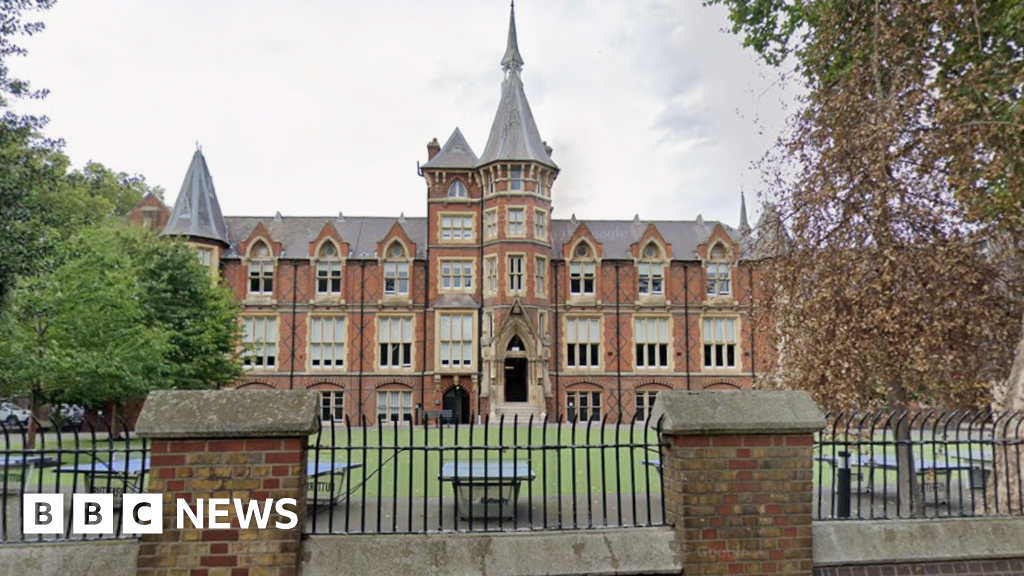
In the vibrant neighborhoods of East London and the heart of Hackney, prestigious institutions like Mossbourne Victoria Park Academy (MVPA) have long celebrated remarkable academic results, exemplifying the nation’s educational ambitions. However, beneath this veneer of achievement lies a fractured cultural landscape where the wellbeing of vulnerable students is compromised in the pursuit of excellence. An independent safeguarding review has exposed troubling practices—shouting, public humiliation, unequal sanctions—that threaten the very fabric of community trust and family stability. This crisis underscores a disturbing trend: when schools prioritize discipline and academic performance over dignity and human rights, it is families and communities who bear the invisible scars.

The report reveals that these high standards have exacted a heavy toll on some of the most vulnerable pupils. Students with special educational needs and disabilities (Send) have been disproportionately sanctioned for behaviors linked to their conditions, creating a climate of fear that can haunt young minds long after they leave the classroom. Feelings of anxiety, shame, and trauma are amplified in environments where public reprimands overshadow empathy. Sociologists like Dr. Robert Putnam warn that social cohesion erodes when institutions foster a culture of control rooted in austerity rather than compassion. Families, especially those from underrepresented communities, are reporting difficulty in having their concerns acknowledged, further fueling societal divisions and distrust.

Among the most alarming findings are practices such as

  • routine shouting
  • public deskings for minor issues
  • disciplinary measures applied unfairly to pupils based on ethnicity or special needs

. These behaviors create what Jim Gamble, chair of the City & Hackney Safeguarding Children Partnership, describes as a “climate of fear” that stifles healthy development and erodes the moral fabric of educational environments. While MVPA’s academic reputation remains high, critics like historian Dr. David Gilman argue that such success, achieved through rigid and inflexible discipline systems, risks sacrificing the fundamental human dignity of students. As Sir Alan Wood, a prominent social commentator, remarks, “Success, but not for all, is merely a hollow victory if it is built on trauma.” Achieving excellence must mean fostering resilience and respect, not fear and compliance.”

Finally, the societal implications extend beyond school walls. The families affected report feeling ignored or silenced; some families even describe walking away from their parental rights in frustration, while teachers recount a culture where empathy is discouraged and blame prevails. Meanwhile, authorities like Hackney Council and the Department for Education recognize that this is a moment of crisis—an urgent call to re-evaluate not only disciplinary practices, but also the core values upon which society’s future depends. As the nation confronts this uncomfortable truth, the question remains: can we rebuild education rooted in respect, duty of care, and community trust? Or will we continue to allow the triumphs of test scores to conceal the scars of unchecked authority, leaving future generations to navigate the shadows of a divided society?

In the quiet moments of reflection, society faces the profound challenge: to ask whether our brightest institutions are truly illuminating the path to a humane and equitable future, or merely shining falsely on a broken foundation. As society’s caretakers and young changemakers look toward horizons filled with uncertainty, the hope persists—a hope that from the depths of this crisis can emerge a renewed commitment to truth, compassion, and genuine excellence.

Students Opt Out of Mossbourne Federation Schools in Essex—What's Behind the Trend?
Students Opt Out of Mossbourne Federation Schools in Essex—What’s Behind the Trend?

The Impact of Educational Reforms on Families and Community Dynamics

In recent months, several communities have grappled with the tumultuous effects of a major shift in their local educational landscape. The takeover of two prominent secondary schools in Essex by the Mossbourne Federation, a highly structured and historically successful institution, has illuminated deep-seated tensions regarding educational philosophy, discipline policies, and community engagement. For many families, the upheaval signals more than administrative change; it threatens the delicate fabric of their daily lives, safety, and trust in the institutions designed to nurture future generations.

Initially lauded for decades of academic success in Hackney, the federation’s expansion into Essex promised continued excellence. However, sociologists such as Dr. Lisa Feldman and social commentators have observed that ‘strict discipline policies and rigid accountability structures often alienate families and marginalize students with additional needs’. Parents across Thurrock and Stanford-le-Hope are now voicing concerns that the schools’ new environment fosters fear and punitive practices rather than support and growth. The reported exodus of over 150 pupils since the transfer, along with accounts of inadequate communication and mishandling of individual needs, poignantly underscores how such social issues extend beyond the classroom and deeply impact family cohesion and community stability.

Social Tensions and Challenges Faced by Vulnerable Pupils

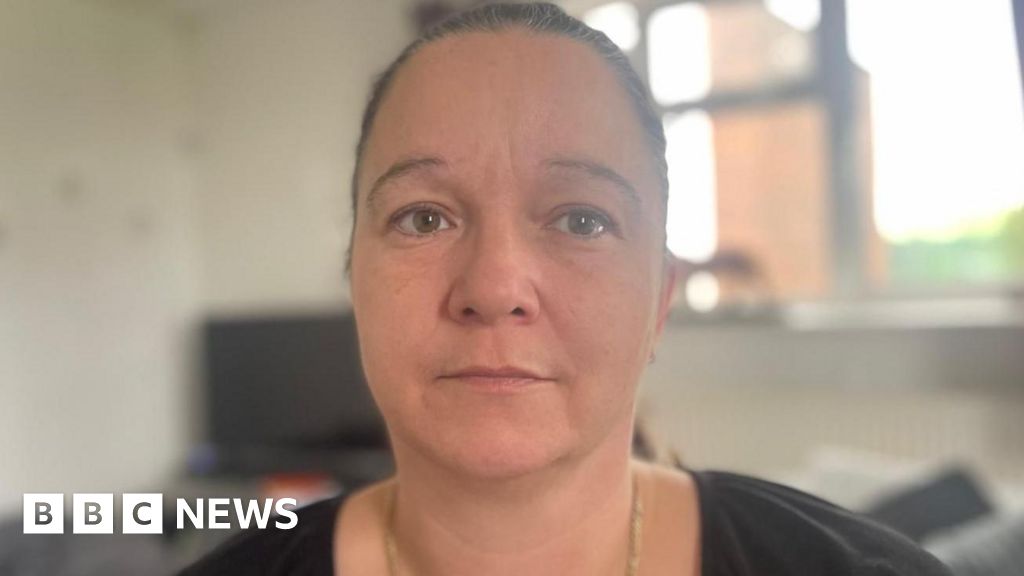
Particularly troubling are the stories of families of children with special educational needs. Becky, a mother from Stanford-le-Hope, recounts that her daughter, previously thriving, experienced support reductions under the federation’s new regime, leading to heightened anxiety and a sense of abandonment. This pattern aligns with broader concerns raised by social critics that ‘overemphasis on uniform discipline and control undermines the welfare of vulnerable students’. Likewise, Louise Butcher’s account of her son’s severe allergies being mishandled and subsequent disciplinary sanctions circulating a narrative where human health and dignity appear secondary to strict adherence to school policies.

  • Families report increased incidents of punitive measures for minor infractions, marginalizing pupils’ mental health and fostering a climate of fear.
  • Communication gaps between parents and school staff leave concerns unaddressed, creating mistrust and leading to home tutoring and withdrawal.
  • Special needs provisions are often reduced or inconsistently applied, threatening the inclusive ethos that schools should promote.

Experts have long warned that such rigid policy enforcement, especially when inadequately communicated or adapted, can exacerbate existing inequalities and fracture the vital relationship between families and educational institutions. Sociologist Dr. Margaret Stevens highlights that ‘schools, as societal microcosms, reflect and amplify broader social tensions, especially when disciplinary regimes overshadow human-centric approaches’.

Pathways Towards Societal and Educational Renewal

Despite the stark realities faced by many, there exists a hope for societal renewal rooted in community resilience, honest dialogue, and reform. The federation claims to be committed to addressing communication failures and improving individual support plans, yet the challenge remains: how can these institutions rebuild trust and ensure that families are supported, children are safe, and communities are restored? The answer hinges on adopting flexible, transparent, and human-centered policies that prioritize collective well-being over rigid control.

As historian Dr. Keith Miller notes, ‘True societal transformation requires humility and openness from those wielding authority, and a recognition that social stability is rooted not in uniformity but in diversity, compassion, and participation.’ The stories emerging from Essex serve as a poignant reminder that behind every statistic, every withdrawal, familial concern, and social tension is a human story waiting for compassion and understanding. Society’s enduring challenge—and its greatest hope—is to foster environments where social justice, moral integrity, and community cohesion can flourish from the ashes of discord, guiding society towards a future driven by shared purpose and renewed trust.

Oxfordshire Schools Step Up to Support More SEND Students, Shaping a Stronger Future for All

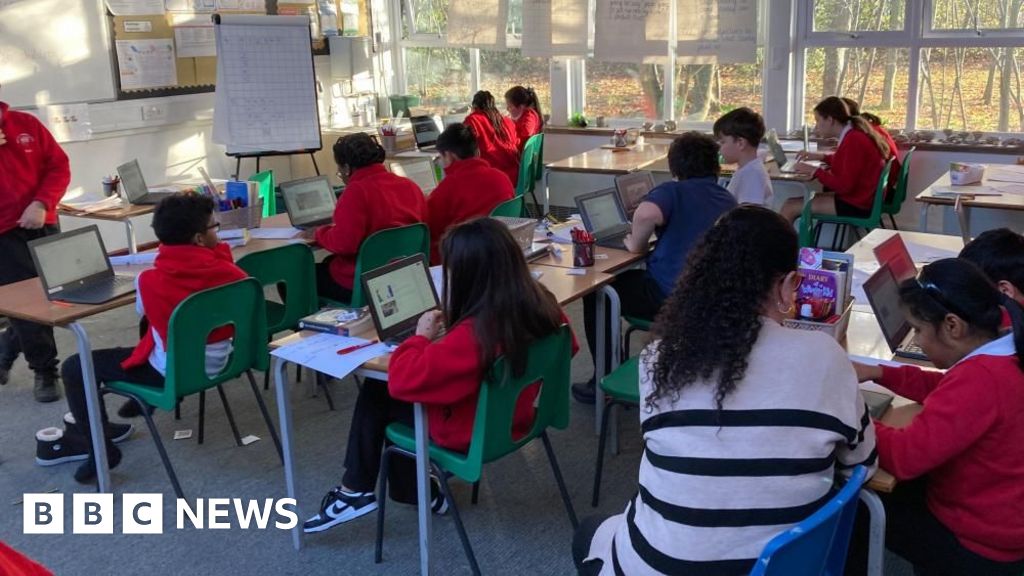
Across communities in the UK, a growing crisis in special educational needs and disabilities (SEND) support threatens to undermine the very fabric of inclusive education. As local authorities grapple with ballooning costs and a demographic shift towards greater demand for specialized care, families face the stark reality of limited resources and uncertain futures. Oxfordshire County Council exemplifies this trend, with a forecasted £153 million high needs funding deficit next year. To address this, the council is pioneering efforts to bring children with SEND into mainstream schools, aiming to reduce reliance on expensive private institutions, which can cost up to £64,000 annually per child.

But such solutions are far from simple. The financial pressures extend beyond just funding, affecting families, educators, and entire communities. As Oxfordshire seeks to expand its mainstream support, it faces the challenge of not only increasing funding but also fostering effective leadership and inclusive practices within schools. Paul James, chief executive of the River Learning Trust, emphasizes that creating truly inclusive environments requires more than policy adjustments; it demands ambitious, well-led teaching backed by adequate financial support. Without this, schools are compelled to make difficult cuts—reducing staff, resources, and enrichment activities—compromising the quality of education for all students, particularly those with complex needs.

  • Research by sociologists such as Hannah Arendt warns that without social support and equitable funding, the marginalized—like children with SEND—risk being pushed further into social isolation.
  • Historically, public education systems have reflected societal values; increasingly, the neglect of SEND funding signals that society’s priorities may be shifting away from inclusive justice.
  • Local authorities are calling for clear government strategies to address mounting debts, as the current funding model, approved and kept off councils’ books, leaves communities vulnerable to fiscal crises and potential bankruptcy, which would have devastating ripple effects through local families and services.

Social issues surrounding SEND support profoundly influence families’ stability, educational equity, and community cohesion. As costs escalate—highlighted by the fact that mainstream school support costs around £10,000 per child annually—families find themselves caught between inadequate systemic support and the relentless demand for specialized care, further emphasizing the urgent need for reform. The societal implications go beyond economics; they are a moral question about the human right to equitable education and the societal obligation to nurture every child’s potential. As social commentator Michael Sandel argues, our collective moral core is tested in how we prioritize vulnerable populations; neglecting these needs erodes the fundamental bonds that hold society together.

Yet, amidst these daunting challenges, glimmers of hope emerge. Communities, educators, and policymakers recognize that collaborative, well-funded leadership is essential for meaningful change. With plans to add 340 specialized school places and reduce dependency on private alternatives, local authorities are aiming to rebuild a system rooted in fairness and accessibility. Leaders like Paul James insist that “children only get one go” at their education, and it is a moral imperative that society commits to supporting them fully. Ultimately, society’s capacity for resilience and reform will determine whether we can transform these challenges into opportunities—building a future where families, education, and communities thrive together in the embrace of genuine inclusion.

As society stands at this crossroads, the question remains: can our collective resolve turn the tide of neglect into a wave of hope and transformation? The future of our children—the very essence of society’s moral health—depends on the answer we choose to write today.

Australia News Live: ACT Shuts 71 Schools Over Sand Scare, NSW Police Crack Down on Domestic Violence—Protecting Our Communities

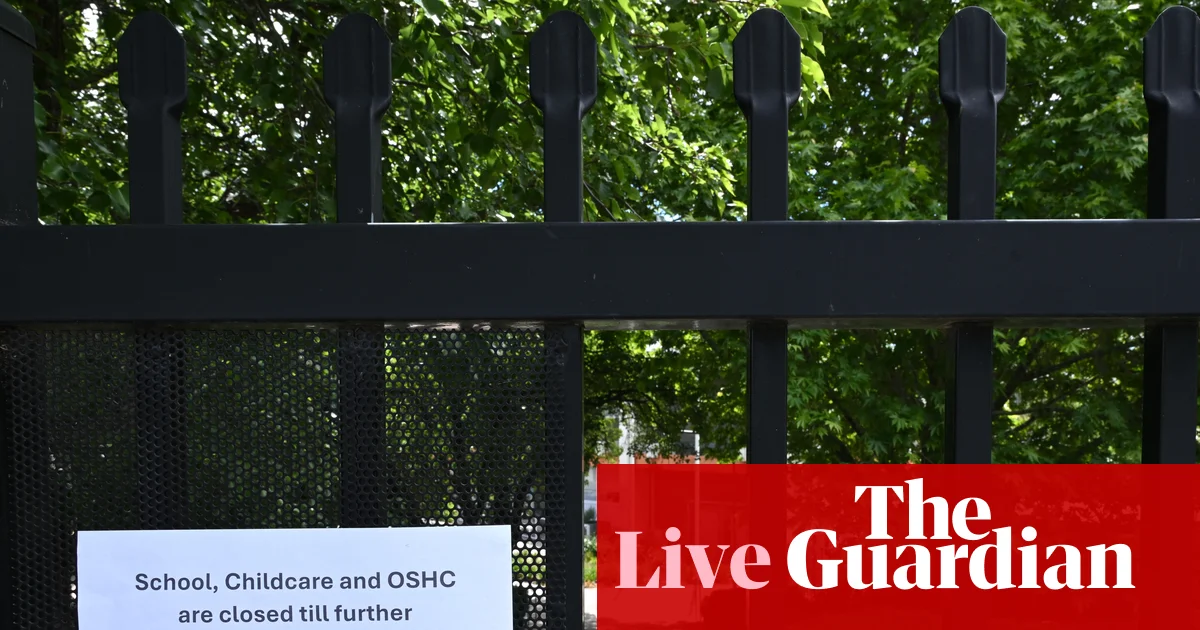
The geopolitical landscape is perpetually shifting, often influenced by key domestic decisions made within sovereign nations. Recently, Australia exemplifies this pattern through a series of dramatic developments that signal both internal challenges and external strategic recalibrations. The recent closure of 71 public schools in the ACT over fears of asbestos-laden children’s sand, alongside ongoing debates over immigration and energy policies, underscore how internal domestic issues can ripple outward, affecting international perceptions and alliances.

Meanwhile, in the wider global arena, significant shifts have occurred, notably with U.S. President Donald Trump signing an executive order easing tariffs on food imports, including beef and bananas. This move reflects a nuanced strategy aimed at addressing inflationary pressures domestically, but it also signals a broader tendency towards protectionism that could strain international trade networks. Patrolling these trade corridors, Australia’s Prime Minister Anthony Albanese reasserts the importance of global trade, framing it as a “bulwark against conflict”. Analysts from think tanks suggest that such rhetoric not only emphasizes economic cooperation but also highlights how trust in international partners can serve as a foundation for diplomacy, promising a buffer in times of crises.

Yet, Australia’s internal struggles — from the asbestos fears leading to school closures to contentious debates over immigration levels—a clear reflection of how decisions at home wield profound consequences for societal stability and international standing. Sussan Ley, the opposition leader, openly advocates for a reduction in immigration, citing community challenges such as transportation and infrastructure strains. Their stance, though controversial, reveals a broader tension on the alliance between open borders and national security, echoing concerns raised by historians and policy analysts who warn that unchecked demographic shifts can challenge social cohesion and political stability. Meanwhile, government funding for climate resilience projects across Australian states underscores a dual narrative: managing environmental threats while navigating economic constraints, as seen in the proposed $200 million investment in weather-resistant infrastructure.

Externally, unresolved conflicts and international economic policies intertwine with national strategies. With Australia poised at the crossroads—balancing energy independence, climate commitments, and economic revival—its path forward will inevitably influence regional stability and global alliances. The decision to support, or oppose, transitioning toward renewable energy sources and industrial resilience could determine whether Australia becomes a reliable partner or an unpredictable actor on the world stage. Historic analysts warn that in a world where “trust” is becoming a scarce commodity, the decisions of now will shape the geopolitical order of decades to come, a story still being written with each policy choice and international shift.

Almost 70 Aussie schools shut down over asbestos fears in playground sand

Australasia Encounters a Growing Crisis Over Asbestos in Children’s Play Sand

In a disturbing turn of events revealing the complex web of geopolitical and public health concerns, the Australian Capital Territory (ACT) has announced the closure of 69 schools due to the discovery of asbestos traces in commercially sold coloured sand. This development underscores not only domestic safety lapses but also emphasizes the far-reaching consequences of regulatory failures and international trade dynamics. The contaminated sand, linked to popular brands such as Kmart and Target, was introduced into educational environments, prompting precautionary measures that will ripple across regional policies and international relations. As inspectors and analysts delve into the causes, the incident raises critical questions about how safety standards are monitored and enforced in an interconnected global supply chain.

The recall was initiated after the Australian Competition & Consumer Commission (ACCC) identified traces of asbestos—a mineral once widely used in construction but now banned in both Australia and New Zealand—within the products. Despite the ACCC’s reassurance that the risk of airborne asbestos exposure is minimal, the decision to close schools reflects a broader motor of precaution embedded within government policy. Remarkably, air testing so far has yielded negative results for airborne asbestos, yet the government’s response remains cautious, illustrating the precarious balance between public safety and political risk. Such measures reveal a high level of sensitivity to the potential consequences of asbestos exposure, which remains a grave health threat, capable of causing deadly cancers over decades. The incident underscores the crucial importance of vigilant oversight in the export-import of hazardous materials, a subject of heated debate among international regulatory bodies.

The crisis has also spilled over into neighboring New Zealand, where fears surrounding asbestos-laden sand prompted additional school closures. This regional response underlines the shared vulnerabilities in the Pacific, where regulatory harmonization is often challenged by differing national policies and economic ties. As analysts highlight, the incident illustrates how seemingly local decisions can escalate into transnational crises, impacting regional stability and sovereignty. Experts like Dr. Raymond Stevens of the Pacific Safety Institute warn that this controversy may serve as a wake-up call, urging governments and international organizations to tighten controls over hazardous imports. Meanwhile, local authorities are conducting extensive searches to map the presence of coloured sand within school premises, an effort that, although reassuring with negative air tests thus far, underscores the importance of comprehensive safety protocols in protecting future generations.

In the grand geostrategic context, the contamination incident emphasizes the fragile nature of supply chains in an age of globalization. Moreover, it exposes the potential for malign influence or negligence to have far-reaching consequences. Some critics argue that lax enforcement of import bans on asbestos may be indicative of broader governance issues or economic priorities that favor cheap imports over safety. These incidents unfold in tandem with international debates over trade policies, environmental standards, and the role of multinational corporations in ensuring product safety. As such, the incident with coloured sand reflects the broader tensions between economic growth and societal health—an ongoing struggle that has historically defined the geopolitical landscape. Leaders and international organizations, including the World Health Organization, continue to emphasize the importance of adhering to strict standards, but the reality remains complex, fraught with loopholes and conflicting interests.

Ultimately, this controversy serves as a stark reminder that history’s most profound lessons often arrive cloaked within crises. The incident in Australasia is more than a local health scare; it is a symptom of the unresolved tensions between profit and safety, sovereignty and global interdependence. With each school closure and each cautious inspection, the weight of history presses on nations, demanding action and accountability. As the story continues to unfold across the Pacific, one thing remains clear: the decisions made today will echo for decades, shaping the landscape of international safety and sovereignty, and reminding us that, in an interconnected world, the safety of our children is ultimately a question of global resolve. The unfolding narrative stands as a testament to how fragile progress is—yet how vital vigilance remains in the face of emerging threats. The pages of history turn quietly, but their impact is profound—each chapter written by choices made in moments of crises, leaving us to confront the relentless march of time and consequence.

Australian Schools Close Over Kids’ Sand Safeguard Risk

In a startling development that underscores the ongoing challenges of global trade and public safety, Australia and New Zealand have mobilized substantial measures in response to the discovery of asbestos-contaminated sand products circulating within their educational sectors. The contamination, linked to imports from China, has triggered urgent school closures and recalls, raising serious questions about border security, regulatory oversight, and the health safety of young generations.

The Australian Competition & Consumer Commission (ACCC) announced a recall after lab tests identified traces of tremolite asbestos in children’s colored sand. These products, such as Kadink Sand, Educational Colours – Rainbow Sand, and Creatistics – Coloured Sand, had been distributed nationwide through major retail outlets like Officeworks. The health risk stems from the inhalation of asbestos fibers, which can cause severe lung diseases, including cancers; a warning that has led to the full or partial closure of at least 15 schools and seven preschools in the Australian Capital Territory. Similarly, in New Zealand, five early learning services and two schools have suspended operations as authorities conduct further testing. The Ministry of Business, Innovation and Employment (MBIE) swiftly issued advisories urging parents and institutions to cease using the contaminated products and seek professional disposal, highlighting the precautionary nature of this response.

This crisis underscores a broader geopolitical impact that points to the fragility of international supply chains and the importance of strict regulatory controls. Historically, asbestos has long been recognized by global health authorities—including the World Health Organization—as a carcinogen, yet trade restrictions have often been circumvented through imports. The incident reveals vulnerabilities within Australia’s and New Zealand’s border and commercial oversight, prompting analysts to question how widespread this contamination might be and whether other imported goods could pose similar risks. As historians warn, failures in supply chain transparency can unleash public health crises, especially within vulnerable communities such as children in educational environments. The recall and school closures serve as a stark warning of what can happen when economic interests overshadow safety protocols.

International institutions and regulators are now under pressure to tighten import controls and alert systems. The Australian government has reaffirmed that asbestos importation remains prohibited, yet the incident exposes potential gaps in enforcement. Meanwhile, New Zealand’s ongoing testing and voluntary recalls reflect a cautious approach but also highlight the need for more decisive policy action. As the global community watches, the incident could spur stricter international standards for importing hazardous materials, reshaping trade policies that often prioritize cost over safety. Yet, this unfolding story remains a chapter in a broader narrative about the collision of globalization, health security, and the protection of future generations—one where the delicate balance of power, policy, and public trust hangs in the balance.

In a world increasingly interconnected, the repercussions of this asbestos scare transcend borders, shaping the very fabric of societal trust and governmental accountability. The upcoming weeks will determine whether the lessons learned will lead to stronger safeguards or allow complacency to persist. As history continues to be written in moments of crisis, the weight of these decisions resonates: a reminder that in the unfolding mosaic of international relations, every detail—down to colored sand—can carry the profound burden of history yet to be made.

Multiple ACT Schools Close Amid Asbestos Concerns Over Colored Sand Products

Australia Confronts a Public Health Crisis as Schools Shut Over Asbestos-Laced Children’s Play Sand

In a startling development that underscores the risks of global sourcing and the fragile safety of public health, Australia’s Capital Territory (ACT) has ordered the immediate closure of more than a dozen primary and preschools, following the detection of asbestos in imported children’s sand products. This decision, made in response to serious environmental health concerns, highlights an ongoing challenge for nations navigating the complex web of international trade, safety standards, and domestic regulation. The ACT’s education authorities, led by Education Minister Yvette Berry, have prioritized safety above all, shutting down 15 schools outright and partially closing five others, as testing and remediation efforts continue.

This crisis traces its roots back to the importation of colourful children’s sand products, primarily from China, which later proved to contain chrysotile asbestos—a substance linked to terminal diseases such as mesothelioma. Authorities identified a range of products, including “Kadink Sand,” “Educational Colours – Rainbow Sand,” and “Creatistics – Coloured Sand,” all sold at major retailers across Australia over the last five years. The Australian Competition and Consumer Commission (ACCC) issued a recall of these items, cautioning the public about the potential health risks. Despite assurances from WorkSafe ACT that risk exposure is low, the precautionary closures reflect a growing concern over how unchecked imports threaten societal safety, especially when children are involved.

Implications of International Trade in Public Safety

The incident reveals a broader geopolitical issue that resonates globally: the tension between free trade and safety standards. Australia, like many countries, relies heavily on international manufacturing hubs—particularly China—for affordable consumer products. However, these supply chains can often bypass stringent safety checks, especially for hazardous materials banned since 2003 in Australia. Historians and analysts warn that such lapses threaten not only health but also international trust in trade agreements. The fact that these products were sold across Australia from 2020 to 2025, including via local distributors like Educating Kids and Zart Art, underscores the systemic vulnerability in consumer safety protocols.

Global organizations such as the World Health Organization (WHO) have long issued warnings about asbestos, emphasizing that its carcinogenic effects are well understood and that its importation should be tightly controlled. Yet economic pressures and lax enforcement have allowed hazardous materials to slip through regulatory cracks. This episode serves as a stark reminder of how decisions made in international markets can ripple across societies, impacting everything from public health systems to educational environments. Accordingly, the geopolitical impact is profound: nations must strengthen their trade oversight and internal safeguards if they are to prevent such hazards from becoming a national crisis.

Domestic Response and Rising Concerns

The response by ACT authorities demonstrates a determined, albeit reactive, strategy: immediate school closures, thorough testing, and clear communication to parents and staff. The closure of Cranleigh School and others not only disrupts education but also raises questions about how preparedness measures are structured and enforced. With similar incidents tracing back to older sites in Sydney and Melbourne, where asbestos was historically buried or processed, the broader challenge becomes clear: legacy contamination and the risks associated with historically unsafe disposal practices are still haunting Australian cities. International organizations warn that such legacy issues complicate cleanup efforts, demanding concerted policy shifts and increased investment in environmental remediation.

Experts reveal that vigilance must extend beyond reactive measures. Governments should establish mandatory testing of imported consumer goods, especially those intended for children. Public education campaigns urging safe disposal and raising awareness regarding imported hazardous materials are crucial in preventing future crises. As the Australian government works to ensure that such risks are contained, citizens are left grappling with the uncertainty of what other unseen dangers may lurk in everyday products.

As this unfolding crisis exposes vulnerabilities in international trade and domestic regulation, history reminds us that the true measure of societal progress lies in the capacity to anticipate and prevent disaster. With the specter of asbestos—a material associated with silent, deadly threat—still casting its shadow over Australia’s safe spaces, the weight of history presses upon policymakers worldwide. The question remains: will this incident be merely a fleeting warning, or a catalyst for profound structural change that reshapes how nations safeguard their future? The answer lies in the unfolding stories of remediation and resilience yet to come, where decisions today forge the landscape of tomorrow’s history.

Bristol Schools Disrupted as Support Staff Strike Over Pay—Youth Voice in Crisis

How Economic Disputes and Social Tensions Shape Families, Education, and Communities

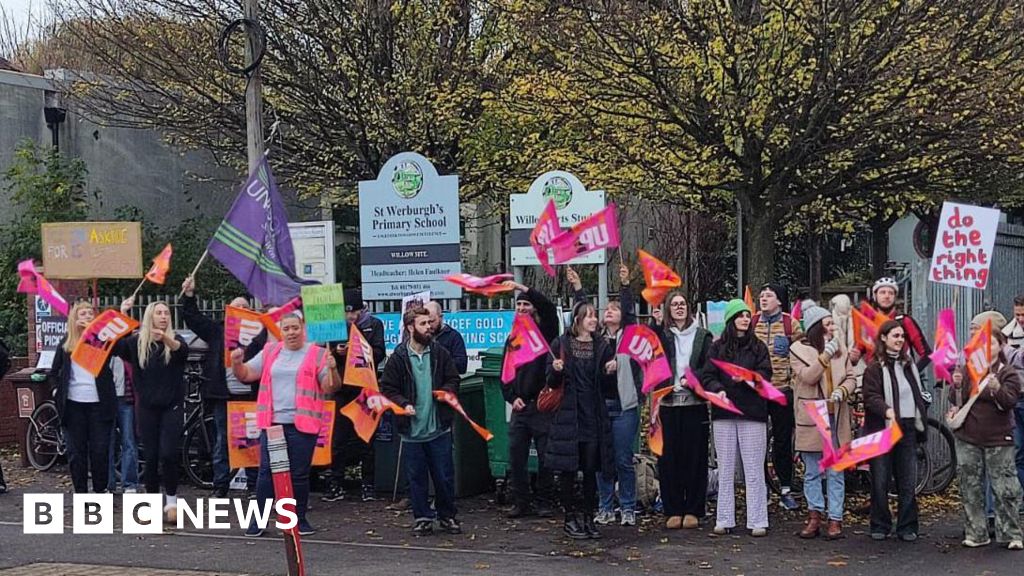
In recent weeks, a wave of social unrest has swept through the educational landscape of Bristol and North Somerset, exposing a broader societal challenge rooted in systemic issues of inequality, fairness, and respect. Support staff at a dozen schools managed by the Cathedral Schools Trust initiated a two-day strike, highlighting a crisis that transcends individual workplaces and touches the very fabric of community stability. This protest was triggered by delayed pay raises—delays amounting to five months of withholding payments—and has left many employees, including teaching assistants, administrators, librarians, and caretakers, feeling *unvalued* and *disrespected*. The ripple effects of such disputes threaten not only the livelihood of individual families but also the quality of education and the cohesion of local communities, intensifying social tensions often ignored in broader policy debates.

According to social commentators and historians like Professor Margaret Mead, who emphasized the importance of social cohesion for societal health, disruptions like these illuminate the fragility of our social institutions. Families reliant on predictable income find themselves in stressful financial situations, with some losing hundreds of pounds annually, as vividly expressed by Steve Brice, a dedicated teaching assistant. He revealed that delays in pay have forced him into financial hardship, affecting his entire household. This scenario underscores an ongoing challenge: *when social actors are mistreated or neglected—particularly those in essential roles—families are destabilized, and the cycle of hardship and social discontent persists.* The values of *fairness* and *respect* are central to maintaining social harmony, yet too often, these principles are sacrificed in bureaucratic or institutional neglect, fueling social division rather than unity.

Educational institutions serve as the backbone of community development, shaping the moral and intellectual fabric of future generations. When support staff, who are critical to the day-to-day functioning of schools, feel *undervalued*, the entire learning environment suffers. Sheila Caffrey, a representative from the National Education Union, stressed that many staff members feel they are *not being adequately valued* by their employers—a sentiment echoed across various sectors in society. Such discontent can ripple through schools, disrupting learning and straining relationships between educators, students, and families. More disturbingly, the social tensions generated by these disputes threaten to erode the respect and trust necessary for a thriving, inclusive society. As sociologist Pierre Bourdieu pointed out, these conflicts are not merely about money but about *recognition* and *dignity*, those intangible social currencies that hold communities together or tear them apart.

Despite efforts by the trust to negotiate, the ongoing conflict reveals a critical truth: social issues today are interconnected with mental health, economic stability, and moral integrity. The response to this crisis must be multifaceted. Solutions should include transparent dialogue, fair compensation packages, and structural reforms that prioritize human dignity over bureaucratic expediency. Only then can we hope to rebuild the trust that sustains communities and sustains families. As social commentators warn, neglecting these issues risks not only a breakdown in societal cohesion but also a decline in the moral fabric that binds us. Yet, amid these struggles, there remains a quiet hope—a belief that societies are capable of transformation when rooted in fairness and respect. Indeed, the unfolding story of these support staff and their fight for justice echoes a broader call for societal renewal—reminding us all that the strength of a society is measured by how it treats its most vulnerable, and how it rises together in the face of adversity.

Social Media Auto Publish Powered By : XYZScripts.com