Matox News

Truth Over Trends, always!

Apple shakes up leadership again with fresh exec departures

Apple’s Leadership Transition Signals Strategic Shift Towards Regulatory and Sustainability Innovation

In a move that underscores the evolving landscape of corporate innovation and regulation, Apple Inc. has announced significant leadership changes set to unfold through early 2026. Jackson, currently serving as vice president for Environment, Policy, and Social Initiatives, is slated to retire in late January 2026, marking the end of an era for Apple’s environmental and social policy niche. His departure paves the way for Newstead, the current chief legal officer of Meta, to assume the role of general counsel starting March 1st, 2026. This transition highlights Apple’s ongoing focus on aligned, strategic leadership at the intersection of policy, legal compliance, and corporate responsibility.

The organizational reshuffle extends beyond individual appointments, reflecting Apple’s broader strategic emphasis on disrupting traditional corporate governance models—particularly in the realms of government relations and sustainability. As Apple articulates, the Government Affairs organization will transition under the oversight of Adams until her retirement, before shifting to Newstead, whose title will incorporate both general counsel and government affairs responsibilities. Meanwhile, Sabih Khan, acting as COO replacement for Williams, will oversee the environment and social initiatives teams. This consolidation indicates a deliberate move towards integrated governance, ensuring that Apple’s innovation trajectory aligns precisely with regulatory expectations and sustainability commitments.

Looking deeper into the backgrounds of these key figures reveals a strategic intention to bolster Apple’s disposal of innovative tools with formidable policy and legal acumen. Jackson’s experience leading the EPA under President Obama and subsequent role as policy lead at Apple exemplifies the company’s emphasis on environmental leadership, even as regulatory scrutiny on technology giants intensifies globally. His strategic focus on environmental initiatives has been part of a broader trend among tech companies positioning themselves as climate-conscious leaders—a narrative supported by institutions like MIT and Gartner, which emphasize the importance of integrating sustainability into core innovation strategies.

The leadership shift arrives at a time of intensified disruption in the tech landscape, where regulatory landscapes are shifting rapidly, especially on issues like data privacy, environmental impact, and social responsibility. Industry analysts warn that companies ignoring these trends risk being left behind in the wake of rising government intervention and public scrutiny. For instance, the integration of environmental initiatives into corporate governance could be a novel front for Apple to leverage its innovation prowess—a move that might set a standard for other tech giants to follow in a burgeoning era of responsible innovation and disruption.

  • Enhanced regulatory oversight
  • Increased integration of sustainability with business strategy
  • Leadership aligned with emerging societal expectations

These milestones are likely to redefine competitive dynamics, especially as younger consumers and investors prioritize climate-conscious corporate practices.

Looking to the future, Apple’s strategic leadership transition symbolizes more than just internal reshuffling; it embodies a larger industry-wide push toward innovative disruption of traditional corporate paradigms. With the increasing convergence of regulation, social responsibility, and technological innovation, companies must accelerate their efforts or risk obsolescence. As Peter Thiel and other tech visionaries highlight, adaptation to these forces is not optional—it’s essential for future growth and resilience. Tomorrow’s tech giants will be those that harness innovation as a tool to navigate both competitive markets and complex societal expectations. Given the speed at which policy and market shifts are happening, proactive leadership—like Apple’s strategic staffing—will be critical in maintaining technological dominance while advancing sustainable, socially responsible growth. The race for innovation leadership is intensifying, and those who act decisively now will shape the industry of tomorrow.
Fact-Check: Claims about climate science misrepresented in viral post

Unpacking the Facts: What Did Donald Trump Really Say?

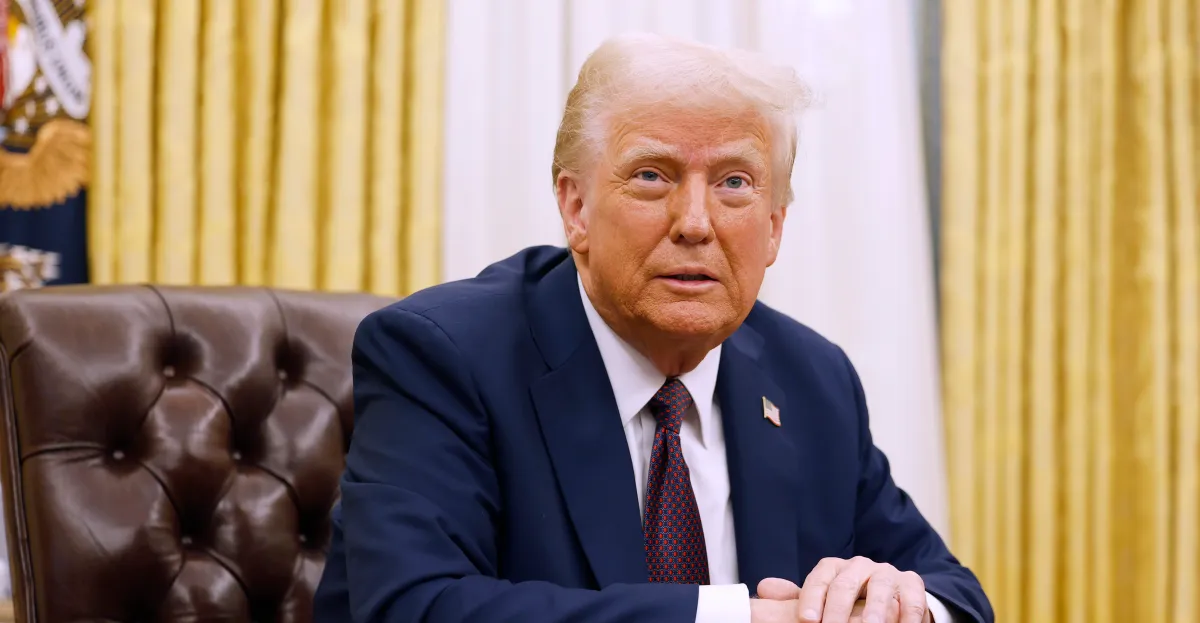
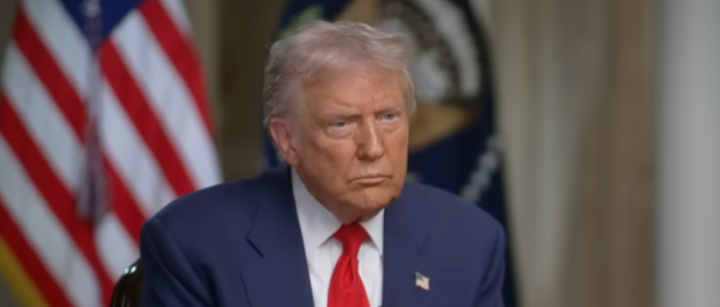
The recent “60 Minutes” interview with President Donald Trump generated headlines for claims rooted in misinformation or substantive misunderstanding. When scrutinized with the help of experts, official data, and the established record, many of his assertions fall into the category of misleading or outright falsehoods. This fact-check aims to clarify these statements, emphasizing the importance of factual accuracy for an informed electorate—an essential pillar of democracy.

Nuclear Weapons Testing and International Activity

Trump claimed that the U.S. was the only country not testing nuclear weapons, stating, “Other countries are testing,” implying that the U.S. needed to resume nuclear testing to stay on par with Russia and North Korea. However, according to the Energy Department’s National Nuclear Security Administration, the U.S. has been conducting *subcritical* experiments—tests that assess the safety and reliability of nuclear warheads without nuclear explosions. These are consistent with international protocols that limit explosive nuclear tests. Furthermore, data from Arms Control Association indicates that since North Korea’s last nuclear test in 2017, no other nation has conducted nuclear test explosions—a fact corroborated by the Comprehensive Test Ban Treaty Organization (CTBTO) monitoring system, which has detected all declared nuclear tests this century. Thus, the claim of ongoing active nuclear testing by the U.S. or other nations like China and Russia is misleading.

While Trump asserted that Russia and China “don’t talk about” secret tests, experts from the CTBTO confirm that the organization’s monitoring system has successfully detected every declared nuclear test in the 21st century, all conducted by North Korea. Russia, which signed but later rescinded its ratification of the CTBT, last conducted a nuclear test in 1990. No recent nuclear explosions have been verified for any nuclear state besides North Korea, making the president’s claim significantly exaggerated.

Inflation and Price Trends

Regarding inflation, Trump claimed, “We don’t have inflation. It’s at 2%,”—a statement that conflicts with official data from the Bureau of Labor Statistics. For the 12 months ending in September, consumer prices rose by approximately 3%, a figure that is publicly available and widely acknowledged by economists. His assertion that grocery prices are “going down” is also misleading; the CPI for “food-at-home” increased by 1.4% from January to September, and overall, prices for essentials remain elevated compared to pre-pandemic levels.

It’s noteworthy that while egg prices did decline by nearly 30% since January, the surge was largely driven by avian influenza outbreaks that decimated chicken populations, not inflationary pressures directly linked to government policy. Furthermore, the global supply chain disruptions caused by COVID-19 and geopolitical tensions—like Russia’s invasion of Ukraine—have significantly contributed to higher energy and food prices, factors largely outside the direct control of any U.S. president.

Military Actions and Drug-Countering Operations in Venezuela

Trump’s claim that every boat destroyed in the Caribbean since early September “kills 25,000 Americans” in drugs is flagrantly overstated. According to public reports, the U.S. has hit fifteen vessels, nine of which are in the Caribbean. Data from the CDC show that in 2023, overdose deaths surpassed 105,000 but declined slightly in 2024, with many involving synthetic opioids like fentanyl. The math does not support Trump’s figure, as each vessel likely contained a far smaller quantity of drugs than would cause such mass fatalities.

Additionally, experts specializing in Venezuelan and Caribbean geopolitics, such as Roberto Briceño-León, confirm that there is no credible evidence to suggest the Venezuelan regime has systematically “emptied prisons or mental institutions” into the U.S. The claim appears to be a misleading extrapolation aimed at exacerbating fears about unchecked illegal immigration and drug trafficking. The U.S. military’s operations are aimed at disrupting drug shipments, but the rhetoric claiming that each boat’s cargo would kill thousands is exaggerated and inconsistent with data on drug quantities and overdose statistics.

Legal and Political Misstatements

Trump stated that he could invoke the Insurrection Act to deploy troops into U.S. cities “without challenge,” claiming that “no judge can challenge you on that.” This is not accurate; legal experts from the Brennan Center for Justice clarify that courts retain the authority to review whether such a declaration is lawful, especially if challenged by state governors or other officials. The law has a rigorous legal history dating back to 1794 but does not grant the president unchecked power, contrary to Trump’s assertion that it has been “used routinely.”

Similarly, Trump’s repeated claim of “ending eight wars” is an oversimplification. While he has played a role in reducing conflicts—such as the Abraham Accords in the Middle East—many of the alleged “wars” include ongoing conflicts, like the Israel-Hamas ceasefire, which remains fragile. Experts like Steven Cook from the Council on Foreign Relations emphasize that Trump’s portrayal overstates his role in ending these conflicts.

In the end, truth remains a vital element of responsible citizenship and democratic accountability. Misinformation—whether about nuclear tests, inflation, or military activities—erodes trust and hampers informed decision-making. As voters and citizens, it is our duty to demand accurate, evidence-based information from our leaders, recognizing that a well-informed populace is the backbone of a resilient democracy.

Dare to camp out at the iconic ‘Ghostbusters’ firehouse this Halloween—are you tough enough?

In a world increasingly driven by immersive experiences and nostalgic adventures, the collaboration between Sony and Vacasa epitomizes a trend where entertainment meets lifestyle in unprecedented ways. Recently, in Portland, Oregon, a unique opportunity has emerged for enthusiasts and thrill-seekers alike: a chance to spend three extraordinary nights inside a recreation of the iconic Ghostbusters Firehouse—a structure straight out of the 1984 film that captured the imagination of generations. While famously set in New York City, this meticulously recreated firehouse transports visitors into the heart of ghostbusting action right in the Pacific Northwest, blurring the lines between blockbuster fantasy and tangible experience. Such initiatives underscore a broader shift towards experiential living, where personal impact—whether in health, leisure, or inspiration—is fueled by engaging, real-world adventures that ignite the spirit of youthful curiosity.

The firehouse itself is a meticulously designed homage to the beloved franchise, loaded with authentic details that resonate with long-time fans and newcomers alike. From the classic Proton Packs and Ghost Traps to the Ecto-Containment Unit and the famous Ecto-1 vehicle parked in the bay, every element is curated to ensure an immersive encounter. Participants can don the familiar Ghostbusters fight suits and partake in activities that blend entertainment with cultural nostalgia. The experience, slated for October 28 to 31—just in time for the spooky season—encourages guests to embrace a playful spirit, igniting a sense of adventure that aligns well with burgeoning wellness trends emphasizing mental rejuvenation through joy and creativity. Allison Lowrie of Vacasa emphasizes their dedication to detail, recognizing that such lifestyle capsules serve as vital outlets for personal well-being in a world often dominated by digital overload.

Adding to the appeal, the event’s timing during late October aligns with a cultural penchant for spooky festivities, reinforcing the notion that lifestyle is an evolving tapestry woven from shared experiences, memories, and stories. This initiative also exemplifies how iconic cultural symbols—like the Ghostbusters—are being repurposed to foster communal engagement and personal impact, transforming passive fandom into active participation. Even if one cannot attend physically, the virtual Matterport 360 tour extends this frontier into the digital realm, ensuring that technology enhances accessibility and broadens the reach of such lifestyle innovations. For those with a penchant for travel and adventure, upcoming project tips include prioritizing authentic, niche experiences, and exploring destinations that offer deeper cultural resonance beyond mundane sightseeing.

Ultimately, this creative venture invites a broader reflection: in embracing lifestyle shifts rooted in fun, nostalgia, and shared culture, individuals can forge a more vibrant, inspiring worldview. It challenges the conventional notion of leisure as mere downtime and instead frames it as an active, transformative journey—one where personal impact is crafted through memorable adventures. As cultural icons become catalysts for wellness and self-expression, the journey to embracing a fuller, more vibrant life is ongoing, propelled by imagination, connection, and the fearless pursuit of experiential living. Whether chasing ghosts or forging new memories, every step taken in pursuit of joy reaffirms an essential truth—the pursuit of wellness is, finally, a reflection of the courageous spirit that resides in us all.

Trump vows to revive U.S. nuclear tests to boost national strength

President Trump’s Nuclear Posture Shift Signals Potential Disruption in Global Security and Tech Sectors

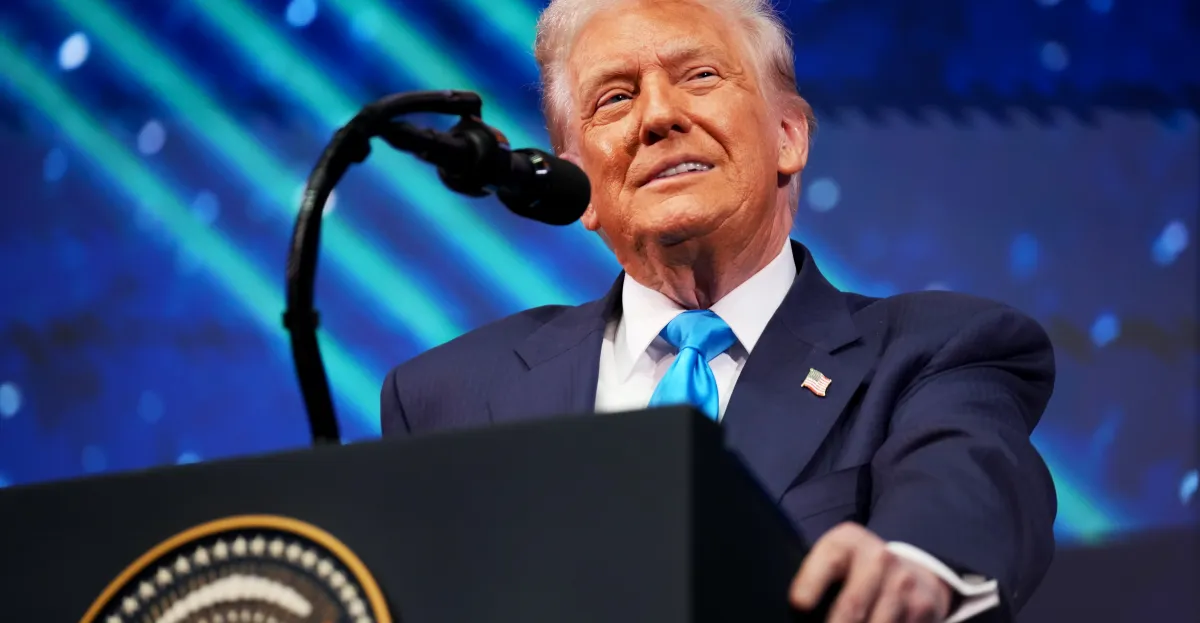
In a bold and controversial move, President Donald Trump has directed the Pentagon to resume testing nuclear weapons, citing the necessity to match other nations’ testing programs. This decision marks a significant departure from the longstanding post-Cold War nuclear testing moratorium, which has largely shaped global strategic stability over the past three decades. While few details have been disclosed, the announcement signals a possible new phase in military innovation, pushing the boundaries of nuclear capabilities and their associated tech ecosystems. The immediate implications could be profound, affecting international diplomacy, defense industries, and technological innovation in related sectors.

This move comes at a complex geopolitical juncture. Just before a high-stakes summit with China’s Xi Jinping, Trump’s statement appears to upend decades of American policy. Historically, the US maintained a strategic restraint on nuclear testing, aligning with global efforts for non-proliferation. However, Trump’s directive suggests a strategic pivot, possibly aimed at reasserting US military dominance amidst rising geopolitical tensions and global technological competition. But experts warn that such actions could destabilize existing treaties; the US, a signatory of the Comprehensive Nuclear-Test-Ban Treaty, has yet to ratify it. Meanwhile, Russia, which possesses the world’s largest nuclear stockpile, continues modernization efforts, injecting an element of disruption into the balance of global nuclear deterrence.

From an industry perspective, this escalation may act as a catalyst for innovation within the defense sector. Companies specializing in nuclear physics, materials science, and simulation technologies could see surges in demand. Emerging players in advanced warhead design and system delivery technologies might accelerate R&D investments or even disrupt existing supply chains. Yet, these innovations are fraught with ethical and regulatory challenges, complicating long-term business models. As analyst Peter Thiel might argue, disruption in high-stakes defense tech requires a careful balance between innovation, security, and international diplomacy.

The announcement also exposes the vulnerabilities of global non-proliferation efforts. With the US potentially resuming nuclear tests, other countries could follow suit, destabilizing the delicate international security architecture. This collapses the normative framework that discouraged nuclear tests for decades, and may incentivize rogue states or emerging powers to pursue clandestine programs. The ripple effect could further accelerate technological arms races, pushing industries toward more sophisticated satellite surveillance, advanced monitoring, and cyber capabilities—areas where innovation may be both a boon and a threat. As Gartner warns, the erosion of norms around nuclear testing could precipitate a broader disruption across defense and technology industries.

Looking ahead, this development underscores a pivotal juncture for global stability and technological advancement. The potential resumption of nuclear testing not only signifies a geopolitical gamble but also a catalyst for industry disruption in defense tech and international security. Fast-moving innovators and investors must now navigate this landscape with increased urgency, as the future of nuclear deterrence, international diplomacy, and technological progress hangs in a delicate balance. As authorities, companies, and nations grapple with these shifts, the imperative for strategic foresight becomes clear—those who proactively adapt to this new era of high-stakes innovation will be the ones to shape the trajectory of global security and technological dominance in the years to come.

Teen’s Record-Breaking 9-Month Livestream with Pig Kidney Comes to an End

Revolutionizing Organ Transplantation: The Breakthrough of Genetically Engineered Pig Kidneys

In a significant stride toward addressing the global organ shortage crisis, Massachusetts General Hospital has successfully transplanted a genetically engineered pig kidney into a living human recipient — a 67-year-old man from New Hampshire. This landmark procedure, confirmed by hospital officials, marks a pivotal moment in biomedical innovation and disruption, extending the functional lifespan of xenotransplants to nearly nine months, surpassing previous attempts by a sizable margin. The breakthrough directly responds to the staggering demand for kidneys, with the US alone experiencing a backlog of nearly 90,000 patients awaiting transplants, and only about 28,000 kidney transplants performed annually. This innovative approach promises to revolutionize healthcare by drastically reducing waiting times, which in many cases, can extend to years or even decades.

The transplantation of pig organs is a testament to the rapid advancement of gene editing technologies—particularly CRISPR-Cas9 and other genetic engineering tools—that are now enabling scientists to mitigate the issue of organ rejection. Due to the inherent genetic differences between pigs and humans, unmodified pig organs would be almost immediately rejected by the recipient’s immune system. To combat this, scientists have turned to sophisticated genetic modifications aimed at making pig organs more compatible with human physiology. Since the first genetically engineered pig heart transplant attempts at the University of Maryland in 2022 and 2023, which unfortunately resulted in patient mortality within two months, ongoing experiments have demonstrated improved outcomes and increased viability. The recent success at Massachusetts General indicates that we are on the cusp of a new era where biological innovation could become as routine as robotic surgery.

Major industry and academic players—including MIT, and various biotech startups—are pushing forward with this disruptive technology, viewing it as an urgent business opportunity with transformative implications. The ongoing evolution of xenotransplantation is poised to disrupt traditional transplant models and foster the emergence of an entirely new market for genetically engineered organs, which could generate billions in economic activity over the next decade. Additionally, regulatory adaptations are underway as agencies like the FDA begin to formulate frameworks suited for approving such experimental, life-saving procedures. Experts like Peter Thiel have expressed optimism that this convergence of biotech innovation and systemic market disruption could unlock vast economic and societal benefits, especially as organ shortages continue to threaten healthcare sustainability.

Looking ahead, the mounting success stories from Massachusetts General and other institutions—such as the recent transplant of a genetically modified pig kidney into a 54-year-old man—highlight an accelerating trajectory toward commercialization. This rapidly progressing landscape underscores a critical need for forward-looking policies, technological investments, and ethical frameworks that can keep pace with this disruptive wave. The future of transplantation—powered by synthetic biology, advanced gene editing, and AI-driven diagnostics—must be navigated with a sense of urgency, as the potential to save millions of lives hinges upon our ability to innovate and adapt. As the industry moves toward broader adoption, it’s clear that the traditional boundaries of medicine are being redrawn—disrupting longstanding paradigms and shaping the future of healthcare at an unprecedented pace.

Tech giants’ climate bets face Trump crackdown as funding gets scrutinized

Tech Giants and Policy Shifts Signal Disruption in Carbon Removal and AI Development

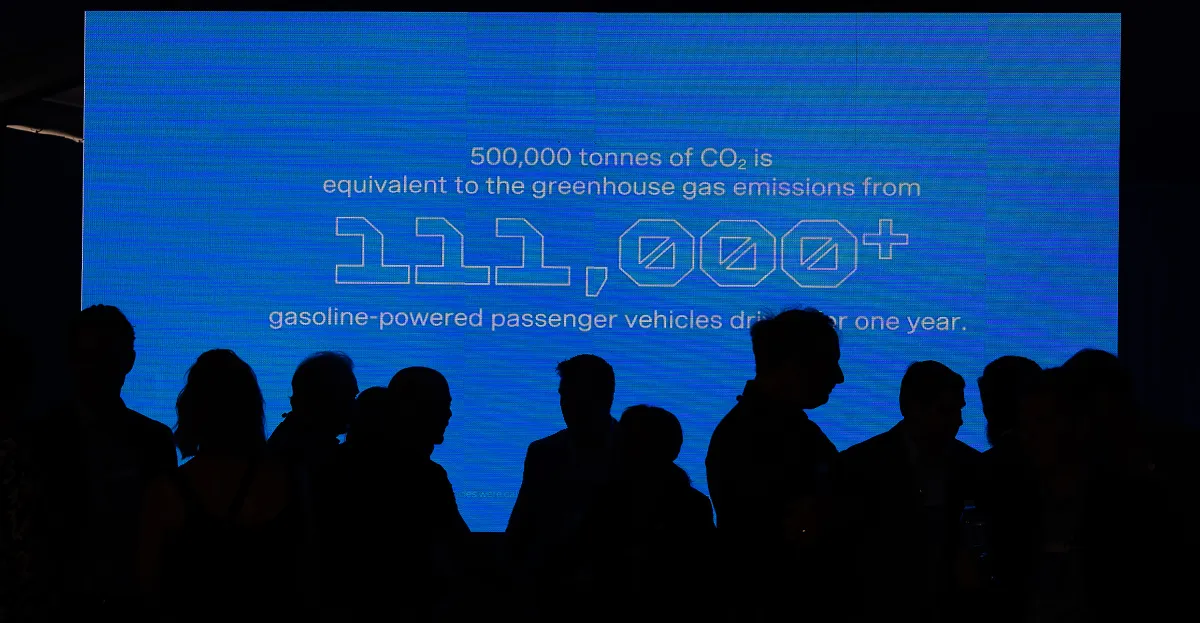
The recent rollback of federal funding for direct air capture (DAC) initiatives marks a pivotal juncture for the American tech and energy sectors. Under the Biden administration, extensive investments, including a $3.5 billion initiative to establish regional DAC hubs, aimed to solidify U.S. leadership in innovative climate tech. However, with the emergence of a new administration openly skeptical of climate action—underlining a concerted effort to undermine these initiatives—the landscape is shifting dramatically. President Trump’s FY2026 budget proposal, which targets ending funding for DAC, hydrogen hubs, and other clean energy projects, effectively stokes uncertainty in a sector that has already been disrupted by ideological battles.

This policy retreat reflects a broader trend of disruption in clean energy innovation. Major corporations such as Microsoft and Amazon have committed billions toward carbon removal, betting on DAC as a pathway to a carbon-negative future. Yet, the recent funding cuts threaten to derail these forward-looking investments. Notably, startups like California-based CarbonCapture have announced plans to relocate projects internationally, citing the lack of U.S. governmental support. The decline underscores a shrinking window for American leadership in disruptive climate technologies.

Meanwhile, disruption extends into AI development. As tech giants expand their AI infrastructure—building energy-intensive data centers and hardware—their carbon footprints have paradoxically grown, despite commitments to sustainability. Analysts warn that reliance on DAC to offset escalating emissions could be a pseudo-solution, diverting attention from essential emissions reductions. Industry leaders like Peter Thiel and MIT researchers emphasize that innovation in breakthrough clean energy tech—such as advanced nuclear or fusion—must remain a priority, or risk ceding global dominance to nations like China, aggressively investing in next-generation clean tech.

Business Implications and Future Outlook

The implications of these developments are profound. With governmental support waning, American corporations face a strategic inflection point: to prioritize internal innovation or to significantly reduce reliance on uncertain policy outcomes. The Biden-era push for regional DAC hubs and public-private partnerships set the stage for U.S. dominance in climate tech; now, partisan polarization threatens that edge. The disruption could accelerate the shift of clean energy investments abroad, particularly to Canada and Europe, which remain committed to climate innovation, potentially leaving American firms at a competitive disadvantage. The window for reclaiming global leadership narrows, compelling industry leaders and policymakers to act decisively and creatively.

Going forward, urgent action is required to mitigate the impact of policy fluctuations. Innovation hubs, private capital, and strategic partnerships will determine whether the U.S. can maintain its technological edge. As Elon Musk and others advocate for a focus on disruptive technologies—such as quantum computing, breakthrough energy, and AI—only a bold, unified approach can counterbalance the current trend of retreat and fragment. The coming years will be crucial in defining the direction of American tech and energy sectors — the race for future dominance is on, and the time to lead is now.

Trump Shares and Quickly Deletes Wild AI Clip Promoting MedBed Conspiracy

In an era where technological innovation relentlessly redefines the boundaries of possibility, recent developments highlight both the disruptive potential of emerging technologies and the perils of misinformation that threaten to undermine public trust. AI-generated content and virtual medicine are quickly transforming industries, creating unprecedented opportunities for forward-looking businesses and challenging existing regulatory and ethical frameworks. These advancements, while promising, demand a vigilant approach to discern genuine progress from manufactured narratives that can distort public perception.

The controversy surrounding the supposed announcement of the world’s first MedBed hospital system exemplifies the profound impact of AI-driven misinformation on market stability and technological credibility. The floating claim of a universal, all-curing medical device—widely circulated in fringe online communities—mirrors historical patterns of conspiracy-driven disruption. Major tech analysts, such as those at Gartner, warn that this type of narrative can divert investment away from genuinely transformative innovations like regenerative medicine and personalized healthcare. Meanwhile, mainstream institutions are racing to develop real bioengineering breakthroughs that could revolutionize patient care, from CRISPR gene-editing to advanced biocompatible implants.

Concurrently, the proliferation of AI-generated media, including manipulated videos and synthetic personalities, underscores both the rapid innovation within deepfake technologies and the pressing need for industry and regulatory responses. Notable figures such as Elon Musk and Dr. Michio Kaku have voiced concern over how unchecked AI content can distort public discourse and manipulate markets. This presents an urgent challenge for businesses: developing resilient verification protocols and safeguarding against malicious use. The disruption could be profound—imagine AI-powered scams that imitate CEOs or government officials, threatening the integrity of digital commerce and national security itself.

Emerging reports emphasize that the convergence of AI, biotechnology, and blockchain will accelerate an **industry revolution**—a shift that surpasses the explosive growth seen during the dot-com boom. The market implications are clear: investments in authentic innovation will determine the future landscape of healthcare, cybersecurity, and consumer technology. As MIT researchers highlight, **the next decade will be defined by a race to harness AI’s potential responsibly, with real-world applications emerging faster than regulatory frameworks can adapt**. Warnings aside, the window to capitalize on these breakthroughs is shrinking fast, with entrepreneurs and investors urged to seize opportunities rooted in *credible* scientific progress rather than fabricated hype.

Looking forward, the onus is on industry leaders and policymakers to foster an ecosystem where genuine innovation flourishes amidst an increasingly complex digital battlefield. The rapid pace of technological progress necessitates a proactive stance—embracing disruption while guarding against its darker implications. In this new digital epoch, those who can harness truth and transparency will lead the charge, shaping a future where technology serves humanity’s highest ambitions. The clock is ticking; the next wave of transformative breakthroughs is on the horizon, demanding both urgency and strategic foresight from every stakeholder committed to a brighter, smarter tomorrow.

Social Media Auto Publish Powered By : XYZScripts.com