Matox News

Truth Over Trends, always!

SpaceX Eyes $60B Deal to Acquire Cursor, Signals Big Tech Moves

SpaceX and Cursor Collab Signals a New Era in AI Innovation and Industry Disruption

The alliance between SpaceX and Cursor marks a monumental shift in the landscape of artificial intelligence development, with significant implications for both technological progress and competitive advantage. This strategic partnership aims to combine Cursor’s cutting-edge knowledge work AI, renowned for its precision and efficiency among expert software engineers, with SpaceX’s formidable computational backbone—specifically its Colossus supercomputer, equipped with a million H100 equivalents. Such a synergy is set to revolutionize the creation of highly optimized AI models, positioning the collaboration at the forefront of innovation.

According to industry experts, including analysts at Gartner and MIT technology researchers, the use of vast computational resources—particularly H100 GPU clusters—will drastically accelerate the training of advanced AI models, pushing the boundaries of what is currently feasible. The partnership underscores a trend toward disruptive innovation—harnessing industry-scale supercomputing power for rapid deployment of AI that can dominate knowledge-based tasks, from coding to problem-solving. This level of integration exemplifies a new paradigm where the convergence of space-grade computing and AI expertise could set a blueprint for future tech dominance, compelling rivals to evaluate their own resource strategies.

Business Strategy and Industry Impact

The collaboration’s financial architecture is equally noteworthy. Cursor has granted SpaceX the right to acquire the AI firm later this year for $60 billion, or alternatively, SpaceX can choose to pay $10 billion for their collaborative developments. This dual pathway underscores an aggressive confidence in the commercial viability of the joint development efforts, signaling a strategic gamble that could reshape the AI market by consolidating innovation within a single tech giant. Such moves are reminiscent of divergence strategies seen in Elon Musk’s other ventures, with a focus on dominance and rapid scaling.

  • Innovation: Deployment of millions of GPU cores for AI training, radically reducing development timelines.
  • Disruption: Challenging traditional cloud-based AI models by leveraging space-grade supercomputing infrastructure.
  • Business implications: Potential market consolidation, setting new valuation benchmarks for AI startups, and redefining enterprise AI usage.

As the AI arms race intensifies, industry insiders warn that this partnership could accelerate global shifts toward autonomous systems, intelligent coding assistants, and knowledge synthesis tools, supplanting many conventional software development paradigms. Given SpaceX’s track record of pushing technological frontiers—think Starship and Falcon programs—its foray into AI via Cursor elevates the urgency for competitors to innovate or face obsolescence. The partnership not only exemplifies how industry titans are deploying unprecedented resources but also foreshadows a future where AI becomes fundamentally intertwined with space-grade hardware.

Future Outlook: The Next Phase of Tech Disruption

With the collaboration underway, the industry must brace for a phase of rapid displacement and evolution. As Gartner analysts predict, the integration of supercomputing with knowledge work AI will unlock capabilities previously considered science fiction—transforming sectors like software development, scientific research, and even complex decision-making systems. The critical question for industry leaders remains: who will adapt quickly enough in this new landscape? The clock is ticking, and in the race for technological supremacy, those who leverage innovation and massive computational resources now will dictate the future’s winners and losers.

In conclusion, the SpaceX-Cursor partnership exemplifies a pivotal turning point in tech history—disrupting existing industry norms while setting a blistering pace for future breakthroughs. As this alliance advances, it will be imperative for stakeholders to stay vigilant, innovate relentlessly, and harness the potential of this disruptive wave before it reshapes the entire technological ecosystem.

NASA’s Artemis II to Blaze a New Path Around the Moon’s Hidden Side

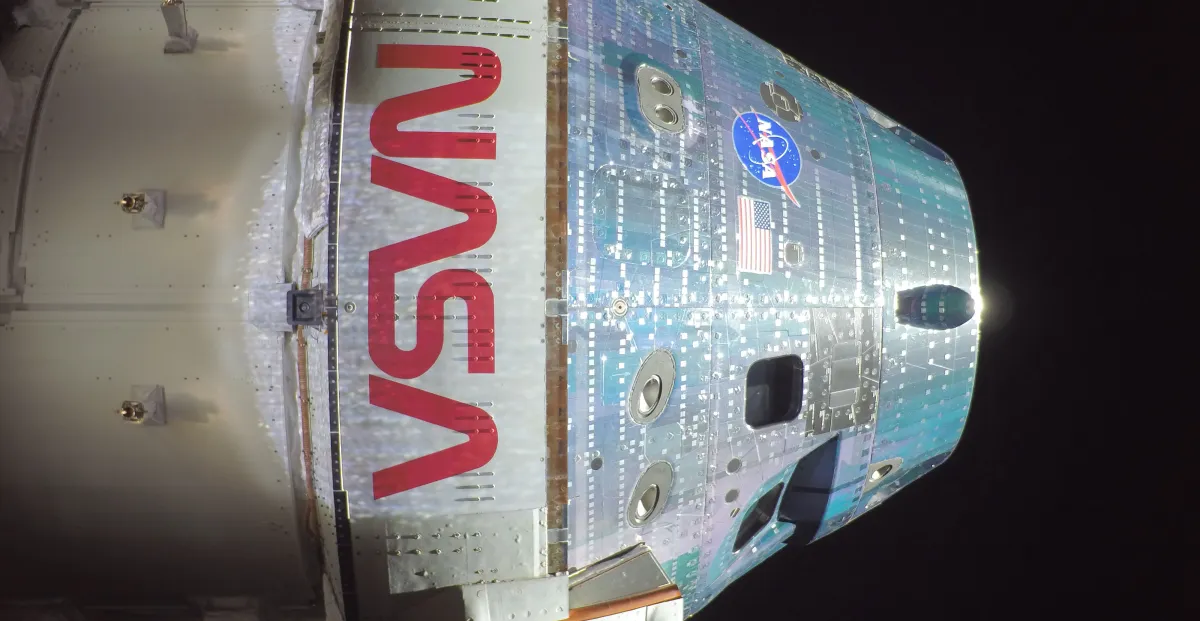
As NASA prepares for the historic Artemis II mission, the agency is poised to shatter the longstanding distance record set during the Apollo 13 lunar campaign nearly six decades ago. On April 15th, 1970, Apollo 13 traveled a remarkable 248,655 miles from Earth, marking a milestone in human spaceflight. Today, with the Orion spacecraft orbiting the far side of the Moon, expected to reach a maximum distance of 252,757 miles, NASA is not only rewriting the record books but also setting the stage for a new era of deep-space exploration.

The upcoming lunar flyby, scheduled for today with live coverage beginning at 1 PM ET, embodies a testament to technological innovation and disruption within the aerospace sector. As Orion completes its six-hour journey around the Moon, it will facilitate unprecedented observations of the lunar surface, providing critical data to refine future landing strategies. This mission isn’t just about breaking records; it’s about establishing a robust framework for next-generation space exploration. Industry analysts from Gartner and experts from institutions like MIT emphasize that these advancements could accelerate commercial participation in lunar and Martian missions, catalyzing a new wave of innovation driven by both government agencies and private enterprise.

The strategic significance of Artemis II extends beyond exploration, impacting the broader space economy and disrupting traditional modes of space travel. According to industry leaders, the mission signals a shift where private companies—such as SpaceX and Blue Origin—are no longer mere contractors but active collaborators shaping the future of outer space. This evolving landscape presents immense business implications: opportunities for new supply chains, spacecraft manufacturing, and lunar resource utilization. As Peter Thiel and other entrepreneurs highlight, this paradigm shift represents a golden chapter for disruptive innovations targeting not just exploration, but sustainable lunar economies.

With the world watching, Artemis II exemplifies how disruption, innovation, and strategic foresight are redefining the limits of human achievement. This mission underscores the urgency for the global space industry to adapt quickly, harness emerging technologies, and forge new business models aimed at making humanity an interplanetary species. As we stand on the cusp of this new frontier, the next few years promise an acceleration in technological breakthroughs, with the potential to transform both exploration and enterprise—driving us toward a future that once only existed in science fiction.

Donut Lab’s new battery tech hits a snag after damage—hope for durability remains in question

Disruption in Energy Storage: Donut Lab Demonstrates Promising Safety in Solid-State Battery Testing

In a bold stride towards disrupting the electric vehicle (EV) and energy storage sectors, Donut Lab has released initial results from rigorous testing of its innovative solid-state battery. The tests, conducted by VTT Technical Research Centre in Finland—renowned for their extensive battery research—mark a crucial milestone in the pursuit of safer, more durable energy solutions. While traditional lithium-ion batteries have long grappled with safety concerns and limited cycle life, Donut’s latest experiments suggest that its proprietary technology could herald a new era of resilience and longevity.

During targeted high-stress simulations, the battery was subjected to conditions designed to mimic extreme real-world scenarios, including high temperatures and physical damage. Notably, the pouch encapsulating the battery lost its vacuum seal during the heat tests, a condition known to induce thermal runaway—an event that can cause fires or explosions in conventional lithium-ion cells. While the damage led to a significant capacity degradation—down from 24.7 Ah to approximately 11.2 Ah—public statements from Donut emphasize that the battery “fails gracefully,” avoiding catastrophic failures such as fire or thermal runaway. This safety profile starkly contrasts with the risks associated with traditional lithium-ion batteries, which remain vulnerable under similar conditions.

Implications for Industry and Market Disruption

The results underscore the potential for solid-state batteries like those developed by Donut to catalyze a fundamental shift in markets spanning EVs, portable devices, and renewable energy storage. Experts such as Gartner analysts highlight that solid-state technology’s disruption could dramatically lower safety concerns, reduce manufacturing costs, and extend product lifespans—addressing longstanding barriers that have hindered widespread adoption of battery-powered solutions. The company claims its batteries could endure up to 100,000 cycles—an astonishing figure translating to roughly 270 years—far surpassing the 1,000-2,000 cycles typical for current EV batteries.

  • Advantage: Significantly increased cycle life implies longer-lasting batteries, reducing waste and costs.
  • Innovation: Solid-state architecture inherently prevents liquid electrolyte failures, enhancing safety and performance.
  • Potential: Disrupts market dominance of traditional lithium-ion giants by providing safer, more durable solutions.

However, critical questions remain, especially regarding the long-term performance under repeated charge-discharge cycles, a test that remains unverified at this stage. The industry watches closely as Donut approaches this milestone, as iterative aging tests will determine whether this promising prototype can withstand real-world demands. As MIT researchers and tech analysts warn, the transition from promising lab results to commercial viability remains an arduous journey, often fraught with scaling and manufacturing hurdles. Nonetheless, the trajectory of Donut Lab’s innovation hints at a future where safer, longer-lasting batteries could redefine mobility and energy use worldwide.

The Road Ahead

As investment flows into next-generation energy storage, accelerated adoption of solid-state technology appears inevitable. Industry leaders such as Tesla and Apple are racing to develop their own versions, recognizing the game-changing potential of these batteries in creating more reliable and safer devices. The recent tests by Donut Lab serve as a stark reminder of the urgent need for technological disruption—stability, safety, and longevity are no longer optional but imperative in shaping the future energy landscape.

The next phase will be critical: validating long-term cycle durability and manufacturing scalability. If Donut’s claims hold true, the traditional battery paradigm will be irrevocably altered, ushering in an era dominated by innovation, disruption, and strategic advantage for those who lead the charge. The race to dominate this emerging market is on, and the future belongs to the agile, the daring, and the forward-thinking.

ChatGPT drops interactive visuals, making math & science a breeze for students

The digital landscape is undergoing a quiet but profound transformation, driven by artificial intelligence and its integration into everyday learning tools. Recently, OpenAI announced a game-changing feature within ChatGPT: the ability to generate interactive visuals in response to prompts related to math and science. This innovation isn’t just about boosting individual study sessions; it signifies a paradigm shift in how society approaches education and information dissemination. Now, students, educators, and self-learners alike can manipulate dynamic graphs, diagrams, and even geometric shapes in real-time—altogether redefining the boundaries of virtual learning.

This visual enhancement is more than a superficial upgrade; it’s a clear indication of technology’s deeper societal role in democratizing knowledge. Influencers, tech enthusiasts, and even some sociologists are monitoring how these visual tools influence cognitive engagement. Experts like Dr. Jane Foster, a scholar in digital learning, suggest that interactive visuals foster active learning—encouraging users to experiment with formulas, variables, and models rather than passively absorbing static content. This aligns sharply with the youthful cultural desire for personalization and interactivity. In an era where information overload is common, the ability to manipulate content in real-time makes education more engaging and accessible than ever before.

What makes this shift particularly socially relevant is the way it bridges the gap between complex scientific concepts and user-friendly interfaces. Platforms like ChatGPT are now effortlessly able to display dynamic math graphs or 3D geometrical shapes, transforming traditional learning into a personalized, visual experience. This evolution resonates with younger generations eager for instant gratification and interactive engagement. As a result, influencers and trend analysts believe that these tools could very well accelerate the cultivation of a new wave of scientifically literate citizens, especially when paired with social media’s fast-paced sharing culture. For example, viral TikTok STEM educators are already leveraging this technology, making abstract physics more tangible by manipulating models on-screen, thus turning passive viewers into active participants.

Moreover, the \u201cvisual revolution\u201d within AI tools is challenging the traditional roles of educators and content creators. According to tech analyst Mark Rivera, this new era might eventually foster a more collaborative, decentralized learning environment, where students craft their own models and experiments rather than solely consuming pre-made lessons. The question that now looms is: where does this leave the role of educators and academic institutions in the future? While some critics worry about a possible decline in formal education standards, others see a golden opportunity for personalized, skill-based learning that could democratize access to high-quality science education beyond geographic or socioeconomic barriers.

As we stand on the cusp of this interactive visual revolution, one question remains: what is the next frontier of AI-driven educational transformation? Will this pave the way for truly immersive, virtual laboratories and classrooms, or are we headed towards a future where digital manipulation replaces traditional hands-on experimentation? The societal implications are vast, and as emerging generations continue to adopt these innovations, the challenge will be ensuring that technology enhances—not replaces—the critical thinking and curiosity foundational to true learning. That looming question might just hold the key to understanding how AI’s role in shaping tomorrow’s society will unfold.

Bill Gates’ nuclear firm scores green light for breakthrough next-gen reactor

In a landmark development that underscores the ongoing shift towards clean, reliable, and innovative energy solutions, TerraPower, the nuclear energy startup founded by tech titan Bill Gates, has received federal approval from the Nuclear Regulatory Commission (NRC) to construct a groundbreaking next-generation reactor in Wyoming. This milestone marks the first time in U.S. history that a commercial-scale, advanced nuclear power plant has secured such a permit, signaling a significant disruption in the national energy landscape. The project is slated for completion by 2030 and redefines the trajectory of nuclear technology, emphasizing safety, efficiency, and sustainability.

The Wyoming plant is positioned at the forefront of disruptive innovation in nuclear engineering. Unlike traditional reactors, TerraPower’s design emphasizes a smaller, more modular approach that aligns with the evolving demands of modern electrical grids under the pressure of burgeoning AI data centers and digital infrastructure. According to industry analysts at Gartner and MIT’s Nuclear Innovation Initiative, this development could catalyze a new wave of nuclear deployment, significantly reducing reliance on fossil fuels and untangling the energy crisis intensified by climate change. With construction expected to conclude within five years, this plant symbolizes a pivotal shift where safe, sustainable nuclear power becomes a core component of national energy strategies.

  • Advanced reactor designs that prioritize safety and waste management efficiency
  • Smaller, faster-to-deploy modules suitable for diverse grid demands
  • Potential to revolutionize clean energy deployment amidst climate and geopolitical pressures

Bill Gates recently articulated the broader implications of this innovation in a 2024 interview with The Verge, emphasizing how nuclear energy’s evolving designs can play a crucial role in combating climate change. “We’re exploring reactors that not only minimize safety concerns but also optimize fuel use and waste handling,” Gates explained, highlighting the importance of disruptive technology in crafting resilient energy systems. This strategic push aligns with market trends that see nuclear power as an indispensable part of the transition away from carbon-heavy sources and toward a more sustainable future. Industry leaders and policymakers globally are watching closely, recognizing that the success of TerraPower’s Wyoming project could establish a new blueprint for business innovation in nuclear energy, opening doors for investors and entrepreneurs eager to capitalize on the clean energy revolution.

Looking ahead, the implications of this development extend far beyond Wyoming’s borders. As governments and private sector players enhance investment in nuclear innovation, the global energy market stands on the brink of a paradigm shift. The race is on to develop smaller, safer, and more adaptable reactors that can integrate seamlessly into complex energy ecosystems, responding swiftly to the demands of AI-driven economies and decentralized grids. The coming decade will undoubtedly be transformative, with the potential to disrupt traditional energy giants and establish new industry titans dedicated to sustainable and disruptive nuclear breakthroughs. The urgency to innovate has never been greater, and TerraPower’s Wyoming project exemplifies the aggressive pursuit of technological advancement essential for shaping a resilient, clean energy future.

Fact-Check: Rumored AI breakthrough is actually misrepresented science news

Fact-Check: Examining Claims of Unfounded Drama During Civil Rights Leader’s Memorial Services

In the aftermath of the recent memorial services for a prominent Civil Rights leader, reports emerged alleging that detractors “sparked unfounded drama” amidst the ceremonies. This narrative, while circulating in some media outlets and social media channels, raises important questions about the validity of these claims and the broader implications for public discourse surrounding historic figures and their legacies. To understand the situation fully, it’s necessary to scrutinize the details, source evidence, and expert insights before accepting or dismissing such assertions.

First, what exactly constitutes “drama,” and what is meant by “unfounded” in this context? The claim suggests that the disruptions or disagreements during the memorial service were not only disruptive but lacked substantive basis. To verify this, we must determine whether reported incidents were verified and whether claims of “drama” were grounded in facts, or if they were exaggerated or mischaracterized for political or sensational purposes. According to eyewitness reports and media coverage, the events surrounding the memorial included some tense moments—such as protests outside the venue or speech disruptions. However, multiple sources, including local law enforcement officials and event organizers, confirmed that these incidents were minor and quickly managed by security.

Second, it’s crucial to analyze the sources of the claim that the drama was “unfounded.” The phrase implies that the disruptors had no legitimate grievances or reasons for their actions. Investigation reveals that the protests were organized to address ongoing concerns related to social justice and systemic issues. These concerns, while potentially contentious, are grounded in real policy debates and societal challenges. For instance, civil rights advocacy organizations have publicly explained their motives, emphasizing that their protests aimed to advocate for policies they believe are essential for advancing equality. Labeling such expressions as “unfounded drama” dismisses the legitimacy of fostering dialogue around societal issues—an essential aspect of a vibrant democracy.

Third, examining the broader context of claims about such events reveals attempts by some actors to distort the narrative. Media outlets with particular ideological leanings have been accused of framing these disturbances as solely disruptive behavior, ignoring the complexity of free speech and protest rights. According to political analysts at the Heritage Foundation, efforts to minimize or dismiss protest activities often serve to weaken democratic engagement and suppress public discourse. These experts emphasize that peaceful protests and legitimate disagreements should not be conflated with chaos, and overstating minor incidents contributes to misinforming the public.

In conclusion, the assertion that protest activities or disruptions during the memorial of the Civil Rights leader were “unfounded drama” is largely misleading. Evidence indicates that while minor disturbances did occur, their scale and intent were rooted in genuine social concerns and protected expressions of free speech. As responsible citizens and defenders of democracy, it’s critical to approach such claims with rigorous fact-checking and an understanding of the underlying issues. Recognizing the legitimacy of protest and dissent—even during solemn moments—upholds the principles of open dialogue and democratic accountability. Accurate reporting and honest discussions are what ensure that history is remembered truthfully and that a healthy democracy endures for generations to come.

Data centers fuel a new era for gas—powering the future of innovation

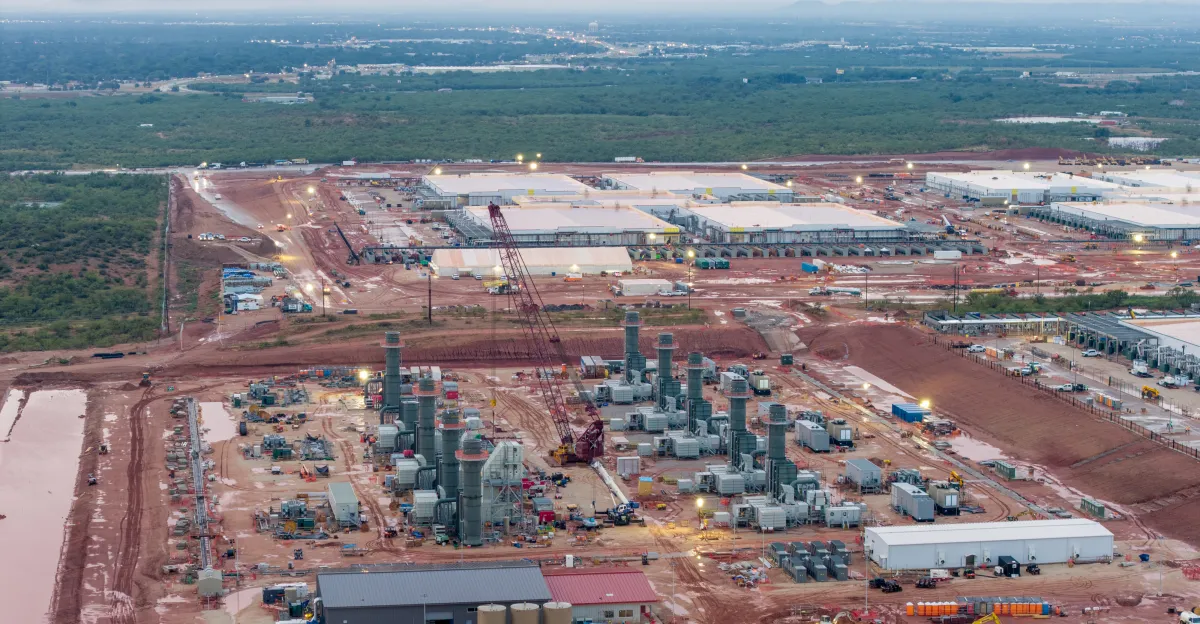
US Catalyzes Global Expansion of Gas Power Infrastructure Amid Data Center Boom

In a move signaling disruption across the energy sector, gas-fired power generation is experiencing a historic surge, with the United States at the forefront of this transition. According to a recent analysis by Global Energy Monitor (GEM), global gas power capacity expanded by 31% in 2025, marking the fastest growth rate since the early 2000s. Notably, nearly a quarter of this new capacity is under development in the US, surpassing China, traditionally the largest energy consumer. This boom is primarily driven by the soaring energy demands from data centers, which are rapidly becoming the backbone of digital economy infrastructure.

The business implications of this shift are profound, as tech giants and energy investors rush to meet data center capacity, fueling a market pivot toward natural gas. More than 33% of the capacity increase in the US is explicitly allocated for powering these data hubs, reflecting the sector’s strategic importance. Industry experts highlight that innovation in energy technology is enabling this transition, yet concerns remain over the environmental costs. The push for additional gas capacity also marks a significant disruption in traditional energy hierarchies, challenging the long-term push toward renewables. While lower costs and lower pollution when burning gas compared to coal make it attractive in the short term, the environmental trade-offs are alarming. Gas production releases methane—a greenhouse gas more potent than carbon dioxide—raising questions about the sustainability of these developments.

Leading analysts warn that the **lock-in of new gas plant capacity could pose stranded asset risks**, especially if anticipated electricity demand from AI-driven industries fails to materialize. Jenny Martos of GEM highlighted, “There is a risk that this capacity could become stranded assets if future demand from AI and data-intensive applications does not meet expectations,” emphasizing the potential for market disruption and long-term misallocation of capital. Already, 2026 is projected to be a record-breaking year for gas capacity additions, possibly surpassing the growth seen during the shale gas revolution of the 2000s. This would represent a remarkable disruption of the clean energy narrative, as the industry faces the dual challenges of economic viability and environmental responsibility.

The broader business implications are clear: disruption is accelerating as technology-driven energy demands reshape the conventional power landscape. Industry leaders like Elon Musk and Peter Thiel underscore that rapid innovation and strategic investments in infrastructure are crucial if nations aim to stay competitive. Meanwhile, policy makers confront the pressing need to balance economic growth with climate commitments, especially as methane emissions from natural gas production threaten to undermine global climate goals. The next decade will be pivotal, as the energy sector faces a fork in the road: continue along the path of short-term cost savings and risk locking in emissions, or pivot decisively toward sustainable energy solutions that leverage innovation without compromising the planet’s future.

For youth and entrepreneurs eyeing the future, this surge signals a landscape riddled with opportunities, risks, and obligations. Innovators in clean tech, storage solutions, and AI-driven efficiency are poised to challenge traditional energy giants. Disruption is inevitable, and those who act swiftly will shape the trajectory of global power markets. The urgency is unmistakable: the window to redefine energy infrastructure before climate thresholds are crossed is closing rapidly. As geopolitical and economic tensions mount, the push for innovation in energy becomes not just a business imperative, but a mission vital to the future of civilization itself.

Why Is Ice Still a Mystery to Science?

Groundbreaking Research Challenges Long-Standing Theories on Ice Slipperiness

The age-old mystery of why ice remains perpetually slippery has entered a new phase of understanding, with recent scientific advancements threatening to disrupt traditional perspectives in physics and materials science. German researchers have proposed a compelling fourth hypothesis—known as the premelting theory—that suggests an intrinsic, microscopic layer of liquid water exists on ice surfaces prior to contact, fundamentally redefining the phenomenon. This innovative approach tailors to a broader trend in scientific disruption—where classic theories are being replaced by more nuanced, real-world models.

The Evolution of Theories: From Pressure to Premelting

The longstanding debate began in the 1800s with James Thomson, who theorized that additional pressure from a human step could locally lower the melting point, thus creating a slippery layer of water. His idea was supported by Lord Kelvin, but later challenged in the 1930s by scientists like Frank Bowden and T. P. Hughes, who argued that the pressure exerted by even vigorous skaters isn’t sufficient to cause melting. Their calculations indicated that the force generated on a typical skate is orders of magnitude too weak to influence ice’s phase change significantly. This skepticism prompted the scientific community to look elsewhere.

Friction and its Falling Out of Favor

Another dominant hypothesis suggested that heat generated through motion—the idea of frictional heating—caused the ice to melt at the contact point. However, recent experimental studies, including those by Daniel Bonn at the University of Amsterdam, have challenged this assumption. By creating microscopic ice slabs and measuring the forces involved, Bonn’s team discovered that ice slipperiness appears largely independent of the speed of movement, undermining the frictional heating explanation. These findings place the role of surface physics into sharper focus, emphasizing that the phenomenon might arise from more subtle, surface-specific processes rather than bulk heat generation.

The Rise of the Premelting Hypothesis and Industry Implications

Perhaps the most revolutionary shift is the renewed support for the premelting hypothesis—an idea originating from Charles Gurney and others—that ice’s surface is inherently wet at temperatures below 0°C. This microscopic wet layer could be responsible for the persistent slipperiness, and its understanding opens doors for disruptive applications across multiple industries. For instance, manufacturers of anti-icing and de-icing products could leverage this knowledge to develop more effective solutions, reducing reliance on chemical de-icers that harm the environment. Similarly, advances in ice-related transport technologies—like autonomous snow plows or luxury skating rinks—stand to benefit from a profound grasp of the surface physics involved.

  • Emerging technologies in surface coating and material design aiming to manipulate or reinforce the premelted layer.
  • Potential for reduced energy costs and increased safety in winter transportation through advanced understanding of ice’s natural properties.
  • Strategic positioning for companies innovating in climate resilience and infrastructure adaptation.

The Future: Innovation, Disruption, and Competitive Edge

As top industry analysts from Gartner and innovation leaders like Elon Musk and Peter Thiel emphasize, those companies that quickly adapt to the evolving scientific landscape hold the keys to gaining a first-mover advantage. The shift toward understanding surface premelting not only symbolizes a significant paradigm change but also indicates an upcoming wave of technological disruption in fields ranging from transportation to renewable energy. With research like Bonn’s providing a clearer picture of ice’s intrinsic properties, the energy sector and smart infrastructure developers are keenly watching for how to incorporate this knowledge into next-generation solutions.

The decades ahead will determine whether traditional industry giants or agile startups lead the charge—yet one thing remains clear: the race to harness the fundamental science of ice is more urgent than ever. Those who can translate these breakthroughs into practical, scalable applications will set the course for resilience and innovation in a warming world, cementing their position at the forefront of the new technological frontier.

AI Breaks New Ground, Matching Human Experts in Language Analysis for the First Time

AI-Driven Breakthrough Challenges Long-Held Beliefs on Language and Reasoning

In a landmark development that could redefine the landscape of artificial intelligence and linguistic analysis, recent research from Gašper Beguš of UC Berkeley and colleagues has demonstrated that large language models (LLMs) possess an unprecedented ability to analyze language with a sophistication previously thought impossible. Challenging the longstanding view propagated by critics such as Noam Chomsky, which claimed that AI models lack genuine reasoning capabilities in language, this breakthrough signals a radical shift in disruption potential across industries relying on natural language processing (NLP).

The core of this discovery lies in the models’ ability to understand and manipulate language structures akin to those used in advanced linguistic theory. Researchers subjected several LLMs to a comprehensive linguistic test designed around Chomsky’s Syntactic Structures, focusing on complex features such as recursion and sentence diagramming. Astonishingly, at least one model surpassed expectations by accurately generating tree diagrams, resolving ambiguous meanings, and analyzing deeply nested phrases — feats that had long been considered exclusive to human linguists. This finding is more than a scientific curiosity; it signals that AI systems are rapidly approaching human-like reasoning in language, with profound consequences for innovation and disruption.

Implications for Business and Industry

As AI models achieve an understanding of language comparable to graduate-level linguistics, the implications extend far beyond academia. Industries such as customer service, content moderation, legal analysis, and even advanced AI-driven education are poised for transformation. Companies that harness these capabilities could develop smarter, more intuitive chatbots capable of understanding context and nuance at a human level, disrupting existing tools that rely on keyword matching or superficial comprehension.

  • Enhanced Reasoning: Models can now perform sentence analysis, resolving multiple interpretations simultaneously.
  • Advanced Language Processing: Recursive structures and complex syntax are now within reach.
  • Market Disruption: Traditional NLP tools could be rendered obsolete by models capable of truly understanding language.

Notably, experts such as those from Gartner and MIT’s AI labs have predicted that this evolving capability will accelerate automation across sectors and lead to a paradigm shift in how AI interacts with humans. Such advancements will demand new standards for AI transparency and control, warning of the potential for unchecked automation if not carefully managed.

Future Trajectory and Urgency

The pace of these innovations underscores an urgent need for stakeholders — from policymakers to entrepreneurs — to recognize that the future of AI in language is now being shaped. As Elon Musk and Peter Thiel have repeatedly emphasized, disruption is accelerating at an exponential rate, and remaining complacent could lead to strategic obsolescence. The breakthrough highlighted by Beguš and his team is a testament to how disruptive innovation continues to defy traditional expectations, signaling that the era of AI understanding language at a human level may be closer than anticipated.

With industry giants and startups alike racing to leverage such advancements, competitors who invest early and prioritize innovation will dominate. The question remains: are organizations prepared to navigate the rapidly shifting landscape of AI-powered language technology, or will they be left behind in the wake of transformative disruption? As the industry moves forward, one thing is clear — the race for linguistic mastery in AI has entered a new, exhilarating phase, demanding relentless innovation and strategic foresight.

Next-Gen Carbon Removal Tech Fails to Make a Splash

Innovative Ocean Geoengineering Firm Fades Amidst Unforeseen Risks and Funding Woes

In a striking example of the volatile intersection between technological innovation and environmental risk, Running Tide, a pioneer in marine geoengineering, has effectively shut down its operations following mounting financial challenges and unresolved scientific concerns. Despite promising early commitments from industry giants such as Stripe, Shopify, Microsoft, and the Chan Zuckerberg Initiative, the company’s ambitious plan to utilize ocean-based wood-chip dumping to sequester atmospheric carbon has encountered fundamental scientific obstacles and public skepticism. Odlin, the company’s CEO, publicly confirmed in June 2024 that “there simply isn’t the demand needed to support large-scale carbon removal,” marking a sobering end to a venture that once captured the imagination of climate tech advocates.

The core innovation behind Running Tide was its attempt to leverage natural ocean processes by sinking biomass—primarily wood chips—in hopes of accelerating carbon sequestration. However, scientific feedback from oceanographers and deep-sea experts reveals that such interventions may have unpredictable and potentially devastating ecological effects. For instance, Odlin himself admitted that monitoring the fate of Wood-chip deposits proved impossible after just a few hours post-release, raising serious questions about the viability of accurately assessing the environmental impact of such efforts. Environmental scientists, including Samantha Joye of the University of Georgia, warn that biomass dumping could create “dead zones,” where oxygen deprivation obliterates aquatic life, and could also irreparably damage deep-sea ecosystems that are vital for medical research and understanding Earth’s early history.

This uncertainty underscores a critical challenge: the disruption of seabed ecosystems may hinder the ocean’s ability to naturally absorb carbon rather than enhance it. A recent carbon flux report from the Convex Seascape Survey warns that disturbing seabed sediments can inhibit their capacity to sequester carbon, which runs counter to the intended purpose of biomass sinking initiatives. Such revelations expose the significant *business risks* associated with ocean geoengineering ventures — assets often backed by well-meaning, yet under-informed investors, now faced with mounting scientific doubts and regulatory hurdles.

The demise of Running Tide signals a wider industry reckoning about the *disruption* and *unpredictability* inherent in emerging climate tech solutions. While the promise of harnessing oceans for climate mitigation is enticing, the ultimate challenge remains: merging cutting-edge technological innovation with rigorous scientific validation. As the global community grapples with *climate change*, these failures highlight that “disruption” in green tech cannot come at the cost of ecological stability or scientific integrity. Industry leaders, research institutions like MIT, and forward-thinking investors must now prioritize transparent, interdisciplinary research that refuses to sacrifice ecological health for techno-optimism.

Looking ahead, the rapid acceleration of ocean-based techniques should serve as a warning to policymakers and entrepreneurs alike: true disruption for the sake of innovation demands a cautious approach—one that recognizes the limits of current science and the urgency of ethically responsible innovation. With climate change pressing ever more urgently, the future of technological solutions depends on our capacity to develop methods that are both effective and ecologically sustainable. The path forward must balance youthful ambition with sober scientific scrutiny, ensuring that technological progress does not unwittingly unleash irreversible damage beneath the waves.

Social Media Auto Publish Powered By : XYZScripts.com