Matox News

Truth Over Trends, always!

Lenovo’s Bold New Gear: Laptop with Built-In Portable Screen Sparks Buzz Among Young Tech Fans

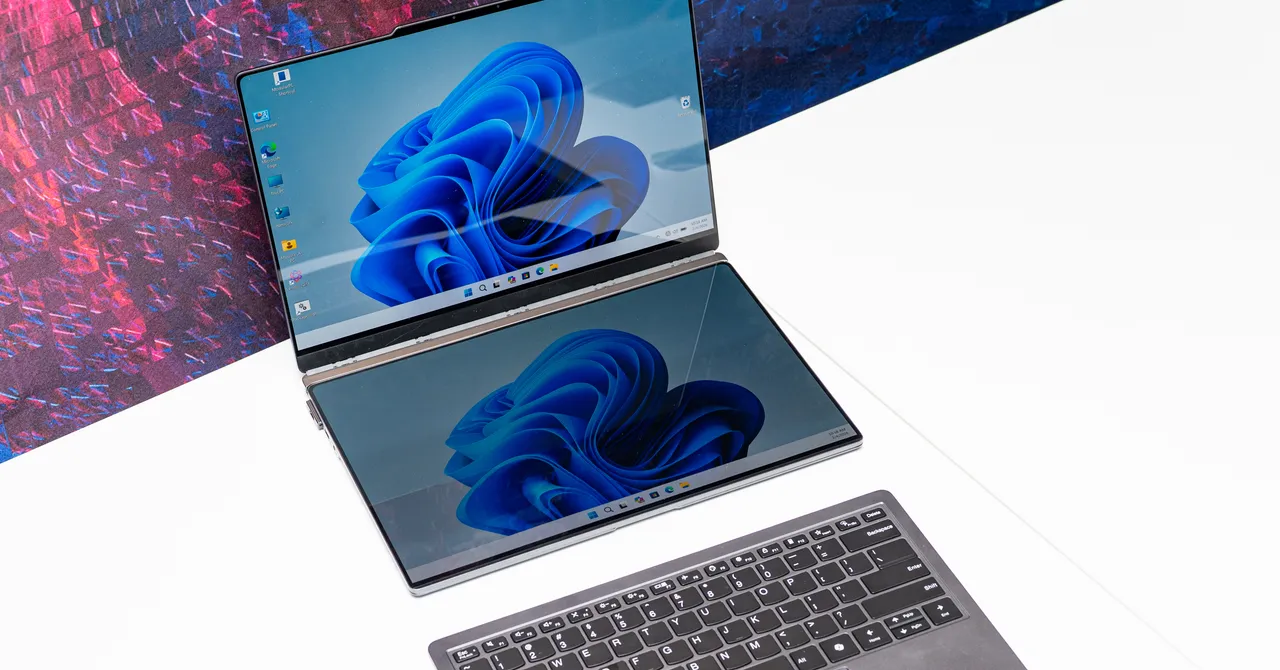
Lenovo Unveils Innovative Yoga Book Pro 3D Concept: A Game-Changer in Creative Technology

In a bold move that exemplifies the ongoing drive toward immersive and tactile digital experiences, Lenovo has introduced the Yoga Book Pro 3D Concept—a revolutionary device aimed squarely at creative professionals and developers. Powered by the formidable Intel Core Ultra 7 processor and equipped with Nvidia’s GeForce RTX 5070, this concept reimagines the boundaries between digital and physical, blending cutting-edge hardware with innovative software to facilitate a new era of 3D asset creation. While still in the prototype stage, its disruptive potential signals a significant pivot in the industry, especially as it aims to serve creators rather than traditional gamers or consumers.

Disruptive Hardware and User Interface Innovations

The Yoga Book Pro 3D departs sharply from conventional portable devices. It features dual 16-inch OLED displays called Lenovo PureSight Pro Tandem, which connect to form a seamless, flexible workspace—effectively replacing the traditional keyboard with a touch-enabled, customizable surface. This approach not only enhances workspace ergonomics but also pushes forward the concept of a truly mobile creative workstation. The device employs Lenovo’s proprietary AI software to support 2D to 3D conversion on demand, allowing users to manipulate digital assets effortlessly. The integration of a built-in RGB camera enables gesture-based control, allowing users to interact with 3D objects through natural hand movements, eliminating the need for a mouse or stylus—an innovation that could redefine creative workflows.

Perhaps the most groundbreaking feature is the set of magnetic snap-on pads that users can attach to the lower touchscreen. These physical accessories serve as tangible triggers for digital shortcuts, such as opening a color palette or adjusting lighting in real-time, providing a hybrid tactile-digital interface. This fusion of physical and digital interfaces aligns with the evolving expectations of a new wave of digital creators seeking immersive, intuitive tools. By bringing tactile feedback into the fold, Lenovo’s design hints at a future where user interfaces become more responsive and naturally integrated into creative processes.

Business Implications and Industry Disruption

This conceptual device signals a potential industry shift—particularly in how creative tools are designed and commercialized. If Lenovo moves beyond concept into mass production, it will introduce a fresh competitive dynamic within tech giants such as Apple, Microsoft, and Samsung, who have pursued similar 3D and AR/VR innovations. The integration of high-performance hardware with novel form factors can disrupt established workflows and challenge traditional notions of portability and interface design.

  • Market potential: A niche yet expanding segment of digital artists, designers, and AR/VR developers eager for more tactile, portable solutions.
  • Innovation driver: Accelerating the adoption of hybrid hardware/software interfaces to make 3D content creation more intuitive.
  • Industry impact: Potentially catalyzing new hardware ecosystems centered around physical-digital interaction modes—setting a standard for next-gen professional devices.

As Elon Musk and Peter Thiel have warned about the importance of disruption and technological frontier-pushing, Lenovo’s Yoga Book Pro 3D serves as a compelling glimpse into the future of tech. If this device or its derivatives become widely available, it could accelerate the shift toward more immersive, user-centered design paradigms—a transformation that promises to reshape not only creative industries but the broader landscape of human-computer interaction. For forward-looking investors, developers, and innovators, understanding and engaging with these breakthroughs now will be crucial to maintaining a competitive edge in the rapidly evolving tech frontier.
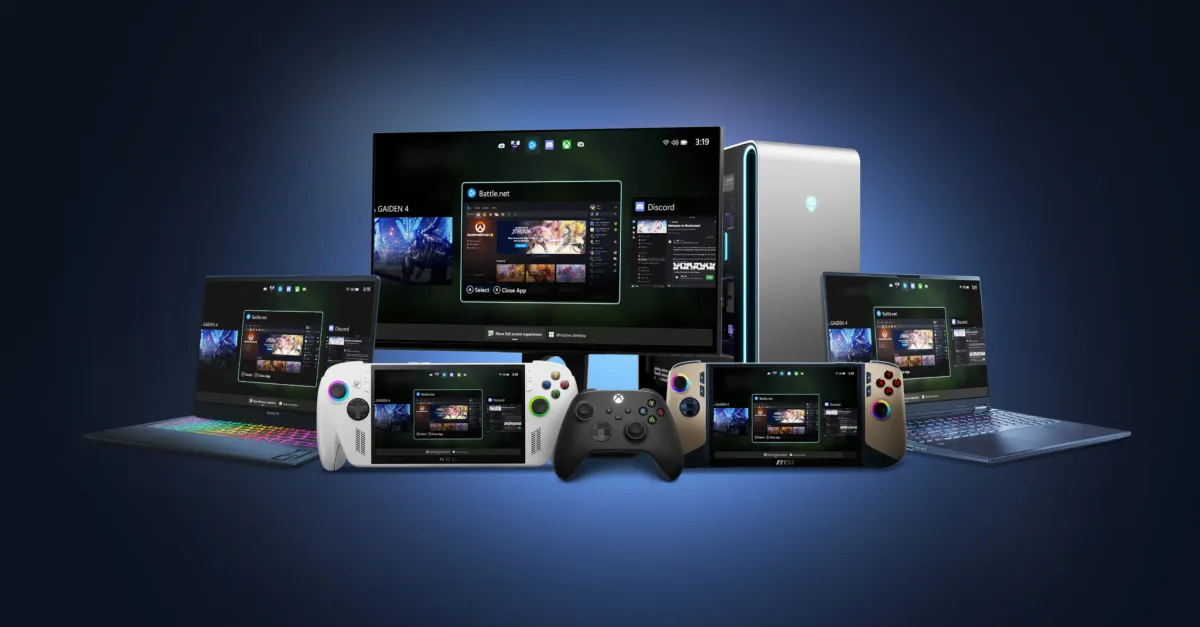

Try the Xbox Full Screen Experience on any PC or tablet—game on the go!

Microsoft Reinvents Gaming with Full Screen Experience (FSE) Expansion Across Windows Devices

In a significant move toward disruption of traditional gaming interfaces, Microsoft has announced the expansion of its Full Screen Experience (FSE) to a broader range of Windows devices — including laptops, desktops, and tablets — via the latest Windows Insider Preview Builds. This development underscores the company’s strategic push to integrate a more immersive, console-like gaming experience into everyday computing, creating a paradigm shift in how users engage with games across multiple form factors. The rollout, currently in the experimental Dev and Beta channels, is a clear sign of Microsoft’s intent to fuse console and PC gaming, bridging hardware ecosystems and setting new industry standards.

The FSE feature, which was previously limited to select Xbox Insider environments, is now more accessible, offering users a more streamlined, high-fidelity, full-screen gaming immersion from their Windows PCs. To activate the feature, users simply hover over the Task View icon on the taskbar and select the Xbox full-screen experience option, or use the shortcut Win + F11. This straightforward interface enhancement, coupled with easy toggling in the Game Bar settings, demonstrates Microsoft’s focus on user-centric innovation — making powerful gaming features more intuitive and widely available. “Microsoft aims to challenge the boundaries between Windows and Xbox, delivering a seamless, console-like experience that could fundamentally alter desktop gaming,” notes industry analyst Sarah Chen of TechInsights.

However, the rollout isn’t universal yet. As Microsoft explains, access to FSE is “gradually rolling out” and requires the latest Windows Insider Builds alongside the Xbox app from the Microsoft Store. This phased approach reflects a strategic move—optimizing the technology while managing the massive scale of Windows’ global user base. SuchControlled rollout strategies are typical of Microsoft’s approach to innovation, allowing them to gather feedback and fine-tune the feature before a broad public release. The potential implications are profound, positioning Microsoft to challenge other gaming platforms and reshape user expectations—particularly as the industry shifts toward more integrated, high-performance gaming environments that leverage PC hardware and cloud services.

The broader implications of Microsoft’s FSE expansion reach well beyond just user experience. By enhancing the gaming capabilities of Windows devices, Microsoft is reinforcing its position as the dominant ecosystem for gaming, possibly disrupting competitors like Sony and Nintendo, which are more console-focused. Industry insiders believe this move could catalyze new business models around integrated hardware-software packages and cloud-based gaming services—areas where giants like Elon Musk’s Neuralink and Google’s Stadia are vying for dominance. Significant, too, is how Microsoft’s decision reflects a larger industry trend—a shift towards more versatile, immersive computing platforms that blur the lines between gaming and productivity, fueling a future where innovation accelerates at an unprecedented rate.

Looking ahead, the expansion of FSE on Windows signals an urgent need for gamers, developers, and tech enthusiasts alike to stay alert. As Microsoft’s strategy to embed high-fidelity gaming into daily computing unfolds, industry stakeholders must adapt and innovate swiftly, or risk being left behind in an evolving landscape driven by disruptive technology. The move toward more immersive, seamless gaming experiences is just beginning; the industry must now prepare for a future where the next big leap isn’t just hardware or software, but the integration of both into a holistic, user-focused ecosystem that redefines how and where we game. The race for the next generation of immersive tech is on, and Microsoft’s bold steps might just steer the industry toward a transformative era of digital interaction.

Disney and ESPN return to YouTube TV, bringing your favorites back to the screen

Disruption in Media Streaming: Disney and YouTube TV Form Strategic Alliance

In a move that underscores the ongoing transformation of the entertainment industry, Disney has announced a comprehensive carriage deal with YouTube TV, signaling a renewed focus on direct-to-consumer (DTC) strategy and digital innovation. This partnership includes the full portfolio of Disney’s linear networks—covering ESPN, ABC, Freeform, FX, National Geographic, and more—and aims to leverage YouTube TV’s platform to reach a broader, younger demographic in an increasingly competitive streaming landscape. The evolving arrangement exemplifies how legacy media giants are resorting to strategic alliances and platform diversification to disrupt traditional broadcast models, carving out new revenue streams amid declining cable subscriptions.

Central to this deal is the introduction of ESPN’s Unlimited Plan, a DTC service accessible at no extra cost to YouTube TV subscribers. This development marks a significant shift from conventional cable model reliance toward a more flexible, consumer-centric approach characterized by disruption of traditional sports and entertainment broadcasting. With access to curated live and on-demand offerings within YouTube TV, ESPN aims to recapture viewer loyalty in a crowded marketplace teeming with competitors like Apple TV+ and Amazon Prime. Industry experts observe that such integrations could fundamentally alter the economics of sports and media rights, forcing competitors to rethink pricing models and licensing strategies.

Furthermore, the partnership includes the launch of genre-specific packages and the ability to integrate the all-important Disney+, Hulu Bundle into select YouTube TV plans. This convergence of content aims to optimize user engagement and foster customer retention in a landscape where consumer discretionary spending on traditional subscriptions is waning. According to Gartner, the shift toward customizable bundle offerings is a clear indicator of the industry’s desire to innovate beyond one-size-fits-all models, fortifying Disney’s position as a dominant player in the digital age and exemplifying strategic disruption championed by visionary executives like Elon Musk and Peter Thiel.

From a business perspective, this expanded collaboration signifies a broader trend targeting industry disruption and consumer empowerment. By harnessing the power of digital platforms such as YouTube TV, Disney is effectively challenging entrenched distribution channels and reshaping the competitive landscape. The move underscores the importance of disruptive innovation—a term popularized by Clayton Christensen—which suggests that established players must leverage new technology to stay relevant. As the industry advances, the emphasis remains on rapid adaptation, with a sense of urgency palpable across boardrooms worldwide. The future looks poised for a new era of content delivery—dynamic, personalized, and data-driven—demanding both agility and foresight from all stakeholders. The question now is: who will be the next industry disruptor in this ongoing revolution, and how will legacy media giants respond to maintain their foothold in a rapidly evolving digital ecosystem?

Challenge Your Knowledge: Iconic Horror Novels That Made the Leap to the Screen

As we consider the enduring legacy of literature and its vital transformation through adaptation, we are reminded of the profound relationship between art, identity, and society. In an age increasingly dominated by visual spectacle, movies, television, and theatrical renditions serve not merely as entertainment but as modern reflections of our collective soul. This process echoes the timeless insights of Ortega y Gasset, who observed that culture is both a mirror and a blueprint—offering us an image of who we were and a prophecy of who we might become. Whether through the Gothic gloom of H.P. Lovecraft or the chilling fundamentals of Stephen King, horror adaptations showcase the cultural fears and moral preoccupations that define civilizations, illustrating that even in fear, there is a reflection of our deepest truths.

Throughout history, cultural shifts have often been heralded by the stories we tell each other. The transition of literary works into visually compelling media often signals a society’s evolving relationship with its history and ideals. Gothic horror, for instance, with its roots in romanticism and enlightenment fears, has morphed into a mirror for contemporary anxieties—be it the terrors of the digital age or the moral darkness lurking behind modern facades. As C.S. Lewis pointed out, art’s role is to luminate the shadows cast by human frailty; any successful adaptation manages to keep that moral tension alive, engaging new generations with questions that are as old as the human condition itself. The power of film and television to reanimate these stories reminds us that culture is less static than we often think—it is a living, breathing dialogue between memory and prophecy.

The importance of adapting works of literature into visual storytelling lies in its ability to preserve tradition while constantly rekindling societal debate. Just as the Renaissance rediscovered classical knowledge and Tocqueville warned about the tyranny of democratic equality eroding individual greatness, contemporary cultural adaptations serve as a counterbalance; they keep alive a sense of wonder and moral complexity. These stories are not just entertainment—they are the cornerstone of our cultural identity, lending purpose and continuity amid the chaos of change. By reimagining stories of darkness and light, society navigates its fears while reaffirming its aspirations, reminding us that our cultural memory is a fertile ground where history’s lessons bloom anew.

As the currents of history flow onward, the role of culture as memory and prophecy becomes ever clearer. It is both the echo of what humankind has endured and the blueprint of what might yet come to pass. The writings that become films, the stories that transform into plays—these are the threads with which we weave the fabric of our civilization. Culture, in all its forms, bears witness to the eternal human quest for meaning—to understand the shadows and to illuminate the dawn. In this delicate dance of remembrance and anticipation, we find that our shared stories are neither relics nor mere predictions but the very essence of our ongoing human journey.’

Top Tips to Keep Your Laptop Screen Spotless Without the Damage

In today’s fast-paced, image-driven society, tech device maintenance has taken on a new cultural significance. What might seem like a mundane task—cleaning your laptop or smartphone screen—actually reflects a larger social shift towards digital minimalism and self-care in our digital age. From influencers sharing sanitized routines to sociologists observing evolving consumer behaviors, the act of maintaining our screens is more than just aesthetics; it’s about preserving the connection between our identities and the digital world we inhabit. Cleaning a screen, in this context, becomes a ritual that symbolizes our respect for technology and the lifestyle choices we make.

This trend is exemplified by the rise of DIY tech care guides led by tech influencers and experts alike. As seen recently in a viral post from Mashable, maintaining your screens properly is now considered an essential part of digital hygiene, akin to grooming or health routines. The emphasis on using microfiber cloths and LCD-safe solvents underscores a cultural emphasis on precision and intentionality when interacting with devices that are deeply woven into our daily lives. The attention to detail mirrors a societal desire to elevate simple acts—like cleaning a screen—into expressions of personal discipline and responsibility.

Moreover, this behavior highlights a significant cultural leap in environmental awareness: avoiding harsh cleaning chemicals and inappropriate materials signals a move towards more sustainable and thoughtful consumption. Sociologists suggest that today’s youth, in particular, are redefining what it means to care for their devices and the environment. Influencers such as tech-savvy creators and lifestyle advocates are championing minimalist approaches, reinforcing the idea that less is more—especially when it comes to technology clutter. As the trend spreads across social media platforms, it’s clear that society is embracing a **simplified, clutter-free digital environment**—one that aligns with broader cultural narratives about mindfulness and intentional living.

Looking ahead, the next big question emerges: Will this focus on meticulous device care evolve into a broader cultural movement towards digital sustainability and even digital minimalism? As technology continues to become more embedded in our identities, the act of *caring for our devices* could transform into a gateway for addressing larger social issues—such as e-waste, digital clutter, and the overconsumption of gadgets. The challenge now lies in how future generations will balance technological convenience with environmental responsibility and personal well-being. Will today’s screen-cleaning routines foreshadow a society that is more deliberate about its digital footprint? Or will it become just another fleeting trend? Only time will tell, but one thing is certain: the way we nurture our technology today is quietly shaping the cultural narratives of tomorrow.

Italian Screen Icon and Pink Panther Star Passes Away at 87

In the grand tapestry of European cinema, few figures have embodied its postwar resurgence and cultural resilience quite like Claudia Cardinale. Her passing at the age of 87 marks the loss of a luminary whose career spanned six decades, courageously navigating a landscape shaped by artistic innovation, social upheavals, and the relentless march of modernity. Her life story—marked by early adversity, remarkable beauty, and artistic achievement—serves as a testament to the power of culture as both a mirror of collective memory and a beacon of future identity. Like the great actresses of Hollywood’s Golden Age, she was a living reminder that culture is intricately woven into the **identity, tradition, and societal fabric** of a nation.

Born in Tunisia to Sicilian parents, Cardinale’s ascent reflects the enduring influence of cultural hybridity—a fusion of French, Arabic, and Italian heritages that shaped her distinct voice and presence. Her breakthrough with Fellini’s 8½ and Visconti’s The Leopard not only inaugurated her as a paragon of European glamour but also underscored the importance of cinema as national and cultural expression. Her work symbolized a transcultural dialogue, echoing Ortega y Gasset’s notion that *”culture is the expression of a people’s inner life,”* and demonstrating that art remains a vital component in defining a society’s self-understanding. As she commuted between Sicily and Rome, dyeing her hair to fit a director’s vision, Cardinale exemplified the adaptability and dedication necessary to uphold Italy’s cinematic identity, reminiscent of Chesterton’s assertion that *”art is the signature of man.”*

Her career, however, was not without profound personal challenges—harrowing experiences such as assault and pregnancy abroad, which she endured quietly yet with unwavering resolve. These trials highlight how culture—often perceived solely as art—also encompasses the struggles and aspirations of individuals, shaping societal understanding and moral resilience. Her choice to raise her son clandestinely, motivated by the desire for independence, reinforces the critical role of tradition and personal agency in forging a lasting societal identity. Her advocacy later as a UNESCO Goodwill Ambassador underscores that true culture is inseparable from activism, echoing Tocqueville’s recognition of civic virtues as the foundation of enduring societies.

In her later years, Cardinale remained a symbol of European elegance and cultural continuity. Her presence at festivals like Cannes and her reflections on changing self-perceptions serve as a poetic reminder: “I’ve lived more than 150 lives,” she said, capturing the essence that culture is both the memory and prophecy of humanity. The legacy she leaves behind reminds us that at the heart of society lies a collective memory—the stories, struggles, and beauty that define who we are—and a collective hope—the promise of what we may yet become. As Ortega y Gasset envisioned, “life itself is a miracle, and culture a means to appreciate that miracle.” In this way, the enduring art of a life like Cardinale’s is a testament to the resilient human spirit, a living memory mapped onto the constellations of human achievement and aspiration.

Social Media Auto Publish Powered By : XYZScripts.com