Matox News

Truth Over Trends, always!

Rape Trial Kicks Off for Norway’s Crown Princess’s Son Amid Growing Youth Scrutiny

The recent revelations amid Norway’s political landscape have ignited a fierce debate over the role and relevance of monarchy in modern governance, positioning the issue as a critical point of contention in European politics. The leak of email exchanges involving members of the Norwegian royal family has not only exposed what critics consider a disconnect between the monarchy and contemporary societal values but has also cast a spotlight on the broader geopolitical impact of traditional institutions in a rapidly changing world order. This controversy underscores how decisions made within the walls of royal palaces ripple across nations, influencing diplomatic credibility, domestic stability, and public trust.

Leading voices from across the political spectrum have begun to scrutinize the monarchy’s place in Norway’s modern identity. Arild Hermstad, the leader of Norway’s Green Party and a notable republican advocate, stated that the email exchanges reveal a monarchy “that is not working,” pressing for transparency and reform. His comments resonate with a growing global movement questioning whether hereditary rule remains justifiable in wealthy, democratic nations. Analysts from international think tanks suggest that such revelations, if they undermine confidence in traditional royal institutions, could have broader repercussions for European unity. Many believe that the monarch’s continued symbolism as a stabilizing figure is increasingly at odds with an era demanding accountability and reform, especially as traditional monarchical legitimacy faces mounting challenges from rising republican sentiments.

Institutional critics warn that the fallout transcends mere political posturing; it risks altering Norway’s diplomatic posture within the North Atlantic Treaty Organization (NATO) and broader international forums. Historians like Dr. Ingrid Sørensen argue that monarchies historically played pivotal roles in nation-building but now threaten to be relics, especially when their transparency is questioned. The controversy has prompted international organizations, such as The European Union and Human Rights Watch, to weigh in cautiously, intimating that the integrity of political institutions—regardless of their constitutional status—must be preserved against scandals that could undermine social cohesion. As nations grapple with modern governance, the question remains: will traditional symbols of power adapt or be forsaken in the face of reform demands?

In an era defined by urgent global challenges, the unfolding narrative in Norway serves as a microcosm of broader geopolitical shifts. The enduring debate over the monarchy’s role illuminates a larger struggle between tradition and reform that extends across many democracies worldwide. The decisions that emerge from this controversy—whether to reform, retain, or even abolish monarchies—may well determine how a generation perceives authority and legitimacy. As the dust settles, the realization becomes clear: history’s pages are still unfurling, and the outcome of Norway’s internal struggles may influence the future of sovereignty, identity, and power in a world where old institutions are tested by new demands. The story of Norway’s royal scandal is more than a national crisis; it is a chapter in the ongoing saga of evolution and upheaval that defines our times.
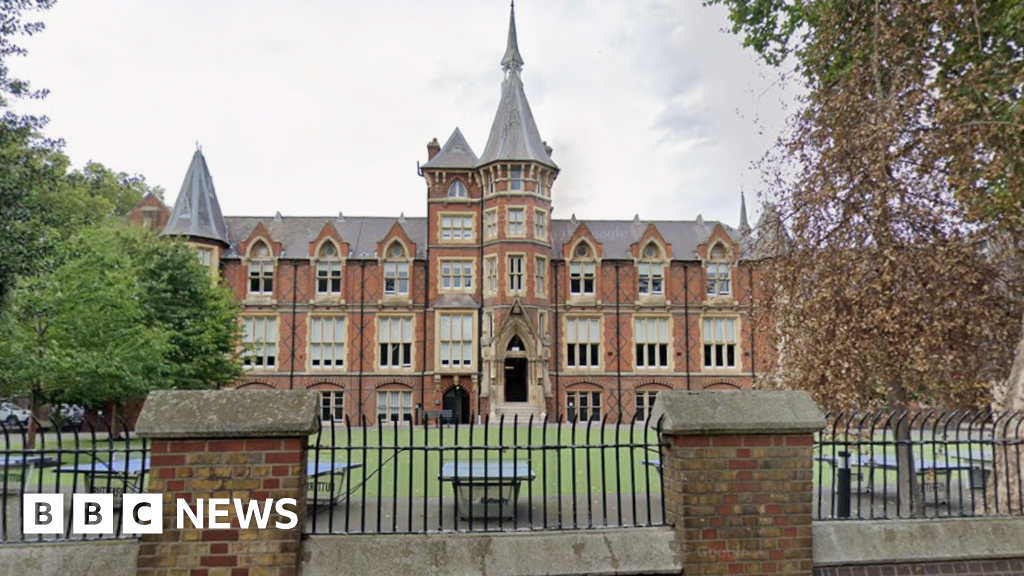
Mossbourne School’s Impact Under Scrutiny: Some Students' Wellbeing at Risk
Mossbourne School’s Impact Under Scrutiny: Some Students’ Wellbeing at Risk

Success at a Cost: The Hidden Crisis in England’s High-Achieving Schools

In the vibrant neighborhoods of East London and the heart of Hackney, prestigious institutions like Mossbourne Victoria Park Academy (MVPA) have long celebrated remarkable academic results, exemplifying the nation’s educational ambitions. However, beneath this veneer of achievement lies a fractured cultural landscape where the wellbeing of vulnerable students is compromised in the pursuit of excellence. An independent safeguarding review has exposed troubling practices—shouting, public humiliation, unequal sanctions—that threaten the very fabric of community trust and family stability. This crisis underscores a disturbing trend: when schools prioritize discipline and academic performance over dignity and human rights, it is families and communities who bear the invisible scars.

The report reveals that these high standards have exacted a heavy toll on some of the most vulnerable pupils. Students with special educational needs and disabilities (Send) have been disproportionately sanctioned for behaviors linked to their conditions, creating a climate of fear that can haunt young minds long after they leave the classroom. Feelings of anxiety, shame, and trauma are amplified in environments where public reprimands overshadow empathy. Sociologists like Dr. Robert Putnam warn that social cohesion erodes when institutions foster a culture of control rooted in austerity rather than compassion. Families, especially those from underrepresented communities, are reporting difficulty in having their concerns acknowledged, further fueling societal divisions and distrust.

Among the most alarming findings are practices such as

  • routine shouting
  • public deskings for minor issues
  • disciplinary measures applied unfairly to pupils based on ethnicity or special needs

. These behaviors create what Jim Gamble, chair of the City & Hackney Safeguarding Children Partnership, describes as a “climate of fear” that stifles healthy development and erodes the moral fabric of educational environments. While MVPA’s academic reputation remains high, critics like historian Dr. David Gilman argue that such success, achieved through rigid and inflexible discipline systems, risks sacrificing the fundamental human dignity of students. As Sir Alan Wood, a prominent social commentator, remarks, “Success, but not for all, is merely a hollow victory if it is built on trauma.” Achieving excellence must mean fostering resilience and respect, not fear and compliance.”

Finally, the societal implications extend beyond school walls. The families affected report feeling ignored or silenced; some families even describe walking away from their parental rights in frustration, while teachers recount a culture where empathy is discouraged and blame prevails. Meanwhile, authorities like Hackney Council and the Department for Education recognize that this is a moment of crisis—an urgent call to re-evaluate not only disciplinary practices, but also the core values upon which society’s future depends. As the nation confronts this uncomfortable truth, the question remains: can we rebuild education rooted in respect, duty of care, and community trust? Or will we continue to allow the triumphs of test scores to conceal the scars of unchecked authority, leaving future generations to navigate the shadows of a divided society?

In the quiet moments of reflection, society faces the profound challenge: to ask whether our brightest institutions are truly illuminating the path to a humane and equitable future, or merely shining falsely on a broken foundation. As society’s caretakers and young changemakers look toward horizons filled with uncertainty, the hope persists—a hope that from the depths of this crisis can emerge a renewed commitment to truth, compassion, and genuine excellence.

San Francisco’s cherished cat’s passing sparks new Waymo scrutiny

In a stark reminder of the disruptive wave of autonomous vehicle technology, the recent death of a beloved neighborhood bodega cat named Kit Kat in San Francisco’s Mission District has ignited a fierce debate about the safety, accountability, and societal implications of driverless cars. The incident involved a Waymo robotaxi that ran over the feline, prompting community protests, memorials, and calls for regulatory reevaluation. This event underscores the urgent need for robust safety protocols and local or regional oversight in the emerging era of autonomous mobility.

Waymo, a major player in the autonomous vehicle ecosystem and a symbol of disruption in transportation, responded cautiously, citing that the incident was caused by a cat “darting under our vehicle as it was pulling away.” This explanation, however, has not assuaged community concerns, especially as local officials like Jackie Fielder advocate for a voter referendum on autonomous vehicle deployment. Fielder argued that the lack of human accountability in these self-driving systems creates significant risks—particularly for vulnerable populations—and emphasizes that regulatory gaps could have dire consequences for society. Her stance highlights a broader industry challenge: balancing technological innovation with urban safety and community trust.

This incident serves as a wake-up call for industry leaders and investors alike, emphasizing the pressing need for technological innovation in safety features. Experts predict that the future of autonomous mobility will hinge on integrating advanced sensors, AI-driven behavioral analysis, and fail-safe mechanisms to minimize accidents and deaths — especially in densely populated urban environments. Industry analysts at Gartner warn that failure to addressing these issues rapidly could hinder mainstream adoption, risking a potential backlash from regulators and the public. Companies like Waymo and rivals must accelerate their push into Disruptive safety technologies, which could redefine the entire industry landscape and unlock new business markets by establishing AI ethic standards and regulatory compliance frameworks.

Looking ahead, the transformation of urban transportation through autonomous vehicles promises unparalleled opportunities for disrupting traditional traffic paradigms, reducing emissions, and enhancing mobility. Yet, the incident in San Francisco illuminates a need for urgent innovation – not just in AI capabilities but also in societal and regulatory adaptation. As Elon Musk and Peter Thiel have long predicted, the next decade will determine whether autonomous tech becomes a societal enabler or a flashpoint for conflict and risk. Industries and policymakers must act swiftly—harnessing the potential of breakthroughs like real-time AI safety monitoring and accountability mechanisms—to ensure that urban mobility evolves responsibly. The future of autonomous vehicles will be written on this battleground of trust, innovation, and governance, and it is clear that the stakes have never been higher.

Prince Andrew steps back from Duke of York title amid mounting scrutiny

In recent weeks, the British monarchy has endured a turbulent chapter that underscores the enduring significance of cultural tradition as both a reflection and a unifying force within society. Prince Andrew’s decision to relinquish all royal titles, including the Duke of York, amidst persistent scandal and moral scrutiny, echoes a broader narrative of decline and adaptation that has characterized royal institutions across history. While critics may hastily dismiss this as a mere crisis of individual morality, it profoundly illuminates how culture shapes identity and societal cohesion. As Ortega y Gasset observed, societies are not merely collections of individuals but living organisms whose collective spirit sustains its vitality through shared symbols, values, and rituals. The monarchy, historically a custodian of tradition, now finds itself at a crossroads where the erosion of aristocratic privilege confronts a need for renewal rooted in and sustained by cultural continuity.

The controversy surrounding Prince Andrew is not simply a scandal but a lens into the shifting moral landscapes that challenge the authoritarian-prescriptive era of the past. His associations with Jeffrey Epstein and subsequent allegations have dragged into the light uncomfortable truths about privilege, power, and the perils of a world disconnected from the ordinary citizen’s moral compass. As Tocqueville warned, democracy’s strength lies in its capacity to hold institutions accountable, ensuring that a new form of civic virtue replaces aristocratic immunity. The prince’s decision to step down, therefore, is a symbolic gesture—a recognition that the fabric of societal trust must be woven anew, with threads of responsibility, humility, and accountability. This moment reverberates beyond personal failings, calling into question the very nature of authority and the ethical foundations upon which modern societies are built.

Culture, as Chesterton championed, acts as a “moral space”—a repository of memory, a prophecy of hopes. The Royal Family’s evolution in the midst of scandal underscores the vital role of tradition as both a safeguard and a force of renewal. As society’s guardians, cultural icons and institutions must adapt without losing sight of their vital role in shaping collective identity. The monarchy’s present trial reveals that the future of tradition depends on its ability to remain rooted in the moral truths of the past while daring to confront the complexities of today. In this tension between memory and prophecy, culture becomes a dynamic dialogue—an ongoing act of storytelling that sustains the soul of a nation. As T.S. Eliot once said, “The historical sense involves a perception, not only of the pastness of the past, but of its presence.” The history of the monarchy—the continuity through upheaval and moral challenge—serves as a mirror reflecting that the soul of a society is both its memory and its prophecy.

In the final analysis, the narrative is not merely about titles or scandals but about the enduring power of culture to define who we are and who we aspire to be. The royal upheaval signifies more than a personal fall—it symbolizes a society’s relentless quest for authenticity, moral integrity, and rootedness amidst changing tides. Culture remains the language through which a community negotiates its identity, negotiates its ideals, and projects its hopes into the horizon. It is both the memory that sustains us and the prophecy that beckons us forward, a testament to humanity’s eternal dance between memory’s rootedness and prophecy’s ascent—an enduring testament that the heart of civilization beats strongest where history and hope intertwine.

Social Media Auto Publish Powered By : XYZScripts.com