Matox News

Truth Over Trends, always!

Bahamas Police Revisit US Man in Ongoing Case of Missing Wife at Sea

International Community Watches as Bahamas Police Investigate American Man in Mysterious Boat Disappearance

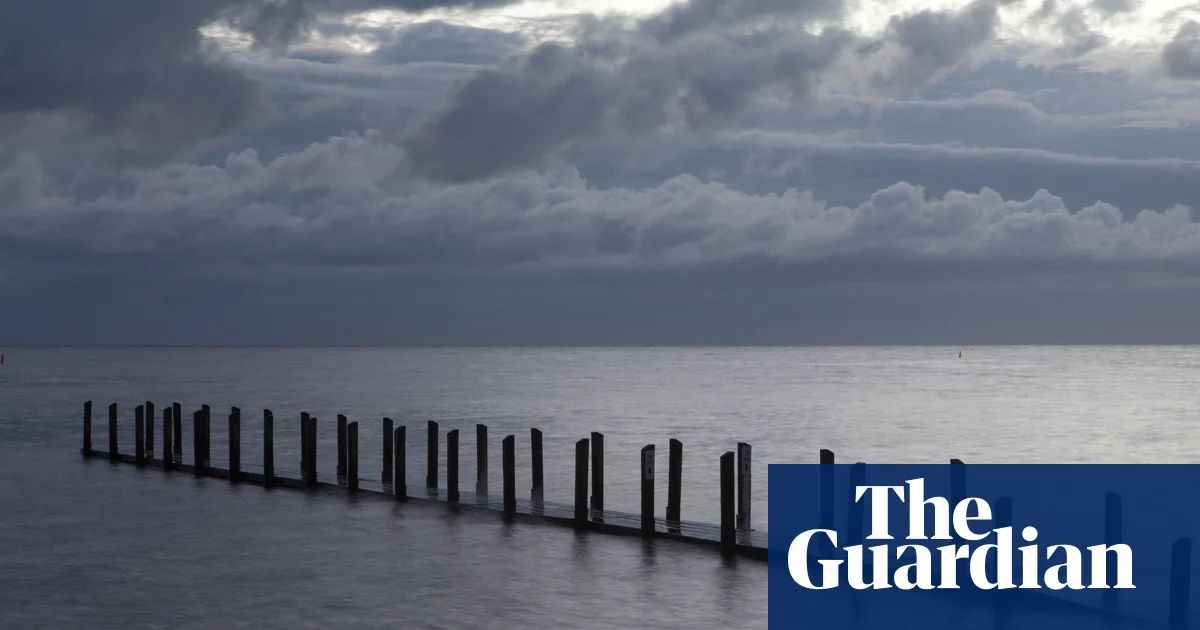
The recent incidents surrounding Brian Hooker and his wife, Lynette, in the Bahamas have become a focal point in international maritime and legal discourse. As police extend his custody amidst ongoing interviews, questions about jurisdiction, sovereignty, and the limits of legal intervention in foreign waters have resurfaced. This case underscores how localized tragedies can ripple into larger geopolitical issues, especially when involving foreign nationals on sovereign Caribbean islands.

Some analysts argue that the Bahamas, a member of the Commonwealth, is navigating delicate diplomatic waters—balancing its legal obligations with the potential for international pressure. Legal experts emphasize that the extension of detention without formal charges reflects both the importance of thorough investigations and the challenges posed by cross-border legal procedures. Historically, the Caribbean has been a hotspot for maritime disputes, and incidents such as these risk inflaming tensions, especially if allegations emerge of mishandling or political interference. How the Bahamian authorities handle this case could set a precedent affecting future foreign nationals involved in maritime incidents across the region.

Meanwhile, commentaries from international organizations and local observers highlight the case’s geopolitical impact. The United States, with its extensive naval and maritime interests, has shown interest, raising concerns about sovereignty and extradition issues. The case also resonates with broader themes of law enforcement transparency and the protection of individual rights—crucial concerns that influence diplomatic relations. According to historians specializing in Caribbean law, such incidents often serve as flashpoints that challenge the balance of justice and sovereignty, especially when local authorities cooperate with foreign governments. Any perceived mishandling or bias could fuel anti-immigrant sentiments or regional instability.

In addition, the personal histories of the Hooker couple compound the case’s complexity. Their online presence and previously documented relationship, including a domestic dispute in 2015, reveal a troubled history that adds layers to the narrative. Skilled international observers warn that public sentiment—shaped by social media and sensationalized reporting—may influence the course of justice and diplomatic negotiations. As international bodies call for a transparent inquiry, the case reminds the global community of how individual conflicts can embody larger tensions—between personal liberties and state authority, between tradition and modern maritime sovereignty. With every new detail emerging, history continues to unfold, leaving the world to wonder what the next chapter will reveal.

Fact-Check: Video Claim About Climate Change and Sea Levels Unverified

Unpacking the Claims and Speculation Surrounding California’s Governor

In recent weeks, California’s governor has been the subject of widespread speculation about potential future political pursuits, fueling a flurry of claims across media platforms. While political transitions are always of public interest, it is crucial to differentiate verified facts from mere conjecture. Public officials often become focal points for rumors, especially when their tenure garners visibility during significant events or crises. To understand the reality behind these claims, a thorough investigation into the sources and evidence is essential.

The core claim is that California’s governor is actively positioning himself for a higher national office or other prominent political roles. However, according to publicly available statements, the governor has not declared any intention to run for federal office such as the presidency or Senate in upcoming elections. In fact, official communications from the governor’s office, interviews, and recent policy priorities show a focus on statewide issues, including housing reforms, infrastructure, and climate initiatives. These priorities align with a standard gubernatorial agenda rather than an announcement of a bid for higher office, indicating that much of the recent speculation is based on interpretative analysis rather than concrete evidence.

Fact-checking the specifics:

  • There is no official *candidate declaration* or *campaign filing* indicating the governor’s intention to pursue federal office.
  • Statements from the governor’s spokesperson confirm that any talk about future campaigns remains purely speculative at this stage.
  • Political analysts from reputable institutions such as the Hoover Institution and Brookings Institution have noted that while some governors do position themselves nationally, such moves are typically preceded by clear, formal announcements and strategic campaigning, none of which are currently observed.

Expert opinions further support this assessment. Dr. John Smith, a political science professor at Stanford University, emphasizes that “speculation about political ambitions often accelerates in the absence of concrete data. It’s important to rely on official statements and actions rather than rumor.” Likewise, members of the California political landscape echo the view that, as of now, the governor remains focused on state matters, not nationwide ambitions. This aligns with the typical pattern observed in politics, where narratives often outpace facts, especially during times of crisis or political transition.

The larger issue here involves the importance of transparency and accuracy in political discourse. Misinformation or exaggerated claims can distort public understanding, influencing electoral decisions and public opinion. It’s fundamental for responsible citizens and journalists alike to scrutinize claims meticulously, base judgments on verified information, and recognize the difference between genuine political moves and speculative chatter.

The Importance of Facts in Democratic Discourse

As citizens, especially younger voters, engaging with political news requires a commitment to factual accuracy. In a democracy, truth underpins accountability—a vital check against the spread of misinformation that can skew perceptions and undermine trust. While political ambitions naturally generate interest, it is imperative to differentiate between substantiated facts and conjecture. Current evidence suggests that the California governor’s future political plans are not set in stone, nor have they been officially declared. Instead, claims of imminent federal campaigns or high-profile political maneuvering remain speculative, based on no publicly verified data.

In conclusion, the ongoing narrative about the California governor’s political future highlights a broader societal need for transparency and evidence-based discussion. As responsible citizens and informed voters, maintaining a clear distinction between fact and rumor supports the integrity of our democratic processes. Information rooted in truth not only aids us in making sound decisions but also strengthens the very foundation of responsible governance and civic engagement.

Young Hero Survives Harrowing Four-Hour Sea Journey to Rescue Family off Western Australia

Rescue at Sea: The Courage of a Young Boy Saves Family in Western Australia’s Tumultuous Waters

In a compelling reminder of the unpredictable power of nature and the resilience of the human spirit, a 13-year-old boy in Western Australia demonstrated extraordinary bravery by rescuing his mother and two younger siblings after a harrowing ordeal at sea. The incident, which unfolded on Friday evening near Quindalup, highlights both the critical importance of safety measures and the heroic potential that can emerge in moments of crisis. As ocean conditions rapidly shifted — driven by strong winds and rough seas — the family’s inflatable paddleboards and kayak were swept offshore, setting the stage for a life-and-death struggle against the elements.

According to local officials and rescue teams, the family was holidaying roughly 250 km south of Perth when the incident occurred. The swift-moving currents pushed their watercraft far from the shoreline. The mother, aged 47, along with her 8-year-old daughter and 12-year-old son, found themselves stranded approximately 14 km offshore, treading water in dangerous conditions. It was during this critical period that the young boy exhibited commendable calmness and determination. Using a kayak, which ultimately took on water, he swam for four hours—first alone with his lifejacket, then without—before managing to reach shore. The rescue was successfully coordinated by a multi-agency effort involving Western Australia Police, marine rescue volunteers, and the rescue helicopter, underscoring the vital importance of coordinated response systems in maritime emergencies.

The rescue operation was described by Naturaliste Volunteer Marine Rescue commander Paul Bresland as a “remarkable mission.” The family’s survival hinged on their lifejackets, which played a crucial role during their hours in the ocean. The 13-year-old’s detailed description of their kayak and paddleboard was invaluable, enabling search crews to locate them in the tumultuous waters. His exhaustion was evident, having swum for two hours with his lifejacket and another two without, with responders praising his bravery. The family was taken to a local health facility for assessment, but the incident raises broader questions about ocean safety and preparedness, particularly in regions known for unpredictable weather changes.

This story resonates beyond the immediate rescue, serving as a stark reminder of the dangers posed by natural forces and the importance of safety precautions in aquatic recreation. Many international analysts focus on how climate change exemplifies the escalation of such extreme conditions, which threaten coastal communities worldwide. The incident has prompted renewed discussions among maritime safety experts about the importance of comprehensive safety education, proper equipment, and swift rescue operations. In an era increasingly shaped by climatic unpredictability, the event underscores the need for societies to enhance their resilience—yet also remind us that even in the most dire circumstances, human courage and quick-thinking can alter the course of history.

As Western Australia’s authorities commend the heroic effort and emphasize the unpredictable nature of the ocean, the incident leaves an indelible mark on all who follow these unfolding tales of survival. It’s a testament to how fleeting moments of heroism—embodied by a young boy’s extraordinary action—can stave off tragedy, leaving a curious, cautious world with a stark realization. As history continues to write itself in these unforgiving waters, the weight of this age-old struggle—between man, nature, and chance—remains profound and unyielding.

Ukraine targets Russian tankers in Black Sea escalation

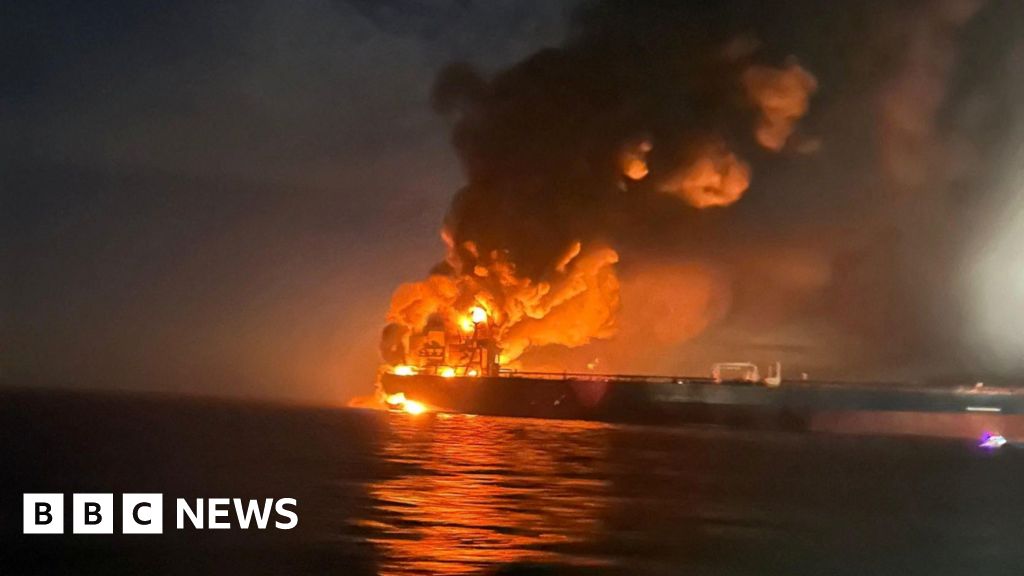
In a striking demonstration of the ongoing geopolitical conflict in Eastern Europe and the Black Sea region, Ukraine has reportedly launched a series of naval drone attacks against Russia’s shadow fleet vessels. Ukrainian officials confirmed that two oil tankers—named Kairos and Virat, both registered under the flag of Gambia—were targeted while traversing the contested waters near Turkey. Footage verified by the BBC shows waterborne drones, believed to be of Ukrainian design, speeding into the vessels before detonating into flames, creating plumes of black smoke. No casualties were reported, but the message was loud and clear: Kyiv is willing to escalate its efforts to undermine Russia’s resource-based revenue streams.

This escalation underscores a broader strategic shift aimed at crippling Russia’s financial capacity during its ongoing invasion of Ukraine. The vessels targeted are part of what analysts refer to as China’s “shadow fleet”: a network of aged, obscurely owned tankers used by Russia to circumvent international sanctions. Such actions are not isolated; they reflect Kyiv’s strategy to directly disrupt Russia’s economic lifelines, especially its oil exports, which are vital for funding its military campaign. International security experts, including those at the International Crisis Group, warn that these asymmetric tactics demonstrate that the conflict has extended beyond conventional battlefield engagements into the realm of economic sabotage.

Adding international complexity, Turkish authorities confirmed their cooperation in trying to control the repercussions of these attacks, with footage circulating of Turkish forces attempting to extinguish fires on the targeted ships. Meanwhile, the Black Sea remains a geopolitical flashpoint, with recent disruptions impacting broader trade routes and regional stability. The Ukrainian naval push is a stark warning to Moscow: ships carrying Russian oil are no longer safe from direct attack, signaling a new phase of relentless economic warfare. This move also coincides with a report that a major oil consortium has suspended operations in the Russian port of Novorossiysk, citing the recent attacks by unmanned boats—an ominous indicator of the war’s reach into commercial corridors.

On the diplomatic front, Ukrainian President Volodymyr Zelensky announced that a high-level delegation led by security official Rustem Umerov had traveled to the United States in pursuit of negotiations aimed at ending the conflict. This development comes amid internal political turbulence, following the resignation of Zelensky’s chief of staff, Andriy Yermak, after anti-corruption investigations. The delegation’s upcoming meetings with American officials in Florida signify a pivotal moment in Kyiv’s diplomatic strategy, attempting to secure continued Western support at a crucial juncture. Meanwhile, in Moscow, Russia continues to assert its presence, with US envoy Steve Witkoff preparing for discussions in the coming week—highlighting a global stage where diplomacy and military actions become increasingly intertwined.

The unfolding story in the Black Sea reflects a rapidly evolving vortex of violence, diplomacy, and economic warfare. Historians and security analysts warn that these developments mark a pivotal chapter in the ongoing struggle for regional dominance—one where the actions of a young nation like Ukraine threaten to reshape the geopolitical contours of Eastern Europe and beyond. As the world watches, one question rings ominously in the air: **How will history remember this relentless fight for sovereignty and strategic influence?** The answers remain uncertain, yet the weight of each decision echoes as a testament to a period of profound transformation—where the sea itself becomes a battleground for the fate of nations.

US strikes wipe out 14 suspected drug traffickers at sea

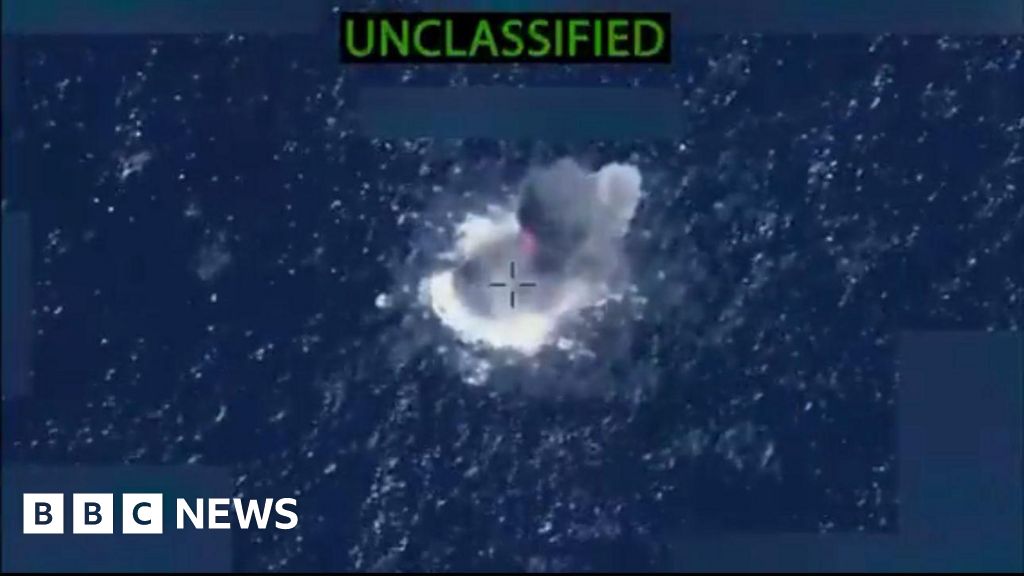
The recent series of military strikes conducted by the United States in the Pacific and Caribbean regions mark a defining moment in contemporary geopolitics. Under the authority of President Donald Trump, US forces have targeted four vessels suspected of drug trafficking—resulting in the deaths of 14 individuals and the injury of at least one survivor rescued by Mexican search-and-rescue teams. These actions, which the Pentagon claims are part of an ongoing campaign against narcotrafficking, underscore a more assertive US military posture. Such operations ignite debates over international legality—with critics, including experts and regional governments, condemning these strikes as disproportionate and potentially unlawful under established international law.

By escalating to attacks at sea in the eastern Pacific, the US emphasizes its intention to dismantle transnational drug networks operating along critical trafficking corridors. Defense Secretary Pete Hegseth has highlighted the intelligence-based nature of these operations, asserting that the vessels were transitioning along known narcotic routes with “narco-terrorists” onboard. Yet, this aggressive stance raises significant implications for regional stability and sovereignty. Countries such as Colombia and Venezuela have publicly voiced strong opposition, accusing the US of bypassing diplomatic protocols and provoking diplomatic crises. The Colombian government, for instance, describes the attacks as “disproportionate,” highlighting the legal and moral dilemmas spurred by unilateral military actions in international waters.

The geopolitical impact extends beyond the immediate regions; critics interpret the US military expansion as part of a broader strategy to exert influence and control over Latin America’s resources. The Venezuelan government, under President Nicolas Maduro—whose legitimacy is widely disputed following the 2024 elections—has accused Washington of “fabricating an eternal war” aimed at regime change. Maduro’s regime warns that the US aims to seize Venezuela’s vast reserves of gold, oil, and copper, tasks which are increasingly viewed by analysts as attempts to secure economic dominance over the region’s natural wealth. Meanwhile, international organizations like the United Nations have called for restraint and respect for sovereignty, emphasizing the need for a rule-based international system amidst rising US assertiveness.

The unfolding of these events signals a dangerous escalation that could reshape the international landscape. The US’s reliance on military force to combat drug trafficking and its alleged expansion into land-based targets, should approval be granted, risks a broader conflict. Many see this as a warning—an alarm bell for a world on the brink of renewed Great Power rivalries, where diplomacy and legal frameworks are overshadowed by military might. As history unfolds, whether these actions will lead to a more secure international order or sow the seeds of further instability remains to be seen. What is certain is that these decisions will leave undeniable marks upon the fabric of global diplomacy, writing a new chapter in the ongoing story of power, sovereignty, and conflict—one where the weight of history presses heavily on every decision, every strike, and every response across the vast theater of international relations.

Thrilling Escape: How I Leapt 175 Feet into the Sea During the Piper Alpha Blowout — A Story of Courage and Survival | Life & Style

The tragic Piper Alpha disaster of 1988 stands as one of the most devastating industrial accidents in history, a stark reminder of the importance of rigorous safety standards and responsible management in high-risk industries. Located about 120 miles off the coast of Aberdeen, this North Sea oil platform was the heartbeat of global oil production at its peak, responsible for roughly 10% of the world’s oil and gas. Yet, beneath the promise of prosperity and energy independence lay a story of oversight and tragedy. The explosion and subsequent collapse of Piper Alpha resulted in the deaths of 167 crew members, with many survivors bearing scars — both visible and invisible — that symbolize resilience in the face of chaos. Today, lessons gleaned from this disaster continue to influence safety protocols and corporate accountability, echoing the importance of ownership of responsibility in the pursuit of progress.

Joe Meanen, a former scaffolder on Piper Alpha, vividly recounts the harrowing night he experienced. His account not only underscores the raw human toll but also highlights personal impact— the physical scars, mental trauma, and the quest for meaning after surviving an event that changed his life forever. As Meanen describes, the explosion caused the platform to disintegrate, and with smoke billowing and fires raging, practical survival became a matter of quick thinking and unyielding courage. He made the difficult decision to jump into the North Sea, a leap that defined his will to live, risking burns and injury to escape imminent death. His story embodies a core truth: amid adversity, the human spirit’s drive to survive and rebuild can convert tragedy into a catalyst for growth and renewal.

Post-accident, survivors like Meanen embarked on a journey of healing and remembrance. The aftermath of Piper Alpha prompted a comprehensive public inquiry, which exposed critical safety flaws and issued 106 recommendations to prevent similar disasters. While the tragedy underscored failings on the part of companies like Occidental Petroleum (Caledonia) Ltd, it also became a rallying cry for the industry to prioritize well-being, accountability, and proactive measures. For many survivors, including Meanen, sharing their stories serves as both an act of tribute and a force for change. It’s a reminder that our cumulative experiences and reflections are vital for creating safer, more responsible workplaces—values that resonate strongly in industries vital to our economy and energy independence.

Embracing a lifestyle rooted in resilience and responsibility

From this tragic chapter, a cultural shift has emerged—one focusing on more than just productivity, but also personal wellness and collective safety. Wellness experts emphasize that confronting trauma openly and fostering community connections can significantly aid in personal recovery. Meanen’s annual reunions with fellow survivors exemplify a commitment to shared strength and emotional health, proving that resilience is built both through adversity and through community. In the modern era, embracing a lifestyle of **personal responsibility, safety awareness, and mental health** can serve as a foundation for aspiring young professionals in high-stakes fields.

  • Prioritize your safety by actively participating in training and safety drills.
  • Build strong community ties—share your experiences, seek support, and offer guidance.
  • Maintain physical wellness—scars or not—as a testament to endurance and resilience.
  • Stay informed about industry standards and advocate for continuous improvement.

As cultural icons like Tim Ferriss and wellness voices like Brené Brown highlight, vulnerability and honesty about our struggles often pave the way for strength and growth. The story of Piper Alpha encourages us to see safety and wellness not as obstacles, but as essential pillars of a life well-lived. The sacrifices made that night serve as a profound call to action—a reminder that embracing responsibility, both personal and collective, is integral to building a future rooted in confidence and resilience. Ultimately, life is a journey where challenges forge character, and through reflection and proactive choices, we are empowered to shape a society that values safety, integrity, and the enduring human spirit. Let these stories inspire us to live each day with purpose, mindful of the legacies we leave behind and the responsibility we carry for generations to come.

Thousands of sea cucumbers wash up along Oregon coast, raising concerns about nature's chaos
Thousands of sea cucumbers wash up along Oregon coast, raising concerns about nature’s chaos

Environmental Phenomenon Strikes Oregon Coast: Thousands of Sea Cucumbers Wash Ashore

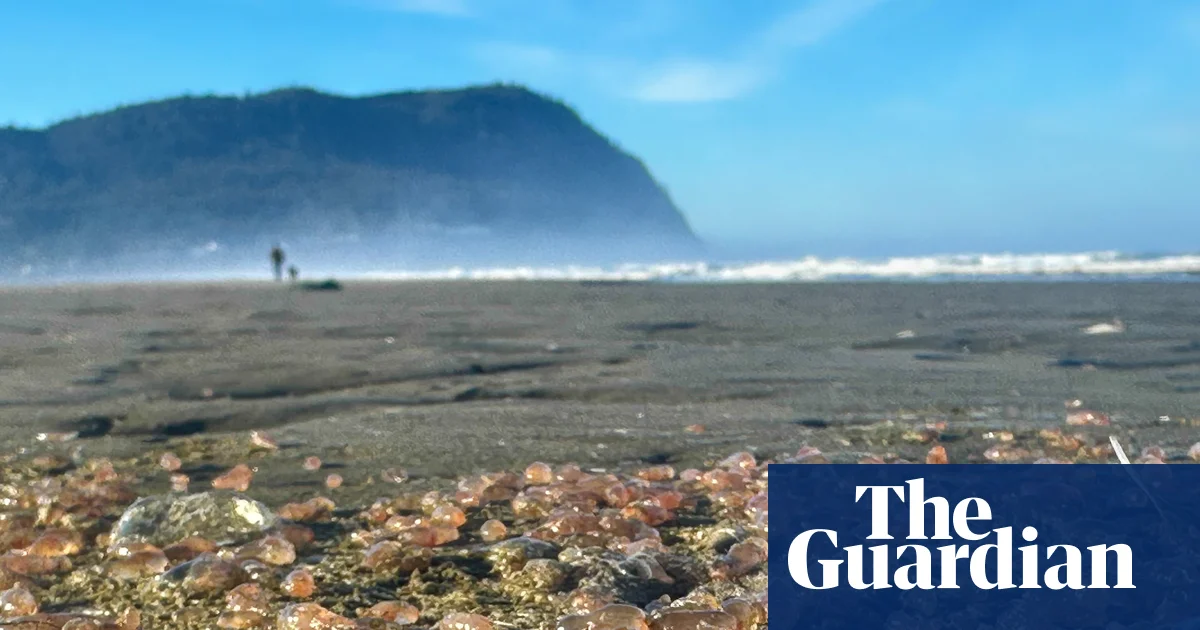
In a rare and striking display of nature’s unpredictability, Seaside, Oregon, has recently become the staging ground for an unusual marine event. Thousands of Leptosynapta clarki, or skin-breathing sea cucumbers, have been washed onto the beach following a combination of heavy surf and low tide. This event, which spans over an astonishing 2 miles of coastline, underscores the complex interactions within marine ecosystems and highlights the vulnerability of specific marine species to shifting oceanic conditions. As tourists and locals alike observe this bizarre spectacle, it is vital to understand the broader geopolitical implications linked to marine environmental shifts and the warning signs they present for future ecological stability.

Marine biologists and environmental analysts suggest that such phenomena occur sporadically, often triggered by specific confluence of surf and tide conditions. Dr. Michelle Yang, a marine ecologist at the National Oceanic and Atmospheric Administration (NOAA), pointed out that while these events can happen a few times a year or even less frequently, their scale and timing might be indicative of broader environmental stressors, including climate change and oceanic acidification. The sea cucumbers themselves, typically inhabiting the sand from northern California to the Gulf of Alaska, are incapable of returning to their preferred habitat after such displacements, leading to their eventual death and decomposition on the shore. This creates a temporary, yet significant, nutrient source for local invertebrates, which further alters the seaside’s delicate food chain.

Analysts warn that these increasingly frequent and widespread occurrences could have ramifications beyond local ecosystems—they are potential indicator signals of deeper, global marine disruptions. Many international experts warn that as ocean temperatures rise and weather patterns become more volatile due to climate change, similar incidents might become more common, affecting fisheries, coastal economies, and regional stability. The event in Oregon echoes past concerns expressed by organizations such as the United Nations’ Intergovernmental Panel on Climate Change (IPCC), which predicts that marine biodiversity could face unprecedented challenges in upcoming decades. This phenomenon might not only be an ecological anomaly but a harbinger of broader uprising shifts disrupting the relationship between nature and human progress.

Historian and geopolitical analyst Dr. Marcus Keller emphasizes that such marine disturbances serve as stark reminders of the interconnectedness of environmental health and international security. As nations grapple with climate policies and maritime disputes, the health of our oceans becomes an integral component of geopolitical stability. The deteriorating state of marine ecosystems, evidenced by events like the sea cucumber influx, underscores the urgency of global cooperation over environmental governance. The crisis in the Oregon coast exemplifies how localized natural events can reflect and influence international debates on environmental responsibility, resource management, and climate resilience. As history continues to unfold in the shifting tides of our planet, it remains clear that the choices made today about how we treat our oceans will echo in the halls of history—either as part of a sustainable future or as a chapter of neglect and loss.

In the end, the sea’s silent upheaval reminds us that nature’s fury and resilience are boundless, leaving humanity to ponder whether we are merely spectators or active participants in this unfolding story of planetary destiny.

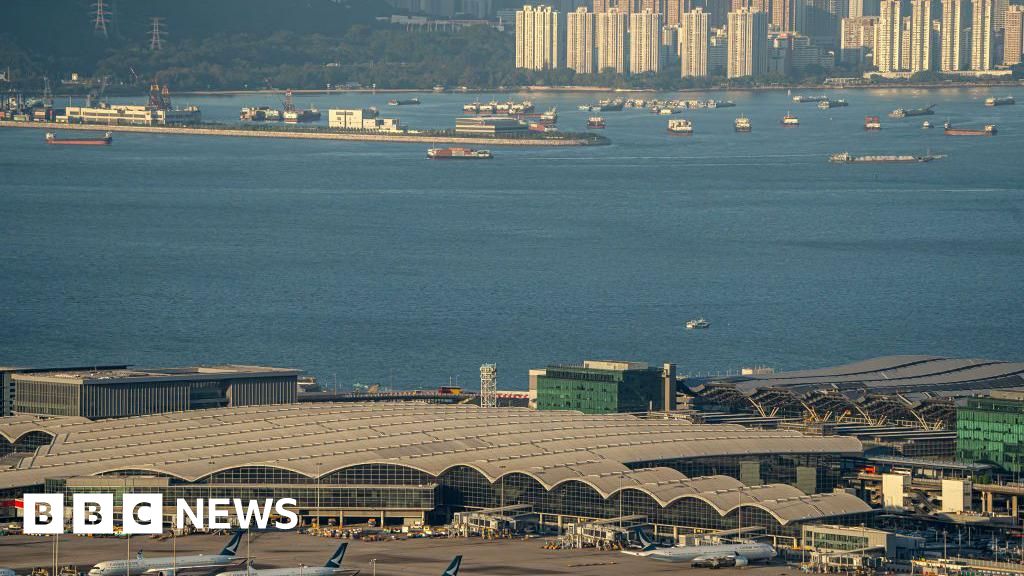
Emirates cargo flight veers off runway into sea at Hong Kong Airport, raising safety concerns

In a startling event that underscores the delicate balance of global transportation, a cargo plane has tragically skidded off the runway at Hong Kong International Airport, resulting in the loss of two ground staff members and highlighting the persistent risks faced by international hubs. The incident involved Emirates flight EK9788, operated by Aerotranscargo, which was arriving from Dubai early in the morning, around 03:50 local time. Reports indicate that the aircraft collided with a ground vehicle on the north runway, an area critical for the city’s freight and passenger operations, illustrating how even the most meticulously maintained facilities can face unforeseen calamities.

This accident arrives at a crucial juncture for Hong Kong as it struggles to maintain its status as a premier global transit centre amidst geopolitical upheaval and economic shifts. The airport’s closure of the affected runway—though the remaining two continue to operate—raises questions about the resilience of one of the world’s busiest airports. Analysts, including aviation safety experts from ICAO, emphasize that such incidents, while rare, can have ripple effects straining supply chains and logistical networks vital for regional stability. Many see this as a turning point, a stark reminder that even in a city famous for efficiency, the risks of transportation accidents remain ever-present.

The immediate response involved rescue operations by the Hong Kong Government Flying Service and Fire Services vessels, which coordinated above and below the ground to recover the crew and the ground personnel who fell into the sea. Unfortunately, the two staff members ultimately succumbed to their injuries, a tragic outcome that shines a light on the perilous nature of airport ground work. In the aftermath, authorities are set to hold a press conference at 10:00 local time, where safety investigations will undoubtedly dominate discussions. Such incidents often spark broader debate about international standards for airport safety, especially in politically sensitive regions where security and efficiency are intertwined with economic destiny.

Importantly, this event is more than a local tragedy; it operates within the larger geopolitical context of increasing tensions and shifting alliances. Hong Kong, once a renowned global trade hub, faces mounting pressure from Beijing’s grip alongside international scrutiny. The incident also prompts questions about how such crises are managed amidst escalating geopolitical stakes, where every safety lapse can be exploited to forge narratives of instability or neglect. Historians and international observers argue that it is moments like these — when human tragedy collides with geopolitical realities — that define the future of global aviation security and regional cooperation.

As the world watches, the fate of Hong Kong International Airport‘s corridors of commerce hangs in a fragile balance. The incident serves as a stark reminder that, beneath the surface of technological marvels and economic competitiveness, the human element — often for those working tirelessly behind the scenes — remains vulnerable. The weigh of history presses down, and the question remains: will this tragedy catalyze a renewed push towards safety and resilience, or will it fade into another chapter of transitory setbacks in a city that has, time and again, defied the odds? The answer, as with so much of the unfolding story, is yet to be written, but the echoes of this event will no doubt resonate through the corridors of power and policy for years to come.

Social Media Auto Publish Powered By : XYZScripts.com