
SEC Investigation Closure Sparks Industry Disruption and Highlights Innovation Challenges in Electric Vehicle Sector
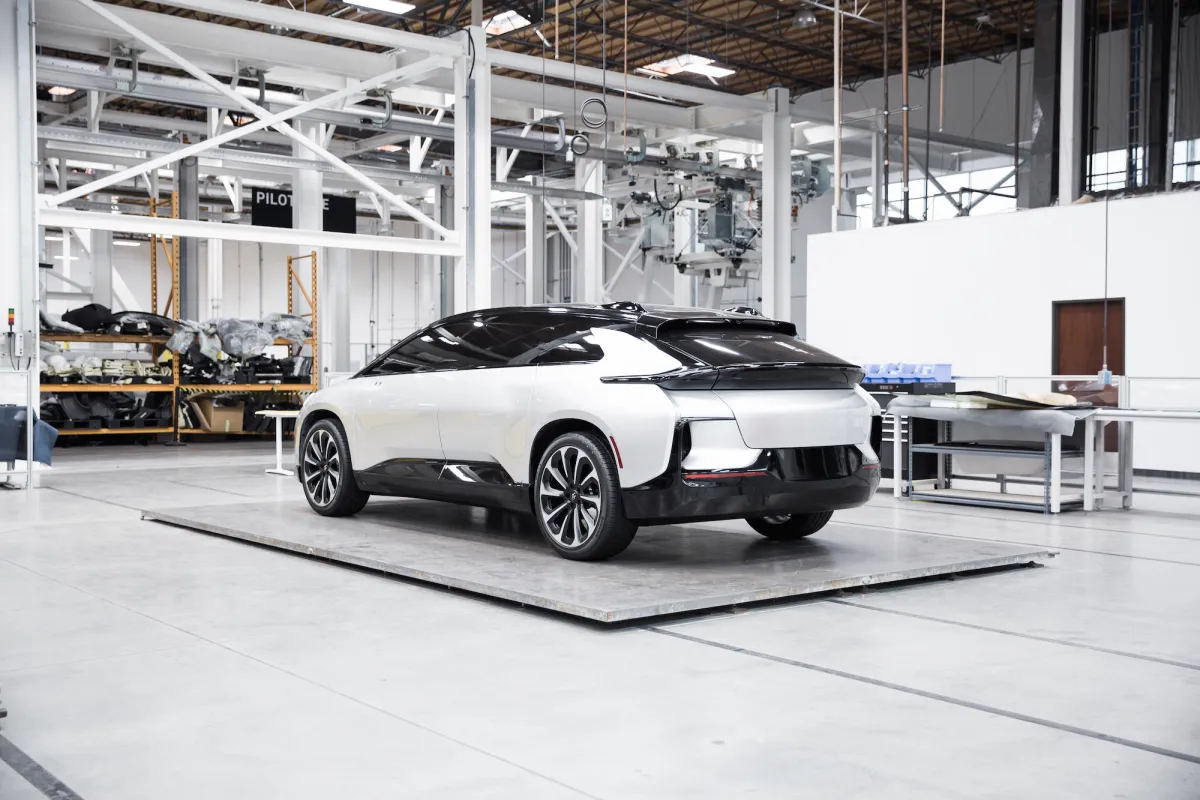
In a significant turn of events for the electric vehicle (EV) industry, the U.S. Securities and Exchange Commission (SEC) has officially closed its nearly four-year investigation into Faraday Future. This closure, despite initial recommendations for enforcement actions last year, underscores the complex regulatory landscape confronting pioneering EV startups attempting to disrupt traditional automotive giants. The investigation uncovered allegations of misleading statements during the company’s 2021 SPAC merger and questioned the authenticity of its first vehicle sales, highlighting the perils of rapid innovation in a heavily scrutinized market.
This development marks a pivotal moment where disruption meets regulatory oversight. The SEC’s decision to dismiss charges, at a time when enforcement actions have notably declined—with only four cases initiated against public firms in fiscal 2025—signals a possible shift in how emerging EV players navigate compliance and investor transparency. Industry analysts, including those from Gartner and MIT’s autonomous vehicle research team, warn that the margins of error are narrowing, and the ability to maintain governance integrity will increasingly determine long-term viability. The closure signals that regulatory bodies might be recalibrating their stance, potentially offering a window for innovative companies to right course without facing drastic penalties.
Business Implications and Market Shifts
The strategic implications of this closure are profound. Faraday Future’s attempt to revitalize its brand by pivoting into cost-effective hybrid and electric commercial vehicles, as well as diversifying into robotics and crypto-focused investments, reflect a broader industry trend where EV startups diversify to sustain innovation momentum amidst regulatory and financial hurdles. Yet, these efforts seem insufficient to escape the ongoing financial and reputational turbulence. Market shifts are evident: the company’s stock remains under threat of delisting from Nasdaq, threatening investor confidence and market capitalization.
- Acceleration of innovation through diversification into robotics and biotech, driven by the need to stay competitive
- Increased importance of transparency and governance amid regulatory scrutiny
- Potential for regulatory leniency fostering a more aggressive push into EV tech disruption
As research from industry giants suggests, disruptive innovations in EV technology continue to contest market share against legacy automakers. Yet, the regulatory landscape presents a significant hurdle; companies are now navigating a complex web of compliance that can make or break their disruptive potential. Experts such as Peter Thiel have long emphasized that foundational integrity is crucial for startups aiming to challenge incumbents. The recent SEC case resolution exemplifies a delicate balancing act between fostering innovation and ensuring investor protection.
Looking Ahead: A High-Stakes Race for Innovation and Credibility
The industry remains at a crossroads. As industry leaders like Elon Musk continue to push advancements in autonomous tech and clean energy integrations, the window for disruptive startups lies in rapid innovation coupled with transparency and resilient governance. The SEC’s recent softening may embolden companies to accelerate their technological pursuits, but the looming threat of regulatory action necessitates a careful, strategic approach.
In conclusion, the end of the SEC investigation into Faraday Future does not mark the end of regulatory challenges faced by EV innovators; rather, it signals that the era of unrestrained disruption requires more sophisticated compliance frameworks. As America’s EV landscape evolves, the urgency to innovate boldly—while maintaining accountability—has never been greater. The future belongs to those who can combine **cutting-edge technology, strategic agility, and regulatory literacy**, ensuring their place in the high-stakes race to redefine mobility in the 21st century.