Matox News

Truth Over Trends, always!

Shipping boss tied to Kremlin's secret fleet faces charges
Shipping boss tied to Kremlin’s secret fleet faces charges

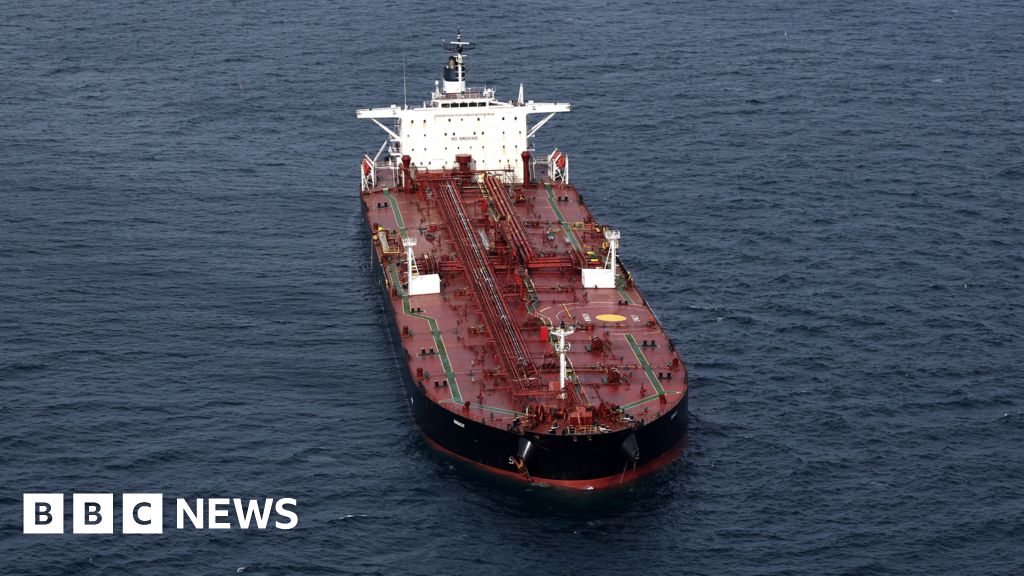
In a striking development that underscores the ongoing geopolitical contest fueled by the Russia-Ukraine conflict, France has taken decisive action against what appears to be a clandestine part of Russia’s shadow fleet. The detention of the Chinese-national captain of the tanker Boracay signals a deliberate attempt by Western nations to clamp down on Moscow’s covert oil operations designed to evade broad-based sanctions. This vessel, believed to be part of a widespread network of tankers—estimated to number between 600 and 1,000 ships, according to French President Emmanuel Macron—has been flagged for its suspicious activities, including attempts to mask its true flags and ownership as it transited European waters.

The detainment of the Boracay followed a surge of European security concerns after it was found near Saint-Nazaire, with authorities accusing it of refusing to comply with naval orders and ambiguity over its nationality. The vessel, registered in Benin—a common practice to obfuscate ownership—has a history of evasive maneuvers, including being detained earlier this year by Estonian authorities for sailing without a valid flag. This pattern highlights the persistent challenge faced by international maritime law enforcement efforts. By seizing the vessel, France aims to send a clear message: Western coalition partners will actively oppose Russia’s attempts to secretly bolster its energy exports, which are vital to its geopolitical resilience amidst sanctions.

This incident also comes amid a broader regional upheaval exemplified by recent drone incursions into European airspace. Incidents over **Denmark**, **Poland**, **Estonia**, and **Romania** suggest a breadth of destabilizing activities that Western nations attribute, at least officially, to Moscow. Despite denials from Russia—which insists that any such incursions are accidental—the pattern of increased military and surveillance activity has compelled a summit on EU security, with leaders like Macron emphasizing the urgency of countering these threats. The placement of drones over airports and military bases underscores a decisive shift towards hybrid warfare strategies—an evolution of conflict that blurs the lines between traditional combat and covert sabotage.

International organizations and security analysts warn that these developments are more than isolated incidents—they reflect a concerted effort by Russia to challenge Western dominance and instill instability within NATO’s eastern flank. The shadow fleet serves as a critical tool in Moscow’s arsenal, providing plausible deniability and strategic flexibility, while the drone activities may be prelude to larger, more aggressive moves. The European Union now stands at a crossroads: advancing sanctions and enforcement or risking unchecked aggression that could escalate into a broader conflict. As French officials scrutinize the vessel’s origins and movements, and as Russia dismisses accountability, the contest for influence in this vital region enters an uncertain, volatile phase. The unfolding narrative is a stark reminder: in today’s interconnected world, the decisions made in this moment will echo through the corridors of history, shaping the balance of power for generations to come.


US Private Prison Firm Snags $790M Deal to Detain 100 on Nauru in Secret Expansion

Australia’s Offshore Detention: A Costly and Controversial Engagement with U.S. Private Prison Operators

The recent extension of Australia’s offshore processing regime on Nauru exemplifies a troubling trend of escalating expenditure and opaque decision-making that has significant geopolitical impact on the nation’s reputation and international standing. A US private prisons operator, Management and Training Corporation (MTC), now stands to receive over $157 million annually to manage the small offshore detention facility, currently holding just over 100 asylum seekers. This contract, quietly expanded by more than $350 million—a move critics argue was undertaken absent public scrutiny—reflects a broader pattern of governmental disregard for transparency and accountability. Such decisions, occurring in a climate of ongoing controversy, threaten to diminish Australia’s moral authority on human rights issues and signal an entrenched reliance on controversial private security interests intertwined with foreign policy ambitions.

Historian and international analysts trace this approach to a disturbing cycle of cost overruns, mismanagement, and allegations of systemic corruption. The contract’s multiple amendments, including a recent extension that inflates its value to nearly three-quarters of a billion dollars, exemplify inefficiencies reminiscent of past government procurement failures. Critics such as Geoffrey Watson SC have decried the costs as “absurd,” illustrating how economic interests are increasingly dictating policies initially justified on humanitarian grounds. The use of for-profit corporations with troubled histories—notably MTC, which has faced civil suits in the US for security failures and alleged bribery—underlines concerns that Australia’s offshore detention policies serve economic motives over legal and ethical considerations. This approach risks alienating global allies who champion human rights and threatens to cast Australia as a pariah state entrenched in a corrupt and opaque system.

Amplifying this concern is the international dimension of the offshore processing program. The recent $2.5 billion, 30-year deal with Nauru for accepting forcibly removed non-citizens underscores how Australia’s pursuit of border control solutions extends beyond national borders, entangling it in geopolitical negotiations rife with corruption. The historically high-risk environment—described in the 2023 Richardson review—pictures Nauru as a hotbed of cronyism, bribery, and illicit influence. Former officials and watchdogs warn that the entire regime is sustained by a web of financial entrapment and questionable practices, effectively turning the island into a pawn in broader regional power plays. As countries like Papua New Guinea and Cambodia observe such developments, concerns mount over how these policies impact regional stability, potentially encouraging other nations to emulate Australia’s costly and ethically dubious approach.

At the heart of these controversies lie questions about how nations manage their moral authority amidst economic and political pressures. The revelations of historical misconduct, from civil suits alleging gross negligence to allegations of conspiracy and corruption, have cast long shadows over Australia’s reputation. International organizations and advocacy groups warn that the continuation of these policies not only undermines human rights but also destabilizes diplomatic trust. The weight of history suggests that without decisive reform, Australia risks embedding these practices into its national identity—turning what was once a beacon of Western democracy into a cautionary tale of greed, neglect, and the relentless pursuit of border control at any cost. As the offshore detention saga unfolds, the world watches with wary eyes, aware that the choices made today will resonate for generations, shaping the narrative of a nation still determined to grapple with its conscience amidst the shadows of war, greed, and ultimately, history’s judgment.

Social Media Auto Publish Powered By : XYZScripts.com


