Matox News

Truth Over Trends, always!

Slow vacuuming’s the new move: Is it the secret to a cleaner, cooler home?

Embracing the New Culture of Slow Vacuuming: A Lifestyle Shift

In an age where rapid efficiency often defines our routines, a surprising trend is gaining momentum within the realm of healthy living and home maintenance: slow vacuuming. What began as a quirky social media experiment has evolved into a movement encouraging individuals to slow down and reclaim control over their environment. Videos of meticulous, deliberate vacuuming show enthusiasts spending twenty to thirty seconds on each section, aiming not just for superficial cleanliness but a *deeper level of dirt and allergen removal*. This method champions the idea that taking one’s time can significantly impact personal health and the overall comfort of one’s living space, an appeal resonating especially among younger audiences craving authenticity and mindfulness in everyday actions.

Rooted in notions of mindfulness and intentional living, slow vacuuming echoes a broader cultural shift that emphasizes appreciating small moments and making deliberate choices. Experts like Adrian Lini from Australian consumer advocacy group Choice suggest that “most people could probably slow down their vacuuming” without sacrificing efficiency. Lini emphasizes that a gentler, more deliberate approach allows vacuum heads to better agitate carpet fibers and dislodge embedded particles, resulting in a _more thorough clean_. Similarly, Sean Stanley, operations manager at Butler Carpet Cleaning in Sydney, points out that slower movements enhance the vacuum’s ability to lift and remove dirt effectively, transforming a mundane chore into a form of self-care. As these insights circulate, they challenge the consumerist narrative that fast and disposable is always better, advocating instead for a lifestyle where effort and attention lead to greater satisfaction and healthier environments.

Amidst this shift, it’s clear that slow vacuuming isn’t purely about cleaning but about redefining our approach to daily routines. It embodies a form of personal impact that extends beyond superficial tidiness, touching on mental clarity and intentional living. For many, adopting slow vacuuming symbolizes a conscious rejection of the hurried pace that often saturates modern life. As wellness authors like Sarah Wilson have championed, embracing simple, mindful practices—whether through slow TV, gardening, or even vacuuming—can foster better mental health and a sense of control. The movement also invites us to look inward; as Coulston recounts, she spends additional time vacuuming her home, transforming a chore into a meditative act that offers measurable cleanliness and a calming rhythm. Such small, deliberate actions can ripple outward, inspiring us to approach not only chores but life itself with greater patience and purpose.

  • Prioritize your environment: Keep shoes at the door to limit dirt ingress.
  • Vacuum with focus: Use slow, deliberate movements to maximize dirt removal.
  • Maintain your tools: Regularly clean filters and attachments to ensure optimal performance.
  • Transform chores into mindfulness: Use routine tasks as moments for reflection and calm.

Reflecting on this rising enthusiasm for slow household routines, one recognizes the importance of intentionality in everyday life. As the pace of modern living quickens, the act of vacuuming—once considered purely utilitarian—becomes a metaphor for embracing patience and presence. It encourages a re-evaluation of what it means to live well, not through speed or accumulation but through meaningful engagement with our surroundings. Like choosing to walk instead of drive or to cook from scratch rather than grab fast food, slow vacuuming embodies a commitment to quality and mindfulness. It’s a reminder that the journey to wellness isn’t always about grand gestures but often about the small, steady steps we take—each deliberate motion reinforcing a lifestyle where purpose and effort lead to genuine fulfillment.

Naples bank robbers take 25 hostage, slip away through secret tunnel—justice must catch them quick!

During a recent security breach, armed men managed to evade capture by escaping through the city’s sewer system, an event that exposes significant vulnerabilities within urban security and emergency response frameworks. Such a dramatic escape underscores the layers of complexity involved in maintaining public safety amidst growing threats that often resemble scenes from a clandestine battlefield rather than a typical urban environment. Analysts and security experts warn that these incidents are not isolated but indicative of broader issues affecting nations committed to safeguarding societal stability.

Urban infiltration and evasion tactics are evolving at a pace that challenges traditional law enforcement methods. The escape through subterranean networks highlights how non-conventional avenues can be exploited to evade capture, especially when authorities are unprepared for such innovative tactics. Experts from international security think tanks argue this underscores the importance of integrating advanced surveillance technology with community-based intelligence operations. If left unaddressed, such vulnerabilities could facilitate future assaults, organized crime runs, or even terrorism, fundamentally threatening the fabric of civil order. Governments across the globe are urged to learn from such breaches, re-evaluating their security strategies to adapt to these emerging threat landscapes.

The geopolitical impact of such security failures extends well beyond localized law enforcement. Countries embroiled in regional conflicts or tense diplomatic relations are particularly vulnerable; a successful escape for criminals or insurgents could embolden adversaries or destabilize fragile peace processes. The incident invites scrutiny of global security cooperation, especially given the interconnected nature of modern threats. International organizations such as Interpol and the United Nations have long emphasized the necessity of cross-border intelligence sharing to preempt and counteract sophisticated clandestine operations. Yet, as this escape illustrates, operational gaps persist, and adversaries continually adapt, exploiting every crack in the system.

Historian and geopolitical analyst Dr. Samuel Carter notes, “Events like this serve as stark reminders that our modern security apparatus must evolve at a similar pace to threats—otherwise, we risk future crises spiraling beyond control.” The global community faces a critical choice; whether to invest heavily in technological innovation and intelligence coordination, or accept the increasingly unpredictable chaos that unchecked criminal networks and insurgent groups could usher in. Such incidents also send a chilling message to societies: the battle for control of urban spaces is ongoing, and an underestimation of the enemy’s ingenuity can have deadly consequences. As nations brace for the future, the weight of history presses down—each event compounding the ever-unfolding narrative of conflict and resilience.

Secret social app bets on breaking barriers in Saudi Arabia

Breakthrough Social Innovation: Fizz Expands Globally, Disrupting Traditional Social Media Paradigms

The launch of Fizz in Saudi Arabia signals a new frontier in how social media platforms are reshaping the digital landscape across the Middle East and beyond. Originating as an anonymous app on college campuses, Fizz has rapidly evolved into a broader, generation-defining social platform. Its innovative approach—combining location-based communities with the option for anonymity—marks a significant disruption to the dominance of established social networks like Snapchat and TikTok in the region. With a raised $40 million in funding and a presence on 700 campuses, the company’s pivot toward international expansion indicates a strategic move to seize a massive, underserved market currently dominated by regional social giants.

Global Fizz Feed: A New Model for Disruption and Innovation

  • Localized User Engagement: The Global Fizz feed enables users worldwide to connect within location-based communities, transcending the typical college demographic. This innovative feature opens doors for fresh, dynamic interactions, promoting rapid growth beyond traditional boundaries.
  • Privacy and Anonymity: By offering anonymous posting options, Fizz taps into the cultural nuances of Middle Eastern markets where privacy and social discretion play pivotal roles, challenging the nosiness and superficiality of mainstream platforms.
  • Content Moderation Powered by AI and Volunteers: Investing heavily in Arabic Natural Language Processing tools and leveraging volunteer moderators mirrors the evolving landscape of tech-enabled content moderation, a critical component for operating safely within highly regulated environments like Saudi Arabia.

Industry analysts, including those from Gartner and MIT, highlight that innovative social media platforms that prioritize localized engagement and privacy are positioned to disrupt the big tech giants. Fizz‘s approach exemplifies this trend—deploying AI for moderation while fostering community-driven oversight, it’s a model of resilience against regulatory crackdowns. As Elon Musk and Peter Thiel emphasize, disruptive innovation in social media not only alters user interaction but also influences geopolitics and business strategies. Facing an increasingly complex regulatory environment, Fizz decisively demonstrates its adaptability by raising questions about how foreign apps can operate in jurisdictions with strict controls over free speech.

Implications for Business and Future Trajectory

The global expansion of Fizz heralds a shift in the social media industry’s fundamental business model—moving from campus-oriented communities to expansive, inclusive networks, potentially revolutionizing how brands and advertisers engage with younger demographics. Its growth trajectory underscores an urgent call for competitors to innovate, with the regional social landscape likely to see further disruption as new entrants leverage AI, location-awareness, and cultural sensitivity.

As the social media ecosystem becomes more complex and geopolitically charged, the ability to navigate censorship, content moderation, and local regulations will determine survival and influence. Fizz’s cautious yet strategic approach in Saudi Arabia—without any direct government investment—places it on an intriguing path. It signals an emerging era where technology firms may forge new alliances or operate in gray zones, balancing innovation with regional compliance.

Looking ahead, the rapid internationalization of platforms like Fizz is an unmistakable sign that the future of tech is global, localized, and increasingly privacy-conscious. The urgency for established players and new entrants alike is clear: to innovate or be displaced—an accelerated race for market disruption is underway. As Fizz and similar platforms forge into uncharted territories, the entire industry faces a pivotal moment—one that could redefine not only social interaction but also the societal norms shaping our digital future.

How a TV Show Captivates the Heart: Bluey’s Composer Reveals the Secret to Music That Truly Moves You

In an era where the rapid proliferation of digital media often reduces culture to fleeting entertainment, the recent release of Bluey’s new album, “Up Here”, serves as a compelling reminder of the enduring significance of cultural artifacts as vessels of identity and tradition. Art, whether it manifests in music, literature, or visual expression, fundamentally shapes societal consciousness—an echo from the past propelling us into the future. The integration of a chamber orchestra into the show’s musical fabric exemplifies the elevation of children’s media from mere amusement to an art form that reveres beauty, craftsmanship, and emotional depth. It invokes a parallel throughout history: the Renaissance’s fusion of education and aesthetic excellence, the Romantic era’s emphasis on emotion and individual expression, — all echoing the conviction that culture is a moral and spiritual foundation, not merely a distraction or entertainment.

The cultural resonance of Bluey extends far beyond Australian borders, with over a billion streams globally, framing the show’s music as a cultural milestone. The success of its theme song and soundtrack, which debuted at number one on the ARIA charts and topped Billboard’s US children’s charts, underscores a broader societal truth: the power of cultural expression to forge international bonds and shape the moral fabric of society. When Tocqueville observed American democracy’s vibrancy, he attributed part of its strength to its cultural expressions—literature, music, and civic rituals—elements that foster a shared identity. Bluey’s music, especially the stirring rendition of “Sleepytime,” acts as a universal touchstone, evoking sentiments of love, security, and independence rooted in familial bonds—values that are essential in maintaining societal cohesion.

Composers like Joff Bush tap into these timeless themes through techniques such as seeding, where musical motifs from Gustav Holst’s Jupiter from The Planets subtly reinforce the show’s central messages. As philosopher Chesterton might suggest, this blending of music and narrative captures the “joy of the familiar”—a vital element in cultivating a cultural identity that honors tradition while embracing growth. The emotional impact of Bluey’s music demonstrates that art, when rooted in cultural memory, becomes an act of moral education, guiding both children and adults through the complex landscape of human development.

More than a simple children’s show, Bluey’s cultural success exemplifies how media, when crafted with care and artistic vision, sustains the moral and aesthetic values vital to society. As Ortega y Gasset famously pointed out, society, much like a work of art, is built upon a “living memory” and the shared stories that define a people’s soul. The show’s joyful yet emotionally profound music reminds us that culture is both the memory of humanity’s highest aspirations and the prophecy of what humanity can become. In this sense, culture becomes an unbroken chain—a continuous dialogue between our past and future—invoking the idea that in embracing tradition with passion and innovation, we shape a society that is resilient, hopeful, and true to its noblest ideals. As we listen to Bluey’s melodies, we are reminded that the symphony of human experience is eternal—an ode to both memory and prophecy, ever echoing through the corridors of time.

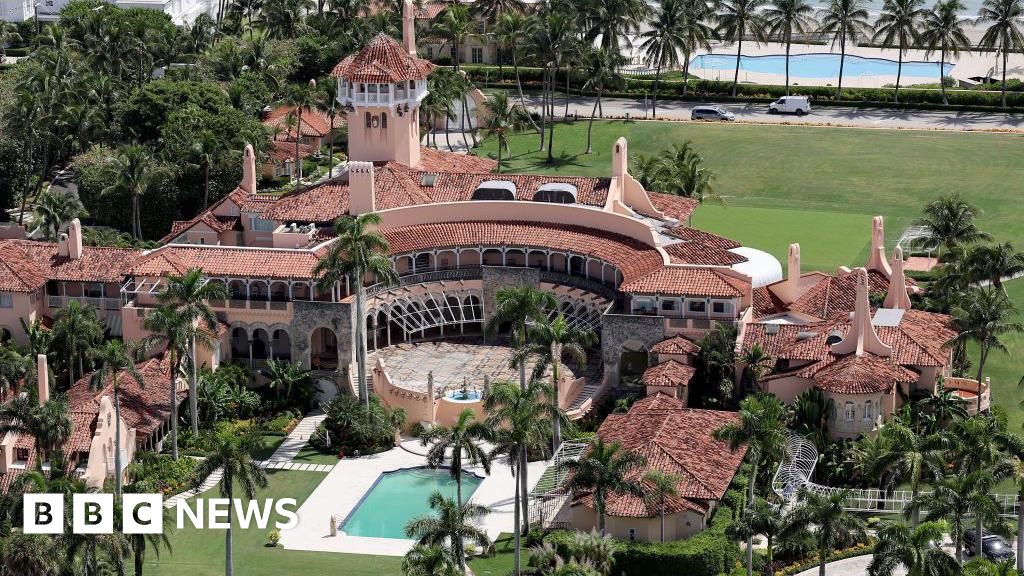
Intruder shot after breaching Mar-a-Lago security, Secret Service confirms

Sudden Violence in Butler Shakes U.S. Political Landscape

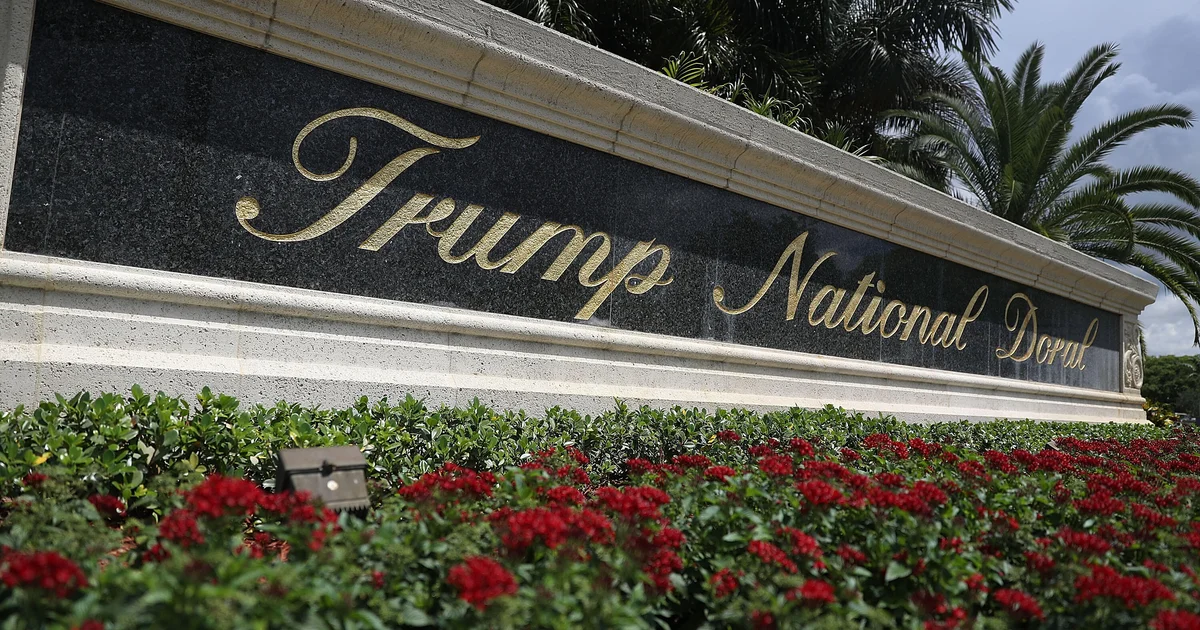
The summer of 2024 will be remembered as a pivotal moment in American history, marked by a shocking act of violence targeting former President Donald Trump. On a routine day in July, as he engaged with supporters in Butler, Pennsylvania, an unexpected and tragic event unfolded. A gunman, identified as 20-year-old Matthew Crooks, opened fire, striking Trump in the ear and causing chaos among the gathered crowds. This assault resulted not only in injuries but also in the loss of life, with one bystander killed and two others wounded. The rapid response by security forces, who promptly shot and killed Crooks, prevented further bloodshed, but the incident has ignited both national and international debate about the state of political violence in the United States.

This act of violence underscores tensions that have continued to escalate in the American political arena, reflecting a broader ideological divide that has been inflamed over recent years. Analysts and international commentators warn that such incidents threaten the stability of democratic institutions and portend a future where political violence might become more commonplace. The implications extend beyond US borders, casting a shadow over the global image of America as a beacon of democracy. The ripple effects of this attack could influence international relations, security policies, and the perception of American political resilience, especially as global powers observe how internal strife affects their ideological rivals.

The motivations behind Crooks’ attack remain unknown, but the incident has sparked urgent questions about security protocols, mental health, and the rise of extremist sentiments within the US. Historians and security analysts are already drawing parallels with past political violence, warning that such events might become catalysts for more profound societal upheaval. International organizations such as the United Nations have called for internal stability and a crackdown on extremist narratives that facilitate such violence, emphasizing the risk of deterioration in democratic norms.

From a geopolitical perspective, this violence poses a threat to domestic stability—a core foundation of a nation’s standing in the world. The deliberate targeting of a prominent political figure like Trump exposes vulnerabilities in US security and highlights the need for an urgent reassessment of how political hostility manifests physically. Leaders worldwide observe with concern, knowing that unchecked internal conflict fuels instability, weakening America’s ability to project power and influence globally. As the nation mourns, the question remains: how will this tragedy shape future political discourse and policy in the United States?

History has often recorded moments where a single act of violence ignited broader societal shifts—sometimes for better, sometimes with devastating consequences. As the United States grapples with what this attack signifies, the world watches closely. The harrowing question lingers: will this event fracture the fragile fabric of American democracy or serve as a wake-up call to reinforce its foundations? In the unfolding chapters of history, the answer remains uncertain, yet undeniable: the weight of this moment will linger in the collective memory, reminding us all that the future of nations often hinges on how they confront their darkest hours.

David Nicholls Set to Bring Adrian Mole's Secret Diary to BBC for a Fresh Generation
David Nicholls Set to Bring Adrian Mole’s Secret Diary to BBC for a Fresh Generation

Global Cultural Shifts and the Power of Nostalgia in a Fragmented World

In a moment of profound geopolitical upheaval, cultural narratives continue to serve as both mirrors and anchors for societies on the edge of change. Recently, the BBC announced a 10-part adaptation of Sue Townsend’s beloved novel, The Secret Diary of Adrian Mole Aged 13¾, helmed by acclaimed writer David Nicholls. Despite originating over four decades ago, the character of Adrian Mole remains a symbol of adolescent anxieties and societal critique, highlighting how storytelling persists as a vital force amid global instability. As nations grapple with economic crises, social unrest, and shifting alliances, the revival of such cultural relics signals a collective yearning to revisit familiar truths about human vulnerability and resilience.

The international impact of this adaptation extends beyond mere entertainment. Historians and analysts affirm that nostalgic content—particularly stories rooted in the familiar—can serve as a psychological respite in tumultuous times. The BBC’s initiative underscores this phenomenon, emphasizing Adrian’s timeless struggles—first love, identity, family upheavals—that resonate across generations. As global institutions like UNESCO advocate for the preservation of cultural identity amid relentless change, such productions rejuvenate national and regional narratives, fostering shared memories and values. In this context, storytelling acts as a counterbalance to the fragmentation of geopolitics, offering societies a sense of continuity and purpose.

From a geopolitical perspective, the decision to recreate beloved cultural icons like Adrian Mole exemplifies the strategic importance nations assign to soft power and cultural diplomacy. The International Organization for Cultural Diversity has consistently promoted narratives that reinforce societal cohesion. By investing in adaptations rooted in local history and humor, countries aim to strengthen their soft influence and foster a sense of national pride—a subtle yet potent form of resistance against the rising tide of global populism and authoritarianism. Furthermore, these adaptations serve as a means for societies to implicitly challenge or reaffirm prevailing values—highlighting the enduring relevance of classic stories in shaping public discourse.

Despite the shifting sands of geopolitics, the enduring influence of Townsend’s creation—and others like it—highlights an essential truth: how nations decide to remember and reinterpret their cultural legacies directly impacts their societal cohesion and international stature. The adaptation’s producers, including Big Talk Studios and writers like Caitlin Moran, are acutely aware that stories rooted in universal themes of youthful anxiety and hope foster a shared cultural language beyond borders. As political analysts warn of the dangers of cultural fragmentation and the rise of deepening divides, these stories function as a reminder that beneath nation-states’ conflicts, the human experience is fundamentally interconnected and timeless. Such cultural projects are, in many ways, acts of defiance—asserting that amidst global chaos, shared stories and memories remain a cornerstone of human society.

As history continues to unfold with unpredictable violence and peace negotiations, the cultural resurrection of Adrian Mole presages a deeper truth: the stories we cherish today are the seeds of tomorrow’s collective memory. In an era marked by unprecedented geopolitical shifts, the enduring relevance of Townsend’s wit and character demonstrates that even in times of uncertainty, society’s greatest strength lies in its capacity to reflect, adapt, and remember. The weight of this ongoing cultural renaissance may yet influence the course of history—reminding us that, as we navigate a fractured world, our stories remain a vital, unyielding force. The question now is whether these narratives can sustain societies long enough to shape a future still unwritten—one that echoes the timeless truths of human hope and resilience.

At 16, I became a pawn in the CIA’s secret experiments — now I’m fighting back in court

Throughout history, wellness and mental health pursuits have often been cloaked in the promise of discovery, healing, and self-empowerment. Yet, beneath these noble ambitions lurk stories of abuse and manipulation—reminders of a darker side to the pursuit of progress. The recent revelations surrounding Canada’s Allan Memorial Institute and the shocking CIA-backed experiments in mind control serve as stark lessons on the importance of safeguarding individual integrity amidst groundbreaking research. Lana Ponting’s story is not just a cautionary tale but an awakening to the need for ethical vigilance as we navigate the complex intertwining of science, power, and human rights.

The facade of the Allan Memorial Institute, a historic mansion in Montreal
The historic Allan Memorial Institute in Montreal, where dark experiments once took place.

In the 1950s and 60s, a disturbing chapter unfolded as institutions like the Allan Memorial Institute became the venues for experimental treatments that would later be exposed as unethical atrocities. Under the guise of advancing psychiatric care, Dr. Ewen Cameron and others conducted “psychic driving”, drugging patients and forcing them to listen repeatedly to disturbing tape recordings. This was part of a clandestine CIA project known as MK-Ultra, which sought to unlock the secrets of mind control and behavioral manipulation—an era where the pursuit of scientific breakthroughs often ignored the sanctity of human dignity. Today, the echoes of these dark pasts serve as a sober reminder that the pursuit of wellness must always be rooted in ethical responsibility, not unchecked ambition.

For individuals like Lana Ponting, the trauma persists decades later. Her story underscores the importance of personal impact—not just as a statistic but as a human experience. Despite moving on to raise a family in Manitoba, the lasting effects of her ordeal include lifelong mental health challenges and recurrent nightmares, compounded by medications and emotional scars. Her recent involvement in a lawsuit seeking justice exemplifies a broader movement for accountability and acknowledgment. It reminds us that true health is more than physical treatments; it involves respecting individual autonomy and ensuring that groundbreaking work does not come at the expense of human rights. As wellness experts like Dr. Gabor Maté often emphasize, genuine healing involves compassion, understanding, and the pursuit of truth.

In a world increasingly focused on _self-care_ and personal empowerment, the story of the Allan experiments prompts reflection on the fragile boundary between innovation and morality. It challenges youth and society at large to embrace a more conscientious approach to wellness—one that champions transparency, ethics, and human dignity. As we seek new horizons in health and personal growth, let us remember that progress must elevate, not exploit. The journey of healing is as much about safeguarding our humanity as it is about achieving physical vitality or mental clarity. Each of us, in our way, is a guardian of this delicate balance, forging a path forward that honors the lessons of the past and the promise of a truly liberated future.

  • Embrace wellness initiatives grounded in ethical standards and personal agency.
  • Advocate for transparency in scientific research affecting mental health and human rights.
  • Prioritize mental health care that respects individual stories and experiences.

Ultimately, the narrative of Lana Ponting and others like her is a testament to resilience and the enduring human spirit. It reminds us that each step toward wellness is a stride into the future—one that must be paved with integrity, empathy, and a firm commitment to justice. As the dawn of a new era in health sprinkles the promise of self-discovery and personal empowerment, let us carry forward the lessons that history offers: true well-being begins with respecting the dignity innate to every human life.

Former Bush Adviser Charged with Stockpiling Top Secret Files—Threatening National Security

In a revealing turn of events that underscores the fraught landscape of international security, India-born scholar and former US government adviser Ashley Tellis has been arrested on charges of unlawfully possessing and sharing top secret information. This arrest, occurring amidst rising tensions within global intelligence communities, signals a potential new phase in the ongoing contest for technological and military supremacy. The case is not merely a matter of individual misconduct but a reflection of broader geopolitical struggles that are shaping the future of international power balances.

Tellis, a prominent figure who has played a significant role in negotiating the historic US-India nuclear deal, was found in possession of thousands of classified documents—including material related to U.S. military capabilities—raising alarm bells about the security of sensitive information. According to federal authorities, the FBI discovered these documents at his residence in Virginia, where he held a top-secret security clearance due to his past employment. Allegations orbiting his interactions with Chinese officials further complicate the narrative, suggesting a web of espionage that spans continents and threatens diplomatic stability. These developments come at a time when Western nations and China are engaged in a high-stakes race for technological dominance, especially in areas like artificial intelligence, military systems, and cybersecurity.

This incident sparks a broader debate among international analysts and historians about the authenticity and reliability of global alliances. According to experts at the Council on Foreign Relations, such breaches are not isolated but indicative of a new era where the transnational flow of information can destabilize long-standing diplomatic agreements. For nations like Russia and China, tension-filled espionage cases like Tellis’s serve as both warnings and opportunities—reminders that information is the most potent weapon in the modern geopolitical arsenal. Officials have promised stringent measures in prosecuting those who mishandle classified information, echoing the warnings issued by US intelligence agencies about the potential security risks involved.

The repercussions extend far beyond the United States and directly impact the global geopolitical fabric. The arrest sends a powerful message about accountability and the fragile trust between allied nations, underscoring that even high-profile intellectuals and policymakers are not immune to the relentless tides of espionage and cyber warfare. How this case will influence future intelligence-sharing agreements, especially between India and the US, remains uncertain. Yet, its significance is in how it underscores the perilous fragility of modern diplomacy where secrets are currency—more valuable than ever, but increasingly vulnerable. As international organizations and national governments recalibrate their security protocols amid these revelations, the shadow of espionage looms large over the corridors of power. The true weight of history in the making can be felt palpably, reminding the world that in this intricate game of shadows, the line between ally and adversary can shift with a single revelation.

Shipping boss tied to Kremlin's secret fleet faces charges
Shipping boss tied to Kremlin’s secret fleet faces charges

In a striking development that underscores the ongoing geopolitical contest fueled by the Russia-Ukraine conflict, France has taken decisive action against what appears to be a clandestine part of Russia’s shadow fleet. The detention of the Chinese-national captain of the tanker Boracay signals a deliberate attempt by Western nations to clamp down on Moscow’s covert oil operations designed to evade broad-based sanctions. This vessel, believed to be part of a widespread network of tankers—estimated to number between 600 and 1,000 ships, according to French President Emmanuel Macron—has been flagged for its suspicious activities, including attempts to mask its true flags and ownership as it transited European waters.

The detainment of the Boracay followed a surge of European security concerns after it was found near Saint-Nazaire, with authorities accusing it of refusing to comply with naval orders and ambiguity over its nationality. The vessel, registered in Benin—a common practice to obfuscate ownership—has a history of evasive maneuvers, including being detained earlier this year by Estonian authorities for sailing without a valid flag. This pattern highlights the persistent challenge faced by international maritime law enforcement efforts. By seizing the vessel, France aims to send a clear message: Western coalition partners will actively oppose Russia’s attempts to secretly bolster its energy exports, which are vital to its geopolitical resilience amidst sanctions.

This incident also comes amid a broader regional upheaval exemplified by recent drone incursions into European airspace. Incidents over **Denmark**, **Poland**, **Estonia**, and **Romania** suggest a breadth of destabilizing activities that Western nations attribute, at least officially, to Moscow. Despite denials from Russia—which insists that any such incursions are accidental—the pattern of increased military and surveillance activity has compelled a summit on EU security, with leaders like Macron emphasizing the urgency of countering these threats. The placement of drones over airports and military bases underscores a decisive shift towards hybrid warfare strategies—an evolution of conflict that blurs the lines between traditional combat and covert sabotage.

International organizations and security analysts warn that these developments are more than isolated incidents—they reflect a concerted effort by Russia to challenge Western dominance and instill instability within NATO’s eastern flank. The shadow fleet serves as a critical tool in Moscow’s arsenal, providing plausible deniability and strategic flexibility, while the drone activities may be prelude to larger, more aggressive moves. The European Union now stands at a crossroads: advancing sanctions and enforcement or risking unchecked aggression that could escalate into a broader conflict. As French officials scrutinize the vessel’s origins and movements, and as Russia dismisses accountability, the contest for influence in this vital region enters an uncertain, volatile phase. The unfolding narrative is a stark reminder: in today’s interconnected world, the decisions made in this moment will echo through the corridors of history, shaping the balance of power for generations to come.

US Private Prison Firm Snags $790M Deal to Detain 100 on Nauru in Secret Expansion

Australia’s Offshore Detention: A Costly and Controversial Engagement with U.S. Private Prison Operators

The recent extension of Australia’s offshore processing regime on Nauru exemplifies a troubling trend of escalating expenditure and opaque decision-making that has significant geopolitical impact on the nation’s reputation and international standing. A US private prisons operator, Management and Training Corporation (MTC), now stands to receive over $157 million annually to manage the small offshore detention facility, currently holding just over 100 asylum seekers. This contract, quietly expanded by more than $350 million—a move critics argue was undertaken absent public scrutiny—reflects a broader pattern of governmental disregard for transparency and accountability. Such decisions, occurring in a climate of ongoing controversy, threaten to diminish Australia’s moral authority on human rights issues and signal an entrenched reliance on controversial private security interests intertwined with foreign policy ambitions.

Historian and international analysts trace this approach to a disturbing cycle of cost overruns, mismanagement, and allegations of systemic corruption. The contract’s multiple amendments, including a recent extension that inflates its value to nearly three-quarters of a billion dollars, exemplify inefficiencies reminiscent of past government procurement failures. Critics such as Geoffrey Watson SC have decried the costs as “absurd,” illustrating how economic interests are increasingly dictating policies initially justified on humanitarian grounds. The use of for-profit corporations with troubled histories—notably MTC, which has faced civil suits in the US for security failures and alleged bribery—underlines concerns that Australia’s offshore detention policies serve economic motives over legal and ethical considerations. This approach risks alienating global allies who champion human rights and threatens to cast Australia as a pariah state entrenched in a corrupt and opaque system.

Amplifying this concern is the international dimension of the offshore processing program. The recent $2.5 billion, 30-year deal with Nauru for accepting forcibly removed non-citizens underscores how Australia’s pursuit of border control solutions extends beyond national borders, entangling it in geopolitical negotiations rife with corruption. The historically high-risk environment—described in the 2023 Richardson review—pictures Nauru as a hotbed of cronyism, bribery, and illicit influence. Former officials and watchdogs warn that the entire regime is sustained by a web of financial entrapment and questionable practices, effectively turning the island into a pawn in broader regional power plays. As countries like Papua New Guinea and Cambodia observe such developments, concerns mount over how these policies impact regional stability, potentially encouraging other nations to emulate Australia’s costly and ethically dubious approach.

At the heart of these controversies lie questions about how nations manage their moral authority amidst economic and political pressures. The revelations of historical misconduct, from civil suits alleging gross negligence to allegations of conspiracy and corruption, have cast long shadows over Australia’s reputation. International organizations and advocacy groups warn that the continuation of these policies not only undermines human rights but also destabilizes diplomatic trust. The weight of history suggests that without decisive reform, Australia risks embedding these practices into its national identity—turning what was once a beacon of Western democracy into a cautionary tale of greed, neglect, and the relentless pursuit of border control at any cost. As the offshore detention saga unfolds, the world watches with wary eyes, aware that the choices made today will resonate for generations, shaping the narrative of a nation still determined to grapple with its conscience amidst the shadows of war, greed, and ultimately, history’s judgment.

Social Media Auto Publish Powered By : XYZScripts.com