Matox News

Truth Over Trends, always!

Rumen Radev’s Party Secures Victory in Bulgarian Election

Progressive Bulgaria Secures Historic Majority in Parliament, Signaling a Turning Point in Domestic and Global Politics

In a decisive electoral outcome, Progressive Bulgaria has surpassed expectations, securing a clear majority in parliament with 87% of the vote counted. This political shift marks a significant departure from the nation’s previous government, traditionally characterized by centrist and conservative policies. The election results offer a clear mandate for reform and potentially, a redefinition of Bulgaria’s role on the European and international stage. Such a victory is poised to influence regional stability and challenge the status quo within both the EU and NATO allies, as Bulgaria’s political landscape experiences a profound transformation.

Analysts, including prominent European political commentators and historians, emphasize that this electoral outcome underscores growing disillusionment among Bulgarian youth and middle-class voters, who have been demanding change amid ongoing economic uncertainties and social upheavals. The new government’s platform promises an overhaul in governance, anti-corruption measures, and closer alignment with Western values. However, critics warn that such sweeping changes could provoke tension with Russian interests in the region, which historically have exerted influence over Bulgaria’s politics. The fate of regional stability now hinges on whether the government navigates these complex international currents successfully, or succumbs to internal and external pressure.

International institutions, including the European Union and NATO, are watching Bulgaria’s next steps with keen interest. The EU, grappling with internal divisions over migration, economic policy, and sovereignty issues, views Bulgaria’s shift as potentially a catalyst for broader reform within the bloc. Meanwhile, some analysts cite the significance of this victory as a possible reinforcement of the “Western pivot” in the Balkans, especially in the face of rising geopolitical tensions in Eastern Europe. The alignment of Bulgaria’s policies with NATO’s strategic objectives could alter the regional balance of power and serve as a pivotal moment in the ongoing struggle for influence between Western institutions and Russia.

Leading historians argue that Bulgaria’s electoral outcome is more than a domestic matter; it symbolizes the shifting tide of geopolitics in southeastern Europe—a region often caught in the crossfire of great power rivalry. With the new government expected to pursue policies aimed at integrating further with Western institutions, the geopolitical impact could reinforce NATO’s presence in the region and strengthen efforts to contain Russian expansionism. Yet, what remains uncertain is how resilient Bulgaria’s democracy will be in the face of renewed external pressures and internal skepticism. As observers hold their breath, history continues to write itself—each decision, each alliance, leaving an indelible mark on the future of European stability and sovereignty. The world now watches as Bulgaria takes a mighty stride forward, its choices poised to resonate well beyond its borders, shaping the future of global politics.
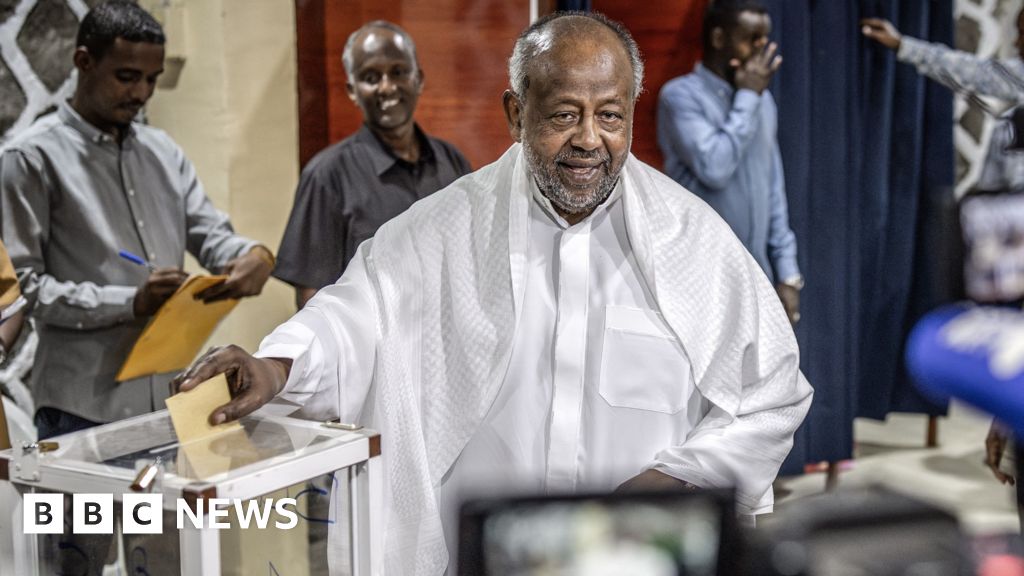

Djibouti’s President secures historic sixth term with overwhelming 97.8% support

Long-term President Extends Rule Amid Electoral Controversy

The longstanding leadership of Djibouti took another significant turn as Ismail Omar Guelleh, aged 78, secured yet another term in office following a controversial electoral process. His latest victory, characterized by a nationwide vote boycotted by the main opposition parties, underscores ongoing tensions within the nation’s political landscape and invites a broader discussion on the stability and future trajectory of this strategically positioned Horn of Africa state.

The election was marked by the absence of major opposition candidates, which critics argue diminishes the legitimacy of the electoral outcome and highlights profound issues surrounding democratic openness in Djibouti. This lack of genuine electoral competition has led to international concern over the erosion of democratic institutions and the potential for increased authoritarian consolidation. As Guelleh seeks to extend his rule, analysts warn that such political maneuvers may provoke regional instability and diminish prospects for reform. According to political observers from the International Crisis Group, “the long tenure of leaders like Guelleh, especially under conditions of electoral disengagement, can either stabilize or destabilize, depending on the societal response and external pressures.”

Within the broader geopolitical context, Djibouti occupies a strategic hub at the crossroads of Africa and the Middle East, hosting critical military bases operated by multiple global powers, including the United States, China, and France. These foreign interests stand to be profoundly affected by the nation’s internal political stability. Historically, stability in Djibouti has been a key component of regional security strategies, particularly given its proximity to volatile areas like the Horn of Africa and the Middle East. The extension of Guelleh’s rule without clear democratic mandates raises questions about how long external powers will continue to rely on a government perceived as increasingly autocratic, even as they maintain their strategic foothold with military and intelligence cooperation.

Experts and international organizations continue to monitor the unfolding political scenario with concern. The United Nations, while cautious, has expressed apprehension about the effects of electoral boycott and leadership consolidation on democratic governance in Djibouti. Meanwhile, regional allies such as Kenya and Ethiopia watch intently, aware that internal instability or diplomatic shifts could ripple across the Horn of Africa, impacting crucial trade routes and regional alliances. The critical question remains: how will the trajectory of Djibouti, under the weight of extended rule and limited political participation, influence the broader geopolitical dynamic—a narrative still very much in flux?

In essence, the unfolding story of Djibouti serves as a microcosm of today’s geopolitical tension—where leadership stability often masks underlying societal discontent and international interests collide with national sovereignty. As Guelleh‘s government consolidates power amid ambiguous democratic processes, history beckons observers to consider whether this merely marks another chapter of stability at the expense of true democratic reform or signals potential unrest lurking beneath the surface. With the decisive hands of global players, the sands of this strategic corner of the world continue to shift—reminding us that, though quiet for now, the course of history remains unpredictable, and the next move could redefine the region’s future forever.

Netflix secures victory in Warner Bros. bidding war—tech giants shake up the entertainment game

Netflix’s Strategic Push into Hollywood: A Paradigm Shift in Content and Business Models

In a move that could redefine the entertainment landscape, Netflix is reportedly considering acquiring Warner Bros. and its associated assets, including HBO Max. While the deal faces imminent regulatory hurdles, notably opposition from the Department of Justice, industry insiders suggest that if approved, this acquisition could trigger a seismic shift in how streaming giants operate within traditional Hollywood frameworks. Such an integration would place Netflix at the helm of one of the oldest and most influential film studios, fundamentally altering existing distribution, production, and theatrical paradigms.

From an innovation perspective, this move signals a disruption of the conventional content supply chain. Historically, Netflix has prioritized digital-first distribution, avoiding involvement in theatrical releases and traditional studio operations. The potential transition into studio management would allow Netflix to leverage its data-driven approach to content creation while integrating theatrical releases into its ecosystem. This strategic positioning could enable the company to compete directly with legacy studios by controlling more of the content lifecycle—from production to consumer. Such vertical integration aligns with industry trend forecasts from Gartner and MIT, which emphasize the importance of disruptive consolidation as a way to leverage big data and cutting-edge AI for content optimization and personalized marketing.

The implications for the broader industry are profound. A successful acquisition not only disrupts the traditional Hollywood power balance but could accelerate the consolidation of media assets across emerging digital platforms, forcing competitors to adapt or face obsolescence. Analysts like Peter Thiel have long argued that such disruptive business models fuel innovation by creating new avenues for revenue and consumer engagement. If Netflix can integrate large-scale theatrical content, it may gather a significant competitive advantage—offering consumers a seamless experience that combines the best of traditional cinema and digital streaming, accelerating the metamorphosis of the entertainment industry.

Business Implications and Future Outlook

The potential acquisition underscores how disruption in the tech and entertainment sectors is accelerating, with major players seeking to reinvent their roles within the evolving ecosystem. While regulator concerns and antitrust scrutiny are significant hurdles, industry insiders suggest that the strategic value of owning a legacy studio—combining creative control with data-driven insights—could outweigh regulatory obstacles in the long term. This move may also set a precedent for vertical integration, inspiring other tech giants, such as Apple and Amazon, to pursue acquisitions that further blur the lines between content creation and distribution.

Looking ahead, the industry faces an imperative to innovate rapidly in response to consumer demand for high-quality, multi-platform content. Executives, investors, and creators must recognize that disruption is now a strategic necessity. As Netflix potentially steps into a new role as a Hollywood studio powerhouse, the entire media landscape remains on the cusp of profound transformation—one that demands agility, strategic foresight, and an unwavering commitment to pushing the boundaries of entertainment technology. The future belongs to those who can harness the power of innovation amidst regulatory challenges, seizing opportunities to reshape cultural consumption in ways previously thought impossible.

Guardio Secures $80M from ION Crossover to Boost Cybersecurity for the Next Generation

Guardio Emerges as Pioneering Force in Securing AI-Generated Web Content

The rapid proliferation of vibe coding tools has sparked a paradigm shift in the web development landscape, unleashing unprecedented innovation but also exposing critical security vulnerabilities. As startups and corporations race to capitalize on AI-driven code generation, the industry now faces a looming threat: malicious actors leveraging these same tools for cybercrime. Guardio, a cybersecurity innovator founded in 2018, is positioning itself at the forefront of this disruption, developing groundbreaking solutions that address the emergent blind spots in vibe-coded web applications.

Disrupting Traditional Security Models with AI-Focused Threat Detection

Unlike conventional cybersecurity approaches that rely on static signatures or reactive scans, Guardio harnesses its extensive expertise in detecting malicious sites and phishing campaigns to target AI-authored malicious code. The company’s latest initiative is a specialized tool that examines artifacts in vibe-coded sites and codebases, seeking signs of nefarious activity embedded within AI-generated content. This move signifies a paradigm shift: security now must evolve from perimeter defense to proactive threat identification in dynamic, AI-enhanced ecosystems.

  • Innovation in code artifact analysis tailored to AI-generated content
  • Real-time scanning integrated into browser extensions and mobile apps
  • Partnerships to embed security directly into AI development platforms

Its collaboration with Lovable, a platform that develops vibe-coded websites, exemplifies this shift. After reports of security gaps in sites built on Lovable, Guardio’s comprehensive scanning infrastructure is now used to weed out malicious or vulnerable sites preemptively, thereby disrupting the typical reactive cycle of cybersecurity.

Business Implications and Market Disruption

Guardio’s recent $80 million funding round, led by ION Crossover Partners, underscores a broader investor recognition: cybersecurity intertwined with disruptive AI-driven web development is a fast-growing market. The company’s valuation has tripled since its previous fundraising, reflecting confidence in its ability to innovate and scale. With over 500,000 paying users and reaching $100 million in annual recurring revenue, Guardio’s trajectory highlights a significant market shift: security solutions are now central to the future of AI-generated content and web development platforms. This evolution threatens incumbents unprepared for the rapid pace of change, creating lucrative opportunities for agile disruptors.

  • Disruption of legacy security models that lack AI-specific threat detection capabilities
  • New revenue streams from integrated security tools embedded within AI coding environments
  • Potential industry-wide pivot towards proactive, integrated cybersecurity in AI ecosystems

As Gilad Shany of ION Crossover notes, Guardio’s convergence of consumer market experience with top-tier cyber innovation presents a unique competitive edge. Its focus on embedding security directly into the development pipeline signals a forward-looking strategic play for tech giants and startups alike.

Future Outlook: Urgency for Security in the AI-Driven Web Era

The critical takeaway for industry leaders, developers, and policymakers is clear: the era of unchecked AI-driven code creation is over. Guardio’s aggressive innovation not only disrupts existing cybersecurity paradigms but also signals that the future of web development will be inseparable from robust, intelligent security measures. As AI continues to accelerate innovation, the threat landscape will expand exponentially, demanding a proactive, disruptive approach to cybersecurity. Industry experts, taking cues from institutions like MIT and thought leaders such as Elon Musk, emphasize that those who outpace security threats today will dominate the digital economy of tomorrow. The urgency is undeniable: the race to secure AI-empowered web environments is on, and the stakes could not be higher.

Luminal secures $5.3M to reinvent GPU coding for the next-gen developer

Revolutionizing AI Infrastructure: Luminal Secures $5.3 Million in Seed Funding

In a bold move that signals a paradigm shift in the AI hardware landscape, Luminal, a startup founded by former Intel chip designer Joe Fioti, announced an impressive $5.3 million seed round. Led by Felicis Ventures and supported by high-caliber angels such as Paul Graham, Guillermo Rauch, and Ben Porterfield, Luminal aims to tackle a pressing bottleneck that many industry leaders have overlooked—software’s role in unlocking the full potential of hardware acceleration. This fresh focus on optimizing the software stack for AI models positions Luminal as a disruptive force capable of reshaping the entire AI infrastructure ecosystem.

Founded by industry veterans from Apple and Amazon, Luminal’s core strategy challenges the dominance of Nvidia’s entrenched CUDA platform—a dominant, yet partially open-source, compiler environment that has driven the company’s explosive growth. While CUDA is a formidable tool, Luminal’s approach leverages the fact that many components of this system are open-source, creating an opportunity to build a more adaptable, industry-wide compatible compiler. This move could significantly lower barriers for developers, fostering an environment where AI innovation is driven by software agility rather than hardware constraints. The company’s participation in Y Combinator’s Summer 2025 batch underscores its high-growth potential within an aggressive, fiercely competitive tech landscape.

  • Innovation: Luminal’s focus on software optimization addresses an overlooked pain point, with the potential to democratize AI development by simplifying hardware utilization.
  • Disruption: Challenging Nvidia’s CPU and GPU dominance by proposing adaptable, open-source compiler solutions could redefine industry standards and shift market power toward more versatile, software-centric ecosystems.
  • Business implications: As AI models grow more complex and hardware options proliferate, Luminal’s flexible stack positions it as a critical enabler for startups and giants alike, reducing dependence on a single hardware vendor and fostering innovation across the board.

Despite significant competition from large-scale optimization teams at major labs, Luminal’s leadership remains confident in the market’s velocity. Fioti acknowledges the tuning advantage of hyperscalers but emphasizes that their all-purpose solution is valuable enough to carve a substantial niche. Market analyst forecasts from firms like Gartner highlight that the AI software ecosystem is on the cusp of a revolution, driven by the need for adaptable, scalable, and efficient compilers. As the industry shifts, the importance of software infrastructure as a key source of competitive advantage has never been clearer. This strategic transition could catalyze a new era where hardware innovation itself is secondary to the software ecosystem that enables hardware to operate at peak efficiency.

Looking forward, Luminal’s trajectory indicates a future where AI development becomes more agile, accessible, and resilient to the changing hardware landscape. With ongoing breakthroughs in chip design and a global push toward democratizing AI capabilities, the companies and startups that prioritize disruptive software solutions will likely dominate the next wave of technological innovation. As the industry evolves rapidly, the urgency for companies to embrace these shifts is paramount—those who fail to adapt risk falling behind in a race driven by relentless innovation and disruptive disruption. The future belongs to those who see beyond the hardware, recognizing that the next frontier in AI progress depends on software ingenuity and ecosystem openness.

Rising Star Shines at Regional Championships, Secures Spot in National Finals!

Week 10 NFL Recap: A Look at Key Moments and Growing Impact

As the NFL season reaches its midway point, Week 10 brought fans thrilling matchups and a renewed sense of rivalry. The games showcased not only impressive athleticism but also strategic brilliance from coaches across the league. One of the standout moments was the remarkable performance of Patrick Mahomes, who threw for over 400 yards, leading the Kansas City Chiefs to a decisive victory against the Your Team.

In a competitive landscape where every game matters, teams are beginning to solidify their positions for the playoffs. The atmosphere was electric in stadiums, with die-hard fans rallying behind their teams. Notable highlights from the week included:

  • Josh Allen‘s 3 touchdown passes in the Buffalo Bills‘ nail-biter against the Miami Dolphins.
  • The defense of the New England Patriots, which sacked the quarterback 5 times, proving they are a force to be reckoned with.
  • Justin Fields showcasing his dual-threat abilities, rushing for over 100 yards in the loss against the Los Angeles Chargers.

According to commentator Chris Berman, “Football is not just about what happens on the field; it’s about the stories we tell and the moments we create together.” This sentiment was evident as fans celebrated victories or mourned defeats alongside friends and family, reinforcing the idea that sports connects us all. The intensity of the rivalries, the spectacle of the plays, and the courage of the athletes serve to unite communities.

As the season gears up for what promises to be a dramatic conclusion, it’s clear that the NFL is more than just a game. With every gripping play and every last-second victory, the league continues to serve as a testament to teamwork, perseverance, and passion. In the words of legendary coach Bill Belichick, “It’s not about the scoreboard; it’s about how we come together as a team.” As Week 10 showcased, football remains a unifying force—transcending scores, and reinforcing bonds among fans, families, and friends.

Source link

Zohran Mamdani Secures Major Victory for the Future

Global Power Shifts: The Dawn of a New Geopolitical Era

In recent weeks, the geopolitical landscape has undergone a series of dramatic shifts that are echoing through the corridors of power across North America. The election of Zohran Mamdani as the youngest mayor of New York City, representing a new wave of progressive, multicultural leadership, exemplifies how societal change is intertwined with global trends. Mamdani’s victory, achieved against the odds with minimal institutional backing, signals a broader appetite among the youth and marginalized communities for leadership rooted in social justice, economic reform, and a willingness to challenge entrenched power structures. The implications extend beyond municipal borders, raising questions about the evolving political paradigm in the United States and its ripple effects on international diplomacy and alliances.

Analysts and international organizations are warning that such electoral shifts reflect a larger global phenomenon where traditional center-left parties face internal pressures, often due to rapid demographic changes and the rising influence of socialist-influenced policies. The United States, long regarded as a bastion of free-market capitalism and military power, is witnessing internal debates over issues like taxation, public welfare, and foreign policy — debates that are now entangled with identity politics and social justice. Mamdani’s outspoken condemnation of Israel’s conduct during the Gaza war, and his pledge to arrest Prime Minister Benjamin Netanyahu should he visit New York, underscore how domestic politics are increasingly shaping international relations. His stance risks being a flashpoint, stirring tensions within the city’s diverse communities and beyond, potentially complicating diplomatic ties with Israel and allied nations.

Meanwhile, Europe and Asia are observing these shifts with keen interest. The global community’s attention is focused on how fresh leadership in key cities and states influences broader geopolitical strategies. As historians and experts have observed, moments of political upheaval often serve as precursors to larger transformation — whether through electoral realignments or policy shifts. In Russia and China, authoritarian regimes watch with trepidation, knowing that the success or failure of these new liberal experiments could ignite similar movements further east or west. The turning point appears to be upon us, where the ‘rules’ of international politics are being rewritten in real-time, with every election, every policy decision, acting as a stroke on the vast canvas of history.

As Mamdani prepares for his inauguration, the challenges ahead are stark. His campaign, promising reform and radical change, clashes with existing power centers such as Wall Street and the city’s traditional political elite. The looming confrontation over taxes, public funding, and urban development signals that the battles for influence and policy dominance are far from over. Meanwhile, the American electorate remains divided, with rising conservative voices led by Donald Trump, eager to frame the new leadership as a threat to the nation’s stability. The ensuing conflict will shape the next chapter of American history, perhaps determining whether the nation continues its drift into a more progressive future or retrenches into familiar patterns of resistance and nationalism.

In the end, the ongoing saga of political change is not just about elections and policies; it is about the unfolding story of nations and their societies in the face of relentless global currents. The days ahead will test the resilience of this new leadership and reveal whether modern movements can carve their place in history or be consumed by the machinery of entrenched interests. The world watches as history continues to unfold—a terrifying yet hopeful reminder that, even in chaos, the seeds of change are sown, waiting for the right moments to blossom into something unprecedented. The future remains unwritten, but the legacy of these pivotal moments will forever shape the course of human destiny.

LA Dodgers Dominates again, Secures Back-to-Back World Series Titles Over Blue Jays

In an era marked by geopolitical upheaval and shifting alliances, the recent World Series victory by the Los Angeles Dodgers over the Toronto Blue Jays somewhat mirrors the international landscape’s complex dance of competition and resilience. Just as baseball fans around the world observed tense moments in a gripping game seven—where both teams displayed remarkable strategic flexibility—nations worldwide grapple with the unpredictable nature of their geopolitical contests. The game’s culmination, highlighted by a dramatic home run from Smith that set the Dodgers within reach of the title, echoes a broader theme: in the global arena, pivotal moments often hinge on fleeting opportunities and decisive actions.

Historically, sports championships serve as microcosms of larger geopolitical dynamics, reflecting the interplay of strategy, timing, and resilience. Meanwhile, international analysts note that the current geopolitical climate is anything but predictable, with challenges emanating from resurging powers, technological rivalries, and regional conflicts. The recent series and its unpredictable turns remind observers of how swiftly alliances can shift and decisions can alter the course of history. The involvement of high-profile athletes and tactical substitutions in the game also exemplify the same strategic calculus that nations pursue on the diplomatic stage—where the sight of a single, game-changing move can redefine the outcome for entire populations.

Moreover, the series’ narrative of perseverance amidst adversity parallels the ongoing struggles of nations facing territorial disputes, economic sanctions, and ideological clashes. Just as Toronto’s Blue Jays threatened to take the game into extra innings—building up to a crescendo of collective anticipation—so too do global conflicts build to critical junctures where diplomacy, or lack thereof, determines whether peace holds or erupts into turmoil. According to international organizations like the United Nations, the world’s stability now hinges on whether leaders recognize the consequences of their choices—a concept vividly illustrated by the high-stakes performances of baseball pitchers like Yoshinobu Yamamoto, whose relief victory underscored the importance of resilience and tactical ingenuity.

As history’s echoes reverberate through today’s shifting alliances, it becomes clear that the decisions made now will echo through generations. The outcome of this ongoing saga, like the game’s final innings, remains unwritten—awaiting a decisive moment that could turn the tide of progress or plunge the world into further chaos. Just as fans held their breath during those critical last plays, the international community must reflect on the profound impact of leadership, foresight, and unity. In this fragile closing chapter of a complex game, the weight of history presses heavily upon us, reminding all that the unfolding narrative of global conflict and cooperation is far from over, and the playing field remains unforgiving and unpredictable.

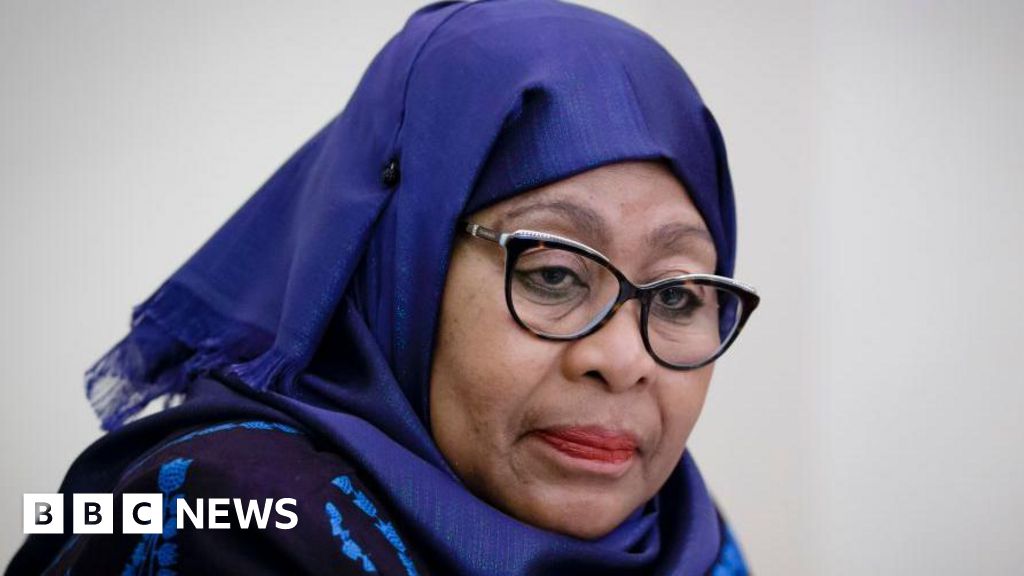
Samia Suluhu Hassan secures 98% victory amid national unrest

Election Controversy and Political Stability in Tanzania

In a decisive yet turbulent moment for East Africa, President Samia Suluhu Hassan has been officially declared the winner of Tanzania’s recent presidential election. According to the electoral commission, she secured an overwhelming 98% of the votes cast in a process marred by unrest and claims of widespread fraud. This victory cements her position in a country that, since independence, has been a haven of stability under the dominance of the Chama Cha Mapinduzi (CCM) party, which has never lost power in post-colonial history. However, beneath the veneer of electoral success lies a nation teetering on the brink of political and social upheaval, with reports of violence, deaths, and suppressed dissent raising concerns about Tanzania’s sovereignty and future trajectory.

Internal Struggles Reflect Broader Regional Tensions

Analyzing the domestic turmoil, international observers and analysts have raised alarm over credible reports of hundreds of casualties amid ongoing protests. While the government attributes the violence to “isolated incidents”, opposition leaders and diplomatic sources estimate that fatalities could be as high as 700. This level of violence signals a fundamental challenge to democratic legitimacy in Tanzania, which has experienced recurrent repression of opposition figures—most notably the detention of key challenger Tundu Lissu. Historians and rights groups, such as Amnesty International, have condemned the crackdown, describing a “wave of terror” involving enforced disappearances and extrajudicial measures against dissenters. Such measures threaten not only political stability but also regional reputation and refugee flows, which already strain neighboring nations’ resources.

Geopolitical Impact and How International Shifts Shape Outcomes

The repercussions extend beyond Tanzania’s borders, with foreign diplomatic and regional institutions closely monitoring the unfolding crisis. As East Africa’s largest economy faces internal disorder, tensions ripple across the region, impacting trade routes, security cooperation, and the ongoing struggle for influence among China, the United States, and European powers. Beyond the immediate violence, the election’s integrity has become a litmus test for democracy in Africa, emphasizing how authoritarian tendencies threaten stability and pseudo-legitimate health of democratic processes. Scholars warn that if Tanzania’s government consolidates power through repression, it could set a dangerous precedent for rising authoritarianism across the continent. As the African Union and United Nations call for calm and transparency, the country’s future hinges on whether leadership can reconcile the legitimate demands of its youth and opposition with the relentless pressures of regional and global geopolitics.

A History in the Making: A Nation’s Fate at the Crossroads

From the streets of Dar es Salaam to the halls of international diplomacy, Tanzania’s election has become emblematic of a larger geopolitical chessboard, where power, influence, and democracy itself are continuously redefined. As a new chapter begins amidst chaos and controversy, history remains unwritten. The fate of Tanzania—much like that of its neighbors—depends on whether its leaders prioritize trust, transparency, and respect for human rights or succumb to the temptations of authoritarian rule. This moment is a stark reminder that the arc of history is long, yet sometimes, it bends sharply toward conflict—leaving little room for error as the world watches a pivotal story unfold.

Rising Star Shines in Thrilling Finish: Team Secures Victory with Last-Minute Goal!

Lions Secure Future with Landmark Signing

In a bold move earlier this week, the Detroit Lions solidified their commitment to building a championship-caliber team by making headlines with a significant contract extension. The franchise’s second overall pick in the 2022 NFL Draft, vastly talented defensive end Aidan Hutchinson, has just become the league’s fourth-highest-paid non-quarterback, underscoring his importance in the team’s long-term plans. This signals not only a financial commitment but also a recognition of the player’s game-changing impact on the field.

Coach Dan Campbell expressed his confidence in Hutchinson’s capacity to lead. “We believe in Aidan and what he brings to the table. His work ethic and determination have set a standard for everyone in the locker room,” Campbell noted during a press conference on Wednesday. This extension signifies more than just numbers; it reaffirms our strategy to create a formidable defense. The Lions are positioning themselves not only as contenders in the NFC North but as a force to be reckoned with league-wide.

The contract, which is reported to be worth $94 million over the next few years, showcases the franchise’s willingness to invest in top-tier talent. Statistical evidence backs Hutchinson’s selection as a game-changer, with last season’s totals reflecting his ability to disrupt opposing offenses. He recorded an impressive 10.5 sacks, earned a spot in the Pro Bowl, and consistently ranked among the top defensive linemen in pressures generated. This deal signals to other potential recruits that the Lions are a promising destination for those aspiring to take their careers to the next level.

  • Aidan Hutchinson signed a $94 million contract with the Lions.
  • He recorded 10.5 sacks last season, solidifying his reputation.
  • Coach Dan Campbell emphasized the importance of Hutchinson’s leadership.
  • This marks Hutchinson as the fourth-highest-paid non-QB in the NFL.

In a world where divisive narratives often cloud the essence of sports, moments like these remind us why we gather as fans. Beyond the numbers and accolades lies a deeper connection forged through mutual passion and unity. The Detroit Lions aren’t just a team; they are a source of pride, an emblem of determination. As they aim for greatness, fans can expect this chapter to inspire not only victories but a shared spirit of hope and resilience that defines the heart of every great sports story.

Source link

Social Media Auto Publish Powered By : XYZScripts.com