
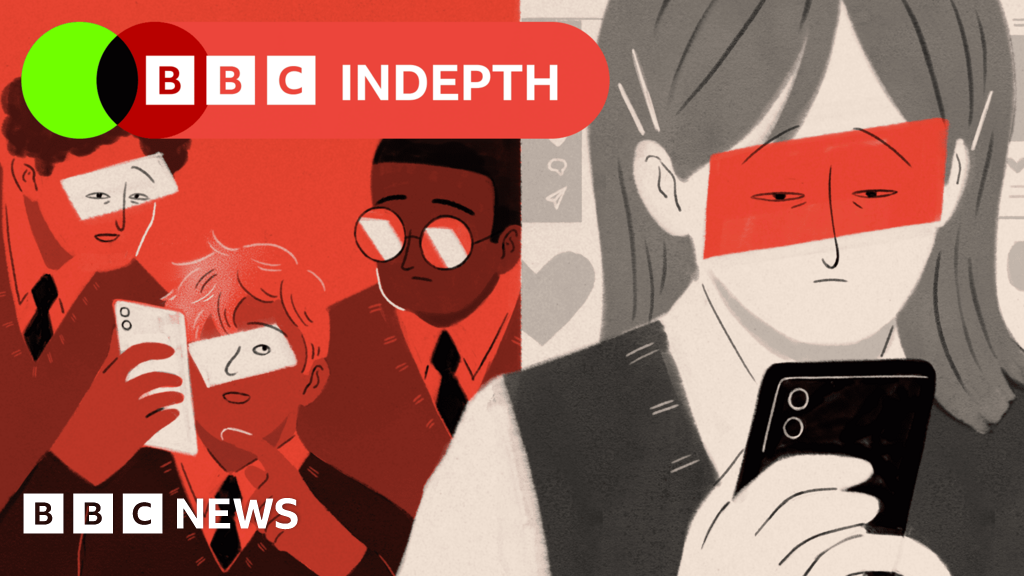

In recent years, the decline of youth clubs and community spaces has become a stark reflection of broader societal shifts impacting families, education, and community cohesion. Among the many community institutions affected, netball clubs and dance companies stand out as vital hubs where young girls could express themselves freely, develop leadership skills, and foster social bonds beyond the classroom. These “third spaces”, as sociologists like Ray Oldenburg might describe, serve as essential buffers against the isolating effects of modern life but have been decimated before and during the pandemic. The result is a generation with fewer safe, constructive outlets for physicality, creativity, and emotional expression.
During recent interviews conducted in various communities, a recurring theme emerged: young girls observed a noticeable reduction in opportunities to gather in spaces where they could simply be loud, active, and unencumbered by the scrutiny of external judgment. These spaces provided an environment free from the pressures of social media critics or the judgmental eyes of boys, allowing adolescents to explore their identities without fear of stigma. The loss of such spaces is tangible in their emotional well-being and social development, creating ripples that threaten traditional familial and community bonds, and altering the fabric of our society.
- Reduced availability of community spaces hampers social skills development and sense of belonging
- Fewer opportunities for physical activity and creative expression impact youth’s mental health
- The decline is linked to budget cuts, urbanization, and shifting cultural priorities
Renowned social commentators and historians, such as Dr. Jane Jacobs and cultural critic Christopher Lasch, have long argued that spaces fostering community, physical activity, and cultural participation are essential to a resilient society. Their disappearance raises moral and ethical concerns about the future of societal cohesion and the cultivation of a healthy, engaged youth. As families grapple with the loss of communal anchors, and as schools face increased challenges in providing holistic education, the void left behind threatens to deepen social divides and diminish shared cultural values.
Proposed solutions emphasize the restoration and expansion of community-based programs, with an emphasis on making these spaces accessible and inclusive. Initiatives that integrate physical activity, artistic expression, and community building under the auspices of local governments and private partnerships have shown promise. Such strategies are aimed at working against the tide of social fragmentation and rekindling a sense of shared purpose among youth. Ultimately, the challenge is to reimagine these spaces not just as places for recreation, but as vital institutions that nurture societal values, family stability, and individual development.
As society stands at this crossroads, the question remains: will we recognize the importance of these third spaces and commit to their revival? In doing so, we confront not only the obstacles of funding and urban planning but also the deeper cultural shifts that have deprioritized community engagement. The hope persists—woven into the memories of childhood and the collective desire for a society that fosters resilience through connection. *Because in reclaiming these spaces, society reclaims a part of itself—its soul—and offers its future generations a foundation of hope amid the turbulence.*







