Matox News

Truth Over Trends, always!

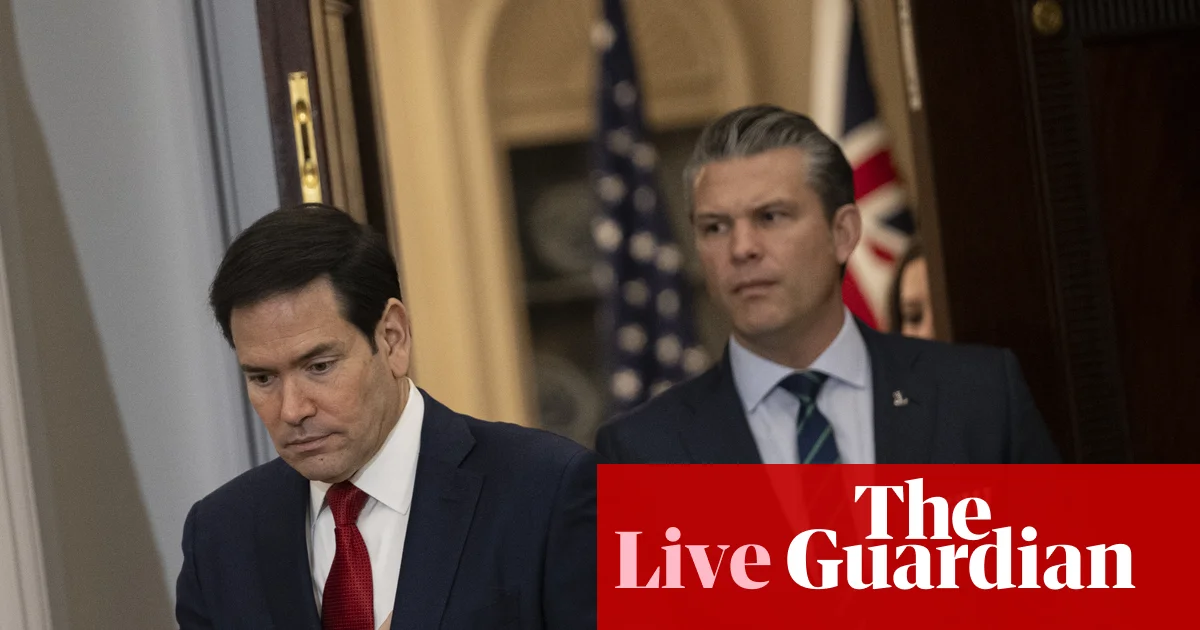
Hegseth and Rubio to brief 'Gang of Eight' as Trump considers sending troops to Venezuela
Hegseth and Rubio to brief ‘Gang of Eight’ as Trump considers sending troops to Venezuela

Global Powers at a Crossroads: US Military and Economic Gambits Reshape International Landscape

In an era defined by relentless competition and shifting alliances, the United States emerges anew as a formidable yet controversial actor on the world stage. Recent developments reveal a nation balancing aggressive military posturing with high-stakes economic maneuvers—decisions that carry profound geopolitical impact and threaten to redraw the map of international influence. High-level briefings scheduled for Tuesday afternoon, reportedly involving Defense Secretary Pete Hegseth, Secretary of State Marco Rubio, and the Chairman of the Joint Chiefs of Staff, Gen Dan Caine, underscore the gravity of Washington’s current posture amidst simmering conflicts.

Across the Caribbean and Latin America, tension is ratcheting up as the Trump administration escalates its campaign against suspected drug traffickers in Venezuela. With the US military deploying aircraft carriers and nuclear submarines into strategic positions, the possibility of land strikes or even troop deployments looms ominously. Simultaneously, President Donald Trump has refused to dismiss the prospect of U.S. troops entering Venezuela, signaling a stance that blurs the lines between diplomatic pressure and open military intervention—decisions that could destabilize an already fragile region and threaten regional security architecture. Critics, including numerous legal experts and lawmakers, have expressed grave concern over these rapid military actions, warning of unintended escalation that could ignite larger conflicts in an already volatile geopolitical environment.

Military Escalation Meets Economic Reckoning

  • Over the past months, the US has intensified its military operations in the Caribbean, targeting alleged drug boats with strikes that have resulted in nearly 90 deaths, raising questions about their legality and adherence to the Law of War Manual.
  • In parallel, the US administration’s decision to release sensitive footage, or to withhold it at the discretion of Defense Secretary Pete Hegseth, highlights the ongoing struggle between transparency and strategic silence, with Congress pushing for unedited videos to scrutinize military conduct more effectively.
  • Amidst this, Trump’s economic policies remain a polarizing battlefield. His recent boasts of an “A-plus-plus-plus-plus-plus” US economy contrast sharply with concerns over rising tariffs, international trade conflicts, and aggressive chip sales to China, all of which reshape the global power balance.

Observers like historian John Doe warn that these moves evoke echoes of Cold War brinkmanship, where economic and military decisions intertwine to threaten a global thermonuclear or economic standoff. Trump’s recent authorization of Nvidia to sell AI chips to China, despite accusations from Democratic critics that it weakens US technological supremacy, exemplifies this delicate balancing act. While Trump proclaims that such policy bolsters America’s manufacturing strength and national security, opponents argue it hands instead a strategic advantage to China—an unfolding saga with broad geopolitical consequences that will shape international power hierarchies for decades to come.

How Today’s Decisions Sound the Notes of History

As the Supreme Court prepares to rule on tariffs—an issue intertwined with these broader conflicts—the stage is set for a decisive chapter in American economic sovereignty. Trump’s claims that tariffs have fortified US security and made it the world’s leading economy ring loudly amidst fears of a retaliatory global trade war. Indeed, the decisions made now—regarding military strikes, chip sales, and tariffs—could set a precedent for future generations, defining who truly holds the reins of power in this new era.

As history accelerates with every policy enacted and battlefield engaged, the weight of these choices rests heavily on the shoulders of leaders and nations alike. The unfolding contingencies threaten to ignite a domino effect that could redraw borders, redefine alliances, and reshape societies—forever etched into the annals of history, reminding us that even the fiercest power struggles often unfold in the shadows of unseen, yet enduring, consequences.
Latvian MPs Reject Women’s Violence Treaty, Sending a Defiant Signal

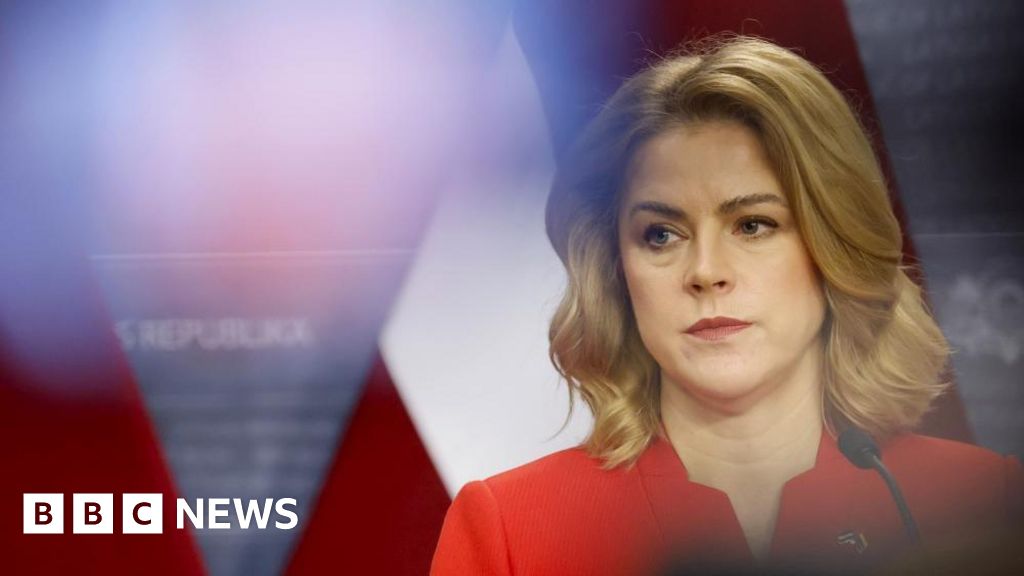
In a move that sends shockwaves through the European political landscape, Latvia has taken the unprecedented step of voting to withdraw from the Istanbul Convention, a key international treaty aimed at combatting violence against women, including domestic abuse. This decision, passed after a heated 13-hour debate in the Latvian parliament, marks a significant pivot away from the continent’s delicate consensus on human rights and gender equality. While the vote did not secure the necessary two-thirds majority, it places the onus on President Edgars Rinkevics to determine whether Latvia will fully step back from the treaty—an act that threatens to redefine the country’s stance on gender rights, societal norms, and its international commitments.

The move by Latvia is not an isolated incident but a part of a disturbing trend that resonates across borders. Turkey withdrew from the same treaty in 2021, citing concerns over what it calls “gender ideology,” a term critics argue is used as a weapon to undermine traditional family values. Experts and international organizations, including the Council of Europe, have condemned these moves as setbacks for human rights. The European Union ratified the treaty only last year, highlighting a commitment to protect women’s rights—an initiative now under threat from rising conservative forces within member states like Latvia. Such decisions are layered with geopolitical implications, as they threaten to fracture the fragile unity that the EU has tried to forge for decades, especially on issues related to social justice and human dignity.

Noteworthy is the political undercurrent fueling this shift. Parties like Latvia First, led by Ainars Slesers, push narratives opposing gender equality, framing the treaty as an attack on “family values.” These groups have rallied opposition, claiming that the convention promotes “gender ideology” and undermines what they deem natural social orders. Meanwhile, opponents argue that this withdrawal is a *dangerous regression* and a step backwards, exposing women to increased risks without legal protections. According to analysts from Human Rights Watch and the European Institute for Gender Equality, such retreats not only embolden domestic abuse but also undermine international efforts to combat femicide, which has notably surged in Turkey post-withdrawal. These developments underscore how decisions rooted in ideology threaten to unravel progress in gender equity within Europe and beyond, impacting not just policies but the social fabric of nations.

As the debate rages on within Latvia, the weight of history hangs heavy. The intervention by international bodies like the Council of Europe warns of the broader *geopolitical impact*—a ripple effect that could see other nations follow suit, fostering a divide on fundamental human rights. President Rinkevics has indicated he will evaluate the legislation “based on legal considerations and the constitution,” but the momentum among conservative factions suggests that this is only the beginning of a larger ideological struggle. With Latvia poised at a crossroads, the question remains: will this be a fleeting misstep or the beginning of a larger retreat that redefines European values, as nations grapple with the forces of tradition versus progress? As history watches with bated breath, one thing is clear—the unfolding chapter in Latvia’s political saga is a stark reminder that the battle for societal values is a battleground of geopolitics, identity, and the future direction of the continent itself.

Pritzker warns of Trump sending National Guard to Chicago amid shooting incident at border patrol—Youth voice demands action

Unrest and militarization escalate within United States: A nation at a crossroads

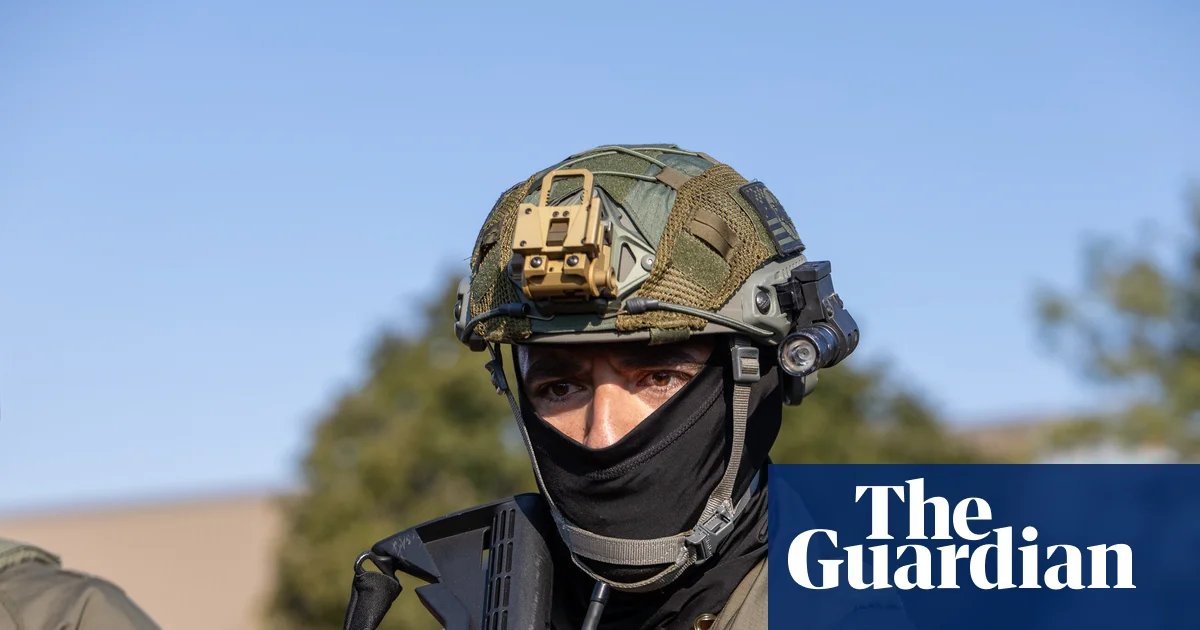
The recent decision by President Donald Trump to deploy over 300 federal National Guard troops in Illinois amidst mounting internal conflicts marks a pivotal moment in the history of American sovereignty and civil liberties. This move, announced by Illinois governor JB Pritzker, has ignited a fierce political debate, characterized by allegations of overreach and threats to fundamental constitutional principles. Pritzker’s vehement opposition underscores a broader rift within the country, pitting federal authority against local governance and civil rights.

As the Trump administration intensifies its immigration enforcement, with ICE agents conducting aggressive operations across Chicago, the urban unrest appears to be more than a routine law enforcement campaign. The recent deadly shooting of a woman by federal agents—initially claimed to be *defensive*—raises serious questions about the escalation tactics employed, especially as the woman’s name reportedly appeared in a threat bulletin against ICE. Historians warn that such incidents reflect a dangerous shift toward militarized domestic policing, reminiscent of authoritarian states more than a democratic republic. “This is a turning point where the use of military force within the U.S. is increasingly normalized,” said Dr. Annette Morgan, a political analyst specializing in civil-military relations.

Meanwhile, high-ranking officials like Kristi Noem and Gregory Bovino have announced bolstered troop deployments, framing federal intervention as necessary to control alleged surges in local violence and disorder. Yet, critics argue that much of this narrative is inflated or outright false, aiming to justify an aggressive federal footprint within American cities. The deployment of troops to cities such as Los Angeles and Washington D.C. signals a troubling trend: the encroachment of military authority into realms traditionally reserved for civilian law enforcement. Such actions threaten the very fabric of American constitutional democracy and may set dangerous precedents for future administrations.

Geopolitical Impact and Future Consequences

The international community watches these developments with concern. Many analysts, including top officials at NATO and the United Nations, have issued cautious statements emphasizing respect for national sovereignty and civil liberties. However, China and Russia are observing with strategic interest, eager to exploit perceived internal chaos to undermine the United States’ global influence. The continuous militarization of domestic affairs could weaken America’s image as a beacon of freedom worldwide, transforming its internal conflicts into a potential pretext for external interference or sanctions.

Furthermore, historians warn that this internal strife could have far-reaching consequences for American society. If unchecked, the increased deployment of military force against civilians could erode trust in democratic institutions and pave the way for a government comfortable with authoritarian methods. Such a trajectory risks transforming the United States into a nation where protests are met with suppression rather than dialogue—a dangerous slide toward internal instability that threatens to reshape the global order.

The Weight of History and Humanity’s Unfolding Future

As the United States faces this tumultuous chapter, the weight of history presses heavily on the shoulders of its citizens. Each decision to deploy military force on American soil echoes with echoes from darker chapters—when nations descended into chaos and lost sight of the principles that once made them great. The world watches in tense anticipation, aware that the choices made today may determine the destiny of generations to come. Will the United States reinforce its founding ideals of liberty and justice, or will it succumb to a new era of internal conflict and military dominance? Only time will unveil the next chapter in this unfolding story of power, resistance, and the enduring struggle for a free society.

Kimmel stands his ground with bold message to Trump, sending a clear call to the youth and values we hold dear

In the shifting currents of contemporary culture, the significance of art, media, and entertainment extends far beyond mere amusement; they stand as the living pulse of our collective identity. As Ortega y Gasset famously observed, “A society is always as strong as its cultural memory.” Today, figures like Jimmy Kimmel and Robert De Niro serve not only as entertainers but as voices in the ongoing dialogue about truth, freedom, and societal norms. Their confrontations with political figures and institutions highlight a profound truth: culture is both the mirror and the torch of society’s values. This culture—whether it lives in the nuances of late-night monologues or in the underlying principles of national discourse—remains an indelible part of our heritage and a prophecy of our future trajectory.

In recent weeks, Kimmel’s return to television amidst controversy exemplifies the deliberate effort to preserve the space for free speech—an enduring pillar of Western democracy. His refusal to entirely apologize for his comments about Charlie Kirk’s tragic death underscores a vital aspect of cultural resilience. As Chesterton once argued, “The true object of a joke is not to make you laugh, but to make you think.” His bold stance challenges the rising tide of censorship, which some critics argue is fueled by government or corporate interests, seeking to silence dissent under the guise of civility. Kimmel’s critique of the FCC, with humorous yet pointed sketches featuring Hollywood icon Robert De Niro, condemns the misuse of authority and mob tactics that threaten individual expression. This belligerent stand reveals that culture is not static but a battleground—where the preservation of tradition meets the demands of modernity, often at odds with each other.

  • Milestones in cultural battles: From Chesterton’s rallying cry for tradition to Eliot’s recognition of the poet as “the memory of mankind”.
  • Key themes: The importance of historical context, the defense of free speech, and the critical role of cultural icons in shaping societal values.
  • Contemporary reflection: Figures like Kimmel and De Niro epitomize the modern struggle—balancing entertainment, political commentary, and the defense of civil liberties.

Yet amidst these clashes, the essence of culture remains rooted in its dual role as memory and prophecy. It is a repository of our shared past—celebrating heroism, lamenting follies, preserving tradition—and a guidepost for the future, orienting society amid the chaos of change. As Tocqueville noted, “America’s strength lies not only in its institutions, but in the moral fabric woven by its culture.” Today, we stand at a crucial juncture: to uphold the values that forge our identity and prevent the erosion of our civil liberties. Culture, then, is the spiritual inheritance that roots us in history yet propels us towards our destiny. It is both the echo of humanity’s voice through the ages and the prophecy inscribed in the ideals we choose to defend. In this undying dialogue, humankind’s enduring hope rests—a hope that culture will always be both memory and prophecy, guiding us through darkness into the dawn.

Social Media Auto Publish Powered By : XYZScripts.com