Matox News

Truth Over Trends, always!

Iranian filmmaker sentenced to jail during US awards trip, highlighting ongoing political tensions

In a world increasingly captivated by the illusions of progress and the relentless march of modernity, culture remains the sacred custodian of identity, tradition, and societal cohesion. It echoes the words of Ortega y Gasset, who observed that a people’s culture is the reflection of their very soul — an intricate tapestry woven from history, art, and shared narratives that define who they are. Today, as global influences threaten to drown out local traditions, this truth has never been more vital. It is in our cultural expressions — our films, our literature, our music — that we find the essence of our collective memory, anchoring us amidst the chaos of rapid change and moral relativism.

Yet, this guardianship of cultural identity comes with its sacrifices. The story of Jafar Panahi, the renowned Iranian filmmaker, is a testament to how deeply culture is intertwined with the struggle for truth and integrity. Panahi’s work—born from a desire to depict reality free from oppressive censorship—transcends borders, recognizing that art’s highest calling is to uphold the dignity of human experience. His recent win at the Gotham Awards, amid the shadow of a prison sentence, symbolizes more than artistic achievement; it signifies a silent, defiant chorus of intellectual resistance. Panahi’s resilience echoes G.K. Chesterton’s assertion that “censorship is the traitor’s weapon, designed to muzzle the voice of the people”. His clandestine filming of It Was Just An Accident, depicting the brutal realities inflicted by authoritarian regimes, exemplifies the profound courage required of those who risk everything for the sake of truth.

Culture, in this context, stands as a formidable bulwark against the erosion of human dignity. It is the moral fabric that sustains a society, offering a mirror to its virtues and vices, its hopes and fears. Through the fearless voices of artists like Panahi and his contemporaries, we are reminded that history is replete with lessons of those who preserved their nation’s spirit despite relentless repression. The philosophical musings of T.S. Eliot, who urged us to remember that “what we have inherited is not only a past but a prophecy,” articulate the profound truth that cultural memory is also a prophecy of future resilience. Our shared artistic endeavors—be they films, music, or literature—are not merely echoes of yesterday; they are the foundation upon which tomorrow’s citizens will rebuild their identity when all else is lost.

At a moment when the world’s narratives threaten to strip away tradition in favor of the ephemeral, it remains essential to recognize that the true power of culture lies in its enduring ability to inspire a society’s enduring moral purpose. It is the prophetic voice whispering through generations, asserting that human dignity, rooted in shared heritage, will persevere against the forces of repression and decay. As the poet T.S. Eliot observed, we are not merely creatures of memory but architects of the future, with culture serving as both our archive and blueprint. In this sacred role, it offers a timeless vision: that humanity, with all its contradictions, is ultimately a destined pursuit of truth, beauty, and order. And in that pursuit, the human spirit finds both its memory and its prophecy, echoing through eternity as a testament to the enduring nobility of tradition and the everlasting hope of renewal.
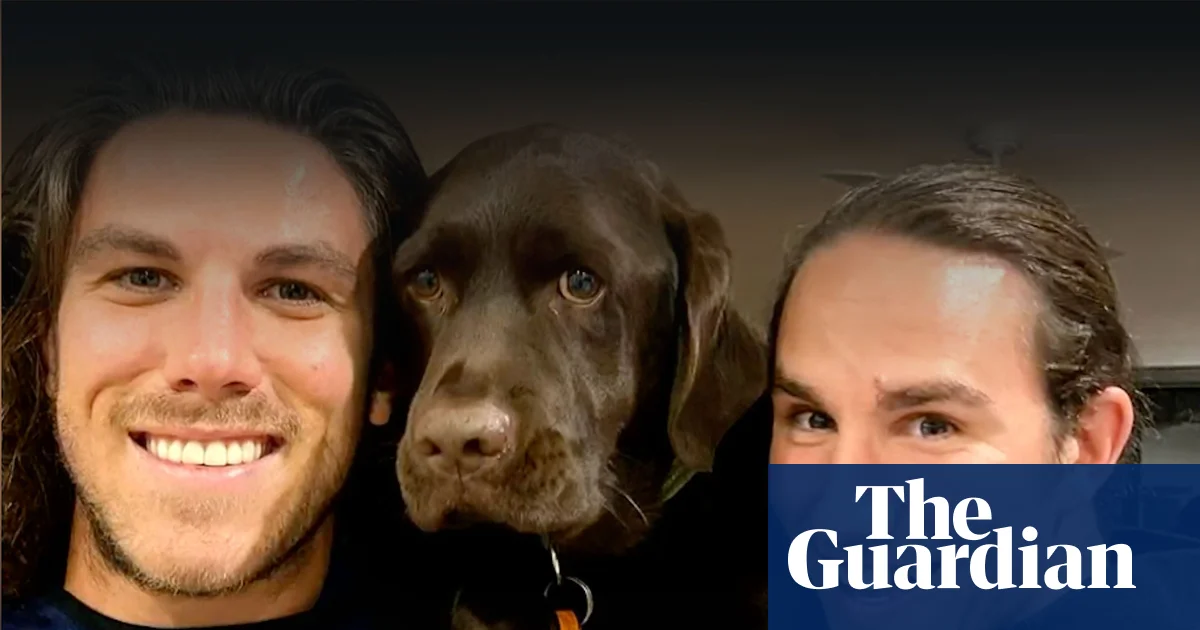
Woman sentenced to 20 years for deadly attack on Aussie surfers and American in Mexico

The recent tragic murders of three international tourists in Baja California have sent shockwaves through global communities and ignited debates on security and geopolitical stability in the region. The victims—Australian brothers Jake and Callum Robinson, aged 30 and 33, and American Jack Carter Rhoad, 30—symbolize the increasing vulnerability faced by tourists crossing international borders, especially in areas plagued by organized crime. Mexican judicial authorities announced that Ary Gisell Silva, a 23-year-old woman, received a 20-year prison sentence for her direct involvement in instigating and participating in the robbery that ultimately led to their death. This heinous crime underscores a persistent issue: how uncontrolled criminal activity in border regions threatens international security and the reputation of Mexico as a tourist destination.

The geopolitical impact of this incident extends beyond the borders of Mexico. The tragedy intensifies a broader concern among Western nations regarding safety in their citizens’ travel zones, especially in regions bordering the United States. International organizations like the United Nations Office on Drugs and Crime have long warned about the proliferation of violence and organized crime in Mexico, which often spills over into neighboring countries. Analysts suggest that such violent outbreaks not only discourage tourism but also weaken diplomatic relations, prompting governments to reconsider their travel advisories and security cooperation strategies. These developments jeopardize economic and diplomatic ties, emphasizing that violence in regions like Baja California is not just a local issue but a matter of global concern.

Recent history documents a pattern of violence, with other foreign tourists falling victim to criminal activity in Mexico’s Pacific coast regions. In 2015, a notorious attack saw two Australian surfers, Dean Lucas and Adam Coleman, murdered and later burned in Sinaloa. Such incidents serve as stark warnings that criminal enterprises have entrenched themselves deeply within parts of Mexico, intentionally targeting tourists to promote fear and chaos. International observers argue that these recurring tragedies expose underlying geopolitical vulnerabilities and demand urgent action. International organizations and security analysts warn that unchecked violence fuels instability, with ramifications that could reverberate globally if coordinated efforts are not prioritized.

As authorities aim to bring justice for the victims, the broader challenge remains: protecting life and restoring confidence in regions marred by crime. The Mexican government faces mounting pressure to clamp down on organized crime and demonstrate its commitment to safety, not only for its citizens but for international visitors whose livelihoods and families depend on secure borders. Meanwhile, the incident underscores the importance of a strategic reassessment by global actors, emphasizing cooperation and intelligence-sharing to combat transnational criminal networks. The unfolding story leaves us pondering whether the tide can truly be turned or if this is only the beginning of a darker chapter that will reshape how nations view security and sovereignty in the 21st century. Ultimately, the weight of history presses heavily on the collective conscience, reminding us that the choices made today will profoundly influence the safety and stability of future generations.

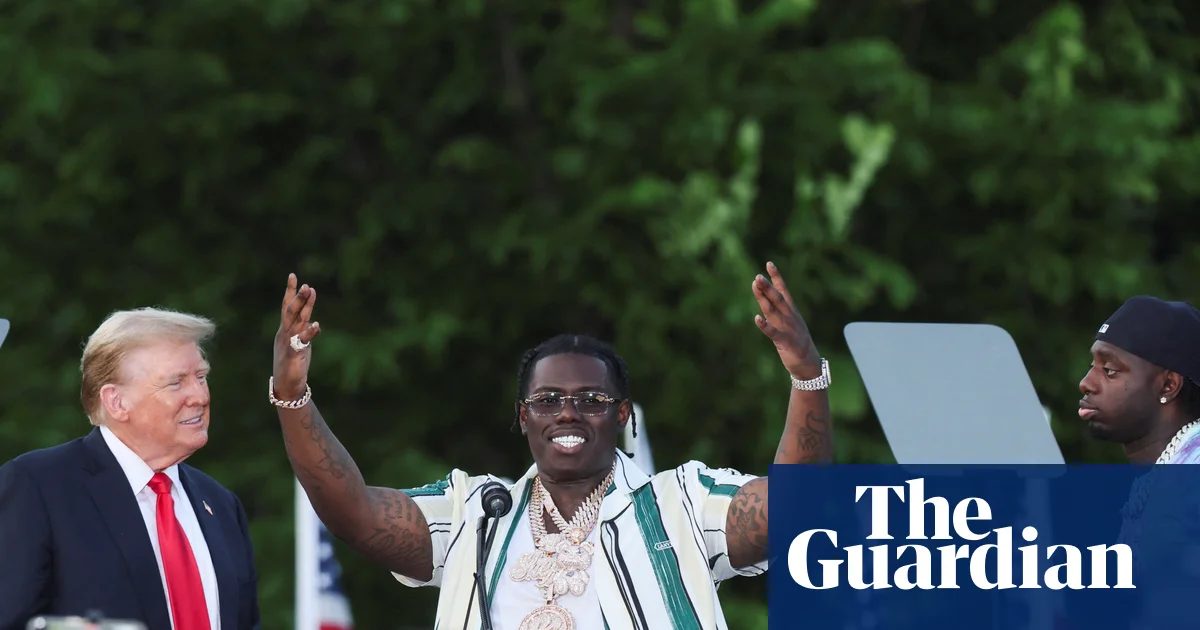
Hip-Hop Artist Who Campaigned with Trump Sentenced to Five Years for Attempted Murder

In an era where culture is often reduced to mere entertainment or fleeting trends, the recent legal downfall of Brooklyn rapper Sheff G reminds us that beneath the beats and viral videos lies a profound reflection of societal currents—a mirror to the values and challenges shaping our communities. Once celebrated as a rising star with millions of streams and YouTube views, Michael Williams—the man behind the stage name—demonstrated how the identity of modern youth can be both a source of pride and, tragically, a vessel for destructive pursuits. His plea deal and subsequent imprisonment underscore a vital truth: culture, when corrupted by violence and gang allegiances, becomes an obstacle to genuine progress rather than a catalyst for it.

Throughout history, cultural figures have wielded influence not just as entertainers but as symbols of broader societal struggles. The movement of jazz, the rebellious spirit of rock ‘n’ roll, or the poetic defiance of Gunnar Björling or T.S. Eliot all attest to the power of art to elevate or question the fabric of society. Yet, when that influence is exploited to glamorize criminality—such as Sheff G’s role in allegedly fueling gang violence—it becomes a distortion of this cultural legacy. Prosecutors have detailed how the rapper used his earnings not to uplift his community but to fund a cycle of fear and violence in Brooklyn’s streets. The indictment of more than thirty gang members, including alleged acts of attempted murder and drug trafficking, is a sobering reminder that culture without moral direction risks descending into chaos, promising nothing but its own eventual collapse.

This tragic convergence of art, violence, and shame echoes American philosopher Alexis de Tocqueville’s warning about the fragile nature of democratic societies: a culture that allows the degradation of moral fabric weakens the foundations of civil order. The fact that figures like Sleepy Hallow—another rapper who appeared alongside Sheff G during a political rally—also received punishment for conspiracy points to a broader societal challenge. It is not simply about individual culpability but about the systemic failure to harness creative energy in a manner that fosters tradition, respect, and societal cohesion. As Chesterton observed, “The true soldier fights not because he hates what is in front of him, but because he loves what is behind him”—a reminder that culture rooted in heredity and shared values must serve as the bulwark of society against nihilism.

The politicization of cultural icons, particularly in the context of President Trump’s rallies and campaigns, illustrates how deep-seated is the desire for authentic symbols that embody strength and tradition in a fractured society. Yet, the infiltration of violence and criminality into these representations diminishes their potential as patriotic or unifying forces. The critical task lies in reclaiming the cultural narrative—affirming that culture is both memory and prophecy, an ongoing dialogue between the past and the future. As T.S. Eliot posited, “The past (must) be altered by the future,” but it cannot be erased. Culture’s true power resides in its capacity to ground us in memory while inspiring us to forge a nobler destiny, one rooted in virtue rather than vice.

In reflecting upon these events, we are reminded that society’s true strength lies in the shared heritage of tradition and the moral compass it provides. Culture is never mere spectacle; it is the memory of human striving, a prophecy of where we are headed. To preserve this sacred continuity, we must guard against the corrosive influences that threaten to turn our creative energies into chaos. The story of Sheff G and his companions is more than a cautionary tale—it’s a call to recognize that when culture is rooted in virtue, it becomes an enduring beacon for generations to come, transforming fleeting fame into a testament of enduring human worth. And in this light, our collective future is a poetic unfolding—an eternal work in progress, written by the choices of those who cherish their roots and dream beyond the horizon.

Social Media Auto Publish Powered By : XYZScripts.com