
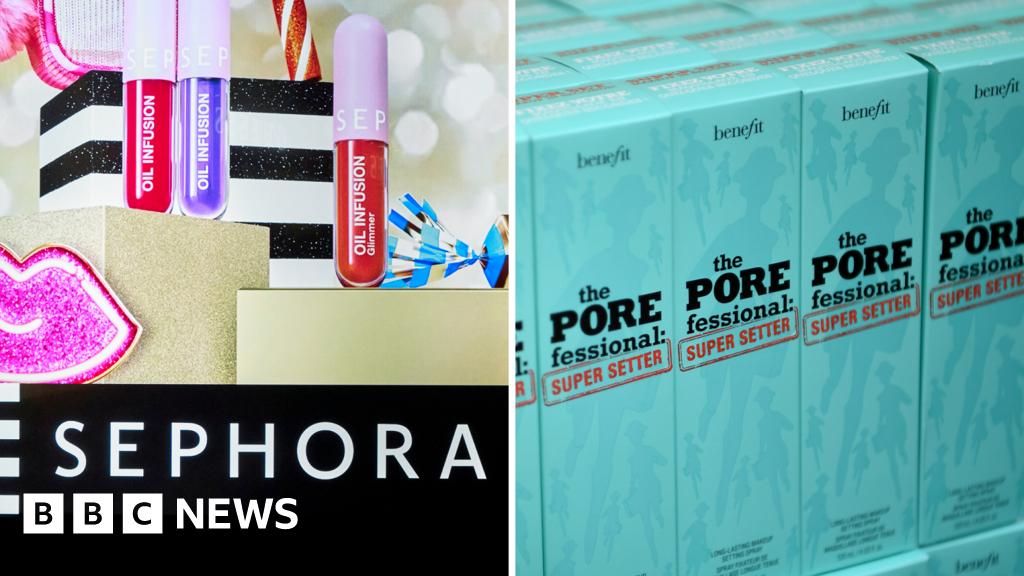

The recent statement by the Italian Competition Authority has sent ripples across the international economic landscape, highlighting the influential reach of LVMH, the luxury goods conglomerate based in France. According to the Authority, LVMH appears to have employed “particularly insidious” marketing strategies that potentially distort fair competition within the global luxury sector. This investigation underscores broader concerns about the power wielded by multinational corporations and their ability to influence economic policies and consumer behavior in interconnected markets.
The allegations against LVMH arrive amidst mounting scrutiny of how large corporations manipulate consumer perceptions, often blurring the lines between genuine branding and monopolistic tactics. While the company remains a leader in high-end fashion, jewelry, and spirits, critics argue that certain marketing practices—such as exclusive collaborations, orchestrated scarcity, and targeted advertising—may serve to artificially inflate demand and suppress smaller competitors. Esteemed international economists and watchdogs warn that such strategies, if unchecked, risk fostering monopolistic environments that threaten consumer choice and market diversity. Historically, similar accusations have precipitated regulatory crackdowns that reshape industry dynamics—potentially foreshadowing a reckoning for conglomerates like LVMH.
The geopolitical implications of these developments extend beyond mere market competition. In an era where economic might often translates into geopolitical influence, corporations such as LVMH serve as soft power vehicles for France and the broader European Union. Such companies contribute significantly to national prestige and economic stability; thus, regulatory actions—like those pursued by Italy—highlight a broader global trend towards scrutinizing corporate dominance.
- They reflect an international effort to promote fair competition, which is often intertwined with national interest and sovereignty.
- These moves can influence international trade negotiations, especially as countries seek to curb perceived economic overreach by multinational giants.
Global institutions, such as the World Trade Organization (WTO), are watching these cases carefully, aware that the outcomes may set precedents for how multinational corporations operate across borders. As European regulators tighten their grip on corporate practices, and other nations grapple with similar questions, the landscape of global commerce stands at a critical juncture. Analysts warn that if LVMH’s strategies are deemed anti-competitive, it could catalyze a wave of reforms that reshape the luxury industry, forcing even the most influential brands to recalibrate their approaches. In the shadows of these developments, nations must decide whether to defend their markets or risk surrendering sovereignty to corporate giants.”
In this unfolding saga, history seems poised to reveal yet another chapter where the boundaries of free enterprise and national sovereignty collide. The decisions taken today—whether to regulate or to acquiesce—will profoundly influence the fabric of global economic and social life. As the world watches, the question remains: will this be a moment of restraint, or will it mark the dawn of a new era of corporate dominance—an era where nations and societies grapple with the enduring repercussions of decisions made in the cloistered corridors of power? The weight of history persists, lingering in the balance, as the story of corporate influence continues to unfold on the world stage.






