
Global Impact of Entertainment and the Lessons it Still Holds
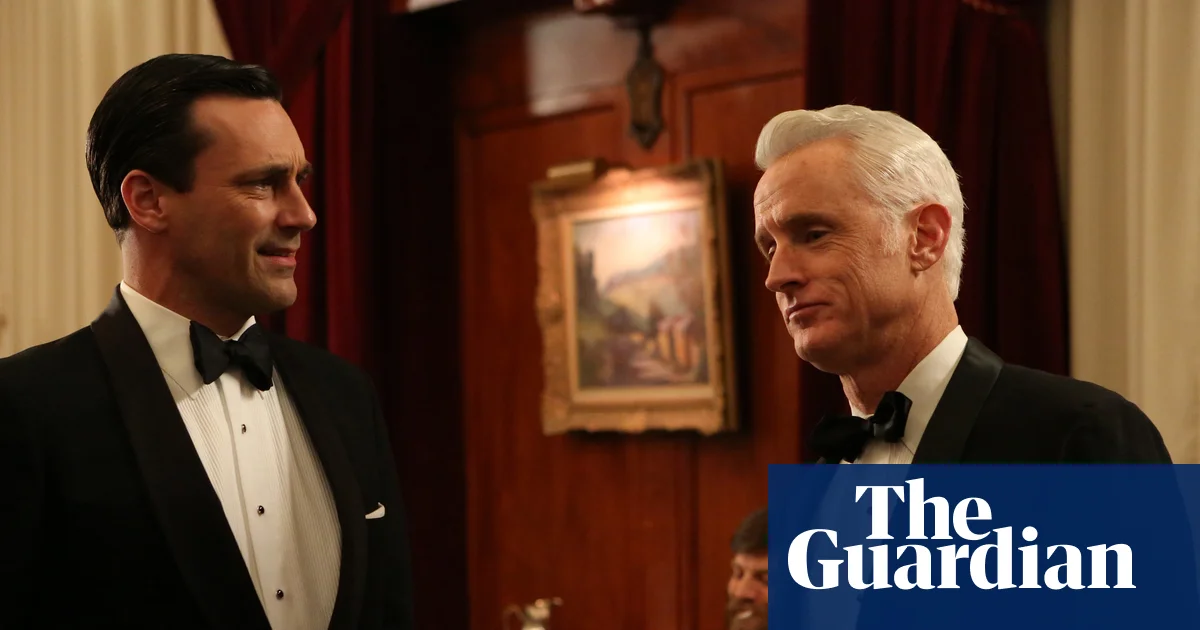
In an era where media industries are increasingly intertwined with geopolitical interests, the recent mishaps in the HBO Max re-release of Mad Men serve as a stark reminder of the global influence of cultural products. The decision to restore this groundbreaking series in 4K has rekindled popular interest and demonstrated how entertainment can shape societal perceptions, even amidst technical pitfalls. Yet, behind these glossy remasters lies a larger narrative—one of technological dominance, international competition, and the relentless quest for cultural supremacy.
Historically, the television industry has played a pivotal role in shaping national identities and soft power, especially as countries seek to project influence internationally. The controversy surrounding the HBO Max restoration—episodes being out of order, visible crew members, and social media viral moments—highlight an underlying tension: the importance of maintaining cultural artifacts with precision and care. This isn’t simply about entertainment; it is a reflection of who controls the narratives and how societies see their past. Critics such as international media analysts argue that these seemingly trivial errors symbolize a broader crisis: the encroachment of global corporations into culturally sensitive domains, often at the expense of authenticity.
Moreover, the mishandling of Mad Men’s re-release mirrors earlier incidents, like the infamous Starbucks coffee cup incident in Game of Thrones’s final season. Despite the humorous viral response, it underscored how international media conglomerates often prioritize quick fixes over meticulous quality control, thereby impacting their credibility on the global stage. This pattern is not merely a matter of poor editing but an illustration of the pressures faced by multinational entities under the specter of hyper-competition. How these errors are perceived internationally can influence perceptions of a nation’s technological capability and geopolitical standing. According to global media watchdogs, such lapses—while seemingly superficial—can serve as symbols of declining standards and international vulnerability.
Yet, the story extends beyond media missteps to a broader geopolitical narrative. Historians and analysts observe that cultural dominance is a strategic component of soft power, especially in the context of U.S.-China and Russia rivalry. As China invests heavily in exporting its media and cultural products globally, Western firms face mounting pressures—and scrutiny—in safeguarding their cultural heritage. The errors in restoring classic shows, though minor, may be exploited by adversaries to question the robustness of Western technological and cultural leadership. It underscores that every digital misstep is more than an operational flaw; it is a part of the ongoing struggle to define the global narrative.
In the final analysis, the unfolding saga of HBO Max’s restoration errors embodies the high-stakes nature of cultural preservation in a fractured world. Every glitch, every mislabeled episode, echoes the tension between technological innovation and international influence. As history continues to unfold, it is vital to recognize that these seemingly small moments—like crew members manning fake vomit machines—are, in fact, emblematic of much larger conflicts. The weight of history remains heavy on this digital stage, as nations and societies grapple with their place in an ever-changing geopolitical landscape, where control over cultural artifacts may ultimately determine the future of soft power in the 21st century.