Matox News

Truth Over Trends, always!

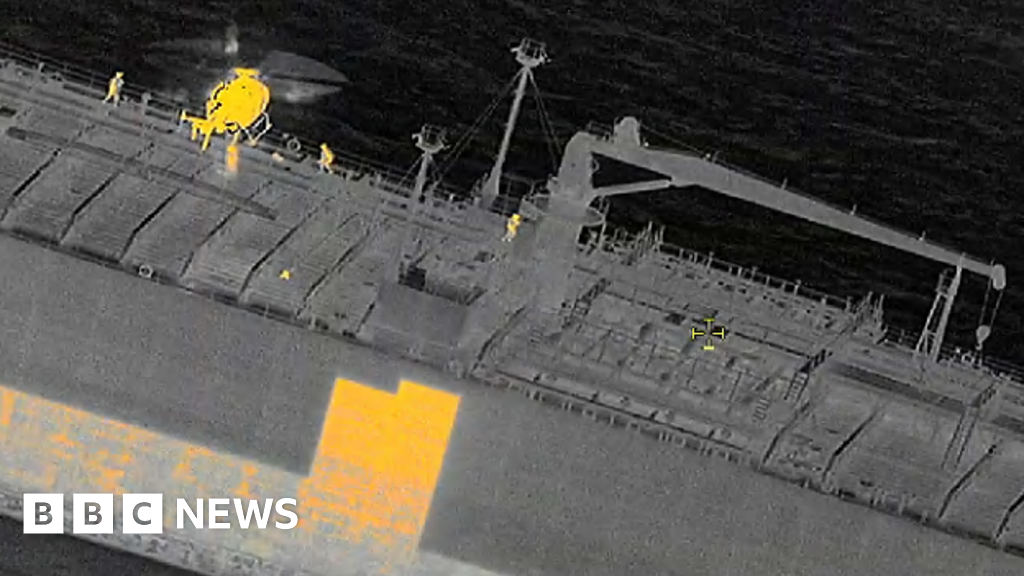
U.S. Seizes Iranian-Flagged Ship Amid Rising Tensions, Trump Calls for Strong Action

In a development that has captured global attention, Tehran has thus far remained silent regarding a recent incident whose details remain shrouded in mystery and geopolitical significance. This silence comes at a critical juncture as the United States prepares for a second round of diplomatic talks, aimed at de-escalating tensions and reviving diplomatic accords. As the world watches with cautious optimism and growing concern, analysts warn that this silence from Iran could presage tough negotiations ahead, with uncertain outcomes for regional stability and international diplomacy.

The incident, which occurred within a complex web of regional and global interests, highlights the fragile state of diplomatic relations between Washington and Tehran. High-level officials in the US have signaled a willingness to engage, yet recent developments reveal lingering mistrust and the risk of escalation. The United States is increasingly aware that its ability to secure a strategic realignment depends heavily on Iran’s next steps, particularly in light of ongoing concerns over Iran’s nuclear program and regional influence. Some analysts, including senior diplomats and geopolitical observers, have cautioned that this silence, combined with Iran’s recent actions, could signal either a calculated defiance or a prelude to genuine negotiations.

Historically, such moments serve as flashpoints that could redefine regional order. The United States, along with its allies, continues to view Iran’s nuclear ambitions as a paramount threat, fueling an array of economic sanctions and diplomatic isolations. Conversely, Iran perceives these measures as unjust pressure, advocating for national sovereignty and a strategic return to the international fold through negotiations. International organizations like the United Nations have called for restraint, but many experts emphasize that the real decision-makers are now navigating a labyrinth of trust, power, and strategic interests. The outcome of the upcoming talks could either propel peace or ignite further confrontation.

Assessments from international scholars, including historians specializing in Middle Eastern geopolitics, suggest that each step in this ongoing crisis is etched into the larger narrative of global power shifts. As US and Iranian officials prepare to meet again, the weight of history hangs heavily over the proceedings. The decisions made today may echo for generations, shaping a future where diplomacy either prevails or succumbs to the tides of war. With geopolitical stakes reaching new heights, the next chapter remains unwritten, yet undeniably decisive in the unfolding saga of 21st-century geopolitics.

As the international community braces for what could be a pivotal breakthrough—or a catastrophic breakdown—the path forward remains perilous and uncertain. The world holds its breath, aware that the future of peace in the Middle East and beyond hinges on these delicate negotiations. The pages of history continue to turn, each moment pregnant with the possibility of profound change or unthinkable conflict, as the weight of destiny presses heavily upon the shoulders of today’s leaders.

Sweden captures captain of suspected Russian covert fleet ship

In a concerning development that could ripple across maritime security and international law, it has emerged that the skipper of the vessel Sea Owl One is suspected of producing forged documents during a recent boarding by coast guard authorities. This incident, seemingly isolated at first glance, underscores the broader vulnerabilities in maritime border control and the ongoing geopolitical contest for influence over vital sea lanes. As nations enhance their maritime patrols and security protocols, the discovery of forged documents raises serious questions about the prevalence of illicit activities in contested waters and the potential for diplomatic tensions to escalate.

Experts caution that such acts of document forgery are often tied to larger networks engaged in illegal trade, smuggling, or even terrorist activities. The International Maritime Organization (IMO) and other global watchdogs have long warned about the increasing sophistication of these schemes, which threaten the stability of international shipping routes. The incident involving Sea Owl One specifically highlights a pressing challenge: how to effectively enforce maritime law amid the complex web of international jurisdiction. As analysts from various think tanks point out, the forgery not only complicates the enforcement process but also undermines trust in maritime documentation—an essential component of global commerce.

From a geopolitical perspective, the event resonates far beyond the immediate region. Countries bordering strategic chokepoints such as the Strait of Malacca, the Strait of Gibraltar, or the Bab el-Mandeb are increasingly vigilant as maritime security operates at the intersection of national interests and international cooperation. The incident serves as a stark warning to maritime nations about the potential for covert activities to threaten broader security architectures. Historically, maritime disputes have often escalated when trust erodes, prompting international institutions like the United Nations to call for tighter regulations and intelligence sharing to prevent such occurrences from spiraling into conflict.

While the authorities have yet to release a comprehensive statement, the incident underscores the fragile nature of maritime sovereignty in an era marked by epochal shifts—such as the rise of China’s maritime ambitions and the strategic recalibration of Russia in global waterways. How nations choose to respond—whether through hardened security measures or diplomatic negotiations—will likely influence the course of regional stability for years to come. As history keeps its relentless march forward, this seemingly small breach could foreshadow larger power struggles that threaten to reshape the maritime geopolitical map and redefine the balance of influence for a new generation.

Young Woman's Tragic Fate After Cruise Ship Leaves Her Stranded on Australian Island
Young Woman’s Tragic Fate After Cruise Ship Leaves Her Stranded on Australian Island

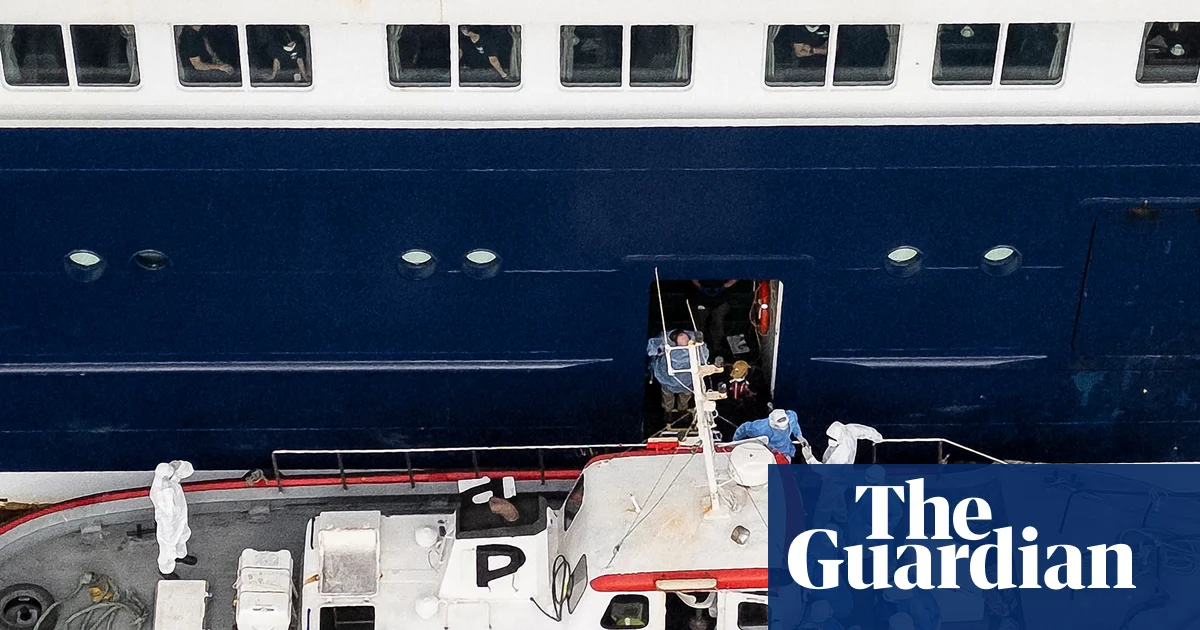
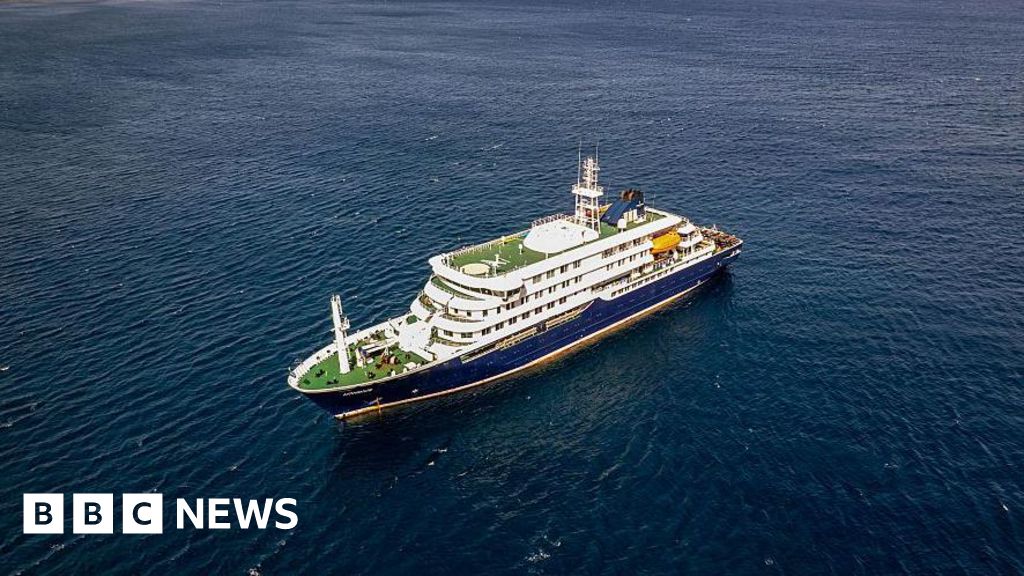
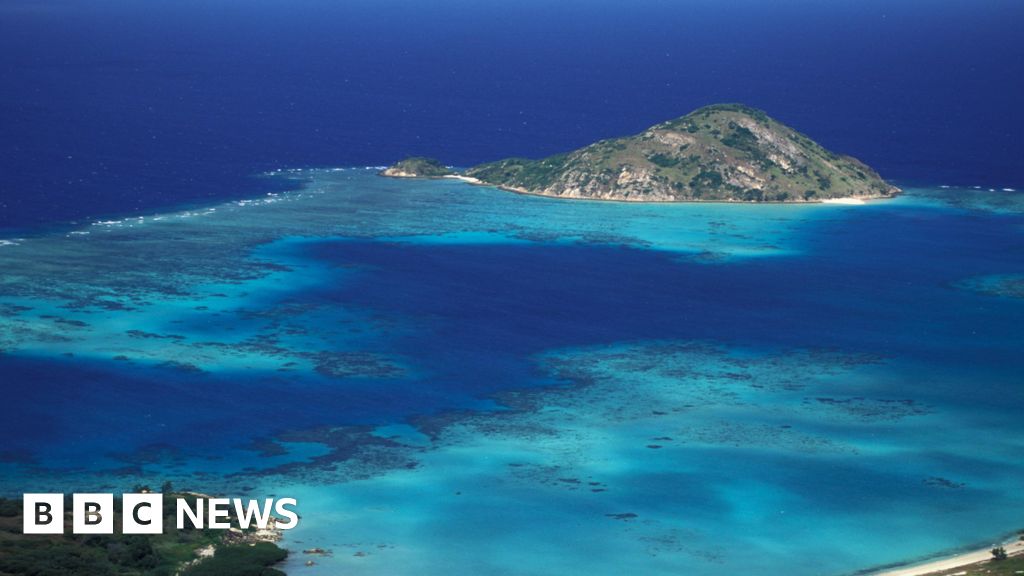
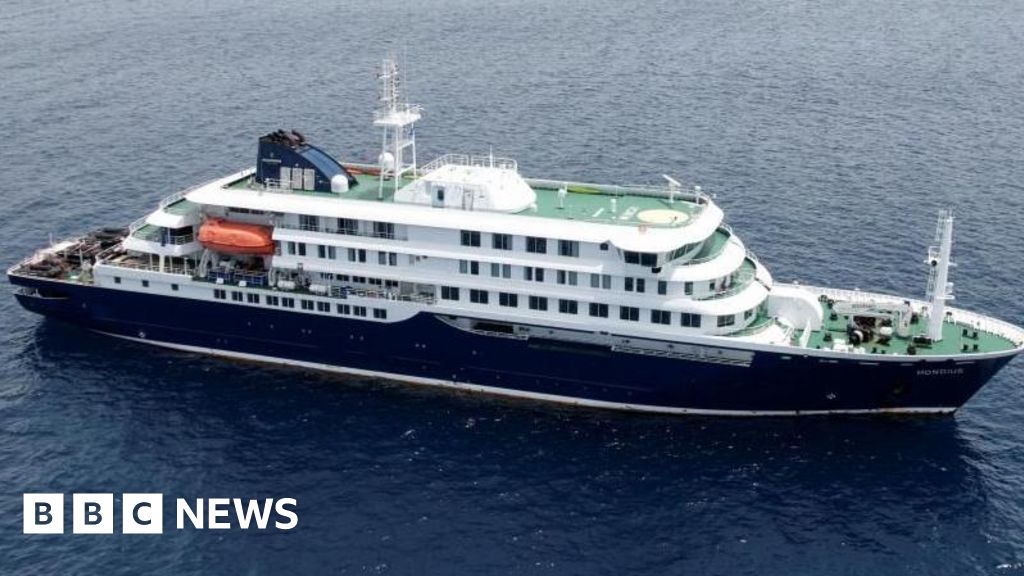
The recent discovery of an 80-year-old woman’s body on Lizard Island, part of Australia’s Great Barrier Reef, underscores a broader issue gripping international attention: the safety of high-class tourism in remote and fragile environments. The woman, who was participating in a 60-day cruise around Australia—a journey costing tens of thousands of dollars—became separated from her group during a hike on the island’s highest peak, Cook’s Look. Despite her fellow travelers and the crew’s efforts, she was tragically found dead after an extensive search operation involving helicopters, boats, and volunteer groups. The incident has provoked a stern response from authorities and illuminated the dangers faced by those indulging in luxury exploration in remote locations.

While the details remain under investigation by the Australian Maritime Safety Authority (Amsa), experts and analysts warn that this tragedy is a *symptom* of larger issues: the increasing risks associated with adventure tourism in sensitive ecological zones. According to the cruise company’s chief, Mark Fifield, support has been extended to her family, yet many voices are raising concerns over the safety protocols employed in these remote expeditions. The incident has sparked pertinent debates among international safety organizations, with some critics questioning whether enough measures are in place to protect elderly travelers venturing into unpredictable environments. History reminds us that such accidents, when not prevented, serve as stark warnings of humanity’s overreach into nature’s most delicate corners.

The geopolitical impact of this event extends beyond Australian shores. The case has brought international scrutiny to Australia’s burgeoning tourism industry, especially its focus on luxury and eco-tourism. Analysts argue that nations with expansive coastlines and unique ecological sites are increasingly becoming battlegrounds for attracting wealthy travelers, which can compromise safety standards if not properly regulated. Australia’s commitment to safeguarding its natural heritage and tourists has faced questions as it balances economic interests with risk mitigation, especially as the incident coincides with ongoing climate debates impacting reef preservation efforts. The incident also raises alarms about how governments coordinate disaster response and maritime safety, with some experts warning that these procedures must be globally standardized to prevent such tragedies from becoming commonplace.

Beyond immediate concerns, international organizations such as UNESCO and the UN continue to evaluate Australia’s environmental policies and safety protocols, framing this incident as a critical juncture. As the world’s gaze intensifies, the response from Australian authorities and global observers will be pivotal in setting future standards. The public reaction, from both local residents and international travelers, reflects a broader shift — a demand for responsible tourism that not only commands respect for local ecosystems but also ensures the safety of those who seek adventure and luxury amid nature’s marvels. This incident, though devastating, is not merely an isolated tragedy; it is a grim chapter in a larger story of humanity’s complex relationship with nature and the ongoing, relentless pursuit of exploration. As history continues to unfold, the weight of this moment serves as a potent reminder: the paradise of today can, in an instant, become the site of another tragedy, etching itself into the collective memory of a world still striving to balance progress with prudence.

Social Media Auto Publish Powered By : XYZScripts.com