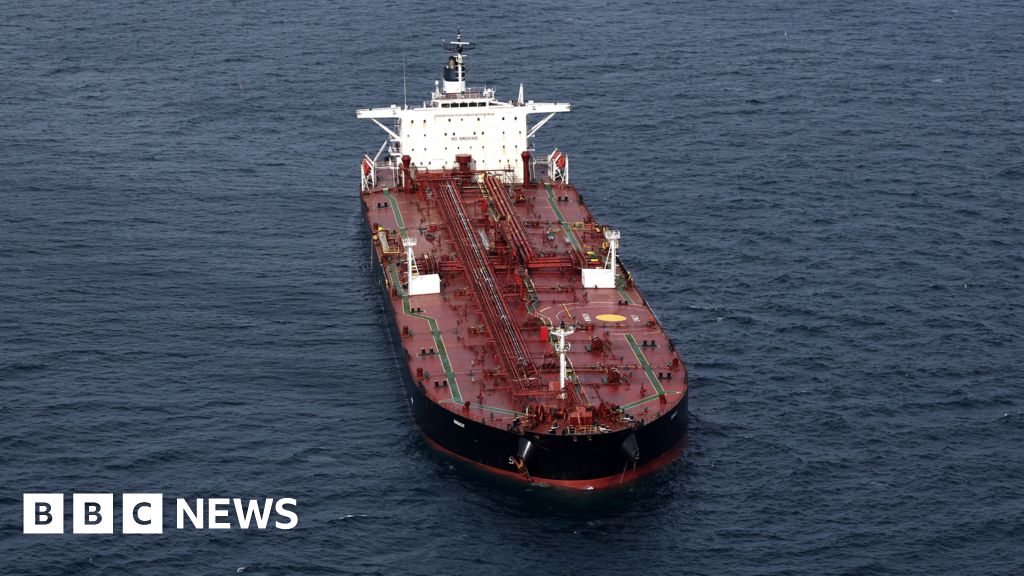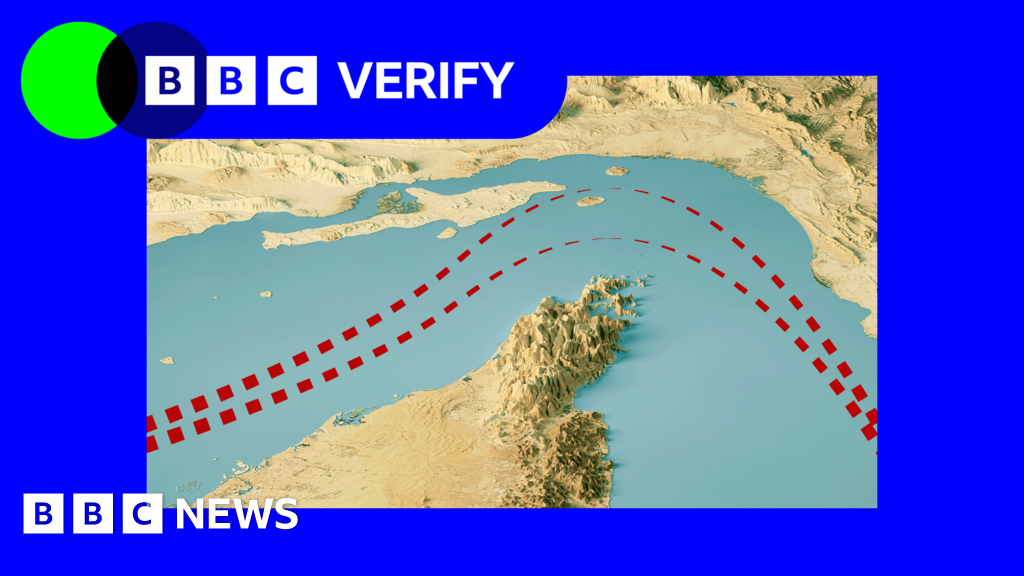

The recent upheaval in the Strait of Hormuz has triggered a seismic shift in international markets, illustrating the fragile interdependence of the global economy. Over the past five weeks, disruptions—caused by tensions between Iran and regional allies—have sent shockwaves across financial systems worldwide. The narrow waterway, only about 33 kilometers (21 miles) across at its tightest point, has become a critical choke point for nearly one-fifth of all global oil trade, making its stability a matter of international concern. As energy prices spike and supply chains strain under the pressure, analysts warn that this crisis underscores how geopolitics directly influences daily life, from fuel costs to consumer goods.
The situation has intensified fears of broader conflict, with Western nations and Middle Eastern powers seemingly entangled in a dangerous game of brinkmanship. Many experts, including respected geopolitical analysts and historians, point out that the escalating tensions are not isolated but part of a larger struggle for regional dominance, driven by fears over Iran’s nuclear ambitions and the strategic importance of maritime control. The International Maritime Organization, while calling for de-escalation, recognizes that the narrow strait acts as a vital artery for global energy flows, rendering any blockage a potential economic catastrophe. While some nations attempt diplomatic efforts, the risk of miscalculation remains high, with the threat of conflict casting a shadow over international stability.
Beyond immediate economic impacts, international institutions and alliances are recalibrating their strategic calculations. The United Nations has expressed concern, urging restraint, but many analysts suggest that the crisis reveals lessons long buried in history—how small flashpoints can ignite larger conflicts with far-reaching consequences. Countries such as Saudi Arabia and Israel are closely monitoring developments, aware that regional instability could undermine their security and economic interests. The crisis also reveals the undercurrents of a new world order emerging, where the control of vital shipping lanes becomes as crucial as conventional military strength, pushing nations into a zero-sum game of influence and power.
As the world holds its breath, the unfolding events on this narrow waterway serve as a stark reminder: in an interconnected global system, even the smallest geographic chokepoint can shape history. With each tense diplomatic exchange and military maneuver, the fabric of peace frays further, weaving in new threads of uncertainty. The decisions made today—whether to escalate, negotiate, or retreat—will echo through generations to come. History whispers of conflicts sparked over strategic waterways, and as the world watches this delicate balance teeter on the brink, it becomes clear that the true weight of these moments will be measured by how nations manage the perilous path ahead—because in the chess game of geopolitics, the stakes could not be higher.