Matox News

Truth Over Trends, always!

Why Flannel Shirts Are the Cool, Casual Choice for Young America’s Style Revival

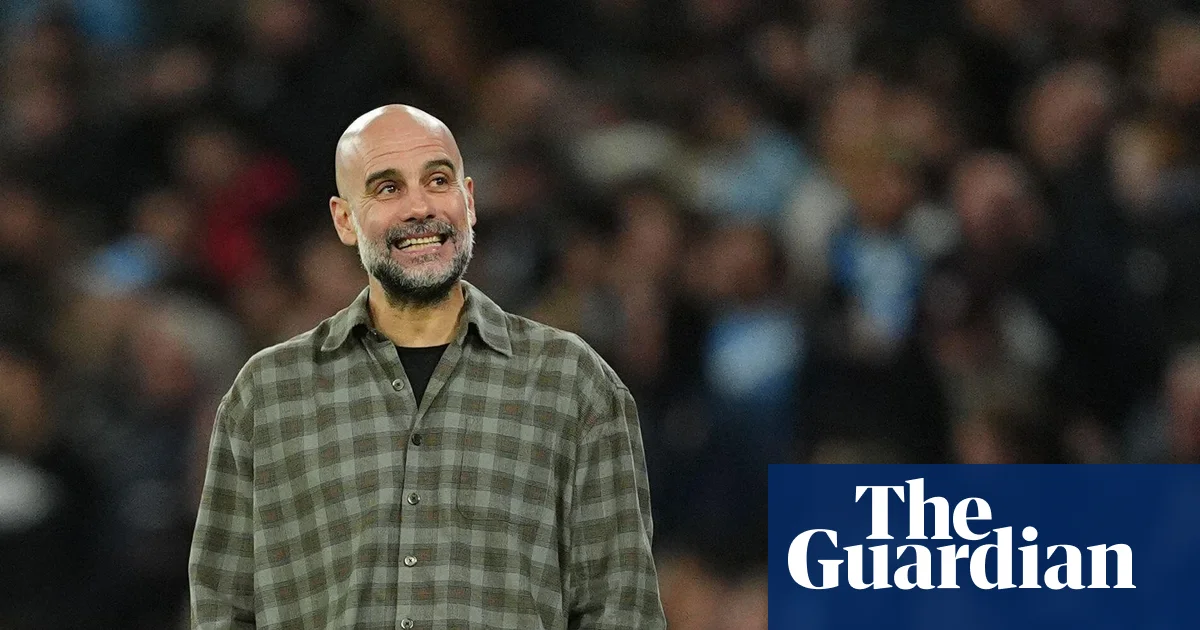
The humble checked flannel shirt, long associated with rugged outdoor labor and grunge revival, is experiencing an undeniable resurgence on the fashion scene in 2026. Once exclusively found in gardening or winter layering, this timeless piece is now being repositioned as a key item for style-conscious youth eager to blend comfort with cultural authenticity. Fashion editors, models, and even football managers like Pep Guardiola have been spotted sporting high-end versions from brands such as Chanel, Marni, and Chloé. The appearance of Jacob Elordi’s character in Euphoria wearing a leather flannel from Bottega Veneta underscores the fashion world’s shift—turning a 90s staple into a symbol of edginess and rebellion, filled with social meaning.

This revival is rooted in more than mere aesthetics. The popularity of vintage sites like Depop reveals a 47% surge in searches for traditional lumberjack shirts, emphasizing an appetite for nostalgia and authenticity. These garments, often styled loose and worn open over slip dresses or paired with casual jeans, evoke a sense of effortless cool—a deliberate contrast to the preppy, buttoned-up styles that dominated previous decades. As fashion journalist Hitanshi Kamdar notes, this “dichotomy of laidback pieces paired with more polished separates” allows young individuals to look fashion-forward without the need for excessive effort, fitting perfectly into the active, fast-paced lifestyle modern youth pursue.

Historically, these shirts have had a complex cultural footprint—dating back to the American outdoors, influenced by Scottish tartans and Indian madras in the 19th century, and becoming iconic through 90s grunge. Andrew Groves, a menswear archivist, explains that today’s fashion collapses these many references into a single narrative, where the flannel shirt “symbolizes heritage, rebellion, and ordinariness all at once.” The loose fit, reminiscent of Kurt Cobain’s grunge look, contributes to its authentic appeal, blending ideas of masculinity, casual labor, and subculture rebellion into a versatile symbol that feels both honest and rebellious. This is more than mere trend; it’s a cultural dialogue about identity, labor, and authenticity in a society increasingly obsessed with imagery and appearance.

Interestingly, the social relevance of this trend extends beyond the runway and digital platforms into personal narratives. Kamdar shares her own story—a vintage Ralph Lauren checked shirt inherited from her father, worn to the point of threadbare—highlighting how these garments gain emotional significance and a sense of lived-in authenticity. As fashion shifts toward valuing *wearing-in* and *aging gracefully*, young consumers are increasingly looking to their own wardrobes rather than quick shelf-stacking. This raises a compelling question: as the checked shirt reclaims its status—from workwear to high fashion, from personal history to cultural icon—what does it reveal about the next phase of youth identity? Will this enduring symbol evolve into a broader social statement, or is it destined to become just another fleeting trend in a world saturated with fast fashion and digital influence? The answers—and the next big shift—lie just beyond the hem of that seemingly simple flannel.


Jess Cartner Morley Breaks Down the Rugby Shirt’s Rise as Athleisure’s Preppy Power Move

The Rise of Athleisure: From Fitness Fad to Power Dressing

Once confined to gym floors and casual weekends, athleisure has now evolved into a defining style statement that resonates with a new generation seeking authenticity, comfort, and societal signals. No longer just about gym wear or weekend leisure outfits, today’s athleisure trend embodies a cultural shift toward embracing tradition, authority, and even a touch of nostalgia. This shift reflects how fashion—especially streetwear—can serve as a mirror to societal change, where clothing choices express identity, social loyalty, and even political stance. Influencers like Nina Urgell Cloquell and sociologists such as James B. Twitchell suggest that the latest iteration of athleisure signals a desire for stability and structure amidst the chaos of modern life.

What makes this trend so compelling is its cultural impact. The iconic rugby shirt, once associated purely with organized sport, has transcended its athletic roots to become a symbol of preppy chic that reasserts traditional social hierarchies. Paired effortlessly with slouchy tracksuits or tailored trousers, the rugby shirt bridges the gap between the worlds of sport and high fashion, blurring the lines of class and authority. Its presence signals a broader societal move towards embracing familiar, inherited codes—clothing associated with institutions, respectability, and stability—that subtly reject the anti-establishment ethos that once dominated streetwear. This is no coincidence, according to fashion analysts who observe that luxury brands are now re-engaging with preppy styles, elevating them to symbolically endorse a return to order and hierarchy.

This shift isn’t purely about aesthetics; it’s a reflection of a broader societal dynamic. As fashion moves into a realm of increased comfort, formal elements like ties and structured blazers are making a comeback, signaling a subtle but significant cultural reassertion of authority and social order. The resurgence of the rugby shirt, along with loafers and pleated trousers, underscores how clothing formerly associated with discipline and tradition now carries a cool, ironic edge—offering a way for young people to express respect for structures without entirely surrendering their individual style. Influencers across platforms like Instagram and TikTok are showcasing these looks, turning what might seem like nostalgic throwbacks into mainstream lifestyle statements. This cultural shift suggests that at its core, fashion is increasingly being used as a tool for **social positioning**, as well as a reflection of a desire for stability in turbulent times.

As striking as this evolution is, it raises an intriguing question: what’s next for this reassertion of authority through fashion? Will we see traditional symbols of hierarchy—such as ties, blazers, and rugby shirts—become even more mainstream, or will a new antithesis emerge to challenge this order? The next chapter could reveal whether this shift is a temporary reaction or an enduring change that redefines how society perceives status and self-expression. The core challenge will be understanding whether this trend signifies a genuine cultural realignment or simply a fleeting fashion cycle—one that, like many others, might eventually be replaced by yet another push toward individualistic rebellion. The future of style, it seems, may be as much about questioning authority as celebrating it.

Social Media Auto Publish Powered By : XYZScripts.com


