Matox News

Truth Over Trends, always!

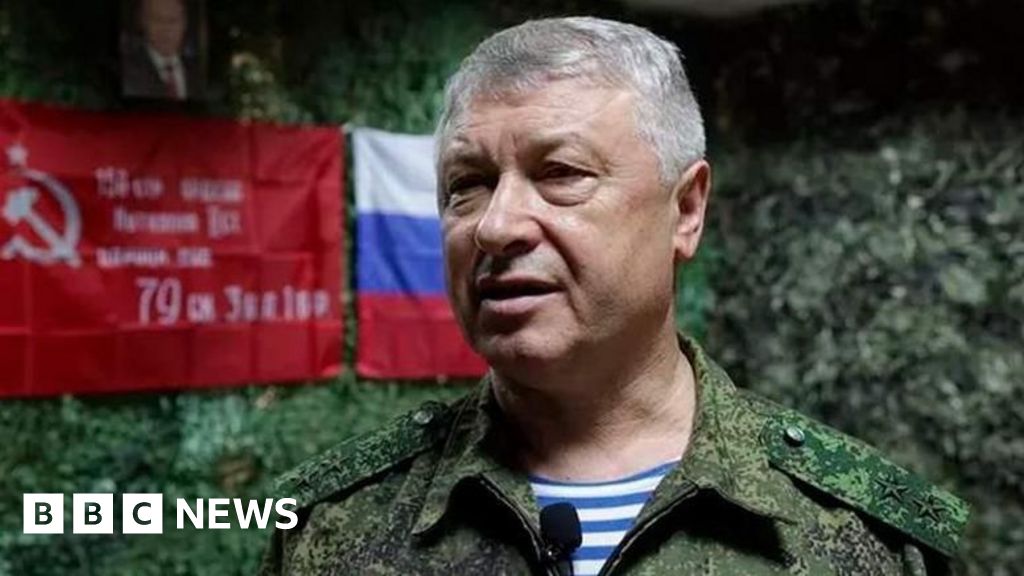
Identified: Three Suspects, Including Alleged Shooter, in Russian General Attack

The international community continues to grapple with the ramifications of a recent attack that has sent shockwaves through geopolitical circles. At the heart of the narrative is Lyubomir Korba, identified as the alleged gunman, whose whereabouts remain a focal point of concern for authorities worldwide. According to reports from Russia, Korba fled the scene of the incident and has reportedly crossed into the UAE, raising complex questions about border security, international law enforcement cooperation, and the shifting allegiances in a turbulent geopolitical landscape.

The incident itself—while details remain emerging—has profound implications for regional stability and the delicate balance of power. Experts and international agencies are closely scrutinizing whether this was an isolated act of violence or part of a broader pattern indicative of escalating internal or external pressures on nations involved. Russia, a key player on the global stage, has explicitly stated its concerns over the suspect’s escape, urging UAE authorities to apprehend Korba and facilitate an extradition process. The case underscores how conflicts or unrest in one nation inevitably ripple outward, impacting diplomatic relations, border policies, and security alliances.

Global Power Dynamics and Diplomatic Reactions

  • Russia has taken a firm stance, framing the incident within the context of regional security threats and emphasizing the importance of international cooperation to combat transnational crime. Analysts note that Russia’s emphasis on the suspect’s flight signals a broader push to extend influence and bolster alliances with key Gulf nations, such as the UAE, amidst a shifting geopolitical order.
  • The UAE faces mounting pressure to demonstrate its commitment to global security standards, a move that could either bolster or strain its diplomatic relations, particularly with Russia. The incident also spotlights the strategic importance of the Gulf region as a nexus point for international espionage, terrorism, and now, high-profile criminal escapes.
  • Meanwhile, international organizations—such as the United Nations and global security forums—are calling for a unified approach to prevent such incidents from undermining international law and stability. Experts warn that failures in border enforcement or intelligence sharing could have devastating consequences that extend far beyond the immediate region, risking wider chaos.

Historical and Analytical Perspectives on Geopolitical Consequences

Historian and geopolitical analysts caution that the fallout from this event may signal a turning point in how nations view security and sovereignty in an interconnected world. Historically, such incidents often serve as catalysts for deeper alliances or, conversely, point to vulnerabilities that adversaries can exploit. International institutions, tasked with maintaining peace and stability, must adapt quickly to these evolving threats. The case of Korba’s escape underscores the importance of international intelligence-sharing networks and the need for nations to reassess border protocols that have long relied on outdated frameworks.

The suspect’s flight into the UAE also sparks questions about the political and economic relations between Russia and Arab nations, as well as the influence of emerging global powers vying for dominance. The fallout from this incident could serve as a precedent for future cooperation—or conflict—that may redefine the international order. With each passing day, the weight of history presses down, and the world watches as the unfolding story continues to shape the trajectory of geopolitical stability or chaos.

In an era where conflicts are no longer confined within borders but extend across continents via digital, diplomatic, and clandestine channels, the significance of this event cannot be overstated. From the corridors of power in Washington and London to the diplomatic neighborhoods of Dubai and Moscow, the echoes of this case reverberate far beyond the immediate incident. The question remains: will this be a catalyst for renewed international cooperation or a harbinger of a fractured world landscape still waiting to be redefined?

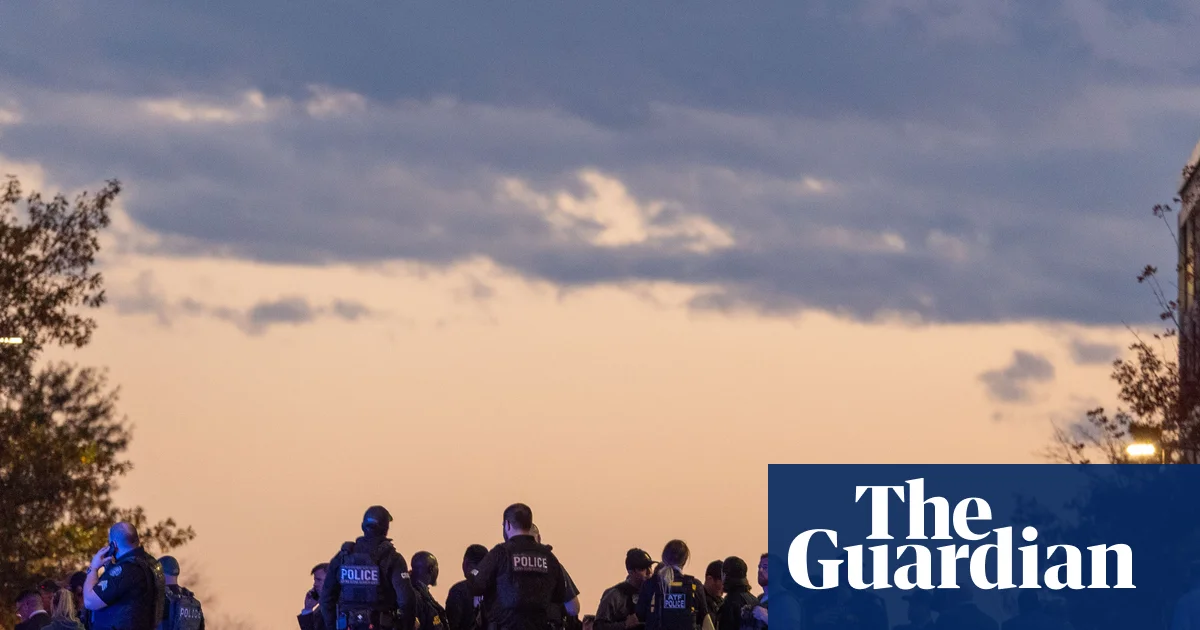
Bystander videos heroic action, stops shooter in fiery street confrontation

The tragic events at Bondi Beach, one of Australia’s most iconic coastal landmarks, have sent shockwaves through both national security circles and international observers. On a seemingly ordinary Sunday, a violent shooting resulted in the loss of twelve lives, with at least eleven others injured, including police officers tasked with maintaining order. Witness footage capturing a dramatic moment of heroism has now become a focal point of the incident, showing a bystander wrestling the alleged gunman to recover the weapon. This act of bravery underscores the unpredictable chaos that such violence ignites within a society unprepared for such brutality.

Australian authorities, led by Premier Chris Minns, confirmed that one of the suspected perpetrators was killed at the scene, while another was taken into custody. As the nation mourns, questions multiply regarding the motives behind the attack and the security measures currently in place. This event comes at a time when international intelligence agencies warn of rising threats from extremist incidents triggered by global instability, migration pressures, and social divides. Analysts suggest that such localized tragedies can ripple outward, fueling anti-immigrant sentiments and nationalistic rhetoric, which can have serious geopolitical implications.

The incident at Bondi Beach is more than a tragic anomaly; it fits into a disturbing pattern of increasing violence that many international experts trace back to wider geopolitical shifts. According to International Crisis Group reports, nations are increasingly vulnerable to inside threats, especially with the proliferation of firearms and the erosion of traditional community cohesion. The rise of radicalization, sometimes fueled by economic disparity and social unrest, is exacerbated by international conflicts and the widespread dissemination of extremist ideologies online. This raises urgent questions about how nations can effectively counteract these threats without infringing on civil liberties, a dilemma that complicates homeland security efforts in democracies like Australia.

  • The Bondi Beach attack underscores the importance of rapid law enforcement response capabilities and community resilience
  • It highlights the vulnerability of societies unprepared for lone-wolf attacks amidst rising global terrorism concerns
  • International organizations call for increased cooperation and intelligence sharing among nations to prevent future attacks

In this ongoing landscape of violent unpredictability, where incidents can drastically shift public perception and political discourse, many experts, including historians and security analysts, warn of the *dangers of complacency*. The unfolding tragedy in Australia serves as a stark reminder that the decisions made today—regarding security, migration, and international cooperation—will have lasting consequences. As governments brace for what might come next, the world watches, acutely aware that such moments are the contours of history being written in real time — fragile, volatile, and seemingly unpredictable. The question that lingers amid the ash and shattered glass of Bondi Beach is whether nations will learn to effectively navigate this perilous era before it is too late, or if they will become resigned to a future shaped by violence and chaos that once seemed unimaginable.

DC National Guard Shooter Linked to CIA, Agency Confirms

The recent shooting in Washington DC that injured two members of the National Guard has sent shockwaves through the political and security establishments of the United States. As authorities scramble for answers, it has emerged that the suspected assailant, Rahmanullah Lakanwal, has ties to the CIA-backed military operations in Afghanistan. According to official sources, Lakanwal, 29, arrived in the U.S. under the Operation Allies Welcome program—a controversial effort enacted by the Biden administration to expedite the resettlement of Afghans who had worked for the U.S. government in the war-torn nation. The revelation underscores a complex and contentious chapter in U.S. foreign policy: the repercussions of policies aimed at integrating former allies into American society, which in this case, appears to have possible unintended consequences for national security.

Analysts and international security experts warn that the connection between the suspect and US military operations in Afghanistan raises significant questions about vetting processes and the oversight of those who enter the country. John Ratcliffe, the CIA director, confirmed the suspect’s ties to the agency, elaborating that Lakanwal served in a CIA-backed unit in Kandahar. The turning point here is clear: despite efforts to use assimilation policies as a tool of soft power and diplomacy, there remains an undercurrent of risk stemming from the chaos that marked the withdrawal from Afghanistan. The fact that the FBI has labeled this as an act of terrorism highlights America’s ongoing struggle to confront the ideological and security threats emerging from its recent foreign engagements. Law enforcement is now investigating whether individuals linked to Lakanwal also pose a broader threat in the U.S., as American society increasingly grapples with questions about national loyalty, immigration, and security.

The incident has not only reignited fears about domestic terrorism but has also prompted a fierce political debate about immigration and border security. President Donald Trump, already vocal in condemning recent immigration policies, ordered an additional 500 troops to fortify the District of Columbia. In his statement, he called the attack an “act of terror” and launched a pointed critique of current immigration protocols, asserting that immigration remains “the single greatest national security threat”. This stance aligns with a broader conservative narrative emphasizing strict vetting and the need for stronger security measures. Meanwhile, city officials, including Mayor Muriel Bowser, have criticized the federal government’s handling of security, underscoring a political divide that persists in interpreting how best to safeguard Americans from threats both foreign and domestic.

International organizations and scholars have expressed concern over the broader geopolitical impact of this incident. The Washington shooting underscores the delicate balance that the U.S. must strike: integrating allies from conflicted regions without compromising national security. The pause in processing Afghan immigration applications by the U.S. Citizenship and Immigration Services reflects the gravity of the threat, but critics argue that it could hinder genuine efforts to resettle those fleeing violence. The investigation’s scope, which involves finding any overseas associates of Lakanwal, hints at a wide-reaching network that could threaten American interests at home and abroad. Historically, similar incidents have demonstrated how quickly the lines between foreign policy, immigration, and national security can blur—warnings of a future where the chaos of war follows the warriors it turns into.

As the nation confronts the aftermath of this violent act, the weight of history remains profound. The unfolding investigation will test the resilience of America’s security apparatus and the efficacy of policies designed to vet and integrate foreign nationals. With tensions rising and the specter of lone-wolf terrorism looming, the question remains: how many more scars of foreign or domestic conflict must be inflicted before definitive answers are found? Under a sky dark with uncertainty, the story of this attack—like countless others before it—becomes a fragment of a larger, ongoing narrative. A nation once again faces the challenge: will it succumb to fear, or will it rise, vigilant, toward a future shaped by the decisions made today in the shadowy corridors of power?

Hegseth pushes for death penalty for Fort Hood shooter

The ongoing saga of justice and authority within the United States military continues to unfold with high-profile certainty. Defense Department Secretary Pete Hegseth is actively pursuing the imposition of the death penalty for former Army Major Nidal Hasan, whose heinous act at Fort Hood nearly 16 years ago left 13 dead and dozens injured. This case’s significance extends well beyond its immediate tragedy, revealing in stark terms how power struggles in the corridors of authority influence both the public conscience and the intricate machinery of justice.

At the heart of this debate lies the question of how justice is delivered in a nation founded on the rule of law yet riddled with conflicting interpretations of morality and authority. Hegseth’s push for the death penalty is not just about retribution; it underscores the assertion of military discipline and national security over individual rights. He is seeking President Trump’s final approval for military execution. Historically, such decisions echo the constitutional debates sparked by early American theorists like Alexander Hamilton, who championed a strong federal authority to uphold order. Today, the very fabric of constitutional boundaries is tested by the intersection of martial justice and civilian rights, illustrating how power struggles shape the ideological landscape of justice in the post-9/11 era.

The case also exemplifies the strategic how decisions echo through communities and national consciousness. Critics argue that the pursuit of the death penalty for Hasan risks fueling polarizations, while proponents emphasize the necessity of demonstrating unequivocal national resolve. These tensions reflect the enduring debate over the role of the state—whether as an arbiter of mercy or an agent of relentless justice. The military tribunals, uniquely insulated from civilian oversight, serve as battlegrounds where the boundaries of authority are redefined. Such decisions ultimately reflect a broader political narrative about who holds the moral and judicial power to shape the future of American society.

As the drama finalizes in the corridors of power, it serves as a reminder: politics is where destiny gets written, often in ink of blood and conviction. The enforcement of capital punishment within the military context demonstrates that controversial, decisive actions are integral to the enduring tension between authority and liberty. This case, much like historical parallels such as the Nuremberg Trials or the moral quandaries faced during the Civil War, reminds us that the exercise of power in justice often defines national character. As citizens watch these proceedings unfold, it becomes clear: in the theater of politics, every decision, every ruling, writes a chapter in the larger narrative of where this nation is headed, and what it stands for.

Social Media Auto Publish Powered By : XYZScripts.com