Matox News

Truth Over Trends, always!

Why Is Alexa+ Falling Short?

Revolutionary AI Assistants Face Real-World Challenges in Industry-Disrupting Devices

In a striking development within the smart home sector, the integration of cutting-edge AI assistants like Amazon’s Echo Show 15 has come under scrutiny after a month-long hands-on trial. While initial expectations centered on seamless control, personalized automation, and a futuristic smart kitchen, reality has revealed substantial obstacles, raising questions about the scalability and practicality of current AI implementations for consumers. This real-world test underscores a broader trend of disruption in the IoT and AI landscapes, as industry leaders push the boundaries of what home automation technology can truly deliver.

The Echo Show 15, equipped with Alexa+ — an upgraded AI assistant— embodies the ambition of tech giants to create integrated, voice-activated ecosystems. The device offers features such as a large display for multimedia, visual calendars, and Alexa’s voice commands, promising to transform the traditional kitchen into a hub of smart productivity. However, feedback from practical use indicates that there are significant gaps in user experience, ranging from frequent misinterpretations of commands to technical malfunctions. Experts at Gartner and MIT warn that such shortcomings reveal fundamental challenges in consumer-facing AI: maintaining accuracy amid the complexities of natural language processing, and ensuring dependable, behind-the-scenes hardware support.

Market analysts point out that this highlights a critical inflection point for AI-powered consumer devices. While companies like Amazon and Google continue to invest heavily in AI, their focus on innovation often outpaces the realities of deployment in everyday settings. The result is a gap between technological promise and practical usability, which could influence future investment directions and consumer trust. Furthermore, the convergence of AI with IoT indicates a potential for business disruption, as startups and established corporations vie for dominance in an increasingly connected, intelligent home ecosystem. This technological scramble presents both opportunities for rapid market growth and risks of consumer alienation if core issues remain unresolved.

Investors and industry stakeholders are closely watching how tech giants adapt to these challenges. Key milestones such as Amazon’s recent hardware refreshes, ongoing AI enhancements, and strategic partnerships signal a competitive push to refine smart assistant offerings. Experts like Elon Musk and venture capitalists such as Peter Thiel emphasize the importance of increasing AI reliability and user-centric design to sustain innovation momentum. This period also marks a shift towards more sophisticated, disruption-ready solutions that could redefine how households interact with technology, potentially replacing traditional appliances and untangling the conventional home dashboard.

Looking forward, the industry is at a crossroads. The emerging narrative suggests that the initial wave of AI-enabled smart devices may need a paradigm shift—prioritizing functional robustness and seamless integration over glitzy features. Companies that can efficiently bridge the gap between innovation and practical usability will set the stage for a new era of ultra-connected, intelligent homes. As market leaders refine their strategies and new entrants challenge the status quo, one thing remains clear: the future of AI in consumer tech hinges on how quickly and effectively these systems can transition from ambitious prototypes to indispensable elements of daily life. The stakes have never been higher, and the race for dominance in this disruptive tech frontier is only intensifying.

Katherine Short, descendant of Hollywood legend Martin Short, passes away at 42–A loss for American television and culture

In recent weeks, the solemn news of Katherine Short’s passing has cast a poignant shadow over the world of culture and society. At just 42, Katherine—daughter of the illustrious actor and comedian Martin Short—embodied a life marked by quiet resilience and compassionate service. Her journey—rooted in the sanctity of tradition and the pursuit of genuine human connection—serves as a reminder that culture is more than fleeting entertainment; it is the sacred vessel of our collective identity. Her dedication to social work and mental health advocacy underscores the vital role that individuals rooted in cultural and moral values play in weaving the moral fabric of society.

While Katherine maintained a modest profile, her work exemplified a reverence for human dignity, echoing the wisdom of thinkers like G.K. Chesterton, who championed the importance of moral imagination and the reaffirmation of age-old virtues in a society increasingly consumed by superficiality. Katherine earned her degrees in psychology and social work, yet her true legacy resides in her efforts to foster empathy and understanding—values that seem ever more vital in a modern age beset by alienation. Her involvement with organizations like Bring Change 2 Mind reveals an unwavering belief that society flourishes only when rooted in genuine community and the acknowledgment of shared struggles—a truth that resonates with the classical thought that culture stems from a collective memory which guides societal morality.

Her story also brings into focus a broader cultural question: how do we confront our vulnerabilities before they become tragedies? The loss of Katherine to an apparent act of self-harm highlights the urgent need for society to nurture mental health not merely as a clinical concern but as a moral and cultural imperative. As T.S. Eliot suggested, culture is a kind of continuous purification—an ongoing effort to elevate our collective consciousness. We are reminded that beneath the glitter of Hollywood’s bright lights lies a fragile human reality—an echo of the perennial tension between individual suffering and societal understanding. The importance of recognizing and preserving this moral dimension in our collective life was well articulated by thinkers like Alexis de Tocqueville, who warned that democracy—while promising equality—demands the cultivation of civic virtue and shared values. Katherine’s life, though short, was a testament to such virtues: empathy, service, and hope.

As the cultural currents continue to shift, it is vital to remember that culture is both memory and prophecy; it is the mosaic of our past that guides us towards future generations. In honoring Katherine Short’s legacy, we acknowledge that true culture—deeply rooted in tradition and moral purpose—is the foundation upon which societies not only survive but flourish. Let us see her life not merely as an endpoint but as a call to preserve the moral imagination that breathes life into our collective story, and to remain ever vigilant in our commitment to uphold the timeless virtues that shape the human spirit—virtues that, like poetry, transcend mere words and become the very essence of what it means to be truly human.

Next-Gen Wins Big at Baftas 2026: One Battle After Another, I Swear’s Robert Aramayo Takes Best Actor—Hamnet and Sinners Fall Short

In a year marked by tumultuous geopolitical shifts and societal upheavals, the global landscape continues to evolve at a rapid pace, reflecting the profound influence of decisions made by world leaders and institutions. Recent events underscore a potent narrative: the interplay between cultural expression and political realities. Hollywood’s film awards season, for instance, offers more than entertainment; it acts as a mirror to our times. As the BAFTA awards celebrate a diverse array of films and performances, they also subtly signal an underlying conversation about the state of freedom, expression, and societal values. In an era where global tensions simmer and societal divisions deepen, these cultural moments serve as a warning of the influence that ideology, politics, and history wield over perceptions and narratives.

Historian and international analysts point to the ripple effects of geopolitical decisions that shape cultural exports and storytelling. The prominence of films addressing conflict, racial themes, and erasure—such as Ryan Coogler’s Sinners and Chloé Zhao’s Hamnet—carries a dual message. They are both artistic triumphs and indictments of ongoing societal struggles that originate from, or are exacerbated by, international policies and conflicts. The United States, as a dominant cultural power, continues to grapple with its own contradictions over freedom of speech and racial justice, while countries like Nigeria and Norway are making distinctive marks on the global cultural stage. These narratives, reinforced by insights from international organizations like the UN and cultural critics, emphasize that societal unity and progress hinge on confronting uncomfortable truths.

The geopolitical impact of these cultural shifts extends into diplomatic spheres as well. Recent victories and upsets at these awards—such as Robert Aramayo’s unexpected win and Coogler’s historic screenplay accolade—highlight a world increasingly attentive to stories of resilience and identity. In particular, Coogler’s recognition as the first Black recipient of the best original screenplay honors represents a step toward more inclusive narratives, yet it also reflects the ongoing debates about representation and influence. Analysts warn that such progress must be accompanied by systemic change, lest these cinematic victories become hollow symbols amid external geopolitical conflicts. The ongoing tensions in regions like the Middle East and Eastern Europe serve as stark reminders that cultural diplomacy remains crucial—what is celebrated on the screen often echoes larger struggles for sovereignty, human rights, and national self-determination.

As history inscribes each chapter of this unfolding story, the decisions of today’s leaders will sculpt the future of societies worldwide. Warnings from scholars like Samuel P. Huntington and contemporary geopolitical strategists remind us that cultural narratives have the power to either bridge divides or deepen them. The world stands at a crossroads, where echoes of past conflicts resonate with the new digital age’s challenge to truth and unity. With society’s collective gaze fixed on both the silver screen and the shifting global order, the realization looms: the stories we tell and the choices we make in this moment will define the course of history for generations to come. And in this relentless march of time, the weight of history presses ever stronger, reminding us that we are all custodians of an uncertain future, still being written in the shadows and light surrounding us.

Grandson’s Life Cut Short by Police Tear Gas—A Young Life Gone Too Soon

Madagascar’s Unrest: A Nation on the Brink

In the heart of the Indian Ocean, Madagascar grapples with a profound crisis that threatens to reshape its future. Over the past two weeks, youth-led protests—driven by frustrations stemming from chronic socio-economic failures—have erupted into widespread violence, loss of life, and economic upheaval. At the epicenter of these upheavals lie systemic problems: endemic corruption, unmanageable unemployment, severe water shortages, and an underdeveloped education system. As analysts from the United Nations and historians pontificate on the deeply rooted causes, the unfolding events underscore a simple yet alarming truth: the fragile fabric of Malagasy society is tearing, with the weight of history bearing heavily on a nation still seeking its path forward.

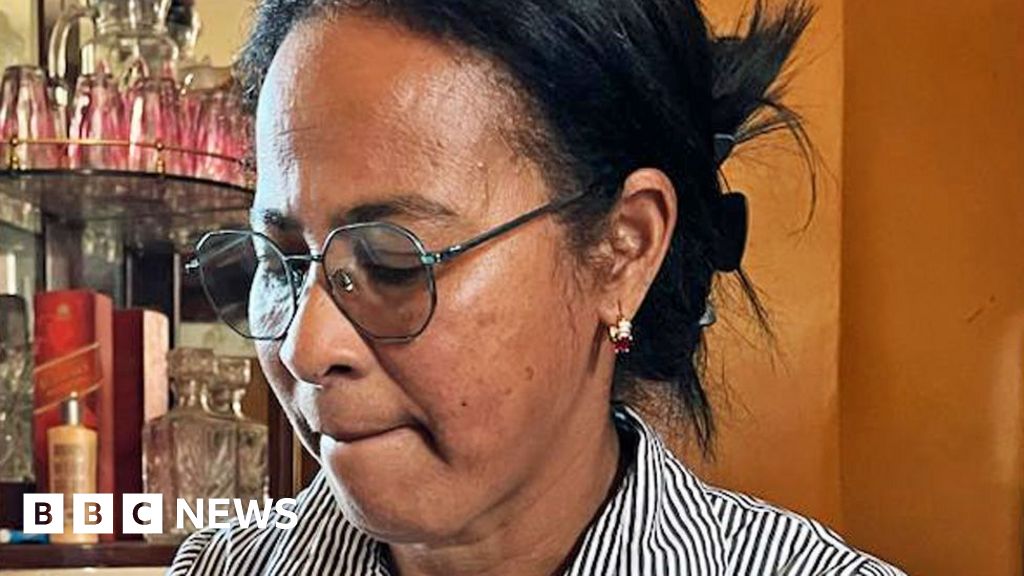
The protests ignited as young Malagasy citizens voiced their despair over basic necessities—their demand for access to water and electricity is emblematic of the broader failure of governance. The scenes of chaos include torching cars, vandalizing public infrastructure, and violent clashes with police, which have claimed the lives of at least 22 individuals, according to UN estimates. The government, under President Andry Rajoelina, dismisses these figures as misinformation but admits to property damages exceeding $47 million (£35 million). The president’s response has been to characterize the protesters as “rioters,” despite accounts from witnesses like Razanasoa Edmondine, whose one-month-old grandson was killed by police tear gas—a tragic illustration of how the state’s response has compounded the crisis rather than alleviated it.

The geopolitical impact of these protests extends far beyond domestic borders. Madagascar’s political instability hampers foreign investment and endangers the island’s vital tourism sector—once a major source of revenue for its economy. International observers, including Economists like Hery Ramiarison, highlight the decades of mismanagement and political upheaval since independence as root causes. Ramiarison notes that the vicious cycle of poverty and instability is aided by a weak educational foundation—three-quarters of the population have education levels below primary school, perpetuating unemployment and social exclusion. As this cycle persists, it feeds into a broader regional instability, attracting concern from global institutions who warn that unchecked unrest could spill into neighboring nations and disrupt regional peace and trade.

However, President Rajoelina remains defiant, promising to bring change within a year or tender his resignation if he fails. Yet, many analysts believe the underlying issues are far more complex. Historians like Jean-Marie Ravelonarivo argue that Madagascar’s recurrent political turmoil—particularly the 2009 uprising that ousted President Ravalomanana—has entrenched a culture of populist dissatisfaction that superficial reforms cannot cure. The cycle of failed leadership has left the government unable to address the core economic challenges, including water scarcity, underemployment, and inadequate infrastructure. The protests have also exposed the sharp divide between the political elite and a youth demographic desperate for opportunity—many of whom have never known a stable, prosperous Madagascar.

As the island nation teeters on the edge, its history continues to unfurl—a poignant reminder that decisions made today will be etched into the collective memory of the future. The young generation, symbolized by figures like Laza Brenda, from a roadside phone shop, see the promises of fleeting leadership only to be left with more hardship. The pain of families forced to wash clothes in paddy fields due to water shortages, the despair of entrepreneurs seeing canceled contracts, and the uncertainty gripping the tourism sector foreshadow a difficult road ahead. Yet, amid this turmoil, the resilience of Madagascar’s people beckons—a testament to a nation’s unyielding hope that, even in darkness, the dawn of a new chapter might yet emerge. But whether that dawn will bring clarity or further chaos depends on the decisions that unfold in the uncertainty of these decisive moments in history’s ongoing saga.

NHS Falls Short on Chronic Fatigue and Lyme Disease Care for Our Youth

Modern society is grappling with a complex web of social issues that extend far beyond individual ailments, affecting the very fabric of families, education, and community life. Recent stories, such as that of fourteen-year-old Milly, highlight how medical system failures and misunderstood health conditions create ripple effects through households, undermining trust and resilience. Milly’s ongoing battle with chronic fatigue syndrome, later diagnosed as Lyme disease, exemplifies the urgent need for a comprehensive and nuanced approach to health. Her father, Patrick Barkham, reflects a sense of guilt intertwined with disappointment in the NHS, which, despite advances, still falls short in effectively diagnosing and managing complex, often invisible, illnesses.

Researchers and social commentators warn that medical gaslighting and ineffective treatments disproportionately harm vulnerable communities and undermine societal trust. For conditions like ME/CFS and post-viral syndromes, official guidelines have shifted away from harmful approaches such as graded exercise therapy, after evidence revealed that such methods often exacerbate patient suffering. Instead, knowledge-based, mind-body interventions—that regard the interaction between thoughts, feelings, and biological responses—offer a more humane and effective path forward. Yet, the lack of awareness and proper implementation leaves many patients feeling misunderstood, isolated, and stigmatized. As historian and social critic Dr. Maria Pedersen notes, these systemic failings threaten the psychological well-being of families and the cohesion of our communities.

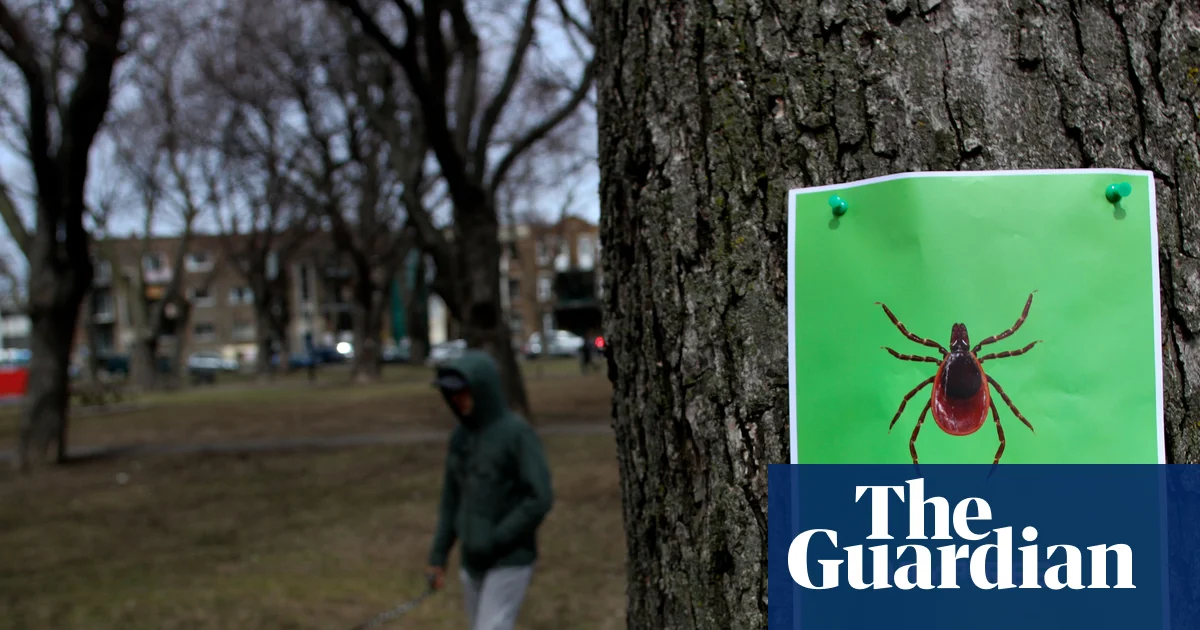
Beyond individual health crises, the intersection of societal neglect and environmental degradation plays a pivotal role in the emergence of tropical diseases and insect-borne illnesses. Diseases like Lyme, West Nile virus, and chikungunya have historically been ignored by mainstream medical research, despite their devastating impact. Allison DeVries, an environmental advocate, emphasizes that biodiversity and ecological health are intertwined with human health. As our landscapes change and biodiversity declines, the risk of zoonoses and vector-borne diseases increases, threatening families and communities living on the frontlines of these shifts. The challenge lies in balancing technological advancement with ecological preservation—an issue that sociologists and environmentalists alike argue must be at the core of future policies.

Addressing these intertwined social and health issues requires a societal overhaul—investments in education, healthcare equity, and environmental stewardship. Advocates propose a multi-faceted strategy: strengthening local healthcare systems, fostering community awareness about emerging health threats, and integrating environmental practices that sustain biodiversity. For families torn apart by illness and social uncertainty, these solutions could restore faith in societal institutions and promote resilience. Sociologist Mark Granovetter’s theory of social networks underscores a vital point: community cohesion and trust are essential buffers against social fragmentation. Building that sense of shared responsibility and hope may be society’s most profound challenge—and its greatest opportunity.

Ultimately, society must confront its deepest vulnerabilities with the resolve of those who refuse to accept a world defined by neglect and fragmentation. Milly’s story reminds us that beneath the statistics lie human lives—fragile, seeking understanding and compassion. The society we forge from these lessons has the potential to become a resilient tapestry, woven with empathy, knowledge, and environmental care. Perhaps, in acknowledging our collective shortcomings, we open pathways to healing—not just for individuals like Milly, but for the society as a whole, ensuring future generations inherit a world where health, trust, and community are restored—and where hope perseveres amidst the shadows of social change.

Social Media Auto Publish Powered By : XYZScripts.com