Matox News

Truth Over Trends, always!

Stella McCartney’s Paris Show Takes Fans on a Rapid Run Through Her Life and Style

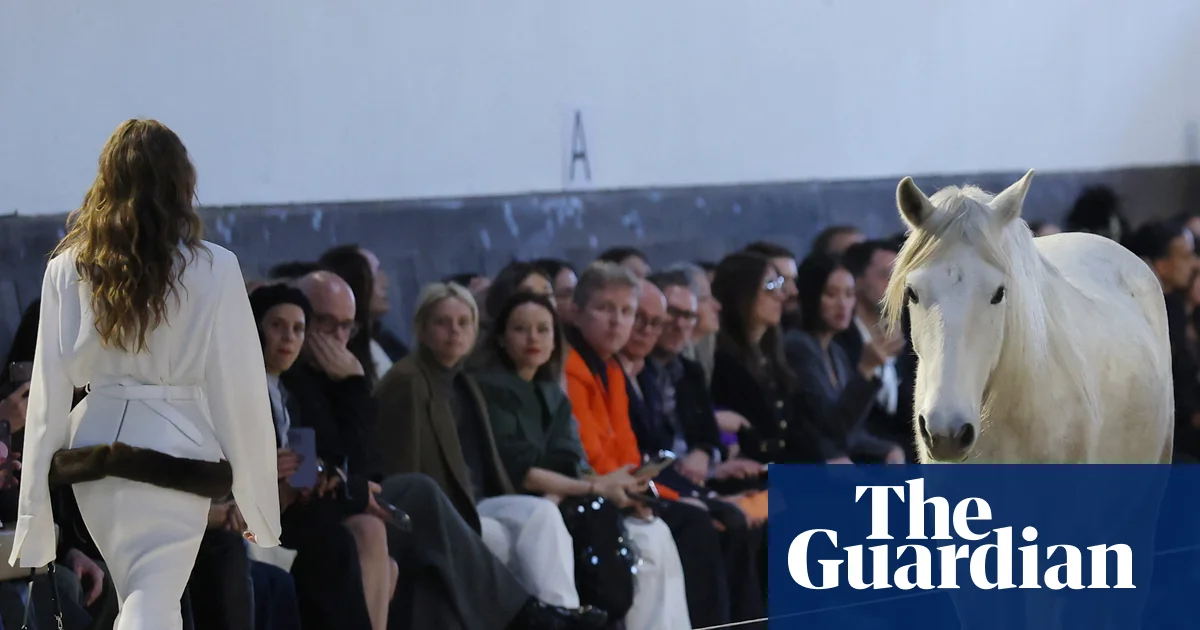
In an era defined by rapid shifts and social consciousness, the recent spotlight on fashion industry icons reveals much about where youth culture is headed. Stella McCartney‘s 25-year journey not only symbolizes resilience within a notoriously fickle industry but also exemplifies how the nexus of sustainability and celebrity influence continues to shape conversation among Gen Z and millennial audiences. Her Paris Fashion Week showcase was more than just a collection; it was a cultural event layered with symbolism—from a nod to her childhood on Mull of Kintyre to her commitment against animal cruelty—yet, beneath the surface, it signals a broader societal shift: that values-driven consumption is becoming a defining metric for youth identity.

What’s particularly remarkable about McCartney’s approach is her embrace of cutting-edge

innovations — like turning brewed protein into knitwear. This seemingly niche tech has sparked a movement that extends beyond fashion into social debates about environmental responsibility. Influencers, such as Emma Chamberlain or Lizzo, are amplifying these messages through social media, framing sustainability as not just a trend but a core cultural value. Meanwhile, fashion analysts underscore how such endeavors serve to redefine what authentic luxury looks like, moving away from traditional leather and fur towards ethical, tech-infused alternatives. This evolution repositions youth as active consumers who demand transparency and social justice, effectively transforming fashion into a mirror for societal evolution.

At the same time, industry legends like Pieter Mulier are quietly rewriting the script on leadership and artistic integrity. As he prepares to undertake the helm at Versace, critics are watching how his sculptural, anti-trend aesthetic resonates with a generation craving individuality over conformity. His signature perforated stilettos, now a high-street viral hit, exemplify how high fashion’s forward-thinking impacts mainstream shopping behaviors. This, combined with the recent transition of the fashion world at events like Paris Fashion Week, shows a shifting dynamic—where traditional brands are integrating tech-driven innovation and social consciousness into their core identity. Influential figures such as Oprah Winfrey sitting front-row reinforce the social relevance of these shifts, signaling that fashion remains a battleground for cultural influence and social capital.

Yet, amid the grandeur and symbolism, a fundamental question emerges: as the fashion industry shifts towards sustainability and social activism, who will ultimately dictate what’s considered authentic? Will consumers continue to prioritize these values over mere aesthetics, or might they someday fall prey to new trends that superficially tout social causes without real substance? As youth-oriented trends adapt to an ever-changing social landscape, the next big question is whether this cultural momentum will sustain or if it will be just another chapter in the ongoing story of market-driven activism. In a world where a designer’s statement vest can encapsulate decades of personal history, this cultural evolution prompts us to ask: what is the true future of authenticity in fashion—and society—at large?

Chelsea Flower Show Looks for New Sponsors After Mysterious Donors Pull Out

The Chelsea Flower Show, an emblem of global horticultural excellence and a showcase for innovation, is facing a pivotal moment. For decades, the event has depended heavily on corporate sponsors and philanthropic patrons to fund its grandeur, cultural impact, and charitable initiatives. Recently, however, a significant shift has occurred as the mysterious philanthropic couple who invested over £23 million into show gardens since 2022 have withdrawn their support. This development raises questions on the future of Britain’s most storied gardening event and its international influence.

Historically, corporate sponsorship played a dominant role, with brands such as M&G and Range Rover providing the financial backbone for the show’s most renowned displays. Yet, since the 2008 financial crisis and the recent global pandemic, the number of commercial patrons has declined sharply, signaling a broader decline in private sector engagement with high-profile cultural events. In response, the Royal Horticultural Society (RHS) shifted focus to champion charitable causes through the support of garden projects, notably via the initiative, Project Giving Back. Supported by anonymous donors, this movement funded 63 gardens that highlighted social issues and environmental themes, such as native plants and eco-friendly horticulture. Significantly, the innovative “rewilding” garden in 2022—designed to look deliberately unkempt—won the coveted best-in-show award, symbolizing a paradigm shift toward sustainability and natural beauty in gardening.

The current withdrawal of philanthropic support represents a *turning point* for the RHS. With 2027 on the horizon, the organization is seeking new charitable sponsors, aware that the event’s economic model must adapt to an increasingly uncertain funding landscape. Critics and analysts point out that the future of the Chelsea Flower Show hinges on balancing commercial interests with societal and environmental responsibility. Historians like Dr. Jane Matthews note that the event’s history as a platform for both culture and charity underscores its geopolitical significance: it serves as a high-profile international stage for Britain to project soft power, promote environmental awareness, and foster global goodwill. As the show increasingly emphasizes eco-conscious themes, its role in shaping international dialogue on climate resilience and sustainable development becomes even more pronounced.

The last garden sponsored by Project Giving Back will be a dramatic statement, designed by James Basson and featuring striking imagery of cliffs and natural ochre pigments reminiscent of Southern France. This design not only symbolizes a possible glimpse into the future of gardening in a changing climate but also serves as a reminder of the show’s broader role. As international organizations and think tanks analyze the intersection of environmental policy and cultural diplomacy, the Chelsea Flower Show emerges as a vital cultural arena. Yet, the loss of philanthropic support underscores an unsettling reality: without sustained external investment, this global icon risks becoming a relic of bygone eras, its influence diminished in a world where economic and political shifts are reshaping international soft power.

As history continues to unfold, the Chelsea Flower Show stands at the cusp of transformation. Its destiny now intertwined with the ever-shifting currents of global economics, environmental concern, and societal values. The coming years will reveal whether this celebration of horticultural innovation can endure as a beacon of cultural diplomacy or whether it will fade into obscurity amid the relentless tides of change. In the shadow of declining charity and changing priorities, the question remains: what legacy will this iconic event leave for future generations? As the world watches, the story of the Chelsea Flower Show is yet to be fully written—a chapter in a larger narrative of history, resilience, and the enduring power of gardens to inspire and unite.”

Inside Bad Bunny’s Game-Changing Super Bowl Halftime Show

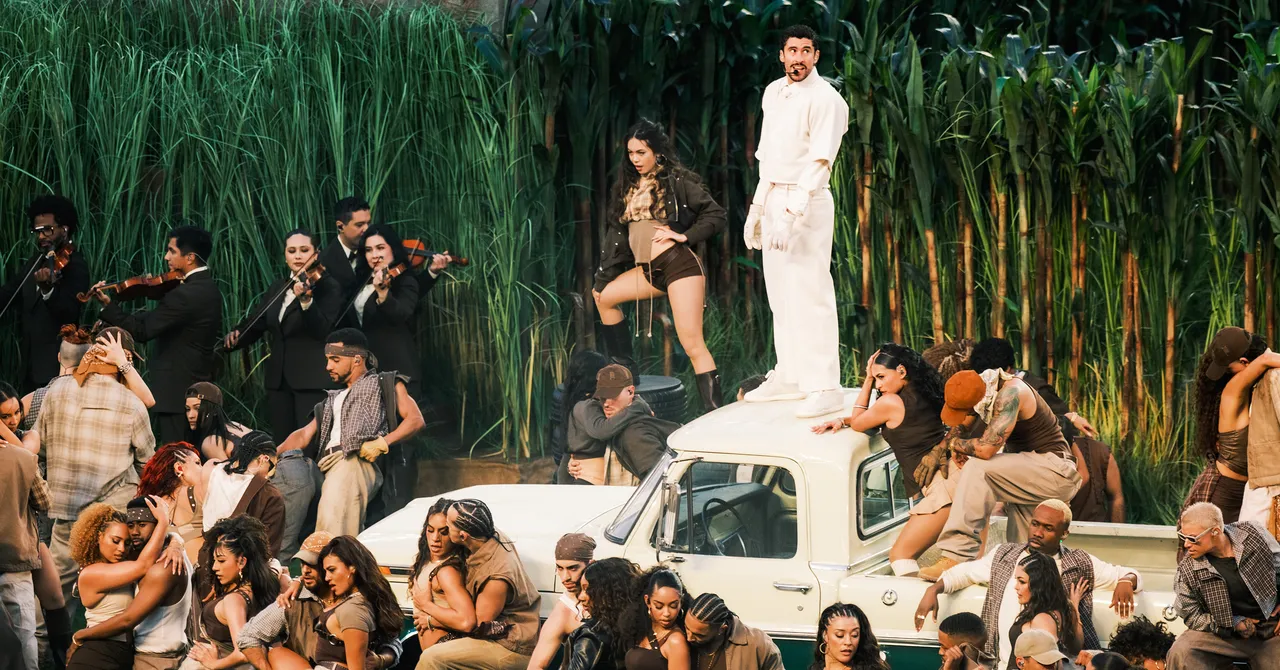
Innovation Disrupts Super Bowl Halftime Productions: A New Era of Event Engineering

As the Super Bowl approaches its nearly 60-year milestone, the complexity of delivering awe-inspiring halftime shows continues to escalate, driven by groundbreaking innovations and logistical challenges that are redefining the sports & entertainment landscape. Leading production firms like Tribe Inc. exemplify how the convergence of creative vision and technological disruption is setting the stage for a new era of large-scale event management. These enterprises leverage advanced engineering, design innovation, and strategic planning to overcome industry-specific hurdles—whether they’re environmental, safety-related, or logistical—highlighting how the future of entertainment delivery is being reshaped by technological ingenuity.

This year, the challenge was rooted not in the usual concerns over security or leaks but in environmental constraints. The star of the show, Bad Bunny, aimed to recreate the Puerto Rican landscape on Levi’s Stadium’s natural grass—a feat that would have demanded significant innovation beyond traditional stage design. The limitations imposed by NFL regulations meant that conventional methods—like rolling carts loaded with plants—were rendered impossible due to the risk of damaging the pristine grass. Instead, production teams had to explore alternative, disruptive solutions centered on modular, eco-friendly stage designs and advanced digital and ecological engineering. This shift underscores the broader industry trend toward integrating sustainability with spectacular design, aligning with the sustainability ambitions of major corporations such as Apple and Google while transforming their event experiences.

Driving Innovation and Industry Disruption

The collaborative efforts between production companies and cutting-edge technology providers exemplify the sector’s trajectory towards innovative disruption. In the case of the Super Bowl, this translates to the use of augmented reality (AR), virtual set design, and advanced stage machinery to create immersive experiences without damaging stadium infrastructure. Experts like Peter Thiel and institutions such as MIT emphasize that such technological ecosystem integration isn’t just about spectacle—it’s about redefining the fundamental business models of live entertainment. Companies able to leverage these innovations achieve a competitive edge, offering more elaborate shows with reduced logistical footprints, ultimately cutting costs while amplifying audience engagement.

Furthermore, this year’s event showcases a broader industry shift toward sustainable design practices, echoing trends identified by Gartner’s research in enterprise innovation. These include:

  • Use of modular, reusable set components that can be rapidly deployed and disassembled.
  • Implementation of digital twin simulations to anticipate and optimize logistical planning.
  • Eco-conscious materials replacing traditional, environmentally detrimental options.

Such innovations are not merely about aesthetics; they symbolize a disruptive influence on how major events are orchestrated at scale. As the industry embraces strategic integration of digital and ecological technologies, the potential for disruption extends far beyond the Super Bowl, influencing conferences, concerts, and even space-based staged events in the near future.

Looking Ahead: A Future of Rapid Transformation

The trajectory of event production signals enormous opportunities for business disruption and technological innovation. Companies that innovate rapidly will define the future of entertainment—blurring lines between physical and digital realms, and setting new standards for spectacle and sustainability. Industry leaders, investors, and entrepreneurs who recognize these shifts now will secure significant competitive advantages in what is rapidly becoming a playfield dominated by cutting-edge, disruptive technologies. As Elon Musk and other visionaries predict, the next decade promises a wave of technological amalgamation—transforming once-impossible visions into reality, with the potential to revolutionize how audiences globally consume entertainment and live experiences.

In this fast-evolving landscape, the urgency remains clear: the ability to innovate quickly and disrupt traditional paradigms is vital for businesses aiming to capitalize on emerging market opportunities. The Super Bowl’s evolving spectacle provides just a glimpse of what’s possible when creative ingenuity meets technological disruption—an era where the only limit is—and perhaps, should be—our own imagination.

Epstein Files Still Show Naked Images Despite Public Outrage

As the international community closely monitors developments within the United States, recent statements by Deputy Attorney General Todd Blanche underscore the complexities of domestic legal processes with far-reaching geopolitical implications. Confronted with a looming deadline imposed by Congress, Blanche announced that the highly sensitive files related to ongoing investigations would not be released as initially scheduled. The reason? An intensive effort aimed at safeguarding the identities of victims, highlighting the delicate balance between transparency and security in the digital age.

This internal procedural shift has stirred international concern, particularly among nations watching the U.S. through the lens of its legal transparency. Analysts from major think tanks note that such delays can ripple across global diplomatic relations, influencing perceptions of American accountability and rule of law. The decision to prioritize victim protection over immediacy in disclosure signals a potential shift in how the U.S. handles sensitive information, especially when considering its impact on joint international investigations or cooperation frameworks. Institutions like the United Nations and global human rights organizations have long assessed transparency as a cornerstone of legitimacy—yet, as this case demonstrates, safeguarding individual identities can complicate broader efforts for accountability.

Historically, the U.S. has wielded immense influence in shaping rules for international law and justice. In this context, such internal decisions are far from isolated; they represent a significant turn in how major powers navigate the tension between domestic security and international obligations. Many geopolitical analysts argue that, in an era marked by rise of authoritarian surveillance and cyber warfare, the decision to withhold or restrict information fuels debates about transparency and sovereignty. As historians warn, moments like these could become precursors for a broader retrenchment from open societies, emboldening regimes that prioritize secrecy over open governance.

What reality are the nations of this fractured world constructing with each passing moment? The decision by the U.S. Department of Justice exemplifies a larger narrative: that of a superpower grappling with its own internal contradictions while the global stage watches, often without the benefit of full knowledge. The repercussions extend beyond legal files—they influence diplomatic trust, national security paradigms, and the very fabric of international cooperation. As international observers contemplate these shifts, they find themselves asking whether the trend toward guarded transparency signals a safeguard or a slide into opacity. History warns that what is concealed today may very well become the catalyst for future crises—a reminder that the true weight of power often lies not in what is revealed, but in what is kept behind closed doors.

Penny the Doberman Pinscher Shines Bright, Clinches 150th Westminster Dog Show Title

In the world of canine excellence, few moments captivate enthusiasts and casual observers alike like the Westminster Kennel Club Dog Show. This prestigious event, held annually in New York City, is more than just a competition; it’s a celebration of breed standards, dedication, and the artistry of dog breeding. This year, the spotlight shone brightly on Penny, a _Doberman Pinscher_ whose sleek, shiny black coat and composed demeanor earned her the historic title of Best in Show during the 150th iteration of the event. Penny’s victory marked a significant milestone: she became only the fifth _Doberman_ in history to clinch the top honor, highlighting the breed’s evolving reputation and the dedication of her handlers and breeders.

The significance of Penny’s win extends beyond mere spectacle. It underscores a broader _shift in wellness and lifestyle_ trends, where pet ownership increasingly emphasizes wellbeing, hygiene, and the pursuit of aesthetic excellence. Today’s dog owners, especially among the youth, view their pets not just as companions but as active participants in their lifestyles—integrating training, targeted nutrition, and even fitness routines that mirror human health trends. Experts like dog behaviorist Victoria Stilwell and nutritionist Dr. Lisa Freeman emphasize the importance of aligning these wellness practices with breed standards, fostering a holistic approach to pet care that enhances both appearance and health.

For those inspired to pursue this elevated style of pet ownership and leisure, several **lifestyle hacks** and strategies can help elevate your companion’s wellbeing and showcase their natural talents.

  • Choose breeds that resonate with your lifestyle and personality, aligning both health and aesthetics.
  • Invest in consistent training and socialization to bring out the best in your pet’s temperament and behavior.
  • Prioritize _balanced nutrition_, focusing on high-quality food that supports a shiny coat, agility, and overall vitality.
  • Participate in community events, dog shows, or local agility courses to foster bond-building activities and showcase their talents.

Ultimately, Penny’s regal triumph offers a subtle reminder of the power of _dedication to excellence_—whether in personal health, career pursuits, or pet care. As the lifestyle shifts towards appreciating the harmony of beauty and wellness, each individual can find inspiration in such stories. The journey of embracing a lifestyle rooted in _dedicated wellness, active leisure, and personal growth_ is a testament to the idea that excellence, whether in our routines or our companions, is attainable through passion and perseverance. Just as Penny’s victory reflects the culmination of meticulous breeding and training, so too can each person craft a life that celebrates _achievement, vitality, and authentic self-expression_—making everyday moments a testament to the pursuit of greatness.

Jonathan Anderson Flexes Eccentric Edge at Dior Men’s Show — Sparking a Fresh ‘New Aristocracy’ at Paris Fashion Week

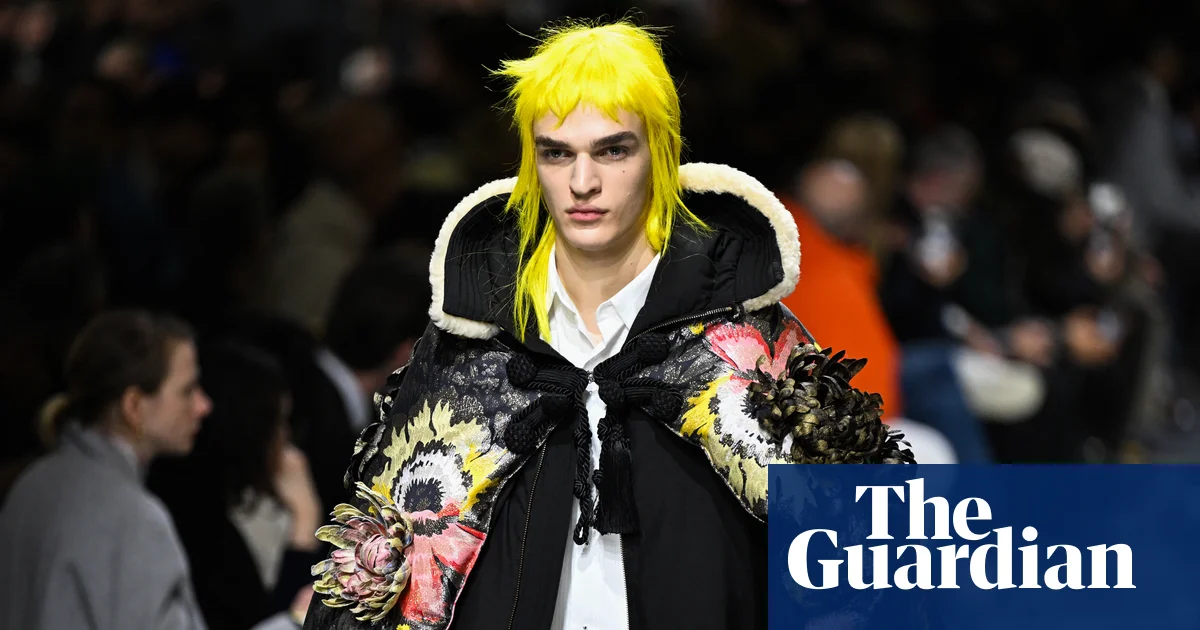
In the pulsating heart of Paris, fashion is undergoing a remarkable transformation that is as much about societal shifts as it is about style. Jonathan Anderson’s recent Dior menswear show, staged at the iconic Musée Rodin, exemplifies this evolution. With celebrity icons like Robert Pattinson and Lewis Hamilton in attendance, the collection didn’t just showcase clothing—it challenged perceptions about what it means to be part of a new aristocracy. Anderson’s concept focused on eccentricity over wealth, emphasizing the social and cultural relevance of individuality. Instead of traditional signs of status, he spotlighted personal expression—an intriguing reflection of today’s societal trajectory that increasingly favors authenticity and unique identity over old notions of privilege.

His collection, a provocative blend of punk-iness and historic references, took fashion’s boundaries for a deliberate spin. Sequin camisoles, snakeskin boots, and synthetic wigs united to form a character study that questions the norms of normality. Anderson’s use of cropped blazers and tailored pieces from eras just before societal upheaval—the 60s and prewar periods—serves as a commentary on clothing as a premonition of societal change. Influences from eclectic sources like MK Gee and Withnail and I indicate a deliberate move towards a culture that embraces mixed styles and the unconventional. This cultural layering signals a shift where fashion’s role extends beyond aesthetics into the realm of storytelling and social commentary.

Meanwhile, the conversation around fashion’s social relevance continues to evolve as Anderson mentions that consumers are already adopting the “anti-fitting” vibe—wearing men’s jackets designed with a rebellious twist—those traditionally confined to the women’s section. It underscores a broader trend towards bridging gendered styles and killing off the outdated “siloed” thinking of fashion marketing. Anderson sees this fluidity as a reflection of how we shop today, akin to a dessert menu where individuals craft their own personal aesthetic. This isn’t about Christian Dior or the brand; it’s about the next chapter of fashion—a chapter where personal identity reigns supreme, and the social hierarchy is redefined by the choices we make on our own terms.

On another front, visionaries like Pharrell Williams are similarly steering fashion’s future, this time at Louis Vuitton. Williams’ “retro-futuristic” collection, with tech-enabled tailoring, epitomizes the merging of tradition and innovation. Guests such as Skepta and Stephen Graham witnessed jackets glowing under lights and shirts designed to sculpt to the wearer—an explicit focus on technological integration in fashion. This resurgence of technical apparel indicates that luxury is not just about aesthetics anymore, but about enhanced functionality and personal empowerment. It’s a glimpse into a future where fashion aligns seamlessly with technology, digital culture, and individual agency, thus reshaping what luxury means in a world driven by rapid innovation.

Both Anderson and Williams highlight that the next big question for fashion isn’t simply about new styles—it’s about what these styles say about societal values and power structures. The cultural impact of this shift is profound: it signals a move away from the old aristocratic hierarchies based on wealth and social class, towards a society where self-constructed identities define one’s cultural capital. As fashion becomes more fluid and expressive, it challenges sociologists and trend analysts alike to reconsider the future of cultural influence. The true innovation may lie not just in the clothing itself but in how these visual stories will influence social norms and cultural narratives in the years ahead. The question remaining: are we witnessing the dawn of a new era where style democratizes power, or is this just the beginning of a new grand spectacle of identity politics—and what does that mean for the future of young, fashion-conscious generations?

Nobel Officials Baffled on When Peace Winner Will Show Up for Ceremony

Venezuela’s Ongoing Struggle for Democracy and the International Power Play

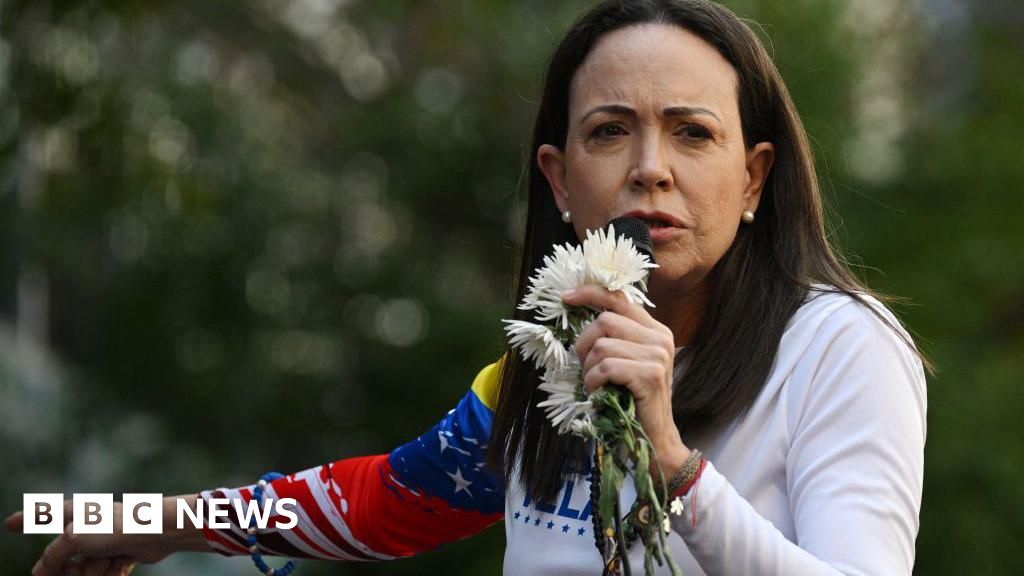
Venezuela faces a critical juncture as opposition leader María Corina Machado, a Nobel Peace Prize laureate, remains in hiding amidst escalating political repression. Her absence from a planned press conference, coupled with the Nobel Institute’s statement that they are “in the dark” about her whereabouts, signals a broader pattern of the regime’s clampdown on dissent. For years, Venezuelan rulers have dismissed opposition voices and manipulated electoral processes, but Machado’s situation underscores a much deeper crisis that extends beyond national borders.

The controversy surrounding Machado’s official recognition and her refusal to accept the legitimacy of the 2024 election result stands as a stark reminder of the crisis of democracy in the country. Critics argue that the election—widely regarded as fraudulent—was designed to cement Maduro’s grip on power, dismissing international calls for free and fair elections. Yet, the global community remains divided. Some nations, including the United States, have officially recognized the opposition candidate, Edmundo Gonzalez, as the legitimate president-elect, further fueling the geopolitical tensions that threaten regional stability.

International Dimensions and Broader Geopolitical Impact

The Nobel Peace Prize awarded to Machado was intended to elevate the fight for democratic principles, but her current situation reveals how authoritarian regimes aggressively suppress such efforts. The Venezuelan government’s statement branding Machado a “fugitive” and her criminal investigations—centered around alleged acts of conspiracy, incitement of hatred, and terrorism—highlight the use of state apparatus to silence dissent and resist international pressure. Analysts warn that these tactics not only embolden regimes in Latin America but also set a dangerous precedent for authoritarian resilience across the globe.

From an international geopolitical perspective, the crisis in Venezuela stands as a clear indication of shifting alliances and power struggles. While the U.S. and some Western nations push for regime change and the restoration of democratic norms, Russia, China, and allies in Latin America maintain support for Maduro’s government, citing sovereignty and non-intervention. This diplomatic standoff underscores a broader contest for influence in the Western Hemisphere, reminiscent of Cold War-era polarizations. According to prominent international organizations, such as the United Nations, stability in Venezuela is integral to regional security, yet their capacity to influence the regime remains limited.

The Future of Venezuela and the International Community’s Role

The unfolding narrative leaves the world with a stark question: Will international diplomacy and strategic interests prolong the suffering of the Venezuelan people, or can a new political order emerge? If Machado defies intimidation and attends her Nobel ceremony, her public appearance would symbolize a defiance of authoritarian oppression — a powerful rallying cry for millions seeking freedom. Historically, such moments have served as turning points, mobilizing international pressure and fomenting change. Conversely, if the regime’s tactics succeed in de-legitimizing opposition, it risks further entrenching tyranny and sowing instability that could ripple beyond Latin America.

As history unfolds in Venezuela, the world remains watchful. Every decision, every alliance, and every act of resistance carries the weight of fate and legacy. In the theatre of geopolitics, the links between dignity, democracy, and power are more intertwined than ever — and the next chapter is yet to be written, with the weight of history hanging in the balance.

Monaco Yacht Show Doubles Down: Global Turmoil Can’t Sink the Luxury Wave

Living Large in Monaco: The Resilient Allure of Superyachts

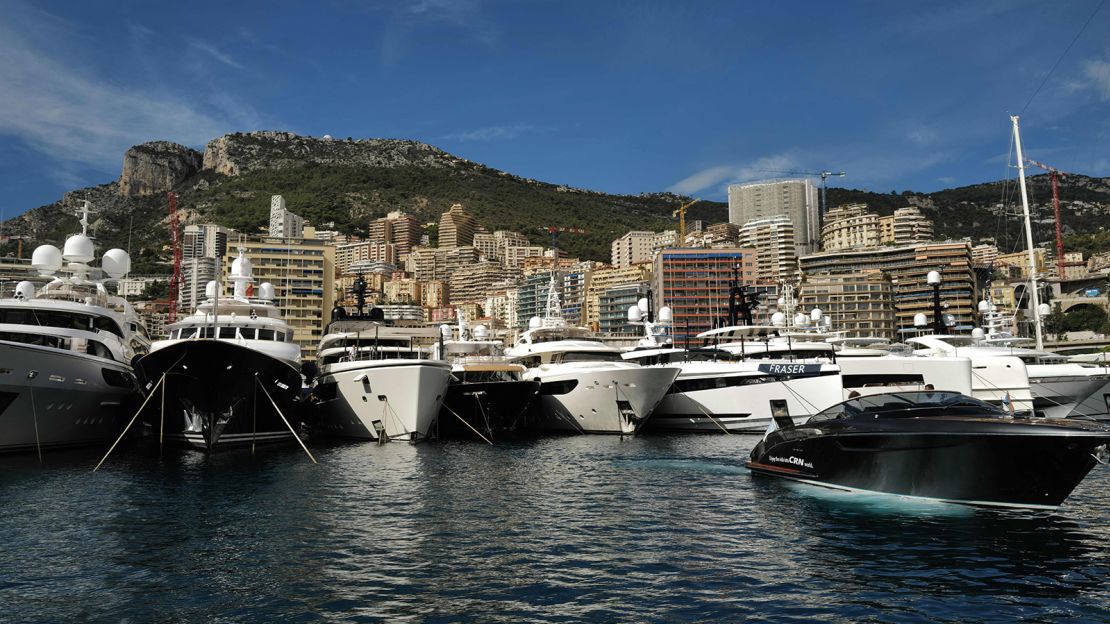
In a world beset by international conflict, rising energy prices, and lingering pandemic uncertainties, one of the most captivating spectacles continues to defy global turmoil: the Monaco Yacht Show. This annual event, held in the glamorous Mediterranean enclave, showcases some of the world’s most extravagant and technologically advanced superyachts ranging up to over 100 meters in length. Despite a backdrop of geopolitical anxiety, the event attracted a record-breaking assembly of luxury vessels, a testament to the resilience and enduring allure of luxury lifestyle.

The Monaco Yacht Show exemplifies how wellness and leisure pursuits remain pillars of personal well-being for the wealthy and aspirational alike. As Johan Pizzardini, the show’s communications head, notes, all of the world’s leading superyacht brands and the latest models were present, including 118 magnificent vessels with a combined value near $3.8 billion. Even amidst economic uncertainty, luxury yacht ordering remains robust, with new entries like the record-breaking AHPO, a 115.1-meter giant from German builder Lürssen, making waves in the industry. The message is clear: for the elite, investment in personal escape—whether by land or sea—continues to be a priority, fostering a culture centered around self-optimization and life’s pleasures.

Emergence of New Buyers and Design Innovations

This year’s event showcased a shift in buyer demographics. Not only seasoned yacht owners but also first-time luxury yacht buyers are making splashes with their debut vessels. New models like the 60-meter Lusine from Dutch shipyard Heesen, which boasts exquisite interiors by Sinot Yacht Architecture, exemplify this trend. Interior design experts such as Ron Holland and Francesco Paszkowski continue to elevate yacht aesthetics, blending functional luxury with cutting-edge sustainability. For many, this pursuit is more than ostentation: it’s about creating personal sanctuaries that promote mental/physical health and inspire.

Innovations like hybrids and eco-conscious propulsion systems reflect a _growing emphasis on environmental responsibility_. Tankoa’s Kinda, with its hybrid engine modes, encapsulates this commitment—combining power, efficiency, and a respect for nature. Such focus aligns with wellness experts advocating for a sustainable lifestyle that harmonizes indulgence with planetary stewardship, showing how luxury can coexist with _\u201cmindful living\u201d_ principles.

Industry Confidence and Investment in Dreamscapes

Despite recent sanctions impacting the Russian superyacht industry, the global order book remains strong. CEOs like Arthur Brouwer of Heesen report record orders, with over 1,000 superyachts under construction worldwide—a 24% increase from the previous year. This surge illustrates a confident market driven by a pandemic-inspired mindset: a desire to seize the moment and embrace personal freedom through luxurious escapism. For many, these vessels are more than assets—they are floating retreats that foster community, rejuvenation, and escape into wellness.

Moreover, the event revealed an ever-expanding array of custom features—from vibrant murals and opulent materials like mother-of-pearl and rare woods, to innovative amenities such as onboard gyms, massage salons, and helipads. These details exemplify how personalized experiences and lifestyle upgrades are shaping a new era of private luxury. Industry leaders emphasize that even in uncertain times, the quest for personal excellence remains a steadfast pursuit, fueling continued shipbuilding and innovation.

This glamorous gathering in Monaco reminds us that lifestyle is an ongoing voyage—a pursuit of balance, beauty, and strength amid the chaos. Like the majestic vessels that glide through azure waters, our own journeys are marked by resilience, innovation, and a relentless pursuit of betterment. In embracing these ideals, we discover that luxury isn’t just about material wealth—it’s about cultivating inner peace and creating spaces where one can truly thrive. As the world sways with uncertainty, the message is clear: through vision, craftsmanship, and a bold yearning for living fully, the journey to personal fulfillment continues unabated.

Japan’s ‘One Piece’ singer halts show amid worsening Japan-China ties

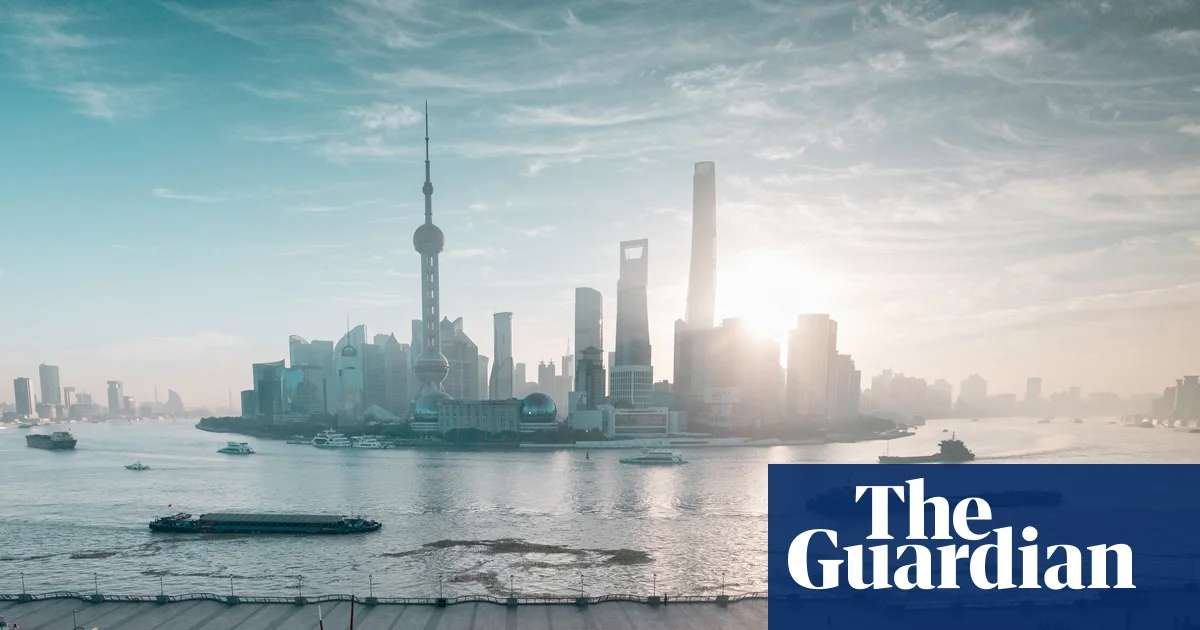
In the latest escalation of a rapidly fraying diplomatic fabric between Tokyo and Beijing, a high-profile cultural event in Shanghai was abruptly derailed, underscoring the profound ripple effect of geopolitical tensions on international exchanges. Japanese singer Maki Otsuki, famous for her theme song of the globally beloved anime One Piece, was forced to halt her performance amid ongoing diplomatic hostility. This incident is not isolated but part of a broader pattern of cancelled cultural events that highlight how geopolitical friction directly impacts societies and global soft power dynamics.

Relations between Japan and China have sharply deteriorated in recent weeks, fueled by a controversial statement by Japan’s Prime Minister Sanae Takaichi. She suggested that Tokyo might intervene militarily if China attempts to forcefully unify Taiwan, an island regarded by Beijing as a renegade province. Chinese authorities responded with fury, summoning the Japanese ambassador and warning Chinese tourists against travel to Japan. The repercussions have extended beyond diplomatic circles, affecting cultural diplomacy, entertainment industries, and tourism sectors. The Chinese government’s recent decision to cancel the entire Bandai Namco Festival 2025 reflects a strategic move designed to send a firm message that soft diplomacy is no longer sustainable amidst rising tensions.

According to analysts from international think tanks and historians specializing in East Asian geopolitics, this confluence of political provocation and cultural casualties marks a clear shift in regional power dynamics. The cancellations of performances by popular acts like Momoiro Clover Z, Ayumi Hamasaki, and jazz pianist Hiromi Uehara signal an erosion of cross-cultural exchanges once viewed as bridges for mutual understanding. What was once a vibrant dialogue of shared interests is now overshadowed by strategic posturing and nationalism. These events, often viewed through a lens of cultural diplomacy, now serve as barometers of escalating instability and the failure of diplomatic interventions to contain conflicts that threaten to unravel decades of regional progress.

On the international stage, organizations such as the United Nations have issued cautious statements urging calm and dialogue. However, the reality remains that U.S. and allied nations are watching with mounting concern as the China-Taiwan- Japan triangle evolves into a potential flashpoint for broader conflict. History warns that such disruptions in cultural and diplomatic norms often precede more dangerous confrontations, making the current scenario a clarion call for global leaders. The unfolding events leave the world with a sense of urgent foreboding, where decisions made in diplomatic back rooms will ultimately shape the contours of future peace or conflict. As history continues to write itself, the question remains: will this clash of nations fall into the echoes of past crises or forge a new path toward stability? The answer lies just beyond the horizon, waiting to be unveiled in the ongoing saga of geopolitics and human resilience.

Rising Stars Shine: Young Athletes Steal the Show at National Championships

Trent Alexander-Arnold Shines Ahead of Real Madrid Clash

As the buzz builds ahead of the upcoming showdown, Xabi Alonso has weighed in on the evolution of Trent Alexander-Arnold, stating that the talented right-back is currently “in better form” after an intense training regimen during the international break. This development promises to provide Real Madrid with a wealth of options as they face fierce competition in the coming matches.

Real Madrid, known for their rich history and dominance in European football, stand at a pivotal moment where every player’s performance counts. Alonso highlighted the impact Alexander-Arnold has had on the squad: “His commitment during training has made a noticeable difference. We’re excited about the depth he brings to our right-back position.” With this newfound form, fans and analysts alike are eager to witness how the English star will bolster the team’s defensive strategies and provide additional attacking flair.

Match Highlights and Player Stats

  • Trent Alexander-Arnold‘s defensive contributions have improved significantly, as indicated by recent training drills.
  • Xabi Alonso has emphasized adaptability in his tactical approach, refining player roles for optimal performance.
  • Upcoming matches are critical as Real Madrid seeks to solidify their position in La Liga.

The anticipation for Real Madrid‘s next match cannot be overstated, with many looking to see how Alexander-Arnold can influence the game. Veteran commentators have mentioned that his performance will not only enhance the team’s chances on the scoreboard but also serve as a morale booster for younger players. It is moments like these that resonate deeply in the fabric of sports, uniting fans and players alike in their shared passion.

As the rivalry heats up, one fact remains clear: sports have the unrivaled ability to connect people across generations and backgrounds. While the scoreboard may determine the victor, it is the collective spirit of competition that fosters unity, camaraderie, and lasting memories. As we look forward to the match, let us celebrate the journey and the bonds forged through this beautiful game.

Source link

Social Media Auto Publish Powered By : XYZScripts.com