Matox News

Truth Over Trends, always!

Penny the Doberman Pinscher Shines Bright, Clinches 150th Westminster Dog Show Title

In the world of canine excellence, few moments captivate enthusiasts and casual observers alike like the Westminster Kennel Club Dog Show. This prestigious event, held annually in New York City, is more than just a competition; it’s a celebration of breed standards, dedication, and the artistry of dog breeding. This year, the spotlight shone brightly on Penny, a _Doberman Pinscher_ whose sleek, shiny black coat and composed demeanor earned her the historic title of Best in Show during the 150th iteration of the event. Penny’s victory marked a significant milestone: she became only the fifth _Doberman_ in history to clinch the top honor, highlighting the breed’s evolving reputation and the dedication of her handlers and breeders.

The significance of Penny’s win extends beyond mere spectacle. It underscores a broader _shift in wellness and lifestyle_ trends, where pet ownership increasingly emphasizes wellbeing, hygiene, and the pursuit of aesthetic excellence. Today’s dog owners, especially among the youth, view their pets not just as companions but as active participants in their lifestyles—integrating training, targeted nutrition, and even fitness routines that mirror human health trends. Experts like dog behaviorist Victoria Stilwell and nutritionist Dr. Lisa Freeman emphasize the importance of aligning these wellness practices with breed standards, fostering a holistic approach to pet care that enhances both appearance and health.

For those inspired to pursue this elevated style of pet ownership and leisure, several **lifestyle hacks** and strategies can help elevate your companion’s wellbeing and showcase their natural talents.

  • Choose breeds that resonate with your lifestyle and personality, aligning both health and aesthetics.
  • Invest in consistent training and socialization to bring out the best in your pet’s temperament and behavior.
  • Prioritize _balanced nutrition_, focusing on high-quality food that supports a shiny coat, agility, and overall vitality.
  • Participate in community events, dog shows, or local agility courses to foster bond-building activities and showcase their talents.

Ultimately, Penny’s regal triumph offers a subtle reminder of the power of _dedication to excellence_—whether in personal health, career pursuits, or pet care. As the lifestyle shifts towards appreciating the harmony of beauty and wellness, each individual can find inspiration in such stories. The journey of embracing a lifestyle rooted in _dedicated wellness, active leisure, and personal growth_ is a testament to the idea that excellence, whether in our routines or our companions, is attainable through passion and perseverance. Just as Penny’s victory reflects the culmination of meticulous breeding and training, so too can each person craft a life that celebrates _achievement, vitality, and authentic self-expression_—making everyday moments a testament to the pursuit of greatness.
Jonathan Anderson Flexes Eccentric Edge at Dior Men’s Show — Sparking a Fresh ‘New Aristocracy’ at Paris Fashion Week

In the pulsating heart of Paris, fashion is undergoing a remarkable transformation that is as much about societal shifts as it is about style. Jonathan Anderson’s recent Dior menswear show, staged at the iconic Musée Rodin, exemplifies this evolution. With celebrity icons like Robert Pattinson and Lewis Hamilton in attendance, the collection didn’t just showcase clothing—it challenged perceptions about what it means to be part of a new aristocracy. Anderson’s concept focused on eccentricity over wealth, emphasizing the social and cultural relevance of individuality. Instead of traditional signs of status, he spotlighted personal expression—an intriguing reflection of today’s societal trajectory that increasingly favors authenticity and unique identity over old notions of privilege.

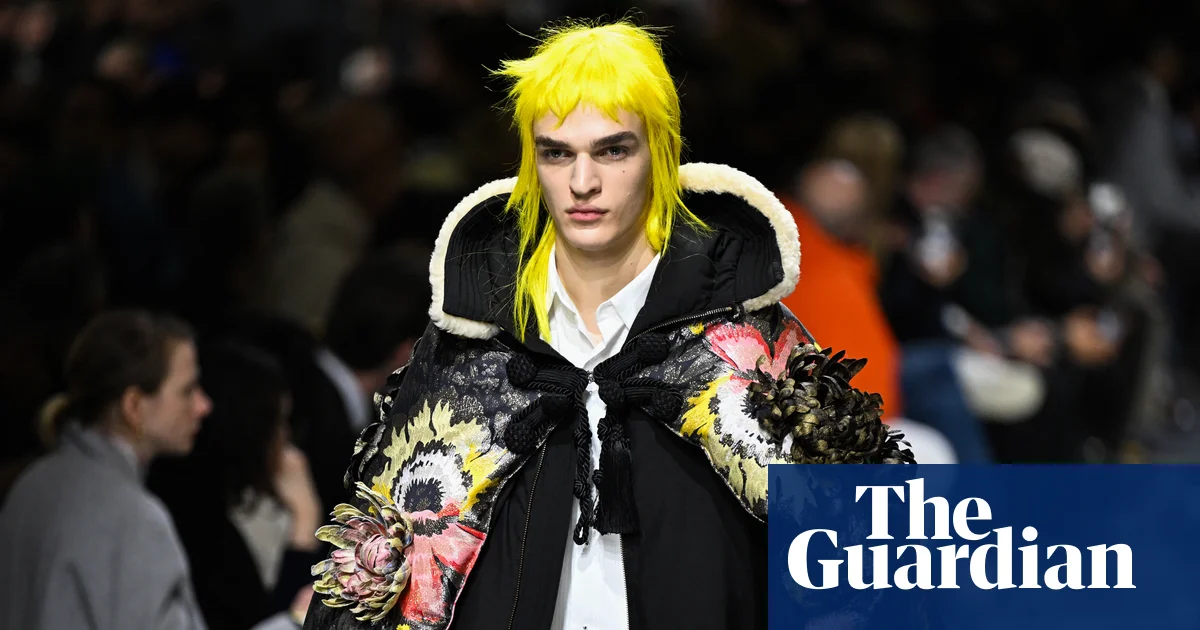
His collection, a provocative blend of punk-iness and historic references, took fashion’s boundaries for a deliberate spin. Sequin camisoles, snakeskin boots, and synthetic wigs united to form a character study that questions the norms of normality. Anderson’s use of cropped blazers and tailored pieces from eras just before societal upheaval—the 60s and prewar periods—serves as a commentary on clothing as a premonition of societal change. Influences from eclectic sources like MK Gee and Withnail and I indicate a deliberate move towards a culture that embraces mixed styles and the unconventional. This cultural layering signals a shift where fashion’s role extends beyond aesthetics into the realm of storytelling and social commentary.

Meanwhile, the conversation around fashion’s social relevance continues to evolve as Anderson mentions that consumers are already adopting the “anti-fitting” vibe—wearing men’s jackets designed with a rebellious twist—those traditionally confined to the women’s section. It underscores a broader trend towards bridging gendered styles and killing off the outdated “siloed” thinking of fashion marketing. Anderson sees this fluidity as a reflection of how we shop today, akin to a dessert menu where individuals craft their own personal aesthetic. This isn’t about Christian Dior or the brand; it’s about the next chapter of fashion—a chapter where personal identity reigns supreme, and the social hierarchy is redefined by the choices we make on our own terms.

On another front, visionaries like Pharrell Williams are similarly steering fashion’s future, this time at Louis Vuitton. Williams’ “retro-futuristic” collection, with tech-enabled tailoring, epitomizes the merging of tradition and innovation. Guests such as Skepta and Stephen Graham witnessed jackets glowing under lights and shirts designed to sculpt to the wearer—an explicit focus on technological integration in fashion. This resurgence of technical apparel indicates that luxury is not just about aesthetics anymore, but about enhanced functionality and personal empowerment. It’s a glimpse into a future where fashion aligns seamlessly with technology, digital culture, and individual agency, thus reshaping what luxury means in a world driven by rapid innovation.

Both Anderson and Williams highlight that the next big question for fashion isn’t simply about new styles—it’s about what these styles say about societal values and power structures. The cultural impact of this shift is profound: it signals a move away from the old aristocratic hierarchies based on wealth and social class, towards a society where self-constructed identities define one’s cultural capital. As fashion becomes more fluid and expressive, it challenges sociologists and trend analysts alike to reconsider the future of cultural influence. The true innovation may lie not just in the clothing itself but in how these visual stories will influence social norms and cultural narratives in the years ahead. The question remaining: are we witnessing the dawn of a new era where style democratizes power, or is this just the beginning of a new grand spectacle of identity politics—and what does that mean for the future of young, fashion-conscious generations?

Nobel Officials Baffled on When Peace Winner Will Show Up for Ceremony

Venezuela’s Ongoing Struggle for Democracy and the International Power Play

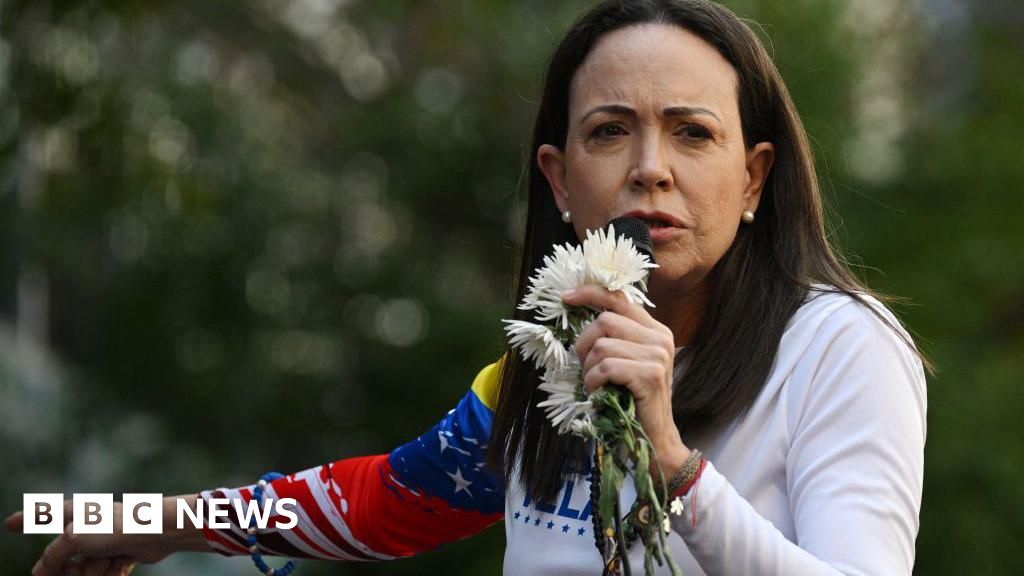
Venezuela faces a critical juncture as opposition leader María Corina Machado, a Nobel Peace Prize laureate, remains in hiding amidst escalating political repression. Her absence from a planned press conference, coupled with the Nobel Institute’s statement that they are “in the dark” about her whereabouts, signals a broader pattern of the regime’s clampdown on dissent. For years, Venezuelan rulers have dismissed opposition voices and manipulated electoral processes, but Machado’s situation underscores a much deeper crisis that extends beyond national borders.

The controversy surrounding Machado’s official recognition and her refusal to accept the legitimacy of the 2024 election result stands as a stark reminder of the crisis of democracy in the country. Critics argue that the election—widely regarded as fraudulent—was designed to cement Maduro’s grip on power, dismissing international calls for free and fair elections. Yet, the global community remains divided. Some nations, including the United States, have officially recognized the opposition candidate, Edmundo Gonzalez, as the legitimate president-elect, further fueling the geopolitical tensions that threaten regional stability.

International Dimensions and Broader Geopolitical Impact

The Nobel Peace Prize awarded to Machado was intended to elevate the fight for democratic principles, but her current situation reveals how authoritarian regimes aggressively suppress such efforts. The Venezuelan government’s statement branding Machado a “fugitive” and her criminal investigations—centered around alleged acts of conspiracy, incitement of hatred, and terrorism—highlight the use of state apparatus to silence dissent and resist international pressure. Analysts warn that these tactics not only embolden regimes in Latin America but also set a dangerous precedent for authoritarian resilience across the globe.

From an international geopolitical perspective, the crisis in Venezuela stands as a clear indication of shifting alliances and power struggles. While the U.S. and some Western nations push for regime change and the restoration of democratic norms, Russia, China, and allies in Latin America maintain support for Maduro’s government, citing sovereignty and non-intervention. This diplomatic standoff underscores a broader contest for influence in the Western Hemisphere, reminiscent of Cold War-era polarizations. According to prominent international organizations, such as the United Nations, stability in Venezuela is integral to regional security, yet their capacity to influence the regime remains limited.

The Future of Venezuela and the International Community’s Role

The unfolding narrative leaves the world with a stark question: Will international diplomacy and strategic interests prolong the suffering of the Venezuelan people, or can a new political order emerge? If Machado defies intimidation and attends her Nobel ceremony, her public appearance would symbolize a defiance of authoritarian oppression — a powerful rallying cry for millions seeking freedom. Historically, such moments have served as turning points, mobilizing international pressure and fomenting change. Conversely, if the regime’s tactics succeed in de-legitimizing opposition, it risks further entrenching tyranny and sowing instability that could ripple beyond Latin America.

As history unfolds in Venezuela, the world remains watchful. Every decision, every alliance, and every act of resistance carries the weight of fate and legacy. In the theatre of geopolitics, the links between dignity, democracy, and power are more intertwined than ever — and the next chapter is yet to be written, with the weight of history hanging in the balance.

Monaco Yacht Show Doubles Down: Global Turmoil Can’t Sink the Luxury Wave

Living Large in Monaco: The Resilient Allure of Superyachts

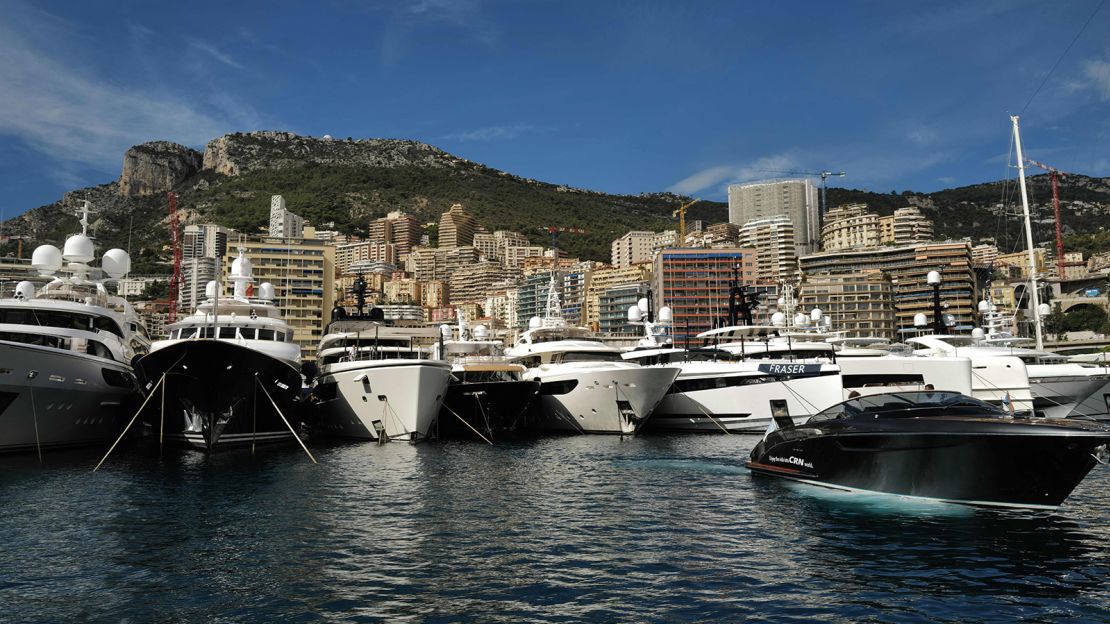
In a world beset by international conflict, rising energy prices, and lingering pandemic uncertainties, one of the most captivating spectacles continues to defy global turmoil: the Monaco Yacht Show. This annual event, held in the glamorous Mediterranean enclave, showcases some of the world’s most extravagant and technologically advanced superyachts ranging up to over 100 meters in length. Despite a backdrop of geopolitical anxiety, the event attracted a record-breaking assembly of luxury vessels, a testament to the resilience and enduring allure of luxury lifestyle.

The Monaco Yacht Show exemplifies how wellness and leisure pursuits remain pillars of personal well-being for the wealthy and aspirational alike. As Johan Pizzardini, the show’s communications head, notes, all of the world’s leading superyacht brands and the latest models were present, including 118 magnificent vessels with a combined value near $3.8 billion. Even amidst economic uncertainty, luxury yacht ordering remains robust, with new entries like the record-breaking AHPO, a 115.1-meter giant from German builder Lürssen, making waves in the industry. The message is clear: for the elite, investment in personal escape—whether by land or sea—continues to be a priority, fostering a culture centered around self-optimization and life’s pleasures.

Emergence of New Buyers and Design Innovations

This year’s event showcased a shift in buyer demographics. Not only seasoned yacht owners but also first-time luxury yacht buyers are making splashes with their debut vessels. New models like the 60-meter Lusine from Dutch shipyard Heesen, which boasts exquisite interiors by Sinot Yacht Architecture, exemplify this trend. Interior design experts such as Ron Holland and Francesco Paszkowski continue to elevate yacht aesthetics, blending functional luxury with cutting-edge sustainability. For many, this pursuit is more than ostentation: it’s about creating personal sanctuaries that promote mental/physical health and inspire.

Innovations like hybrids and eco-conscious propulsion systems reflect a _growing emphasis on environmental responsibility_. Tankoa’s Kinda, with its hybrid engine modes, encapsulates this commitment—combining power, efficiency, and a respect for nature. Such focus aligns with wellness experts advocating for a sustainable lifestyle that harmonizes indulgence with planetary stewardship, showing how luxury can coexist with _\u201cmindful living\u201d_ principles.

Industry Confidence and Investment in Dreamscapes

Despite recent sanctions impacting the Russian superyacht industry, the global order book remains strong. CEOs like Arthur Brouwer of Heesen report record orders, with over 1,000 superyachts under construction worldwide—a 24% increase from the previous year. This surge illustrates a confident market driven by a pandemic-inspired mindset: a desire to seize the moment and embrace personal freedom through luxurious escapism. For many, these vessels are more than assets—they are floating retreats that foster community, rejuvenation, and escape into wellness.

Moreover, the event revealed an ever-expanding array of custom features—from vibrant murals and opulent materials like mother-of-pearl and rare woods, to innovative amenities such as onboard gyms, massage salons, and helipads. These details exemplify how personalized experiences and lifestyle upgrades are shaping a new era of private luxury. Industry leaders emphasize that even in uncertain times, the quest for personal excellence remains a steadfast pursuit, fueling continued shipbuilding and innovation.

This glamorous gathering in Monaco reminds us that lifestyle is an ongoing voyage—a pursuit of balance, beauty, and strength amid the chaos. Like the majestic vessels that glide through azure waters, our own journeys are marked by resilience, innovation, and a relentless pursuit of betterment. In embracing these ideals, we discover that luxury isn’t just about material wealth—it’s about cultivating inner peace and creating spaces where one can truly thrive. As the world sways with uncertainty, the message is clear: through vision, craftsmanship, and a bold yearning for living fully, the journey to personal fulfillment continues unabated.

Japan’s ‘One Piece’ singer halts show amid worsening Japan-China ties

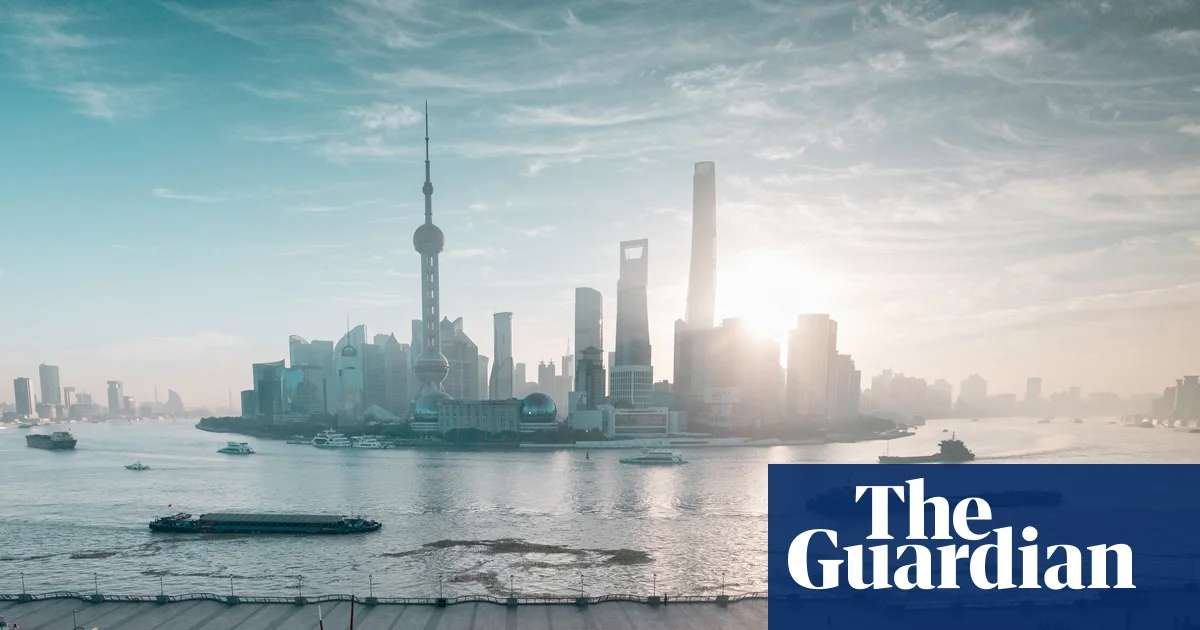
In the latest escalation of a rapidly fraying diplomatic fabric between Tokyo and Beijing, a high-profile cultural event in Shanghai was abruptly derailed, underscoring the profound ripple effect of geopolitical tensions on international exchanges. Japanese singer Maki Otsuki, famous for her theme song of the globally beloved anime One Piece, was forced to halt her performance amid ongoing diplomatic hostility. This incident is not isolated but part of a broader pattern of cancelled cultural events that highlight how geopolitical friction directly impacts societies and global soft power dynamics.

Relations between Japan and China have sharply deteriorated in recent weeks, fueled by a controversial statement by Japan’s Prime Minister Sanae Takaichi. She suggested that Tokyo might intervene militarily if China attempts to forcefully unify Taiwan, an island regarded by Beijing as a renegade province. Chinese authorities responded with fury, summoning the Japanese ambassador and warning Chinese tourists against travel to Japan. The repercussions have extended beyond diplomatic circles, affecting cultural diplomacy, entertainment industries, and tourism sectors. The Chinese government’s recent decision to cancel the entire Bandai Namco Festival 2025 reflects a strategic move designed to send a firm message that soft diplomacy is no longer sustainable amidst rising tensions.

According to analysts from international think tanks and historians specializing in East Asian geopolitics, this confluence of political provocation and cultural casualties marks a clear shift in regional power dynamics. The cancellations of performances by popular acts like Momoiro Clover Z, Ayumi Hamasaki, and jazz pianist Hiromi Uehara signal an erosion of cross-cultural exchanges once viewed as bridges for mutual understanding. What was once a vibrant dialogue of shared interests is now overshadowed by strategic posturing and nationalism. These events, often viewed through a lens of cultural diplomacy, now serve as barometers of escalating instability and the failure of diplomatic interventions to contain conflicts that threaten to unravel decades of regional progress.

On the international stage, organizations such as the United Nations have issued cautious statements urging calm and dialogue. However, the reality remains that U.S. and allied nations are watching with mounting concern as the China-Taiwan- Japan triangle evolves into a potential flashpoint for broader conflict. History warns that such disruptions in cultural and diplomatic norms often precede more dangerous confrontations, making the current scenario a clarion call for global leaders. The unfolding events leave the world with a sense of urgent foreboding, where decisions made in diplomatic back rooms will ultimately shape the contours of future peace or conflict. As history continues to write itself, the question remains: will this clash of nations fall into the echoes of past crises or forge a new path toward stability? The answer lies just beyond the horizon, waiting to be unveiled in the ongoing saga of geopolitics and human resilience.

Rising Stars Shine: Young Athletes Steal the Show at National Championships

Trent Alexander-Arnold Shines Ahead of Real Madrid Clash

As the buzz builds ahead of the upcoming showdown, Xabi Alonso has weighed in on the evolution of Trent Alexander-Arnold, stating that the talented right-back is currently “in better form” after an intense training regimen during the international break. This development promises to provide Real Madrid with a wealth of options as they face fierce competition in the coming matches.

Real Madrid, known for their rich history and dominance in European football, stand at a pivotal moment where every player’s performance counts. Alonso highlighted the impact Alexander-Arnold has had on the squad: “His commitment during training has made a noticeable difference. We’re excited about the depth he brings to our right-back position.” With this newfound form, fans and analysts alike are eager to witness how the English star will bolster the team’s defensive strategies and provide additional attacking flair.

Match Highlights and Player Stats

  • Trent Alexander-Arnold‘s defensive contributions have improved significantly, as indicated by recent training drills.
  • Xabi Alonso has emphasized adaptability in his tactical approach, refining player roles for optimal performance.
  • Upcoming matches are critical as Real Madrid seeks to solidify their position in La Liga.

The anticipation for Real Madrid‘s next match cannot be overstated, with many looking to see how Alexander-Arnold can influence the game. Veteran commentators have mentioned that his performance will not only enhance the team’s chances on the scoreboard but also serve as a morale booster for younger players. It is moments like these that resonate deeply in the fabric of sports, uniting fans and players alike in their shared passion.

As the rivalry heats up, one fact remains clear: sports have the unrivaled ability to connect people across generations and backgrounds. While the scoreboard may determine the victor, it is the collective spirit of competition that fosters unity, camaraderie, and lasting memories. As we look forward to the match, let us celebrate the journey and the bonds forged through this beautiful game.

Source link

Corbyn and McKellen’s cameo boosts panto’s image—ad libs stole the show

Across the globe, recent cultural developments reveal more than just entertainment; they are a microcosm of larger geopolitical shifts influencing societies, economies, and the very fabric of national identity. The resurgence of traditional festivities, like UK pantomimes, intertwined with high-profile celebrity appearances, underscores a strategic effort by local institutions to bolster community resilience amid ongoing economic challenges. These cultural events, often dismissed as mere entertainment, possess a profound role in sustaining regional arts, fostering social cohesion, and reinforcing national pride.

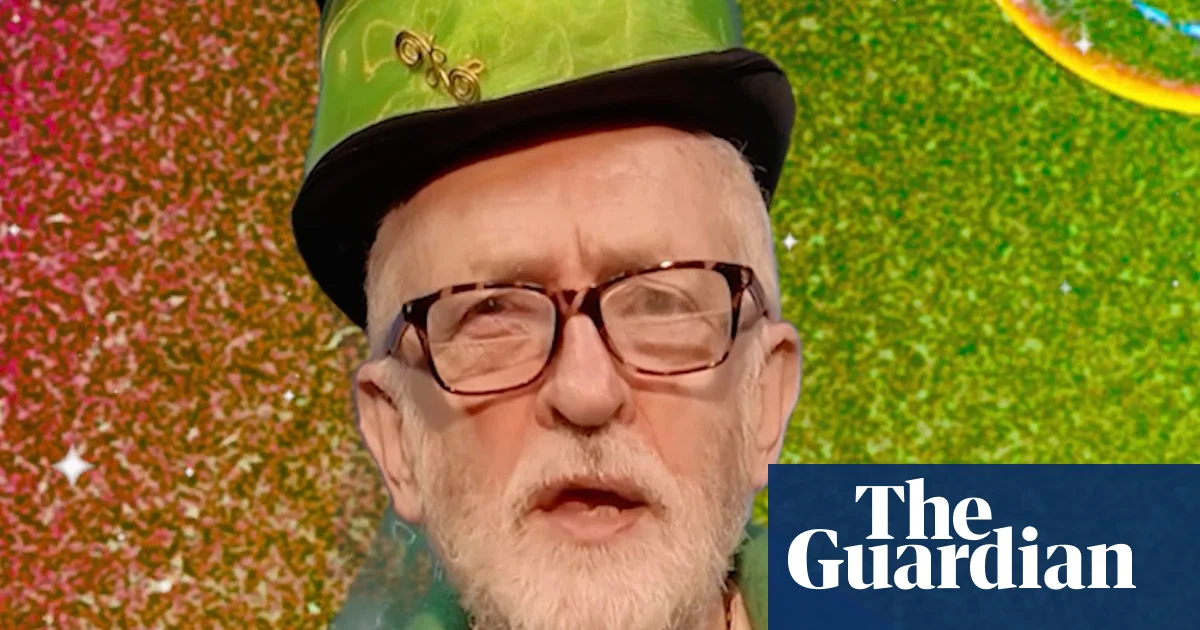
In the United Kingdom, the recent revival of pantomimes featuring celebrities such as Jeremy Corbyn and Ian McKellen exemplifies this trend. Despite the modest budgets of regional theatres, these productions continue to generate significant revenue—approaching £31 million in 2024—and attract over a million attendees. Analysts, including theatre critics like Nick Curtis, emphasize how this tradition acts as a critical “lifeblood” for UK arts, especially during the festive season when nearly a third of performance attendances occur. On a broader scale, such cultural investments serve as subtle yet powerful countermeasures against the encroaching effects of globalization and cultural homogenization, maintaining a distinct national identity in turbulent times.

This phenomenon has clear international implications. As regional theatres adapt by integrating pre-recorded cameos of international stars such as Stephen Fry, Judi Dench, and Brian Cox, they mirror a global trend where cultural diplomacy becomes intertwined with technological innovation. These figures act as ambassadors of a shared cultural heritage, transcending borders while simultaneously bolstering local communities. Meanwhile, international organizations like UNESCO recognize this cultural resilience as essential for safeguarding intangible heritage and fostering solidarity among nations. Such efforts highlight how decisions to preserve local art forms can ripple outward, influencing regional stability and international perceptions of national vitality.

However, these cultural strategies do not exist in a vacuum. As economic pressures persist—due to austerity measures and pandemic aftermaths—funding cuts have made it increasingly difficult for regional theatres to sustain their traditional programming. Yet, the inclusion of celebrities and digital innovations demonstrates resourcefulness, turning potential weaknesses into strengths. Stephen Fry’s voicing of the Giant at Watford Palace Theatre, for example, illustrates how contemporary technology allows for a form of “virtual celebrity,” multiplexing star power across multiple venues and reducing financial strains. This pragmatic approach ensures that even amid austerity, the arts continue to serve as a rallying point for tradition, community pride, and national resilience.

As the curtain falls on this year’s pantomime season, the legacy of such cultural endeavors remains uncertain, yet undeniably powerful. The ongoing narrative of cultural preservation, shaped by political will, technological progress, and societal values, leaves a compelling question for the future: Will these acts of cultural defiance and community building withstand the relentless tide of globalization and geopolitical upheaval? Or will they fade into history, replaced by superficial entertainment devoid of meaning? With every new performance, the story of a nation fighting to preserve its identity plays on—a testament to the enduring human spirit in the face of an ever-changing world. And as history continues to unfold, the true significance of these cultural battlegrounds will be revealed, perhaps into an era where tradition itself becomes a revolutionary act.

Trump and Mamdani Show Civility in Surprising Meeting

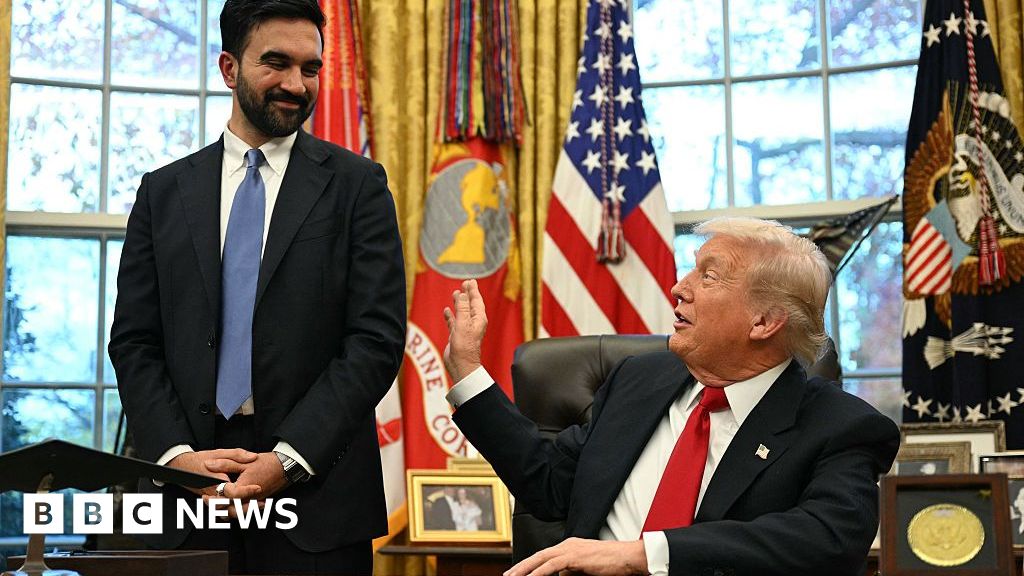
Recently, the United States has demonstrated that domestic political dynamics continue to shape international relations in profound ways. In a significant deviation from the expected hostility, President Donald Trump met with Zohran Mamdani, New York City’s newly elected mayor, in a display of unprecedented cordiality at the White House. Despite the mayor’s candid branding of Trump as a “despot” during his campaign, the Oval Office encounter revealed a surprising willingness on both sides to engage constructively—particularly around critical issues like affordability, crime, and immigration. This shift underscores how intra-national political debates echo beyond borders, influencing perceptions of American leadership worldwide.

  • The meeting marked a potential turning point in the Biden-era narrative, hinting at a possible de-escalation of partisan rhetoric in certain spheres.
  • Trump’s praise for Mamdani, coupled with his assertion that the Mayor has “views that are little out there,” signals an operational calculus: stability and cooperation over confrontation.
  • The focus on common ground—particularly on lowering the cost of living—reflects a strategic emphasis on ‘bread-and-butter’ issues that resonate with voters globally and reinforce America’s image as a nation grappling with economic hardship.

Analysts from international think tanks suggest that this apparent détente could have ripple effects beyond U.S. domestic politics. While Republicans had hoped to use Mamdani as a symbol of progressive excess—painting him as anti-police and anti-capitalist—the conduct of the meeting suggests a more nuanced landscape. As historians argue, the optics of bipartisanship at the highest levels often carry lasting influence, shifting global perceptions and strategic alliances. Additionally, Trump’s assertion that he would “cheer for him” underscores a broader message: even ideological rivals recognize the importance of stability in a nation as central to global affairs as the US.

This unfolding scenario also highlights the potential for internal U.S. political conflicts to influence foreign policy. As the world watches the spectacle of American democracy, the importance of these internal negotiations becomes even more evident. The rhetoric, images, and implied policies emerging from this encounter have the power to shape international confidence in the US’s capacity for leadership, especially in areas like Middle East peace, trade, and security alliances. The question remains whether this recent show of bipartisan spirit is merely a fleeting gesture or the beginning of a new calculus where civility among enemies may serve as a foundation for pragmatic policymaking.

With the stakes set high, history stands at a crossroads. Like the tumultuous shifts that defined the 20th century, decisions made in the coming months could either fortify or fracture the American political fabric—that fabric which continues to bear the weight of an emerging global order. As the storyline unfolds, it becomes clear: the United States is not merely a nation at war with itself but a pivotal actor whose internal developments will echo across the world’s stage for generations to come.

Fallout 4 Gets a Fresh Edition to Gear Up for the New TV Show

Gaming Milestone Meets Technological Disruption: Bethesda Celebrates Fallout 4’s Decade with Anniversary Edition

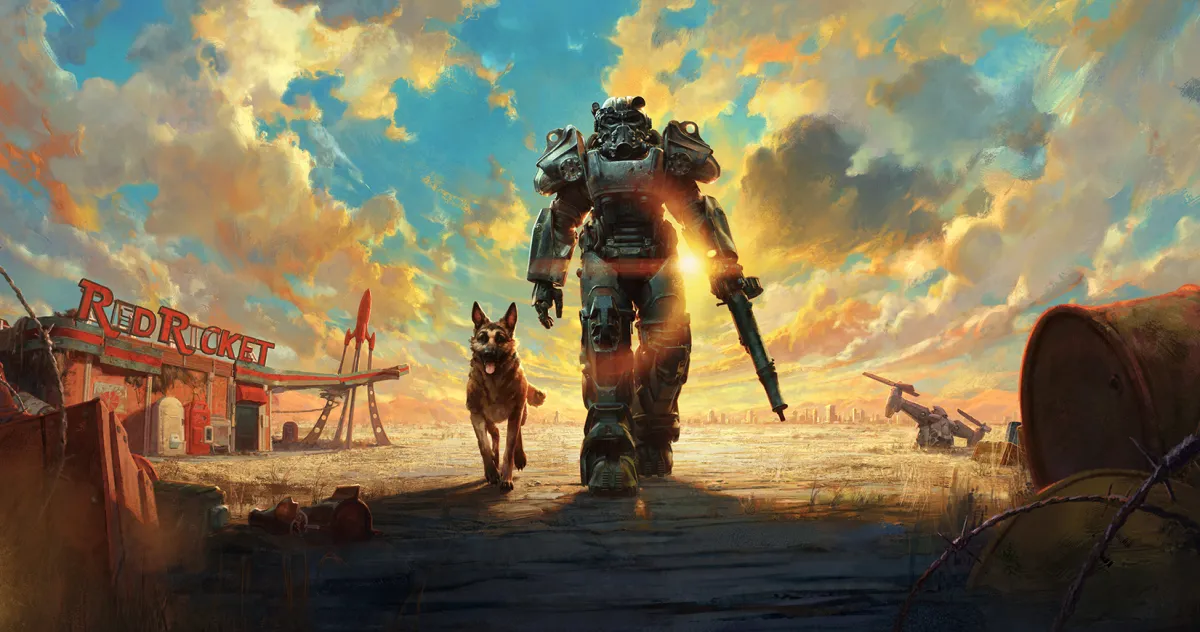
In a move that underscores the enduring impact of classic titles amid rapid technological shifts, Bethesda has announced the release of the Fallout 4 Anniversary Edition, coinciding with the game’s 10th anniversary. Scheduled for launch on November 10th across PC, PS4, PS5, Xbox One, and Xbox Series X/S, this edition exemplifies innovation in content delivery and reinforces the game’s relevance in an era dominated by continuous platform evolution and digital engagement. Offering the base game alongside six official expansions, over 150 creations from the Creation Club, and a dedicated hub for mods, Bethesda is reinforcing the game’s position as a business case study in longevity and community-driven content.

This strategic refresh arrives precisely one month before the debut of the second season of Prime Video’s Fallout series, creating an integrated entertainment ecosystem that blurs the lines between traditional gaming and streaming media. Such an approach exemplifies how legacy franchises can leverage technological disruption—through cross-media synergy—to amplify user engagement and extend brand dominance. The timing also hints at a broader industry trend: immersive content experiences are becoming pivotal to capturing consumer attention in a competitive multimedia landscape. Industry analysts point to this as a clear example of how existing properties can leverage technological advancements—such as enhanced mod ecosystems and multi-platform availability—to reinvigorate aging franchises and unlock new revenue streams.

In a notable move reflecting accelerated hardware innovation, Bethesda has announced that the Fallout 4 Anniversary Edition will arrive on the upcoming Nintendo Switch 2 next year. This aligns with a broader industry shift, where companies like Nintendo and Sony are pushing boundaries with next-generation consoles that promise more integrated, high-performance gaming. Industry insiders suggest that this generation will fundamentally disrupt how games are developed and consumed—with enhanced processing power facilitating richer graphics, more complex worlds, and innovative mod support.

  • Next-gen consoles will facilitate larger, more dynamic multiplayer experiences.
  • Game developers will have access to unprecedented hardware capabilities for innovation in game design.
  • Distribution models will increasingly emphasize digital content, making physical limitations less relevant.

Furthermore, the impending Switch 2’s third-party releases marks an industry-wide shift toward platform agnostic gaming, where high-quality titles are expected to run seamlessly across device ecosystems. Such disruptions hold profound implications for game publishers, hardware manufacturers, and content creators, requiring them to adopt more agile strategies to stay competitive.

Looking ahead, the intersection of legacy IP revitalization, technological innovation, and hardware advancements signals a transformative era for interactive entertainment. Disruption is no longer optional but essential, prompting industry leaders and startups alike to accelerate innovation pipelines. The opportunity for entrepreneurs and investors is clear: those willing to embrace emerging tech—such as cloud gaming, AR/VR, and AI-driven content creation—will shape the future landscape of entertainment. As Bethesda’s anniversary celebration exemplifies, combining nostalgia with cutting-edge technology isn’t just a marketing tactic; it’s a blueprint for future business model evolution—a call for the industry to respond swiftly and boldly to the relentless pace of change. The future belongs to those who innovate now, ensuring that gaming remains not just relevant but revolutionary.

Mass Youth Show Support for Palestine Across Australia, Promise Continued Protests After Gaza Ceasefire

As tensions in the Middle East continue to ignite a global response, countries across the world are witnessing a surge in activism and diplomatic maneuvers that reveal the profound geopolitical impact of recent events. The recent ceasefire deal brokered by Donald Trump in Gaza initially brought a glimmer of hope for peace, but skepticism remains high among international analysts. The deal, which has temporarily alleviated some violence, remains unpopular among many Palestinians and defending voices who argue that real change requires more comprehensive negotiations and local consultation, not just US-led agreements. Many see this move as yet another example of how powerful nations, particularly the United States, influence conflicts to serve broader strategic interests, often at the expense of self-determination for the Palestinian people.

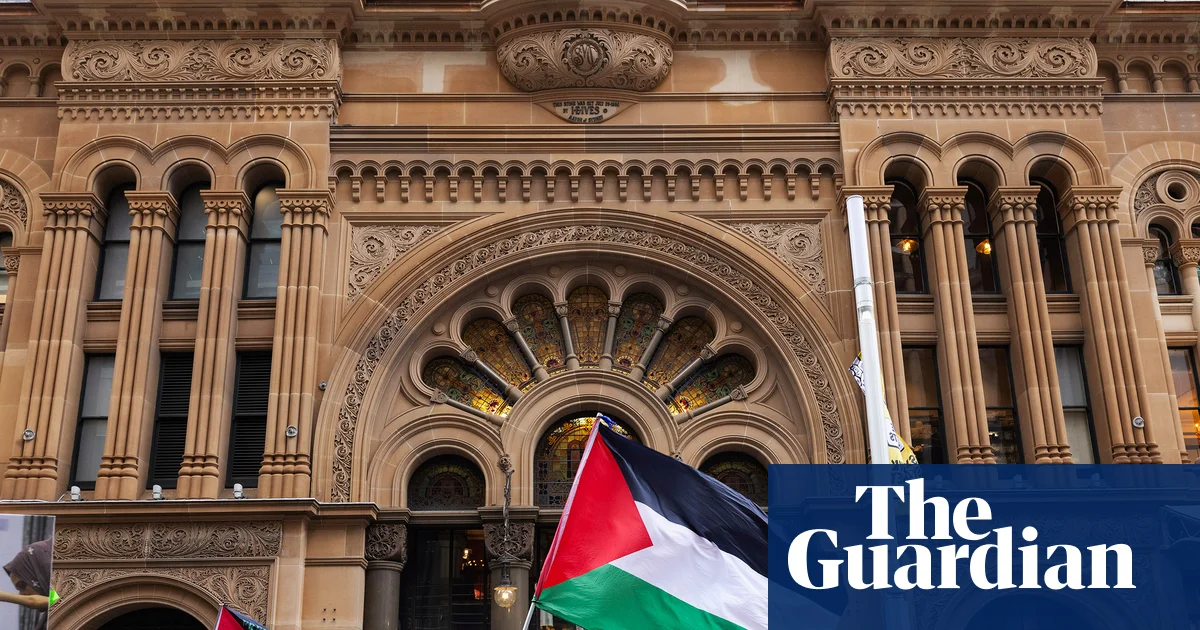
In Australia, waves of demonstrations underscore how global conflicts inexorably ripple into local political and social spheres. Tens of thousands have gathered in cities like Sydney, with organizers affirming an enduring commitment to supporting Palestine. Despite police estimates of 8,000 attendees in Sydney, reports indicate that the rallies are far larger, symbolizing widespread concern and a sense of shared responsibility among youth and activism groups. Notably, these protests aim to maintain pressure on Australian policymakers to implement more aggressive sanctions on Israel and cease trade in military equipment—a move supported by numerous analysts who see economic leverage as a vital tool for fostering real change. The significance of these protests lies not only in the numbers but in their defiance against a backdrop of international diplomacy often perceived as tepid or superficial, further exemplified by the recent Gaza ceasefire mediations.”

The protests also carried a personal and emotional weight, as many families like Shamikh Badra and Abubakir Rafiq highlighted the ongoing human tragedy—families torn apart and lives on hold while seeking justice and closure. These deeply personal stories serve as a stark reminder that decisions made on political and diplomatic levels have immediate, devastating effects on societal fabric and individual lives. International organizations, including Unrwa and Unicef, are preparing to deliver aid to Gaza, an effort seen as critical in a region where the aftermath of the recent conflict continues to threaten survival and stability.

Among the most striking features of this rising activism is the resilience of grassroots movements that challenge institutional constraints. In Sydney, protesters defied the NSW court of appeal and police opposition, demonstrating how civil disobedience remains a powerful tool for marginalized voices. Leaders like Jenny Leong of the NSW Greens have explicitly condemned the influence of Trump and his policies, warning against the dangerous precedent set when the future of Palestinians is dictated by foreign powers rather than their own communities. In history, such local acts of defiance have often foreshadowed larger geopolitical shifts, and observers warn that as conflicts persist, the struggle for self-determination and justice becomes increasingly intertwined with global power calculus.

As the world watches this unfolding narrative—a testament to the enduring complexity of geopolitics—a somber realization emerges: the decisions made in diplomatic chambers and on city streets will echo for generations to come. Each rally, each diplomatic summit, and each tragic story from Gaza and beyond weaves into the fabric of history, reminding us that in the age of globalized conflict and intervention, the fight for sovereignty, justice, and peace remains an ongoing saga where the weight of the past shapes the unpredictable contours of the future.

Social Media Auto Publish Powered By : XYZScripts.com