Matox News

Truth Over Trends, always!

Anthropic Rises, but SpaceX Could Steal the Show in Private Markets

Market Shifts Signal Disruption: SpaceX Nears Historic IPO Amid AI Market Uncertainty

In the midst of a rapidly evolving technological landscape, SpaceX is positioning itself as a dominant force not only in aerospace but also in the broader financial markets. Recently, the private aerospace giant filed confidential paperwork for what could become one of the largest IPOs in history, potentially raising $50-$75 billion and valuing the company at over $1.75 trillion. This move sets a new benchmark for tech companies, illustrating how strategic valuation discipline and cautious funding rounds foster exponential growth and market stability. Industry analysts such as Gartner suggest that the timing of this IPO could redefine the stage for future tech offerings, forcing competitors and investors alike to adapt quickly or fall behind.

Meanwhile, the AI sector is witnessing a wave of disruption driven by companies like Anthropic and OpenAI. Despite the high-profile status of OpenAI, sources indicate that the secondary market’s excitement has shifted towards Anthropic, which remains largely untradeable due to the scarcity of available sellers. Much of this stems from the company’s growing reputation as a ‘hero’ standing up against big government and established players. With institutional investors eagerly seeking exposure, the dilemma remains: which AI model will emerge as the dominant force? As Anderson, president of Rainmaker Securities, highlights, the market’s momentum for Anthropic is surging, while OpenAI’s allure is waning, at least in secondary trading. This signals a potential shift in industry consensus, emphasizing innovation and strategic positioning in disruptive tech sectors.

In the arena of business strategy, SpaceX exemplifies disciplined growth, choosing to avoid the common pitfall of maximizing prices at every fundraise. Anderson credits SpaceX’s management for playing it conservatively—restraining greed and fostering investor confidence. This approach has yielded enormous gains for early backers, with valuations soaring from $12 billion in 2015 to over a trillion today. Such a trajectory underscores how prudent management, coupled with disciplined pricing, can unlock game-changing value in high-stakes markets. Elon Musk’s company is now poised to test investor appetite on a scale never before seen, with its IPO potentially rewriting the rules of market access and investor participation. The implications are clear: timing, discipline, and strategic foresight will determine the next era of technological dominance and investment success.

Looking forward, the coming months are likely to be pivotal as AI firms explore public offerings, with SpaceX blazing the trail. Anderson warns that the liquidity pool may become increasingly concentrated around SpaceX’s IPO, leaving less capital for AI companies that follow. The market’s capacity to absorb such immense capital will shape the future of innovation and disruption. As the tech giants prepare to go public, the strategic calculus will intensify: those who move first could seize the lion’s share of available liquidity, but at the risk of less favorable valuations or increased scrutiny. Maintaining agility and foresight in this fiercely competitive landscape will be essential for stakeholders looking to capitalize on the next wave of technological transformation.

In sum, the current market environment underscores a clear message: innovation and discipline are at the heart of future success. Companies that understand the importance of timing, strategic valuation, and maintaining investor confidence will define the playing field for years to come. As SpaceX’s IPO preparations unfold and AI firms await their turn, discerning investors and industry leaders must stay vigilant. The future belongs to those who can disrupt, innovate, and adapt—before markets move beyond reach and opportunities become fleeting relics of a competitive landscape in relentless flux.

How a TV Show Captivates the Heart: Bluey’s Composer Reveals the Secret to Music That Truly Moves You

In an era where the rapid proliferation of digital media often reduces culture to fleeting entertainment, the recent release of Bluey’s new album, “Up Here”, serves as a compelling reminder of the enduring significance of cultural artifacts as vessels of identity and tradition. Art, whether it manifests in music, literature, or visual expression, fundamentally shapes societal consciousness—an echo from the past propelling us into the future. The integration of a chamber orchestra into the show’s musical fabric exemplifies the elevation of children’s media from mere amusement to an art form that reveres beauty, craftsmanship, and emotional depth. It invokes a parallel throughout history: the Renaissance’s fusion of education and aesthetic excellence, the Romantic era’s emphasis on emotion and individual expression, — all echoing the conviction that culture is a moral and spiritual foundation, not merely a distraction or entertainment.

The cultural resonance of Bluey extends far beyond Australian borders, with over a billion streams globally, framing the show’s music as a cultural milestone. The success of its theme song and soundtrack, which debuted at number one on the ARIA charts and topped Billboard’s US children’s charts, underscores a broader societal truth: the power of cultural expression to forge international bonds and shape the moral fabric of society. When Tocqueville observed American democracy’s vibrancy, he attributed part of its strength to its cultural expressions—literature, music, and civic rituals—elements that foster a shared identity. Bluey’s music, especially the stirring rendition of “Sleepytime,” acts as a universal touchstone, evoking sentiments of love, security, and independence rooted in familial bonds—values that are essential in maintaining societal cohesion.

Composers like Joff Bush tap into these timeless themes through techniques such as seeding, where musical motifs from Gustav Holst’s Jupiter from The Planets subtly reinforce the show’s central messages. As philosopher Chesterton might suggest, this blending of music and narrative captures the “joy of the familiar”—a vital element in cultivating a cultural identity that honors tradition while embracing growth. The emotional impact of Bluey’s music demonstrates that art, when rooted in cultural memory, becomes an act of moral education, guiding both children and adults through the complex landscape of human development.

More than a simple children’s show, Bluey’s cultural success exemplifies how media, when crafted with care and artistic vision, sustains the moral and aesthetic values vital to society. As Ortega y Gasset famously pointed out, society, much like a work of art, is built upon a “living memory” and the shared stories that define a people’s soul. The show’s joyful yet emotionally profound music reminds us that culture is both the memory of humanity’s highest aspirations and the prophecy of what humanity can become. In this sense, culture becomes an unbroken chain—a continuous dialogue between our past and future—invoking the idea that in embracing tradition with passion and innovation, we shape a society that is resilient, hopeful, and true to its noblest ideals. As we listen to Bluey’s melodies, we are reminded that the symphony of human experience is eternal—an ode to both memory and prophecy, ever echoing through the corridors of time.

Rising Stars Shine: Young Athletes Steal the Show in Latest Championships

Oklahoma City Thunder Skip White House Visit Amid Road Trip

The reigning NBA champion Oklahoma City Thunder will not pay a visit to the White House during their upcoming road trip to the nation’s capital this weekend. This decision has sparked discussions among fans and analysts alike, highlighting the complexities that surround sports and politics.

Traditionally, championship teams are honored with a visit to meet the President, celebrating their achievements on the court. However, given the current political climate, Thunder’s head coach Mark Daigneault cited team focus as a primary reason for bypassing the visit. “Our goal is to maintain focus on the next game. We respect the legacy, but we’re here to compete,” said Daigneault in a candid press conference. This sentiment reflects a growing trend among athletes prioritizing their performance over political appearances.

Match Highlights and Implications

  • Oklahoma City Thunder will face the Washington Wizards this Saturday in a highly anticipated matchup.
  • The Thunder currently holds a 10-5 record this season, showcasing their undeniable talent and teamwork.
  • Star guards Shai Gilgeous-Alexander and Luguentz Dort are expected to lead the charge, contributing to a dynamic offensive strategy.

As they prepare for the game, player stats reveal that Gilgeous-Alexander is averaging 27.3 points per game, underscoring his crucial role in the team’s success. Comments from sports analysts indicate that without the distractions of political appearances, the Thunder might channel their energy directly onto the court, potentially leading to a more focused performance.

While the decision to skip the White House visit has stirred debate, it ultimately emphasizes the importance of sport as a unifying force. The anticipation surrounding the Thunder’s matchup against the Wizards is palpable, embodying the spirit of competition that transcends politics. As fans gather to support their team, it becomes clear that sports are not merely about wins or losses; they are about connection, passion, and shared moments that resonate well beyond the final buzzer. In this regard, the Thunder’s focus on their game against the Wizards will serve not just as a challenge for victory, but as an opportunity to inspire and unite.

Source link

K-pop fans rally in Seoul for highly anticipated comeback show

In a display of cultural resilience and soft power, South Korea witnessed a historic moment as over 260,000 fans gathered in Seoul’s Gwanghwamun Square to see the iconic K-pop group BTS perform live for the first time since October 2022. This concert did not merely symbolize a musical reunion; it signaled a notable renewal of cultural confidence that extends beyond entertainment and into the realm of national identity and international diplomacy. As the seven members—RM, Jin, Suga, J-Hope, Jimin, V, and Jung Kook—delivered a spirited one-hour set that included tracks from their highly anticipated new album, Arirang, the event underscored South Korea’s ongoing effort to project a modern, resilient image amid geopolitical tensions.

Global analysts, as well as historians specializing in cultural diplomacy, have pointed out that BTS’s return carries far more significance than it appears on the surface. The group’s global popularity—spanning continents from Asia to North America—exemplifies South Korea’s burgeoning influence on the international stage. The international community, namely the United States, China, and Japan, recognize this cultural dominance as a strategic asset, aiding South Korea in its broader quest for diplomatic leverage. According to the World Cultural Organization, such “pop culture diplomacy” bolsters national image while cultivating soft power, an increasingly valuable currency in modern geopolitics. Essentially, BTS’s resurgence affirms South Korea’s position as a cultural leader—a narrative critical as global geopolitical shifts threaten to redefine alliances and power balances.

However, the resonance of BTS’s performance extends beyond social media and international audiences. It symbolizes a turning point in South Korea’s socio-political landscape, reinforcing the country’s narrative of resilience amid persistent regional tensions with North Korea and rivalries with its neighbors. Many analysts argue that enhanced national pride through cultural successes like BTS helps fortify internal stability, which is crucial as Seoul navigates complex diplomatic maneuvers involving major powers. Some international organizations, such as the United Nations, have lauded South Korea’s strategic use of cultural diplomacy, emphasizing that how a nation leverages its cultural assets can significantly influence global perceptions and policy decisions.

As history continues to unfold, the return of BTS epitomizes a broader shift where cultural achievements serve as a new form of geopolitical currency. In an era marked by intense competition for influence, this concert becomes a metaphor for a nation using its cultural capital to shape international narratives and forge resilient alliances. The future remains uncertain, yet the story of BTS—like that of a nation’s soft power rising amidst adversity—reminds the world that culture and identity remain powerful tools in maintaining sovereignty and shaping history. The echoes of this concert will linger far beyond the applause, shaping the contours of a new geopolitics—one where the lines between culture and power are increasingly blurred, and the weight of history is still being written.

What the Networks Didn’t Show You

In an era marked by escalating geopolitical tensions, preparations for a pivotal international event unfolded in Hollywood with meticulous security measures that underscored the global stakes involved. Authorities orchestrated layered security perimeters, traffic management plans, and maintained a highly visible police presence across the Hollywood district, especially around the Dolby Theatre on Hollywood Boulevard. Deployment of tactical units resembling SWAT vehicles and fencing lining the streets signaled a rigorous approach aimed at safeguarding what may seem like an entertainment spectacle but, in reality, often mirrors deeper geopolitical currents.

This heightened security reflects more than urban precaution—it exemplifies the growing awareness that international events in prominent cultural hubs have taken on new layers of significance within the broader context of global power dynamics. Observers and analysts point to the increasingly polarized international landscape, where cultural and political symbolism intertwine. Recent history demonstrates that high-profile ceremonies are frequently exploited to send geopolitical messages, rally national identity, or assert soft power. In the case of Hollywood, a city often associated with international influence and cultural diplomacy, security measures transcend routine film industry protocols, acting as a thin barrier shielding delicate diplomatic exchanges or orchestrated narratives meant to shape public perception worldwide.

Many experts, including strategic analysts and international scholars, suggest that the intense preparations reflect a broader geopolitical impact—a warning that nations are increasingly aware of the symbolic power embedded within cultural and entertainment sectors. The event could serve as a stage for diplomatic signaling or, alternatively, a flashpoint for internal protests or foreign interference, especially amid global conflicts and rising nationalist sentiments. The decision to amplify security also signals a recognition that, in a time when information warfare and asymmetric threats are daily realities, even Hollywood’s glamorous veneer cannot shield it from the shadows of international rivalry.

As America and other great powers continue to navigate this complex landscape, the unfolding narrative remains fraught with uncertainty. Historians and policymakers warn that decisions made in moments of heightened alert—such as deploying security forces or controlling symbolic sites—can have lasting repercussions on how nations view their sovereignty and international standing. For now, the Hollywood event serves as a microcosm of our shifting world order, where the lines between culture, security, and geopolitics blur. In the silent vigil surrounding the Dolby Theatre, history quietly watches, awaiting its next chapter—one in which the stakes are as high as the dreams it seeks to showcase, and where choices made today could echo through the corridors of history for generations to come.

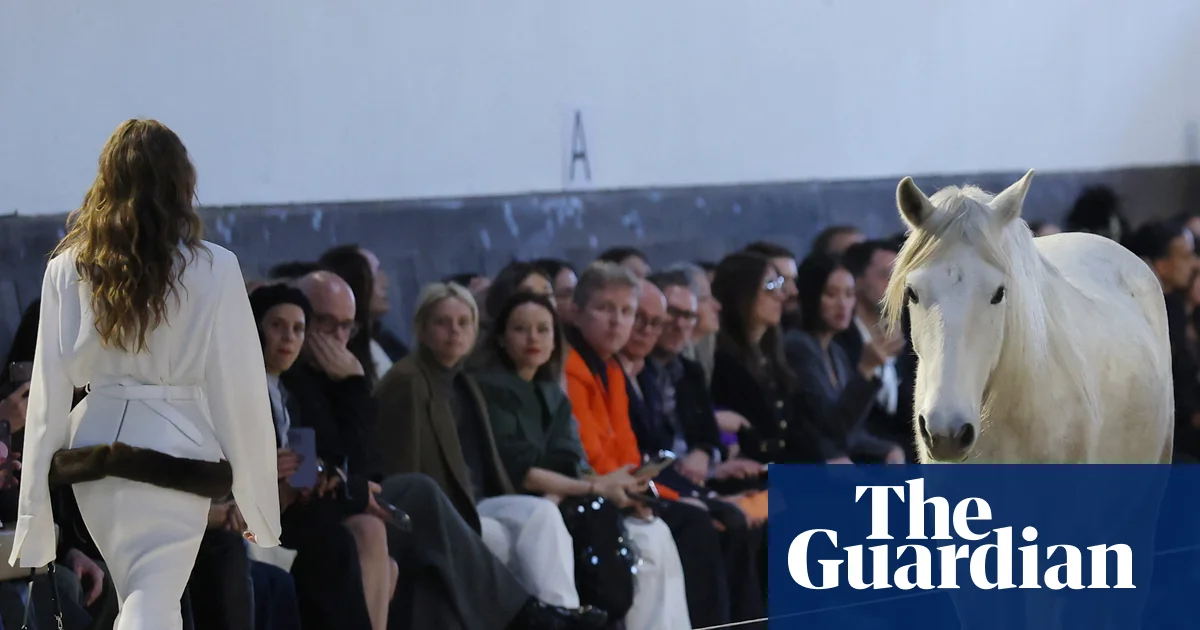
Victoria Beckham Making a Bold Comeback in Chic Trousers and Party Looks at Paris Show

The Beckham empire continues to captivate the modern zeitgeist, demonstrating how a family brand can evolve beyond sports and fashion into a broader cultural phenomenon. Recently, Victoria Beckham showcased her new collection at Paris Fashion Week, seamlessly blending history, artistry, and social influence. Her inspiration from Tamara de Lempicka, the Polish art deco painter known for her sinuous lines and vibrant colors, underscores a broader trend of designers drawing from historical art to set contemporary style narratives. This collection’s sober tailoring paired with decadent party dresses not only pushes fashion boundaries but also reflects a subtle shift toward understated elegance—a move that resonates with a generation seeking authenticity over excess.

An intriguing aspect of this fashion evolution is the cultural impact of the Beckhams’ expanded brand identity. The recent surge in their US recognition — driven by David Beckham’s rise in MLS and Netflix’s documentary about Victoria’s entrepreneurial journey — signifies a strategic shift from celebrity to cultural iconography. Their influence now extends beyond the football field and runway, shaping lifestyle trends among youth and young adults who value both style and social relevance. The fashion line, once in peril with a debt of £54m, has rebounded spectacularly, thanks to a savvy expansion into makeup and beauty. In 2025, combined sales across fashion and beauty escalated by 19% to over $170 million, with profits quadrupling, marking a definitive turning point from near-collapse to industry contender. This resilience showcases a broader societal appetite for brands that combine heritage and modernity, blurring traditional lines of consumer allegiance.

The Beckham brand is also pushing ahead with international expansion, planning new store openings in New York and Paris later this year—despite setbacks such as the collapse of Saks department store, which previously was their primary U.S. retail partner. This illustrates a larger trend in the global retail landscape: brands that are adaptable, leveraging both physical and digital spaces to reach an increasingly image-conscious audience. As Victoria notes her affinity for classics like tailored trouser suits with pockets — “the pocket queen” — her designs subtly symbolize the empowerment, independence, and practicality that define modern youth culture. The collection’s focus on neutral tailoring and flowing color palettes signals a shift—away from ostentation—toward a more refined, conscious form of expression that aligns with contemporary sensibilities and social values.

Yet, beneath these outward shifts lies a compelling question: as brands like Victoria Beckham’s solidify their cultural relevance through art, fashion, and celebrity storytelling, what does this say about the future of status and identity? Will the next wave of youth-driven trends continue to be shaped by the intersection of art, entrepreneurial audacity, and social media influence? These are the questions the industry is beginning to ask itself, as the Beckham story — a perfect storm of family legacy, artistic inspiration, and entrepreneurial resilience — continues to unfold. The next chapter may hold even deeper transformations, forcing us to ask: can a brand remain both socially relevant and authentically modern, especially in an era where authenticity itself is a trending commodity?

Stella McCartney’s Paris Show Takes Fans on a Rapid Run Through Her Life and Style

In an era defined by rapid shifts and social consciousness, the recent spotlight on fashion industry icons reveals much about where youth culture is headed. Stella McCartney‘s 25-year journey not only symbolizes resilience within a notoriously fickle industry but also exemplifies how the nexus of sustainability and celebrity influence continues to shape conversation among Gen Z and millennial audiences. Her Paris Fashion Week showcase was more than just a collection; it was a cultural event layered with symbolism—from a nod to her childhood on Mull of Kintyre to her commitment against animal cruelty—yet, beneath the surface, it signals a broader societal shift: that values-driven consumption is becoming a defining metric for youth identity.

What’s particularly remarkable about McCartney’s approach is her embrace of cutting-edge

innovations — like turning brewed protein into knitwear. This seemingly niche tech has sparked a movement that extends beyond fashion into social debates about environmental responsibility. Influencers, such as Emma Chamberlain or Lizzo, are amplifying these messages through social media, framing sustainability as not just a trend but a core cultural value. Meanwhile, fashion analysts underscore how such endeavors serve to redefine what authentic luxury looks like, moving away from traditional leather and fur towards ethical, tech-infused alternatives. This evolution repositions youth as active consumers who demand transparency and social justice, effectively transforming fashion into a mirror for societal evolution.

At the same time, industry legends like Pieter Mulier are quietly rewriting the script on leadership and artistic integrity. As he prepares to undertake the helm at Versace, critics are watching how his sculptural, anti-trend aesthetic resonates with a generation craving individuality over conformity. His signature perforated stilettos, now a high-street viral hit, exemplify how high fashion’s forward-thinking impacts mainstream shopping behaviors. This, combined with the recent transition of the fashion world at events like Paris Fashion Week, shows a shifting dynamic—where traditional brands are integrating tech-driven innovation and social consciousness into their core identity. Influential figures such as Oprah Winfrey sitting front-row reinforce the social relevance of these shifts, signaling that fashion remains a battleground for cultural influence and social capital.

Yet, amid the grandeur and symbolism, a fundamental question emerges: as the fashion industry shifts towards sustainability and social activism, who will ultimately dictate what’s considered authentic? Will consumers continue to prioritize these values over mere aesthetics, or might they someday fall prey to new trends that superficially tout social causes without real substance? As youth-oriented trends adapt to an ever-changing social landscape, the next big question is whether this cultural momentum will sustain or if it will be just another chapter in the ongoing story of market-driven activism. In a world where a designer’s statement vest can encapsulate decades of personal history, this cultural evolution prompts us to ask: what is the true future of authenticity in fashion—and society—at large?

Chelsea Flower Show Looks for New Sponsors After Mysterious Donors Pull Out

The Chelsea Flower Show, an emblem of global horticultural excellence and a showcase for innovation, is facing a pivotal moment. For decades, the event has depended heavily on corporate sponsors and philanthropic patrons to fund its grandeur, cultural impact, and charitable initiatives. Recently, however, a significant shift has occurred as the mysterious philanthropic couple who invested over £23 million into show gardens since 2022 have withdrawn their support. This development raises questions on the future of Britain’s most storied gardening event and its international influence.

Historically, corporate sponsorship played a dominant role, with brands such as M&G and Range Rover providing the financial backbone for the show’s most renowned displays. Yet, since the 2008 financial crisis and the recent global pandemic, the number of commercial patrons has declined sharply, signaling a broader decline in private sector engagement with high-profile cultural events. In response, the Royal Horticultural Society (RHS) shifted focus to champion charitable causes through the support of garden projects, notably via the initiative, Project Giving Back. Supported by anonymous donors, this movement funded 63 gardens that highlighted social issues and environmental themes, such as native plants and eco-friendly horticulture. Significantly, the innovative “rewilding” garden in 2022—designed to look deliberately unkempt—won the coveted best-in-show award, symbolizing a paradigm shift toward sustainability and natural beauty in gardening.

The current withdrawal of philanthropic support represents a *turning point* for the RHS. With 2027 on the horizon, the organization is seeking new charitable sponsors, aware that the event’s economic model must adapt to an increasingly uncertain funding landscape. Critics and analysts point out that the future of the Chelsea Flower Show hinges on balancing commercial interests with societal and environmental responsibility. Historians like Dr. Jane Matthews note that the event’s history as a platform for both culture and charity underscores its geopolitical significance: it serves as a high-profile international stage for Britain to project soft power, promote environmental awareness, and foster global goodwill. As the show increasingly emphasizes eco-conscious themes, its role in shaping international dialogue on climate resilience and sustainable development becomes even more pronounced.

The last garden sponsored by Project Giving Back will be a dramatic statement, designed by James Basson and featuring striking imagery of cliffs and natural ochre pigments reminiscent of Southern France. This design not only symbolizes a possible glimpse into the future of gardening in a changing climate but also serves as a reminder of the show’s broader role. As international organizations and think tanks analyze the intersection of environmental policy and cultural diplomacy, the Chelsea Flower Show emerges as a vital cultural arena. Yet, the loss of philanthropic support underscores an unsettling reality: without sustained external investment, this global icon risks becoming a relic of bygone eras, its influence diminished in a world where economic and political shifts are reshaping international soft power.

As history continues to unfold, the Chelsea Flower Show stands at the cusp of transformation. Its destiny now intertwined with the ever-shifting currents of global economics, environmental concern, and societal values. The coming years will reveal whether this celebration of horticultural innovation can endure as a beacon of cultural diplomacy or whether it will fade into obscurity amid the relentless tides of change. In the shadow of declining charity and changing priorities, the question remains: what legacy will this iconic event leave for future generations? As the world watches, the story of the Chelsea Flower Show is yet to be fully written—a chapter in a larger narrative of history, resilience, and the enduring power of gardens to inspire and unite.”

Inside Bad Bunny’s Game-Changing Super Bowl Halftime Show

Innovation Disrupts Super Bowl Halftime Productions: A New Era of Event Engineering

As the Super Bowl approaches its nearly 60-year milestone, the complexity of delivering awe-inspiring halftime shows continues to escalate, driven by groundbreaking innovations and logistical challenges that are redefining the sports & entertainment landscape. Leading production firms like Tribe Inc. exemplify how the convergence of creative vision and technological disruption is setting the stage for a new era of large-scale event management. These enterprises leverage advanced engineering, design innovation, and strategic planning to overcome industry-specific hurdles—whether they’re environmental, safety-related, or logistical—highlighting how the future of entertainment delivery is being reshaped by technological ingenuity.

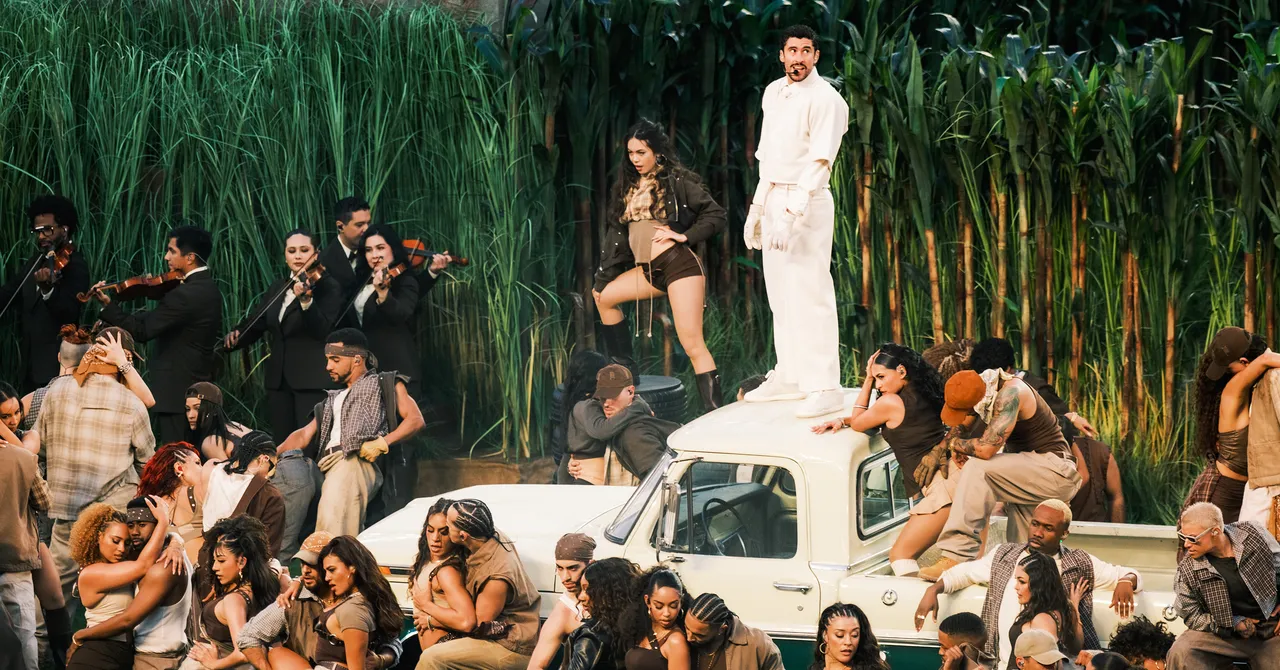
This year, the challenge was rooted not in the usual concerns over security or leaks but in environmental constraints. The star of the show, Bad Bunny, aimed to recreate the Puerto Rican landscape on Levi’s Stadium’s natural grass—a feat that would have demanded significant innovation beyond traditional stage design. The limitations imposed by NFL regulations meant that conventional methods—like rolling carts loaded with plants—were rendered impossible due to the risk of damaging the pristine grass. Instead, production teams had to explore alternative, disruptive solutions centered on modular, eco-friendly stage designs and advanced digital and ecological engineering. This shift underscores the broader industry trend toward integrating sustainability with spectacular design, aligning with the sustainability ambitions of major corporations such as Apple and Google while transforming their event experiences.

Driving Innovation and Industry Disruption

The collaborative efforts between production companies and cutting-edge technology providers exemplify the sector’s trajectory towards innovative disruption. In the case of the Super Bowl, this translates to the use of augmented reality (AR), virtual set design, and advanced stage machinery to create immersive experiences without damaging stadium infrastructure. Experts like Peter Thiel and institutions such as MIT emphasize that such technological ecosystem integration isn’t just about spectacle—it’s about redefining the fundamental business models of live entertainment. Companies able to leverage these innovations achieve a competitive edge, offering more elaborate shows with reduced logistical footprints, ultimately cutting costs while amplifying audience engagement.

Furthermore, this year’s event showcases a broader industry shift toward sustainable design practices, echoing trends identified by Gartner’s research in enterprise innovation. These include:

  • Use of modular, reusable set components that can be rapidly deployed and disassembled.
  • Implementation of digital twin simulations to anticipate and optimize logistical planning.
  • Eco-conscious materials replacing traditional, environmentally detrimental options.

Such innovations are not merely about aesthetics; they symbolize a disruptive influence on how major events are orchestrated at scale. As the industry embraces strategic integration of digital and ecological technologies, the potential for disruption extends far beyond the Super Bowl, influencing conferences, concerts, and even space-based staged events in the near future.

Looking Ahead: A Future of Rapid Transformation

The trajectory of event production signals enormous opportunities for business disruption and technological innovation. Companies that innovate rapidly will define the future of entertainment—blurring lines between physical and digital realms, and setting new standards for spectacle and sustainability. Industry leaders, investors, and entrepreneurs who recognize these shifts now will secure significant competitive advantages in what is rapidly becoming a playfield dominated by cutting-edge, disruptive technologies. As Elon Musk and other visionaries predict, the next decade promises a wave of technological amalgamation—transforming once-impossible visions into reality, with the potential to revolutionize how audiences globally consume entertainment and live experiences.

In this fast-evolving landscape, the urgency remains clear: the ability to innovate quickly and disrupt traditional paradigms is vital for businesses aiming to capitalize on emerging market opportunities. The Super Bowl’s evolving spectacle provides just a glimpse of what’s possible when creative ingenuity meets technological disruption—an era where the only limit is—and perhaps, should be—our own imagination.

Epstein Files Still Show Naked Images Despite Public Outrage

As the international community closely monitors developments within the United States, recent statements by Deputy Attorney General Todd Blanche underscore the complexities of domestic legal processes with far-reaching geopolitical implications. Confronted with a looming deadline imposed by Congress, Blanche announced that the highly sensitive files related to ongoing investigations would not be released as initially scheduled. The reason? An intensive effort aimed at safeguarding the identities of victims, highlighting the delicate balance between transparency and security in the digital age.

This internal procedural shift has stirred international concern, particularly among nations watching the U.S. through the lens of its legal transparency. Analysts from major think tanks note that such delays can ripple across global diplomatic relations, influencing perceptions of American accountability and rule of law. The decision to prioritize victim protection over immediacy in disclosure signals a potential shift in how the U.S. handles sensitive information, especially when considering its impact on joint international investigations or cooperation frameworks. Institutions like the United Nations and global human rights organizations have long assessed transparency as a cornerstone of legitimacy—yet, as this case demonstrates, safeguarding individual identities can complicate broader efforts for accountability.

Historically, the U.S. has wielded immense influence in shaping rules for international law and justice. In this context, such internal decisions are far from isolated; they represent a significant turn in how major powers navigate the tension between domestic security and international obligations. Many geopolitical analysts argue that, in an era marked by rise of authoritarian surveillance and cyber warfare, the decision to withhold or restrict information fuels debates about transparency and sovereignty. As historians warn, moments like these could become precursors for a broader retrenchment from open societies, emboldening regimes that prioritize secrecy over open governance.

What reality are the nations of this fractured world constructing with each passing moment? The decision by the U.S. Department of Justice exemplifies a larger narrative: that of a superpower grappling with its own internal contradictions while the global stage watches, often without the benefit of full knowledge. The repercussions extend beyond legal files—they influence diplomatic trust, national security paradigms, and the very fabric of international cooperation. As international observers contemplate these shifts, they find themselves asking whether the trend toward guarded transparency signals a safeguard or a slide into opacity. History warns that what is concealed today may very well become the catalyst for future crises—a reminder that the true weight of power often lies not in what is revealed, but in what is kept behind closed doors.

Social Media Auto Publish Powered By : XYZScripts.com