Matox News

Truth Over Trends, always!

Anthropic Sets Sights on Big London Push

Anthropic’s Strategic Move to London Signals New AI Power Player in Europe’s Tech Arena

Recently, Anthropic announced its expansion into a sprawling 158,000-square-foot office in London, positioning itself at the heart of Europe’s burgeoning AI hub. This strategic move not only doubles—but quadruples—its current staffing capacity, bringing the company’s headcount to an expected 800. Situated amid industry giants like Google DeepMind, OpenAI, and Meta, Anthropic’s presence signals a pivotal shift in the global AI industry’s geographical and strategic landscape. The relocation to this AI innovation corridor underscores the escalating importance of Europe as a testing ground for disruptive models and cutting-edge safety protocols, driven by the continent’s regulatory environment and top-tier talent pools.

Primarily, Anthropic’s move comes amidst a larger disruption in the AI industry, as major players vie for talent in what Geraint Rees, Vice-Provost at University College London, describes as an organically grown cluster rather than a planned ecosystem. By positioning itself next to competitors and research institutions, Anthropic accelerates the translation of its research into commercially viable AI products. This proximity effect could catalyze a new wave of innovation, challenging American dominance and fueling a fierce, cross-Atlantic competition for supremacy in AI technology. Meanwhile, U.K. officials have reportedly attempted to attract Anthropic with incentives, amid its refusal to develop AI models for mass surveillance or autonomous weaponry, citing safety as a core principle. This stance highlights a broader industry trend—ethical AI development as both a business imperative and a market differentiator—which could reshape market expectations and regulatory landscapes globally.

This expansion is not merely about physical growth but also about strategic disruption. Anthropic’s deepened collaboration with the UK’s AI Security Institute demonstrates an emphasis on cybersecurity and safety, potentially setting new standards for responsible AI deployment. Additionally, the company’s cautiously limited release of its recent model, Claude Mythos, signals a market-aware approach to AI’s potential for misuse—distinguishing it from more reckless competitors. Industry analysts like Gartner emphasize that, amid the rapid development cycle, companies that prioritize safety without sacrificing innovation will craft the new industry benchmark. As the AI race heats up, those who successfully master this balance will shape the future of AI-enabled business, defense, and infrastructure, making this a critical inflection point for the industry.
The road ahead is electric with possibility yet fraught with risks. With Europe’s AI arena evolving into a battleground for innovation and influence, the urgency for companies to adapt and lead has seldom been greater. As Anthropic expands, it exemplifies a new paradigm where smart, safety-conscious AI not only disrupts traditional models but also defines the future economic and geopolitical order. The stakes have never been higher—those who act decisively today will forge the AI landscape of tomorrow, laying the foundation for breakthroughs that could redefine what’s possible in the digital age.

Married at First Sight's Mel Schilling passes away at 54—her legacy lives on
Married at First Sight’s Mel Schilling passes away at 54—her legacy lives on

The recent passing of the husband of a well-known TV dating coach has rippled across international media landscapes, prompting many to reflect on the influence of personal narratives amidst the broader currents of geopolitical change. According to family statements, he “passed away peacefully today, surrounded by love,” a phrase that, while seemingly intimate, holds symbolic weight in an era marked by global uncertainties and shifting alliances.

Within the context of international diplomacy and societal evolution, such personal tragedies often serve as veiled reflections of larger societal dynamics. While the story is rooted in individual loss, analysts suggest that the timing coincides with a period of intensified global tension—marked by escalating conflicts, economic upheavals, and formidable debates on cultural identity. The emotional farewell stands in stark contrast to the tumult of headlines surrounding major world powers, underscoring how personal events rarely escape the shadow of geopolitics in today’s interconnected narrative. These moments highlight how the decisions made at the highest levels—whether in bilateral negotiations or multilateral treaties—are deeply intertwined with the social fabric at the grassroots level.

Historians and international observers have long noted that even seemingly small personal stories can mirror the broader upheavals shaping nations. In this context, the passing of a private individual connected to a culturally significant figure offers a poignant reminder of how societal leaders and their families are often caught amid the crossfire of ideological disputes. The global community, including organizations such as the United Nations and regional bodies, continues to grapple with their role in fostering stability and security, amid crises that threaten to unravel the very fabric of peaceful coexistence. Such moments evoke a collective reflection on how personal loss influences societal resilience and the ongoing quest for unity in an era torn between tradition and radical change.

As history continues to unfold, this quiet tribute signals a turning point—an emblematic reminder that behind the headlines and political dramas lie individual stories that embody the true human cost of geopolitical conflict. The worlds of diplomacy and domestic life are inextricably linked; each decision at the summit has ripple effects that extend far beyond the chamber walls. As nations continue to navigate their complex destinies, the weight of history presses heavily upon the present, warning all that profound transformations are often rooted in the simplest acts—love, loss, and the enduring hope for peace amidst chaos. Just as the life of one individual quietly passes into memory, the course of nations remains poised on the edge of tomorrow’s moral and strategic dilemmas, awaiting their next decisive chapter.

As Co-Founders Exit and IPO Nears, Musk Sets Sights on Moon Mission

Elon Musk’s xAI Targets Lunar Manufacturing as Next Technological Frontier

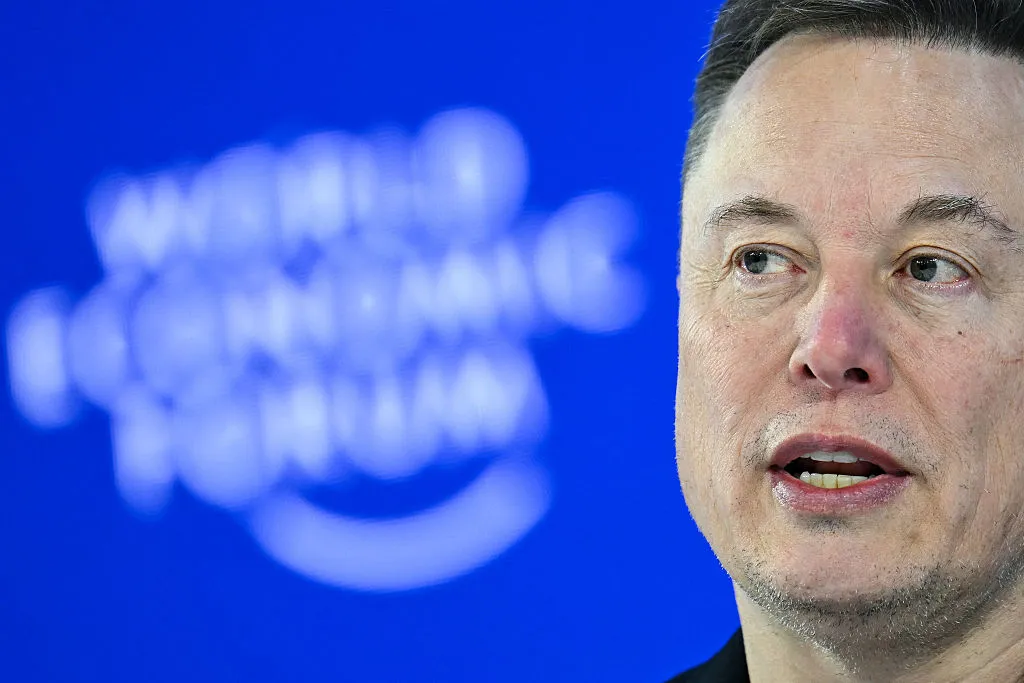
In a surprising pivot towards extraterrestrial innovation, Elon Musk revealed during an all-hands meeting that xAI, his burgeoning artificial intelligence enterprise, aims to establish a manufacturing facility on the Moon. This marks a significant escalation in spatial-based AI development, emphasizing the disruptive potential of leveraging lunar resources and space-borne infrastructure to accelerate technological growth while circumventing Earth’s limitations. Musk’s vision involves deploying AI satellites via a lunar catapult, a concept that underscores a radical rethinking of how industry, AI power, and space exploration intersect. Such a move signals the onset of a new era where disruption is no longer confined to terrestrial markets, but extends into space itself, charting a course for what industry analysts are already calling <the most ambitious space-centric AI initiative to date>.

The implications for the global tech ecosystem are profound. Industry leaders, including SpaceX and AI disruptors, are fueling a paradigm shift centered on off-planet manufacturing and data processing. The recent merger of xAI and SpaceX has further accelerated this trajectory, positioning Musk’s empire at the forefront of innovation—an inevitable challenge to legacy tech giants. According to Gartner, such advancements in space-based AI infrastructure are likely to catalyze Gross Domestic Profit rather than just GDP, as companies unlock unprecedented access to computing power and resource utilization beyond Earth’s constraints. Elon Musk’s confidence in his rapid technological progress underscores how disruption is becoming an essential strategy for maintaining competitive advantage—especially when competitors like China and Russia have no legal hurdles in challenging U.S. dominance in space.

Adding to the industry’s uncertainty is a wave of strategic personnel shifts within xAI, with half of the company’s original founders departing amid reports of the impending SpaceX IPO. While Musk maintains that the company is in flux and moving at an unparalleled pace, these departures highlight the inherent risks of pushing beyond traditional boundaries. As the urbanization of space continues to evolve, legal and regulatory frameworks—such as the 1967 Outer Space Treaty and the 2015 U.S. law permitting resource ownership—will undoubtedly shape what is feasible for private firms. The legal ambiguity surrounding lunar sovereignty and resource rights presents both an opportunity and a complication in Musk’s quest to turn planetary borders into cash flows—a strategic game changer for the future of space commerce.

Central to Musk’s renewed focus on the Moon is his assertion that colonizing Mars—long deemed the logical next step—is now a distant goal, with lunar development offering a faster, more practical alternative. This shift underscores a broader trend among aerospace innovators toward near-term lunar infrastructure investments, driven by the belief that a self-sustaining lunar city could outperform Mars in both time and economic viability. Industry experts anticipate this approach could unlock a “new gold rush“—not only in raw materials but in technological advancement, military leverage, and global influence. As MIT researchers and Elon Musk warn, the race for space-based AI and manufacturing is accelerating at an unprecedented clip, demanding not only technological ingenuity but also strategic agility. The next decade may well define whether humanity’s space ambitions will be a technological utopia or a geopolitical battleground.

Trump Sets Sights on Key MAGA Ally Marjorie Taylor Greene

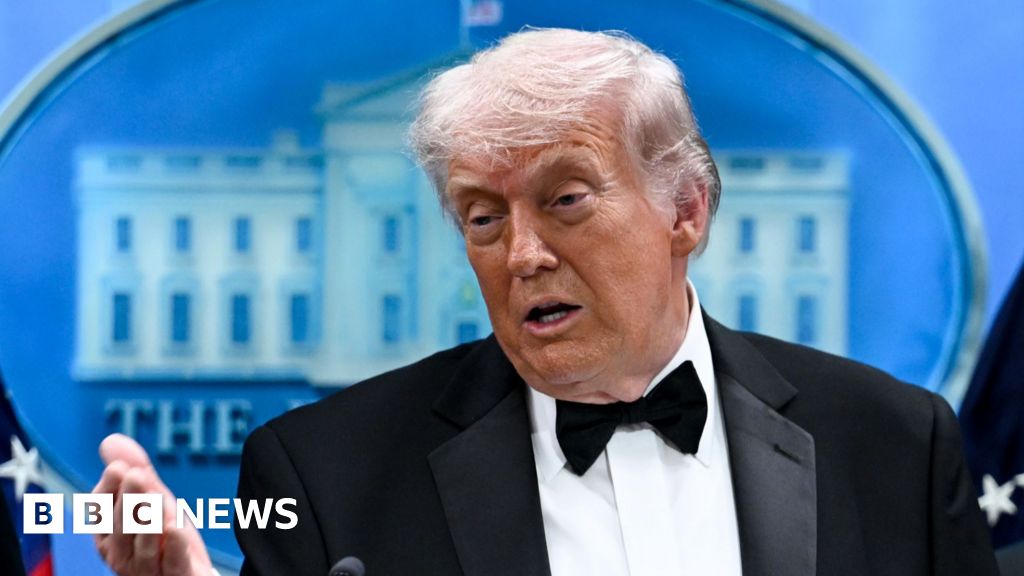
The recent rift within the Republican Party in the United States signals a rising tide of internal conflict that could have profound geopolitical implications. At the heart of this political earthquake lies President Donald Trump’s sharp withdrawal of support for Congresswoman Marjorie Taylor Greene, a vocal conservative now accused of drifting towards the “far left”—a term rare for figures within the traditional GOP. This spat exposes the growing fissures among conservative factions who once aligned under the Trump banner but are now diverging over key issues like foreign policy, the handling of sensitive documents, and the direction of the broader American nationalist movement.

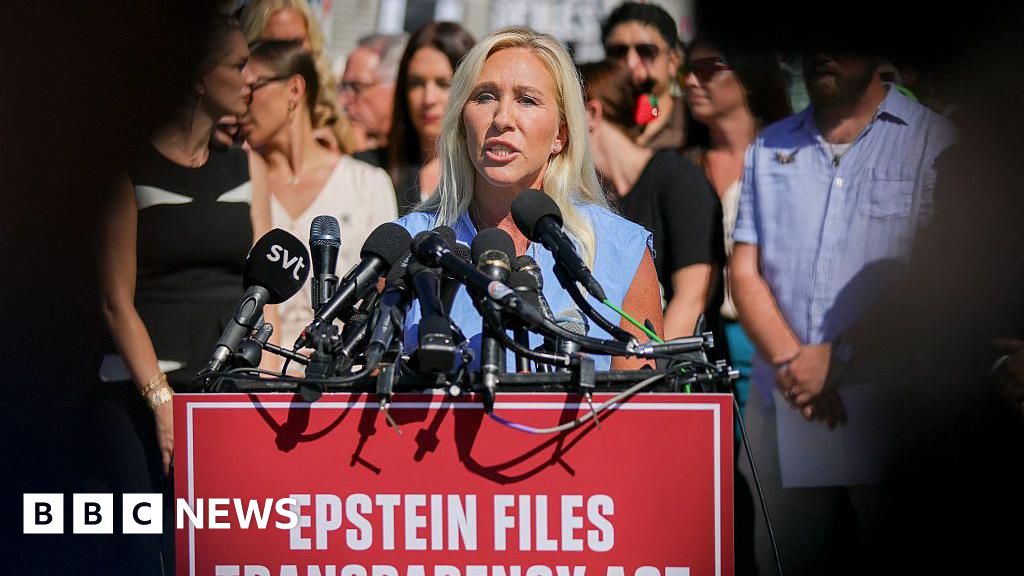
Historian analyses and strategic think tanks highlight how the decision by Trump to openly criticize Greene and endorse a primary challenger could ripple beyond domestic politics, impacting America’s diplomatic stance. The tensions are centered around the ongoing battle over the Epstein files, with Greene and a handful of GOP allies calling for transparency, contrasting sharply with Trump’s fierce opposition framed as an effort to suppress potentially damaging information. Such internal discord signals a weakening of traditional party cohesion at a critical juncture as the US faces escalating foreign conflicts and economic challenges. The international community watches intently, aware that internal US divisions can weaken the global position of a nation that has long styled itself as the leader of the West.

Amidst this turmoil, Trump’s rhetoric has become increasingly combative, claiming Greene’s criticism stems from personal grudges and alleging that her dissatisfaction stems from his refusal to efficiently communicate. His accusations—particularly that she is “complaining” and turning on him due to political ambitions—are viewed as part of a broader strategy to consolidate loyalty within the party by framing dissenters as disloyal or misguided. Meanwhile, Greene has responded by accusing Trump of trying to suppress the Epstein files, asserting that his actions are motivated by political self-interest aimed at protecting high-profile figures and thus complicating America’s efforts to confront its past and uphold justice. Her staunch stance has gained traction among younger voters who demand accountability and transparency, critical elements for future political reform. This intra-party battle underscores the enduring tension between populist nationalism and traditional conservatism—a struggle that could shape American policy both at home and abroad.

International organizations and analysts warn that this internal strife, if left unresolved, could diminish the United States’ ability to project strength and coherence on the global stage. With Europe, Russia, and China recalibrating their strategies amidst the chaos, a fractured America risks ceding strategic advantage. The unfolding drama surrounding the Epstein files exemplifies how domestic narratives intersect with broader geopolitical currents—each revelation or suppression affecting American credibility, especially among allies and adversaries alike. As the midterm elections approach, the internal party conflicts threaten to further polarize an already divided nation, raising questions about the future direction of American foreign policy in an era marked by historic volatility.

In the long shadow of history, this feud reflects more than just personalities—it embodies the fundamental struggle over who defines the American identity and how the values of transparency, loyalty, and national sovereignty are prioritized. As observers and historians track this clash, they warn that American internal cohesion remains fragile. The stakes extend beyond mere politics, touching on issues of justice, accountability, and the very soul of a nation that has historically wielded enormous influence in shaping world affairs. The unfolding story of Trump, Greene, and the Epstein files is still being written, but its echoes are already reverberating across the globe—reminding all that in history’s grand chessboard, internal conflict often precedes transformation, and the winds of change are blowing fiercely across the landscape of modern geopolitics.

Social Media Auto Publish Powered By : XYZScripts.com