Matox News

Truth Over Trends, always!

Muslim Voters Shift from Labour to the Greens: A Sign of Changing Society

Rising Social Tensions and Demographic Shifts Reshape Communities, Families, and Education in Britain

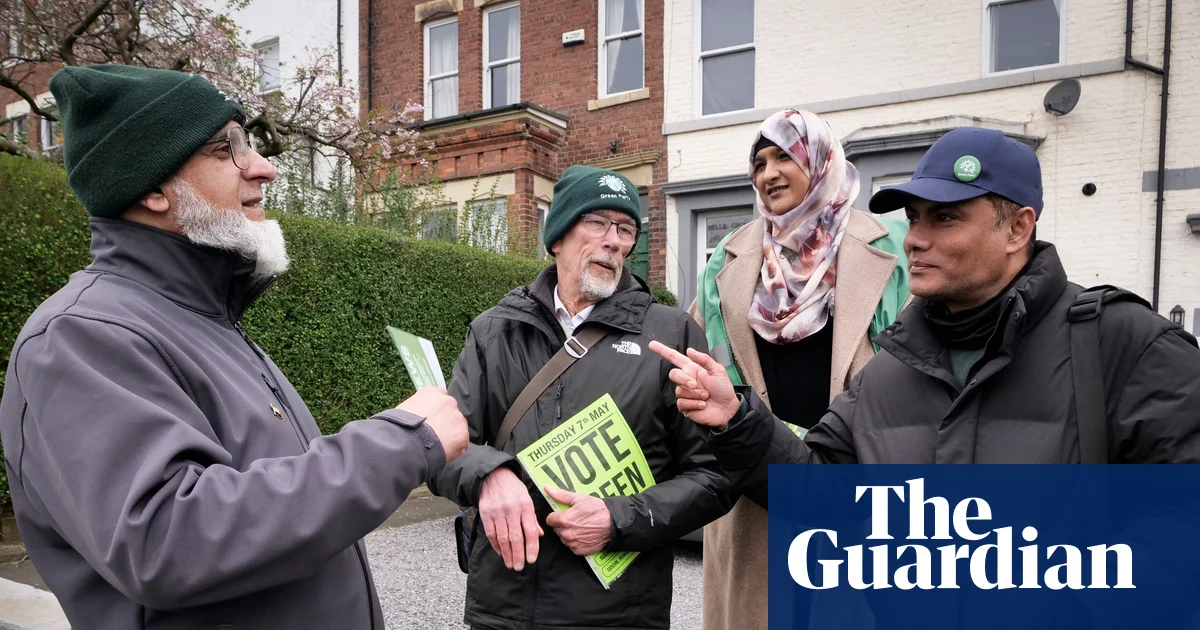
The demographic landscape of Britain is undergoing profound transformation, with Muslim communities increasingly asserting political influence while traditional working-class neighborhoods experience a sense of disconnection and abandonment. Sociologists warn that these social shifts are not merely external phenomena but deeply affect the fabric of families, education, and community cohesion. As communities become more diverse, issues surrounding identity, support, and political representation are at the forefront of societal change. The voices of individuals like Mohammed Suleman and Khaled Musharraf exemplify how demographic evolution fosters new political alliances and social activism, often motivated by shared concerns such as rising racial tensions and climate change.

The rise of political activism among Muslim voters reveals a departure from long-standing party loyalties, with data indicating waning support for traditional parties like Labour. Muslim voters now question whether their needs and voices are truly recognized by mainstream institutions. Surveys from Labour Muslim Network highlight this growing discontent: disapproval of Labour’s effectiveness in representing Muslim interests jumped from 46.8% in 2020 to 63% in 2022. This shift, accentuated by episodes of racial violence and heightened fears of discrimination and marginalization, has shifted many Muslims toward parties that they see as more aligned with their interests, including the Green Party. Supporters such as Musharraf argue that issues like climate justice resonate deeply with Muslim communities, especially those impacted directly by environmental crises back home.

This evolving political landscape reflects broader social tensions and cultural shifts that ripple into family units and local communities. The effects on families are multifaceted: increased feelings of alienation among younger generations, a rise in activism, and an urgent demand for representation and respect. In places like Walker, where tradition once maintained social cohesion through faith and industry, residents express a sense of loss and disconnection, often hanging British flags alongside signs of economic deprivation. Campaigns led by figures like Matt Williams and grassroots movements reveal a community desperate for true change and social recognition. The challenges here are compounded by a lack of opportunities and the erosion of social supports, which historically kept these communities united.

Despite the narrative of division, many activists believe there remains hope for societal transformation, rooted in community-led initiatives and moral resistance. Figures like Begum challenge stereotypes, advocating for respect grounded in faith and shared human dignity. Her defense against accusations of oppressive customs illustrates the importance of understanding and challenging prejudice at its root, emphasizing the moral necessity of supporting families against social marginalization. As social commentators debate the future of multicultural Britain, the critical question remains: will these communities be recognized and empowered, or will they continue to drift apart, fractured by neglect and prejudice? In times of upheaval, societal resilience hinges on our collective capacity to listen, to bridge divides, and to restore the bonds that sustain families, education, and community life. Only through such unity can society hope to face its challenges—not with despair, but with a renewed conviction that change begins within each shared home and school, shaping a future rooted in justice and compassion.

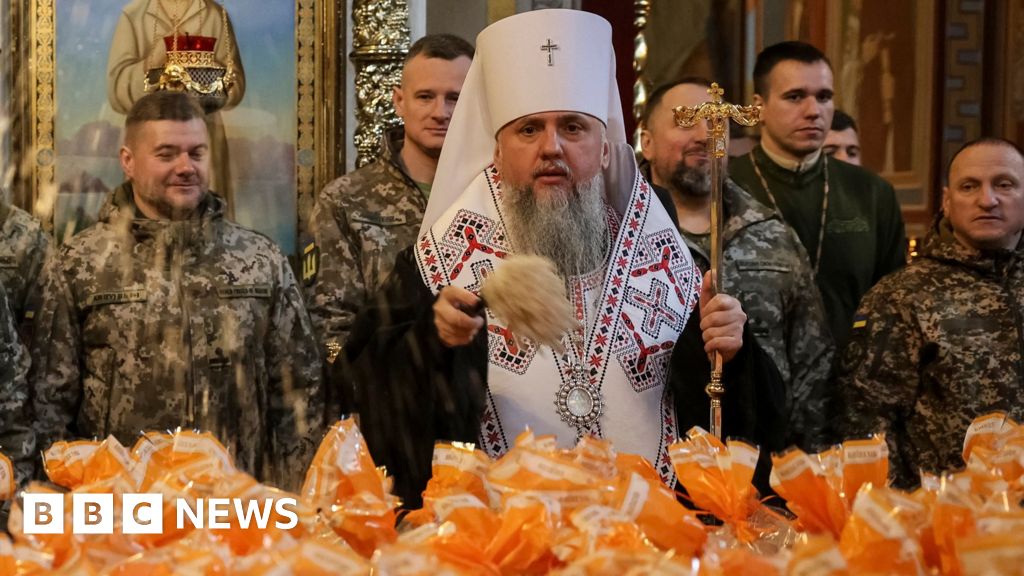
Russia and Ukraine sign Orthodox Easter ceasefire to promote peace among youth

In a move that has sent ripples through the international community, Vladimir Putin has officially declared a ceasefire that will commence from Saturday afternoon and extend through Easter Sunday. This unexpected announcement comes at a time when global tensions, especially surrounding Russia’s ongoing conflict in Ukraine, have been escalating, drawing widespread concern about the stability of the region and the potential for geopolitical realignments.

While the specifics of the pact remain obscure, analysts worldwide are scrutinizing this development for its geopolitical impact. Many believe this truce represents a strategic shift rather than a genuine desire for peace. Historically, ceasefires brokered in conflict zones, especially those initiated by major powers, serve often as temporary pauses or as tactical maneuvers aimed at consolidating military positions or extricating diplomatic pressure. According to international relations experts, such efforts often reflect the complex interplay of domestic politics, leadership calculations, and international diplomacy. It remains to be seen whether this ceasefire entails genuine de-escalation or is part of a broader strategy to regroup or reconfigure Russian military objectives.

Ukrainian officials and Western allies have responded with cautious optimism, though skepticism persists.

  • Some officials warn that the announcement might be a tactical pause, used to prepare for potential renewed offensives.
  • Others see it as a sign of vulnerability or a move influenced by internal pressures within Russia.

The United Nations and several European nations have called for transparency and adherence to the ceasefire, emphasizing its potential turning point in the broader conflict. Historically, ceasefires have often proven fragile, with their success hinging on reciprocal commitments from conflicting sides and the broader geopolitical climate. The G7 and NATO countries continue to monitor developments closely, understanding that any pause holds the potential either to de-escalate or, conversely, to mask another phase of escalation. The decision could set a precedent for future negotiations or shifts in the regional narrative, making this a critical juncture in the ongoing struggle for influence and sovereignty in Eastern Europe.

As the world watches with bated breath, the unfolding scenario leaves many pondering the true motives behind Russia’s move. Will this be a genuine effort at peace or simply a strategic pause? As history repeatedly demonstrates, the destinies of nations are often shaped by moments of apparent restraint amid chaos—poised, perhaps, on the edge of a new chapter marked by uncertainty. The stakes are high, and the weight of history presses heavily on all sides, reminding us that in the dance of power, the next move is never certain, and the future remains a fragile, unresolved narrative.

Trump deadline approaches as Iran shows little sign of backing down

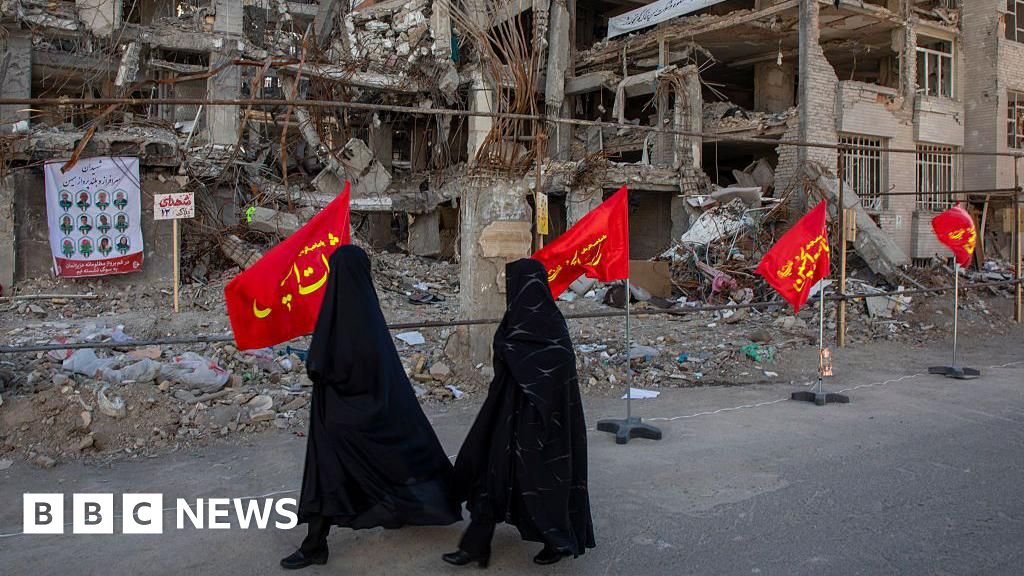
As the United States approaches a critical diplomatic and military juncture, global attention is fixed on the deadline for Iran to open the Strait of Hormuz. Currently nearing its final hours ahead of Tuesday’s deadline, this situation underscores a pivotal moment in Middle Eastern geopolitics with far-reaching implications for international security, trade, and regional stability. Analysts warn that the outcomes of this standoff could reshape regional alignments, influencing the rhetoric and actions of major powers around the world.

The US president finds himself navigating a narrow diplomatic corridor amid mounting pressure from domestic and international constituencies. The administration’s posture hinges on the precarious balance of deterrence and diplomacy as it seeks to prevent Iran from closing the vital maritime passage that serves as a gateway for nearly 20% of global oil trade. Historians and security experts caution that such attempts to constrain Iran’s access to strategic waterways could escalate into broader conflict, especially if negotiations falter or miscalculations occur. The hawkish wing within the US government emphasizes swift action, citing Iran’s controversial nuclear program and regional influence as justification, while diplomatic channels continue to plead with Tehran to avoid provoking a crisis.

In this context, international organizations such as the United Nations and global economic powers are closely monitoring developments. While some argue that a hardline stance might bolster US credibility, others warn it risks destabilizing an already volatile region. From Tehran’s perspective, the closure of the Strait would serve as a powerful bargaining chip or a show of defiance against Western sanctions and interference. Iranian leaders have historically employed such tactics to secure concessions or elevate their regional influence, prompting a cycle of escalation with unpredictable consequences. The risk to global energy supply cannot be overstated: a disruption could cause crude oil prices to surge, impacting economies from Europe to Asia, and potentially fueling inflation and energy shortages worldwide.

Shifting Alliances and Global Consequences

Regional alliances are also in flux, with Saudi Arabia, the United Arab Emirates, and other Gulf nations closely watching the developments. While traditionally aligned with Western interests, some regional actors are reassessing their strategies amidst Iran’s assertiveness and the US’s unpredictable posture. Diplomats and analysts argue that this crisis could serve as a catalyst for new security arrangements or informal pacts, reshaping the geopolitical landscape of the Middle East for decades to come.

Meanwhile, critics of aggressive US policy emphasize that escalation risks further destabilizing the region, potentially igniting conflicts with global reach. Historian Dr. Stephen Montgomery notes that “historically, attempts to control vital waterways through coercion often lead to prolonged conflicts with unpredictable outcomes, reshaping the course of history.” As the world’s attention remains fixated on this tense standoff, the decisions made in these final hours will reverberate through the fabric of international relations. The question remains: will diplomacy prevail, or will this moment spark a new chapter of confrontation that echoes through generations of history?

As the clock ticks down, the weight of history presses heavier upon leaders, nations, and societies. The delicate balance maintained today could either usher in a period of renewed diplomacy and stability or plunge the Middle East into chaos, with spillover effects felt across the globe. The unfolding story serves as a stark reminder that in the theater of international power, the forces shaping tomorrow’s history are often set in motion today.

West Coast braces for intense spring heatwave—early warning sign for a tough season

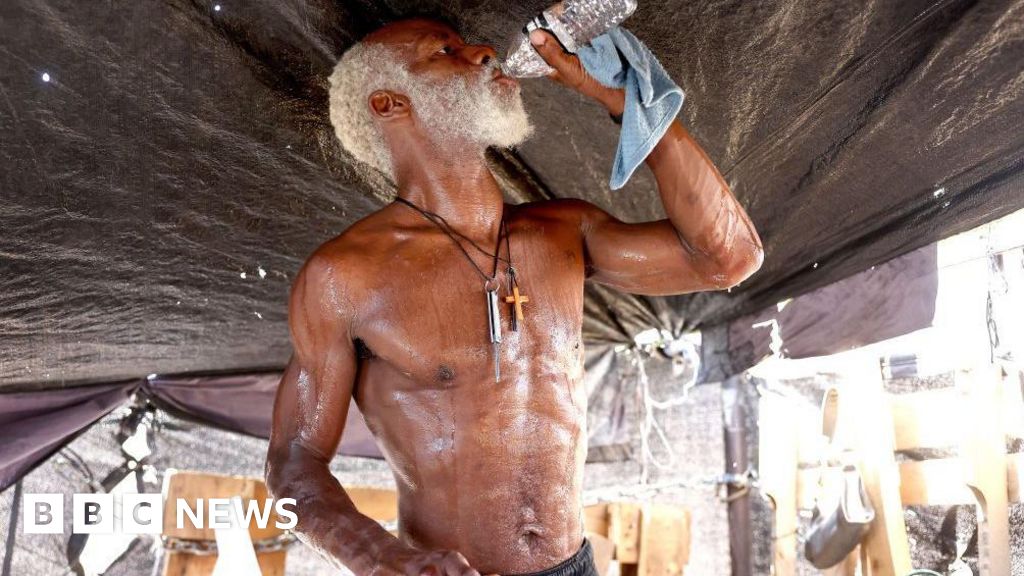
In a stark manifestation of climate volatility, the United States is currently experiencing a relentless barrage of extreme weather phenomena that span from coast to coast. These conditions, characterized by scorching heat waves in the Southwest and record-breaking cold snap in the Northeast, underscore the escalating challenges confronting nations around the world. According to recent reports from the National Weather Service and climate analysts, such anomalies are not isolated incidents but signals of a broader, more destabilizing pattern driven by ongoing climate change. The societal and geopolitical implications of this phenomenon are profound, offering both a warning and an urgent call for international cooperative responses.

***U**nprecedented heat waves have swept through regions like California and Arizona, pushing temperatures well above historical averages. Simultaneously, other parts of the country, including the Midwest and Atlantic Coast, have been battered by frigid temperatures and severe winter storms. This juxtaposition of extremes is placing immense stress on infrastructure, agriculture, and public health—a trend affirmed by experts at the World Meteorological Organization. Beyond immediate impacts, these weather fluctuations threaten to exacerbate existing socio-economic disparities, impacting vulnerable communities most severely, and complicating national security considerations. The scale and frequency of such events have led many, including historian Dr. Samuel Carter, to warn that humanity stands at a critical juncture where climate resilience must become a central pillar of policy.

On the geopolitical realm, the disruption caused by extreme weather is rippling through international relations. Countries heavily dependent on stable climatic conditions for food security and resource extraction find themselves at increased risk of conflict. For instance, vulnerable regions in Africa and South Asia are already experiencing food shortages and displacement, consequences that are magnified by the erratic weather patterns originating from shifting atmospheric currents. Meanwhile, the U.S. itself faces internal pressure to prioritize climate adaptation strategies. The ongoing domestic chaos underscores how environmental disturbances are intertwined with broader issues like economic stability, migration, and even geopolitical power dynamics. The European Union and China, two major players in the international arena, have voiced commitments to climate actions, yet critics argue these pledges fall short of the scale needed to counteract the escalating crisis.

This series of weather extremes serves as a clear warning: the decisions taken today will shape the course of history. As international institutions like the United Nations call for urgent climate action, strategic alliances are being tested and formed around the reality that climate instability undermines global security. Some analysts, such as Dr. Helen Martinez of the International Crisis Group, emphasize that climate-induced upheaval could foster regional conflicts, undermine national sovereignty, and accelerate migration flows, thereby destabilizing societies worldwide. In this context, history’s most pivotal moments are often marked by responses—whether bold or complacent—that determine the future of civilizations. As the nation grapples with its own climate crises, the message is unmistakable: the time for debate has long passed, and decisive action is urgently needed, lest we allow these natural upheavals to rewrite our collective destiny.

In this unfolding saga, the United States stands at a crossroads where the past’s comfort must give way to the hard realities of the present. Every weather anomaly is a chapter in a story still being written—one shaped by decisions made not just within national borders, but across an interconnected globe. As history watches, the challenge remains: will the enduring spirit of resilience triumph over the storms of change, or will humanity become mere witnesses to an era defined by chaos? The hourglass continues to run, and the weight of history presses ever heavier as the world braces for what is yet to come.

Teacher claims students locked her in — a sign of youth defiance?

Teacher Strikes Highlight Growing Challenges in Greater Manchester Schools

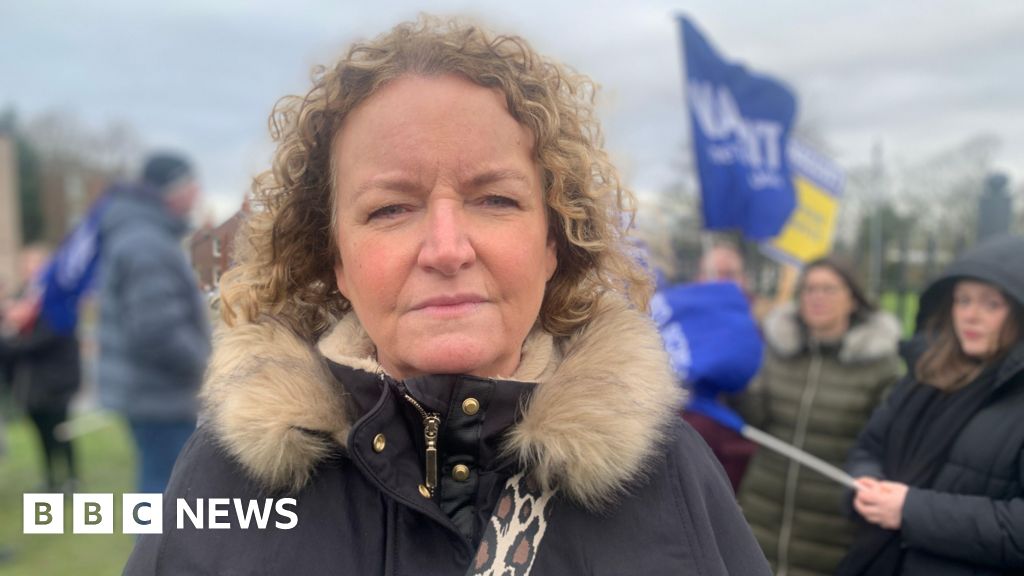
Across the communities of Greater Manchester, educators at two local schools recently opted to walk away from classrooms in protest, voicing serious concerns over an unsettling rise in disruptive and violent student behavior. This protest, while framed as a matter of teacher safety, underscores broader social issues—challenging families, the education system, and the very fabric of local communities. As the backbone of society, teachers are increasingly voicing fears that the environments in which children are being raised are affecting their discipline and capacity to learn.

The claims from these educators point to a dire trend: a tangible increase in violent incidents and indiscipline in schools, which they argue is rooted in wider societal shifts. Sociologists such as Dr. Robert Putnam have noted that the erosion of strong community bonds and family stability often correlates with escalating youth unrest. Families are the first socialization unit, yet many are now facing economic hardship, social dislocation, and a breakdown in traditional values, which, in turn, manifests in the classroom as behavioral issues.

The impact on families, education, and communities is profound. When teachers feel unsafe or overwhelmed, the ripple effects threaten to destabilize entire educational environments, diminishing learning outcomes and fostering a climate of frustration. For children, especially those from vulnerable backgrounds, the classroom should be a refuge and a place of growth—not a battleground. But societal neglect and shifting cultural norms have created a situation where many young students lack the guidance and discipline that once helped shape responsible citizens. As historian Dr. Samuel P. Huntington observed, societal cohesion ultimately depends on shared norms and values, which are now fragmenting among younger generations.

Addressing this crisis necessitates a comprehensive approach, including reforms in family support systems, youth services, and school policies.

  • Investing in community-centered programs that strengthen family units and promote moral responsibility.
  • Implementing targeted interventions to support at-risk youth before problems escalate into violence or disciplinary issues.
  • Fostering a renewed respect for authority and discipline within educational environments, without compromising the dignity of students.

Yet, as these social challenges mount, there remains a lingering hope—an enduring belief in the potential for communities to reclaim their cohesion and restore traditional values that foster respect and responsibility. Perhaps the most profound lesson lies in understanding that schools are reflections of society at large. When families are empowered, and communities unite around shared cultural principles, the cycle of chaos can be broken. Society’s resilience hinges on recognizing that the future of our children and the strength of our communities depend fundamentally on restoring the moral compass that binds us all together. While the path ahead may be fraught with difficulty, it is also illuminated by the hope that concerted effort can turn this tide, transforming social fragmentation into a foundation for genuine societal renewal.

Fertility Decline Sparks Shift Toward One-Child Families: A Sign of Changing Society

Society’s Shifting Fertility Landscape and Its Impact on Families

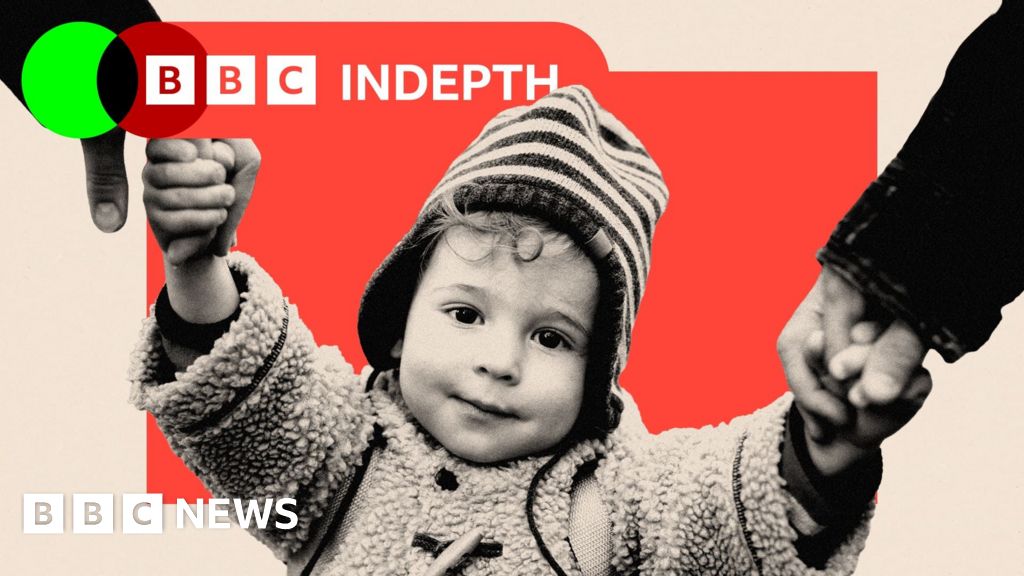
In recent years, demographic changes across the Western world reveal a concerning trend: a declining birthrate and evolving family structures. According to the Office for National Statistics, the fertility rate in England and Wales last year plummeted to 1.41 children per woman—its lowest on record for three consecutive years. This decline is part of a global movement identified by the United Nations as a “global fertility slump”. Sociologists like Alain Girard argue that this shift reflects more than just individual choice; it signifies the societal pressures, economic anxieties, and shifting gender roles that are reshaping the very fabric of families and communities. Families, once the backbone of social cooperation, are now navigating a landscape where financial and social barriers often overshadow the desire for children.

This era of economic uncertainty, characterized by skyrocketing living costs, unreasonably demanding careers, and inequitable gender expectations, has led many to question the sustainability of larger families. Families with only one dependent child have grown from 42% in 2000 to 44% today, with statistics indicating that the notion of a “standard” two-child family is increasingly out of reach for many. The UN Population Fund emphasizes that many are not “turning their backs” on parenthood but are being denied the freedom to start or expand their families due to economic constraints and persistent gender inequality. This reality underscores a moral crisis—families are no longer driven solely by love and legacy but are often dictated by prudent financial calculations and societal expectations that now seem out of reach for many.

Bridging the ‘Fertility Gap’: Societal and Policy Responses

To combat this troubling trend, policymakers are increasingly aware of the need for supportive measures to bridge the ‘fertility gap.’ Education Secretary Bridget Phillipson recently highlighted the expansion of funded childcare in England as a step toward reviving what she termed “dashed dreams”. Although nursery costs have fallen for the first time in 15 years—averaging around £12,425 for children under two—they still place a heavy burden on many families, especially when considering the broader economic climate. Moreover, studies from University College London indicate that while two-fifths of 32-year-olds express a desire for children, only a quarter actively pursue conception, suggesting that the barriers go beyond just costs—addressing social, emotional, and organizational issues must also be part of a comprehensive strategy.

  • Implementing targeted parental leave policies and flexible work arrangements that align with modern gender roles
  • Ensuring affordable, accessible childcare to ease the economic burden of parenthood
  • Promoting societal narratives that support a diversity of family choices, moving away from stereotypes like the “spoiled only child” myth

Social commentator Dr. Adriean Mancillas challenges long-held myths suggesting that only children are selfish or maladjusted, citing research that demonstrates educational advantages and emotional development opportunities within single-child families. This evidence points toward a societal responsibility to reframe perceptions around family size and quality of life, ensuring that policies nurture family units rather than stigmatize them.

The Societal Impacts and a Call for Moral Reflection

The decline in birth rates does not only threaten the present but casts long shadows over future societal stability. An aging population spells increased strain on public services and pensions, with demographers warning of a “demographic time bomb.” Yet, amidst these challenges, the societal narrative must become one of hope, resilience, and moral clarity—recognizing that families are the moral backbone of society. As Lauren Sandler, author of *One and Only*, reflects, “families are not just economic units, but moral communities where love, care, and shared values nurture society’s soul.”

Society faces an ongoing reckoning: will we continue to let economic and social barriers define the future of family life, or will we foster an environment where the desire to nurture and to belong can flourish freely? The choices we make today, inspired by both policy and moral conviction, will echo through generations. As families like Natalie Johnston’s exemplify—children are not just products of choices but symbols of society’s capacity for compassion and hope. In this ever-changing landscape, society’s true measure lies in our collective resolve to rebuild the moral foundations that uphold family, education, and community—transforming societal fears into a shared vision of renewal and resilience.

Former House Speaker Warns Greene’s Departure Signals GOP Warning Sign for Future Success

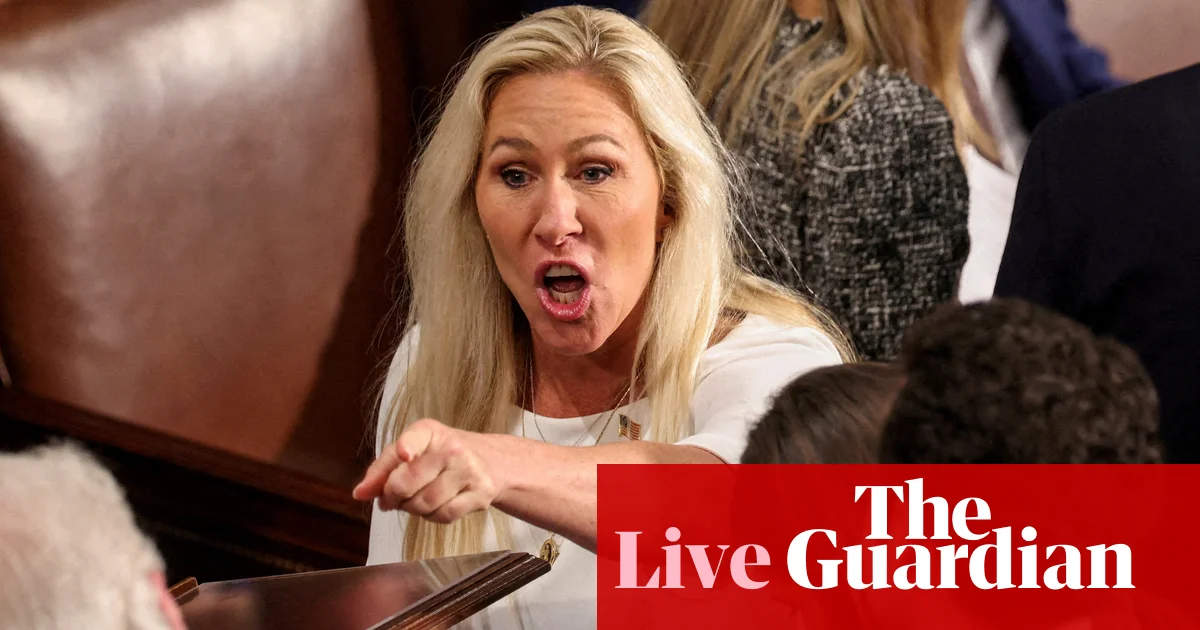
The recent upheavals on Capitol Hill and the evolving international diplomacy around the Ukraine conflict underscore a tumultuous chapter in U.S. and global geopolitics. As Marjorie Taylor Greene abruptly resigned from her congressional seat, analysts highlight this as a critical indicator—an emblem of the escalating internal crises within the GOP. Her departure signals a broader pattern of instability, with over twenty-two House Republicans already announcing retirements or plans to forgo re-election next year. Such mass withdrawals depict a party on the brink, fractured by internal divisions and teetering amidst impending electoral battles, which could fundamentally reshape America’s political landscape.

Beyond domestic upheavals, the international chessboard remains equally volatile. The Kremlin has confirmed that Steve Witkoff will return to Moscow next week, hinting at renewed efforts to broker peace in Ukraine. This follows reports of a leaked recording in which Witkoff advised Russia’s Yuri Ushakov on how to pitch a peace deal to Donald Trump. The recording reveals a hands-on diplomatic approach—one that many experts interpret as a testament to the fragile and complex negotiations underway. Furthermore, the US has rolled out a markedly concessionary peace plan, aimed at appeasing Russia and European stakeholders, but it risks further entrenching divisions, especially if those compromises undermine Ukrainian sovereignty.

The geopolitical impact of these intertwined developments is profound.

  • On one side, the U.S. appears to be shifting towards a more pragmatic, yet controversial stance, risking accusations of appeasement amid its support for Ukraine.
  • On the other, Russia’s diplomatic overtures—guided by a perceived desire to leverage the US’s internal discord—highlight Moscow’s strategic patience and its ongoing ambitions to weaken Western unity.
  • Within America, the Republican Party’s internal turmoil and leadership struggles threaten to weaken the United States’ global influence, particularly just as adversaries like China and Russia recalibrate their own geopolitical strategies.

International organizations and military analysts warn that decisions made in these critical moments will resonate through history, shaping the future of Western dominance and extending the shadows of conflict into the coming decades. As experts like prominent historians observe, the current period bears the hallmarks of a historic turning point—one where internal discord, diplomatic machinations, and strategic negotiations collide with unpredictable outcomes. The choices of today could either solidify a new era of resilience or usher in a perilous downslide into escalating conflict and chaos.

Indeed, as history unfurls its latest chapter, one cannot help but consider the weight of the decisions being made—in Capitol Hill, in Moscow, and amidst the Kremlin’s corridors of power. The tipping point may be just beyond the horizon, and the next move in this high-stakes game will determine the course of the world’s future, leaving us all to wonder: in this new epoch of geopolitical upheaval, what will be written into the annals of history, and what will be swept aside in the relentless tide of change? The stakes are clear—they are nothing less than the destiny of nations and the legacy we leave behind.

Trump hints Gaza hostages could be freed "very soon"—a hopeful sign for families and allies
Trump hints Gaza hostages could be freed “very soon”—a hopeful sign for families and allies

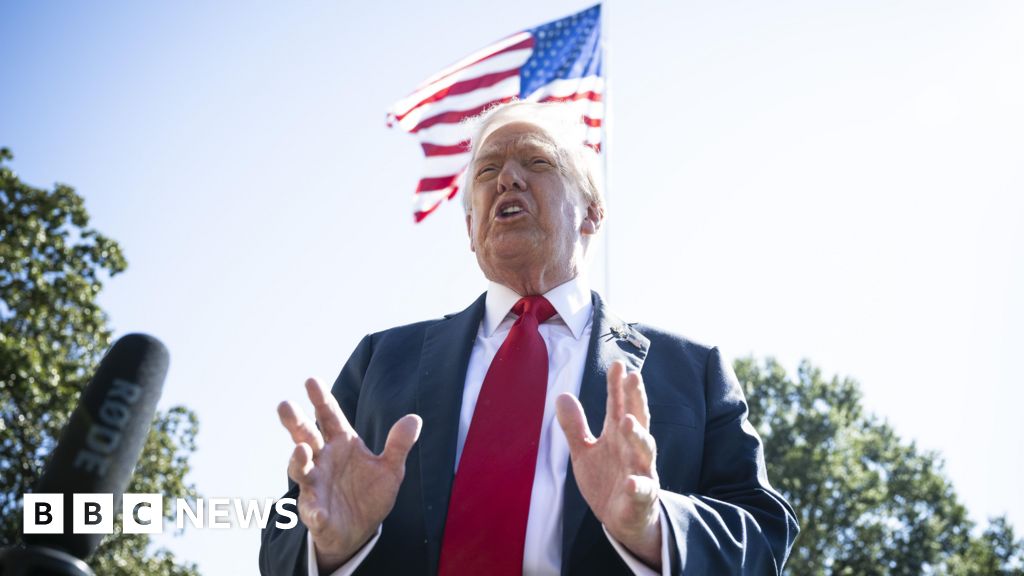
The ongoing conflict in Gaza continues to threaten regional stability, as international mediators prepare for a crucial round of indirect peace talks in Egypt. President Donald Trump has expressed optimism about the potential release of hostages, suggesting that they will be freed “very soon” following some progress made through mediated negotiations with Hamas. This development marks a rare glimmer of hope in a cycle of violence that has devastated Gaza and stoked fears of a broader regional escalation. The talks, set to occur on Monday, come against the backdrop of a complex diplomatic landscape, where the Trump administration’s 20-point US peace plan is both a blueprint for peace and a reflection of shifting geopolitical alliances.

Much of the recent diplomacy has been driven by Egyptian, Qatari, and Turkish mediators, who have successfully convinced Hamas to temper its previously intransigent stance and to leave contentious issues like disarmament and Gaza’s long-term governance off the table for now. Instead, the group appears willing to accept limited concessions, such as the release of some hostages and temporary governance arrangements. Many analysts interpret this tactical flexibility as a recognition by Hamas of its limited leverage after over two years of relentless conflict, with some cautioning that it also exposes the group’s precarious political position. Historically, conflicts rooted in such tactical moves often carry unforeseen consequences—either paving the way for peace or unleashing a new chapter of chaos.

Nevertheless, Israeli military operations persist, with airstrikes in Gaza continuing into the weekend despite international calls for a ceasefire. Israel asserts that these strikes are defensive, justified by the ongoing threat posed by Hamas. Israeli authorities, led by Prime Minister Benjamin Netanyahu, maintain that their military response is carefully calibrated to avoid a full-scale invasion, but reports from Gaza detail ongoing destruction, including the loss of civilian lives and residential buildings. According to Gaza’s Hamas-run health ministry, over 65 individuals were killed in the past 24 hours alone, highlighting the mounting toll in a conflict where the line between military necessity and humanitarian catastrophe has blurred. The international community, including the US Secretary of State Marco Rubio, continues to emphasize that an immediate cessation of bombardments is essential to facilitate hostage negotiations, underscoring the intertwined nature of military actions and diplomatic progress.

In this delicate dance of diplomacy and violence, the implications extend far beyond Gaza’s borders. American and Middle Eastern officials are keenly aware that the decisions made in Cairo will have lasting geopolitical impact, potentially reshaping alliances and regional power dynamics. Many experts caution that if diplomacy falters, the conflict could escalate into broader regional instability, complicating the global fight against extremism. As negotiators, including US envoy Steve Witkoff and Qatari Foreign Minister Sheikh Mohammed bin Abdulrahman Al Thani, prepare for these critical talks, history hangs in the balance. The shadows of previous failed peace efforts and the recent surge in violence cast a heavy pall, reminding the world that the road to peace remains fraught with peril and uncertainty.

As the region holds its breath, the unfolding story of Gaza continues to write itself into history—an ongoing saga of conflict, diplomacy, and human resilience. With every diplomatic handshake and each devastating strike, the weight of generations converges on a fragile moment, where the future is yet to be written. The outcome of this week’s negotiations may determine whether the echoes of war will fade or whether they will reverberate through history as another chapter of unresolved tragedy—an indelible mark on a region already scarred by decades of strife.

At 21, I’m sharing a room with my 10-year-old sister — a sign of America’s economic struggles for young families

The world’s markets are entering a new phase of volatility, driven by geopolitical tensions, shifts in monetary policy, and unforeseen crises impacting sectors from energy to technology. Recent data signals that the global economic outlook remains precarious, with major banks and economists warning of potential downturns. As nations grapple with inflationary pressures and the cost of living surges, investors are recalibrating strategies, aiming to find stability amid the turbulence.

In the U.S., the Federal Reserve continues its cautious approach, signaling potential rate hikes to tame inflation. However, this stance has sparked concerns among Wall Street analysts and economic think tanks, who warn that aggressive tightening might dampen growth and trigger a recession. Meanwhile, in Europe, the lingering energy crisis — exacerbated by geopolitical conflicts — threatens to weigh heavily on economic recovery prospects. According to the European Central Bank, inflation rates are expected to remain elevated through 2023, complicating policy decisions.

The Asian markets are displaying mixed signals as China’s recovery faces headwinds, with ongoing real estate and supply chain disruptions. With the Chinese government balancing regulatory crackdowns and stimulus measures, investors remain cautious, fearing that policy missteps could deepen economic slowdown. Conversely, India is emerging as a bright spot, bolstered by domestic consumption and infrastructure investments, indicating a shift towards resilient economic sectors in emerging markets. Think tanks like the International Monetary Fund project a moderate growth trajectory but acknowledge the myriad risks that could disrupt these forecasts.

Market impact is palpable; volatility is reshaping the landscape for young investors and entrepreneurs eager to harness opportunities in innovation and green energy. Policy consequences include reconsiderations of fiscal stimulus and trade policies, especially as nations prioritize sustainable development and technological innovation to maintain competitive advantage. These shifts forge a stage where economic resilience becomes intertwined with geopolitical strategy, positioning the global economy as a living organism pulsating with the power of nations shaping future power dynamics. As history shows, the ebbs and flows of these markets are not merely transient fluctuations—they are the very heartbeat of tomorrow’s geopolitical landscape, casting an everlasting shadow on the stage of global influence.

Social Media Auto Publish Powered By : XYZScripts.com