Matox News

Truth Over Trends, always!

Virginia voters approve new congressional maps, signaling a shift away from Trump influences

Redistricting Battles Shift the Geopolitical Landscape in the United States

The recent redistricting decisions across key battleground states in the United States underscore the ongoing *battle* over control of Congress, with profound geopolitical implications. In Virginia, voters approved new congressional maps aimed at boosting Democratic prospects in the upcoming midterm elections. This development forms part of a broader strategic chess match, where each side attempts to influence the balance of power in Washington through manipulated district boundaries. Such efforts are not merely local political maneuvers—they resonate globally, showcasing how **domestic electoral processes** can ripple outward, affecting international perceptions of stability and governance.

Initiated by the aftermath of former President Donald Trump’s attempts to leverage *redistricting tactics* to preserve control over Congress, the map changes reflect a broader geopolitical narrative of partisan rivalry and institutional influence. After Trump’s proxy efforts in Texas to redraw lines and oust Democratic lawmakers, California and Virginia followed suit with their own measures, setting the stage for a heated contest over *who controls the narrative and, ultimately, policymaking*. Analysts and historians, like Dr. Emily Carter from the International Policy Institute, emphasize that these map redraws serve as *turning points*—where domestic political battles could influence broader international stability if unchecked.

The **U.S.** is witnessing a strategic battle that extends beyond borders, with international organizations warning of *potential destabilization* should partisan redistricting become unchecked. The success of Virginia’s referendum—supporting *nonpartisan redistricting*—might embolden other states to resist partisan manipulation. Notably, this victory has garnered reactions from influential figures, including Barack Obama, who celebrated the outcome and its implications for fair electoral processes. Meanwhile, Republican leaders such as Ron DeSantis are positioning themselves to capitalize on the momentum, with plans to redraw Florida’s districts in the upcoming special legislative session. *This potential shift could reshuffle the political deck and influence U.S. foreign policy*, especially as the country faces mounting international challenges.

Moreover, the direct *geopolitical impact* of redistricting is evident in the escalating rhetoric from both sides. House Democratic leader Hakeem Jeffries issued stern warnings to Republican efforts in Florida, emphasizing that corruption of the electoral process would only create \“more prime-pick up opportunities for Democrats\”. Such statements illustrate the high stakes involved—*a battle over ideological dominance that could determine America’s role on the world stage*. With Missouri, North Carolina, and Utah also engaging in redistricting, the political landscape remains dynamic, while international observers watch keenly, aware that **internal american politics** often set the tone for global alignments in a turbulent geopolitical epoch.

As history prepares to write its next chapter, the recent wave of redistricting decisions exemplifies how the resilience of democratic processes is often tested amid fierce ideological rivalries. The outcome of these battles may well foretell the future shape of America’s domestic and international policy landscape. In a world where the *fate of nations hinges on a line on a map*, the unfolding redistricting saga stands as a stark reminder: history remains an ongoing story, and its next pages are yet to be written, shaped by choices made today.

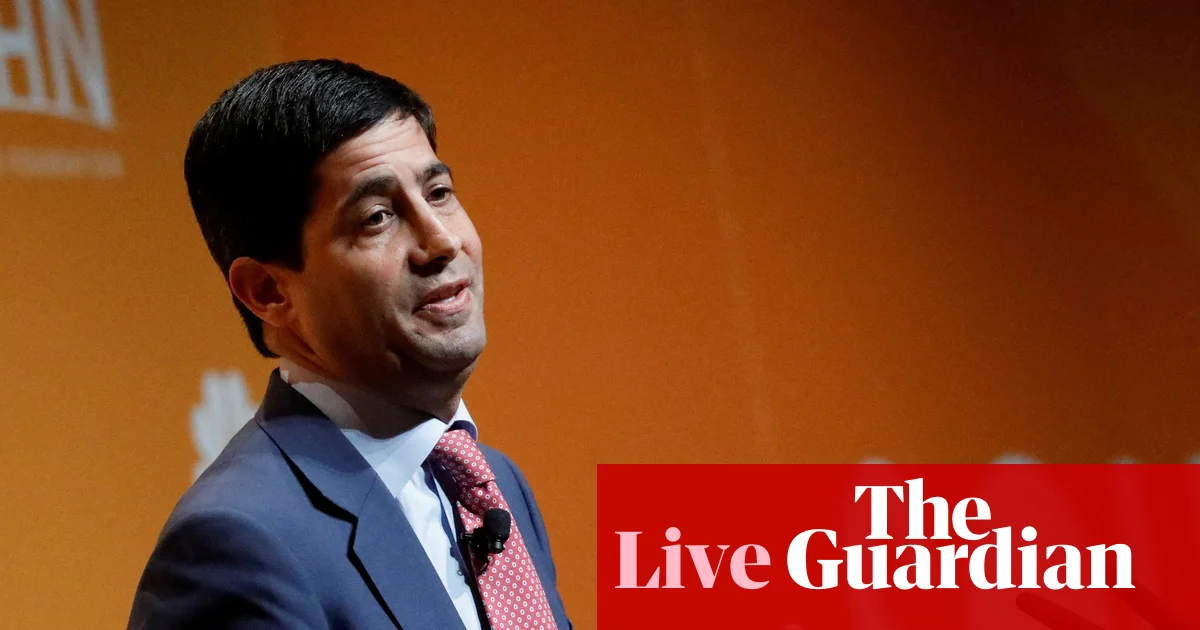
Kevin Warsh vows Fed independence despite Trump’s pressure, signaling firm stance in US politics

As President Donald Trump faces mounting scrutiny over his influence on the Federal Reserve and its leadership, recent developments signal a profound shift in the geopolitical landscape. At a pivotal confirmation hearing, Kevin Warsh, Trump’s nominee for Fed Chair, publicly committed to maintaining the institution’s independence amid pressures from the White House. Nevertheless, the tense atmosphere painted a stark picture of potential instability at the heart of U.S. economic policy, with echoes reverberating across global markets. Notably, Elizabeth Warren—a leading voice in Congress—warned that Trump’s interference threatens the very fabric of American monetary autonomy, citing ongoing attempts to sway Fed appointments and influence rate decisions.

  • The hearing unveiled a deeper struggle: Trump’s explicit desire for lower interest rates, fueling fears of political weaponization of the federal monetary system.
  • Powerful Republican figures, including Thom Tillis, signaled a readiness to hinder Warsh’s appointment until federal investigations into the Fed’s recent renovations are resolved, risking a period of unparalleled turbulence for the central bank.
  • Simultaneously, Trump’s foreign policy sparked chaos, with the president explicitly refusing to extend a fragile ceasefire with **Iran**, while maintaining that military action remains a strong possibility. In striking contrast to his previous diplomatic tone, Trump’s raw rhetoric signals a readiness to escalate conflict, hinging on a “better attitude to go in with”—a clear warning to allies and adversaries alike.

Global institutions and analysts warn that such domestic instability in the United States portends broader geopolitical consequences. The potential for a divided Fed—undermined by political interference—could lead to currency volatility and increased borrowing costs worldwide. Historians and financial experts, like Dr. Samuel R. Hughes, argue that this turbulence threatens the foundation of the Bretton Woods system’s legacy of monetary stability. Meanwhile, regional dynamics are heating up as Pakistan leads last-ditch negotiations with Iran and the U.S., a move that could either stabilize or further destabilize the Middle East—an area already fraught with tension. The world’s eyes are watching—uncertainty grows as the US’s internal struggles threaten to rewrite the balance of power.

In a parallel political saga, Trump’s other actions—such as endorsing energy expansion policies invoking the Defense Production Act—highlight a bold push for economic nationalism. From a turning point in energy independence to battles over congressional districts in Virginia, the moves reflect a deliberate strategy to tighten control over economic and political leverage both domestically and internationally. The implications for America’s societal fabric are stark: a country polarized further, with political elites questioning the legitimacy of institutions and the loyalty of their leaders. As the nation teeters on the edge of upheaval, the narrative threads of power, influence, and history are being woven anew—possibly forever.

In the words of historian Prof. Alexander Reeve, “This is a defining moment. The choices made today will echo through generations, shaping the future of freedom and sovereignty. The unfolding story isn’t just about policy; it’s about the soul of a nation—its resilience or vulnerability—yet history remains stubborn, waiting to be written by those who dare to shape it.”

Air Canada halts select flights to New York, signaling possible travel hurdles for Canadians

In a clear reflection of the geopolitical volatility engulfing the Middle East and its ripple effects worldwide, airlines across the globe are facing unprecedented challenges. Air Canada recently announced a temporary suspension of flights from Toronto and Montreal to New York’s JFK airport, citing the spiraling costs of aviation fuel. This move, while seemingly operational, signals a deeper crisis directly tied to the ongoing conflicts involving the US, Israel, and Iran. The escalation of hostilities since February, particularly the latest military confrontations, has driven oil prices skyward, disrupting established supply chains and forcing airlines to reassess their routes and profitability.

Experts and international organizations warn that the impact extends beyond mere airline scheduling. The International Energy Agency (IEA) recently issued a stark warning that Europe’s jet fuel reserves could last only six weeks unless regional stability improves. Fatih Birol, the IEA’s executive director, emphasized that ongoing Middle East unrest has created a reservoir of uncertainty, threatening to spark widespread flight cancellations should oil supplies remain disrupted. This scenario not only jeopardizes international travel but also portends a broader economic ripple across sectors reliant on global logistics and mobility. The escalating crisis is striking at the very heart of international commerce, with governments and markets on high alert for further escalation.

Meanwhile, American carriers like Spirit Airlines are seeking emergency financial aid to cope with surging fuel costs, reflecting the severity of the crisis within the aviation industry. Industry analysts point out that the doubling of jet fuel prices, since the flare-up of hostilities, has rendered many routes unprofitable, prompting service reductions and route suspensions. Air Canada’s schedule adjustments are just the tip of the iceberg—other carriers such as Qantas and Virgin Australia are also raising ticket prices while curtailing flight frequencies, reflecting a global flight industry in crisis mode. These decisions are not made lightly; they are emblematic of a broader economic reality where energy prices directly influence societal mobility and national economic stability. Economists and geopolitical analysts warn that prolonged instability in the Middle East could escalate these issues, dragging the global economy into a period of unprecedented turmoil as the very air travel network, a pillar of globalization, convulses under pressure.

As the world watches this unfolding crisis, the question remains: how long will nations linger on the brink of economic chaos before an international response is galvanized? The decisions made in the coming weeks will either stabilize or deepen an already fractured global order. History may well record this moment as a turning point—where geopolitical conflicts ignited a domino effect threatening the core of international commerce, testing the resilience of societies and economies worldwide. The future of international travel, energy security, and geopolitical stability hangs precariously in the balance, leaving humankind at the mercy of the shifting tides of power and conflict—an enduring reminder that in today’s interconnected world, the stakes could not be higher.

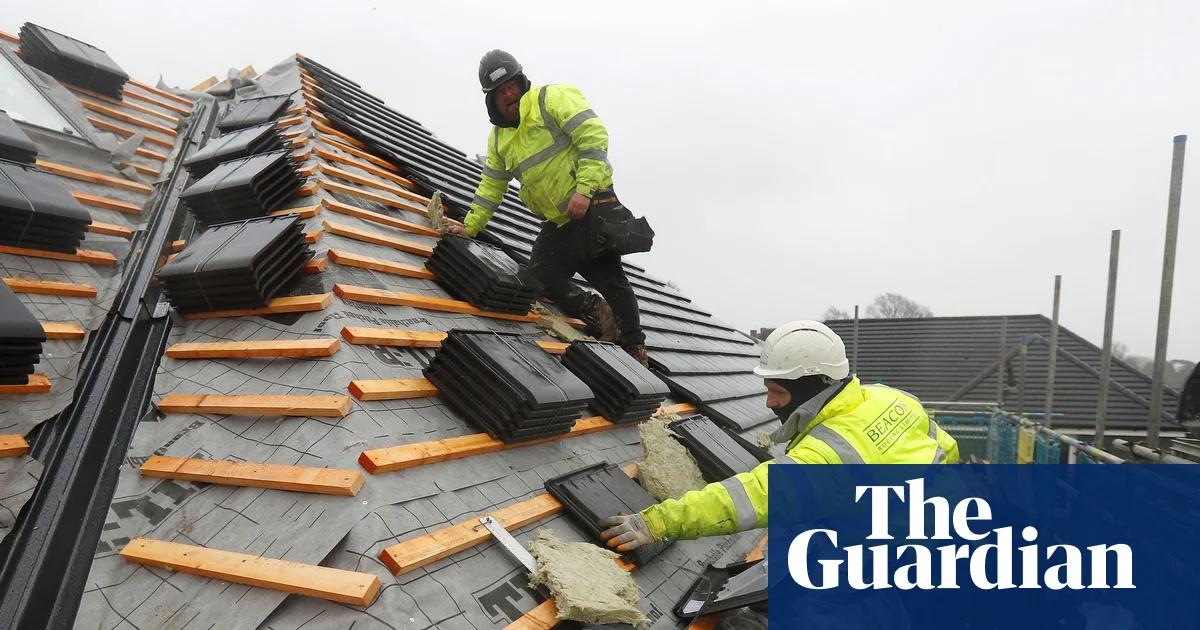
UK’s top builder scales back land purchase, signaling challenge for Labour’s housing goals

In recent weeks, the British housing sector has confronted a series of unprecedented challenges that threaten to undermine the very fabric of its social stability and future growth. The nation’s largest housebuilders, including Barratt Redrow, have announced significant cutbacks in land acquisitions, citing the destabilizing effects of geopolitical volatility—notably, the ongoing conflict in the Middle East—as a key factor. These moves highlight how external global conflicts ripple through national policies, impacting families, communities, and the social infrastructure built around affordable housing.

Historically, building homes has been more than a matter of construction; it’s a pillar that sustains communities and enables families to flourish. However, the recent slowdown, marked by a reduction in land purchase plans—sometimes by as much as half—exposes a deepening crisis intertwined with demographic shifts and the complexities of modern planning regulations. The *Centre for Policy Studies* estimates that last year’s housing starts in England were less than half the targeted figures needed to meet governmental goals of 300,000 new homes annually. Such deficits threaten to widen inequalities, with social tensions mounting as affordable housing remains elusive for many. Sociologist David Harvey warns that without strategic intervention, this could deepen inequalities, fragment social cohesion, and marginalize the most vulnerable.

Meanwhile, government initiatives like overhauling the planning system and injecting £39 billion into social and affordable housing programs aim to address these concerns. Yet, complex planning rules, soaring construction costs, and high interest rates continue to diminish their effectiveness, especially in the capital London. In recent years, social housing starts have plummeted, with only 4,522 projects beginning in 2024-25 compared to 26,386 just two years prior, according to the Ministry of Housing, Communities and Local Government. Emergency measures, like fast-tracking planning for affordable sites, have been introduced, but experts like Molior’s London housing analyst call the ambition of building 88,000 homes annually in London “impossible”. Such disparities reveal the societal gap that grows wider amid economic instability and restrictive policies.

As social issues in housing threaten to destabilize families and undo decades of progress, the question emerges about the society we are shaping for future generations. If young families are forced to endure long waiting lists, and communities face disintegration due to lack of affordable homes, this reflects a broader moral failure. Historically, sociologists like \u00c9mile Durkheim have emphasized the importance of social cohesion rooted in stable communities, yet current trends suggest a drift toward fragmentation. Amid these tumultuous times, hope lies in fostering resilient communities and policy reforms rooted in ethical duty. Society must recognize that building homes is ultimately about nurturing human potential, ensuring that every family has the foundation to thrive. If society can channel its collective will toward inclusive, sustainable development, then the societal fabric, frayed yet not broken, can be rewoven into a tapestry stronger than before—one imbued with hope, resilience, and the promise of a future where no family is left behind in the shadows of systemic neglect.

Taiwan Opposition Leader Makes First China Trip Since 2016, Signaling Tougher Stance

In a clear reflection of China’s strategic diplomacy, Cheng Li-wun’s recent declaration that she “gladly accepted” President Xi Jinping’s invitation” marks a noteworthy development amidst ongoing geopolitical tensions. The statement, emphasizing her aspiration to serve as a “bridge for peace,” signals China’s continued effort to position itself as a pivotal actor in international diplomacy. This move arrives at a critical juncture, as global powers navigate a landscape marked by regional conflicts, shifting alliances, and the ongoing quest for influence.

China’s diplomatic initiatives often serve as a barometer for its intent to reshape global narratives, challenging Western dominance and fostering alliances with nations eager for an alternative. Analysts suggest that Beijing perceives the current international climate as an opportune moment to expand its influence through *soft power* diplomacy—ostensibly fostering peace but also strategically gaining leverage in global affairs. The acceptance of Xi Jinping’s invitation by figures like Li-wun not only underscores China’s unwavering commitment to this approach but also signals a potential shift in regional power alignments. Meanwhile, international organizations such as the United Nations are closely monitoring these developments, wary of China’s expanding footprint amid persistent accusations of coercive diplomacy and military assertiveness in sensitive regions.

Historically, China’s diplomatic outreach has often been viewed in contrast to the more interventionist policies of Western powers, with many countries—particularly in Asia, Africa, and Latin America—seeing Beijing as a counterbalance to Western influence. However, critics warn that these overtures sometimes mask underlying strategic ambitions, designed to secure resource access, economic advantages, and political influence. The recent diplomatic gesture by Li-wun is thus viewed by some experts as a potential turning point—*a signal that China seeks to replace the traditional Western-led model with a multipolar order*. This shift carries profound implications for U.S. and allied interests, as it challenges longstanding assumptions about global leadership and threatens to reshape diplomatic standards across the globe.

As history continues to unfold, the decision of individuals like Li-wun to align themselves with China’s diplomatic agenda underscores how critical moments in the present may define future generations. The international community now faces a stark choice: embrace a new realism that recognizes the shifting tide of power or cling to outdated paradigms that may no longer serve the interests of a restless, rapidly changing world. With each diplomatic handshake, each acceptance of a leadership invitation, history’s weight grows heavier. The stage is set for a new chapter—one that could either bring enduring peace or ignite conflicts that ripple across continents, forever rewriting the narrative of the 21st century.

US government bans foreign-made routers, signaling a new push for digital security and tech sovereignty

FCC’s New Ban on Foreign-Made Consumer Routers Sparks Disruption in US Tech Industry

The Federal Communications Commission (FCC) has announced a significant shift in U.S. technology policy, effectively banning all future imports of foreign-produced consumer networking gear. This move, announced in December, mirrors previous restrictions on foreign-made drones and signals a strategic pivot toward ensuring national security and cybersecurity dominance. With this ban, the FCC aims to curb potential vulnerabilities tied to foreign manufacturing, citing concerns over malicious cyber activities and supply chain risks. As innovation in networking technology accelerates globally, this decision could lead to a seismic disruption in the industry, forcing companies to rethink sourcing and manufacturing strategies to stay competitive.

The agency’s justification hinges on a pressing need to safeguard critical U.S. infrastructure from sophisticated cyberattacks linked to foreign-made routers. According to an FCC National Security Determination, the dominance of foreign routers—particularly those from China—poses unacceptable risks. Notably, devices produced abroad have been implicated in high-profile cyberattacks such as Volt, Flax, and Salt Typhoon, targeting vital sectors like energy, transportation, and water systems. The FCC emphasizes that reliance on foreign manufacturing could undermine America’s technological independence, echoing warnings from industry leaders and cybersecurity experts who argue that vulnerabilities exploited by state-sponsored hackers threaten both economic power and national sovereignty.

Disruptive innovation is at the heart of this policy shift, with the U.S. now signaling a push towards domestic manufacturing and perhaps a new chapter in tech sovereignty. Major industry players such as TP-Link—which previously held a dominant position in the U.S. consumer router market—are feeling the pressure to adapt. After efforts to distance itself from Chinese origins, with a California-based headquarters established in 2022 and 2024 respectively, the company is navigating a rapidly shifting landscape. The ongoing regulatory climate could accelerate the trend of local manufacturing and lead to a re-evaluation of the entire supply chain, providing a blueprint for other critical sectors to follow suit.

Importantly, this move underscores the growing complexity of cybersecurity risks. While moving router production to the U.S. might seem like a straightforward solution, experts such as those at MIT and Gartner warn that hardware vulnerabilities are not solely related to manufacturing location. Instead, the core issue lies in ongoing security vulnerabilities—exploited even in domestically produced devices like Cisco and Netgear routers, which faced targeted attacks from Chinese state-sponsored hackers, as reported by the Department of Justice. This suggests that, beyond geographic sourcing, any comprehensive security strategy must integrate robust, ongoing software updates and hardware resilience, regardless of where devices are assembled.

As the U.S. embarks on this strategic pivot, the implications for the global tech ecosystem are profound. Industry analysts anticipate that these restrictions will accelerate innovation in homegrown networking technologies, spurring startups and established firms alike to develop secure, domestically-sourced hardware. In a climate where cyber warfare and digital espionage are becoming commonplace, the geopolitical stakes are crystal clear: control over critical infrastructure and digital assets is a matter of national survival. The urgency to innovate and disrupt the status quo has never been higher, as market leaders and new entrants race to deliver the next generation of secure, resilient networking solutions that could define the future of American technological independence.

UK borrowing jumps unexpectedly to £14.3bn in February, signaling tough times ahead

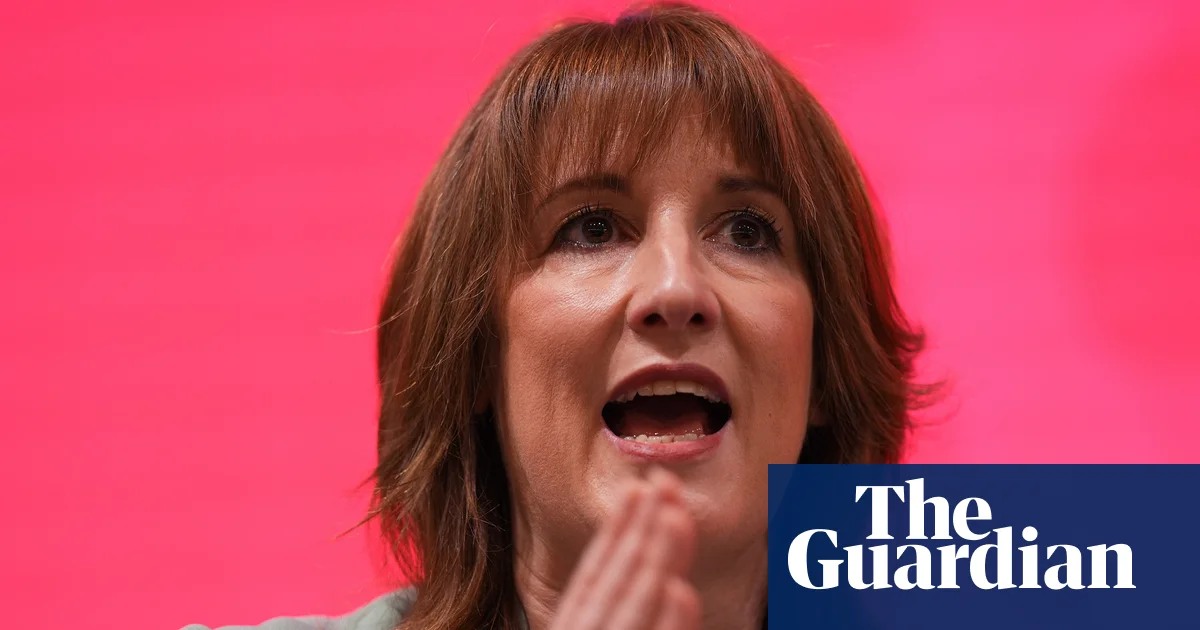
The United Kingdom faces an increasingly precarious economic landscape as new official figures reveal a higher-than-expected monthly deficit of £14.3 billion. The Office for National Statistics (ONS) attributed this widening gap to the timing of government debt repayments, underscoring the fragility of fiscal measures in a turbulent geopolitical climate. While the government has successfully reduced the current budget deficit for the first eleven months of the fiscal year by 21.1%, reaching £62.1 billion, the outlook remains uncertain. Analysts warn that rising energy prices, inflation, and interest rates—driven by ongoing conflicts in the Middle East—could soon jeopardize the £23 billion buffer the Chancellor, Rachel Reeves, claims to have left against fiscal rules. The economic decisions made today could shape Britain’s capacity to withstand the storm of international turbulence, with experts emphasizing how vulnerable the nation’s fiscal stability truly is in the current global context.

The UK’s approach has been to balance increased borrowing for investment projects with significant tax hikes, aiming to shrink the deficit while fostering economic growth in an uncertain environment. Prime Minister Reeves contends that her government’s strategy has bolstered the nation’s resilience, citing recent tax revenue increases and targeted energy bill cuts from April. However, critics from economic think tanks and international bodies warn that these measures might be insufficient as external shocks intensify. The Bank of England remains cautious, holding interest rates at 3.75%, with hints that they could rise if inflationary pressures escalate—particularly in light of rising oil prices above $100 a barrel and the effective closure of the Strait of Hormuz.

International analysts and economic historians note that the UK’s fiscal maneuvering is occurring against a backdrop of rising geopolitical risks. As entities like the IMF and OECD warn of heightened global instability, Britain’s monetary policy decisions are scrutinized for their potential to either mitigate or exacerbate vulnerabilities. The ongoing conflict in the Middle East has global reverberations—disrupting energy supplies, pushing inflation upwards, and making interest rate adjustments more complex. The “turning point” in international stability could dramatically reshape economic forecasts, with the UK caught between safeguarding fiscal credibility and responding to the unpredictable tides of global conflict.

In the grand narrative of history’s unfolding, Britain’s fiscal response today may be remembered as either a calculated resilience or a perilous gamble. As the world watches shadows lengthen across geopolitics and economies brace for the storm, the decisions made in Westminster will echo through generations. When future historians look back, they may see these years as a crucible—testing whether a nation grounded in free enterprise and strategic foresight could withstand the relentless march of global chaos or succumb to the weight of its own vulnerabilities. In the end, the question remains: whose fate will be written in the ashes of this turbulent era? The answer, like history itself, remains *unwritten*.

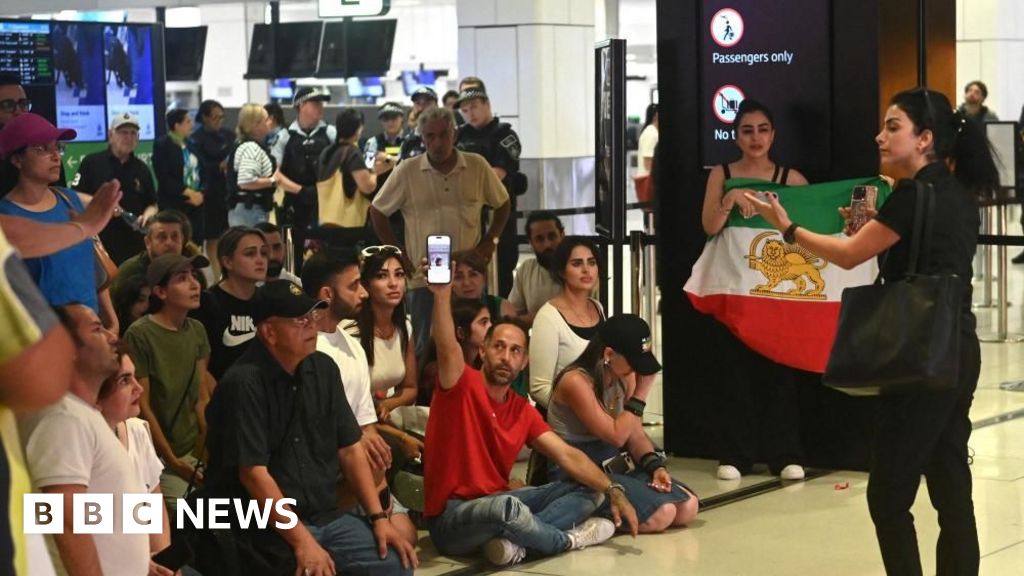
Two Iran football affiliates opt to stay in Australia, signaling shifting loyalties

In a decisive development that underscores the complex interplay of sports, politics, and international diplomacy, reports indicate that most of Australia’s national team departed the country on Tuesday night amid mounting tensions. However, the situation remains under close scrutiny as a small contingent—including a player and a member of the support staff—have elected to stay behind, joining five other team members who have chosen to remain in Australia. This dissonance within the team exposes deeper geopolitical strains that are now resonating through the sporting world, reaffirming the arena’s increasingly prominent role in global conflicts.

The decision for the remaining members to stay involves not only considerations of personal safety but also strategic positioning amidst ongoing international pressures. Experts like Dr. Caroline Matthews, a senior geopolitical analyst at the International Policy Institute, argue that this split reflects broader tensions between national identity and international diplomacy. The departure of most team members coincides with a period of heightened diplomatic friction, potentially influenced by recent treaties, sanctions, or visa restrictions rooted in regional conflicts or geopolitical realignments. As sports often serve as a mirror of national patriotism and geopolitical interests, this episode highlights the way in which decisions made on the field ripple outward, affecting international perceptions and alliances.

Major organizations such as the International Olympic Committee and World Sports Federation are now watching closely, as these internal conflicts threaten to undermine the delicate balance of global sports diplomacy. Historically, sporting events have been arenas for international influence; the Cold War-era Olympic boycotts exemplify how athletic competition can morph into political battlegrounds. Analysts warn that these recent developments in Australia could herald a new phase where sports are irrevocably intertwined with national security considerations, especially as clashes over sovereignty, human rights, or regional dominance intensify. Statements from officials suggest that this moment may redefine how nations engage with international sporting bodies, emphasizing sovereignty and national interests over international consensus.

Among global institutions, there is a rising concern about how these internal team conflicts could set dangerous precedents. The United Nations Security Council and EU Foreign Policy have both issued calls for diplomacy and restraint, emphasizing that the impact of such actions extends beyond sport—contributing to destabilization, international mistrust, and a fracture in global cohesion. Historians and policy analysts compare this situation to historical flashpoints, where sporting disputes escalated into broader conflicts, highlighting the potential for escalation when external geopolitics influence internal team dynamics. This tense atmosphere underscores a disconcerting reality: in an increasingly interconnected world, the sites of national pride are becoming conduits for political assertion and international friction.

As this chapter of Australia’s sporting saga unfolds, the weight of history remains palpable—each decision echoing through the corridors of power and shaping the next chapter of global diplomacy. The internal split within the team is more than a mere matter of logistics; it is a stark reminder that the weights of sovereignty, national identity, and international rivalry are now woven into the fabric of what was once purely a game. In that fog of uncertainty, the world waits—watching whether this fissure will widen into a fracture or serve as a catalyst for renewed dialogue. The future of international sport hangs in the balance, a mirror to the enduring struggles that define the 21st century, holding the promise and peril of history still in the making.

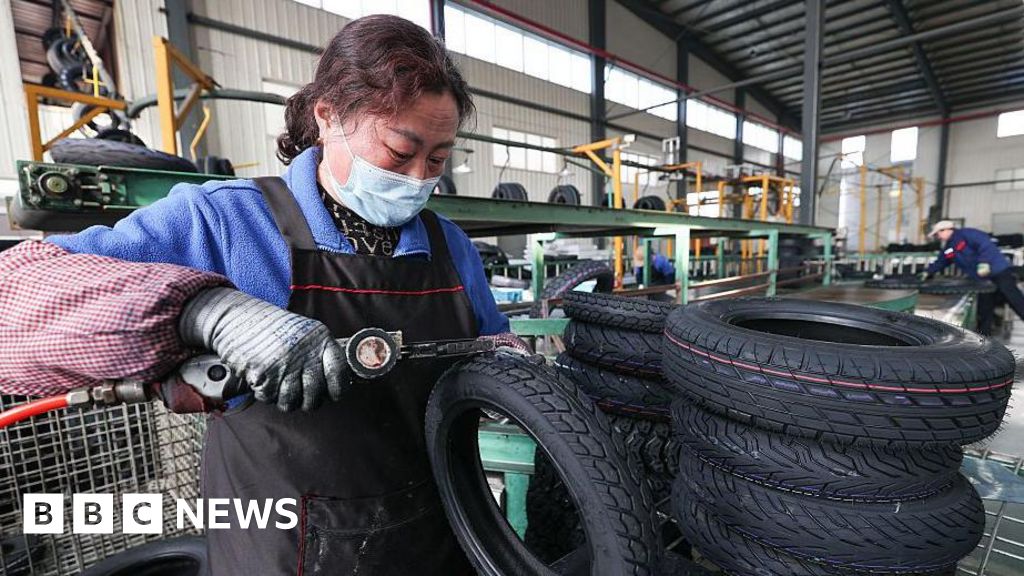
China’s exports soar despite Trump tariffs, signaling resilience

Recent official data confirms a remarkable 20% increase in global shipments this year, signaling a significant shift in international trade dynamics. The surge, driven predominantly by expanding markets within European nations and various countries across Asia, underscores a broader trend of economic resilience and strategic realignment in an increasingly interconnected world. Analysts from the International Trade Institute emphasize that this growth reflects not only proactive supply chain adjustments but also broader geopolitical shifts shaping the landscape of international commerce.

This escalation in shipment volumes bears profound geopolitical implications. Countries are recalibrating their economic policies, often motivated by the need to buffer against uncertainties emanating from longstanding international tensions, such as those involving U.S.-China relations and Russia’s role in global energy markets. Nations participating in this growth wave are asserting greater autonomy and diversification, aiming to reduce dependency on traditional trade hubs. Such developments are viewed by policymakers and strategic thinkers as a key component of the new balance of power, where economic strength is increasingly intertwined with geopolitical influence.

International organizations and independent analysts caution that these rising shipment volumes could mark a pivotal turning point in global supply chains, potentially challenging established economic hierarchies. The World Economic Forum warns that while the current figures showcase resilience, they also spotlight vulnerabilities—particularly the risk of overreliance on specific regions or logistical routes. Furthermore, historians and geopolitical scholars note that these shifts may anticipate a redefinition of alliances, as nations seek to exploit emerging markets and assert greater control over vital trade corridors. Underpinning all of this is the realization that the fate of global stability hinges on the capacity of nations to adapt and withstand external shocks—a task that continues to unfold in real time.

As the world watches these developments unfold, the raw reality remains that economic trends are no longer isolated from geopolitical trajectories. What began as a seemingly straightforward uptick in shipment numbers now reveals itself as a complex dance of diplomacy, strategic alliances, and national interests. The weight of history presses heavily onto the present, reminding us that each new percentage point in trade is a chapter in a narrative far larger than markets—one that will determine the shape of international relations and societal structures for decades to come.

China sets lowest growth target since 1991, signaling cautious economic outlook for the future

In a significant development that signals a new chapter in international economic diplomacy, the target has been lowered for the first time since it was cut to “around 5%” in 2023. This adjustment marks a pivotal moment in recent geopolitical history, reflecting both the shifting priorities of influential nations and the mounting pressures that have reshaped global markets. As nations grapple with economic restructuring and geopolitical rivalries, this recalibration reveals much about the underlying currents that threaten to define the future of global stability.

The decision to revise the target, broadly regarded by analysts as a barometer for economic health and strategic influence, underscores the complex interplay of trade policies, international agreements, and geopolitical power struggles. According to prominent international economists and historians, such as Dr. Margaret Tufton and Dr. Jared Black, these modifications are symptomatic of broader shifts in the global order. They warn that each change in target thresholds is not merely a policy adjustment, but a reflection of profound geopolitical recalibrations taking place behind the scenes. Particularly notable is the influence of major economies like the United States, China, and Russia, all of which have responded to internal and external pressures with a recalculated approach towards economic expectations and international cooperation.

The lowering of targets also intensifies debates within international organizations, especially regarding the role of the Bretton Woods institutions. Critics argue that such shifts reflect a move away from the previous commitment to growth and stability, potentially undermining confidence among global investors. The International Monetary Fund has issued cautious statements, emphasizing that these adjustments could trigger ripple effects across emerging markets, often vulnerable to volatile shifts in policy and perception. Meanwhile, many nations worry that this change signals an erosion of longstanding commitments to shared economic stability, risking further fragmentation of the global economy.

As the world braces for the consequences of this strategic recalibration, many analysts caution that this is merely the beginning of a more turbulent epoch. Countries are increasinglyforced to reconsider alliances, confront rising nationalist sentiments, and adapt their economies to a shifting landscape of power. Historians caution that every epoch-defining decision bears the weight of history—shaping nations, societies, and civilizations for generations to come. The ongoing saga, driven by decisions at the highest levels of power, reminds us that in geopolitics—much like in economics—the margin for stability continues to narrow. As the clock ticks on, the world stands at a crossroads where every choice could carve the course of history, leaving the shadows of past conflicts and ambitions looming large over an uncertain future.

Social Media Auto Publish Powered By : XYZScripts.com