Matox News

Truth Over Trends, always!

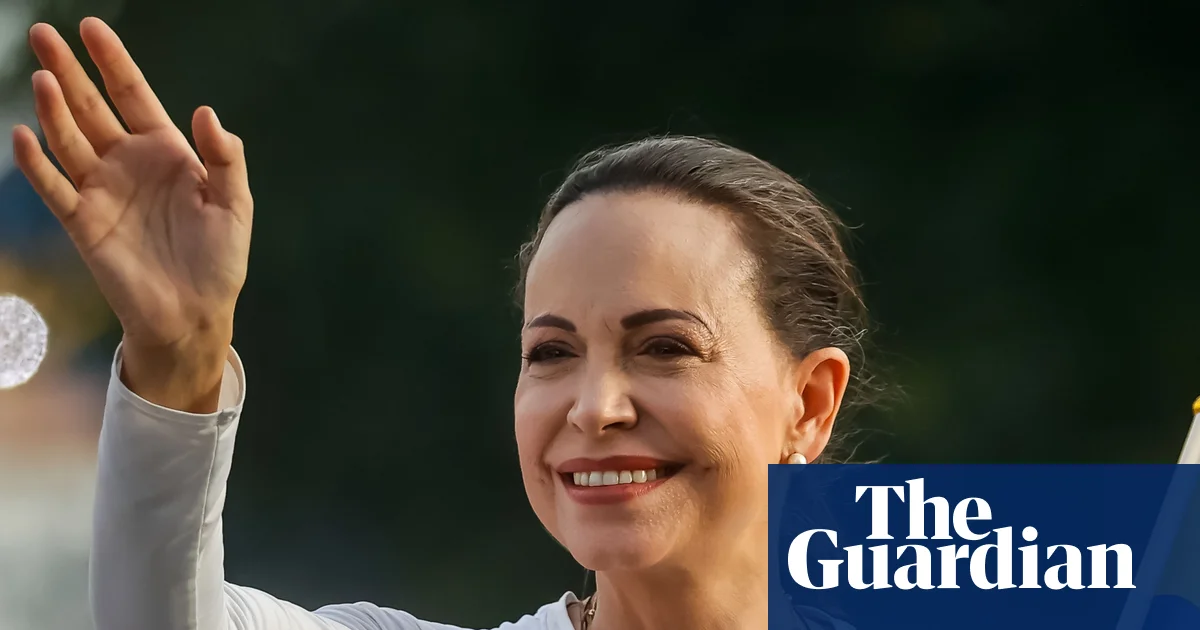
Oslo Cancels Appearance by Nobel Laureate María Corina Machado—Youth Voice Silenced

In a remarkable twist of international diplomacy and ideological rivalry, Venezuela’s opposition leader and fierce critic of Nicolás Maduro, María Corina Machado, has been awarded the Nobel Peace Prize for her relentless efforts to challenge the authoritarian regime in Caracas. The decision by the Norwegian Nobel Committee has sent seismic waves through the geopolitical landscape, prompting discussions on the effectiveness of Western institutions in defending democracy and human rights against entrenched authoritarian governments. However, the celebration was marred by controversy and uncertainty surrounding Machado’s safety and whereabouts, as her planned appearance at the Nobel ceremony was abruptly canceled, underscoring the sinister stakes in Venezuela’s ongoing political crisis.

The **Nobel Peace Prize** announcement underscores a shifting global narrative: how Western support for opposition movements can act as a catalyst for change, yet also provoke fierce retaliation from ruling regimes. Machado, often whispered about as Venezuela’s “Iron Lady,” champions her people’s cause amid a climate of suppression and violence. To many analysts, her award is a **symbolic victory** for grassroots democracy; yet, it also highlights the risks faced by opposition figures under Maduro’s control. As international organizations and historians debate whether Western backing emboldens regimes or fosters real change, the fact remains that Machado’s escape from Venezuela—possibly aided by clandestine support from the U.S.—marks a notable escalation in covert geopolitical maneuvering. The U.S., which has ramped up naval activity and issued threats of land strikes against drug-trafficking suspects, clearly views Venezuela as a pivotal battleground in the global fight against authoritarianism and organized crime.

Meanwhile, the U.S. administration has sharpened its rhetoric, framing its military and diplomatic actions within a broader effort to destabilize Maduro and bolster opposition factions like Machado’s. Reports suggest her family, including her mother, Corina Parisca de Machado, and her children, have traveled clandestinely to Europe for her safety, with some analysts speculating about secret departures via Puerto Rico. This clandestine movement underscores the **high-stakes diplomacy** occurring behind closed doors, where international allies weigh their support amid the risk of increased repression and possible violence. Historians warn that such covert operations can either **accelerate democratization** or deepen divisions, depending on how the global community manages its influence.

As the Nigerian, European, and Latin American bodies prepare to honor Machado amid protests of suppression and international intrigue, the ultimate question remains: **how will this act of recognition influence Venezuela’s future**? Countries like Argentina, Panama, Ecuador, and Paraguay are set to send representatives, turning the event into a geopolitical showdown, where symbols of Western solidarity collide with Maduro’s autocratic resilience. The global community stands at a pivotal crossroads, facing the reality that history is _not_ simply being made—it is _being rewritten_ in real-time. As Machado’s fate hangs in the balance and Russia and China observe from afar, the specter of what’s to come remains shrouded in uncertainty. For now, the world watches, breath held, as the story of Venezuela’s liberation—perhaps its darkest hours—continues to unfold amid the echoes of a battered democracy fighting to breathe amidst the smoke of repression and international intrigue.
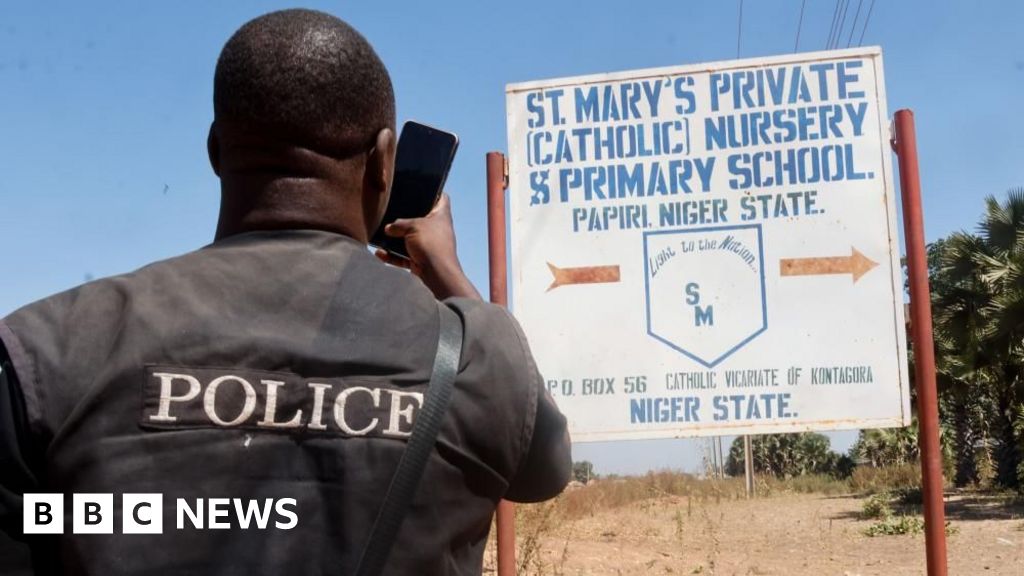

Nigeria’s Kidnapping Surge: Youth Silenced by Fear

In the heart of West Africa, Nigeria continues to grapple with a daunting wave of insecurity that is reshaping its social fabric and altering the geopolitical chessboard. Over the past few weeks, mass kidnappings have become disturbingly routine, with armed groups—commonly termed bandits—exploiting Nigeria’s remote rural areas and fragile state institutions to execute daring abductions. The recent kidnapping of over 300 students from St. Mary’s Catholic School in Papiri, along with subsequent assaults on other schools and communities, underscores a worsening crisis that officials and analysts warn threatens to destabilize entire regions.

Despite official denials, reports from villagers like Aliyu reveal a narrative of fear and chaos, where parents are terrified to speak openly, fearing reprisals from kidnappers. The ghastly reality is that children as young as five are among the victims, often taken from soft targets such as private schools and farms. The insurgents responsible, including the notorious Islamic State of West Africa Province (ISWAP), operate within a complex web of ideological extremism and profit-driven motives. This resurgence, analysts say, is less about religious extremism alone and more about a lucrative trade in ransom kidnapping—a practice that funds further violence and sustains the cycle of insecurity.

However, the crisis extends beyond the battlefield. In a startling development, some remote communities in Nigeria’s northwest have resorted to peace deals with bandit leaders. These accords, driven by desperation, negotiate access to mineral wealth—particularly gold—and secure promises to cease hostilities and reopen schools. Such agreements, observed by security experts like David Nwaugwe, suggest a pragmatic, if alarming, shift in how insurgency is managed. While these informal peace arrangements have led to a *temporary* decline in attacks, they expose a larger geopolitical problem: how the Nigerian government’s inability to establish firm control has allowed criminal gangs to operate almost openly, fragmenting sovereignty and adding layers of complication to regional stability.

Moreover, these developments are prompting international concerns. U.S. President Donald Trump recently issued threats of military intervention, criticizing Nigeria’s inability to protect its Christian minority from Islamist violence. Such rhetoric, while potentially incendiary, underscores the increasing geopoliticization of Nigeria’s internal security issues. As nations debate whether to escalate or de-escalate, how Nigeria handles this crisis will significantly influence regional stability and global perceptions of Africa’s largest economy. With historical analysts warning of the danger posed by insurgency rippling across borders, the global community faces a stark choice: support Nigeria’s sovereignty and bolster its security capacity or watch as chaos undermines the continent’s stability.

As the weight of history presses down, Nigeria stands at a crossroads. Will it succumb to a cycle of violence and destructive peace deals, or will it forge a new path—one that upholds order and restores hope? The answer remains unwritten, buried within the unpredictable currents of a nation fighting for its future amidst a storm of violence and shifting alliances. The coming days will determine whether Nigeria can reclaim its sovereignty, or whether these dark clouds threaten to define an era of chaos and uncertainty, echoing the turbulent chapters of history yet to be written.

Social Media Auto Publish Powered By : XYZScripts.com


