Matox News

Truth Over Trends, always!

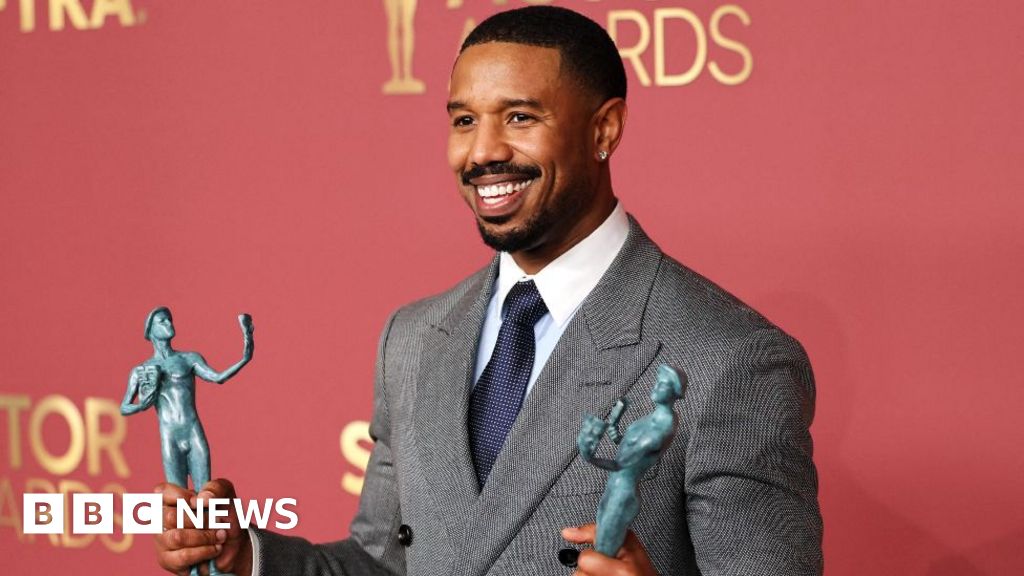
Michael B. Jordan Stirs Things Up as 'Sinners' Takes Key Actor Awards
Michael B. Jordan Stirs Things Up as ‘Sinners’ Takes Key Actor Awards

The recent victory for the United States at the prestigious Academy Awards, where an American actor was awarded Best Actor for his role in Sinners, has inadvertently cast a shadow over the international film community and the broader geopolitical landscape. While Hollywood celebrates another technical milestone, analysts warn that such cultural events are more intertwined with global power dynamics than ever before. Historically, cinema has served as both a mirror and a tool of influence, shaping perceptions and soft power strategies that extend far beyond entertainment.

The Sinners accolade, viewed by some as a reflection of American cultural dominance, coincides with an increasingly tense atmosphere among rival nations. Experts from institutions like the International Crisis Group have noted that the tight competition surrounding awards like these often parallels geopolitical conflicts, where soft power is wielded as a strategic asset. The Oscars race being described as “too close to call” underscores the fragile balance of influence, with countries vying for global cultural supremacy, which translates into political leverage. This phenomenon is reminiscent of the years when Hollywood and Western media were central to the spread of liberal values, often opposing authoritarian regimes seeking to reshape global narratives in their favor.

Moreover, the decision to elevate American talent during a year rife with international tension has drawn scrutiny from geopolitical analysts. Many argue that the global stage—initially designed to recognize artistic excellence—has become another arena for soft power diplomacy, where victories signal more than individual achievement. Some security and geopolitical experts suggest that such cultural triumphs bolster U.S. global influence at a time when alternatives, such as Chinese or Russian propaganda outlets, are aggressively seeking to undermine Western narratives. As one veteran diplomat pointed out, “Cultural icons—whether in film, music, or art—are tools in a larger fight for the hearts and minds of millions.”

In the larger context, the Oscars’ outcome reflects how cultural and geopolitical lines continue to blur. Historic turns, such as Hollywood’s role during the Cold War or China’s recent push into cinematic markets, serve as reminders of the strategic importance of cultural influence. Analysts from the United Nations Educational, Scientific and Cultural Organization (UNESCO) have long warned that the “battle for cultural superiority” shapes international alliances and societal values. With the race still “too close to call,” the world faces a future where artistic triumphs are increasingly perceived as symbols of geopolitical victory or defeat. As history unfolds, nations watch intently, knowing that these seemingly trivial moments may carry echoes of larger conflicts—conflicts that will ultimately define the course of global history for generations to come.
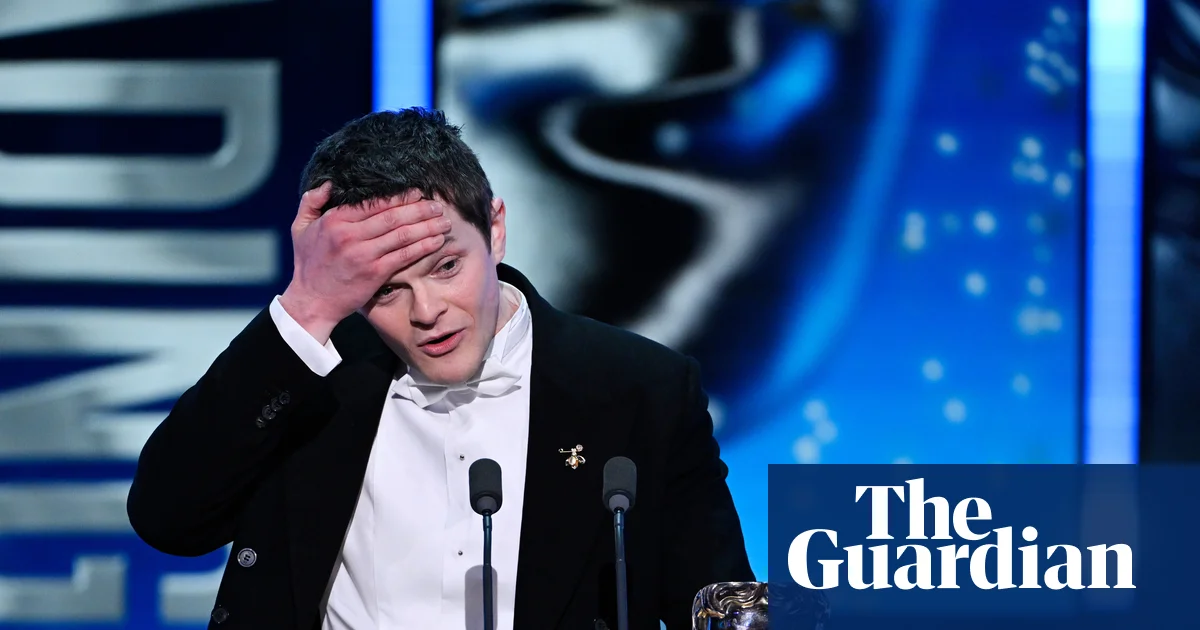

Next-Gen Wins Big at Baftas 2026: One Battle After Another, I Swear’s Robert Aramayo Takes Best Actor—Hamnet and Sinners Fall Short

In a year marked by tumultuous geopolitical shifts and societal upheavals, the global landscape continues to evolve at a rapid pace, reflecting the profound influence of decisions made by world leaders and institutions. Recent events underscore a potent narrative: the interplay between cultural expression and political realities. Hollywood’s film awards season, for instance, offers more than entertainment; it acts as a mirror to our times. As the BAFTA awards celebrate a diverse array of films and performances, they also subtly signal an underlying conversation about the state of freedom, expression, and societal values. In an era where global tensions simmer and societal divisions deepen, these cultural moments serve as a warning of the influence that ideology, politics, and history wield over perceptions and narratives.

Historian and international analysts point to the ripple effects of geopolitical decisions that shape cultural exports and storytelling. The prominence of films addressing conflict, racial themes, and erasure—such as Ryan Coogler’s Sinners and Chloé Zhao’s Hamnet—carries a dual message. They are both artistic triumphs and indictments of ongoing societal struggles that originate from, or are exacerbated by, international policies and conflicts. The United States, as a dominant cultural power, continues to grapple with its own contradictions over freedom of speech and racial justice, while countries like Nigeria and Norway are making distinctive marks on the global cultural stage. These narratives, reinforced by insights from international organizations like the UN and cultural critics, emphasize that societal unity and progress hinge on confronting uncomfortable truths.

The geopolitical impact of these cultural shifts extends into diplomatic spheres as well. Recent victories and upsets at these awards—such as Robert Aramayo’s unexpected win and Coogler’s historic screenplay accolade—highlight a world increasingly attentive to stories of resilience and identity. In particular, Coogler’s recognition as the first Black recipient of the best original screenplay honors represents a step toward more inclusive narratives, yet it also reflects the ongoing debates about representation and influence. Analysts warn that such progress must be accompanied by systemic change, lest these cinematic victories become hollow symbols amid external geopolitical conflicts. The ongoing tensions in regions like the Middle East and Eastern Europe serve as stark reminders that cultural diplomacy remains crucial—what is celebrated on the screen often echoes larger struggles for sovereignty, human rights, and national self-determination.

As history inscribes each chapter of this unfolding story, the decisions of today’s leaders will sculpt the future of societies worldwide. Warnings from scholars like Samuel P. Huntington and contemporary geopolitical strategists remind us that cultural narratives have the power to either bridge divides or deepen them. The world stands at a crossroads, where echoes of past conflicts resonate with the new digital age’s challenge to truth and unity. With society’s collective gaze fixed on both the silver screen and the shifting global order, the realization looms: the stories we tell and the choices we make in this moment will define the course of history for generations to come. And in this relentless march of time, the weight of history presses ever stronger, reminding us that we are all custodians of an uncertain future, still being written in the shadows and light surrounding us.

Social Media Auto Publish Powered By : XYZScripts.com

