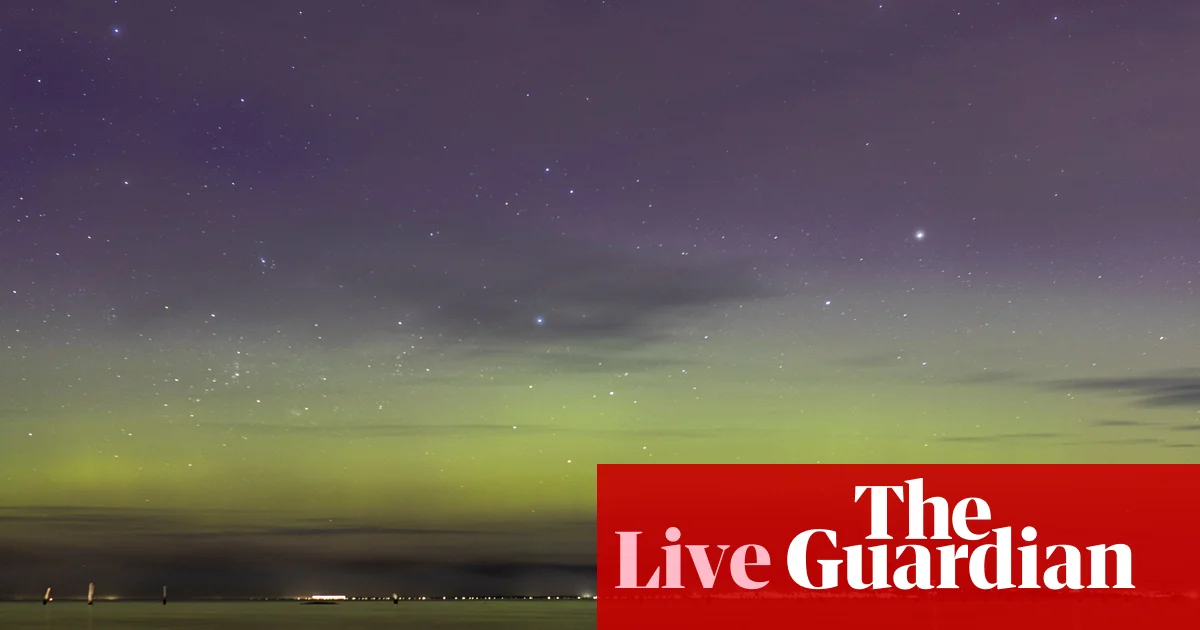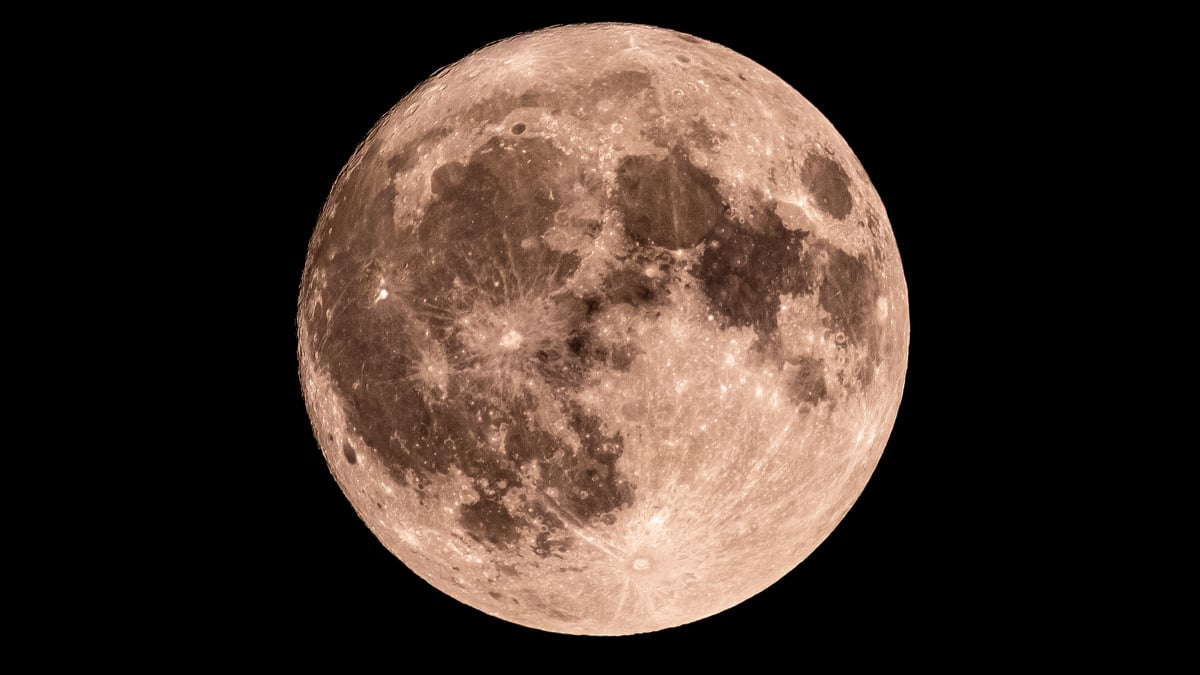

As the Moon transitions into its Waning Crescent phase, with just 21% of its surface illuminated, an intriguing shift is underway in how young people engage with celestial phenomena. This lunar cycle, spanning roughly 29.5 days, has historically influenced cultural practices and social behaviors, but today, it holds a renewed grip on youth culture. From social media trends to lifestyle routines, the phases of the Moon are shaping trends that reflect a deeper societal connection to natural rhythms—subtly challenging the modern obsession with constant productivity and technological distraction.
Moon Phases as a Cultural Catalyst
According to NASA, lunar phases consist of eight distinct stages, each with its own symbolism and social resonance. Notably, Full Moons have long been associated with heightened emotional states and communal gathering, but recent influencers and social analysts are observing how the lesser-lit phases are gaining cultural significance. Younger generations are increasingly turning to the lunar calendar to structure their lifestyles—embracing the Waning Crescent and new moon periods for reflection, detox, or digital fasting. Experts note that this shift signals a move toward *less distraction* and a *more intentional* way of living that reconnects tech-reliant youth with natural cycles.
Prominent social media figures and lifestyle influencers are championing this movement. Accounts dedicated to spiritual wellness and mindfulness now frequently incorporate lunar phases into their content, encouraging followers to set goals or release negativity during the darker phases. Sociologists argue that this trend is more than superficial; it’s an act of resistance against the hyper-speed, always-on culture that defines modern life. Astrology, once a niche interest, has become mainstream among young adults, further cementing the Moon’s social relevance in shaping personal and collective identity.
The Social Relevance and Future Implications
This renewed focus on lunar rhythms signals a broader cultural shift in social values. As climate-conscious millennials and Gen Zs seek authenticity, they are increasingly viewing natural phenomena like the Moon as sources of guidance and stability. In fact, trend analysts suggest that the Moon’s phases are now integrated into lifestyle choices— from
- tracking sleep cycles
- scheduling important events
- participating in moonlit rituals
. This movement represents a yearning to re-engage with nature in an era dominated by screens and instant gratification.
Yet, as this lunar revival continues to evolve, a provocative question emerges: Will the Moon truly reconnect us with a collective sense of purpose, or will it become another trend— transient and superficial in the face of societal shifts? Experts and cultural commentators ponder whether the Moon’s stages will serve merely as aesthetic markers or genuine catalysts for social change. In a world increasingly obsessed with innovation, the next impactful question is whether these ancient celestial cycles can sustain their influence as a long-term cultural anchor beyond fleeting trends or if they will fade into the backdrop of a rapidly changing society. Only time—and perhaps another lunar cycle—will tell.