Matox News

Truth Over Trends, always!

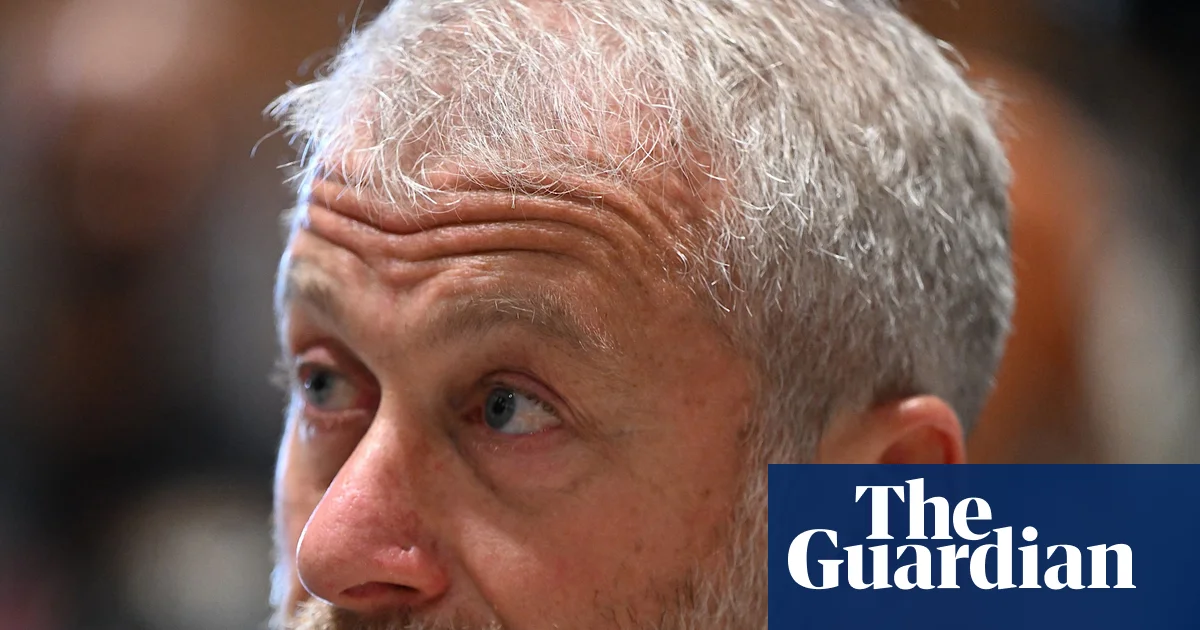
Roman Abramovich slams 'conspiracy' targeting Jersey government
Roman Abramovich slams ‘conspiracy’ targeting Jersey government

The recent escalation in the legal confrontation between Roman Abramovich, the infamous Russian oligarch once associated with Chelsea FC, and the government of Jersey underscores a broader trend of increasing scrutiny over offshore wealth and its geopolitical implications. The Crown dependency has launched a criminal investigation into allegations of corruption and money laundering, linking Abramovich’s vast fortune to illicit practices rooted in the tumultuous economic transition of 1990s Russia. This case exemplifies how elite financial networks—often concealed in tax havens—continue to shape global power dynamics. Analysts suggest that the unfolding legal battle could expose not only individual misconduct but also reveal the deeper mechanisms of international financial secrecy, which influence geopolitics at the highest levels.

In September, a Swiss federal criminal court ordered the release of Swiss banking records that implicated Abramovich’s wealth sources. These revelations prompted Jersey authorities to intensify their investigation, which initially targeted his offshore assets frozen shortly after Russia’s invasion of Ukraine in 2022. The freeze of over $7 billion in assets illustrates the sharp edge of international sanctions, designed to exert economic pressure on Russia and its elites. Yet, Abramovich’s legal team has argued that there is *no* concrete evidence linking him to criminal activity and has called the investigation a possible conspiracy. This claim aligns with a broader pattern where wealthy individuals employ legal and diplomatic tactics to shield their assets, delaying accountability and revealing the ongoing struggle for transparency in international finance.

The case’s significance extends beyond individual fortunes, highlighting the strategic importance of offshore jurisdictions like Jersey. These maritime enclaves facilitate the concealment and movement of assets, often out of reach of Western legal systems and sanctions regimes. The recent court orders demanding the disclosure of private messages, emails, and data—an unprecedented move—serves as a turning point, threatening to open a Pandora’s box of covert dealings. As Jersey’s government comes under pressure to justify its confidentiality policies, international organizations like the Financial Action Task Force (FATF) are raising concerns about the global impact of such secrecy, which enables corruption, illicit finance, and geopolitical leverage against Western interests.

Historian and geopolitical analyst Dr. James Thornton warns that this case exemplifies the fragile balance between sovereignty, financial privacy, and national security. “The decision by Jersey authorities to release sensitive data about a powerful oligarch reflects a potential shift in the legal landscape—one where transparency can no longer be bypassed with mere legal veneer,” he states. The United Kingdom and international community watch closely, aware that these revelations could influence not only individual reputations but also the broader conflict frameworks involving Russia, Ukraine, and Western sanctions. As the legal drama unfolds, the weight of history hangs heavily over Jersey’s tiny islands—reminding the world that even the most secretive financial fortresses are not immune to the relentless tide of accountability and justice.

Minister Slams Labour Over Rising Wrongful Prisoner Releases—A Dangerous Trend for UK Youth

UK Prison System Under Fire Amid Rising Wrongful Releases

In a startling development that has captured national attention, Britain’s prison system is coming under intense scrutiny following reports of a rising number of wrongful prisoner releases. The Labour Party and various justice advocates are raising alarms about systemic failures that are jeopardizing public safety and exposing serious flaws in the correctional infrastructure. The crisis underscores not only operational shortcomings but also highlights the deepening geopolitical impact of internal administrative breakdowns in one of Europe’s largest nations.

At the center of the controversy is the failure of the UK’s antiquated paper-based system, inherited from the 1980s, which is now being blamed for the wrongful release of prisoners. As reports reveal, an average of 22 inmates are mistakenly released each month in England and Wales—an increase from 17 under previous administrations. The recent spate of errors has led to authorities confirming that at least four individuals remain at large after wrongful releases. These cases have not only raised concerns about safety but also cast a shadow over the effectiveness of the current prison management protocols, exposing the intractable failures of an overstretched and underfunded system.

International expert and historian Dr. Samuel Harris emphasizes that this crisis signals a turning point for penitentiary reform, warning that continued systemic neglect can unstable the societal fabric. Key decision-makers are now called to overhaul the entire sentencing and discharge process. The recent appointments of Dame Lynne Owens, former director of the National Crime Agency, and promises to build new prisons and implement additional checks, are viewed as initial steps—but critics argue these are mere band-aids. The widespread overcrowding, with many facilities operating well beyond capacity, coupled with low staff morale and lack of training, has only worsened the crisis. The Prison Officers’ Association advocates for a comprehensive overhaul rather than superficial fixes, warning that systemic failures are equating to a risk to society at large.

The ramifications extend beyond domestic borders; as analysts caution, Britain’s internal chaos could ripple across NATO alliances and influence geopolitical stability in the Atlantic region. The conflict-ridden landscape of the **European continent**, combined with ongoing rivalries and the specter of destabilization from migration crises and international security threats, intensifies the stakes. Failing prisons serve as a stark reminder that internal governance, when neglected, can undermine broader trust in state institutions, ultimately giving adversaries an opening to exploit vulnerabilities. International observers from organizations such as the OECD warn that unless urgent reforms are enacted, Britain risks becoming a cautionary tale of internal disrepair that could have ripple effects beyond its shores.

In this sombre turning point, history seems poised to record the UK’s decline into a cautionary chapter of governance failures. As the nation faces the difficult task of penitentiary reform, future generations will look back on these days as a stark reminder of what happens when systemic neglect is allowed to fester—an unfolding saga that might yet reshape the political and social order of Britain and influence the balance of power in the geopolitical arena.

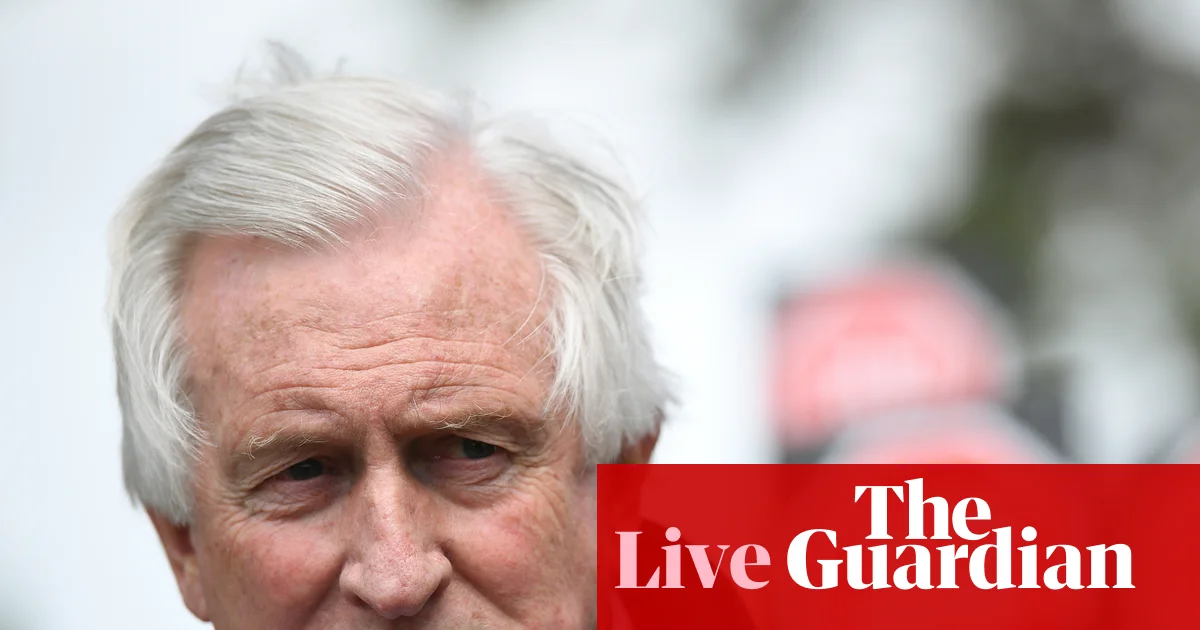
Australia News Live: Hewson Slams Ley’s Liberals, 9,500 New Uni Spots Announcement

In a world where geopolitical impact constantly reshapes the balance of power, recent international developments have underscored the fragility and complexity of global alliances. From the simmering tensions in the Asia-Pacific to the strategic recalibrations in Europe, nations are navigating a landscape riddled with challenges that threaten stability. Central to these shifts are decisions made by major powers that reverberate across societies and economies, often with profound consequences.

One of the most consequential international shifts involves the increasing assertiveness of China in asserting territorial claims and expanding its influence through initiatives like the Belt and Road. Western analysts warn that such moves threaten regional stability and challenge the dominance of traditional powers. Meanwhile, Russia’s ongoing conflict in Ukraine continues to destabilize Eastern Europe, forcing NATO to reconsider its strategic posture. Experts from the International Crisis Group highlight that these actions not only escalate tensions but also reshape alliances, compelling nations to adapt in ways that could redefine the post-Cold War order.

Additionally, U.S. foreign policy under the current administration emphasizes recalibrating relations with traditional allies while confronting emerging threats. The recent decisions to strengthen military presence in the Indo-Pacific and to invest significantly in cyber and space warfare measures are widely seen as attempts to maintain global leadership in an era of technological competition. However, such measures have not been without controversy, sparking debates about the future of international diplomacy and the potential for conflict escalation. The consequences of these decisions extend beyond geopolitics, directly affecting the security and economic stability of nations worldwide, particularly vulnerable smaller states caught in the crossfire.

The European Union faces its own set of challenges, negotiating a fragile balance between economic growth and environmental commitments. The recent climate policy negotiations exemplify this tension. As member states grapple with the push for greener energy sources, the divide between nations prioritizing economic stability and those advocating for aggressive climate strategies remains stark. Analysts warn that failure to establish cohesive policies could weaken the EU’s global influence and undermine its internal cohesion. Similarly, the ongoing migration crisis intensifies societal divides, prompting leaders to reconsider immigration policies that have far-reaching consequences on national identity and security.

At this pivotal juncture, historians posited by the Council on Foreign Relations warn that the decisions made in these high-stakes moments will be etched into the annals of history. How the world’s great powers manage their strategic interests in the coming years will determine whether peace prevails or if chaos erupts anew. Each move carries the weight of history, and how nations choose to respond to these crises will shape societies for generations to come. As the global stage stands at the crossroads of conflict and cooperation, the true test lies in the resilience and vision of leadership, faced with a future that remains uncertain yet undeniably critical.

Trump slams Nigeria’s Christian crackdown: Is religious freedom under attack?

Embracing a Lifestyle of Purpose and Resilience

In today’s fast-paced world, where the relentless pursuit of success often overshadows personal wellness, many young individuals are beginning to recognize the importance of __centering their lives around purpose, health, and resilience_. From the bustling streets of Lagos to the serene countryside, a rising shift in lifestyle ideals emphasizes _well-being as the foundation of true fulfillment_. Wellness experts like Dr. Jordan Peterson and motivational authors such as Brené Brown advocate for a life anchored in authenticity, self-care, and community. This cultural movement challenges the traditional metrics of success and highlights that _true vitality comes from nurturing the mind and body_ in harmony.

The _modern wellness paradigm_ is transforming how youth approach daily routines. Embracing practices like mindful meditation, active outdoor recreation, and nutritional awareness, many are striving to _find balance amid chaos_. For instance, African tech entrepreneurs and creatives are now integrating _lifestyle hacks that prioritize mental resilience_—whether it’s through local markets’ organic foods or outdoor ventures that foster _mental clarity_. The key message from wellness influencers like Jay Shetty and Oprah Winfrey centers on _investing in self-awareness and community_ as a route to personal impact. Living a life rooted in purpose translates to making choices that promote _long-term health, happiness_, and _shared prosperity_, which ultimately fuels a passion for _self-improvement and social contribution_.

Travel and leisure experiences are also evolving, becoming more intentional. Many youth-oriented explorers seek destinations that offer _authentic cultural immersion_ rather than superficial escapism. Travel hacks such as _connecting with local communities, engaging in eco-friendly activities, and practicing sustainable tourism_ serve as ways to _enhance personal growth_. Examples include hiking through Abuja’s national parks, volunteering in rural Nigeria, or participating in wellness retreats that combine _traditional healing rituals with modern mindfulness practices_. These experiences are not just leisure—they are _opportunities for self-discovery and connection to something greater_. As cultural theorist Chimamanda Ngozi Adichie reminds us, _embracing diverse narratives_ broadens our understanding of _what it means to live a fulfilled life_.

  • Prioritize daily movement—be it walking, dancing, or yoga—to boost physical and mental health
  • Choose destinations that foster _authentic cultural exchange_ and _self-growth_
  • Integrate _mindfulness practices_ into your routine for _lasting resilience_
  • Support local economies and _sustainable initiatives_ during travel

In a world filled with turbulence and shifting narratives, the _journey towards personal well-being_ becomes an act of defiance and hope. Young people today are redefining what _success_ and _happiness_ mean, turning away from material excess and towards _meaning, community_, and _self-awareness_. It’s an era that encourages individuals to _forge their own paths_, embracing _wellness as a lifestyle_ rather than a fleeting trend. And in doing so, they find the strength not only to improve their own lives but to inspire others along the way. Life, after all, is a continuous journey of growth—an ongoing act of embracing the resilience that resides within us all.

Ben & Jerry’s Co-Founder Slams Unilever’s Palestine Ice Cream Ban

In a striking illustration of the intersection between corporate influence and international conflicts, Ben & Jerry’s co-founder Ben Cohen has publicly condemned Unilever for blocking the launch of a new ice cream flavor, symbolically resonant with Palestinian solidarity. This controversy underscores a broader trend where multinational corporations become battlegrounds for ideological disputes that extend far beyond commerce, affecting geopolitical stability and societal narratives. The refusal to permit such a branding effort, which prominently featured the colors of the Palestinian flag, highlights how corporate decisions can influence international discourse and even diplomacy, especially amid ongoing conflicts in the Middle East.

Since Unilever’s acquisition of Ben & Jerry’s in 2000, tensions have simmered beneath the surface, with the co-founders explicitly accusing the conglomerate of unlawfully preventing their social activism. As the global community watches, such corporate silencing reveals the underlying power struggles between profit motives and social justice activism. The involvement of Ben Cohen in independently creating a flavor as part of his activist brand, Ben’s Best, signals an attempt to reassert fundamental values the larger corporations have allegedly side-lined. This act is more than a mere protest; it’s a clarion call for enterprises to retain their moral authority amidst a shifting international landscape where the lines between corporate interests and geopolitical agendas continually blur.

The perception and influence of corporate activism carry profound geopolitical impact. As analysts and historians observe, corporations today are often viewed as vessels of ideological expression that can sway public opinion and policy. This pre-eminence of corporate voice in political issues raises questions about sovereignty and the true independence of national policies. In the Middle East, the controversy over Israel’s occupation of Palestinian territories—especially in light of Ben & Jerry’s decision to withdraw from certain markets—illustrates how corporate actions bolster or undermine aspiring statehood narratives, regional stability, and international relations. Meanwhile, international organizations like the United Nations are increasingly under pressure to confront corporations’ roles in conflicts, often debating whether economic influence should be used as leverage in diplomatic resolutions.

As history unfolds, the story remains deeply intertwined with the broader currents of global conflict and moral responsibility. The battle over a simple ice cream flavor symbolizing Palestinian solidarity exemplifies how small acts can ignite larger debates about justice, influence, and the forging of international memory. The narratives that emerge from these conflicts will not only shape future corporate policies but will also influence the trajectory of international diplomacy. The weight of history now rests heavily on the decisions and actions of powerful institutions and individuals, as the world’s hopes for peace and justice hang in a fragile balance—awaiting their next chapter to be written in the collective consciousness of a restless generation.

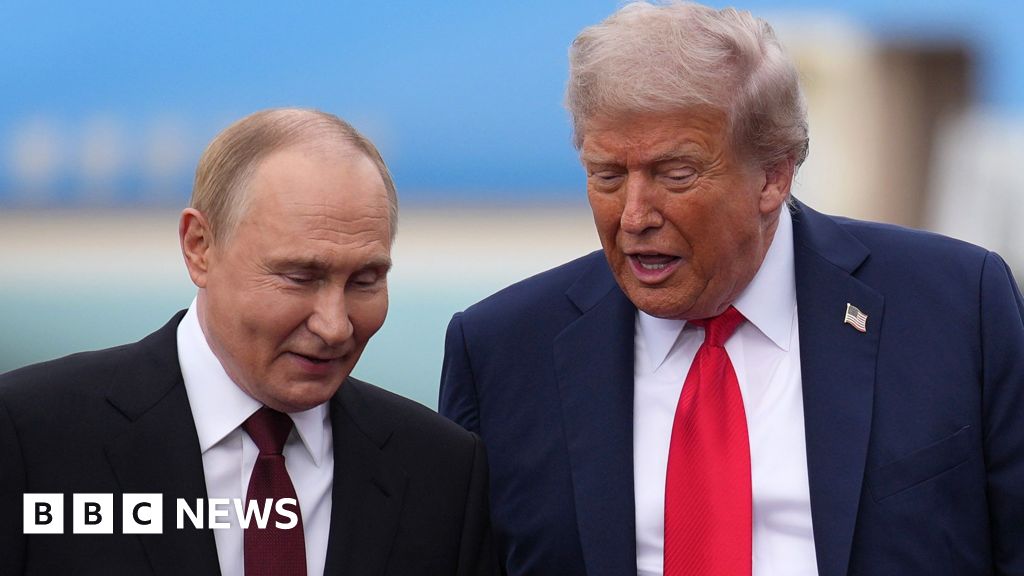
Trump slams 'wasted meeting' after Putin summit plans fall apart
Trump slams ‘wasted meeting’ after Putin summit plans fall apart

The geopolitical landscape surrounding the ongoing Ukraine conflict has entered a new, critical phase, with American and Russian leaders signaling escalating tensions and diplomatic deadlock. President Donald Trump, who recently engaged in high-stakes diplomatic maneuvers, emphasized the importance of meaningful dialogue but appeared to acknowledge the persistent divisions: “I don’t want to have a wasted meeting,” he stated, reflecting frustration over Moscow’s refusal to cease fighting along the current front lines. This reluctance from Moscow is viewed as a clear indication that the Kremlin’s demands remain maximalist, demanding full Russian sovereignty over the Donbas and the demilitarization of Ukraine—conditions unacceptable to Kyiv and its allies. The refusal to de-escalate has effectively shut down hopes for a face-to-face summit with Vladimir Putin, further stagnating diplomatic efforts and intensifying the risk of wider conflict.

International analysts warn that

the failure to reach a mutually acceptable peace deal could lead to prolonged instability, with serious consequences not only for Ukraine but for global security. The breakdown of negotiations, exemplified by the shelving of planned talks in Budapest, signals a broader realignment of international priorities. Pan-European leaders, allied with Kyiv, have condemned Russia’s unyielding stance, accusing Moscow of not being “serious” about peace and instead pushing for a “long-term, sustainable peace” that would uphold their maximalist demands. Meanwhile, Sergei Lavrov has underscored Russia’s intent to confront *the root causes of the conflict*, insisting on the recognition of Russian sovereignty over parts of Ukraine and a demilitarized Ukraine—a position met with fierce resistance from Kyiv and Western partners. These divergences accentuate the strategic depth of the current impasse, with stalemates threatening to entrench the war.

Historical perspectives and emerging risks

suggest that the crisis could redefine international alliances and the future of Eurasian stability. Experts like political analysts or think tanks like the Council on Foreign Relations warn that, if unresolved, this conflict might ignite a new era of proxy confrontations and regional power struggles. The United States, emphasizing a policy of supporting Ukraine’s sovereignty, has also pursued strategic military enhancements, notably discussing the potential delivery of long-range Tomahawk missiles to Kyiv—an issue that Russia claims almost provoked a direct engagement with Washington. Moscow’s initial silence was broken by an unscheduled call from Putin to Trump, a rare move that underscores how close the lines of diplomacy are to breaking. The question remains whether diplomacy can salvage the situation or whether this hardening of positions will plunge the world into a prolonged, multi-layered conflict.

In this pivotal moment, history writes itself through decisive yet uncertain actions, leaving the international community on the brink of a new chapter of instability. As the European Union and NATO brace for possible escalation, the weight of unresolved grievances and conflicting demands underscores a dire truth: the foundation for peace must be built on mutual respect, but the current path seems doomed to instability. The long shadow of this crisis looms large, with the future of Ukraine, Europe, and perhaps the entire global order hanging in the balance—destined to be shaped by choices made in rooms where history’s next chapter is quietly but profoundly unfolding.

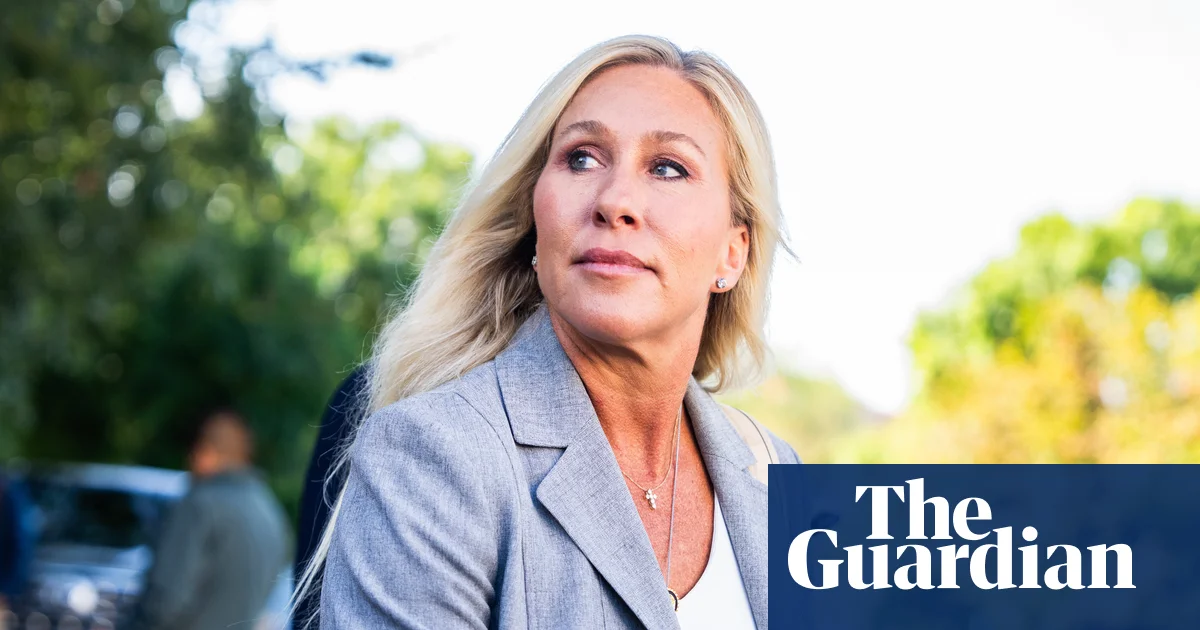
Greene slams GOP, calls Congress’ men ‘weak’—youth voice on the rise

As the United States grapples with an internal political crisis, the world watches with keen interest. The ongoing government shutdown, now entering its third week, reveals a deeper fissure within the Republican Party. Among the most outspoken critics is far-right congresswoman Marjorie Taylor Greene, who has increasingly distanced herself from her party’s establishment, accusing her colleagues of being “weak” in the face of pressing national issues. Her outspoken stance raises alarms about how intra-party divisions might influence U.S. foreign policy and geopolitical stability. With President Biden’s administration and the GOP at odds over fiscal priorities, the consensus is that America’s internal discord weakens its global standing and strategic leverage.

Greene’s rhetoric underscores a pattern where America’s internal strife begins to echo onto the international stage, affecting negotiations and alliances. Her call to remove the 60-vote filibuster and her alignment with Democrat proposals for healthcare subsidies are signals of a fractured Republican base. Such divisions complicate the nation’s ability to present a unified front in critical international negotiations. Analysts warn that the U.S. political tumult risks emboldening rivals like China and Russia, who thrive in moments of American weakness and disarray. Historians like F. Lee Bailey emphasize that weakness in political resolve has historically led to a decline in superpower influence, and with America’s internal struggles, global hegemony remains under threat.

Meanwhile, Greene’s focus on transparency regarding high-profile figures like Jeffrey Epstein complicates the narrative further. Her push for releasing classified files on Epstein’s case—despite resistance from House leadership and Trump loyalists—demonstrates how internal disputes are entwined with questions of justice and accountability. Her claim that Republican women are being sidelined for challenging mainstream GOP leadership exposes a broader debate about gender dynamics in American politics. This infighting not only undermines party cohesion but can have long-lasting repercussions on U.S. diplomatic credibility. As international organizations analyze the fallout, the consensus is that such fragmentation diminishes the United States’ capacity to shape global narratives and forge strategic partnerships.

The geopolitical impact of these domestic upheavals is profound. With Congressional leaders embroiled in internal power struggles, America’s global commitments and partnerships hang in the balance. The world is left to wonder whether the nation’s internal divisions will lead to a power vacuum, inviting increased influence from adversaries. Meanwhile, allies watching Washington’s turmoil question whether the U.S. remains a reliable leader. The unfolding narrative remains a stark warning: a nation divided from within cannot project strength beyond its borders. As history continues to unfurl on the global stage, the future of American leadership remains uncertain, and the weight of upcoming decisions may well determine the course of the 21st century’s geopolitical order, leaving the world to ponder whether this chapter will herald a new era of decline or resilience.

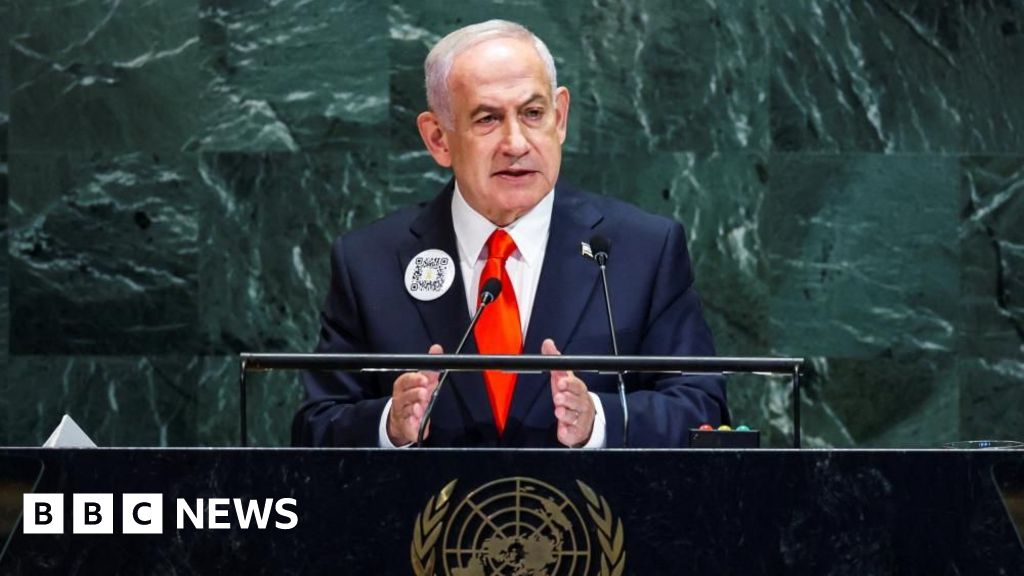
Netanyahu slams Palestinian recognition as dozens walk out during UN speech

The recent UN General Assembly crescendo has set a stark stage for the volatile trajectory of Middle Eastern geopolitics. Israeli Prime Minister Benjamin Netanyahu delivered a speech that sharply polarized the global community, condemning the recognition of Palestinian Statehood by numerous Western nations. His vitriolic rhetoric labeled such recognitions as a “mark of shame”, insinuating that they send a dangerous message—that “murdering Jews pays off.” This inflammatory assertion reverberates through diplomatic corridors, triggering a wave of walkouts and protests, notably in Times Square, where protesters condemned Israel’s military actions in Gaza. The divergence in international opinion underscores a deepening east-west divide over the conflict, with Western nations like the UK, France, and Canada recognizing Palestine, challenging Netanyahu’s hardline stance, and igniting a geopolitical tug-of-war over legitimacy and influence.

Within this storm, Netanyahu’s opening remarks portrayed a narrative of relentless regional threats and existential peril. Showcasing a map labeled “The Curse,” he delineated Iranian proxy groups spanning the Middle East, asserting that Israel faces encirclement by Hezbollah in Lebanon, the Houthis in Yemen, Hamas in Gaza, and Iran itself. Such rhetoric is designed to consolidate domestic support by framing Israel’s military operations as a regional necessity. The Prime Minister went further, lauding Donald Trump’s administration for its alleged role in striking Iran’s Fordo nuclear site, and drew unsettling parallels between Hamas’s October attack and the 9/11 terrorist assaults—both portrayed as threats to global stability. These narratives serve to rally Israel’s allies and justify aggressive military actions, but they also escalate tensions, rippling across borders, and challenging the international consensus for a peaceful resolution. Historians warn that such militant rhetoric risks further destabilization, perpetuating cycles of violence with long-term repercussions for regional security.

Israel’s firm refusal to recognize a Palestinian State remains at the heart of the discord, with Netanyahu asserting that such a state would threaten Israel’s very existence. This stance, aligned with the opinions of the majority of Israeli citizens, continues to entrench division and hinder diplomatic progress. Compounding matters, Netanyahu dismissed claims from UN investigations that Israel had committed genocide in Gaza—a charge he branded “baseless”—and accused international agencies of deliberately restricting aid. With famine ravaging Gaza, as confirmed by UN-backed bodies, the humanitarian toll becomes an unignorable responsibility that frames Israel’s military campaign either as justified self-defense or, by critics, as collective punishment. The contextual backdrop of Israel’s blockade and media restrictions, which have kept independent journalists out of Gaza for nearly two years, amplifies the uncertainty surrounding the true scope of the conflict and its devastations.

In a provocative move aimed at bolstering morale, Netanyahu instructed Israeli forces to broadcast his speech via loudspeakers on Gaza’s perimeter, claiming to reach Israeli hostages and MIA civilians. Amidst contentious internal debates, critics branded the stunt as “propaganda,” highlighting the growing rift within Israel’s own political landscape. Meanwhile, freshly emerging statements from Palestinian Authority leader Mahmoud Abbas suggest a fleeting hope for diplomacy, signaling readiness to collaborate on peace efforts. Lauding the possibility of a de-escalation, the political question remains whether such hopes will withstand the relentless barrage of violence and hardline rhetoric. The chatter from former US President Donald Trump, hinting at a potential ceasefire “deal” in Gaza, adds yet another unpredictable layer to an already volatile chess game where alliances are tested, and history’s pen continues to write its dark, uncertain chapter. As the world watches with bated breath, the unfolding story of this conflict stands as a stark reminder: in the theater of geopolitics, today’s decisive moves shape the course of history, and tomorrow’s history is nothing less than the legacy of today’s choices.

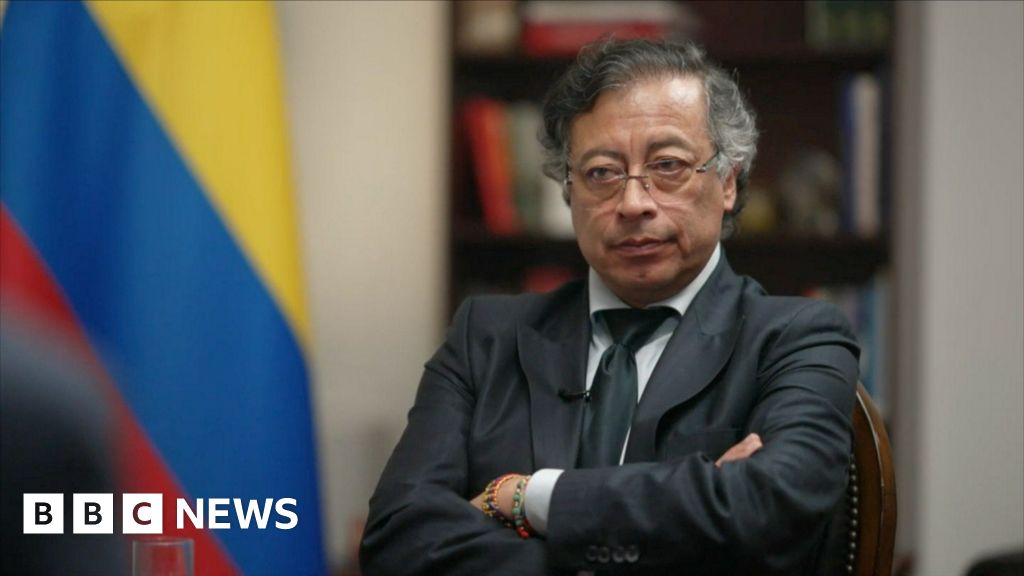
Colombia’s president slams U.S. crackdown on drug boats as a tyrannical move

The recent US military strikes in the Caribbean Sea have ignited a fierce international debate over sovereignty, legality, and the future of U.S.-Latin American relations. The Biden administration, continuing a contentious policy from the previous Trump era, launched airstrikes targeting alleged drug-trafficking vessels in what they frame as a necessary crackdown on narcotics entering the United States. However, Colombia’s President Gustavo Petro has denounced these strikes as an “act of tyranny,” warning that such unilateral military actions threaten regional stability and violate international laws. His outspoken opposition underscores a broader sense of Latin American mistrust toward U.S. interventions, especially when international norms appear to be sidestepped in pursuit of drug interdiction goals.

This confrontation is not merely about drug traffickers but reflects a deeper battle over sovereignty and the rule of law across the hemisphere. The Biden administration’s secrecy around the operation—failing to disclose targets, identities of those killed, or legal justifications—has prompted outrage among international legal experts and lawmakers. Many question whether such targeted killings in international waters contravene international human rights laws or if they constitute extrajudicial executions, as flagged by UN authorities. The lack of transparency fuels accusations that the U.S. is prioritizing aggressive tactics over diplomatic efforts, risking to alienate critical regional allies.

Analysts from various international organizations warn that these actions could set a dangerous precedent, transforming the Caribbean Sea into a theatre of shadow warfare where sovereignty is disregarded in the name of combating narcotics. Historians point out that the United States’ history of military interventions in Latin America has often led to long-term instability, interference that has historically favored strategic interests over regional welfare. The question remains: How will such policies reshape the geopolitical landscape? Already, Venezuela and other neighboring nations voice increasing apprehension, seeing the strikes as provocative attempts to destabilize their governments and economic systems.

Meanwhile, President Petro has clearly framed this conflict as an assault on national sovereignty. His call for criminal investigations into U.S. officials involved in these strikes underscores a broader warning—interventionism breeds resentment and undermines mutual trust. As tensions intensify, the implications extend beyond immediate security concerns: they threaten to fracture regional alliances, fueling anti-American sentiment and strengthening nationalist narratives. The international community, including dissenting voices within the UN, is watching closely, with some experts warning that this escalation could unravel decades of diplomatic progress and usher in a new phase of proxy conflicts and rivalries.

As the world grapples with this unfolding crisis, the echoes of history remind us that such decisive moments often _determine the fate_ of nations for generations to come. With the weight of sovereignty, legality, and societal stability hanging in the balance, the geopolitical impact of these decisions will ripple across continents. Public sentiment in Latin America, influenced by a legacy of intervention and resistance, hints at a rising tide of nationalistic resilience—an obstacle that the United States now faces as it navigates an increasingly complex and divided world stage. The pages of history are being written at this very moment—with each strike, each diplomatic rebuff, shaping a future where control is contested not just in the halls of government, but in the minds of nations and peoples threatening to forge their own destinies amid the chaos of international power struggles.

Social Media Auto Publish Powered By : XYZScripts.com