Matox News

Truth Over Trends, always!

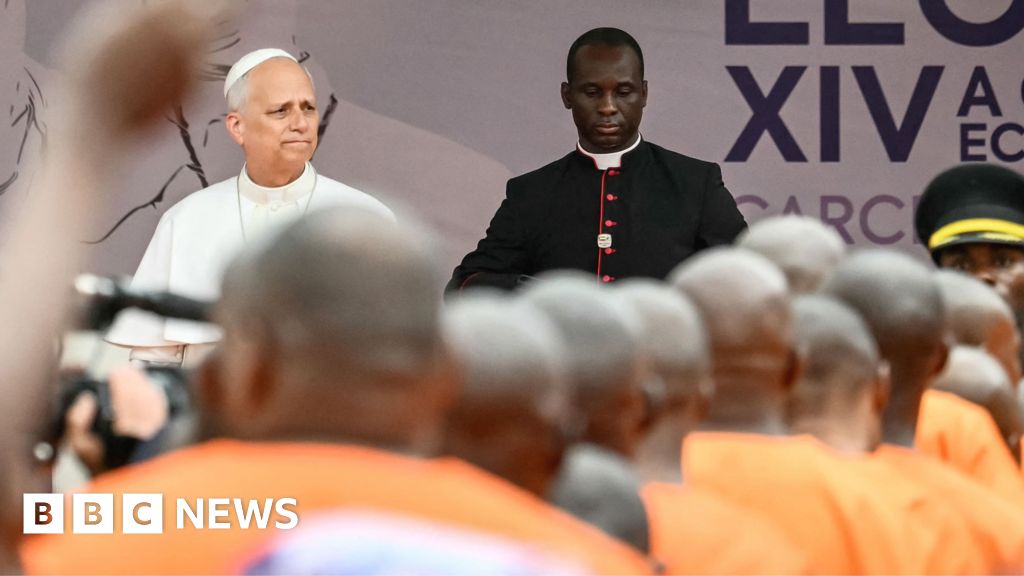
Pope Leo Slams Human Rights in Equatorial Guinea Prisons Amid Africa Tour

In a striking display of diplomatic fervor and moral clarity, the Pope delivered a frank and passionate speech during his recent tour of Africa. This tour, widely watched by international observers, underscores the Vatican’s strategic intent to influence not just religious spheres but also geopolitics across one of the world’s most Dynamic continents. The address came at a pivotal moment, as African nations grapple with an array of economic, social, and security challenges, making the Pope’s message resonate beyond faith, echoing in halls of power and influencing policy debates.

Historians and geopolitical analysts have long noted that such papal visits serve as more than acts of spiritual outreach; they act as catalysts for diplomatic dialogue and soft power projection. The Pope’s appeal to solidarity, moral responsibility, and the promotion of justice signals a conscious effort to shape the intersection of faith and geopolitics in Africa. The speech was delivered amidst a complex landscape of regional conflicts, economic struggles, and fragile political stability—factors that inevitably impact global stability. Major international institutions, including the United Nations, interpret such gestures as vital moments that can sway public opinion, influence aid initiatives, and potentially foster peace in turbulent zones.

  • In his speech, the Pope emphasized the importance of social cohesion and moral leadership in addressing endemic poverty, corruption, and regional conflicts. These messages are seen as a direct challenge to corrupt regimes and external actors who exploit Africa’s resources and vulnerabilities.
  • The speech also touched on environmental issues, calling for responsible stewardship of Africa’s vast natural wealth. This rhetoric aligns with efforts by global powers and multinational corporations whose investments are often contested and frequently criticized for their impacts on local communities.
  • Analysts argue that the Pope’s stance may ignite a new phase of moral activism within Africa, fostering a push for reforms that could redefine relationships between African states and other global actors.

However, the geopolitical impact of the Pope’s visit extends beyond moral appeals. How nations respond to these calls for justice and reform will influence the continent’s future trajectory, as well as global power dynamics. African leaders facing internal dissent may either leverage the Pope’s moral authority to rally support or dismiss it as external meddling. Meanwhile, international organizations such as the UN and African Union remain watchful, recognizing that stability in Africa is pivotal for broader international security and economic prosperity—especially amid the ongoing ripple effects of regional conflicts and the shifting alliances in global diplomacy.

As the echoes of his words fade into history, the true weight of this moment remains uncertain. The continent stands at a crossroads, with choices that will reverberate through generations. The Pope’s passionate plea serves as a reminder that history, with all its complexities and contradictions, continues to unfold in Africa—where every decision is a step toward either chaos or cohesion, liberation or despair. These are not just words—they are the seeds of tomorrow’s legacy.

Italian PM slams Trump for ‘unacceptable’ Pope criticism—young voters watch closely

The intricate web of international relations remains under intense scrutiny as recent developments highlight the ongoing rift between key global powers and longstanding alliances. Italy’s Prime Minister and the United States President continue to maintain a strategic partnership rooted in shared geopolitical interests, yet recent diplomatic tensions threaten to reshape the delicate balance of influence in Europe and beyond. Central to this emerging conflict is the unresolved dispute with Pope Leo XIV, whose authority and moral standing are now being challenged by the US leadership’s refusal to issue an apology.

The controversy centers around an episode in which President Trump, representing the United States, declined to issue an apology to the pope, whom he described in unflattering terms as “very weak.” This defiance has enraged elements within the Vatican, and analysts warn that such a stance risks inflaming longstanding tensions between secular state interests and the religious authority of the Holy See. Historically, the Vatican’s diplomatic influence has transcended formal politics, shaping moral and ethical debates within international forums. Trump’s refusal signals a broader shift toward unapologetic nationalism and a reluctance to defer to institutional moral authority on global stages, a move that some observers warn could undermine diplomatic norms established in the post-World War II era.

Meanwhile, Italy’s Prime Minister has found himself caught in the crossfire, bridging the interests of a committed Western alliance and the political realities of maintaining good diplomatic ties with the Vatican. Italian officials, known for their historically close ties to Catholic institutions, have expressed disappointment over Trump’s attitude, emphasizing the importance of maintaining respect for religious sovereignty. Political analysts suggest that this episode underscores the shifting landscape of international diplomacy, where alliances are tested by cultural and moral clashes as much as by strategic interests. The European Union and **NATO** members watch anxiously as the US’s stance toward religious institutions and diplomatic protocol begins to reshape alliance dynamics.

The global geopolitical impact of this controversy extends beyond just Italy and the Vatican. The refusal to apologize signals a potential realignment in diplomatic posture—marked by a willingness among Western powers to prioritize national interests over longstanding diplomatic courtesies. This shift could embolden other nations to challenge traditional norms, risking greater instability in international relations. Historians caution that this episode may be remembered as a turning point—an era where the foundations of diplomatic diplomacy, based on mutual respect and tradition, are fundamentally challenged. It poses serious questions about how global institutions such as the UN or the World Court will respond to the erosion of diplomatic decorum that has historically served as the bedrock of international peace and cooperation.

As history continues to unfold, a stark reality remains—the decisions made in these tense moments will resonate for generations. The weight of that history is not merely measured in diplomatic cables or official statements but in the lives of ordinary citizens whose futures hang in the balance of shifting alliances and unyielding national pride. The world watches with bated breath as the pages of a new chapter are written, where old alliances are tested, and new divides are etched into the geopolitical landscape. Whether history will see these events as a catalyst for inevitable fragmentation or a prompt for renewed dialogue remains uncertain—but one thing is clear: in the great narrative of global power, this is a crucial turning point.”

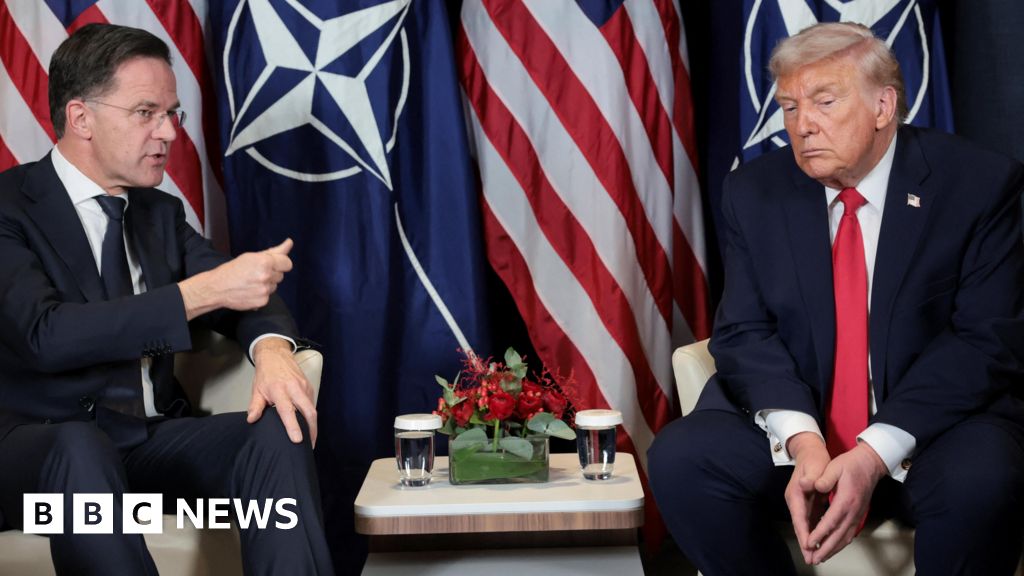
Trump slams NATO as alliance chief calls meeting 'very frank'
Trump slams NATO as alliance chief calls meeting ‘very frank’

In a striking statement that has sent shockwaves through the international community, US President recently accused NATO of failing to provide adequate support during the recent Iran conflict. Drawing attention to what he described as a critical lapse, the President asserted that “NATO wasn’t there when we needed them.” This declaration signals not only a potential fracture within the transatlantic alliance but also raises serious questions about the future efficacy and unity of the military bloc amidst rising global tensions.

The remark occurs against a backdrop of increasing instability in the Middle East, where Iran’s regional influence and nuclear ambitions continue to threaten the balance of power. Historically, NATO has positioned itself as a collective defense organization primarily focused on the Euro-Atlantic region. However, the recent criticism indicates growing frustrations from the United States—a founding member—with what is perceived as insufficient European engagement in regional security issues. Analysts from think tanks such as the Council on Foreign Relations warn that this fissure could weaken NATO’s credibility at a time when Russia continues its aggressive pursuits in Eastern Europe, and China expands its strategic influence worldwide.

  • The President’s statement echoes a broader concern about the geopolitical shifting sands and questions whether NATO, as historically constituted, can function effectively in a multi-polar world
  • The incident marks a *potential turning point* in transatlantic relations, with diplomats and military leaders pondering the durability of their alliance
  • European leaders, meanwhile, face increased pressure to clarify their commitments and demonstrate their capacity to act independently or in unison with their American allies

International organizations such as the United Nations have long struggled to coordinate coherent responses to conflicts that threaten global stability. Now, with the discontent within NATO surfacing openly, the structural impacts could lead to a realignment of alliances and power centers. Historians warn that such divisions have historically preceded larger conflicts, and some suggest this moment resembles pre-World War tensions, where regional disputes escalated into global crises. As American authorities critique European foreign policy and defense readiness, the global stage is poised on the brink of a new era—one marked by uncertainty, shifting loyalties, and a reevaluation of what collective security truly entails.

As the weight of history presses down on these fragile alliances, nations and societies now face a defining question: will they unite in the face of rising threats, or will internal fractures deepen, leading to a more fractured, unpredictable world? The choices made in the coming months will undoubtedly shape the tapestry of international relations for generations to come. In this tense landscape where power aligns and realigns, the echoes of past conflicts resonate ominously, reminding all that history is constantly in the making—its next chapter yet to be written, with each decision potentially altering the course of global destiny.

Trump slams Supreme Court on tariffs in late-night social media blast—US politics update

Global Implications Unfold as Donald Trump Challenges Judicial Limits on Tariffs

In an aggressive display of executive assertion, Donald Trump publicly decried the recent Supreme Court ruling which deemed many tariffs imposed during his administration illegal. This confrontation inside the United States highlights a broader geopolitical struggle over economic sovereignty and international trade authority. Trump’s declaration that he possesses the “absolute right” to impose tariffs by alternative legal means underscores a potent assertion of presidential power, capable of unsettling the delicate balance of American constitutional and international law.

Historically, these disputes trace back to vital debates on the limits of executive authority in commerce and crises. Experts like constitutional law scholars note that Trump’s accusations—claiming the judiciary has “unnecessarily RANSACKED” the nation—are more than personal grievances; they reflect a rising trend among nationalists advocating for unrestricted economic sovereignty. International organizations such as the World Trade Organization have warned that such bold assertions could threaten the global trade order, especially in the context of ongoing contentions with China and European countries. As analysts argue, the independent judiciary has acted as a crucial check on presidential overreach, yet Trump’s rhetoric signals a potential shift toward executive dominance over international trade rules.

Recent U.S. government responses—including reinstating tariffs under different statutes—signal an intent to preserve leverage in global markets. The administration’s swift implementation of 10% tariffs under *Section 122 of the 1974 Trade Act* reveals an effort to navigate around judicial setbacks, yet these are only temporary, set to expire in July. Meanwhile, US officials are investigating for new, permanent tariffs, signaling that economic warfare remains a central aspect of America’s geopolitical tactics. The strategic resonance of these moves is felt across continents: as the U.S. flexes its economic muscles, allies and rivals alike brace for the ripple effects of a nation reasserting its tariff sovereignty amidst rising international tensions.

Adding to the global stakes is the Trump administration’s posture toward China and Iran. His hinted delay of a summit with Xi Jinping over the Iran conflict illustrates how domestic legal challenges ripple outward, potentially delaying diplomatic initiatives with major powers. International observers, including European diplomats and think tanks like the International Crisis Group, note that such delays complicate ongoing efforts to stabilize the Middle East and confront regional threats. The intertwining of domestic legal disputes with international diplomacy illuminates the profound turning point in how national leaders exercise power—posing questions about the future of international legality versus unilateral executive action. As the weight of history presses upon this moment, the world watches, knowing that these decisions will echo in geopolitics for decades, shaping alliances, sovereignty, and stability in uncertain times.

Trump slams Iran leaders as ‘deranged,’ fueling Middle East tensions amid US-Israel conflict

Global Power Blocs on the Edge: Iran under Siege as US and Israel Escalate Military Operations

The Middle East stands at a precarious crossroads amid a series of dramatic military confrontations that could redefine regional and global power dynamics. In a display of unyielding resolve, President Donald Trump has proclaimed that Iran will face “very hard” retaliation, as he vows retribution for what he describes as a long history of violence and provocation. His inflammatory rhetoric coincides with intense military strikes targeting Iran’s capital and strategic infrastructure, signaling an escalation in the longstanding confrontation. Observers note that the rhetoric from Washington echoes its historical posture of aggressive containment and a strategic desire to curb Iran’s influence, yet the recent actions suggest a shift that authorities worldwide are watching closely.

Escalating Violence in Iran, Lebanon, and Surrounding Gulf States

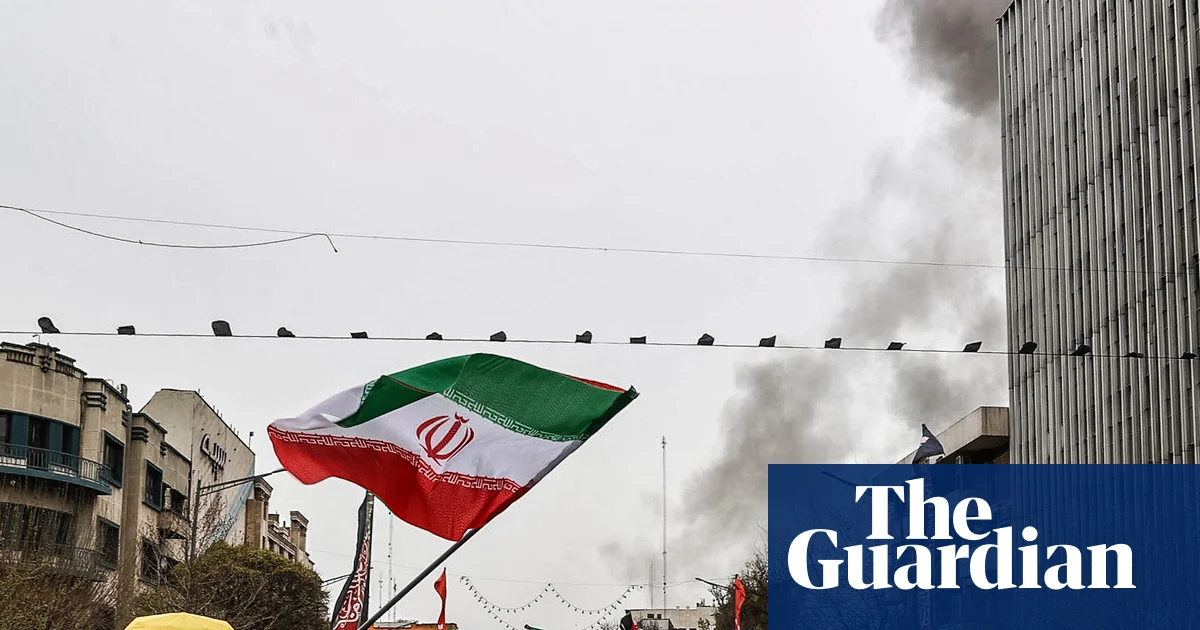
The recent wave of Israeli and US-led attacks focus heavily on Iran’s military capabilities and economic lifelines, with successive strikes reported near Tehran University as crowds gathered in support of the regime. Charging the Iranian leadership with desperation and underground activity, US officials described Iranian forces as “hiding” and “on the run,” signaling a concerted effort to weaken the nation’s capacity to retaliate. Meanwhile, Iran has responded fiercely, with missile and drone attacks targeting Israeli and Gulf infrastructure, escalating the conflict into what analysts describe as a regional war. Notably, Iran has targeted oil export facilities, including the crucial Kharg Island—its primary oil terminal—threatening the global oil supply and risking economic destabilization far beyond the Middle East. This move, viewed as both a strategic and symbolic attack, has prompted warnings from international organizations to prevent a broader energy crisis.

Regional Consequences and the Strain on Global Markets

The conflict’s geopolitical impact extends beyond regional borders, with global markets reacting sharply to the escalation. As oil prices surged, the economic implications threaten to pit nations worldwide against a backdrop of mounting scarcity and price instability. European nations have begun informal negotiations with Tehran, seeking guarantees of safe passage for their shipping in the Strait of Hormuz, which Iran now effectively blocks after launching attacks that have disrupted roughly a fifth of the world’s oil and gas supplies in transit. These diplomatic efforts underscore the dangerous interplay between military action and economic diplomacy, with analysts warning that any miscalculation could ignite a worldwide energy crunch and destabilize global markets. The potential for conflict to spill into the broader Gulf region fuels fears of a domino effect, as neighboring Gulf states scramble for defensive alliances and prepare for extended hostilities.

Endgame Uncertain as Regional Powers and Superpowers clash

The narrative of this escalating crisis is shaped by the words of military and diplomatic leaders, with Israeli Prime Minister and defense officials asserting that the current strikes are “just the beginning,” threatening Lebanon’s infrastructure and escalating confrontation with Hezbollah. The United States, for its part, emphasizes a military campaign targeting “over 15,000 enemy targets,” with the potential for further strikes on Iran’s energy infrastructure if the Strait of Hormuz becomes compromised. Historical analysts like Bernard Lewis have warned that such conflicts often intensify and spiral out of control, potentially igniting a broader regional war with devastating consequences. Meanwhile, Iran’s leadership, emboldened by its resistance and aligned with longstanding allies such as Hezbollah, signals that the conflict may escalate into a protracted and brutal struggle, with tragic tolls on both civilian and military populations. As explosions echo across the Middle East and the world watches, the question remains—will diplomacy prevail or shall the pages of history be written in fire and blood? The true outcome of this confrontation lies yet unwritten, its narrative unspooling in the chaos and smoke of today’s battlefield.

Labour council slams minister’s ‘moral bankruptcy’ in social care spat

The Chilling Reality of Social Care in Deprived Communities

Across Britain’s most deprived regions, the cracks in social infrastructure are becoming painfully evident. The recent confrontation between Hartlepool’s Labour council and Steve Reed, the Housing, Communities and Local Government Secretary, exposes a society struggling under the weight of inadequate social care funding. The council’s staunch accusation of Reed’s “arrogance, indifference and moral bankruptcy” underscores a deeper moral crisis that transcends mere politics—speaking directly to how society prioritizes its most vulnerable.

The crisis in social care funding is not just about dollars and cents; it’s about a moral obligation to protect our children and uphold human dignity. Hartlepool, a town burdened by deprivation, has the third-highest per capita rate of children in care nationally. Yet, its dedicated social services face a funding shortfall that forces children into expensive, often unregulated placements, averaging up to £20,000 weekly per child. Such figures spotlight how families are being crushed under systemic neglect, with vulnerable children facing a future defined by instability rather than stability. Renowned sociologists like Robert Putnam have warned that societal inequality erodes trust and cohesion—Hartlepool’s plight is a stark embodiment of this decline.

Government’s Response and the Persistent Shortfall

The government asserts it is reforming an outdated and unfair funding system, pledging £78 billion for local authorities and a 33% funding increase for Hartlepool by 2028-29. However, local leaders argue that such reforms are too little, too late; the real needs far surpass the allocated resources. The Hartlepool Labour group highlights a critical mismatch—the town receives only around £6,674 per child in social care, a figure far below the national average, which leaves social workers stretched thin and unable to provide adequate care or support. Sociologist David Garland has extensively analyzed how austerity measures and fiscal austerity disproportionately harm minorities and impoverished communities, rendering their struggles invisible in national discourse.

Adding to the urgency, the influx of families relocated from wealthier regions has placed additional pressure on Hartlepool’s social services. As Pamela Hargreaves notes, this has led to “dumping” of societal burden into one of the poorest areas. These practices exacerbate existing social tensions, deepen inequality, and threaten the very fabric of community cohesion. The failure to address these issues fosters a culture of despair and disengagement, where families feel abandoned and communities fractured.

The Moral Challenge and the Path Forward

Despite the bleakness, voices like Hargreaves’ insist on the moral necessity of investing in social care as a moral and legal responsibility, not a “reward.” The wave of potential resignations among Hartlepool’s Labour councillors signals an awakening—an urgent call for a society that recognizes that funding isn’t just policy; it’s moral justice. Addressing these social issues demands a recalibration of priorities, emphasizing human dignity over political profit.

As sociologist Arlie Hochschild has reflected, “The society we aspire to is one where no child is deemed expendable, where families are supported, and communities uplifted.” The challenge lies ahead: will society heed this call and rectify a system that punishes deprivation and neglect? Or will it capitulate, leaving vulnerable children and families to the mercies of outdated policies and complacency? The path to societal renewal is fraught with difficulty, but even in despair, a glimmer of hope persists—a hope rooted in collective action and moral awakening. Society’s greatest strength remains its capacity to change, to heal, and to forge a future where every child’s right to care and dignity is upheld.

NY Takes on Valve, Slams Loot Boxes as Pure Gambling for Kids

Valve Under Legal Fire for Loot Box Practices: Disruption or Dangerous Gamble?

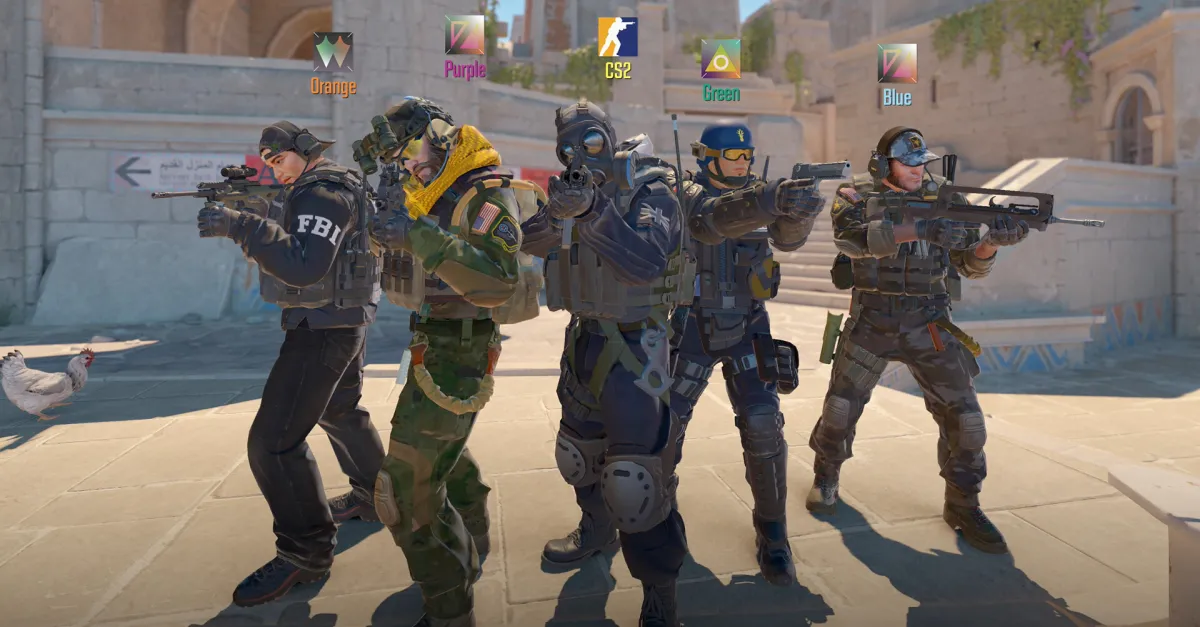
Valve Corporation, a dominant player in the gaming industry and pioneer of digital distribution platforms, is now embroiled in a high-profile lawsuit rooted in its controversial loot box system. The case underscores a sharply evolving landscape where technological innovation and regulatory frameworks collide, particularly in the domains of microtransactions and virtual economies. Critics argue that Valve’s loot boxes—virtual containers containing randomized rewards—operate akin to gambling mechanisms that target vulnerable demographics, including minors, raising serious questions about industry ethics and long-term impact.

The lawsuit, filed in New York, alleges that Valve’s loot box system violates constitutional and penal laws by effectively engaging users in chance-based financial transactions. Vendors sell keys—costing around $2.49—which grant access to randomized virtual items. Notably, players are then able to sell rare items on platforms like the Steam Community Market and third-party marketplaces, where some items have fetched prices exceeding thousands of dollars. This dynamic has transformed gaming into a lucrative virtual economy driven largely by luck, raising alarms about the disruptive impacts on younger audiences and the potential for fostering gambling addiction.

Innovation with Risks: The Business Implications of Virtual Economies

This case accentuates a broader industry disruption driven by gamification and monetization. Valve’s implementation—resembling slot-machine style mechanics—has propelled the company’s revenue to tens of millions of dollars from loot box sales alone. The controversial system exemplifies a trend whereby game developers harness the power of randomness and psychological engagement to monetize user engagement at unprecedented levels. Analysts note that while this approach amplifies revenue streams, it also invites legal and regulatory scrutiny, threatening to upend the current paradigm of game monetization models.

Furthermore, industry experts like those at Gartner and innovative thinkers such as Elon Musk have highlighted the imminent risks and rewards of such disruptive technologies. The trade-off between innovation and responsibility becomes starkly evident—where disruptive features like loot boxes accelerate revenue, they also risk drawing regulatory bans and public backlash. This spotlight on the legal minefield illustrates that tech leaders must innovate with a keen eye on future compliance risks, especially as governments worldwide examine the potential harms associated with these gambling-like systems.

Industry Outlook: Navigating the Regulatory and Ethical Frontier

As governments explore regulations to curb potentially predatory practices in gaming, the industry’s future hinges on balancing innovation with consumer protection. Stakeholders—including game developers, regulatory agencies, and advocacy groups—are recalibrating their approaches to mitigate risks while maintaining profitability. The case against Valve is also a bellwether for other industry giants who may face similar scrutiny as virtual economies grow more sophisticated and integrated into core gameplay experiences.

Looking forward, the corporate landscape is poised for transformative shifts. The push for transparent, fair, and ethical monetization strategies will likely shape the next era of gaming innovation. Companies that adopt responsible practices and navigate regulatory challenges successfully will not only preserve their market positions but also set standards for sustainable growth. In this environment, delaying adaptation could result in significant operational and reputational costs, signaling a need for urgent, innovative responses to the evolving regulatory climate.

In conclusion, the ongoing legal action against Valve illuminates the critical intersection of technological disruption and societal responsibility. With virtual economies becoming integral to gaming, industry leaders must anticipate a future where regulatory oversight intensifies and consumer trust becomes paramount. The decisive questions are clear: will the industry self-regulate to foster ethical innovation, or will these new frontiers ultimately be curtailed by legal constraints? The coming months could determine whether these disruptive practices evolve into a sustainable driver of value or descend into regulatory crackdowns that stifle creativity.

John Kerry slams Trump’s climate rollback as ‘dangerous and Orwellian’—a threat to America’s future

Across the United States and the world, recent developments reveal a resolute shift in geopolitical strategy, marked by aggressive policy changes and international diplomacy that could shape the global order for decades to come. The Biden administration has faced stark opposition from a rising tide of nationalist and conservative voices emphasizing strength, sovereignty, and economic independence. Concurrently, China under Wang Yi and President Xi Jinping is maneuvering through a tense landscape, seeking to assert influence amidst heated U.S.-China diplomatic exchanges at events like the Munich Security Conference. These international movements underscore an ongoing era of confrontation, where decisions in Washington and Beijing have far-reaching impacts that resonate beyond borders.

The recent decision by the Trump administration to revoke the endangerment finding—a foundational scientific assessment allowing the U.S. government to regulate emissions contributing to climate change—marked a significant policy reversal. Since 2009, this measure empowered the Environmental Protection Agency (EPA) to enforce emissions limits on vehicles and industry, anchoring the country’s environmental policy in climate science. By declaring this move “the largest deregulatory action in American history,” former President Donald Trump signaled a deliberate retreat from global climate commitments, opting instead for unrestricted fossil fuel expansion. Prominent voices like John Kerry condemned the rollback as “un-American” and warned that it deepens the climate crisis’s global toll, elevating risks not just for Americans but for vulnerable societies worldwide.

Analysts emphasize that such shifts are not isolated; they are part of a broader pattern of U.S. policy retraction that redefines geopolitical impact. The rollback signals a diminished US posture in the global climate arena, likely emboldening regimes like China and Russia that remain less committed to sustainable development. The decision also impacts international cooperation on environmental policy—a domain previously characterized by multilateral efforts like the Paris Agreement. According to renowned historians and geopolitical experts, these policy shifts risk isolating the U.S. diplomatically, while granting authoritarian regimes more leverage in global forums, ultimately challenging the prospects for a united front against climate destabilization. As forewarnings by climate scientists intensify, the impact on vulnerable populations in nations with fragile economies could be catastrophic, further fueling migration, conflict, and economic turmoil.

Meanwhile, strategic conversations at the Munich Security Conference reflect heightened tensions over international security and diplomacy. Secretary of State Marco Rubio’s meeting with his Chinese counterpart amidst rising trade and military rivalry exemplifies how competition between superpowers is escalating. With the U.S. poised to reset relations through a planned summit with Xi Jinping, the underlying question remains: who will shape the new global narrative? Historically, international organizations have called for cooperation, yet current decisions suggest a tilt toward assertive nationalism—a stance that forecloses avenues for peaceful resolution and international stability. Every policy decision—whether Trump’s tariffs rollback or ongoing U.S.-China negotiations—redefines the balance of power, affecting the very societies and economies caught in this anarchical chess game. As warned by seasoned strategists, the world now stands at a crossroads where history’s weight depends on whether nations choose confrontation or cooperation.

In the unfolding narrative of this new era, the choices made today will set the tone for future generations. As history’s pen continues to write the story of power, sovereignty, and survival, it becomes clear that every policy shift—whether aimed at environmental deregulation or diplomatic engagement—has ramifications far beyond immediate headlines. The global community must ponder: in a world teetering on the brink of profound transformation, which path will history remember? The answer, unresolved now, promises to echo through the corridors of power and the hearts of societies, etching a chapter that future historians will scrutinize—one that may determine the fate of civilization itself.

David Furnish Slams Rumored Phone Hacks of Him and Elton John as “An Abomination”

In an era where the relentless march of technology and media threaten to erode the sacred boundaries of individual privacy, the recent legal disputes involving Elton John and David Furnish serve as a stark reminder of the intrinsic link between culture, identity, and societal integrity. As Furnish boldly condemns the “abomination” of unlawful intrusion—suggesting that private detective work and phone hacking were used against him—the confrontation underscores a persistent cultural debate: what constitutes respect for sacred personal boundaries? The accusations laid bare something more profound: an assault on the very fabric of what it means to be rooted in tradition, to uphold individual dignity in the face of overreach.

This battle echoes the timeless philosophical inquiry into the importance of truth, privacy, and moral discernment. Should a society prioritize voyeurism—disguised as investigative journalism—over the moral obligation to safeguard the individual’s sacred space? Historically, thinkers like G.K. Chesterton emphasized the importance of tradition as a fortress against the chaos of modernity, advocating for respect of societal and personal foundations. Increasingly, the cultural battleground is defined by those who challenge the notion that privacy is sacrosanct. The allegations against Associated Newspapers Ltd highlight a disturbing trend where media outlets, allegedly aided by private investigators, blur the lines of legality in pursuit of stories—lending a cautionary tale about the peril of unchecked power in the cultural media sphere.

At a deeper level, these conflicts reveal that culture is not merely a set of customs but the living memory and prophecy of society. The stories that challenge privacy symbolize a desire to define who we are, what we hold sacred, and the moral boundaries that sustain our collective identity. As historian Alexis de Tocqueville might suggest, the health of a society can be measured by its respect for individual rights and its capacity to preserve moral coherence amid the tumult of change. This struggle is intrinsically tied to the notion that a society which abandons its moral compass risks fragmentation, losing its sense of heritage and its vision of a future worth inheriting.

  • Traditional values and the defense of individual privacy are central to societal coherence.
  • Media accountability and moral responsibility remain critical in safeguarding cultural integrity.
  • The ongoing case exemplifies the tension between progress and respect for fundamental human rights.

In closing, the ongoing battle over privacy rights and media accountability is fundamentally a fight over the soul of our civilization. It is a reminder that our culture is both an enduring memory—a repository of history and moral values—and a living prophecy, shaping the future through the choices we make today. Culture, after all, must be understood as the collective consciousness that preserves our identity and guides our trajectory through time. When reason, tradition, and moral clarity prevail, society is poised not merely to survive but to flourish, with each generation contributing to an unfolding tapestry—a testament to our shared humanity and a beacon of hope for generations yet to come.

House Democrat Jeffries slams Lemon’s arrest at Minnesota church protest – US Politics Update

Behind the tumultuous headlines of recent days lies an increasingly volatile global landscape, where decisions made within national borders ripple across continents with profound geopolitical impact. As President Donald Trump publicly warns Iran to cease its nuclear ambitions and end violent suppression of protesters, the world watches a familiar pattern of escalation and brinkmanship. Trump’s direct threat to deploy the U.S. military if Iran does not stop its crackdown exemplifies a stark shift towards a more confrontational posture, with analysts warning this could impoverish prospects for diplomatic engagement and ignite a wider regional conflict.

Simultaneously, Trump’s administration demonstrates a distinctive approach to internal dissent, as his nominee for the Federal Reserve, Kevin Warsh, signals intentions to reshape U.S. monetary policy under a President eager to undermine the independence of the institution. The President’s public praise for Warsh, contrasted with his previous criticisms of Fed leadership, underscores an ominous trend: an attempt to wield economic policy as a tool for political control rather than a safeguard of economic stability. Such moves evoke concern among international financial watchers, who warn that politicization of monetary institutions can trigger unpredictable swings in the US dollar and global markets, potentially destabilizing economies worldwide.

Domestically, America remains embroiled in internal struggles over free speech and law enforcement. The recent arrest of veteran journalist Don Lemon by federal agents—an unprecedented attack on the First Amendment—has alarmed international observers and U.S. allies. Critics argue this represents a troubling convergence of government overreach and ideological suppression, echoing the warnings of constitutional scholars who emphasize that the judiciary’s refusal to approve charges against Lemon indicates political interference aimed at diverting attention from ongoing crises, including violent crackdowns in Minnesota and Lebanon. As tensions rise, the question persists: how will the U.S. reconcile its democratic ideals with these alarming acts of repression?

In a broader context, these domestic and international events are intertwined within a shifting global order. The renewed threat from Trump to Iran, coupled with Iran’s readiness to resume diplomatic talks—contingent upon fair negotiations excluding military threats—reflects a world where diplomacy teeters on the brink of collapse. The stakes are high: will continued aggression and reckless rhetoric ignite a regional war, or can states find a path toward de-escalation? The decisions made today, from military posturing to economic policies and civil liberties within the United States, will shape the course of history’s unfolding narrative. It is a stark reminder that the weight of history rests heavily on the choices of current leaders, and the world remains a tenuous balance of power, waiting for its next chapter to be written—one that could either secure peace or ignite chaos.

Social Media Auto Publish Powered By : XYZScripts.com