Matox News

Truth Over Trends, always!

Close Brothers to slash 600 jobs as AI rollout accelerates in Banking

UK Banking Sector Under Siege: Cost-Cutting and AI Implementation Signal Broader Shifts

The United Kingdom’s financial landscape is currently undergoing a seismic shift, driven by internal crises and mounting regulatory pressures. Close Brothers, a venerable name in the British banking sphere since 1878, has announced plans to cut nearly 600 jobs—almost a quarter of its workforce—in a bid to weather the storm of recent losses and regulatory fallout. This decision, part of a broader strategy to slash costs by more than £85 million across the upcoming fiscal year, reflects a banking sector increasingly compelled to adapt to a new economic reality. The lender’s adoption of AI technology “at pace” underscores the urgent move towards automation, not merely as a tool for efficiency but as a pivotal instrument for survival in a competitive global environment.

Experts note that Close Brothers’ financial troubles are emblematic of a wider crisis facing many post-Brexit UK financial institutions. The motor finance scandal, which has see­n increased regulatory scrutiny, has resulted in a colossal expected bill of around £300 million to compensate consumers defrauded through unfair commission schemes. The Financial Conduct Authority (FCA), charged with safeguarding market integrity, has proposed new redress schemes that have met resistance from the very banks they seek to regulate, including Close Brothers, Santander, and Lloyds Banking Group. This confluence of regulatory tension and economic pressure signals a profound shift: the UK’s banking system is increasingly grappling with its own past failures while attempting to modernize rapidly. Historians and analysts warn that disregarding these financial crises’ geopolitical implications could deepen the chasm of mistrust and instability, impacting everything from international investment to domestic societal cohesion.

The geopolitical impact of these internal banking struggles extends beyond Britain’s shores, hinting at an inward-looking trend that could affect the country’s standing as a global financial hub. As UK institutions shore up reserves and retreat into cost-saving measures—like offshoring and asset sales—other nations watch carefully. The sale of Winterflood, its broker activity, along with other assets, signals a strategic pivot away from certain sectors in favor of fortifying balance sheets. Meanwhile, the AI deployment in banking operations raises questions about the future of employment, customer privacy, and the digital divide. Domestic society must contend with potential job losses, as well as the long-term repercussions of a banking industry that increasingly relies on algorithms rather than human judgment, echoing warnings from international think tanks on the risks associated with unchecked technological expansion.

Yet, in this unfolding saga, the broader global order stands at a crossroads. As historians dissect the aftermath of past financial crises, the present signals more than just an economic slowdown; it hints at a shake-up of the very institutions entrusted with economic stability. The actions of UK banks like Close Brothers may seem inward-focused, but their ripple effects can destabilize larger systems—especially as nations become more interconnected in a web of treaties and financial dependencies. The decision-makers in the UK now find themselves balancing the immediate needs of insolvency management with the long-term geopolitical imperative to maintain sovereignty and strategic influence. The weight of history looms; the choices made today will echo in the annals of global finance, determining whether a new era of resilience or one of recurrent chaos emerges from the ashes of scandal and austerity.
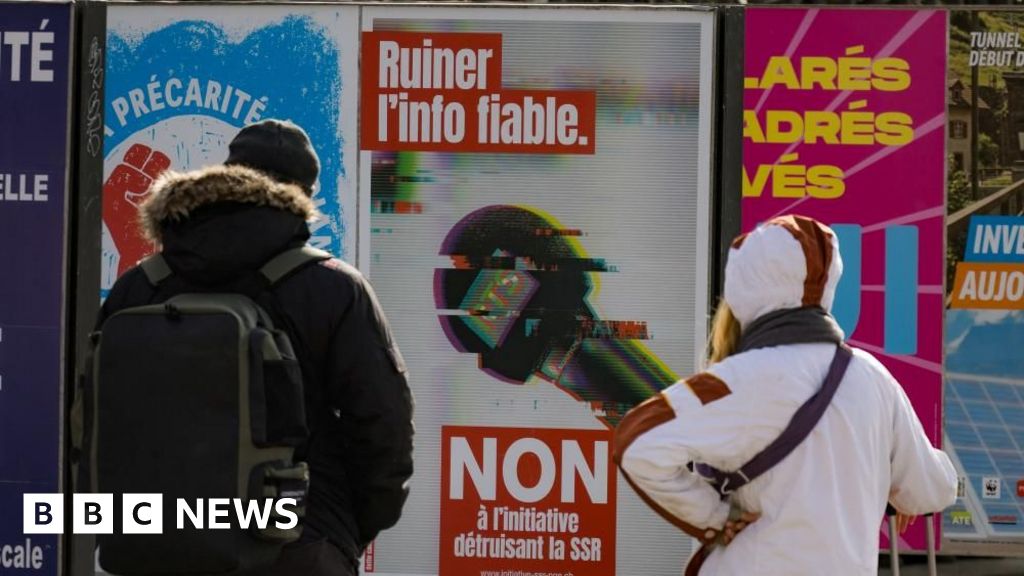
Swiss youth resist right-wing push to slash public broadcaster license fees

In a significant turn of events that could influence both domestic policy and international perceptions, recent electoral data reveal that more than 60% of voters favor maintaining the current license fee levels. This result, initially projected by national polling agencies, underscores a broad public consensus on fiscal stability amid ongoing economic uncertainties. The implications extend well beyond the confines of domestic politics, potentially altering the geopolitical landscape by shaping a nation’s approach to its economic sovereignty and its stance within global institutions.

The decision to uphold existing license fee frameworks resonates deeply within the broader context of international relations and economic policy, particularly given the ongoing debates surrounding national sovereignty versus international oversight. Analysts from prominent think tanks suggest that this voter preference reflects a cautious populace wary of financial upheaval, especially in regions where economic resilience is already tested by external factors such as global market volatility and regional conflicts. These domestic choices may influence how a country interacts with international organizations, possibly reinforcing or challenging the policy directives that shape global economic norms.

From a geopolitical perspective, the steadfast stance on license fees could be viewed as an assertion of national independence. Historians like Dr. James Patterson observe that such domestic sentiment often acts as a subtle but powerful form of resistance against external pressure from multilateral institutions, including the United Nations and European Union. Countries that choose to preserve control over their fiscal policies are likely to reinforce their sovereignty and signal to allies and adversaries alike that they prioritize national interests over international mandates. This shift could impact diplomatic alignments and influence future negotiations, especially as global institutions face criticism for perceived overreach.

How this decision impacts social cohesion and the fabric of nation-states remains a critical question. As governments navigate the delicate balance between economic stability and societal expectations, the broader human dimension must not be overlooked. The choice to sustain existing license fee structures reflects a societal desire for predictability and security—values key to social stability. However, it also raises questions about the sustainability of such policies amid rising global challenges such as technological disruption and climate change. To some, the comfort of continuity might come at the expense of innovation and adaptability, stirring debates among scholars and policymakers about the long-term consequences for national resilience.

As history continues to unfold, the weight of this seemingly straightforward electoral outcome signals a more profound message: nations are increasingly asserting their independence amidst a complex web of international forces. The coming months will reveal whether this domestic preference for stability heralds a new era of national sovereignty or if external pressures will erode these boundaries. In a world where every decision echoes across borders, the legacy of today’s choices may well define the balance of power for decades to come, leaving the global community to ponder whether the tide has turned in favor of steadfast independence or if those who resist are merely delaying inevitable integration into a new global order.

Switzerland steps up charm campaign to slash damaging Trump tariffs

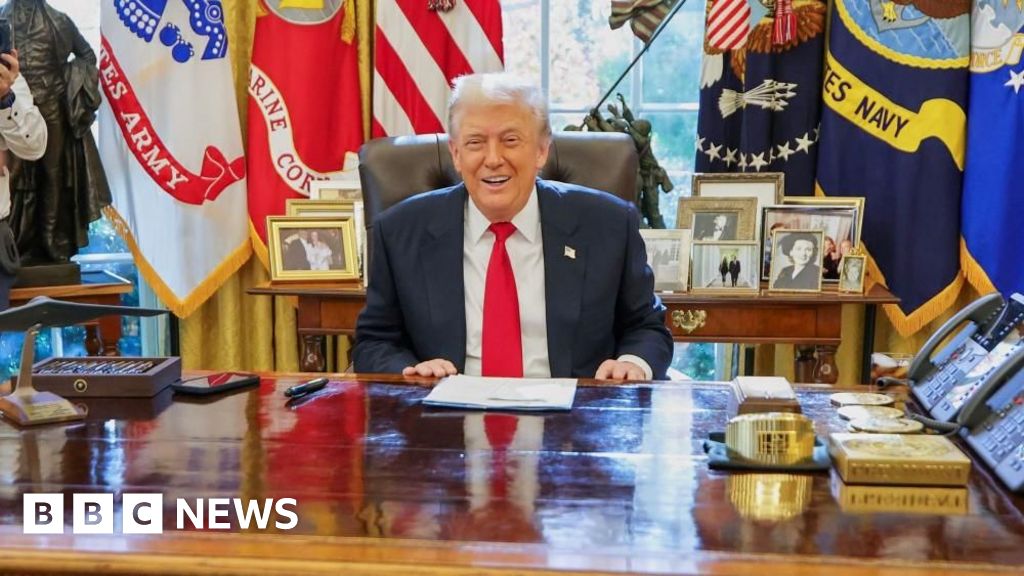
In a striking display of geopolitical influence and economic maneuvering, Switzerland has recently escalated efforts to negotiate a significant reduction of the steep 39% tariffs imposed by President Donald Trump on Swiss exports to the United States. These tariffs, reportedly the highest in Europe, have inflicted tangible damage on Swiss industries, especially the luxury goods and gold sectors. The diplomatic effort, which initially appeared to be a diplomatic dead end, took a decisive turn after a high-profile visit by Swiss business leaders bearing symbolic gifts—a rolex gold watch and engraved gold bar—from the Swiss-based gold refining company MKS. These gestures, viewed by analysts as an unconventional but strategic way to influence Trump’s decision, appear to have contributed to a shift in tone during recent negotiations, with a senior administrative official describing the talks as ‘very positive’ and ‘focused.’

The United States’ trade policy, under Trump, has been characterized by aggressive tariffs aimed at reducing trade deficits, often straining relationships with key allies. In this instance, the Swiss government’s diplomatic playbook was supplemented by an active corporate lobbying campaign, emphasizing the interconnectedness of international trade and national industry. Historians and trade analysts warn that this move could signal a broader realignment of U.S. trade policy—potentially opening the door for other nations to leverage similar tactics. As Swiss industries face potential relief, the global geopolitical impact could be profound, altering the supply chain landscape for luxury goods, pharmaceuticals, and commodities, with ripple effects reaching continents far beyond Europe and North America.

Meanwhile, the diplomatic dance extends beyond mere tariffs. The Swiss delegation’s visit to Washington was not solely about economic negotiations; it involved a display of diplomatic gift-giving, a tradition that underscores the importance of soft power in modern geopolitics. The presence of influential Swiss industry figures, including leaders from Richemont and MKS, alongside the Swiss economy minister Guy Parmelin, highlights a unified front aimed at safeguarding economic interests. Interestingly, Fifa president Gianni Infantino, a prominent Swiss citizen and a close friend of Trump’s, played a subtle but influential role—having previously handed over the World Cup trophy during an Oval Office visit—signaling that even sporting diplomacy could sway political decisions.

This evolving scenario exemplifies how decisions on tariffs are more than economic policies—they serve as a barometer of power, influence, and societal impact. The potential reduction of the tariffs, possibly down to 15%, would not only bolster Swiss exports but would also send a clear message: in today’s interconnected world, diplomatic ingenuity and strategic alliances are crucial in shaping national destinies. As Swiss industry anxiously awaits the outcome, the weight of history hangs in the balance, with the potential to reshape the narrative of U.S.-European economic relations.

Across the Atlantic and beyond, the story remains unwritten, yet undeniably consequential. As Trump’s policy shifts intertwine with international diplomacy—and as influential figures and nations navigate the treacherous waters of global influence—the echoes of these decisions will be felt for generations. Will this be a new dawn of diplomatic finesse, or yet another chapter in a saga of uncertain alliances? The answer, like history itself, continues to unfold amidst the relentless march of power and progress.

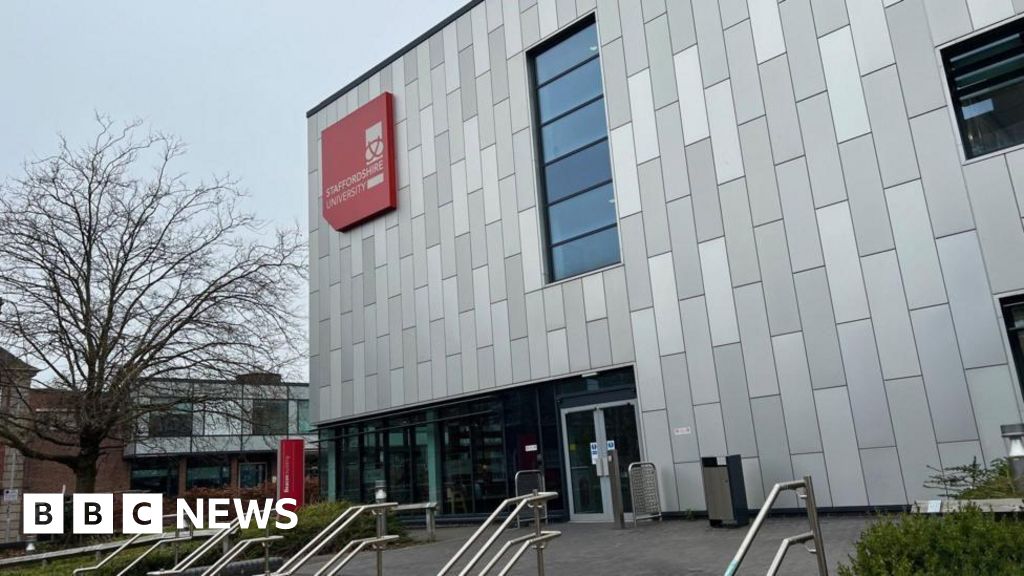
University of Staffordshire plans to slash almost 70 jobs, sparking concern among students and staff

Societal Strain and the Future of Education: The Impact of University Job Cuts on Communities

The financial stability of our educational institutions faces mounting pressures that ripple far beyond the campus gates. Recently, the University of Staffordshire announced a plan to eliminate nearly 70 jobs amid ongoing economic challenges. This decision, driven by a necessity to save approximately £6.4 million, underscores the <crisis in higher education funding>—a crisis that threatens to undermine the very fabric of our learning communities. With 31.2 academic and 35.5 professional service roles on the line, the repercussions extend well into the lives of students, families, and the wider community.

While the university asserts that 95% of its staff will remain unaffected, the human toll of these cuts cannot be ignored. Such reductions do not merely delete jobs; they erode the integrity of student support systems and academic quality. As noted by social commentators, a diminished faculty can lead to larger class sizes, decreased access to mentorship, and a decline in innovative research. These shifts threaten to compromise the educational experience for the next generation—who are already grappling with an uncertain economic climate and changing job markets. The community’s strength is rooted in its shared investments in knowledge and growth, and when institutions weaken under fiscal strain, the ripple effects threaten families’ future stability and societal progress.

Historically, the expansion of higher education has played a crucial role in shaping resilient societies. As sociologist Dr. Alice Freeman notes, the stability of post-secondary institutions is intertwined with broader societal health. When those institutions falter, families are often forced to bear the brunt—either through increased costs, reduced access, or compromised quality—altering the very foundation of community cohesion. The challenges facing universities today reveal a shift in priorities: where once they were viewed as engines for social mobility, today they appear vulnerable to economic austerity, risking the degradation of the social contract between education and society. This cultural shift demands urgent reflection on our collective values and the societal cost of economic retrenchment.

Amidst these struggles, various proposed solutions emerge—from increased government support and targeted funding, to innovative collaborations that sustain jobs and academic integrity. Yet, the core issue remains: how do we ensure that the next generation of students receives not just an education, but an experience that prepares them to face the future? As history teaches us, real societal renewal often begins with communities rallying around their institutions—rebuilding resilience through shared sacrifice and renewed purpose. In a world where the social fabric is stretched thin by economic uncertainty, the hope lies in rekindling our collective commitment to fostering strong, inclusive, and well-supported communities. The challenge is formidable, but within it also lies the opportunity: the chance to transform societal values, prioritizing genuine growth over short-term savings, and nurturing a society where no student, family, or community member is left behind.”

Social Media Auto Publish Powered By : XYZScripts.com