Matox News

Truth Over Trends, always!

Dyson vs. Bissell: I Put Their Latest Slim Stick Vacuums to the Test — Here’s the Lowdown on Style and Power

In today’s fast-paced world, efficiency and convenience are the new luxury, especially when it comes to maintaining a clean and inviting home environment. The latest advancements in lifestyle shifts towards minimalism and smart home management have propelled the growth of lighter, more powerful, and user-friendly cleaning devices. Among these, stick vacuums have emerged as indispensable tools—combining sleek design with high efficacy. Despite their often hefty price tags, these machines significantly improve personal impact—not just in tidiness but in health, leisure, and wellness. No longer just household appliances, they are now empowering a new generation to redefine what it means to sustain a clean living space in a busy world.

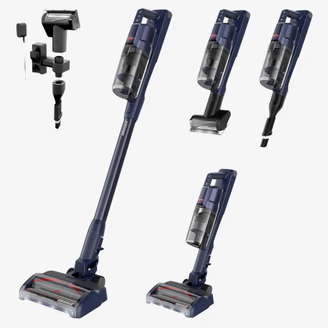
Recently, the focus has intensified around two standout models: the Dyson PencilVac Fluffycones and the Bissell PowerClean Dualbrush. Having tested both extensively, it becomes clear that innovation is not just about power but also about design and practicality. The Dyson PencilVac is remarkably lightweight at just 4 pounds, making it an ideal companion for quick spot-cleaning and reaching those tricky corners. Its ingeniously integrated dust bin reduces the hassle of emptying, alongside bringing a sleek, modern aesthetic that complements contemporary home decor. Meanwhile, the Bissell model, at 8 pounds, surpasses in debris capacity and stamina, offering a solid 48-minute runtime, making it suitable for more substantial cleans and larger messes. However, heft and bulkiness may limit its frequent use for daily quick clean-ups. The clear takeaway? Balancing personal impact with functionality hinges on individual needs and home lifestyles.

Ease of setup and user experience

Getting started with these vacuums is straightforward—both feature simple on/off controls and boost modes. The Dyson’s minimalist design shines here, with its compact, easy-to-assemble parts and a small but efficient dirt container that sits within the stick, maximizing maneuverability. The Bissell, with its larger debris tank, though slightly more cumbersome to handle and requiring more time to snap components into place, offers a no-fuss, large-capacity solution for bigger household chores. From an inspiration perspective, making the user journey as seamless as possible encourages daily use, turning cleaning from a chore into a quick, gratifying habit—fostering wellness and a sense of accomplishment. For those prioritizing convenience, the Dyson’s rapid setup process and lightweight portability often tip the scale in its favor, ideal for the swift, everyday spot-cleaning routines many aspire to incorporate into their broader wellness lifestyle.

Power under the hood

While power is a crucial factor, it’s nuanced in how it impacts personal health and home environment. When tested against debris such as rice, dirt, flour, and granola, the Bissell demonstrated superior cleaning strength, handling larger messes with ease and lasting nearly twice as long per charge. It’s loud but effective—perfect for deep cleans or tackling larger messes on carpets and tiles. Conversely, the Dyson’s strength lies in its ability to handle regular dust and pet hair efficiently, making it more appealing for those seeking a quick refresh instead of heavy-duty cleaning. Both machines include light indicators to assist in visibility and bolster confidence during use. This juxtaposition highlights that, in a broader lifestyle context, strength and practicality should align with individual routines and health impacts—fostering a home atmosphere conducive to wellbeing without sacrificing ease or style.

Embracing the journey

Ultimately, selecting between these cutting-edge vacuums isn’t solely about technical specs but about how each device aligns with your personal impact—your health, leisure, and lifestyle. The lightweight Dyson, with its refined design and user-friendly interface, offers more than just clean floors; it embodies a modern mindset of effortless living and intentionality. It reminds us that wellness begins with small, deliberate acts—like choosing the right tools to maintain a space that energizes rather than drains. When viewed through this lens, your cleaning routine becomes more than a task; it becomes a testament to embracing efficiency, style, and purpose in constructing a home environment that supports your best self. As with all journeys—cleaning, wellness, or life—the true power lies in the choices we make daily, forging a path toward a healthier, more inspired lifestyle.

Middle East Tensions: Trump Claims Iran's Still Open to Deal, China Finds Slim Hope for Talks — US-Israel Push Back Against Iran
Middle East Tensions: Trump Claims Iran’s Still Open to Deal, China Finds Slim Hope for Talks — US-Israel Push Back Against Iran

China Sees ‘Glimmer of Hope’ Amid Rising Middle East Tensions

The international landscape is once again at a crossroads, as China’s foreign minister Wang Yi articulated a cautious optimism in recent diplomatic efforts to curb the ongoing Middle East conflict. Despite Tehran’s unwavering stance to continue fighting, Wang described the emergence of “a glimmer of hope” for peace, citing signals from both the United States and Iran of a willingness to re-engage in negotiations.

This diplomatic move comes amidst escalating violence and a series of strategic military operations that highlight a scenario where geopolitical fault lines are intensifying nuclear and regional tensions. Analysts from various international think tanks and United Nations officials have warned that such conflicts threaten to spiral into wider regional chaos, risking destabilization of entire alliances and prompting profound societal repercussions across involved nations.

Regional Actors and the Shadow of Distrust

Historically, Qatar has played the role of a key mediator, but recent developments signal a dramatic shift. Majed al-Ansari explicitly distanced Qatar from alleged US-led negotiations, sarcastically questioning their very existence. This move underscores prevalent distrust among Gulf states towards Washington, driven by previous failed peace initiatives and the complex toll of ongoing conflicts. Experts like Bilal Saab argue that “they’ve been burned by their previous experience,” suggesting that regional players are now skeptical of moves that appear to serve external agendas rather than genuine peace efforts.

Similarly, Turkey has engaged in “intense” diplomatic efforts, seeking to balance relations with both Washington and Tehran. Hakan Fidan’s calls reveal a concerted effort to prevent an unchecked escalation, with warnings from Wang Yi emphasizing that prolonged warfare could only usher in further casualties and regional spillovers. These diplomatic intricacies highlight how global powers manipulate regional dynamics, often at the expense of local stability.

Militarization and the Escalating Cost of War

On the battlefield, the situation is equally dire. The Israeli military reports a series of missile intercepts triggered by Iranian launches, raising fears of a widening conflict. Reports detail that Israeli defenses responded to missile attacks from Iran and Hezbollah, with sirens blaring across central Israel, Jerusalem, and even the occupied West Bank. Meanwhile, Hezbollah launched fresh missile strikes into Israel, confronting the narrative of a potential de-escalation and revealing the deep-rooted animosity and strategic hostility that remains entrenched in the region.

Adding to the tinderbox, Iran is reportedly reviewing the US’s 15-point peace plan, initially rejected, yet still under consideration amidst ongoing threats and military confrontations. United States forces have claimed to have targeted over 10,000 Iranian military assets, signaling that the conflict has turned into a show of unparalleled military might. Historians warn that such escalation risks creating a “fertile ground for further violence,” potentially igniting a broader regional war with devastating societal consequences.

International Community and the Shadow of Uncertainty

The global economic repercussions are already evident, with Asian stock markets falling and oil prices rising amidst fears of a wider conflict. Western intelligence reports suggest that Russia is supplying Iran with drones, food, and medical supplies, aiming to bolster its strategic ally amid this turbulent crisis. Meanwhile, the UN’s António Guterres warns against copying the “Gaza model” in Lebanon, calling for a cessation of hostilities and urging Iran to cease aggressive actions. Yet, many see such calls as echoing hope in a divided international community that remains plagued by skepticism over the sincerity of diplomatic calls for peace.

As history’s pages continue to turn, the unwavering resolve of nations in the Middle East and beyond signifies that the weight of their choices will determine whether peace can prevail or whether the cycle of destruction will persist. The world watches with bated breath, aware that these decisions—acute and irreversible—are shaping the course of future generations. Only time will reveal if diplomacy shall triumph or if history will record yet another chapter of unmitigated chaos.

Sony cuts PS5 Slim storage in the US—tech with a bite for the next gen

Breaking New Ground: Sony’s Revised PS5 Slim Signals a Shift in Gaming Hardware

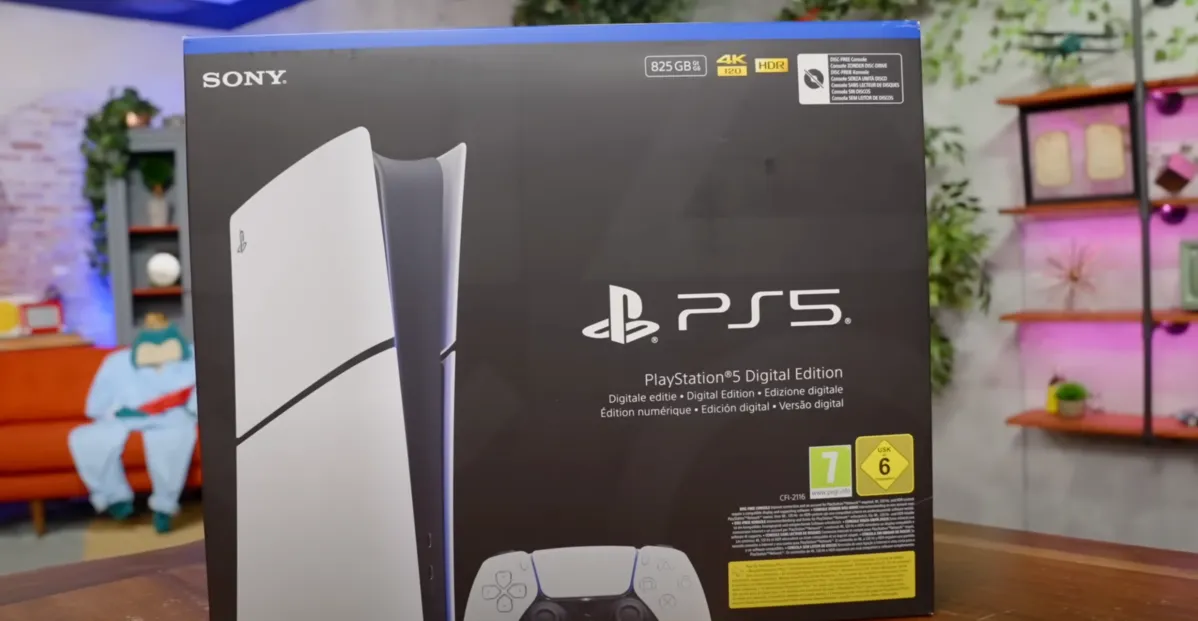
In a bold move that underscores the relentless pace of technological innovation and market disruption, Sony has launched a revised version of its popular digital PS5 Slim model in the United States. This updated iteration features a notable reduction in storage capacity, now offering only 825GB of SSD space compared to the previous 1TB standard—a change that has sparked significant discussions across the tech industry. The updated model, associated with the CFI-2100 model group, is available for purchase via the official PlayStation Direct platform, maintaining its $499.99 price point despite the reduced features. This strategic move by Sony highlights a growing emphasis on cost efficiencies and product differentiation in a highly competitive gaming market.

The new PS5 Slim’s design tweaks—such as matte finishes on the center panel and top side panels, alongside internal modifications observed by tech YouTuber Austin Evans—are indicative of a broader industry trend toward streamlining manufacturing and reducing costs. Evans’s teardown revealed subtle but significant internal changes, likely aimed at optimizing production and lowering component costs, even as Sony preserves its premium branding. Such changes reflect a calculated response to market pressures, especially as the company already announced a $50 price hike earlier this year, citing a challenging economic environment. It demonstrates a dual strategy: maintaining profit margins while adjusting product specifications to meet shifting consumer expectations.

This move underscores a critical inflection point in the gaming industry, driven by disruption in hardware innovation. As dominant players refine their product lines, industry analysts from Gartner and MIT cite the increasing importance of flexibility in hardware design—where companies must balance advancements in performance with cost considerations. The reduction in storage, for instance, might signal an industry-wide shift where cloud gaming and digital distribution become primary drivers, lessening the reliance on large internal storage capacities. Furthermore, this aligns with the broader trend of consolidation and efficiency in consumer electronics, as manufacturers seek to tighten supply chains and introduce incremental upgrades rather than revolutionary changes.

Looking forward, industry experts warn that such strategic product adjustments are a prelude to even more intense competition and rapid innovation cycles. Experts like Elon Musk and Peter Thiel emphasize the importance of disruptive innovation in hardware and software ecosystems to stay ahead in a tech landscape increasingly defined by rapid obsolescence and consumer demand for cutting-edge features. As gaming hardware evolves, the pressure mounts on competitors like Microsoft and emerging players to push the boundaries of performance, affordability, and user experience. The implications for developers and consumers are profound: a highly dynamic market that demands agility, foresight, and relentless innovation.

In conclusion, Sony’s latest revision of the PS5 Slim exemplifies the fierce evolutionary pressures within the tech industry. As companies optimize, innovate, and redefine standards, the race to dominate the next wave of digital entertainment accelerates. With market shifts emphasizing cloud integration and cost-conscious design, stakeholders must stay attuned to these seismic changes—because the future belongs to those who can adapt fastest. The next decade promises to be a period of unprecedented upheaval and opportunity, demanding strategic foresight from those eager to lead in the age of digital disruption.

Social Media Auto Publish Powered By : XYZScripts.com