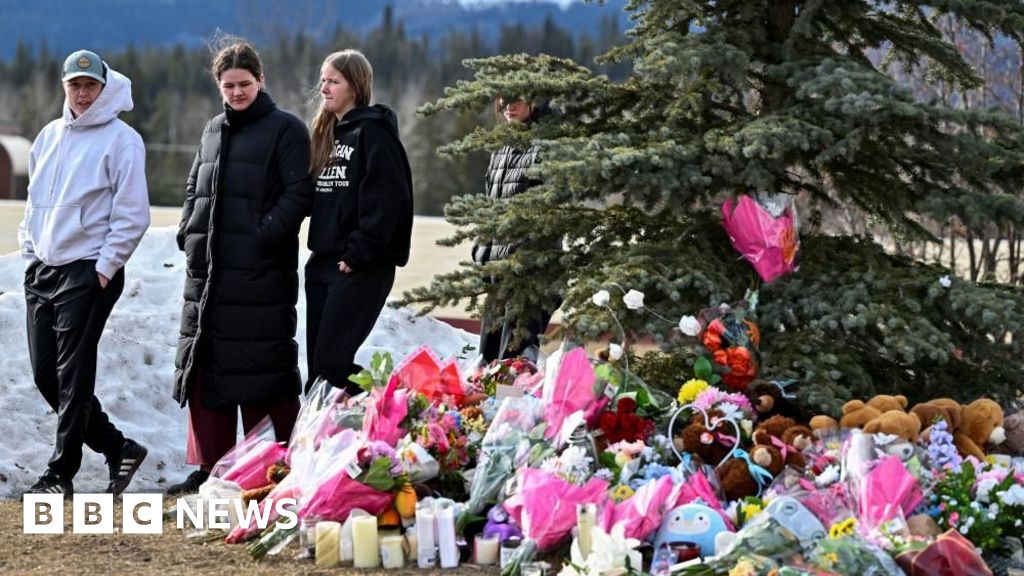

The recent shooting incident in British Columbia has sent shockwaves across Canada and reverberated through international communities, highlighting the persistent threat of violence in regions often considered peaceful. This tragedy, which has left dozens dead and many injured, underscores the vulnerability of even the most serene societies amidst complex geopolitical shifts and internal discord. As residents mourn and community leaders grapple with grief, analysts worldwide are parsing the wider implications of such acts of violence in an era marked by increasing instability.
Experts suggest that this incident is not isolated but rather a reflection of broader socio-economic and political tensions. According to international security analysts, the rising incidence of mass shootings in Western nations correlates with rising social polarization, economic disparities, and evolving criminal networks. Historically, such episodes often act as a grim turning point, prompting intensified debates on gun control, mental health policies, and national security frameworks. The Canadian government’s response, including calls for stricter gun legislation, echoes similar debates across United States and other allied nations, where firearm access remains a contentious issue. For some, the tragedy exposes vulnerabilities in existing social safety nets and underscores the importance of proactive measures to prevent future atrocities.
Moreover, this incident has resonated beyond Canada’s borders, drawing reactions from NATO allies and global organizations committed to peacekeeping and security. Many question whether current international cooperation mechanisms are adequate to address emerging threats that fuse local violence with transnational criminal activities. The United Nations and Interpol have issued statements urging nations to bolster intelligence sharing and combat illegal arms proliferation, which often fuels such violence. Historians like Dr. Margaret Saunders warn that “while local tragedies ignite immediate outrage, they also serve as stark reminders of the interconnected, fragile state of contemporary security.” This tragedy, therefore, acts as a stark mirror reflecting the urgent need for coordinated international action.
The geopolitical impact of such events extends further; they influence migration debates, domestic policy, and diplomatic relations. Countries increasingly face pressure to navigate internal stability while avoiding the stigmatization of their populations, all amidst rising nationalism and populist sentiments. Within Canada, the incident has prompted a national dialogue on social cohesion, law enforcement accountability, and political polarization – issues that are pivotal in shaping future policies. Conversely, critics argue that without addressing root causes—such as mental health, economic despair, and ideological extremism—such tragedies will persist, threatening the fabric of society itself. The ongoing debate underscores how internal security incidents have the power to redefine challenging issues, shaping diplomatic strategies and societal priorities for years to come.
As the world reflects on this dark chapter, the haunting question remains: how many more must suffer before decisive, systemic change occurs? With each headline, history continues to be written with silent, yet profound, consequence. The tragedy in British Columbia is not merely a national crisis but a stark warning etched into the collective conscience of a shared civilization. In the unfolding narrative of history, such acts of violence serve as a grim reminder that the battle for safety, social cohesion, and peace is an ongoing struggle—one that demands vigilance, resilience, and an unwavering commitment to justice, lest humanity be condemned to repeat the shadows of its darkest days.