Matox News

Truth Over Trends, always!

Meross Adds Thread to Cord-Free Presence Sensor, Boosts Connectivity for Young Tech Fans

Meross Disrupts Smart Home Industry with Battery-Powered MS605 Presence Sensor

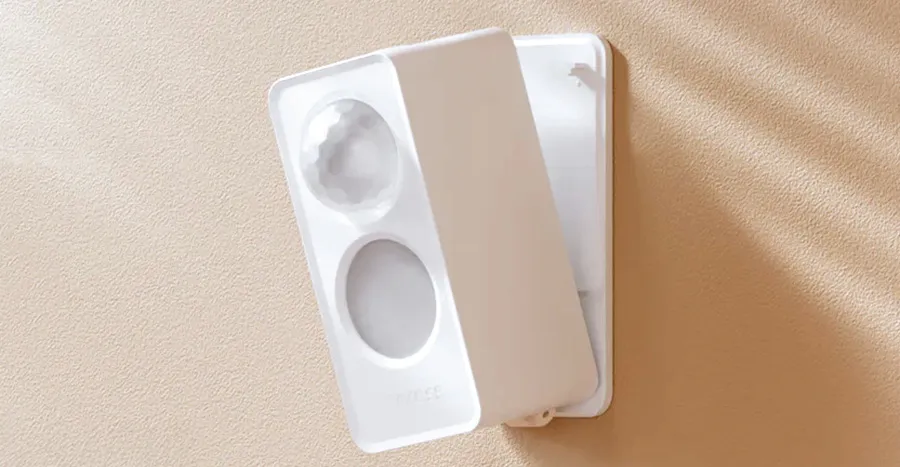
In a bold move that exemplifies the ongoing disruption within the smart home market, Meross has announced the release of its latest presence sensor, the MS605. This new iteration marks a significant evolution, shifting from traditional wired installations to a fully battery-powered design that promises more flexible and seamless integration across diverse environments. Powered by a solitary CR123A battery, the MS605 boasts an impressive lifespan of up to three years, broadening the scope for innovative home automation applications without the constraints of power cords. This development underscores how minimalist, energy-efficient components are redefining the user experience in connected ecosystems.

The innovation does not stop with portability. Meross’ adoption of the Matter protocol—an industry-driven standard aimed at unifying device communication—places the MS605 at the forefront of industry-wide disruption. Unlike its predecessor, which relied on Wi-Fi compatibility, the new sensor leverages the Thread protocol for low-power, reliable connectivity. This shift aligns with industry analysts from Gartner and MIT, emphasizing how mesh network standards will underpin the future of interconnected devices, enabling faster, more secure interactions between sensors, hubs, and voice assistants like Google Home, Apple HomeKit, and Amazon Alexa.

The implications for businesses within smart home ecosystems are profound. The reduced dependency on conventional power sources, combined with the adoption of Thread-based connectivity, opens new avenues for rapid innovation and deployment. Companies that embrace these standards can reduce costs, improve scalability, and deliver more resilient products. Notably, the MS605’s support for Matter over Thread suggests that OEMs now have the flexibility to integrate sensors into broader, more cohesive smart environments, challenging entrenched players who rely solely on Wi-Fi protocols. As Elon Musk and Peter Thiel have emphasized, disruption requires interoperability—and Meross’s strategy exemplifies this principle in action.

Market watchers and industry leaders are taking note of Meross’s move, recognizing a broader trend where simplicity, energy efficiency, and compatibility are vital drivers of competitive advantage. While the $34.99 pre-order price points to an accessible product, the real value lies in the disruptive potential of standardized, low-power sensors integrated into the smart homes of tomorrow. This push toward broader ecosystem compatibility accelerates the shift away from proprietary solutions, empowering consumers and fostering innovation among manufacturers. In the near future, expect to see more companies adopting Thread and Matter standards, pushing the entire industry towards an integrated, disruption-driven horizon that promises smarter, more responsive living environments.

As the smart device industry accelerates these advancements, stakeholders must stay vigilant to emerging market shifts. With the rise of battery-powered, standards-based sensors like the MS605, the fusion of innovation and disruption is clear. The future belongs to those ready to leverage these breakthrough technologies—an era where seamless, automated, and interconnected homes become the new normal. Entrepreneurs, investors, and consumers alike must recognize that in this rapidly evolving landscape, agility and forward-thinking are the keys to thriving in the next chapter of digital innovation.

DJI’s Romo Robot Vacuum: The Future of Clean Tech for Next-Gen Homes

DJI Launches Transparent Romo RoboVac: A Landmark in Cleaning Tech Disruption

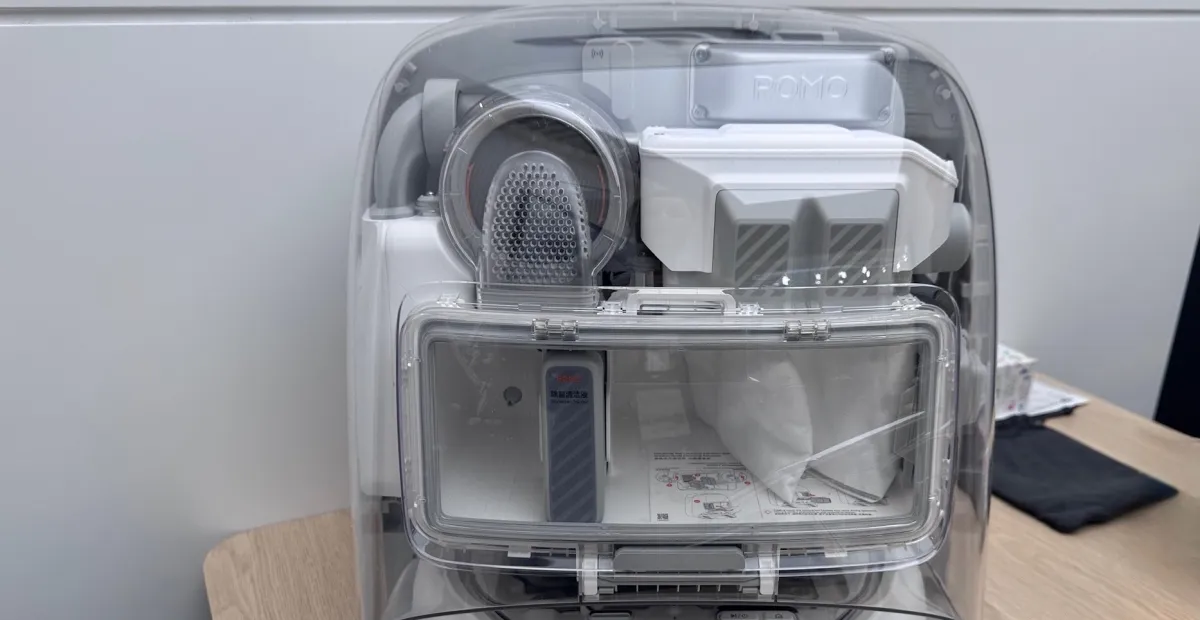
In an unexpected move that underscores the relentless pace of technological innovation, DJI, the renowned drone and camera manufacturer, has entered the competitive robotic vacuum market with the release of the DJI Romo. Debuting in Europe this week after its initial launch in China, the Romo represents a bold reimagining of home cleaning—fusing drone-level navigation tech with an eye-catching transparent design. This product signals a significant shift, revealing industry ambitions to disrupt traditional appliances with transparency, advanced sensors, and integrated AI, set against a backdrop of mounting market disruption.

The Romo’s release is notable not only for its innovative aesthetics but also for its combination of advanced navigation systems. Utilizing dual fish-eye vision sensors alongside solid-state lidar derived from DJI’s drone lines, it pushes the envelope in ground-based robotics. Vision experts and leading institutions like MIT have long emphasized lidar’s role in improving navigational precision in autonomous systems, and DJI appears committed to setting new standards here. The robot’s capacity to detect objects as thin as a 2mm cable exemplifies hardware engineering that prioritizes meticulous environment mapping, promising to elevate smart home automation to new heights. Its see-through design offers a peek inside the workings—akin to a hardware manifesto emphasizing transparency as a feature, turning a mundane appliance into a statement of tech prowess.

Market implications of DJI’s entry are profound. The Romo line comes in three models, with the flagship Romo P starting at €1,899 (~$2,200). Despite its premium pricing, the device’s disruptive features—such as a self-cleaning dock with a deodorizer slot, high-pressure jet cleaning for mops, and hot air drying—aim to redefine customer expectations for durability, convenience, and luxury in robotic home appliances. Its incorporation of mixed sensory modalities signals an industry-wide shift, challenging established brands like Roborock and IKEA, which have offered less sophisticated navigation tech. This disruption could force competitors to innovate or risk obsolescence, especially as younger consumers increasingly prioritize sophisticated gadgetry integrated seamlessly into their living spaces.

Technology analysts like Gartner and industry veterans warn that such innovation demands rapid adaptation from market players. The Romo’s design, which is substantially larger and heavier to house its advanced sensors, demonstrates DJI’s commitment to pushing technological barriers, bolstering the trend towards fully autonomous, context-aware cleaning solutions. As Peter Thiel and Elon Musk have suggested, the future belongs to firms that leverage cutting-edge sensors and AI to redefine ordinary tasks, transforming them into high-tech experiences. For now, DJI’s entry into this space confirms that the era of ordinary vacuum cleaners is ending, replaced by intelligent, disruptive devices capable of not only cleaning but also enhancing home environments through sophisticated sensors and AI-powered navigation. With no current US release plans, anticipation is high; an industry that once dismissed robotic vacuums as mere gadgets now faces the reality of a high-stakes innovation race.

Google’s Gemini in Home Keeps Calling My Dog a Cat—Time for Better AI?

Google’s Gemini Revolutionizes Smart Home Ecosystem, Signaling Major Industry Disruption

In a bold stride toward hyper-intelligent home automation, Google has integrated its latest large language model, Gemini, into the Android-based smart home ecosystem, marking a pivotal shift in how consumers interact with connected devices. Announced in early October, this technological leap is not merely an incremental upgrade; it indicates a significant disruption in the smart device industry, with far-reaching implications for entrenched players and emerging startups alike. As business analysts and industry experts scrutinize, the integration of Gemini suggests an unstoppable momentum toward AI-driven environmental awareness and autonomous decision-making, setting a new standard for the convergence of AI and IoT.

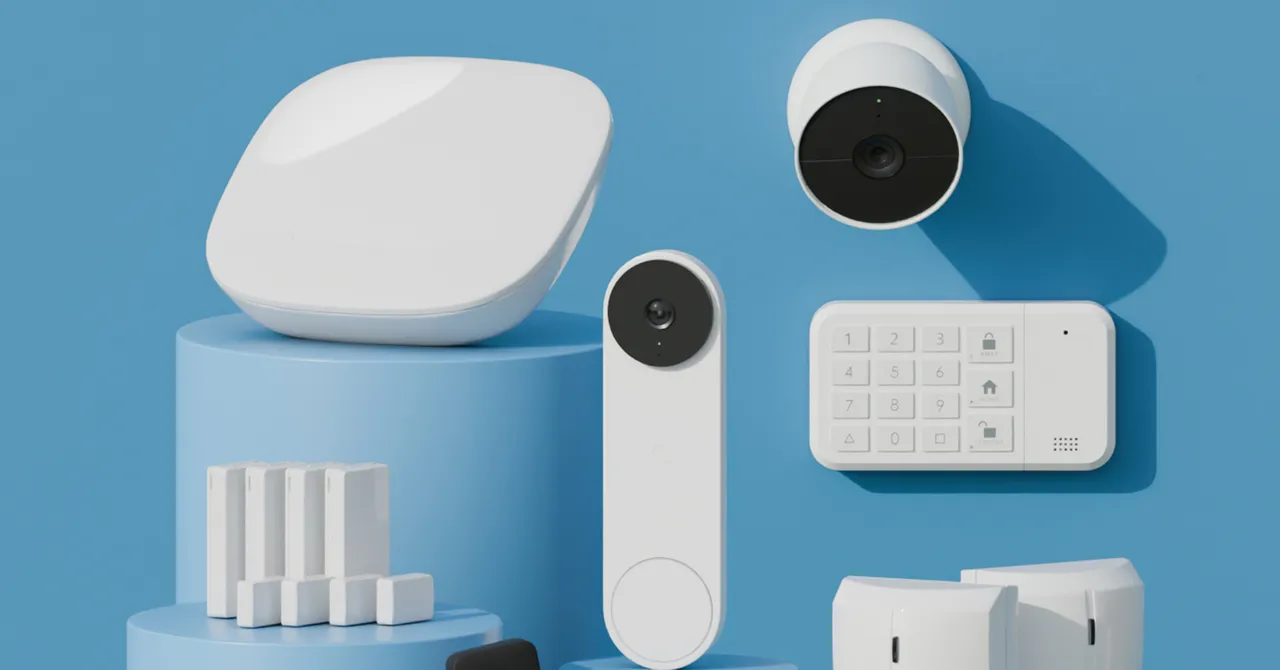
By replacing Google Assistant with Gemini across a decade-old range of Google Nest devices, the company signals its focus on innovation and disintermediation. The new AI-powered assistant offers profound improvements, such as multi-command understanding, automated routines, and richer contextual alerts — capabilities once reserved for high-end enterprise systems. Notably, disruption extends beyond user experience: this technological shift challenges legacy industry models, compelling traditional security camera firms and smart device manufacturers to accelerate their AI integration plans or face obsolescence. As Gartner recently noted, the advent of large language models in consumer devices will catalyze an ecosystem where data, automation, and user engagement are more tightly intertwined than ever before.

Innovation in Action: Smarter Security and Home Automation

  • Enhanced contextual alerts — such as distinguishing delivery personnel from pedestrians or neighborhood animals
  • Advanced automation — enabling users to set complex routines through conversational commands
  • Improved response accuracy — reducing false positives like misidentifying indoor dogs as cats or hallucinating events

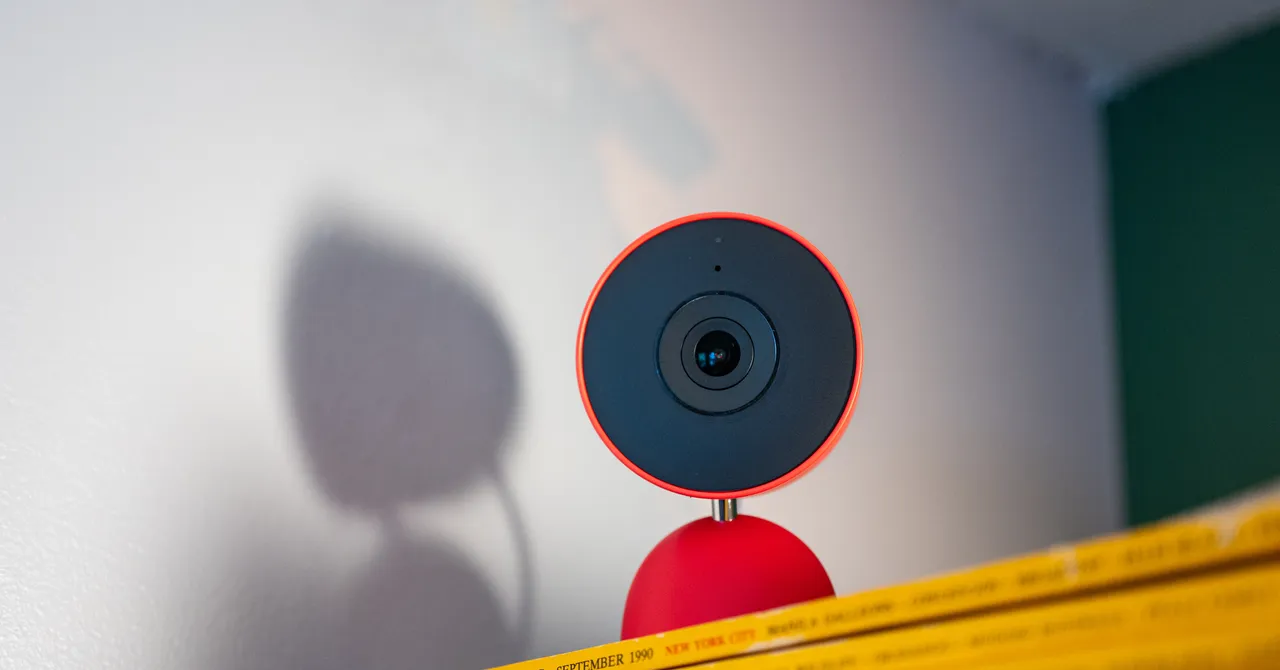
However, these improvements come with a note of caution. Industry veteran Elon Musk warns that heavy reliance on AI, particularly in safety-critical applications like home security, warrants rigorous testing and oversight. Currently, Gemini’s indoor camera alerts still experience hallucination issues, such as mislabeling a dog as a cat, illustrating that AI models require more refined training before deployment at scale. Still, the trajectory leads toward an autonomous, AI-driven smart environment that is less about manual control and more about seamless, anticipatory, and context-aware assistance.

Business Implications: Disruption, Competition, and Market Shifts

The strategic move by Google exemplifies disruption theory in action. Traditional players like Arlo and Sony are now under pressure to embed comparable AI capabilities or risk losing ground to Google’s integrated ecosystem. The move also raises the bar for startups aiming to carve niches in AI-powered smart homes, as consolidation appears imminent. Equally, business implications extend to data privacy debates, with AI models requiring vast data sets for refinement, thus prompting new regulatory and ethical considerations. According to MIT’s Digital Economy Lab, the integration of large language models into everyday devices accelerates a paradigm shift from device-centric to data-centric business models, where control over AI and consumer data becomes the new competitive battleground.

Looking to the future, the question remains: are we witnessing the dawn of a new era in AI-powered living spaces or the early signs of overhyped disruption? Given the rapid pace of innovation, companies that prioritize disruption through technological breakthroughs and adopt a forward-thinking, agility-first approach will shape the next frontier of smart technology. With industry giants like Google pushing the envelope, the time for startups and incumbents alike to adapt is unmistakably now — because the smart home of tomorrow is being engineered today, and those who fail to innovate risk being left behind in a dust cloud of legacy systems and missed opportunities.

Top 3 Smart Displays of 2025: Youth-Driven Picks from a Tech Enthusiast

Emerging Smart Display Market Disruption Sparks Industry Shift

The smart home ecosystem is once again at an inflection point, as major tech players intensify their push into the rapidly evolving market for smart displays and voice assistants. Though companies like Amazon and Google continue to innovate, recent developments are highlighting an industry grappling with innovation, disruption, and uncertain long-term viability. As consumers remain captivated by the promise of seamless integration and AI-powered automation, industry analysts warn that the current trajectory may fundamentally alter the landscape of connected home devices.

Amazon’s latest lineup of smart displays and speakers exemplifies ongoing efforts to disrupt traditional interfaces. The release of the Echo Show 8 (4th Gen) and the Echo Show 11 signals a strategic push to leverage AI-enhanced functionalities with a focus on user personalization and conversational interfaces. Notably, Amazon’s recent rollout of its innovative Alexa+ AI assistant—powered by generative AI—aims to fundamentally transform voice interactions. This upgrade allows the assistant to execute complex tasks and learn from user behavior, aligning with Elon Musk’s vision of AI-driven ecosystems. However, this disruption comes with significant business implications: Amazon reportedly faced losses exceeding $10 billion in 2022, largely stemming from Alexa’s challenges. Yet, the company’s resilience in continuing to introduce new devices underscores a belief that AI disruption can carve out a sustainable market trajectory.

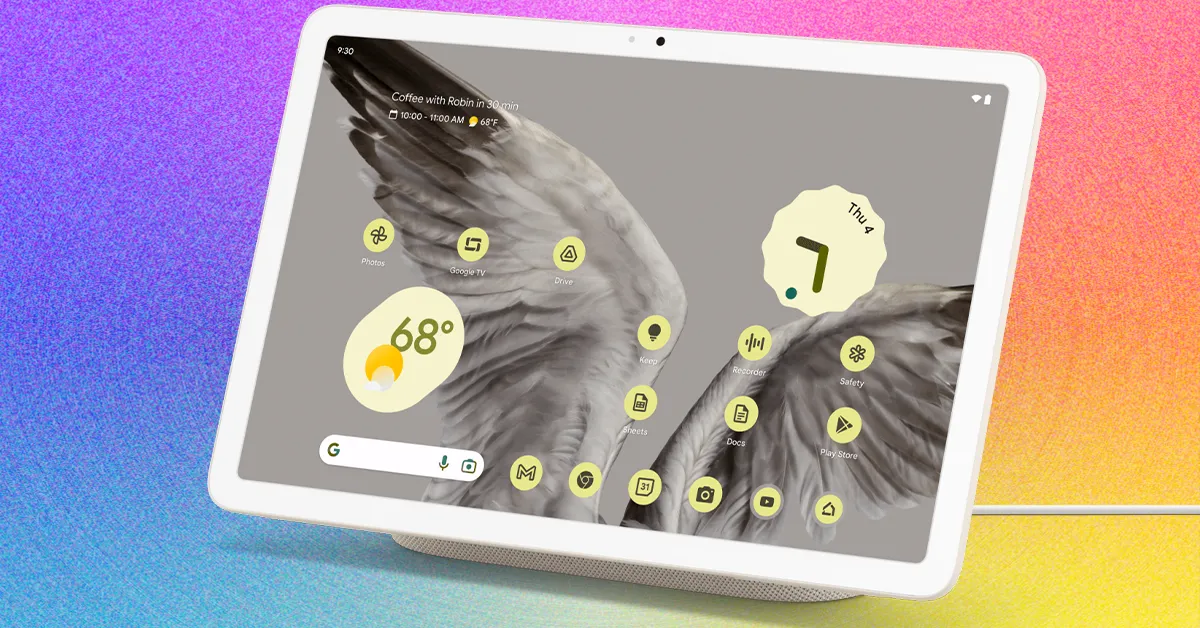
At the forefront of this disruption, Google plans to roll out its new AI assistant, Gemini, across its existing lineup—excluding the currently limited Google Pixel Tablet. This signals a strategic shift where AI innovation is expected to redefine user engagement and device capabilities. While Google has thus far avoided the smart display frenzy, industry leaders acknowledge that third-party partners are likely to fill the gaps, potentially disrupting the market with versatile, AI-enhanced devices. Gartner’s recent outlook emphasizes that when companies successfully integrate generative AI into user interfaces, the implications span beyond consumer convenience to reshape how smart home ecosystems function—what Peter Thiel refers to as “creating a new ecosystem of disruption.”

While the industry races toward innovation, certain market segments face acceleration of obsolescence or decline. Notably, the viability of current smart display forms remains under scrutiny. Meta’s discontinuation of its Portal devices and Apple’s stalled efforts into smart displays underscore a broader trend: the market may be experiencing a phase of re-evaluation and realignment. As companies experiment with new AI-powered interfaces, the industry could see a consolidation or even a phase-back, where only the most innovative, privacy-conscious devices survive—especially given recent shifts in privacy policies, such as Amazon’s removal of local voice processing in favor of cloud-based AI models. This shift leaves consumers vulnerable to increased data processing and raises concerns among privacy advocates, signaling that future devices must balance disruption with trust.

Looking ahead, the industry’s next chapter is set to define the future of connected homes. Innovators like Elon Musk and MIT’s AI labs suggest that AI-driven disruption will dominate the next decade, disrupting old paradigms and creating new markets. The question remains: can legacy players adapt swiftly enough to capitalize on the AI revolution, or will emerging startups seize the opportunity to redefine the smart display industry? As tech titans pour billions into advancing AI functionalities, one thing is clear—those who innovate aggressively and safeguard user trust will shape the future of smart homes. The clock is ticking, and the industry’s response over the coming months could determine its trajectory—either toward revolutionary disruption or continued obsolescence.

Top 8 Cat Water Fountains for Modern Pet Owners – WIRED’s 2025 Picks

Tech Disruptors Transform Pet Care with Innovative Water Fountains

The pet industry is experiencing a seismic shift as innovation in smart water fountain technology accelerates, driven by startups and industry giants alike. Leading firms such as Petkit and Happy & Polly are redefining pet hydration with connected devices that leverage IoT, automation, and advanced filtration. This disruption not only enhances pet health but also presents massive business implications for the future of pet care and technological convergence.

At the forefront of this revolution are products like the Petkit Eversweet Max and Happy & Polly Gothic Cat Drinking Fountain. These devices meld innovation in design and digitization, offering features such as remote monitoring, filter replacement alerts, and hydration analytics. For example, the Petkit Eversweet Max introduces a cordless, battery-powered fountain that logs every sip, providing pet owners with real-time data on their pets’ drinking patterns via dedicated apps. Such innovations transform traditional pet accessories into data-driven, intelligent systems that optimize pet health while creating new business opportunities in IoT-enabled pet products.

Furthermore, the market is shifting from simple bowls to disruptive, health-centric ecosystems. Products like the Oneisall Stainless Steel Pet Fountain emphasize hygiene and durability, addressing concerns about plastic bacterial buildup while offering substantial water capacity and ease of cleaning. Industry analysts, including Gartner and MIT researchers, point out that these technological integrations are establishing a new industry standard, where hygiene, automation, and user-friendly interfaces drive consumer adoption. This trend signals a decline of traditional pet bowls and a rise in premium, tech-enabled hydration solutions that can collect actionable health data, facilitating a more scientific approach to pet wellness.

However, not all products meet expectations. The Petcube Ceramic Pet Water Fountain exemplifies the risks of overhyped innovation, with reports of malfunction and high price tags that inhibit market penetration. Industry experts caution that not every disruption is sustainable; some will fade without proper quality control and consumer trust. Yet, the overall trajectory is clear: technological integration is poised to fundamentally alter the pet hydration industry, making it a prime battleground for startups, tech giants, and investors seeking to capitalize on the pet economy’s exponential growth.

Looking ahead, the convergence of hardware, AI, and consumer data signals a new era of personalized pet care. As Elon Musk and industry executives emphasize, the future belongs to those who innovate swiftly and adapt to the industry’s fast-paced disruption. This moment calls for entrepreneurs and investors alike to recognize the urgency: the pet care market is evolving into a high-tech frontier, with water fountains serving as just the beginning of a broader ecosystem. The winners will be those who leverage innovation to deliver healthier, smarter, and more engaging products for pets and their owners. Ultimately, the industry is on the cusp of a technological renaissance—if you blink, you risk missing the next big shift in pet care technology.

Social Media Auto Publish Powered By : XYZScripts.com