Matox News

Truth Over Trends, always!

Top Smart Home Gear to Elevate Your Curb Appeal in 2026

Smart Home Revolution Accelerates with Cutting-Edge Innovations and Industry Disruption

In a landscape marked by rapid technological evolution, companies like Birdfy, Govee, Cync, and Lutron are redefining the future of smart home technology. The latest wave of innovations—from wireless video doorbells to motorized shades—are not only enhancing user convenience but are also shaking up traditional markets. Experts from Gartner and MIT highlight that these disruptions are poised to overhaul how consumers and businesses approach home automation, emphasizing disruption driven by innovative designs, seamless integration, and increased affordability.

Smart Security and Aesthetic Revolution

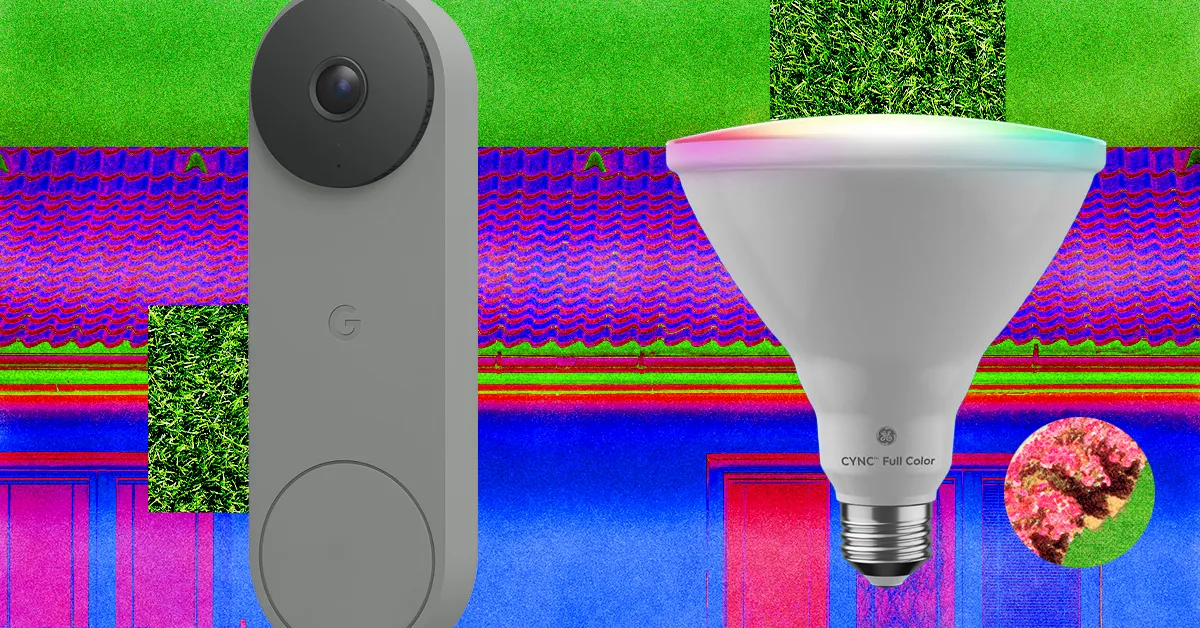
Leading the charge, Birdfy has launched an advanced dual-camera, wireless video doorbell that integrates seamlessly into outdoor aesthetics, challenging the perception that smart security gadgets must sacrifice style for function. The battery-powered version, which requires recharge every couple of weeks, offers portability and flexibility, while the wired variant remains a top choice among professionals, as highlighted by Wired’s comprehensive guide. This technological leap signifies a breakthrough in user-friendly reliable security and a pivot away from bulky, conspicuous devices. The implications are substantial: manufacturers now prioritize elegant design without compromising feature sets, signaling a shift towards smart gear becoming integral yet unobtrusive parts of home design.

  • Features include high-definition video, easy installation, and adaptive alerts.
  • Market potential is expanding as consumers increasingly seek stylish, integrated security solutions.
  • Business impact centers on competition with traditional security firms and new revenue streams from smart accessories.

Smart Lighting and Shades—Form Meets Function

Meanwhile, the smart lighting sector, led by brands such as Govee and Lutron, is evolving into a sophisticated industry with “invisible” shifts in aesthetic standards. The Govee outdoor clear bulb string lights and SmartWings motorized shades exemplify this trend. The Shades, particularly, highlight the convergence of design and automation—offering a sleek, cohesive look and customizable privacy features. By automating window coverage in harsh west-facing sunlight, users gain energy efficiency and aesthetic upgrades, fueling market growth for interior and exterior home beautification through tech.

Industry analysts underscore that these smart shades herald an era where home automation will become standard in curb appeal strategies and energy conservation. As Peter Thiel has suggested, disruptive technological adoption accelerates when solutions are both practical and visually appealing, a principle evident in these new product categories.

  • Innovative features include scheduled automation, remote control, and integration with voice assistants.
  • Business implications include expanding premium markets and encouraging user customization.
  • The integration of such tech into existing homes drives a new wave of renovation and upgrade opportunities.

Invisible Integration and Industry Impacts

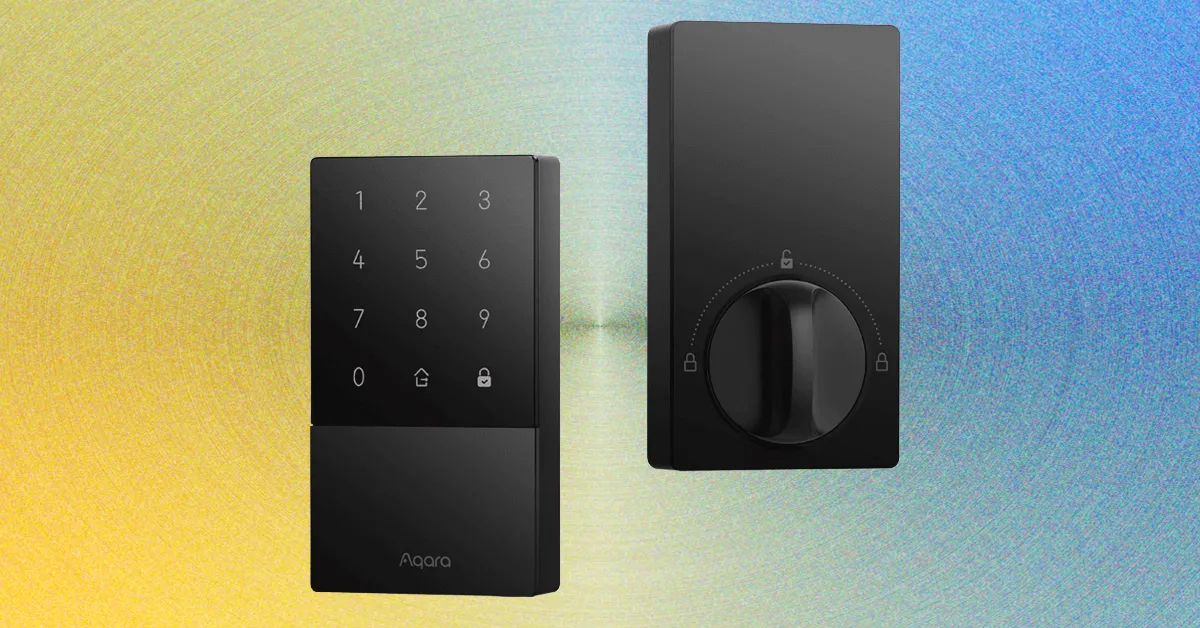
Furthermore, the industry is witnessing a surge in “invisible” upgrades—smart devices that enhance functionality without altering home aesthetics. Products like Yale’s Approach Lock and Chamberlain’s MyQ Smart Garage Controller exemplify this trend, allowing homeowners to upgrade security and convenience discreetly. Such innovations are disrupting mechanical hardware markets, compelling traditional lock and garage door manufacturers to pivot towards smart, retrofit solutions that require minimal hardware changes.

This shift towards discreet, powerful smart integrations portends a future where home automation becomes an unseen yet essential component of home infrastructure. Analysts suggest that with consumer preference leaning towards seamless, unobtrusive tech, the industry must innovate boldly to stay relevant, and those firms that lead in aesthetic-utility integration will dominate.

The Road Forward: Urgency and Opportunity

As the smart home ecosystem expands, the urgency for companies to pursue rapid innovation grows. The disruption of traditional markets, fueled by sleek and affordable solutions, spells opportunity for disruptive startups and established giants alike. With industry pioneers leveraging AI, IoT, and aesthetic design to redefine user expectations, the next decade promises unprecedented transformation. Stakeholders must act swiftly; the future belongs to those who innovate at the intersection of form, function, and disruption.

In conclusion, the smart home revolution’s momentum underscores an industry in flux—where disruption is no longer optional but imperative. The ongoing integration of stylish, intelligent devices signals a new era: one where technology enhances home life invisibly yet profoundly. Those who seize these opportunities now will shape the future landscape of home automation, setting the pace for a smarter, more connected world.

Preview: Aqara’s latest Matter-ready camera hits the scene

First Matter-Enabled Camera Surface in Market: Aqara G350 Ushers a Disruptive Wave in Smart Home Tech

The smart home industry is witnessing a pivotal breakthrough with the arrival of Matter-compatible cameras, exemplified by Aqara’s G350 Camera Hub. Announced at CES and launched this week, this innovative device not only elevates indoor security standards but also signifies a major leap toward interoperability, a core promise of the new Matter standard. While still in its early days, the G350’s features herald a future where smart home ecosystems could shift from fragmented, brand-specific setups to seamless, integrated solutions—echoing the disruptive ideals championed by tech visionaries like Elon Musk and industry analysts at Gartner.

The G350 distinguishes itself with exceptional hardware specs: dual lenses combining a 4K wide-angle and 2.5K telephoto capabilities, 360-degree auto-tracking, and a robust pan-tilt mechanism that enables comprehensive surveillance. Powered through a USB-C connection — with the necessity for an external brick — it also doubles as a hub for Aqara’s Zigbee devices, Thread Border Router, and Matter controller. This convergence of functionalities encapsulates the trend toward multi-purpose, all-in-one smart home devices that are set to challenge traditional, single-function cameras and hubs. Such an architecture promises to catalyze new business opportunities, disrupting the existing market segments dominated by brands like Ring and Google Nest.

However, the full potential of Matter support remains in development. Currently limited to live streaming and basic setup via Samsung SmartThings, the G350’s advanced features—such as pan, tilt, zoom, and recording—are not yet activated in the Matter ecosystem. Firmware updates are anticipated to unlock these capabilities, aligning with industry forecasts by MIT researchers that see firmware as the engine of future disruption. When fully realized, users will benefit from unprecedented openness: managing diverse camera brands through a unified, secure platform that eliminates vendor lock-in—an industry shift that could threaten established giants resistant to open standards. As Peter Thiel has highlighted, “the future belongs to those who build platforms, not just hardware.”

Moreover, integrations facilitated by Matter conceptually elevate privacy and security, with local and remote livestreams, end-to-end encryption, and flexible storage options. These features resemble Apple’s proprietary HomeKit Secure Video but are designed to be more open, promising a revolutionary shift towards secure, scalable, and universally compatible smart home surveillance. As the industry converges on interoperability, automations such as “door unlocks turning on cameras and lights” are expected to become routine, delivering disruption that could redefine consumer perceptions of security and convenience.

Looking ahead, the emerging landscape signals a race to leverage these advancements for competitive advantage. Major players like Samsung and AEON Labs are positioning to exploit Matter’s capabilities, setting the stage for a future where brand-agnostic systems dominate. The industry’s destiny hinges on rapid firmware rollouts, ecosystem support, and the adoption of security protocols that prioritize consumer control. Given the speed of innovation and the growing appetite for integrated, secure smart environments, stakeholders must act swiftly.

In conclusion, the Aqara G350’s debut as the first Matter-compatible camera marks a significant milestone in hardware innovation, signaling profound disruption in how smart cameras are deployed and managed. As firmware updates and platform support evolve, the industry faces a defining moment: whether to cling to legacy ecosystems or embrace a future of truly open, interoperable smart home technology. With the relentless pace of innovation, smarter, more secure, and hyper-connected homes are no longer just aspirational—they are imminent. The clock is ticking for industry leaders to adapt or risk obsolescence in a market rapidly transforming into an integrated digital frontier.

Fresh leaks: Apple’s smart home display arriving this fall alongside iOS 27

Apple Delays Launch of Revolutionary HomePod with Integrated Screen and Robotics-Driven Devices

In a significant pivot within the smart home and consumer device sectors, Apple Inc. has postponed the highly anticipated “HomePod with a screen” from its initial launch window of 2025 to an unspecified fall timeframe. This delay, confirmed by industry leak sources such as X insider Kosutami and echoed by Bloomberg journalist Mark Gurman, signals a strategic hold as Apple recalibrates its entrance into the burgeoning intelligent home market amidst evolving AI and virtual assistant capabilities. The device, which has been shrouded in secrecy, is reportedly a sleek, silver aluminum-cased gadget featuring a 7-inch display, utilizing a custom version of tvOS 27 and powered by USB-C—a clear move to unify its ecosystem under a more flexible port standard.

This delay is not isolated but part of a broader, phased rollout of innovative products aimed at disrupting the traditional consumer electronics market. Alongside the HomePod refresh, Apple is also revamping its lineup of smart home products, including a new version of the Apple TV 4K, and a smart home sensor currently in development. These devices are expected to leverage the latest advances in artificial intelligence and machine learning to offer enhanced automation, security, and seamless integration within the Apple ecosystem. The upcoming devices are anticipated to run on future OS updates—iOS, macOS, and tvOS—set to debut in 2027, aligning with Apple’s broader strategy to position itself as an indispensable hub in every connected home.

The planned introduction of a robot arm-equipped device, initially projected for this year, has now been postponed until 2027, underscoring the company’s cautious approach amid ongoing AI advancements and supply chain considerations. Industry analysts from institutions like Gartner highlight that these disruptions, although initially frustrating, create opportunities for disruptive innovation. Apple’s focus on integrating AI-driven features and hardware versatility could redefine user engagement in smart living spaces, propelling it ahead of competitors like Amazon and Google in the smart speaker and home automation sectors.

The business implications are profound: Apple’s strategy to stagger product launches—covering foldable iPhones, updated software, and smarter home devices—indicates a conscious effort to maximize market impact and maintain exclusivity in a rapidly saturated market. By aligning product timelines with AI and Siri enhancements, Apple is reinforcing its vision to become the central control point for digitally interconnected households.

  • Enhanced AI integration for personalized user experiences
  • Expansion into sensors and automation for smarter homes
  • Continued ecosystem lock-in to boost hardware and service revenue

Such moves collectively underline a broader industry shift towards disruptive innovation—where hardware becomes secondary to end-to-end smart environments driven by AI. As industry experts from MIT to Peter Thiel warn, the next decade will favor companies that can rapidly iterate on AI-powered hardware while maintaining ecosystem lock-in, a game-changing power play.

Looking ahead, the postponement of these flagship devices signals both challenges and massive opportunities. Apple’s cautious approach ensures it can deliver polished, AI-driven experiences capable of disrupting entrenched players, but it also presses the urgency for startups and incumbents to accelerate their innovation cycles. As AI continues to evolve from a supportive role to a core strategic asset, the next 12-24 months will be crucial in defining who dominates the smart home and consumer tech landscape—and those who fall behind risk being swept away by the relentless tide of technological disruption.

Plug In & Power Up: Smart Tips to Run Ethernet Cables Like a Pro and Keep Your Setup Clean

Revolutionizing Home and Tech Installations: The Disruption in Cable Management Solutions

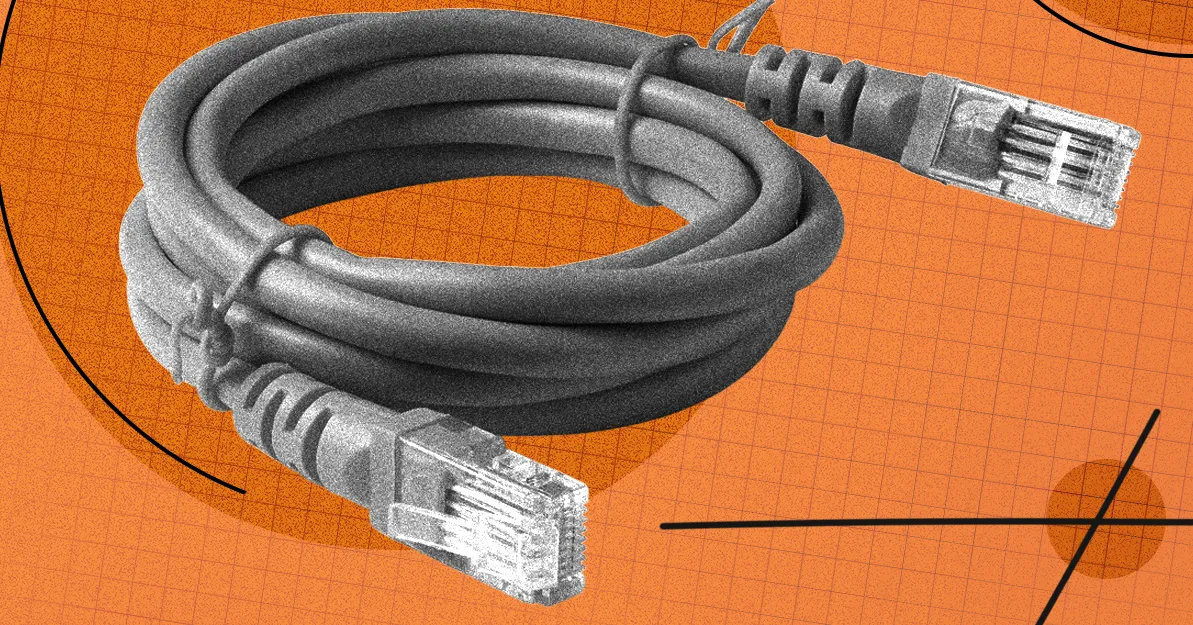
In an era marked by rapid technological advancement and a relentless pursuit of sleek, efficient environments, the traditional art of cable management is undergoing a profound transformation. Leading companies like Alex Tech and D-Line are spearheading innovation with modular solutions such as reusable cable ties, mesh sleeves, and customizable trunking systems. These new offerings are not only democratizing access with affordability—evident in budget-friendly bundles of 60 reusable ties for just $7—but are also redefining what disruption in infrastructure hardware looks like, especially for the young, tech-savvy demographics eager to optimize their spaces for a clutter-free aesthetic.

This wave of innovation is set to redefine industry standards, as manufacturers introduce adaptable products aimed at simplifying complex technical setups. For example, cable sleeves that double as mesh covers enable users to easily add or remove cables, streamlining iterative upgrades. Such features challenge the once-inevitable chaos of wiring, promising more than superficial convenience—they herald a paradigm shift in how data and power delivery infrastructure is integrated into modern lifestyles. Meanwhile, experts from Gartner emphasize that these modular systems allow for scalable, future-proofing installations, making them essential in both consumer and enterprise contexts. This disruption echoes the vision Elon Musk advocates—where technology seamlessly integrates into daily life, eliminating obsolescence and maximizing utility.

  • Utility and Affordability: Budget options like a 60-pack of reusable ties for $7 revolutionize cost structures in DIY projects.
  • Modular Design: Sleeves and trunking systems facilitate quick installation, easy access, and adaptability, posing a direct challenge to traditional, permanent wiring methods.
  • Design Aesthetics: Trunking and crown molding innovations allow aesthetic concealment, turning functional wiring into a design feature, thus aligning technology with modern interior trends.

Implications for Business and Industry Disruption

The implications extend beyond consumer convenience; established industries face a critical inflection point. By integrating these innovative solutions, service providers and contractors could drastically reduce installation times and costs, paving the way for faster deployment of smart homes and commercial infrastructure. The disruption is compounded by the emergence of DIY-focused product lines, positioning startups like Alex Tech as formidable competitors against legacy electrical and telecommunication firms.

Analysts from MIT’s Media Lab suggest that such modular systems catalyze a new era of “distributed infrastructure”, where individuals are empowered to maintain and upgrade their own environments without relying on costly professional interventions. This democratization of technological upgradeability is comparable to the disruptive impact of open-source software, where community innovation outpaces traditional corporate R&D. As industry giants scramble to adapt, the urgency for established players to innovate or risk obsolescence has never been more pressing. The clock is ticking for legacy providers to embrace these disruptive technologies or become relics as the industry pivots towards smarter, more adaptable, and aesthetically pleasing wiring solutions.

The Road Ahead: Embracing Disruption

Looking forward, the trajectory of cable management innovation indicates a future where intricate wiring is no longer hidden but becomes an integral part of interior design, facilitated by high-tech solutions that are robust, scalable, and affordable. The adoption of flexible fiberglass rods, paint-matching trunking, and concealed wiring techniques points towards a landscape that favors sustainability, ease of upgrade, and sleek aesthetics. Industry leaders who recognize these shifts and proactively incorporate these innovations will gain competitive advantage in a marketplace that demands agility and sophistication.

In summation, disruption in cable management isn’t merely about tidiness; it reflects a broader paradigm shift where technology’s integration into daily life becomes more intuitive and design-conscious. As venture capital flows into startups pioneering these solutions and industry giants begin to pivot, the urgency for innovation intensifies. Stakeholders who act swiftly can capitalize on this revolution by aligning business models with the bold future of infrastructure—one that is flexible, affordable, and disruptive by design. The future belongs to those who recognize the signs of this transformation now, transforming cluttered chaos into seamless efficiency and aesthetic excellence.

Why Is Alexa+ Falling Short?

Revolutionary AI Assistants Face Real-World Challenges in Industry-Disrupting Devices

In a striking development within the smart home sector, the integration of cutting-edge AI assistants like Amazon’s Echo Show 15 has come under scrutiny after a month-long hands-on trial. While initial expectations centered on seamless control, personalized automation, and a futuristic smart kitchen, reality has revealed substantial obstacles, raising questions about the scalability and practicality of current AI implementations for consumers. This real-world test underscores a broader trend of disruption in the IoT and AI landscapes, as industry leaders push the boundaries of what home automation technology can truly deliver.

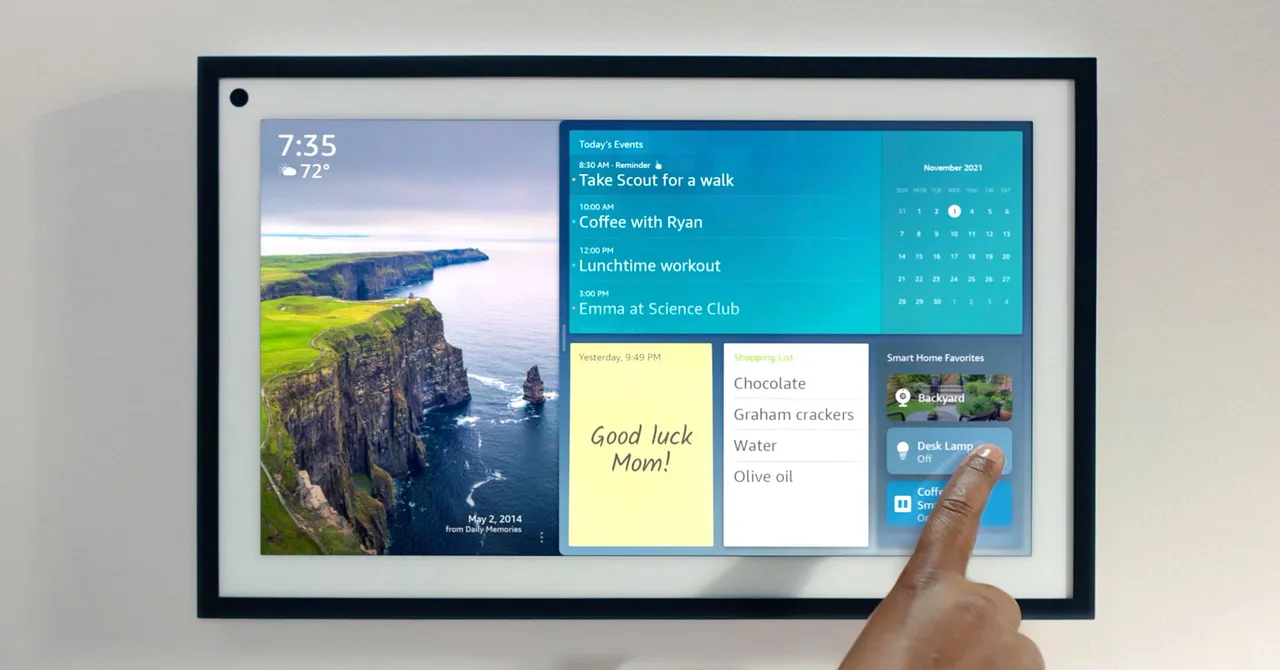
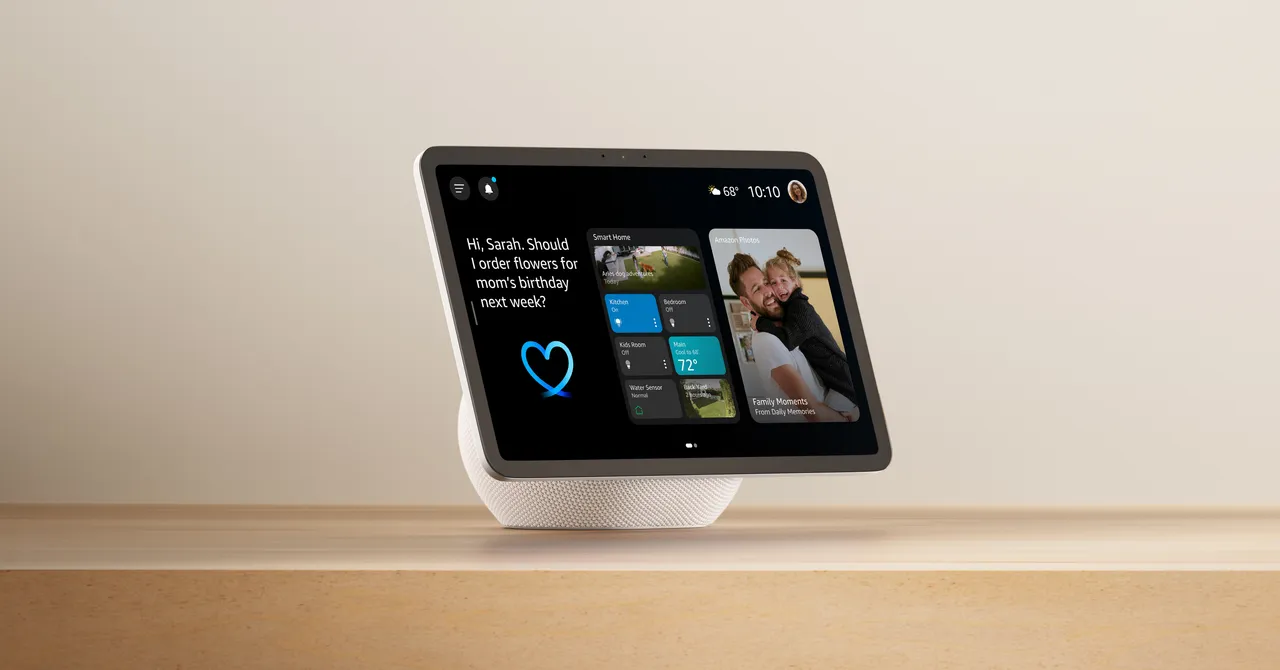
The Echo Show 15, equipped with Alexa+ — an upgraded AI assistant— embodies the ambition of tech giants to create integrated, voice-activated ecosystems. The device offers features such as a large display for multimedia, visual calendars, and Alexa’s voice commands, promising to transform the traditional kitchen into a hub of smart productivity. However, feedback from practical use indicates that there are significant gaps in user experience, ranging from frequent misinterpretations of commands to technical malfunctions. Experts at Gartner and MIT warn that such shortcomings reveal fundamental challenges in consumer-facing AI: maintaining accuracy amid the complexities of natural language processing, and ensuring dependable, behind-the-scenes hardware support.

Market analysts point out that this highlights a critical inflection point for AI-powered consumer devices. While companies like Amazon and Google continue to invest heavily in AI, their focus on innovation often outpaces the realities of deployment in everyday settings. The result is a gap between technological promise and practical usability, which could influence future investment directions and consumer trust. Furthermore, the convergence of AI with IoT indicates a potential for business disruption, as startups and established corporations vie for dominance in an increasingly connected, intelligent home ecosystem. This technological scramble presents both opportunities for rapid market growth and risks of consumer alienation if core issues remain unresolved.

Investors and industry stakeholders are closely watching how tech giants adapt to these challenges. Key milestones such as Amazon’s recent hardware refreshes, ongoing AI enhancements, and strategic partnerships signal a competitive push to refine smart assistant offerings. Experts like Elon Musk and venture capitalists such as Peter Thiel emphasize the importance of increasing AI reliability and user-centric design to sustain innovation momentum. This period also marks a shift towards more sophisticated, disruption-ready solutions that could redefine how households interact with technology, potentially replacing traditional appliances and untangling the conventional home dashboard.

Looking forward, the industry is at a crossroads. The emerging narrative suggests that the initial wave of AI-enabled smart devices may need a paradigm shift—prioritizing functional robustness and seamless integration over glitzy features. Companies that can efficiently bridge the gap between innovation and practical usability will set the stage for a new era of ultra-connected, intelligent homes. As market leaders refine their strategies and new entrants challenge the status quo, one thing remains clear: the future of AI in consumer tech hinges on how quickly and effectively these systems can transition from ambitious prototypes to indispensable elements of daily life. The stakes have never been higher, and the race for dominance in this disruptive tech frontier is only intensifying.

Alexa’s Flop Pushes Me Back to Siri—Time to Reconsider the Tech Giant’s Voice Power

Amazon’s Alexa Reimagined: Innovation Meets Consumer Frustration

In a bold move to elevate its voice-enabled ecosystem, Amazon has recently intensified its integration of generative AI technologies into the Alexa platform. With the debut and subsequent expansion of Alexa Plus, the company aims to transform Alexa from a basic voice assistant into a generalist AI companion capable of more complex interactions, drawing parallels to industry leaders like ChatGPT and Google’s Gemini. The recent shift is part of Amazon’s strategic pivot to disrupt the smart assistant market, leveraging AI to embed itself deeper into users’ daily routines and the broader smart home sector.

This aggressive push is not without growing pains. As shown by early feedback and internal updates, the user experience has faced significant turbulence. The new app interface and Alexa Plus functionalities prioritize a conversational AI experience, but consumer response has been mixed — with many pointing out the increased clutter, intrusive advertisements, and convoluted workflows. As analysis from Gartner highlights, disruption of traditional UX paradigms— especially through AI-driven redesigns— can lead to *initial alienation*. Nonetheless, Amazon appears committed to reshaping the ecosystem, with Alexa’s front page now prominently featuring an AI chatbot that pervades every interaction, blurring lines between utility and personalization.

  • Redesigned app layout places Alexa chat front and center, aiming for a seamless conversational interface.
  • Introduction of targeted prompts and personalized suggestions enhances AI contextual understanding.
  • Shift to ad-sponsored content and cluttered shopping list interface erodes user satisfaction according to some early adopters.
  • Features like Favorites & cross-platform accessibility signal a strategic move to become a ubiquitous AI assistant.

From a business perspective, Amazon’s drive towards disruption signifies a serious attempt to corner the broad AI-powered smart assistant market, challenging entrenched players and reshaping consumer expectations. The company’s announcement that Alexa Plus has moved out of Early Access and is freely accessible in the US demonstrates its goal to rapidly scale AI adoption. The new interface, which emphasizes seamless chat and contextual responsiveness, aligns with trends forecasted by MIT’s Media Lab that suggest AI will increasingly serve as an all-encompassing digital concierge— albeit with the risk of alienating users if usability is compromised.

Industry analysts like Peter Thiel caution that over-automation and invasive UI changes can backfire if not perfectly aligned with consumer needs. Yet, Amazon’s strategic gamble indicates that innovation and disruption in AI are inevitable, underlining the importance of balancing technological advances with user-centric design. As the AI landscape evolve, rapid iteration and consumer trust will be paramount. Amazon’s willingness to overhaul its app, despite setbacks and criticisms, underscores the emerging reality: in the race for AI dominance, those who innovate fastest will shape the future, and the clock is ticking.

Looking ahead, the attention now shifts toward the next chapters in this technological saga. Will Amazon refine its approach, mitigate user frustrations, and fully harness AI’s potential? Or will it face the peril of consumer pushback, ceding ground to rivals? The disruption unleashed by Amazon’s latest initiatives signals a pivotal moment—where innovation, disruption, and business agility will determine the leaders of tomorrow’s AI-powered digital world. The future of intelligent assistants hinges on a delicate balance: relentless innovation tempered by intuitive design, and in this high-stakes game, every second counts.

Amazon Alexa+ Now Open to All—Here’s How to Disable It (2026)

Amazon Reinvents Home AI with the Launch of Alexa+

In a bold move marking a new chapter in consumer technology, Amazon has rolled out its latest evolution in AI-driven home assistants: Alexa+. Unveiled at CES earlier this year, this upgraded voice assistant showcases Amazon’s aggressive push to redefine how millions of households interact with smart technology. The immediate deployment to Prime members and the end of the waiting list signal Amazon’s readiness to dominate the next wave of digital disruption, emphasizing innovative conversational AI that extends beyond simple command execution.

Disrupting the Industry Standard

Alexa+ represents a significant innovation, heralding a shift from traditional voice assistants that function primarily as digital butlers, to more advanced chatbots capable of natural, nuanced conversations. Amazon claims this new iteration can better comprehend complex requests, offering a more intuitive user experience that blurs the lines between human and machine interactions. This development aligns with industry trends identified by Gartner and other leading analysts, which highlight the emerging importance of AI that is not just reactive but proactively engaging. With this move, Amazon disrupts the market standard of voice assistant capabilities and sets a new bar for the industry’s competitive landscape.

  • Enhanced Conversationality: Alexa+ allows for context-aware dialogue, reducing misunderstandings and repetitive commands.
  • Broadened Capabilities: It is poised to serve as an advanced chatbot, integrating with broader smart home ecosystems and third-party services.
  • Business Implication: This increases user engagement, providing Amazon with a larger data repository and monetization opportunities through targeted services and subscriptions.

Industry watchers like Elon Musk and Peter Thiel have long emphasized the critical role of AI innovation in future tech dominance. Amazon’s aggressive upgrade strategy reflects a keen understanding of this trajectory, positioning Alexa+ as not merely a product but a platform capable of disrupting entrenched players in the home automation space.

Impacts on Consumer Experience and Market Dynamics

Despite the excitement surrounding Alexa+’s rollout, the transition underscores the persistent tension between innovation and user consent. Reports reveal some users experience forced upgrades and sudden voice changes, illustrating a broader industry challenge: how to effectively balance rapid innovation with user autonomy. Amazon’s move pushes the envelope in this context, making voice assistants more sophisticated but also raising important questions about privacy, data security, and consumer choice.

From a business perspective, Amazon’s decision to integrate Alexa+ seamlessly into existing Prime memberships signifies a strategic intent to deepen ecosystem lock-in and generate additional revenue streams. The AI’s personalized conversational interface reinforces Amazon’s overall dominance in digital retail, smart devices, and cloud services, giving the company an edge in the competitive landscape.

Looking Forward: Innovation as a Double-Edged Sword

As Amazon continues to iterate on Alexa+ and similar AI innovations, the industry’s trajectory appears clear: Innovation will accelerate, competition will intensify, and traditional paradigms of user interaction will be fundamentally challenged. Companies that fail to adapt risk falling behind in the race to create truly disruptive, intelligent assistants capable of transforming everyday life. Meanwhile, consumers and regulators alike must grapple with the long-term implications of pervasive AI, emphasizing the need for robust oversight and strategic foresight.

For the tech industry and young entrepreneurs eager to lead the next big wave, the message is unequivocal: the future belongs to those who innovate boldly and navigate disruption wisely. With Amazon’s Alexa+ setting the pace, the urgency to develop smarter, more intuitive AI solutions has never been greater. The next decade will be pivotal—an era where innovation and disruption will define the competitive landscape of the digital age.

iRobot Declares Bankruptcy Amid Tech Shakeup

iRobot Declares Bankruptcy Amid Industry Disruption and Competitive Pressures

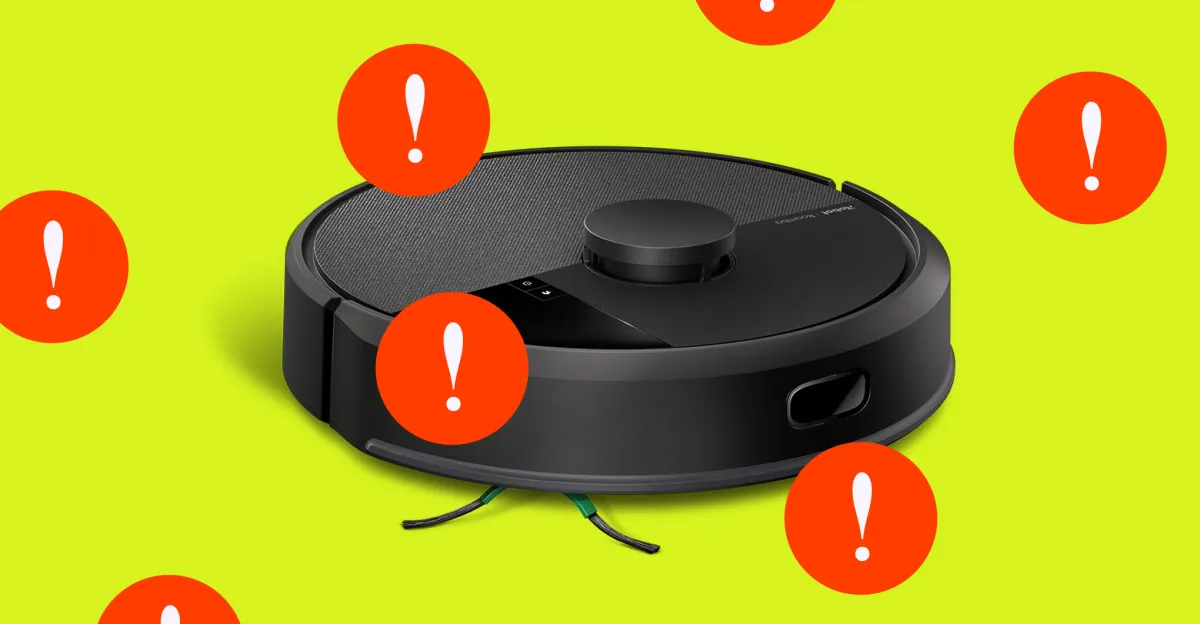
After 35 years of pioneering household robotics, iRobot has announced it is filing for Chapter 11 bankruptcy protection. This significant development marks a transformative moment in the smart home market—highlighting the intense industry disruption caused by emerging Chinese competitors and increasing geopolitical tariffs. The company’s decision to be acquired by Picea Robotics, a Chinese-based contract manufacturer, underscores the shifting landscape of global manufacturing and technological power. Despite this upheaval, iRobot assures consumers that existing products and services will remain unaffected for now, allowing the popular Roomba series to continue cleaning homes uninterrupted.

The decline of iRobot illustrates the challenges faced by established tech innovators in an increasingly competitive environment. Since its founding in 1990 and the launch of the Roomba in 2002, the company has continuously reinvented its product line through innovative features such as lidar mapping and advanced app integrations. However, these efforts have been outpaced by a surge of Chinese manufacturers, eager to disrupt the market with lower-cost, feature-rich alternatives. Industry giants like Xiaomi and Roborock have flooded the space, leveraging mass production to undercut US and European rivals. According to Gartner analysts, this rapid commodification poses a significant threat to the profit margins of legacy brands, leading to the financial instability faced by iRobot.

  • Milestones in innovation: Integration of lidar mapping tech, smarter navigation, and increasingly affordable pricing models.
  • Challenges: Tariffs, rising manufacturing costs, and aggressive Chinese competition.
  • Implications: Disruption in household robotics, with potential shifts in market leadership towards Asia-based firms.

The strategic move by Picea Robotics signals a broader trend of industry consolidation amid geopolitical tensions and supply chain vulnerabilities. Such acquisitions could accelerate the adoption of advanced robotic systems across various sectors, transforming the traditional landscape of domestic automation. Leading industry observers like Elon Musk and Peter Thiel have long emphasized the importance of innovation in maintaining competitive advantage. In this context, the merger presents an opportunity for Chinese firms to leverage manufacturing efficiency and technical expertise to redefine global standards and consumer expectations.

Furthermore, the financial strain on legacy firms such as iRobot signals a pivotal moment for startups and established players alike. No longer can companies rely solely on incremental improvements; innovation must now focus on disruptive innovations, such as AI-driven autonomous systems and IoT integration. As MIT researchers highlight, the future of household robotics hinges on the seamless integration of smart tech with everyday life—a frontier where American companies risk losing dominance unless bold strategic shifts are undertaken.

Looking ahead, the field of robotics is poised for rapid evolution. The convergence of AI, material science, and 5G connectivity suggests that the next decade could witness unprecedented breakthroughs. For industry leaders and entrepreneurs, this signals both an urgency and an imperative: to harness the disruptive potential of emerging technologies or risk becoming obsolete. With global market shifts accelerating, those who act decisively today will shape the future—making it essential to anticipate and adapt to the technological upheaval that lies ahead.

AT&T’s Connected Life: A Fresh Play in the Smart-Home Arena

AT&T Reimagines Smart Home Market with Connected Life Launch

The telecommunications giant AT&T is making a bold second move into the smart home ecosystem with its newly announced Connected Life platform. After the company’s earlier effort, Digital Life, was phased out in 2022—owing largely to the obsolescence of its underlying 3G network—AT&T is now leveraging a strategic partnership with Google and Abode to disrupt traditional home security and automation markets. This move highlights a growing trend among established tech and telecom giants eager to integrate connected devices into a unified, user-friendly ecosystem that capitalizes on existing customer bases and facilitates rapid adoption.

At the core of Connected Life is a focus on innovation and disruption. The platform bundles Google Nest smart devices—though not the latest versions—and security sensors into two different kits: the Starter Kit at $11 per month (or $399 upfront) and the Advanced Kit at $19 per month (or $699 upfront). The Advanced Kit expands on features with additional sensors, a security keypad, and a Nest Cam security camera, providing an integrated end-to-end smart home experience designed to simplify user setup and management. This market shift towards turnkey solutions is driven by consumer demand for seamless integration, together with the rise of professional installation services that reduce barriers for less tech-savvy users. Google’s API integration through the Google Home platform ensures devices are manageable via a single app, emphasizing the importance of interoperability—a principle championed by MIT’s recent research on smart ecosystems.

From a business perspective, AT&T’s move signifies a strategic disruption of incumbents in smart home security. Given that AT&T has over 119 million wireless mobile customers and more than 10 million fiber optic internet subscribers, its potential reach to pitch a unified smart home solution is unprecedented. This business model consolidates multiple lines of service: telecommunications, internet, and smart devices—creating an ecosystem that fosters customer retention and opens new revenue streams. Industry analysts from Gartner suggest that such integrated platforms could redefine consumer expectations, forcing competitors like Amazon, Apple, and smaller startups to accelerate their own innovation cycles. What remains to be seen is whether AT&T can leverage its scale to deliver on reliability and user experience, critical factors for disruption success in this crowded space.

Looking to the Future: Innovation as the New Norm

The launch of Connected Life signals an industry-wide pivot towards consolidated, AI-enhanced smart environments. With ongoing advancements in AI, sensor technology, and 5G connectivity, the industry is on the cusp of a new era where homes will become autonomous, predictive, and deeply integrated with daily life. It’s a call to industry leaders and innovators alike: innovation and disruption are no longer optional but essential for survival in this rapidly evolving market.

As Elon Musk and Peter Thiel have often noted, disruption is the engine of progress. Falling behind in this race risks obsolescence, especially as consumer expectations shift toward ease and security. With AT&T’s formidable scale coupled with strategic partnerships, the company is clearly positioning itself to be a market leader—not just in connectivity but in the digital transformation of the smart home. The next few years will be crucial in determining whether this initiative can sustain innovation and truly disrupt industry giants. The future belongs to those who accelerate—this is the moment for bold moves, rapid iteration, and relentless pursuit of the cutting edge.

Top Air Purifiers of 2025: Coway, AirDoctor, IQAir Lead the Charge

Revolutionizing Air Quality: The Innovative Shift Disrupting Traditional HVAC and Air Purifier Markets

As the world faces an escalating climate crisis and a renewed focus on personal health, the industry of indoor air quality (IAQ) management is experiencing a seismic shift driven by cutting-edge innovations. Companies like Dyson, Blueair, Levoit, and startups like Mila are pioneering technologies that challenge conventional notions of air purification. These developments not only redefine how consumers approach IAQ but also carry profound business implications—disrupting legacy HVAC systems and opening lucrative new markets.

One of the major innovations fueling this disruption is the integration of AI-powered sensors and smart capabilities into compact, aesthetically appealing devices. For example, Mila’s Critter Cuddler employs built-in sensors and app dashboards that automatically adjust operation based on real-time air quality, echoing trends seen in MIT research on personalized environmental control. Meanwhile, Dyson’s Big+Quiet Formaldehyde BP04 employs gases-specific filtration with multi-stage purification, targeting VOCs with unprecedented efficiency. These devices, often featuring disruptive design—like wall-mounted units or minimalistic forms—contest the traditional bulky, noise-intensive models of yesteryear.

Industry Impacts and Market Shifts

  • Market Disruption: The rise of smart, portable units erodes consumer reliance on fixed, large-scale HVAC systems for everyday air quality management. Industry analysts like Gartner suggest this paradigm shift will accelerate as advanced sensors and AI deliver personalized air profiles, enabling real-time responses that legacy systems cannot match.
  • Business Implications: Legacy manufacturers face pressure to innovate or risk obsolescence. New entrants with disruptive technologies attract consumers seeking efficiency, portability, and precision. Companies investing heavily in AI, IoT, and VOC-specific capabilities will hold the competitive edge, much like Elon Musk’s approach to Tesla’s innovation culture.
  • Sustainability and Regulation: Growth in CARB-certified and ozone-compliant models indicates a market responding to tightened regulations and health-conscious consumers. This encourages sustainability — devices like Ikea’s Starkvind are adopting certifications while battling misinformation about filter capabilities.

Challenges and Future Outlook

However, technological **disruption** is not without its hurdles. Many AI-integrated units still grapple with reliability issues, filter saturation misconceptions, and noisy operation. For example, Morento’s Air Purifier faced challenges with sensor auto-regulation, highlighting the need for rigorous testing that goes beyond marketing claims. Meanwhile, some models, like Dyson’s, have functionality gaps—such as oscillation failures—calling for continued innovation. The combined demand for precision, silence, and affordability will dictate which companies succeed in this fiercely competitive space.

Looking ahead, industry leaders recognize the imperative of rapid adaptation. Thinkers like Peter Thiel note that the most disruptive companies will be those that converge innovation with consumer needs—delivering not just cleaner air but transforming indoor environments into personalized, connected ecosystems. As regulations tighten and consumer awareness heightens, the market is poised for an exciting surge of disruptive breakthroughs that will shape the future of healthy living. The race for technological supremacy is on, and those who innovate fastest will dominate the next chapter in indoor air quality management.

Social Media Auto Publish Powered By : XYZScripts.com