
The Digital Leap: How Smart TVs Are Shaping the Next Generation’s Lifestyle
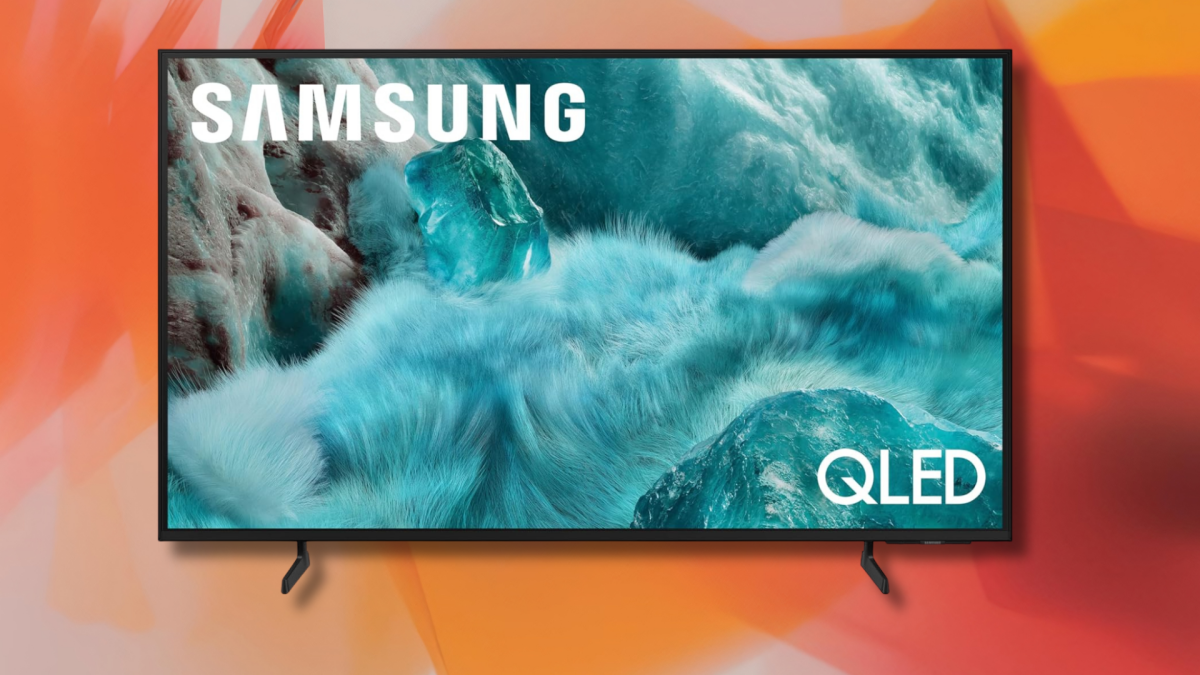
As autumn settles in and cozy nights become the new norm, the spotlight is shifting toward next-generation entertainment technology. Smart TVs—once considered a luxury—are quickly becoming an essential part of the modern lifestyle, especially among the youth. Recent sales data and market analyses reveal a surge in demand for high-end models like the Samsung Class QLED Q7F Series AI Smart TV, which now offers impressive features such as Vision AI for automatic content upscaling and vibrant visuals validated by Pantone. With prices dipping below the $500 mark—an all-time low—these devices are democratizing quality entertainment, making it accessible for younger consumers eager to upgrade their living rooms.
What makes this trend particularly significant is not just the increasing affordability but the cultural impact of the features integrated into these devices. Influencers and sociologists alike note that smart technology is becoming a social currency. Owning a TV with sophisticated AI-powered features signifies more than just viewing; it’s about being connected to a broader digital community that values clarity, vibrancy, and seamless integration. The entertainment ecosystem now extends far beyond traditional broadcast, influencing social interactions, preferences, and even fashion—think premium soundbars, interactive gaming, and streaming platforms that are reshaping leisure routines among today’s youth.
From Functional to Trendsetting
- Top-tier features: Quantum Dot technology for billion shades of true-to-life color and AI-enhanced visuals
- Smart capabilities: Voice control, automatic content enhancement, and integration with smart-home devices
- Social influence: TikTok reviews, YouTube unboxings, and influencer endorsements turning these TVs into cultural phenomena
- Price accessibility: Deals like the current Amazon sale for the Samsung QLED Q7F at just $499.99, making high-tech affordable
Industry analysts highlight that the proliferation of smart TV technology is more than a trend—it’s a cultural shift that emphasizes the importance of personal expression, technological savvy, and social connectivity. Young consumers see owning such a device as a statement: it’s not just about displaying aesthetic taste but signaling that they’re plugged into contemporary culture and technological progress. Influencers like Marques Brownlee and Justine Ezarik amplify this narrative, demonstrating how these gadgets serve as portals not only for entertainment but for identity formation among digital natives.
Looking Ahead: The Next Big Question
As technology continues to evolve at a rapid pace, the question that arises for both consumers and industry insiders is: What will be the next frontier in smart entertainment? Will our homes become fully integrated hubs of virtual and augmented realities, or will the emphasis on AI-driven visuals and connectivity redefine what it means to indulge in leisure? The current trajectory suggests that these devices are merely the beginning of a broader societal transformation—one where personalized content, social engagement, and technological immersion merge into a seamless lifestyle experience.
In essence, the rise of affordable, AI-powered smart TVs signals a future where entertainment is not just passive consumption but an active, social, and cultural act. As young generations embrace these innovations, the next big question remains: How will this shift influence our social fabric, our media consumption habits, and our very sense of identity in a digital age? It’s a conversation that’s just beginning, and one that could determine the cultural landscape of tomorrow.