Matox News

Truth Over Trends, always!

Top Smart Home Gear to Elevate Your Curb Appeal in 2026

Smart Home Revolution Accelerates with Cutting-Edge Innovations and Industry Disruption

In a landscape marked by rapid technological evolution, companies like Birdfy, Govee, Cync, and Lutron are redefining the future of smart home technology. The latest wave of innovations—from wireless video doorbells to motorized shades—are not only enhancing user convenience but are also shaking up traditional markets. Experts from Gartner and MIT highlight that these disruptions are poised to overhaul how consumers and businesses approach home automation, emphasizing disruption driven by innovative designs, seamless integration, and increased affordability.

Smart Security and Aesthetic Revolution

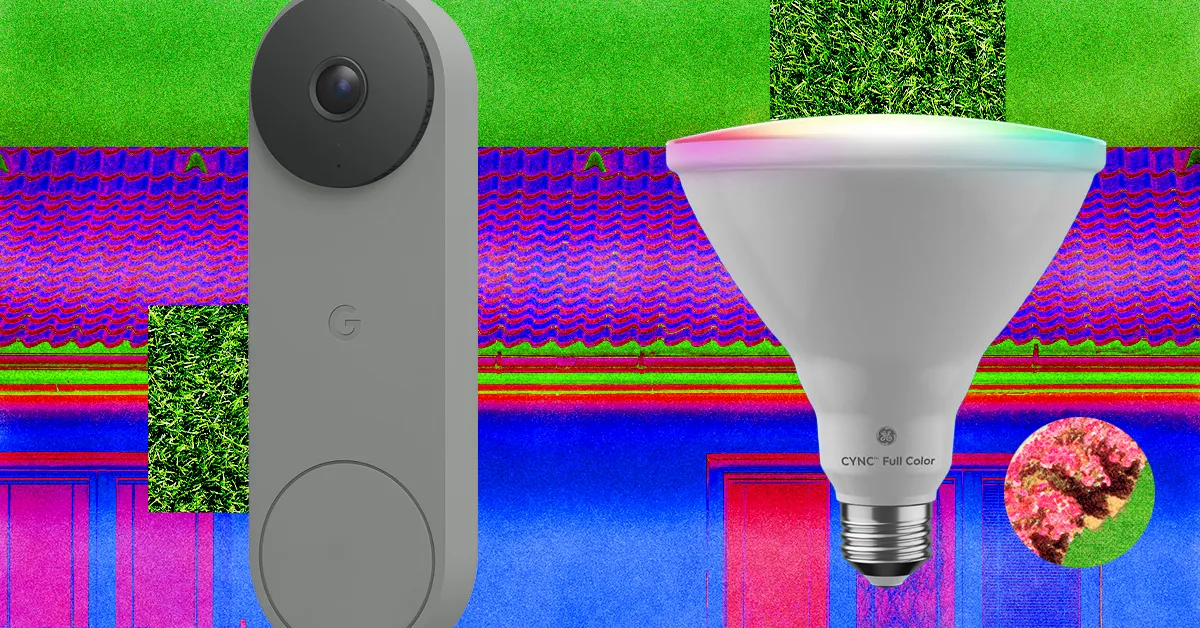
Leading the charge, Birdfy has launched an advanced dual-camera, wireless video doorbell that integrates seamlessly into outdoor aesthetics, challenging the perception that smart security gadgets must sacrifice style for function. The battery-powered version, which requires recharge every couple of weeks, offers portability and flexibility, while the wired variant remains a top choice among professionals, as highlighted by Wired’s comprehensive guide. This technological leap signifies a breakthrough in user-friendly reliable security and a pivot away from bulky, conspicuous devices. The implications are substantial: manufacturers now prioritize elegant design without compromising feature sets, signaling a shift towards smart gear becoming integral yet unobtrusive parts of home design.

  • Features include high-definition video, easy installation, and adaptive alerts.
  • Market potential is expanding as consumers increasingly seek stylish, integrated security solutions.
  • Business impact centers on competition with traditional security firms and new revenue streams from smart accessories.

Smart Lighting and Shades—Form Meets Function

Meanwhile, the smart lighting sector, led by brands such as Govee and Lutron, is evolving into a sophisticated industry with “invisible” shifts in aesthetic standards. The Govee outdoor clear bulb string lights and SmartWings motorized shades exemplify this trend. The Shades, particularly, highlight the convergence of design and automation—offering a sleek, cohesive look and customizable privacy features. By automating window coverage in harsh west-facing sunlight, users gain energy efficiency and aesthetic upgrades, fueling market growth for interior and exterior home beautification through tech.

Industry analysts underscore that these smart shades herald an era where home automation will become standard in curb appeal strategies and energy conservation. As Peter Thiel has suggested, disruptive technological adoption accelerates when solutions are both practical and visually appealing, a principle evident in these new product categories.

  • Innovative features include scheduled automation, remote control, and integration with voice assistants.
  • Business implications include expanding premium markets and encouraging user customization.
  • The integration of such tech into existing homes drives a new wave of renovation and upgrade opportunities.

Invisible Integration and Industry Impacts

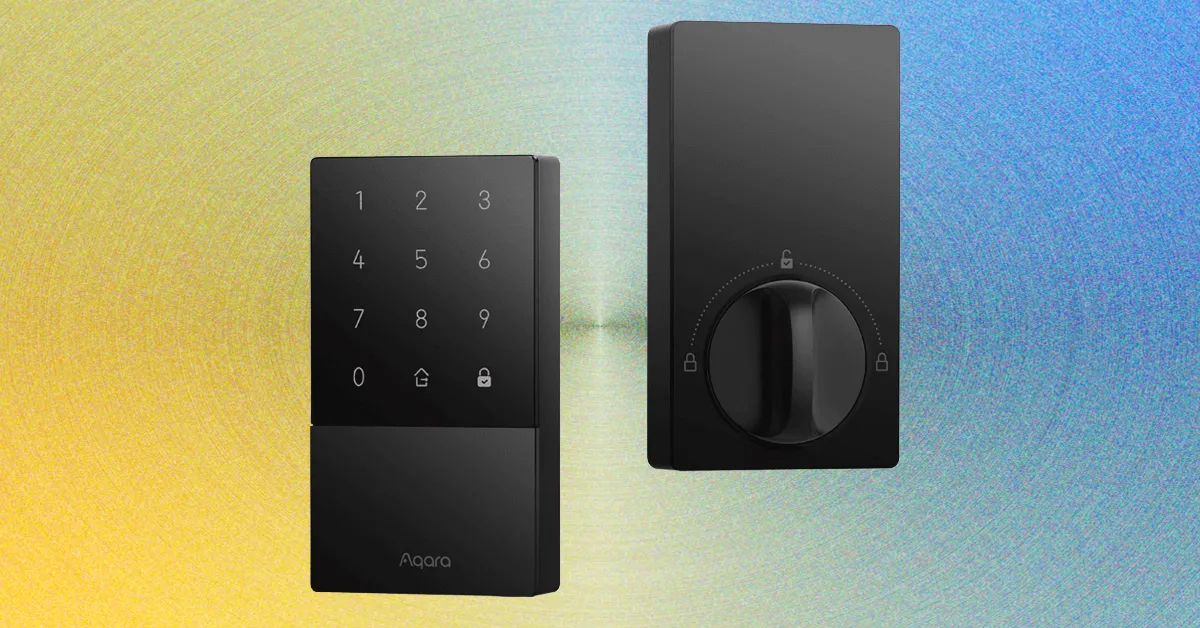
Furthermore, the industry is witnessing a surge in “invisible” upgrades—smart devices that enhance functionality without altering home aesthetics. Products like Yale’s Approach Lock and Chamberlain’s MyQ Smart Garage Controller exemplify this trend, allowing homeowners to upgrade security and convenience discreetly. Such innovations are disrupting mechanical hardware markets, compelling traditional lock and garage door manufacturers to pivot towards smart, retrofit solutions that require minimal hardware changes.

This shift towards discreet, powerful smart integrations portends a future where home automation becomes an unseen yet essential component of home infrastructure. Analysts suggest that with consumer preference leaning towards seamless, unobtrusive tech, the industry must innovate boldly to stay relevant, and those firms that lead in aesthetic-utility integration will dominate.

The Road Forward: Urgency and Opportunity

As the smart home ecosystem expands, the urgency for companies to pursue rapid innovation grows. The disruption of traditional markets, fueled by sleek and affordable solutions, spells opportunity for disruptive startups and established giants alike. With industry pioneers leveraging AI, IoT, and aesthetic design to redefine user expectations, the next decade promises unprecedented transformation. Stakeholders must act swiftly; the future belongs to those who innovate at the intersection of form, function, and disruption.

In conclusion, the smart home revolution’s momentum underscores an industry in flux—where disruption is no longer optional but imperative. The ongoing integration of stylish, intelligent devices signals a new era: one where technology enhances home life invisibly yet profoundly. Those who seize these opportunities now will shape the future landscape of home automation, setting the pace for a smarter, more connected world.

Fi Mini for Cats: The Smart Gadget Every Pet Parent Needs to Stay Connected

Progress in Pet-Tech: How Fi Is Disrupting the Monitoring Market

In an era where technological innovation continues to reshape industry standards, the emergence of advanced pet-tracking solutions such as Fi‘s latest devices signals a significant disruption within the broader health and safety technology sector. Priced competitively with flexible subscription plans—ranging from monthly to biennial options—Fi leverages streamlined business models and aggressive discounting strategies to capture a growing segment of tech-savvy pet owners. As industry leaders like Gartner predict, companies that integrate smart connectivity and user-centric design will dominate emerging markets. This presents an opportunity for incumbents and startups alike to harness innovation for competitive advantage.

At the core of Fi’s disruptive appeal is its focus on device innovation and system disruption. The tracker utilizes a USB-C charge port, promoting ease of use and quick energy replenishment, with battery life extended through a dedicated Base module that reduces power drain by connecting via Bluetooth. Such features exemplify disruptive innovations that can redefine hardware standards, as analyzed by MIT’s latest research on IoT device energy efficiency. The device’s ability to last up to six weeks on a single charge represents a milestone in pet-tech, although user experiences suggest three-week operational norms—highlighting a need for ongoing refinement.

Business implications of these developments extend beyond hardware. By integrating subscription models, discounting, and multi-pet discounts, Fi is innovating how pet safety services are packaged and sold. The companion app, which requires user setup of pet profiles—detailing factors like breed, weight, and photo—epitomizes a broader trend of data-driven personalization. Given the ascendancy of connected devices, the market shift towards comprehensive, app-enabled solutions reflects a fundamental transformation in how consumers value real-time location accuracy. However, notable limitations persist; for example, the tracker’s minimum safe zone size may limit effectiveness in densely populated urban environments, as experienced by users in Brooklyn with indoor-only cats. Such gaps underscore both the promise and the challenges faced by the industry—challenges that companies like Fi must navigate to maintain leadership and innovate further.

Future Outlook: From Pet Tracking to Broader Disruption

As disruption continues to ripple through the pet-tech industry, the implications for other sectors poised at the nexus of AI, IoT, and connectivity are profound. Industry analysts endorse the perspective of visionaries like Elon Musk and Peter Thiel, who emphasize the importance of rapid innovation and market agility. Incremental improvements in hardware and software, combined with strategic business models, are expected to catalyze new revolutions. The question remains: Will companies like Fi pioneer the next wave of connected health and safety solutions—spanning personal security, smart cities, and beyond?

In this dynamic landscape, staying ahead requires relentless innovation, strategic deployment, and an acute understanding of user needs. The race for dominance in the connected device market is not just about hardware but also about fostering ecosystems that anticipate future demands. Tech leaders and entrepreneurs must act swiftly—timing is critical. For those who succeed, the future will be defined by disruption, opportunity, and the relentless pursuit of smarter, safer solutions for consumers worldwide.

AI Device Plan Leaks: Smart Glasses and Earbuds on the Horizon for the Youthful Tech Crowd

London’s Nothing Eyes Disruption with Upcoming Smart Glasses Launch

The smartphone and audio gear startup Nothing, renowned for its sleek design and innovative approach, is gearing up to revolutionize wearable technology with the imminent release of its first pair of smart glasses. According to Bloomberg, the company plans to debut these devices as early as next year, positioning itself to shake up the market once again. While initial resistance from CEO and co-founder Carl Pei was evident—initially dismissing smart glasses as a niche—the company’s strategic pivot reflects a broader industry trend: hardware companies must innovate with AI and multi-device ecosystems to stay competitive.

The move toward integrated wearables is further underscored by Nothing’s upcoming release of AI-enhanced earbuds, slated for later this year. This aligns with Pei’s renewed vision to diversify beyond traditional smartphones and audio products, embedding AI deeply into Nothing’s hardware and software architecture. Historically, industry leaders like Apple and Google have set the precedent for multi-device ecosystems—Now, emerging players like Nothing are looking to disrupt this paradigm by combining accessible design with cutting-edge AI capabilities. This approach taps into consumer demand for seamless, AI-driven experiences, transforming ordinary devices into intuitive, context-aware tools.

Strategic innovation in hardware and disruptive AI functionalities are critical themes anticipated to define the cutting edge in consumer technology. Companies that fail to adapt risk obsolescence, warned Gartner analysts in their recent reports, emphasizing the accelerating pace of disruption brought about by AI integration in everyday devices. As Nothing explores the frontier of AI-powered mini apps and smart accessories, the industry is witnessing a decisive shift: hardware is becoming the new software battleground. Industry insiders note that the company’s recent launch of AI tools for creating mini apps exemplifies its innovation momentum. Such features could unlock new revenue streams and elevate user engagement, forcing established giants and startups alike to rethink their own strategies.

Looking forward, experts like Elon Musk and Peter Thiel emphasize the urgency for businesses to adopt AI-driven hardware to unlock disruption at scale. With Nothing demonstrating a clear roadmap—combining sleek hardware, sophisticated AI, and multi-window ecosystems—the industry is on the cusp of a new era. The market shift toward integrated, AI-enabled wearables signals a competitive landscape where speed, innovation, and agility will determine winner-takes-all dominance. As competitors scramble to innovate, the next 12-24 months will be critical for organizations seeking to carve out their niche in the evolving tech ecosystem. Those that embrace AI-driven hardware acceleration and multi-device synergy will not only survive but lead the charge into the future of consumer electronics.

Smart Tips for Buying Used & Refurbished Gear in 2026

Revolution in Tech: The Rise and Disruption of Refurbished Electronics

In an era marked by true innovation and disruptive market shifts, the refurbished electronics industry is emerging as a vital force reshaping consumer habits and global supply chains. As the demand for high-quality, yet affordable devices intensifies, companies like Apple and Dell are leading the charge by certifying and offering robust warranties on their refurb products, sweeping aside traditional notions of secondhand tech being inherently inferior.

This burgeoning segment signifies a paradigm shift in sustainability and consumer empowerment. Industry analysts from Gartner highlight that the market for refurbished tech is projected to grow significantly over the next decade, driven by consumer desires to access premium devices at a fraction of the original cost. Larger firms are leveraging innovation in testing and repair technology, streamlining refurbishment processes, and integrating stricter quality controls—factors that disrupt established goods’ lifecycle management and challenge new-device dominance. Such shifts are not only eco-conscious but also represent a strategic divergence from heavy reliance on frequent new product launches, offering a more resilient and economically sustainable model for business.

More importantly, the business implications extend far beyond consumer savings. The push toward certified refurbishment channels and warranty-backed products could radically alter supply chain dynamics, fostering a secondary market that reduces e-waste and extends the lifespan of existing devices. Industry experts like Elon Musk and Peter Thiel have publicly emphasized the importance of disruption in hardware sustainment and reuse, promising a future where technology’s environmental footprint is minimized while maximizing the economic return for manufacturers and consumers alike. As these pioneers advocate for a new breed of ‘circular economy’ models, the tech industry faces pressing urgency to innovate or risk losing market relevance.

Moving forward, stakeholders—ranging from manufacturers to consumers—must prioritize rigorous testing, transparent grading systems, and robust warranties to capitalize on this shift. The strategy involves not only embracing innovation in refurbishment but also rethinking how value is generated in the tech ecosystem. With industry giants advancing aggressive certification standards, and the market for premium, certified pre-owned devices expected to expand, the industry stands on the cusp of a transformative epoch. The question remains: will today’s tech giants adapt quickly enough or fall behind in a fiercely competitive and environmentally conscious market? With the pace of technological evolution accelerating, those who act decisively will shape the future landscape, where innovation, sustainability, and disruption become the new pillars of success.

Fresh leaks: Apple’s smart home display arriving this fall alongside iOS 27

Apple Delays Launch of Revolutionary HomePod with Integrated Screen and Robotics-Driven Devices

In a significant pivot within the smart home and consumer device sectors, Apple Inc. has postponed the highly anticipated “HomePod with a screen” from its initial launch window of 2025 to an unspecified fall timeframe. This delay, confirmed by industry leak sources such as X insider Kosutami and echoed by Bloomberg journalist Mark Gurman, signals a strategic hold as Apple recalibrates its entrance into the burgeoning intelligent home market amidst evolving AI and virtual assistant capabilities. The device, which has been shrouded in secrecy, is reportedly a sleek, silver aluminum-cased gadget featuring a 7-inch display, utilizing a custom version of tvOS 27 and powered by USB-C—a clear move to unify its ecosystem under a more flexible port standard.

This delay is not isolated but part of a broader, phased rollout of innovative products aimed at disrupting the traditional consumer electronics market. Alongside the HomePod refresh, Apple is also revamping its lineup of smart home products, including a new version of the Apple TV 4K, and a smart home sensor currently in development. These devices are expected to leverage the latest advances in artificial intelligence and machine learning to offer enhanced automation, security, and seamless integration within the Apple ecosystem. The upcoming devices are anticipated to run on future OS updates—iOS, macOS, and tvOS—set to debut in 2027, aligning with Apple’s broader strategy to position itself as an indispensable hub in every connected home.

The planned introduction of a robot arm-equipped device, initially projected for this year, has now been postponed until 2027, underscoring the company’s cautious approach amid ongoing AI advancements and supply chain considerations. Industry analysts from institutions like Gartner highlight that these disruptions, although initially frustrating, create opportunities for disruptive innovation. Apple’s focus on integrating AI-driven features and hardware versatility could redefine user engagement in smart living spaces, propelling it ahead of competitors like Amazon and Google in the smart speaker and home automation sectors.

The business implications are profound: Apple’s strategy to stagger product launches—covering foldable iPhones, updated software, and smarter home devices—indicates a conscious effort to maximize market impact and maintain exclusivity in a rapidly saturated market. By aligning product timelines with AI and Siri enhancements, Apple is reinforcing its vision to become the central control point for digitally interconnected households.

  • Enhanced AI integration for personalized user experiences
  • Expansion into sensors and automation for smarter homes
  • Continued ecosystem lock-in to boost hardware and service revenue

Such moves collectively underline a broader industry shift towards disruptive innovation—where hardware becomes secondary to end-to-end smart environments driven by AI. As industry experts from MIT to Peter Thiel warn, the next decade will favor companies that can rapidly iterate on AI-powered hardware while maintaining ecosystem lock-in, a game-changing power play.

Looking ahead, the postponement of these flagship devices signals both challenges and massive opportunities. Apple’s cautious approach ensures it can deliver polished, AI-driven experiences capable of disrupting entrenched players, but it also presses the urgency for startups and incumbents to accelerate their innovation cycles. As AI continues to evolve from a supportive role to a core strategic asset, the next 12-24 months will be crucial in defining who dominates the smart home and consumer tech landscape—and those who fall behind risk being swept away by the relentless tide of technological disruption.

Plug In & Power Up: Smart Tips to Run Ethernet Cables Like a Pro and Keep Your Setup Clean

Revolutionizing Home and Tech Installations: The Disruption in Cable Management Solutions

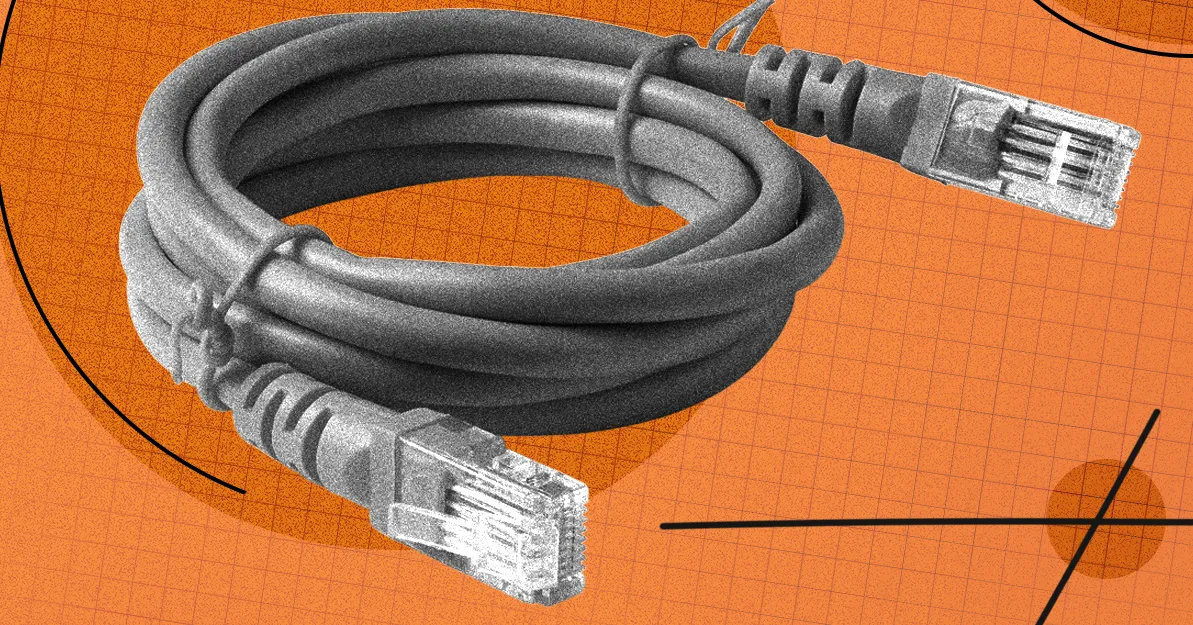
In an era marked by rapid technological advancement and a relentless pursuit of sleek, efficient environments, the traditional art of cable management is undergoing a profound transformation. Leading companies like Alex Tech and D-Line are spearheading innovation with modular solutions such as reusable cable ties, mesh sleeves, and customizable trunking systems. These new offerings are not only democratizing access with affordability—evident in budget-friendly bundles of 60 reusable ties for just $7—but are also redefining what disruption in infrastructure hardware looks like, especially for the young, tech-savvy demographics eager to optimize their spaces for a clutter-free aesthetic.

This wave of innovation is set to redefine industry standards, as manufacturers introduce adaptable products aimed at simplifying complex technical setups. For example, cable sleeves that double as mesh covers enable users to easily add or remove cables, streamlining iterative upgrades. Such features challenge the once-inevitable chaos of wiring, promising more than superficial convenience—they herald a paradigm shift in how data and power delivery infrastructure is integrated into modern lifestyles. Meanwhile, experts from Gartner emphasize that these modular systems allow for scalable, future-proofing installations, making them essential in both consumer and enterprise contexts. This disruption echoes the vision Elon Musk advocates—where technology seamlessly integrates into daily life, eliminating obsolescence and maximizing utility.

  • Utility and Affordability: Budget options like a 60-pack of reusable ties for $7 revolutionize cost structures in DIY projects.
  • Modular Design: Sleeves and trunking systems facilitate quick installation, easy access, and adaptability, posing a direct challenge to traditional, permanent wiring methods.
  • Design Aesthetics: Trunking and crown molding innovations allow aesthetic concealment, turning functional wiring into a design feature, thus aligning technology with modern interior trends.

Implications for Business and Industry Disruption

The implications extend beyond consumer convenience; established industries face a critical inflection point. By integrating these innovative solutions, service providers and contractors could drastically reduce installation times and costs, paving the way for faster deployment of smart homes and commercial infrastructure. The disruption is compounded by the emergence of DIY-focused product lines, positioning startups like Alex Tech as formidable competitors against legacy electrical and telecommunication firms.

Analysts from MIT’s Media Lab suggest that such modular systems catalyze a new era of “distributed infrastructure”, where individuals are empowered to maintain and upgrade their own environments without relying on costly professional interventions. This democratization of technological upgradeability is comparable to the disruptive impact of open-source software, where community innovation outpaces traditional corporate R&D. As industry giants scramble to adapt, the urgency for established players to innovate or risk obsolescence has never been more pressing. The clock is ticking for legacy providers to embrace these disruptive technologies or become relics as the industry pivots towards smarter, more adaptable, and aesthetically pleasing wiring solutions.

The Road Ahead: Embracing Disruption

Looking forward, the trajectory of cable management innovation indicates a future where intricate wiring is no longer hidden but becomes an integral part of interior design, facilitated by high-tech solutions that are robust, scalable, and affordable. The adoption of flexible fiberglass rods, paint-matching trunking, and concealed wiring techniques points towards a landscape that favors sustainability, ease of upgrade, and sleek aesthetics. Industry leaders who recognize these shifts and proactively incorporate these innovations will gain competitive advantage in a marketplace that demands agility and sophistication.

In summation, disruption in cable management isn’t merely about tidiness; it reflects a broader paradigm shift where technology’s integration into daily life becomes more intuitive and design-conscious. As venture capital flows into startups pioneering these solutions and industry giants begin to pivot, the urgency for innovation intensifies. Stakeholders who act swiftly can capitalize on this revolution by aligning business models with the bold future of infrastructure—one that is flexible, affordable, and disruptive by design. The future belongs to those who recognize the signs of this transformation now, transforming cluttered chaos into seamless efficiency and aesthetic excellence.

Google Pixel 10a: Smart Budget Choice for Young Tech Fans

Google Pixel 10a: A Mid-Range Smartphone That Disrupts Expectations

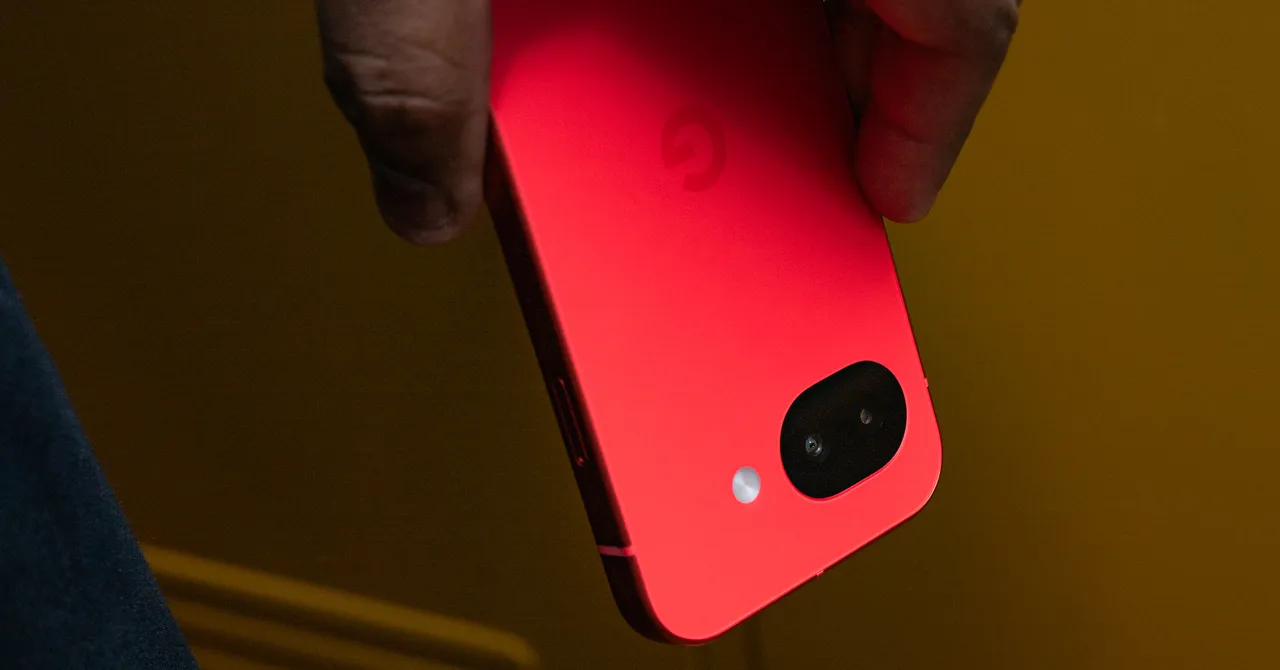
In the rapidly evolving world of mobile technology, Google continues to push boundaries with its latest release, the Pixel 10a. While the device features an incremental upgrade over its predecessor, notably housing the same Tensor G4 chipset paired with 8 GB of RAM, its significance lies in how it balances advanced features with affordability. Priced at approximately $599, the Pixel 10a succeeds in bridging the gap between premium smartphones and budget-friendly devices, challenging entrenched industry giants such as Apple and Samsung. As the smartphone market intensifies, this strategy underscores a broader trend—fostering innovation that disrupts traditional pricing models and democratizes access to cutting-edge technology.

One of the key areas where Google’s new model exemplifies disruption is in camera technology. The Pixel 10a maintains a dual-camera system with a 48-MP main sensor and 13-MP ultrawide lens, delivering photo quality that’s competitive with higher-end models. This capability, complemented by natural color reproduction and sharp details, signifies a shift towards delivering premium photo experiences on mid-range devices. Despite some minor white balance issues, the overall photographic performance positions Google as a formidable contender in mobile imaging—a market segment traditionally dominated by flagship models. Notably, industry analyst firms like Gartner have highlighted that the camera remains a critical differentiator in consumer purchasing decisions, thus making Google’s investments in this area a strategic move for market disruption.

Moreover, Google’s emphasis on smart software and AI-powered features signals a tilt towards value-driven innovation. Even with the same Tensor G4 chip, Google’s software enhancements facilitate seamless AI tasks, handling demanding applications with minor lag—an aspect that many competitors neglect in their mid-tier devices. Experts from MIT’s Media Lab emphasize that true innovation increasingly hinges on software capabilities, where AI ecological integration unlocks new possibilities for user engagement. Google’s approach, therefore, is not merely about hardware specifications but about creating an ecosystem that leverages AI as a core differentiator, an industry trend accelerated by Musk’s Neuralink and other AI giants pushing the envelope.

From a business perspective, Google’s strategy of offering a competitively priced device with high-value features represents a major challenge to the industry’s status quo. This industry shift signifies that consumers no longer need to pay flagship prices for innovative features, fundamentally altering market dynamics. The Pixel 10a’s success could prompt established leaders like Apple and Samsung to revisit their premium pricing strategies, chaotic with their flagship-only ecosystems. Additionally, Google’s focus on software and AI as key value drivers encourages other players to double down on AI-enhanced user experiences rather than just hardware upgrades.

Looking ahead, the smartphone industry stands at a pivotal juncture. The Pixel 10a exemplifies how disruptive innovation can redefine competitive landscapes—favoring agility, affordability, and ecosystem integration. As younger consumers become more discerning and demand more value, the industry must adapt rapidly or face obsolescence. With Google’s relentless push for smarter, more accessible technology, the future of mobile devices promises a landscape where innovation is not solely defined by hardware but by how seamlessly AI and software transform user experience—urging industry leaders and newcomers alike to keep a keen eye on emerging trends that could upend traditional business models. Ultimately, the message is clear: those who innovate intelligently and disrupt the market’s norm will shape the next era of technological dominance.

OpenAI Launches ChatGPT Ads: The Future of Smart Living Starts Now

The Future of AI and Advertising: OpenAI’s Bold Step

In an era where digital giants are continuously reshaping how we interact with technology, OpenAI has taken a notable leap forward by introducing ads inside ChatGPT. Since its inception in 2022, ChatGPT has largely operated as a distraction-free zone, prized for its pure AI-driven conversations and its anti-clutter approach. However, with this recent rollout, the landscape is shifting. Now, users are faced with a choice: embrace the new, more commercialized AI experience or opt-out in favor of a cleaner, ad-free interface. This move is emblematic of a larger trend where tech innovation is increasingly intertwined with monetization, raising questions about what it means for our future interactions with AI.

The move is not just about generating revenue; it signals a broader cultural impact on how society perceives and consumes content. Critics argue that introducing advertising into a platform like ChatGPT could erode the trust and authenticity that have made it so appealing to young users seeking a genuine, distraction-free learning tool. Yet, OpenAI is banking on a strategy that emphasizes transparency and user choice. Users who prefer to keep their experience free of sponsored content can opt for higher-tier paid plans or choose to opt out of ads altogether, including the ability to control how their data is used for ad targeting. This approach reflects an understanding that today’s digital consumers value agency in their online experience — they want control over how their data is used, especially when it comes to the AI companions they increasingly depend on.

Influencers and sociologists see this move as part of a broader societal shift. According to tech analyst Matt Vella, adding ads into AI tools like ChatGPT “foreshadows a future where AI becomes not just a tool but a marketplace, blurring the lines between utility and commerce.” Meanwhile, platforms like Anthropic have responded with satire, actively mocking the idea through high-profile campaigns like their Super Bowl LX ad, which staged conversations abruptly pivoting into sales pitches. These responses highlight that the social relevance of this trend isn’t lost on the public: it’s a reflection of a society grappling with the rise of corporate interests in spaces once viewed as sanctuaries for genuine human-AI collaborations.

This tension raises a pivotal question for the future of AI-powered services: as platforms increasingly embed advertising into their core functions, will users begin to see AI as an extension of the commercial landscape or as a trustworthy partner in their daily lives? The next big question we should be asking isn’t just about how AI will evolve but about what kind of digital world we are creating for ourselves and future generations. Is this shift toward a hybrid model sustainable, or are we walking into a new era where personalized AI assistance becomes always-already intertwined with advertising and commercial interests? As these questions unfold, one thing is clear: the future of AI is as much about societal values as it is about technological innovation.

Dyson Deals: WIRED’s Pick for Sleek Pet Vac & Smart Air Purifier Heater

Dyson’s Winter Sale Signals Innovation and Market Disruption in Smart Home Appliances

In an era where technological innovation is reshaping household environments, Dyson continues to establish itself as an industry leader with game-changing products that blend high-performance hardware with smart functionalities. This winter, Dyson’s strategic pricing on premium vacuums and air-treatment devices, including discounts exceeding $350 on flagship models, exemplifies how disruptive business models are disrupting traditional retail paradigms. The timing of these sales coincides with a broader industry shift towards integrated, IoT-enabled appliances, pressing competitors to innovate faster or risk obsolescence.

The Dyson V11 and Gen5 Detect pet hair vacuums, along with the premium HP01 Hot + Cool purifier-heater, are demonstrating the tangible benefits of innovation-driven differentiation. Industry analysts from Gartner and MIT emphasize that such products are not merely appliances—they represent the convergence of AI, sensor technology, and user-centric design. With features like accurate thermostats, monitoring apps, and aesthetics that appeal to tech-savvy youth, Dyson’s devices are disrupting the market’s traditional reliance on legacy brands and low-cost imports. This disruption forces incumbents to either accelerate their R&D efforts or cede market share to specialized, premium players—an industry dynamic Peter Thiel’s venture insights underscore as “the power law of innovation”.

  • Key features fueling disruption include: adaptive sensing technology, air quality monitoring, seamless app integration, and eco-efficient power consumption.
  • Pros for consumers: enhanced convenience, improved air and hygiene, and future-proofed hardware with software updates.
  • Business implications: brands adopting IoT-enabled health tech could escalate profit margins while commanding premium pricing—an enticing prospect for investors and entrepreneurs alike.

Notably, industry experts point to Dyson’s strategic integration of IoT as a blueprint for future market success. As Elon Musk and others have asserted, the era of “dumb” gadgets is waning; innovation must be coupled with disruption to redefine consumer expectations. Dyson’s use of sensor-rich devices that monitor pet hair accumulation or air quality exemplifies the trend—pushing competitors to reconsider the very essence of what a household appliance can deliver. Institutions like Gartner forecast that by 2030, most high-end home gadgets will incorporate AI and real-time data analytics, transforming the industry from simple hardware to personalized, predictive environments.

Looking ahead, the combination of disruptive innovation and strategic pricing—particularly during major consumer-sale events—signals that agility in product development and pricing strategies are crucial for staying ahead in this dynamic landscape. As the market consolidates around smart, connected appliances, startups and legacy brands face mounting pressure to invest heavily in R&D or risk being overshadowed by new contenders leveraging digital transformation. The race for market dominance in this space has become a matter of speed and agility, pressing the entire industry into an innovation arms race that shows no signs of slowing.

In conclusion, Dyson’s current sales are more than temporary deals—they mark a pivotal moment for an industry on the cusp of significant transformation. With consumers demanding smarter, more efficient, and stylish appliances, the future belongs to those who blend innovation with disruptive business models. Stakeholders who recognize and act on this shift today will shape the household ecosystems of tomorrow, where agility, AI, and consumer-centric design dominate the landscape. The countdown has begun—technology leaders and entrepreneurs must accelerate their innovation cycles and business strategies if they are to stay relevant and competitive in this rapidly evolving market.

Smart AI Notetakers: Boost Your Meetings with Seamless Recording & Transcription

Emerging AI Notetaking Devices Signal Disruption in Productivity Tech

In a rapidly evolving landscape of professional productivity tools, the advent of physical AI notetakers is positioning itself as a transformative force—challenging traditional methods of recording, transcribing, and analyzing conversations. These devices, ranging from sleek credit-card-sized gadgets to wearable pins and pendants, incorporate state-of-the-art AI and miniaturization, offering seamless integration into everyday professional routines. Major players like Plaud, Mobvoi, and Comulytic are leading the charge, revealing a new paradigm where disruption is just beginning to reshape business communication and knowledge management.

The innovation driving this shift is evident in the broad array of features embedded in these devices. For instance, Plaud Note Pro packs a small screen, four microphones, and the ability to record audio within a three- to five-meter radius, accommodating both in-person and call recording with remarkable flexibility. Priced at just $179, it offers 300 minutes of free transcription monthly, emphasizing affordability without sacrificing performance. Similarly, Mobvoi TicNote leverages real-time transcription and translation support for over 120 languages, with 25 hours of continuous recording and overlay functionalities like automatic highlight extraction and summary creation—tools that redefine how youth and professionals alike capture and analyze discussions.

From a business perspective, these innovations signal a disruptive wave targeting traditional note-taking and manual transcription sectors. Companies like Comulytic stand out by offering unlimited, subscription-free transcription for just $159, a stark contrast to SaaS-based models that often impose recurring fees. Moreover, Omi Pendant and Viaim RecDot emphasize versatility and integration, with open-source hardware and app support, fostering a developer ecosystem that could rapidly accelerate industry adoption. These devices collectively are setting a new industry standard—one that prioritizes disruption of incumbents and the future of real-time, accessible, and portable AI-driven knowledge capture.

Experts from Gartner and MIT highlight that the market for AI-enabled productivity devices is poised for exponential growth, driven by widespread remote work, the push for automation, and the demand for smarter AI assistants. Elon Musk and Peter Thiel have emphasized the importance of innovation in hardware and AI synergy, foreshadowing a future where such tools will be essential for competitive advantage. As these technologies grow more sophisticated—integrating live translation, intelligent summarization, and customizable workflows—the potential for business disruption extends beyond note-taking into areas like legal documentation, education, and even military communications. The urgency for organizations to adapt arises from the convergence of this technological momentum with rapid market adoption, making these AI notetakers not just gadgets, but catalysts of a foundational shift in how information is gathered and processed.

The future seems clear: those who leverage these disruptive innovations early will command a significant strategic advantage. The ongoing miniaturization, software extensibility, and multi-language support portend a massive leap forward in productivity tools—possibly rendering traditional note-taking obsolete. As industry figures and tech giants continue to refine these devices, the window to capitalize on this wave of disruption narrows, underscoring the urgency for forward-thinking organizations and youth entrepreneurs to stay ahead of the curve and harness the full potential of AI-driven hardware innovations.

Social Media Auto Publish Powered By : XYZScripts.com