Matox News

Truth Over Trends, always!

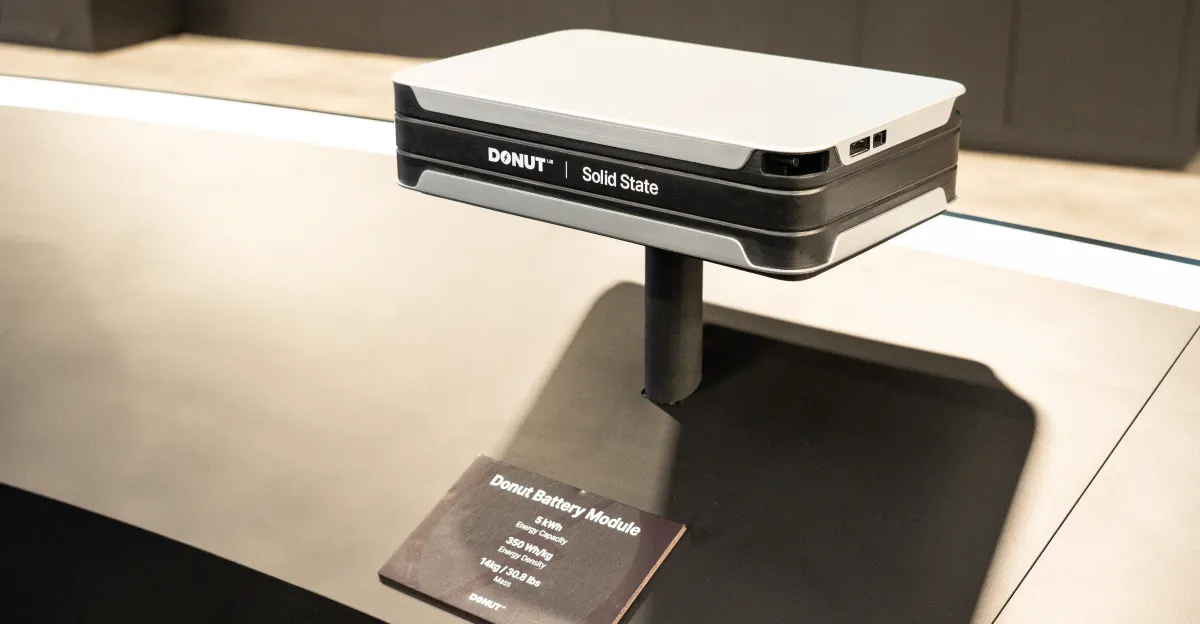
Donut Lab’s new battery tech hits a snag after damage—hope for durability remains in question

Disruption in Energy Storage: Donut Lab Demonstrates Promising Safety in Solid-State Battery Testing

In a bold stride towards disrupting the electric vehicle (EV) and energy storage sectors, Donut Lab has released initial results from rigorous testing of its innovative solid-state battery. The tests, conducted by VTT Technical Research Centre in Finland—renowned for their extensive battery research—mark a crucial milestone in the pursuit of safer, more durable energy solutions. While traditional lithium-ion batteries have long grappled with safety concerns and limited cycle life, Donut’s latest experiments suggest that its proprietary technology could herald a new era of resilience and longevity.

During targeted high-stress simulations, the battery was subjected to conditions designed to mimic extreme real-world scenarios, including high temperatures and physical damage. Notably, the pouch encapsulating the battery lost its vacuum seal during the heat tests, a condition known to induce thermal runaway—an event that can cause fires or explosions in conventional lithium-ion cells. While the damage led to a significant capacity degradation—down from 24.7 Ah to approximately 11.2 Ah—public statements from Donut emphasize that the battery “fails gracefully,” avoiding catastrophic failures such as fire or thermal runaway. This safety profile starkly contrasts with the risks associated with traditional lithium-ion batteries, which remain vulnerable under similar conditions.

Implications for Industry and Market Disruption

The results underscore the potential for solid-state batteries like those developed by Donut to catalyze a fundamental shift in markets spanning EVs, portable devices, and renewable energy storage. Experts such as Gartner analysts highlight that solid-state technology’s disruption could dramatically lower safety concerns, reduce manufacturing costs, and extend product lifespans—addressing longstanding barriers that have hindered widespread adoption of battery-powered solutions. The company claims its batteries could endure up to 100,000 cycles—an astonishing figure translating to roughly 270 years—far surpassing the 1,000-2,000 cycles typical for current EV batteries.

  • Advantage: Significantly increased cycle life implies longer-lasting batteries, reducing waste and costs.
  • Innovation: Solid-state architecture inherently prevents liquid electrolyte failures, enhancing safety and performance.
  • Potential: Disrupts market dominance of traditional lithium-ion giants by providing safer, more durable solutions.

However, critical questions remain, especially regarding the long-term performance under repeated charge-discharge cycles, a test that remains unverified at this stage. The industry watches closely as Donut approaches this milestone, as iterative aging tests will determine whether this promising prototype can withstand real-world demands. As MIT researchers and tech analysts warn, the transition from promising lab results to commercial viability remains an arduous journey, often fraught with scaling and manufacturing hurdles. Nonetheless, the trajectory of Donut Lab’s innovation hints at a future where safer, longer-lasting batteries could redefine mobility and energy use worldwide.

The Road Ahead

As investment flows into next-generation energy storage, accelerated adoption of solid-state technology appears inevitable. Industry leaders such as Tesla and Apple are racing to develop their own versions, recognizing the game-changing potential of these batteries in creating more reliable and safer devices. The recent tests by Donut Lab serve as a stark reminder of the urgent need for technological disruption—stability, safety, and longevity are no longer optional but imperative in shaping the future energy landscape.

The next phase will be critical: validating long-term cycle durability and manufacturing scalability. If Donut’s claims hold true, the traditional battery paradigm will be irrevocably altered, ushering in an era dominated by innovation, disruption, and strategic advantage for those who lead the charge. The race to dominate this emerging market is on, and the future belongs to the agile, the daring, and the forward-thinking.

Netflix set to snag Warner Bros.: The 5 hottest properties joining the streaming giant

Netflix’s $82.7 Billion Power Play: Redefining the Cultural Landscape of Entertainment

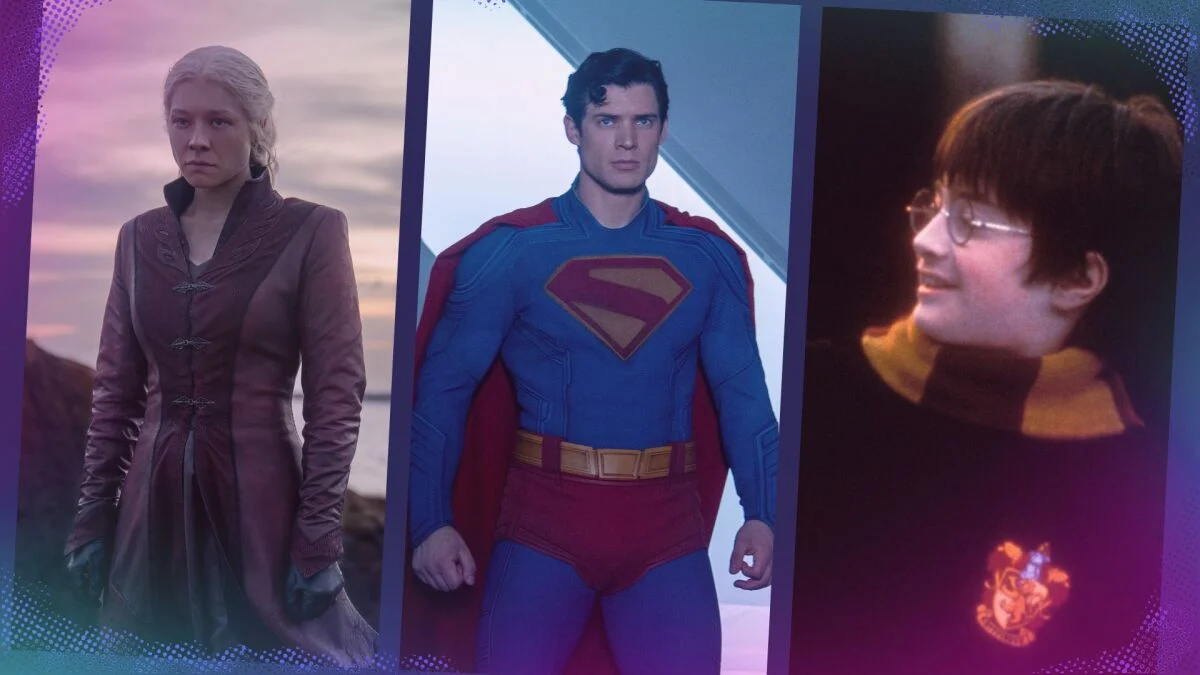
In an unprecedented move that’s sending shockwaves through the entertainment industry, Netflix recently announced the acquisition of Warner Bros. for a staggering $82.7 billion. This strategic buyout grants the streaming giant ownership of a vast array of media assets, including legendary film and TV studios, as well as iconic franchises like Harry Potter, DC Comics properties, Game of Thrones, and Looney Tunes. This deal signifies more than just a business maneuver; it marks a pivotal shift in how youth culture consumes and interacts with entertainment, blending nostalgia with emerging digital trends.

One of the most immediate impacts of this acquisition is the consolidation of beloved franchises into a single digital ecosystem. The Harry Potter saga, which has enchanted generations for decades, will now be under Netflix’s umbrella, securing the rights to all eight movies and the upcoming HBO series scheduled for 2027, which continues to stir debate amid J.K. Rowling’s controversial social statements. This move not only promises to revitalize Harry Potter’s cultural footprint but also raises questions about the power dynamics of fandom and cancel culture, as critics and fans alike grapple with the creator’s complex legacy. Meanwhile, the DC Universe and Game of Thrones—with their massive, dedicated audiences—are poised to be reimagined, tested, or expanded on Netflix’s platform, potentially turning the streaming service into the new Iron Throne holder.

The Cultural Resonance of Iconic Franchises

This move is more than just a business strategy; it’s a reflection of the shifting sands of pop culture, where franchises shape social identities. Young viewers now consume content that blurs the lines between entertainment, nostalgia, and social activism—sometimes in conflicting ways. For instance, the Harry Potter series remains a cultural touchstone, but the ongoing controversy surrounding J.K. Rowling’s comments has intensified debates about authenticity versus responsibility in fandom. Similarly, the Game of Thrones universe continues to expand, offering fresh narratives within Westeros that are likely to influence social discourse, identity politics, and fan engagement for years to come.

With this merger, Netflix isn’t just expanding its catalog; it’s redefining the social relevance of these franchises. These stories now serve as platforms for cultural conversation, where issues of representation, legacy, and social responsibility intersect with blockbuster entertainment. Experts like media sociologists suggest that in this era of digital activism, franchises wield substantial social influence, acting as both escapism and catalysts for societal change. The question that looms, however, is whether Netflix can succeed as a steward of these cultural icons—preserving their integrity while also innovating them for new generations.

The Next Chapter in an Evolving Ecosystem

While the acquisition cements Netflix’s status at the top of the streaming hierarchy, it also invites a profound question about the future of entertainment consumption: Will this convergence of old and new media signal a shift toward a more unified cultural experience, or will it intensify competitive fragmentation as other players seek to carve out their own legacy? As Netflix becomes the custodian of these the stories that shaped much of modern youth culture, the next big challenge lies in navigating how to keep these franchises relevant in a rapidly changing digital landscape. Will they serve as enduring cultural touchstones, or will they be co-opted and commercialized to an unsustainable degree?

As the landscape continues to evolve, one thing remains clear: this acquisition is not just a business transaction but a cultural realignment that questions the very future of entertainment, legacy, and social relevance. The next big question for both creators and consumers is whether these iconic stories will be used to foster genuine cultural dialogue or simply become commodities in a relentless pursuit of streaming dominance.

Snag the Bose QuietComfort Ultras for just $284—Save $145 for a limited time and stay ahead in style and sound!

The New Wave of Lifestyle: How Tech Deals Shape Our Cultural and Social Landscape

In a world pulsing with constant innovation, consumer technology trends continue to redefine the way younger generations connect, work, and entertain. This season, the buzz is centered around not only groundbreaking products but also a societal shift driven by massive online deals and the desire for the latest gadgets at irresistible prices. Amazon’s recent Prime Big Deal Days exemplifies this cultural phenomenon, with hundreds of deals reaching record lows and symbolizing a new form of digital lifestyle ownership that’s increasingly tied to social status and personal expression.

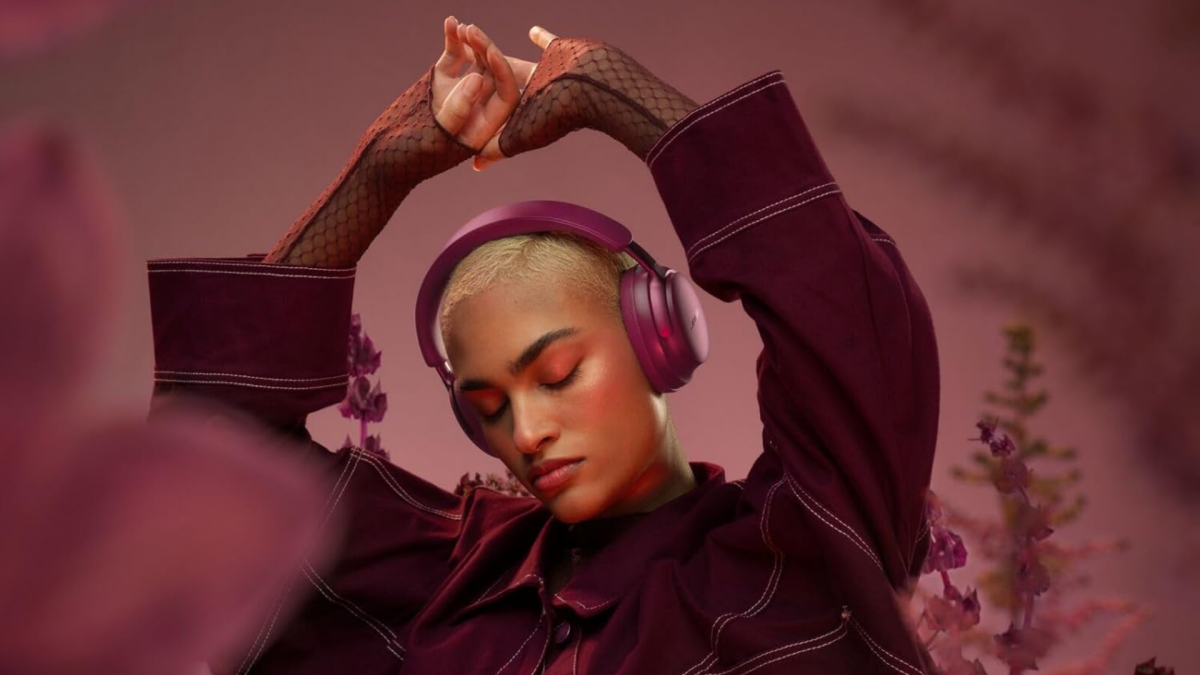
At the forefront of these trends are products like the Bose QuietComfort Ultra headphones. For the first time ever, the ultra-premium headphones have dipped below $300—specifically, a stunning $145 discount to just $284. The fact that this deal is available only in the Deep Plum color further highlights how brands are now cultivating a sense of exclusivity and individual style, resonating deeply with a generation eager to showcase personal identity through choice of accessories. These headphones aren’t just tools for better sound; they symbolize a societal shift toward prioritizing comfort, quality, and personalized aesthetics. As reported by influencers and tech analysts, this confluence of luxury and affordability is transforming how youth perceive their everyday tech, making it an extension of their #personalbrand and social currency.

This evolving lifestyle is underscored by a broader trend: the integration of high-tech gadgets into everyday life as social symbols. Leading sociologists argue that these tech purchases are serving a dual purpose—enhancing personal productivity while serving as a statement of modern identity in a digital age. The days of simply owning gadgets are fading; now, early adopters and trendsetters look for exclusive, stylish, and functional items that can double as conversation starters, especially amid a thriving culture of social media showcasing. As the younger demographic continues to influence market dynamics, companies like Bose are not just selling headphones—they’re selling a lifestyle rooted in tech-savviness, individualism, and social relevance.

Adding a layer of complexity, experts suggest that this consumer behavior is also reflecting a deeper societal shift toward **”digital exclusivity”** —where owning the latest tech isn’t just practical but a manifestation of social status. The review of Bose’s first-generation Ultra models highlights their comfort and battery life—the qualities favored by youngerusers. The fact that such high-end products are now more accessible than ever signals a shift in how youth engage with luxury, emphasizing entertainment, convenience, and identity expression over mere functionality. With brands tailoring limited editions and colorways to appeal to specific subcultures, we are witnessing the emergence of an entire consumer class for whom tech is not just utility but a form of cultural expression.

Yet amidst these cultural shifts, a poignant question arises: what does this evolving relationship with technology say about our future societal values? If the current trajectory suggests that possessions are becoming symbols of identity and social standing, then the next big question isn’t just about *what* we buy but how our shared consumption patterns shape societal norms. As influencers and sociologists debate whether this new tech-centric lifestyle fosters authentic self-expression or superficial status, the real puzzle remains: are we paving a future where our gadgets define us more than our actions or character? This ongoing societal experiment might redefine not only our trends but also the very fabric of social status in the digital age—nudging us toward a world where the line between lifestyle and social currency is increasingly blurred.

Social Media Auto Publish Powered By : XYZScripts.com