Matox News

Truth Over Trends, always!

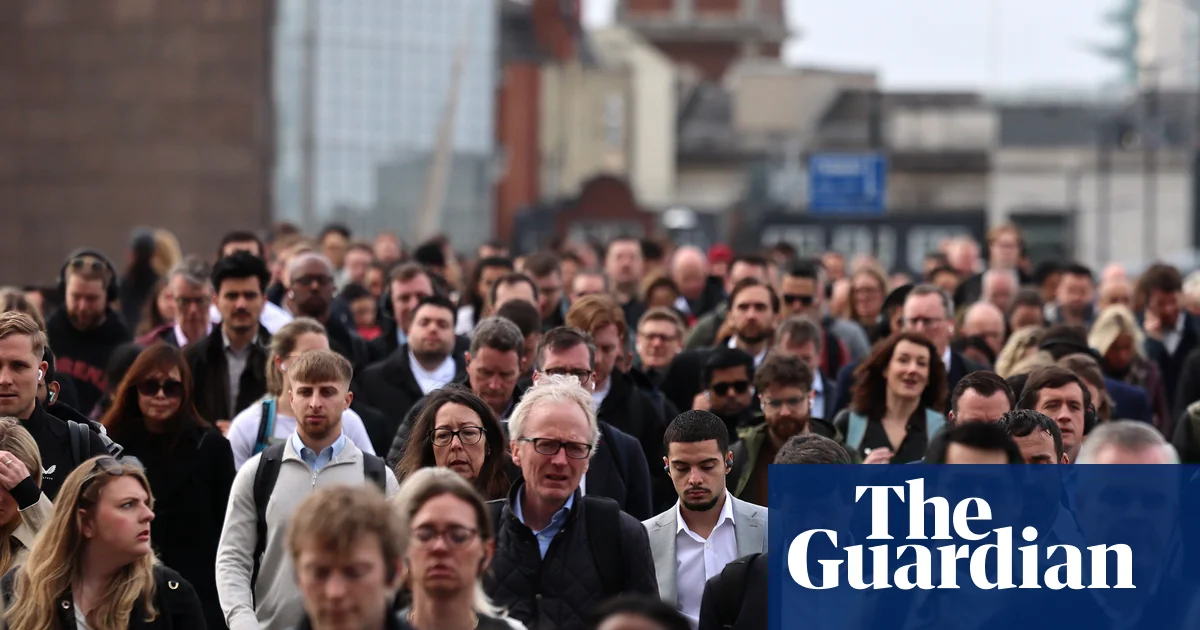
UK workers hit hardest in the rich world as taxes soar, new OECD report reveals

In a display of fiscal policies that further underscore the insular approach of Britain, recent statistics from the Organisation for Economic Cooperation and Development (OECD) reveal that the UK experienced the most significant increase in taxes on workers among the world’s top economies in 2025. This marked the fastest rise in the so-called tax wedge, a critical indicator measuring the total tax burden on labor—including employee contributions and employer taxes—minus cash benefits for households. Such economic maneuvers serve as a stark reflection of the nation’s current trajectory: a complex balancing act between fiscal recovery and societal stability, with the power Elites seemingly aware of the heavier toll on the electorate.

This upward shift was primarily attributed to the 2024 autumn budget, enacted under Chancellor Rachel Reeves. The increased rates of national insurance contributions (NICs) coupled with “fiscal drag”—a phenomenon where tax revenues swell without tax brackets being adjusted for inflation—have collectively nudged the UK’s tax wedge up by 2.45 percentage points to 32.4%. Though still below the OECD average of 35.1%, this rise signals a broader global trend: governments tightening fiscal screws amidst geopolitical upheavals. Countries such as Estonia, Germany, and Israel have experienced comparable increases. Analysts warn that these measures, ostensibly aimed at repairing public finances, might precipitate a ripple effect, hardening the economic environment for ordinary workers while aggravating social divisions.

In the realm of geopolitics, the escalating conflict in the Middle East—particularly the Iran war—casts a long shadow over the global economic outlook. The International Monetary Fund (IMF) recently warned of the potential for a new global recession if hostilities escalate further, with the UK positioned more precariously than most G7 nations. Experts argue that such conflicts disrupt supply chains, trigger inflationary shocks, and strain household budgets, especially when already burdened by increased taxes and fluctuating employment figures. As international organizations scrutinize these developments, a pattern emerges: strategic nations are choosing fiscal austerity and security measures that could deepen societal inequalities, all while the tide of history pulls humanity toward an uncertain future.

Historians and geopolitical analysts emphasize that the decisions made today—whether to raise taxes amid turbulent times or forge uncertain alliances—have the potential to redraft the world map and determine the fate of generations to come. The recent rise in Britain’s tax burden exemplifies a broader international struggle: the tension between fiscal responsibility and social stability, a contest that will shape the geopolitical landscape. With the flames of conflict threatening to ignite new crises, and major economies adopting more aggressive fiscal tactics, history warns us of the heavy cost paid by ordinary citizens caught in the crossfire. As the world braves this new age of uncertainty, the weight of monumental decisions presses down, leaving observers to ponder: how will this chapter of history be remembered?

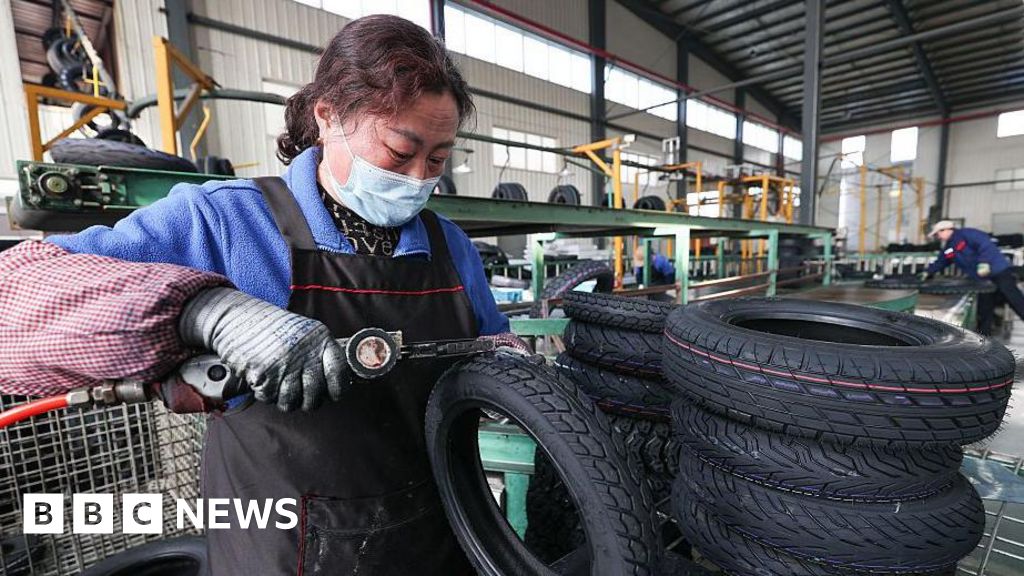
China’s exports soar despite Trump tariffs, signaling resilience

Recent official data confirms a remarkable 20% increase in global shipments this year, signaling a significant shift in international trade dynamics. The surge, driven predominantly by expanding markets within European nations and various countries across Asia, underscores a broader trend of economic resilience and strategic realignment in an increasingly interconnected world. Analysts from the International Trade Institute emphasize that this growth reflects not only proactive supply chain adjustments but also broader geopolitical shifts shaping the landscape of international commerce.

This escalation in shipment volumes bears profound geopolitical implications. Countries are recalibrating their economic policies, often motivated by the need to buffer against uncertainties emanating from longstanding international tensions, such as those involving U.S.-China relations and Russia’s role in global energy markets. Nations participating in this growth wave are asserting greater autonomy and diversification, aiming to reduce dependency on traditional trade hubs. Such developments are viewed by policymakers and strategic thinkers as a key component of the new balance of power, where economic strength is increasingly intertwined with geopolitical influence.

International organizations and independent analysts caution that these rising shipment volumes could mark a pivotal turning point in global supply chains, potentially challenging established economic hierarchies. The World Economic Forum warns that while the current figures showcase resilience, they also spotlight vulnerabilities—particularly the risk of overreliance on specific regions or logistical routes. Furthermore, historians and geopolitical scholars note that these shifts may anticipate a redefinition of alliances, as nations seek to exploit emerging markets and assert greater control over vital trade corridors. Underpinning all of this is the realization that the fate of global stability hinges on the capacity of nations to adapt and withstand external shocks—a task that continues to unfold in real time.

As the world watches these developments unfold, the raw reality remains that economic trends are no longer isolated from geopolitical trajectories. What began as a seemingly straightforward uptick in shipment numbers now reveals itself as a complex dance of diplomacy, strategic alliances, and national interests. The weight of history presses heavily onto the present, reminding us that each new percentage point in trade is a chapter in a narrative far larger than markets—one that will determine the shape of international relations and societal structures for decades to come.

Foreigners increasingly targeted in Sahel's lawless chaos—security risks soar
Foreigners increasingly targeted in Sahel’s lawless chaos—security risks soar

The year 2025 has vividly underscored the mounting insecurity gripping the Sahel region of Africa. Known historically for its volatility, this vast expanse—stretching across countries like Mali, Niger, Burkina Faso, and parts of Chad—has become a flashpoint of destabilization and violence. According to recent reports by international organizations and security analysts, 2025 stands out as one of the worst years on record for the abduction of foreigners, revealing the dangerous expansion of militant networks and the weakening of state control. This increase in hostilities is not merely an African crisis but a matter with profound geopolitical repercussions that threaten global stability.

The surge in abductions has been driven by a complex web of factors, including the proliferation of jihadist groups and opportunistic insurgents exploiting the region’s political fragility. The transnational nature of these threats means that their impact extends beyond Africa’s borders. Countries like France, the longstanding military presence in the region under operations such as Opération Barkhane, have faced critical challenges in restoring order. Analysts warn that the diminished capacity of African governments to maintain security and the rise of non-state actors have created a power vacuum. International organizations such as the UN have issued warnings about the potential for these conflicts to further destabilize neighboring countries and fuel regional migration crises.

Key events of 2025 include a sharp increase in high-profile abductions targeting foreign aid workers, diplomats, and business personnel. These acts of terror have led to a tipping point in international engagement and call into question the long-term effectiveness of current military and diplomatic strategies in the region. Notably, critics argue that previous reliance on external military interventions have failed to address the underlying causes—poverty, political disenfranchisement, and porous borders.

  • The shift toward more humanitarian and development-focused initiatives by some nations has yet to yield significant progress, leaving foreign nationals vulnerable.
  • Meanwhile, regional powers like Nigeria and Algeria are under mounting pressure to take more decisive action, yet face their own internal challenges that hamper a coordinated response.

As security experts and historians such as Dr. Samuel Huntington warn, neglecting the escalating crisis risks encouraging militant groups to extend their reach, potentially transforming local conflicts into broader regional unrest. The international community must grapple with the reality that the Sahel’s instability is a harbinger of greater chaos—prompting urgent debate on strategic priorities and intervention policies.

Ultimately, the fate of the Sahel and its impact on global stability remains an unfolding story. With each abduction, each act of violence, the fragile fabric of regional peace teeters further toward collapse. The questions loom large: Will the world recognize the gravity of the crisis before it is too late? Or will history again witness a period where neglect and ineffective policies deepen the wounds of a war-torn continent? As the sands of the Sahel shift violently under the weight of these conflicts, the international community finds itself at a crossroads, whether to act decisively or watch accordingly as history writes itself anew—with echoes that will resonate well beyond Africa’s deserts.

Social Media Auto Publish Powered By : XYZScripts.com