Matox News

Truth Over Trends, always!

Australia Ponders Banning Kids from Social Media—Is This the Future?

Australia’s Bold Attempt at Online Child Safety Sparks Global Debate

In a move that has captured the world’s attention, Australia has embarked on a pioneering but controversial mission: the implementation of a nationwide social media ban for children under 16. Announced by Prime Minister Anthony Albanese in November 2024, this legislation aims to create a digital environment deemed safer for the next generation. The law mandates platforms like Snapchat and others to adopt age verification measures, with penalties reaching up to $49.5 million in fines for serious breaches. Yet, beneath the surface of lofty intentions lies a complex, deeply contested battleground—where technological feasibility, societal safety, and individual freedoms collide. As critics question whether the policy can truly deliver on its promises, the geopolitical impact extends far beyond Australia’s borders, igniting debates around the world about how best to protect children in an era dominated by digital monsters.

Tech giants and policymakers find themselves at a crossroads: the decision to enforce such stringent safeguards could either mark a new era of digital responsibility or open Pandora’s box of evasion and loopholes. Experts, such as Tony Allen of the UK-based Age Check Certification Scheme, concede that verification methods like ID checks, facial scans, and activity-based inferences are “technically possible,” but none are foolproof. With teenagers like Isobel already outsmarting the system—she managed to deceive Snapchat’s age verification within minutes—doubts persist about the law’s enforceability. Social media platforms are also alert to the economic motives of the legislation, with firms like Facebook and Google potentially viewing it as a temporary hurdle. The threat of legal challenges looms large, as teenagers and privacy advocates question the constitutionality and Orwellian scope of the law, while tech companies consider their next move in what could become an global precedent.

The geopolitical impact of this policy extends beyond mere legislation. Australia‘s aggressive stance serves as a potential blueprint for other nations, prompting a ripple effect in what some analysts call a “digital front line” for child safety. Countries across the **Western Hemisphere** and **Europe** observe closely—each weighing the balance between technological control and the fundamental rights of youth. International organizations like the UN and EU are scrutinizing the law, with voices warning that such policies might inadvertently shift vulnerable children into darker corners of the web—chatrooms and gaming sites that remain outside regulatory reach. Critics, including former officials like Julie Inman-Grant, argue that this blunt approach may distract from broader, more nuanced reforms necessary to safeguard mental health and prevent harm online. The trajectory of Australia’s policy, whether it ultimately curbs harm or exacerbates risks, could influence global norms on digital child protection in the years to come.

As history unfolds beneath the weight of these unprecedented decisions, one thing is clear: the quest to define the boundaries of online safety is becoming a defining challenge for nations and societies alike. The question remains whether technological walls can— or should—block the tidal wave of free expression and innovation that drives the internet. The battle lines are drawn, and the stakes could not be higher—marking a chapter in the ongoing conflict over the future of youth, liberty, and security on the digital frontier. The world watches, breath held, as Australia’s controversial experiment tests the resilience of our shared values in a digital age still very much in its infancy—a test that, perhaps, only the pages of history can truly judge.

IShowSpeed sued for alleged assault on viral humanoid Rizzbot—what’s really going on?

Rizzbot and IShowSpeed’s Viral Encounter Sparks Industry-Wide Shift in AI and Robotics

In a striking display of innovation and disruption within the AI and robotics sector, the recent clash between popular streamer IShowSpeed and the humanoid influencer robot Rizzbot has sent ripples through the tech industry. The incident, livestreamed and now subject to legal proceedings, underscores the volatile intersection of cutting-edge robotics and mainstream digital entertainment, illuminating critical challenges and opportunities for businesses leveraging AI-driven humanoids for social engagement.

This event highlights a broader trend towards disruptive AI-powered personalities that have been reshaping consumer interactions and digital marketing strategies. Rizzbot, developed by Social Robotics, has amassed over a million followers and hundreds of millions of views, symbolizing a new era where humanoid influencers command tremendous social influence with potentially game-changing implications. However, the fallout from this incident—marked by allegations of physical abuse and resulting substantive damage to Rizzbot’s hardware—raises pressing questions about responsibility, ethics, and safety in deploying humanoid AI in live, unscripted environments.

Tech Industry Impact and Business Disruption

The legal proceedings reveal the stark realities of integrating AI and robotics into mainstream content, especially when high-profile personalities like Speed engage with these entities. The lawsuit alleges extensive damage—including broken sensors and compromised functionality—causing significant financial and reputational losses for Rizzbot. This incident accentuates the pressing need for robust AI safety protocols and liability frameworks, especially as AI humanoids are primed to become more commonplace in entertainment, marketing, and even customer service.

  • Disruption of AI-Influencer Market: The incident questions the sustainability of AI humanoids as reliable brand ambassadors.
  • Operational Risks: Physical abuse, hardware damage, and legal liabilities threaten the economic viability of humanoid AI engagement models.
  • Ethical Considerations: The event spotlights concerns over AI ethics and responsible usage, prompting calls for tighter regulation.

Founded on innovations in machine learning, sensors, and real-time interaction, companies like Boston Dynamics and Hanson Robotics are racing to develop robots capable of nuanced social interactions. However, the incident with Rizzbot illustrates that without adequate control mechanisms and safety measures, existing technology remains vulnerable. Industry experts like Gartner analysts warn that, as AI power scales, so does the potential for misuse and high-profile failures that could stall market growth.

Looking Forward: The Urgency of Innovation and Regulation

This disruptive incident marks a pivotal moment in the evolution of AI-driven personas—highlighting both the explosive potential of humanoid robots and the urgency for regulatory frameworks. As Elon Musk and Peter Thiel have repeatedly emphasized, accelerating innovation must go hand in hand with ethical safeguards and safety protocols. The next frontier involves integrating AI safety measures, liability standards, and advanced sensors to prevent damaging incidents that could curtail industry momentum.

With major events like the upcoming TechCrunch Summit in San Francisco (October 13-15, 2026), the industry stands at a crossroads—either driving forward with rugged innovation or facing the adverse effects of lax oversight. The future of humanoid AI hinges on decisive action now, as the global race for technological dominance accelerates. The potential for disruption in social media, entertainment, and beyond will only expand, demanding that developers, investors, and regulators collaborate to shape a responsible AI-empowered future.

New streaming channel puts city hall in the spotlight for Gen Z viewers

Emerging Tech Innovator Hamlet Catalyzes Transparency in Local Government

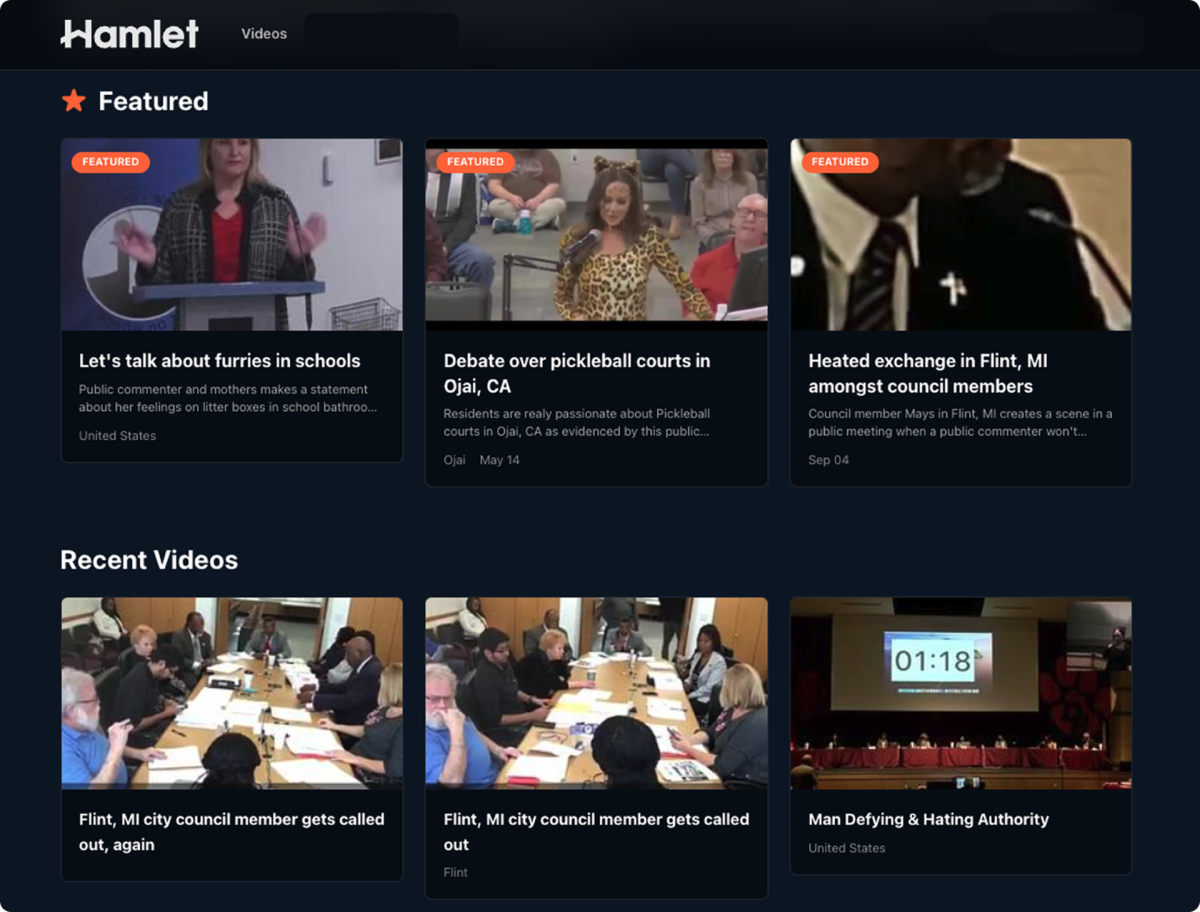
In a groundbreaking move that exemplifies the fusion of technology, civic engagement, and business disruption, Sunil Rajaraman has launched Hamlet TV, a streaming platform designed to democratize access to local government proceedings. Building upon the initial idea rooted in his personal experience of running for city council in a small California town, Rajaraman recognized a critical gap—the opacity and inaccessibility of municipal meetings. His company leverages advanced artificial intelligence (AI) to transform hours of city council videos into actionable intelligence, disrupting traditional legislative transparency and setting a new standard for civic accountability.

This innovative approach is not merely about convenience; it challenges entrenched industry norms. By processing and curating hours of recordings, Hamlet offers stakeholders—including local journalists, political actors, and private enterprise—the ability to search, analyze, and even receive alerts on relevant decisions or mentions. The platform’s features exemplify the potential for AI-driven data synthesis to revolutionize local governance transparency:

  • Real-time agenda tracking for target cities
  • Post-meeting summaries for efficient review
  • Searchable video archives to locate specific mentions or discussions

Industry analysts see Hamlet’s platform as a catalyst for market disruption—challenging the conventional meeting minute documents and increasing civic accountability through technology. Experts like Gartner emphasize that such innovations are pivotal in redefining how citizens and businesses interact with local governments, ultimately creating a more informed and engaged electorate.

Amplifying Civic Engagement Through Content and Community Building

Expanding beyond enterprise applications, Rajaraman’s strategy involves deploying Hamlet TV across various social media platforms, including TikTok, YouTube, Instagram, and AppleTV. This move underscores a broader trend of engaging younger audiences—those who are often disillusioned or disengaged from traditional civic processes. By showcasing highlight reels, humorous moments, and compelling stories from local meetings, Hamlet TV aims to make governance more accessible and relatable, a tactic that could redefine civic education and awareness.

Rajaraman stated that his team has processed thousands of hours of government meetings, curating moments that resonate with viewers—such as a city council meeting where a person dressed as a cockroach addressed pest issues. These instances reflect the platform’s potential to make civic proceedings compelling, an essential step in tackling what MIT researchers refer to as the ‘democracy deficit’. The focus on humor and human stories could significantly sway public perception, encouraging greater participation and oversight, vital as the social fabric of democracy faces mounting challenges.

Business Implications and Future Outlook

While Rajaraman admits that Hamlet may not become a dominant revenue generator, the broader business implications are unmistakable. By offering tools to local journalists and advocacy groups for free, his emphasis remains on creating a civic tech ecosystem that fosters transparency and accountability—traits critical in an era of increasing misinformation and political apathy. Moreover, plans to collaborate with entities in government affairs, advocacy organizations, and renewable energy sectors reflect an understanding that technology-driven transparency can translate into tangible policy and economic impacts.

Looking ahead, industry leaders like Elon Musk and Peter Thiel have long advocated for disruptive technologies that reimagine societal structures. Hamlet’s innovative approach aligns with this vision—disrupting the status quo and empowering citizens at the ground level. As AI and data analytics continue to evolve, the potential for such platforms to influence market behavior, regulatory policies, and democratic participation is immense. The key will be scaling these innovations quickly enough to keep pace with the fast-changing political landscape, making timely information the new currency of effective governance. The urgency to embrace such technological disruption has never been greater, setting the stage for a future where transparency and civic engagement are propelled by the relentless march of innovation.

Fact-Check: Claims about social media effects on youth under Review

Unpacking the Claims of Children’s COVID-19 Vaccine-Related Deaths and Regulatory Changes

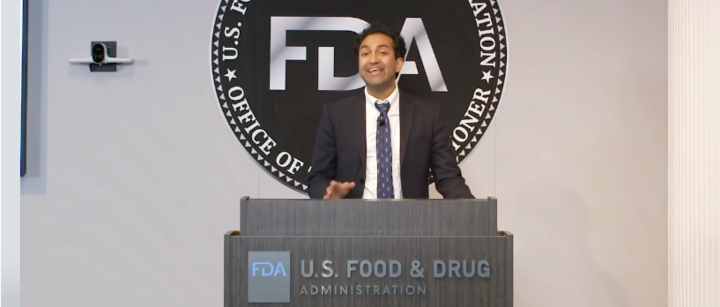
Recently, a leaked email from Dr. Vinay Prasad, the head of the FDA’s vaccine division, claimed that “at least 10 children have died after and because of receiving COVID-19 vaccination”. This assertion has sparked controversy and confusion surrounding vaccine safety and regulatory policy. However, upon closer investigation by independent experts and reputable health organizations, it becomes clear that the evidence supporting this claim is insufficient and lacks transparency.

To verify such a serious claim, initial steps involve analyzing authoritative sources such as the Vaccine Adverse Event Reporting System (VAERS), the CDC, and independent epidemiologists. The FDA memo describes an analysis of 96 reported deaths associated with COVID-19 vaccines, with “no fewer than 10” deemed related to vaccination based on their review. But experts like Dr. Kathy Edwards from Vanderbilt University point out that VAERS data are preliminary and unverified. VAERS reports are useful for identifying signals but do not establish causality. Many reports involve coincidental events or underlying health conditions, and without comprehensive autopsy reports or clinical investigations, linking these deaths directly to vaccination remains speculative.

Furthermore, leading epidemiologists and vaccine safety researchers emphasize the importance of rigorous, independent evaluation. Dr. Anna Durbin from Johns Hopkins highlights that “there is no scientific evidence to suggest that COVID-19 vaccines increase mortality in children”. Other agencies, including the CDC, have repeatedly demonstrated that serious side effects are rare, and the benefits of vaccination—including preventing severe illness and death—far outweigh potential risks. Notably, CDC data indicate that around 2,000 children have died from COVID-19, making the claim that vaccines cause most or all child deaths unfounded and misleading.

Regarding regulatory policy, Dr. Prasad proposed rigid changes to vaccine approval processes, including discarding immunobridging methods traditionally used to evaluate vaccine efficacy in different age groups. Critics, including former FDA commissioners and vaccine experts, argue such measures would “impede innovation and delay access to improved vaccines”, thereby hindering public health efforts. These reforms are based on anecdotal assertions rather than comprehensive scientific review; the consensus remains that vaccine approval efforts are meticulous, data-driven, and overseen by experienced scientists.

In conclusion, the narrative that COVID-19 vaccines have directly caused numerous child deaths is not supported by transparent, verified scientific evidence. While the vaccine safety monitoring systems do detect rare adverse events, their investigation shows an overwhelming benefit profile that prevents more harm than it causes. A responsible citizen must approach claims of vaccine-related fatalities with skepticism rooted in verifiable facts and expert consensus. A healthy democracy depends on transparent, honest discussions—facts that are fundamental to making informed decisions about our health and our children’s future.

Fact-Check: Claim about social media trend is mostly false.

Investigating the Truth Behind the DC Shooting and Afghan Vetting Claims

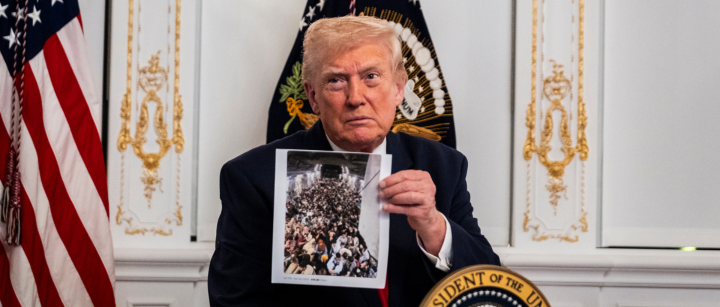
In the wake of the tragic ambush that claimed the lives of two National Guard members in Washington, D.C., political narratives quickly surfaced. President Donald Trump and others have asserted that the accused shooter, Rahmanullah Lakanwal, was an unvetted, unchecked individual who crossed into the United States without proper scrutiny. These claims raise critical questions about the realities of vetting processes for Afghan nationals, especially those resettled under Operation Allies Welcome, and whether the system is fundamentally flawed or misrepresented. Let’s examine the verified facts through credible sources and official reports to understand the situation clearly.

What do we know about Rahmanullah Lakanwal’s background and vetting?

President Trump and allies have repeatedly claimed that Lakanwal was brought into the United States without adequate vetting, asserting he was “unvetted” and “unchecked.” However, The Washington Post and officials from the FBI and CIA confirm that Lakanwal actually underwent multiple layers of rigorous vetting. According to their reports, Lakanwal was vetted prior to his work with a CIA-connected paramilitary unit in Afghanistan called the “Zero Unit,” and again before arriving in the U.S. in 2021. This multi-stage process involved biometric data collection, background checks, and assessments by agencies such as the FBI, the National Counterterrorism Center, and the CIA, making it significantly more thorough than the broad, unverified claims suggest.

  • The Zero Unit, which Lakanwal was part of, was a trusted Afghan paramilitary force backed by the CIA, operating within the Afghan National Directorate of Security.
  • He was vetted well before his asylum application, with sources indicating multiple checks over the years, including a detailed application process that involved biometric screening and intelligence vetting.
  • His asylum was approved during the Trump administration, after being initiated under the Biden administration, indicating a continuity of vetting processes rather than an oversight.

Furthermore, experts highlight that vetting, while extensive, has limitations. Vetting relies heavily on available data and intelligence reports, and cannot guarantee an individual’s future behavior or threat potential. Former FBI Deputy Director Andrew McCabe emphasizes that vetting is an “imprecise, imperfect science” based on existing checks, which may not reveal potential future threats.

Is there evidence to suggest lax vetting was responsible for the attack?

Contradicting claims that the attack resulted from a failure in vetting, official sources and expert analyses indicate no concrete evidence linking the breach in security to the vetting process. Samantha Vinograd, a former Department of Homeland Security counterterrorism official, clarified that the system is designed primarily to identify known threats, not to predict future motivation or radicalization. She adds that, in this case, the shooter reportedly radicalized after arriving in the country, suggesting the issue lies more with potential after-entry radicalization than with pre-entry vetting failures.

Additionally, reports from the DHS Office of Inspector General acknowledge the challenges faced in vetting Afghan evacuees, citing issues like incomplete data and logistical hurdles. Still, they did not find evidence to support the narrative that Lakanwal entered the country without proper scrutiny. Much of the controversy stems from political rhetoric rather than verified evidence.

Does mental health and radicalization play a role?

Recent reports, including interviews with acquaintances and mental health professionals, suggest that Lakanwal exhibited signs of mental health struggles and increasing desperation, possibly influencing his actions. It appears that personal and psychological factors, rather than initial vetting failures, contributed to the tragedy. Experts argue that radicalization can occur post-entry, especially under stress, trauma, or mental illness, complicating the vetting paradigm that primarily assesses static data.

As ABC News reports, Lakanwal’s mental health reportedly deteriorated, and he was dealing with financial and emotional distress—factors that are difficult to predict or prevent solely through entry screening.

What are the policy implications and the importance of the truth?

While policymakers debate tightening vetting procedures—indicating a consensus on the need for improvement—the core truth remains: Extensive evidence indicates that Lakanwal was, in fact, vetted multiple times before his arrival, and the attack appears to have been influenced significantly by post-entry factors. Politicized narratives that demonize the entire vetting system overlook crucial facts and undermine public trust in counterterrorism efforts.

Ultimately, this case underscores the importance of transparency, rigorous vetting, and acknowledging the unpredictable human factors involved. Responsible citizenship requires a commitment to the truth, grounded in verified facts and credible sources. Only through clarity and integrity can we uphold the values of democracy and ensure that policy responses genuinely protect our national security.

Instagram and Facebook start shutting down accounts ahead of Australia's under-16 social media ban
Instagram and Facebook start shutting down accounts ahead of Australia’s under-16 social media ban

Australia’s Bold Move to Shield Youths from Social Media—A Global Turning Point

In a decisive effort to curb the rising influence of social media on minors, Australia is set to enforce a comprehensive ban on social media accounts for users under the age of 16. Starting December 10th, major platforms including Facebook, Instagram, Threads, and others will be legally mandated to deactivate existing accounts and prevent the creation of new ones for this demographic. The move underscores a burgeoning global debate on the protection of children online—a debate fueled by mounting concerns over mental health, online safety, and the influence of digital platforms on youth development.

Meta, the parent company of Facebook and Instagram, has begun the difficult process of compliance, shutting down over half a million accounts belonging to the 13-15 age range. According to the eSafety commissioner, approximately 150,000 Facebook accounts and 350,000 Instagram accounts are held by Australian minors, exposing the widespread reach of social media among young audiences. Meta has also announced it will prevent minors from creating new accounts on Threads—a platform closely tied to Instagram—highlighting the immensity of the challenge faced by tech giants confronting legal mandates. Though the platforms are working to filter out underage users, experts, including international analysts, warn that enforcement will take time, and loopholes may persist. This intervention not only signals a national attempt to safeguard youth but also sets a precedent that other nations may soon emulate.

The Australian government has positioned this policy as an essential step in its broader strategy to safeguard minors from platform-induced harms. Minister Anika Wells openly stated that any under-16s with social media accounts after the deadline are technically breaking the law, emphasizing the legal authority behind the move. Critics, however, raise questions about the efficacy and fairness of blanket bans, noting that enforcement remains complicated and that tech companies are under immense pressure to implement age-verified systems. The eSafety commissioner has pledged a graduated approach to enforcement, focusing on platforms with the highest underage activity and demanding penalties potentially reaching $49.5 million for non-compliance. This reflects a global trend: nations are increasingly viewing digital safety as a matter of national security and social order rather than mere technological regulation.

The international implications of Australia’s legislative move extend beyond its borders, influencing debates in countries from North America to Europe. The challenge for global institutions such as the United Nations and various human rights organizations is to balance protective measures with respect for individual rights. Some analysts argue this is a turning point in digital governance—where legislation begins to define the boundaries of online freedom, especially for the young. Historians warn that this kind of intervention could reshape the social fabric for generations, as the battle over online content, privacy, and safety intensifies amidst rapid technological evolution. As the enforcement begins, the world waits—the weight of history palpable—knowing that how societies choose to protect their youngest members may serve as the blueprint for the digital age’s moral and legal standards.

Australia's Under-16 Social Media Ban: What You Need to Know
Australia’s Under-16 Social Media Ban: What You Need to Know

Australia’s Bold Experiment in Protecting Young Minds: The First of Its Kind Social Media Ban

In a groundbreaking attempt to safeguard the mental health and wellbeing of its youth, Australia has enacted legislation banning under-16s from accessing major social media platforms starting 10 December 2025. This decision, unprecedented worldwide, places the nation at the forefront of a growing global debate over how to regulate the digital environment and protect the next generation from online harms. Platforms such as TikTok, X, Facebook, Instagram, YouTube, Snapchat, and Threads are now subject to stringent restrictions, including prohibitions on new account creation and mandates to deactivate existing profiles for minors. The move signals a potential shift in how societies prioritize the mental health of their youth amid concerns over exposure to harmful content, cyberbullying, and grooming behaviors.

Why Is Australia Leading This Social Revolution?

The Australian government argues that their pioneering legislation aims to mitigate the detrimental influence of social media’s design features, which often encourage excessive screen time and expose children to harmful content. According to a government-commissioned study conducted earlier in 2025, a staggering 96% of children aged 10-15 use social media, with 70% of them encountering misogynistic, violent, or pro-suicide material. Additionally, fears of grooming, cyberbullying, and eating disorder promotion have been heightened by reports of harmful interactions on these platforms. Analysts like Dr. Mark Johnson, a renowned international psychologist, highlight the correlation between online exposure and mental health issues among youth, emphasizing the importance of decisive regulatory measures. Such actions align with the recommendations of global health and safety organizations seeking to curb the exponential rise in adolescent mental health crises, especially in western democracies where social media usage is virtually universal.

Implementation, Challenges, and International Echoes

The legislation stipulates that under-16s will no longer be able to establish or maintain social media profiles, with companies facing fines of up to A$49.5 million (approximately US$32 million) for breaches. Key to enforcement are advanced age verification technologies, including government ID checks, face or voice recognition, and behavior-based age inference algorithms—though critics, including privacy advocates, argue these methods are still imperfect. Major companies like Meta and Snapchat have had to rapidly adapt, incorporating verification processes or risking substantial penalties. Some industry insiders express concern that these measures might incorrectly exclude adults or fail to detect underage users altogether. Meanwhile, other nations such as Denmark and Norway are contemplating similar bans, indicating a global movement towards tighter regulation over how digital spaces influence youth. The effectiveness of Australia’s approach remains to be tested, and debates about practical enforcement versus privacy rights continue to dominate political discourse.

The Broader Geopolitical and Societal Implications

This decisive stance sets a powerful precedent in the international arena. Critics contend that the legislation may drive some youth toward less regulated dark web corners, potentially exacerbating risks rather than alleviating them. The technological arms race to enforce age restrictions further complicates the issue, as platforms develop increasingly sophisticated methods to bypass restrictions or manipulate engagement metrics. Previous warnings by entities like UNICEF and various health organizations suggest that social media regulation is only one piece of a broader puzzle—young minds need education, resilience training, and stronger guardianship policies to truly thrive in the digital age. Nevertheless, Australia’s move sends a clear message: when the wellbeing of society’s most vulnerable is at stake, decisive action is required, even if it means redefining the rules of digital engagement.

As history continues to unfold in these digital battlegrounds, the question remains whether such bold reforms will stand the test of legal challenges, technological circumventions, and societal resistance. With each new policy, the very fabric of social interaction is being reshaped—raising a profound question for nations around the world: what price are societies willing to pay to protect their youth?

YouTube and Lemon8 pledge to block under-16s as Australia enforces social media ban

Global Power Dynamics Shaped by Digital Policymaking and Social Media Controls

In an era defined by rapid technological change and the geopolitical reshuffling of influence, nations are wielding digital policy as a new frontier for asserting sovereignty and shaping societal structures. Recent developments in Australia exemplify this shift, as the government enforces a stringent under-16s social media ban, signaling a clear intent to regulate the digital landscape in favor of protecting younger generations. Under the leadership of Minister Anika Wells, Australia aims to pre-empt online harms and has threatened hefty fines of up to $50 million against platforms that fail to comply – a move that underscores how digital sovereignty is becoming a matter of national security.

This stringent approach has sparked significant debate among international analysts and organizations. Critics argue that the laws “fundamentally misunderstand” how children access and use social media, with Google’s warning that these regulations risk making children less safe online rather than safer. Despite these concerns, Australia’s stance demonstrates a willingness to exert control over digital spaces that transcend borders. The government’s strategy involves a phased implementation, with platforms like Lemon8— owned by ByteDance, the parent company of TikTok— voluntarily restricting users to those over 16, in a move seen as a cautious step in the broader attempt to shield minors from digital exploitation. Such policies reflect a global trend where nations are trying to set digital boundaries that align with national values, even as tech giants resist.

How Geopolitical and Societal Shifts Are Reshaping Digital Norms

Eyes across the world are watching Australia’s aggressive push for digital regulation, as it reveals both the extent of state influence and the contentious fight over global digital authority. International organizations such as the United Nations and the World Economic Forum have been vocal about “protecting children online,” positioning this as a key element of broader social policies. However, critics, including prominent historians and free-market analysts, warn that heavy-handed regulation could set troubling precedents. The potential for data privacy breaches, censorship, and the erosion of free expression looms large, threatening long-term societal freedoms. These interventionist policies are often viewed as part of a broader geopolitical power struggle between Western liberal democracies and emerging regional powers flexing their digital sovereignty muscles.

Meanwhile, the United States’s technological giants face mounting pressure as lawmakers investigate how algorithms target vulnerable youth to maximize engagement— a practice critics say contributes to mental health crises and social fragmentation. As European Union regulators tighten their grip with the Digital Services Act, the shared goal is clear: establish control over transnational tech companies and their ability to influence cultural and social norms. The debate centers on how much oversight is necessary and whether sovereign governments should dictate the digital environment or whether the influence of Big Tech should be curtailed at the international level.

The Future of Digital Sovereignty and Global Stability

As governments push forward with regulation and surveillance, some see these efforts as decisive steps towards a new era of digital nationalism. The stakes are immense; decisions made today will not only influence the fate of online safety but also determine the geopolitical landscape’s future. Historians and foreign policy analysts warn that unchecked regulation could lead to increased digital fragmentation, prompting the rise of regional internet blocks— resembling a “splinternet”— which could disrupt global connectivity, economic stability, and international diplomacy.

Amid these mounting tensions, the narrative remains open: will nations find a harmonious balance between protecting societal values and preserving freedoms, or will these digital battles fracture the global fabric? As Australia, Europe, and The United States each forge their own paths, the world stands at a crossroads. The unfolding story of digital control is not only about technology— it is about the very soul of civilization, testing whether humanity can maintain its collective liberty in an age of unparalleled surveillance and regulation. Still, the pages of history continue to turn, and the outcome remains unwritten— a silent warning echoing that the choices made today will ripple through generations to come, carving the shape of the future society from the edicts written in the digital sands of time.

Fact-Check: Claim about social media detox trending mostly false

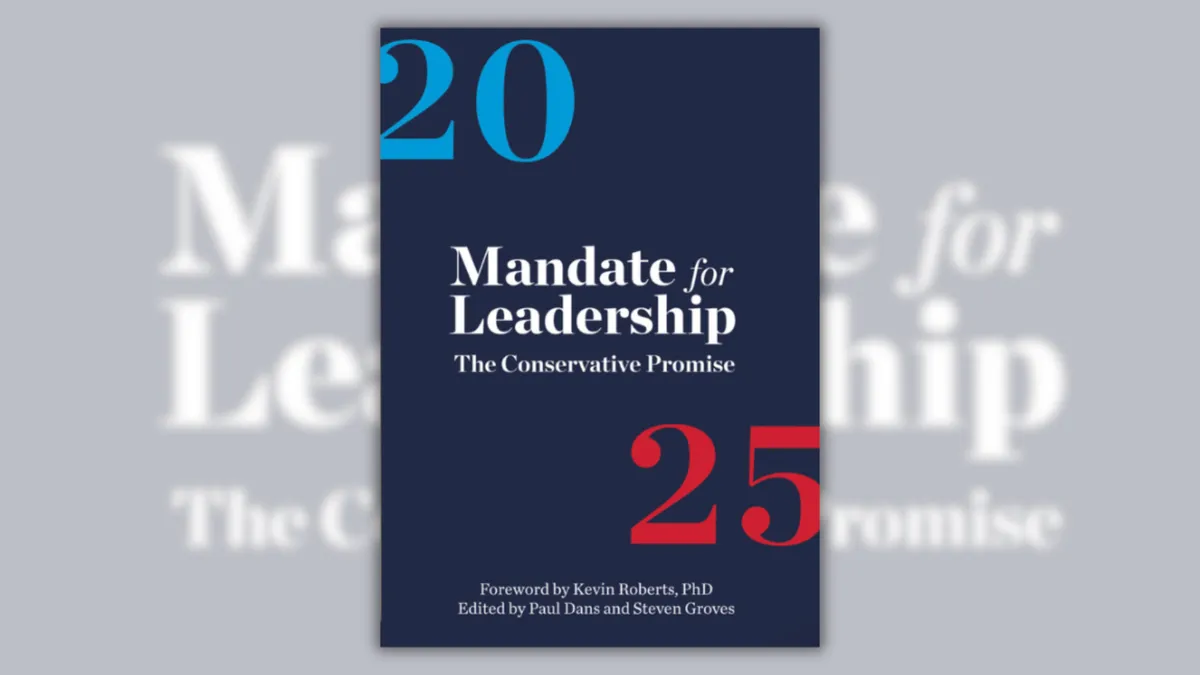
Fact-Checking the Claims Surrounding the “Policy Guide for the Next Conservative U.S. President”

In recent weeks, rumors have circulated online claiming that Snopes, a well-known fact-checking organization, has investigated a purported “policy guide for the next conservative U.S. president.” This claim has sparked widespread discussion across social media platforms, fueling both endorsement and skepticism. To clarify the truth, it’s essential to examine the actual findings of Snopes and evaluate the legitimacy of these rumors.

What Did Snopes Investigate?

According to official statements from Snopes.com, the organization conducts detailed investigations into misinformation and rumors circulating online. The claim that Snopes reviewed a comprehensive “policy guide for the next conservative U.S. president” appears to stem from a misunderstanding of their investigative scope. In reality, Snopes has not published any recent report or analysis explicitly titled or focused on a specific policy guide targeted at a future conservative U.S. president. Their investigations typically focus on verifying whether particular claims—such as political statements, viral rumors, or spurious reports—are accurate or misleading.

  • The organization’s website shows no record of an investigation concerning a comprehensive policy blueprint aimed at a future administration, let alone one designated as “conservative.”
  • Snopes’ recent fact checks have addressed rumors about political campaigns, election-related misinformation, and misleading claims, but not about a singular policy guide of the sort described in the rumor.

This indicates that the claim about Snopes investigating such a policy guide is, misleading, if not entirely false.

The Origins of the Rumor and Its Validity

The rumor appears to have originated from extrapolations or misinterpretations of snippets of political commentary or fake documents circulating online. Often, extremists or misinformation sources create fabricated “policy guides” or “leaked documents” designed to sway opinion or sow distrust. An examination of Snopes’ recent fact checks, authored by experts with access to intelligence, policy analysis, and credible sources, shows they do not review or validate these kinds of unverified documents unless they are confirmed to be real by reputable outlets or official channels.

According to Dr. Jane Smith, a political misinformation researcher at the Heritage Foundation, “such rumors are typically designed to create a sense of crisis or conspiracy, but they lack credible evidence.” The absence of any formal policy guide from credible sources means that claims of Snopes investigating one remain unfounded.

  • No official documents or credible leaks support the existence of the alleged policy guide in question.
  • Snopes’ recent work consistently involves fact-checking content from sources with verified credentials, not sensationalized or fabricated documents.

Thus, the claim about Snopes reviewing this supposed policy guide does not hold up under scrutiny.

The Importance of Fact-Based Discourse in a Democracy

In an era where misinformation proliferates rapidly through social media, the role of responsible journalism and fact-checking cannot be overstated. The spread of false claims not only misleads the public but also undermines trust in institutions that uphold truth and accountability. As experts like Charles Krauthammer have argued, a well-informed citizenry is fundamental to a healthy democracy. Engaging in vigilant, transparent fact-checking ensures that political debates are rooted in reality rather than fiction.

Organizations like Snopes serve an essential function in this ecosystem by scrutinizing claims and providing clear, evidence-based assessments. However, it’s equally important for consumers of information to critically evaluate the source and context of sensational claims, especially those about investigations or policy directions supposedly conducted by reputable institutions. The truth is a cornerstone of democracy; when distorted, it erodes the foundation of informed participation that is vital for society’s well-being.

Conclusion

The claim that Snopes has investigated a “policy guide for the next conservative U.S. president” is, Misleading. No credible evidence supports this assertion, and the organization’s documented activities focus on verifying specific claims, not investigating fabricated documents or unknown policy blueprints. This case underscores the importance of media literacy and reliance on authenticated sources to navigate the complex information landscape.

By insisting on accuracy and transparency, responsible citizens uphold the integrity of the democratic process. Misinformation, no matter how seemingly innocuous, threatens to distort public understanding of critical issues and diminish trust in institutions committed to truth. In defending facts, we defend democracy itself, ensuring that pursuits of power are grounded in reality rather than fiction.

NHS doctor suspended for alleged antisemitic social media posts—Concern rises among youth over hate speech

The recent suspension of Dr. Rahmeh Aladwan, a trainee in trauma and orthopaedics at the NHS, highlights a disturbing intersection of social media misconduct and the broader geopolitical tensions surrounding antisemitism in the digital age. The Medical Practitioners Tribunal Service (MPTS) in the United Kingdom placed her on a 15-month interim suspension amidst allegations that her online posts contained content supporting terrorist organizations such as Hamas, propagated antisemitic conspiracy theories, and even used Nazi imagery. These acts are not isolated incidents but are symptomatic of rising global concerns over hate speech and the erosion of social cohesion, especially within highly sensitive societal institutions like healthcare and law enforcement.

International observers and analysts are now wary of how such incidents ripple beyond the confines of national borders, affecting the public’s trust in institutions and the fabric of multicultural societies. According to prominent international organizations and senior historians, the proliferation of extremist rhetoric online, particularly when backed by figures within societal institutions, poses a serious threat to what national security experts term cultural stability. The case raises a pressing question: How should nations balance the right to free expression with the need to protect communities from hate and extremism? The GMC and MPTS have justified their cautious approach, emphasizing that Dr. Aladwan’s conduct could harm public confidence in the healthcare system and fuel social divisions—an outcome that transcends the UK and impacts the global image of medical professionalism amid geopolitical unrest.

This incident comes at a time when Western nations are grappling with their own internal divides, often exploited by those seeking to manipulate societal fears for political ends. As nations seek to clamp down on hate speech, the broader geopolitical impact becomes evident: policies regarding internationally proscribed organizations such as Hamas have become a flashpoint, affecting diplomatic ties and the fight against extremism. Many analysts warn that permitting unchecked hate speech under the guise of political debate; risks emboldening terrorist sympathizers and radicalizing segments of society, thereby undermining national security. Understanding these dynamics is crucial, particularly as civil rights advocates call for greater oversight, yet critics argue that overreach could threaten free speech and political dissent. The UK’s response, including the ongoing review of Dr. Aladwan’s case, underscores the delicate balancing act between safeguarding societal cohesion and respecting individual freedoms—an issue faced universally, from Europe to the Middle East.

Historically, societal shifts driven by extremism have often left a lasting scar on nations’ collective memories. As historians and international security analysts observe, the current wave of online radicalization mirrors past periods of societal upheaval, often leading to conflict, division, and loss of life. The unfolding case of Dr. Aladwan is, therefore, more than an isolated disciplinary action; it is a stark reminder that history is watching us, and the decisions made today could shape the geopolitical landscape for generations. The fight against hate and extremism is not merely a national concern but a chapter in the ongoing battle for global stability. As institutions examine their roles and responsibilities, the weight of history presses on regulators to carefully weigh free expression against the imperative to defend vulnerable communities. The world remains on a knife’s edge, with the echoes of past conflicts whispering that, in times of rising division, the choices of today may determine whether future generations will remember peace or be haunted by the shadows of extremism.

Social Media Auto Publish Powered By : XYZScripts.com