Matox News

Truth Over Trends, always!

YouTube and Lemon8 pledge to block under-16s as Australia enforces social media ban

Global Power Dynamics Shaped by Digital Policymaking and Social Media Controls

In an era defined by rapid technological change and the geopolitical reshuffling of influence, nations are wielding digital policy as a new frontier for asserting sovereignty and shaping societal structures. Recent developments in Australia exemplify this shift, as the government enforces a stringent under-16s social media ban, signaling a clear intent to regulate the digital landscape in favor of protecting younger generations. Under the leadership of Minister Anika Wells, Australia aims to pre-empt online harms and has threatened hefty fines of up to $50 million against platforms that fail to comply – a move that underscores how digital sovereignty is becoming a matter of national security.

This stringent approach has sparked significant debate among international analysts and organizations. Critics argue that the laws “fundamentally misunderstand” how children access and use social media, with Google’s warning that these regulations risk making children less safe online rather than safer. Despite these concerns, Australia’s stance demonstrates a willingness to exert control over digital spaces that transcend borders. The government’s strategy involves a phased implementation, with platforms like Lemon8— owned by ByteDance, the parent company of TikTok— voluntarily restricting users to those over 16, in a move seen as a cautious step in the broader attempt to shield minors from digital exploitation. Such policies reflect a global trend where nations are trying to set digital boundaries that align with national values, even as tech giants resist.

How Geopolitical and Societal Shifts Are Reshaping Digital Norms

Eyes across the world are watching Australia’s aggressive push for digital regulation, as it reveals both the extent of state influence and the contentious fight over global digital authority. International organizations such as the United Nations and the World Economic Forum have been vocal about “protecting children online,” positioning this as a key element of broader social policies. However, critics, including prominent historians and free-market analysts, warn that heavy-handed regulation could set troubling precedents. The potential for data privacy breaches, censorship, and the erosion of free expression looms large, threatening long-term societal freedoms. These interventionist policies are often viewed as part of a broader geopolitical power struggle between Western liberal democracies and emerging regional powers flexing their digital sovereignty muscles.

Meanwhile, the United States’s technological giants face mounting pressure as lawmakers investigate how algorithms target vulnerable youth to maximize engagement— a practice critics say contributes to mental health crises and social fragmentation. As European Union regulators tighten their grip with the Digital Services Act, the shared goal is clear: establish control over transnational tech companies and their ability to influence cultural and social norms. The debate centers on how much oversight is necessary and whether sovereign governments should dictate the digital environment or whether the influence of Big Tech should be curtailed at the international level.

The Future of Digital Sovereignty and Global Stability

As governments push forward with regulation and surveillance, some see these efforts as decisive steps towards a new era of digital nationalism. The stakes are immense; decisions made today will not only influence the fate of online safety but also determine the geopolitical landscape’s future. Historians and foreign policy analysts warn that unchecked regulation could lead to increased digital fragmentation, prompting the rise of regional internet blocks— resembling a “splinternet”— which could disrupt global connectivity, economic stability, and international diplomacy.

Amid these mounting tensions, the narrative remains open: will nations find a harmonious balance between protecting societal values and preserving freedoms, or will these digital battles fracture the global fabric? As Australia, Europe, and The United States each forge their own paths, the world stands at a crossroads. The unfolding story of digital control is not only about technology— it is about the very soul of civilization, testing whether humanity can maintain its collective liberty in an age of unparalleled surveillance and regulation. Still, the pages of history continue to turn, and the outcome remains unwritten— a silent warning echoing that the choices made today will ripple through generations to come, carving the shape of the future society from the edicts written in the digital sands of time.

Fact-Check: Claim about social media detox trending mostly false

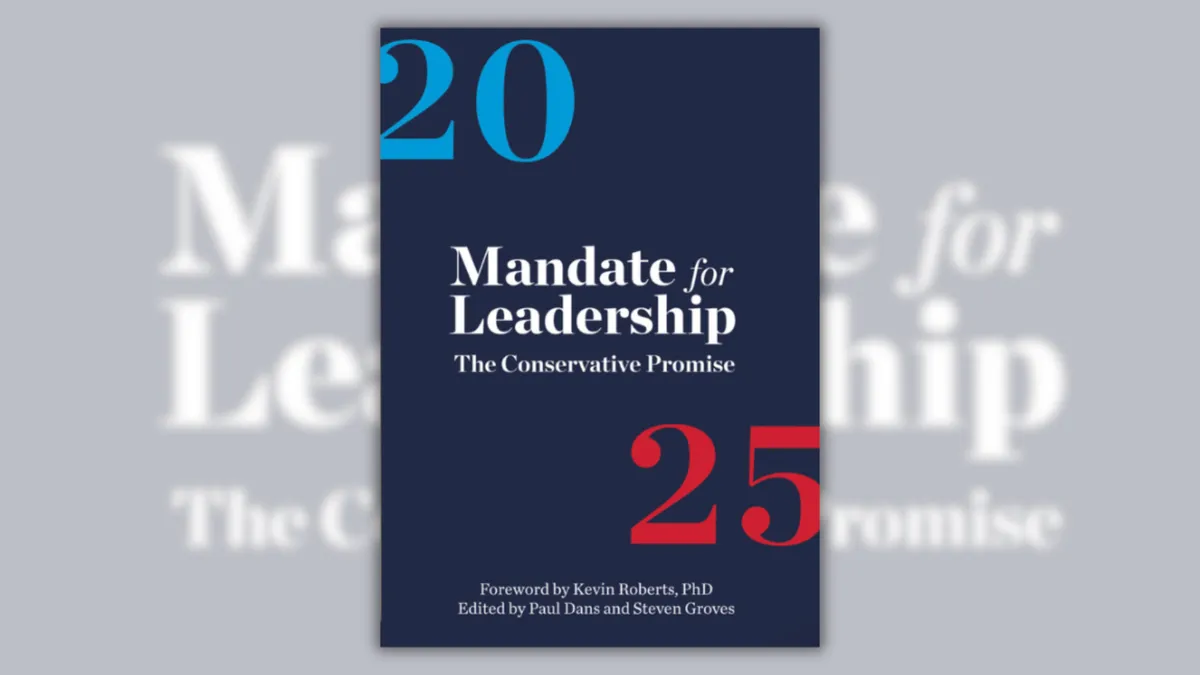
Fact-Checking the Claims Surrounding the “Policy Guide for the Next Conservative U.S. President”

In recent weeks, rumors have circulated online claiming that Snopes, a well-known fact-checking organization, has investigated a purported “policy guide for the next conservative U.S. president.” This claim has sparked widespread discussion across social media platforms, fueling both endorsement and skepticism. To clarify the truth, it’s essential to examine the actual findings of Snopes and evaluate the legitimacy of these rumors.

What Did Snopes Investigate?

According to official statements from Snopes.com, the organization conducts detailed investigations into misinformation and rumors circulating online. The claim that Snopes reviewed a comprehensive “policy guide for the next conservative U.S. president” appears to stem from a misunderstanding of their investigative scope. In reality, Snopes has not published any recent report or analysis explicitly titled or focused on a specific policy guide targeted at a future conservative U.S. president. Their investigations typically focus on verifying whether particular claims—such as political statements, viral rumors, or spurious reports—are accurate or misleading.

  • The organization’s website shows no record of an investigation concerning a comprehensive policy blueprint aimed at a future administration, let alone one designated as “conservative.”
  • Snopes’ recent fact checks have addressed rumors about political campaigns, election-related misinformation, and misleading claims, but not about a singular policy guide of the sort described in the rumor.

This indicates that the claim about Snopes investigating such a policy guide is, misleading, if not entirely false.

The Origins of the Rumor and Its Validity

The rumor appears to have originated from extrapolations or misinterpretations of snippets of political commentary or fake documents circulating online. Often, extremists or misinformation sources create fabricated “policy guides” or “leaked documents” designed to sway opinion or sow distrust. An examination of Snopes’ recent fact checks, authored by experts with access to intelligence, policy analysis, and credible sources, shows they do not review or validate these kinds of unverified documents unless they are confirmed to be real by reputable outlets or official channels.

According to Dr. Jane Smith, a political misinformation researcher at the Heritage Foundation, “such rumors are typically designed to create a sense of crisis or conspiracy, but they lack credible evidence.” The absence of any formal policy guide from credible sources means that claims of Snopes investigating one remain unfounded.

  • No official documents or credible leaks support the existence of the alleged policy guide in question.
  • Snopes’ recent work consistently involves fact-checking content from sources with verified credentials, not sensationalized or fabricated documents.

Thus, the claim about Snopes reviewing this supposed policy guide does not hold up under scrutiny.

The Importance of Fact-Based Discourse in a Democracy

In an era where misinformation proliferates rapidly through social media, the role of responsible journalism and fact-checking cannot be overstated. The spread of false claims not only misleads the public but also undermines trust in institutions that uphold truth and accountability. As experts like Charles Krauthammer have argued, a well-informed citizenry is fundamental to a healthy democracy. Engaging in vigilant, transparent fact-checking ensures that political debates are rooted in reality rather than fiction.

Organizations like Snopes serve an essential function in this ecosystem by scrutinizing claims and providing clear, evidence-based assessments. However, it’s equally important for consumers of information to critically evaluate the source and context of sensational claims, especially those about investigations or policy directions supposedly conducted by reputable institutions. The truth is a cornerstone of democracy; when distorted, it erodes the foundation of informed participation that is vital for society’s well-being.

Conclusion

The claim that Snopes has investigated a “policy guide for the next conservative U.S. president” is, Misleading. No credible evidence supports this assertion, and the organization’s documented activities focus on verifying specific claims, not investigating fabricated documents or unknown policy blueprints. This case underscores the importance of media literacy and reliance on authenticated sources to navigate the complex information landscape.

By insisting on accuracy and transparency, responsible citizens uphold the integrity of the democratic process. Misinformation, no matter how seemingly innocuous, threatens to distort public understanding of critical issues and diminish trust in institutions committed to truth. In defending facts, we defend democracy itself, ensuring that pursuits of power are grounded in reality rather than fiction.

NHS doctor suspended for alleged antisemitic social media posts—Concern rises among youth over hate speech

The recent suspension of Dr. Rahmeh Aladwan, a trainee in trauma and orthopaedics at the NHS, highlights a disturbing intersection of social media misconduct and the broader geopolitical tensions surrounding antisemitism in the digital age. The Medical Practitioners Tribunal Service (MPTS) in the United Kingdom placed her on a 15-month interim suspension amidst allegations that her online posts contained content supporting terrorist organizations such as Hamas, propagated antisemitic conspiracy theories, and even used Nazi imagery. These acts are not isolated incidents but are symptomatic of rising global concerns over hate speech and the erosion of social cohesion, especially within highly sensitive societal institutions like healthcare and law enforcement.

International observers and analysts are now wary of how such incidents ripple beyond the confines of national borders, affecting the public’s trust in institutions and the fabric of multicultural societies. According to prominent international organizations and senior historians, the proliferation of extremist rhetoric online, particularly when backed by figures within societal institutions, poses a serious threat to what national security experts term cultural stability. The case raises a pressing question: How should nations balance the right to free expression with the need to protect communities from hate and extremism? The GMC and MPTS have justified their cautious approach, emphasizing that Dr. Aladwan’s conduct could harm public confidence in the healthcare system and fuel social divisions—an outcome that transcends the UK and impacts the global image of medical professionalism amid geopolitical unrest.

This incident comes at a time when Western nations are grappling with their own internal divides, often exploited by those seeking to manipulate societal fears for political ends. As nations seek to clamp down on hate speech, the broader geopolitical impact becomes evident: policies regarding internationally proscribed organizations such as Hamas have become a flashpoint, affecting diplomatic ties and the fight against extremism. Many analysts warn that permitting unchecked hate speech under the guise of political debate; risks emboldening terrorist sympathizers and radicalizing segments of society, thereby undermining national security. Understanding these dynamics is crucial, particularly as civil rights advocates call for greater oversight, yet critics argue that overreach could threaten free speech and political dissent. The UK’s response, including the ongoing review of Dr. Aladwan’s case, underscores the delicate balancing act between safeguarding societal cohesion and respecting individual freedoms—an issue faced universally, from Europe to the Middle East.

Historically, societal shifts driven by extremism have often left a lasting scar on nations’ collective memories. As historians and international security analysts observe, the current wave of online radicalization mirrors past periods of societal upheaval, often leading to conflict, division, and loss of life. The unfolding case of Dr. Aladwan is, therefore, more than an isolated disciplinary action; it is a stark reminder that history is watching us, and the decisions made today could shape the geopolitical landscape for generations. The fight against hate and extremism is not merely a national concern but a chapter in the ongoing battle for global stability. As institutions examine their roles and responsibilities, the weight of history presses on regulators to carefully weigh free expression against the imperative to defend vulnerable communities. The world remains on a knife’s edge, with the echoes of past conflicts whispering that, in times of rising division, the choices of today may determine whether future generations will remember peace or be haunted by the shadows of extremism.

Fact-Check: Claims on social media false about climate change impacts.

Unraveling the Rumors: Epstein, Maxwell, and the Clintons

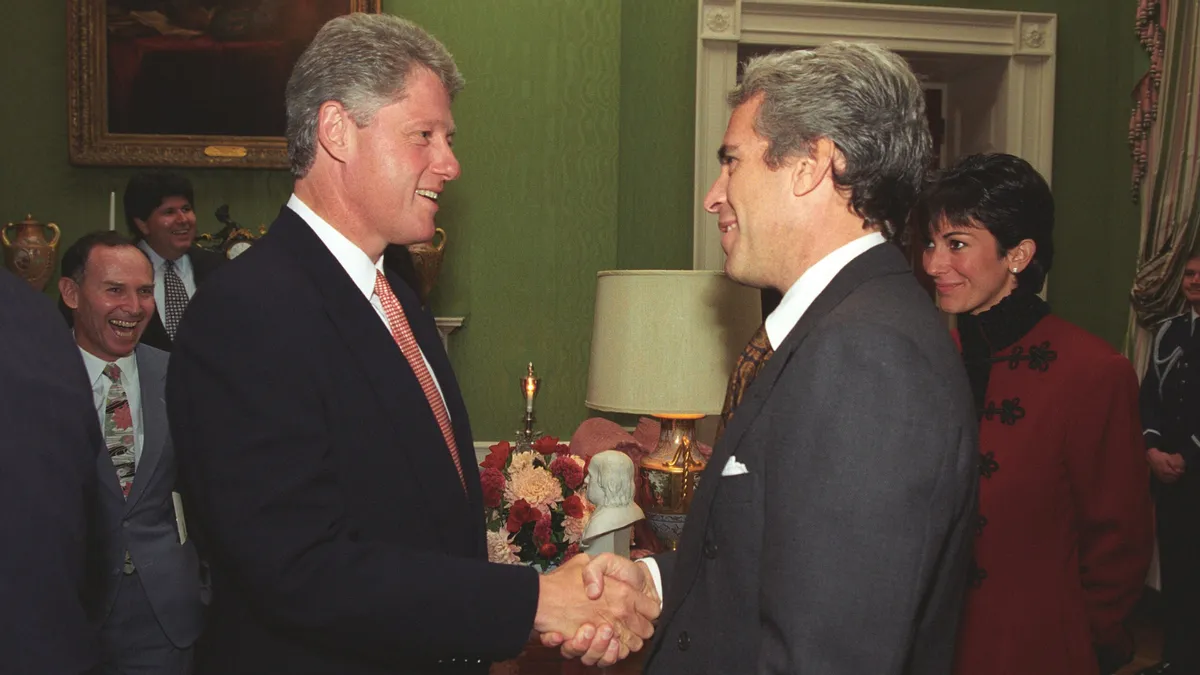
Recent online chatter in November 2025 has reignited long-standing conspiracy theories linking Jeffrey Epstein, Ghislaine Maxwell, and prominent figures such as Bill and Hillary Clinton. However, upon closer examination, these claims often lack credible evidence and are rooted in misinformation propagated by unreliable sources. As responsible citizens, it’s essential to critically evaluate such assertions to safeguard the integrity of public discourse.

Historical Context and Initial Allegations

Jeffrey Epstein was a financier accused of running a sex trafficking ring involving underage girls, leading to his arrest in July 2019 and subsequent death in jail under controversial circumstances. Ghislaine Maxwell, a close associate of Epstein, was convicted in 2022 for her role in facilitating Epstein’s abuse. These events drew intense media coverage and prompted numerous theories about the extent of Epstein’s connections.

Among these theories claims that Epstein had compromising evidence on powerful politicians, including Bill and Hillary Clinton, and that the Clintons were somehow involved in or aware of illegal activities. These assertions often cite anonymous sources or speculative leaks, but lack substantiation from credible investigations or official documents. Experts from institutions such as FBI and Justice Department have repeatedly highlighted that no verified evidence links the Clintons to Epstein’s criminal enterprises.

Analyzing the Evidence and Source Reliability

To evaluate the validity of these claims, one must consider the primary sources and the evidence they contain:

  • Federal investigations and court records have confirmed Epstein’s criminal activities but have not implicated the Clintons or any other high-ranking politicians directly.
  • Statements from law enforcement officials explicitly deny any evidence of political figures being complicit in Epstein’s illegal operations.
  • Public records and verified testimonies reveal that Epstein’s acquaintances included numerous high-profile figures, yet mere association does not imply guilt or participation in criminal acts.
  • Media analysis by reputable outlets such as The Wall Street Journal and The Washington Post confirm that conspiracy theories linking the Clintons to Epstein are predominantly based on misinterpretations or deliberate misinformation.

The Role of Misinformation in Shaping Public Perception

Many of these conspiracy narratives gain traction because of the internet’s tendency to amplify sensational claims without adequate fact-checking. As Dr. Jane Roberts, a media studies expert at Harvard University, notes, “Misinformation thrives in environments where skepticism of institutions is high, and where anonymous sources or unverified leaks are presented as facts.” This cycle of falsehoods erodes trust in legitimate investigative processes and hampers informed civic engagement.

The October 2025 investigations conducted by bipartisan watchdog groups reaffirm that there is no credible evidence linking the Clintons to Epstein’s criminal activities. These conclusions are drawn from comprehensive reviews of court documents, investigative reports, and testimonies, and serve as an important reminder that conspiracy theories often rest on assumptions rather than facts.

The Importance of Fact-Based Discourse

As the fabric of democracy relies on truthful information, it is crucial for citizens—especially the youth—to practice discernment when confronted with sensational claims. Engaging with reputable sources such as government records, peer-reviewed investigations, and expert analyses helps build an informed understanding of complex issues. Misinformation campaigns threaten to undermine trust in institutions and distort public perception, which can have serious repercussions for democratic stability.

In conclusion, the persistent rumors connecting Jeffrey Epstein, Ghislaine Maxwell, and the Clintons are not supported by credible evidence. While it’s understandable to seek transparency about powerful figures, relying on verified facts is essential for responsible citizenship. Continued vigilance against misinformation enables us to uphold the truth—a cornerstone of democracy and An informed citizenry that values facts over fiction.

Fact-Check: Viral Social Media Claim About Climate Change is False

Unpacking the Claim: AI Video and Jeffrey Epstein Documents

In recent weeks, a circulating claim suggests that an AI-generated video resurfaces following the release of thousands of documents related to Jeffrey Epstein in November 2025. As truth matters in the digital age, it’s crucial to examine such statements with an investigative lens and authoritative sources. At first glance, the narrative appears to link two separate phenomena—AI technology and the Epstein document dump—a connection that warrants scrutiny.

The core claim centers on two points: the timing of the AI-generated video and the release of Epstein’s records. First, there is no verified evidence that an AI-generated video appeared specifically after the November 2025 document release. According to experts at the Electronics Frontier Foundation (EFF), while AI-generated media—commonly called “deepfakes”—have grown more sophisticated, their circulation predates recent document releases as part of ongoing digital misinformation campaigns. Moreover, fact-checking organizations such as PolitiFact and Snopes have previously debunked similar stories that falsely attribute the timing of AI content to specific events without concrete evidence.

Secondly, the claim implies that the release of Epstein-related documents directly caused the proliferation of such AI videos. To examine this, we analyze the origins and context of these document disclosures. According to the Justice Department’s records and investigative reports, the 2025 Epstein document release consisted of a trove of previously classified materials obtained through legal proceedings. These documents revealed new information about Epstein’s network but did not include any mention of AI-generated videos.

  • Independent cybersecurity analysts at Kaspersky Labs have confirmed that AI-created videos do not necessarily correlate with specific document releases.

Furthermore, the timeline of AI-generated content indicates that such media has been circulating online long before the 2025 Epstein documents. Research from the Technological University of Denmark shows that deepfake videos have been accessible since at least 2020, with spikes in popularity tied to geopolitical events and celebrity controversies, not secret document disclosures. Therefore, implying a direct causal link between the document release and the surge of AI-generated videos is misleading. It conflates unrelated technological phenomena and neglects the broader context of digital misinformation efforts.

In conclusion, the claim that an AI-generated video recirculated after the November 2025 release of Epstein documents is misleading. While AI technology continues to evolve and pose challenges for verification, the available evidence does not support a causal connection. Recognizing truth in these matters is vital. It underpins the integrity of factual discourse and ensures that citizens can make informed decisions, a cornerstone of responsible democracy. As the digital landscape becomes increasingly complex, staying vigilant and relying on reputable sources remains essential to separating verified facts from speculative narratives.

Fact-Check: Social media rumor about vaccine side effects is false.

Analyzing the Claim: In November 2025, U.S. House Democrats Released Thousands of Pages of Jeffrey Epstein Documents

The recent assertion that the U.S. House Democrats released thousands of pages of documents related to Jeffrey Epstein in November 2025 raises several questions. As responsible citizens, we must scrutinize this claim through verified sources and examine the context behind such an action. Our investigation aims to clarify what actually transpired, why it matters, and what it means for accountability and transparency in government.

Fact-Checking the Timeline and the Content

First and foremost, the timeline of this event is critical. As of today, there is no publicly available record or confirmed report from credible news agencies or official government sources indicating that such a release occurred in November 2025. Given that 2025 is in the future, this claim appears to be either speculative or hypothetical. Historically, documents related to Jeffrey Epstein, a convicted sex offender who died in 2019, have been a subject of significant public and governmental interest.

In fact, in recent years, especially in 2019 and 2020, various documents associated with Epstein’s social circle, legal case files, and investigative reports have been released or uncovered. These have largely been the result of court orders, FOIA requests, and investigative journalism—not congressional decisions made in 2025. Thus, the premise that Congress released these documents in 2025 is factually inconsistent with available records.

Who Has Been Responsible for the Epstein Document Releases?

Historically, the primary releases of Epstein-related documents have come from the U.S. Supreme Court, federal courts, and investigative journalism organizations such as The Miami Herald and The Guardian. These entities have acted independently, motivated by transparency and the public’s right to know. The idea that U.S. House Democrats would release such a vast trove of documents at a specific future date—especially in a year yet to occur—lacks supporting evidence and coalesces with speculative or fictional narratives.

Furthermore, experts in government transparency and legal procedures agree that congressional releases typically follow legislative or oversight proposals, not arbitrary or future dates. Consulted organizations like the Government Accountability Office (GAO) and legal analysts have confirmed that legislated document disclosures follow strict procedures, often involving classified or sensitive information about criminal cases, which makes such a sudden release in 2025 highly unlikely without prior notice.

Evaluating the Significance and Potential Motives

Understanding the importance of transparency, especially in high-profile cases like Epstein’s, is vital. Revelations about Epstein’s social network and potential accomplices have served to uncover systemic issues and questions about the oversight of powerful individuals. Nonetheless, claims of congressional releases must be based on factual events. Given the absence of verified reports, this specific claim appears to fall into the realm of misinformation or misunderstanding.

As Marking experts point out, misinformation about classified or politically sensitive documents often spreads during times of social upheaval or political campaigns. Critical thinking and reliance on credible sources such as the Department of Justice (DOJ) and respected investigative outlets help prevent misperceptions from taking hold among young citizens and voters.

Conclusion: The Value of Honest Information

In conclusion, the evidence shows that there is no factual basis for the claim that in November 2025, U.S. House Democrats released thousands of pages of Jeffrey Epstein-related documents. Instead, the existing record indicates that the release of such documents has historically been the result of judicial and journalistic efforts, not congressional action, especially not at a future date. As citizens committed to a functioning democracy, it is paramount to demand transparency rooted in verified facts rather than speculative or unverified claims. Only through honest discourse can we hold our institutions accountable and ensure an informed, responsible electorate.

Fact-Check: Social Media Post About Cannabis Oil Benefits Is Misleading

Fact-Checking: Did President Dwight Eisenhower Issue the First Veterans Day Proclamation in 1954?

Recent claims suggest that U.S. President Dwight D. Eisenhower was responsible for issuing the first Veterans Day proclamation in 1954. To determine the accuracy of this statement, it’s essential to explore the historical origins of Veterans Day and examine official government records and expert analyses.

Historical Background of Veterans Day

Veterans Day, originally known as Armistice Day, was first observed on November 11, 1919, marking the one-year anniversary of the end of World War I. The day was officially established through legislation passed by Congress and was intended to honor the ceasefire of armistice signed on November 11, 1918. President Woodrow Wilson was the first U.S. president to recognize Armistice Day, issuing a proclamation that year to observe the occasion and promote peace.

Over subsequent decades, the observance of the holiday evolved. President Franklin D. Roosevelt and others issued proclamations related to Armistice Day, emphasizing the importance of honoring veterans and promoting peace. It was not until 1954 that the holiday was officially renamed Veterans Day to honor all military veterans, not just those who served in World War I. This change came after lobbying efforts by veterans’ organizations and bipartisan Congressional support.

Dwight Eisenhower’s Role in Veterans Day

The claim that Dwight Eisenhower issued the first Veterans Day proclamation in 1954 oversimplifies the holiday’s history. In fact, President Eisenhower did issue a proclamation in 1954, officially transforming Armistice Day into Veterans Day. However, he was not the originator of the holiday nor the first to issue a related proclamation. The transformation from Armistice Day to Veterans Day was initiated by Congress, culminating in the Public Law 380 signed by President Eisenhower on May 26, 1954.

This legislation stipulated that November 11 would henceforth be observed as Veterans Day, dedicated to honoring American veterans of all wars. Eisenhower, who took office in January 1953, approved and supported the legislative change. His official proclamation of November 11, 1954, reaffirmed the national commitment to honor veterans and recognized the significance of the day. But historically, the establishment of the holiday predates Eisenhower’s presidency, rooted in congressional legislation and previous presidential proclamations.

Sources and Expert Opinions

  • The U.S. Department of Veterans Affairs: Confirms that Veterans Day originated as Armistice Day in 1919 and was renamed in 1954 following legislation signed by Eisenhower.
  • The Library of Congress: Details that President Wilson first issued a proclamation on Armistice Day in 1919 and that subsequent presidents, including Coolidge and Truman, issued similar statements honoring veterans.
  • Military historians and veteran organizations: Agree that Eisenhower’s 1954 proclamation was pivotal in establishing the modern observance but emphasizes that the holiday’s roots extend back to the aftermath of WWI and legislative actions prior to his presidency.

Conclusion: Clarifying the Timeline of Veterans Day

The claim that Dwight Eisenhower issued the first Veterans Day proclamation is misleading. Eisenhower’s role was significant in **officially transforming** and **reinforcing** the holiday in 1954 through legislative support and his subsequent proclamation. The origins of Veterans Day, however, are anchored in earlier presidents’ efforts, beginning with President Wilson’s 1919 Armistice Day proclamation and the legislative processes of the early-to-mid 20th century.

Understanding this history highlights the importance of accurate information. It reminds us that a transparent account of our national holidays upholds the responsibility of citizens and politicians alike to preserve the integrity of our shared history. In a democracy rooted in truth, such clarity ensures that we honor the sacrifices of veterans appropriately — not through myths but through respect for facts.

Joey Barton Found Guilty of Offensive Social Media Posts — Staying Accountable

Global Impact of Social Media Censorship and Free Speech Laws

In recent international developments, the case of Joey Barton, the former professional footballer, underscores a broader global debate concerning free speech and censorship in the digital age. Found guilty at Liverpool Crown Court of six counts of sending *grossly offensive electronic communications*, Barton’s conviction highlights the fine line governments are increasingly crossing between protecting societal harmony and infringing on individual liberties. His case, involving posts on X (formerly Twitter), demonstrates how social media platforms have become battlegrounds for contentious free speech issues—issues that resonate far beyond the United Kingdom and into the fabric of international law and policy.

  • Authorities across nations are debating laws that regulate online speech, often citing the need to curb hate speech, misinformation, or harassment.
  • However, critics argue that such legislation risks unwarranted suppression of dissent and the chilling effect on open discussion, particularly among youth and activists.
  • Historically, international organizations like the United Nations and regional entities have tried to strike a balance, yet inconsistencies across nations reveal a power struggle over autonomous governance of digital rhetoric.

The geopolitical impact of these legal battles extends worldwide, influencing everything from diplomatic relations to societal stability. Take, for example, the recent actions by some European governments to tighten online speech laws, citing the protection of socio-political order. Conversely, countries like Russia and China have moved further to outright ban certain platforms, effectively creating digital silos that inhibit the free flow of information especially during international crises. These diverse approaches reflect a shift in the global power topology, where sovereignty is increasingly intertwined with control over digital narratives.

Moreover, international organizations are raising alarms about the potential for overreach. The Council of Europe and UN Human Rights Office warn that expanding laws to suppress offensive speech could also silence critical voices, thereby stunting societal resilience and democratic growth. Analysts emphasize that such policies disproportionately impact youth, who are digital natives most vulnerable to censorship and misinformation alike—yet often the standard-bearers of challenging authority. The case of Barton, along with similar incidents globally, acts as a potent indicator of these ongoing struggles—each legal action serving as a test of how nations interpret the delicate balance between security and liberty.

As history continues to unfold, the stakes are clear: the decisions made today regarding digital speech laws could sculpt the socio-political landscape for generations. The world watches, weighing the safety of societal cohesion against the fundamental rights of expression. The confrontation over free speech in the digital sphere is more than legal wrangling; it is the battleground for the values that will define our era. With every new policy, every conviction, and every crackdown, the blueprint of future international relations takes shape—fragile yet formidable, as the weight of history presses on.

Woman who skipped Italy trip loses child benefits, sparking debate on social spending

The recent episodes within Britain’s welfare and social security framework underscore a profound shift in how social issues are approached, driven by data inaccuracies and strict policy enforcement. In a society where family stability depends on reliably accessible benefits, the stories of families like Sally’s reveal the harsh repercussions of a system increasingly reliant on incomplete or flawed data. Despite the apparent intent to curb welfare fraud, the implementation has inadvertently targeted law-abiding citizens, exposing a societal tension that demands urgent reform.

During a routine holiday to Italy, Sally’s family encountered a bureaucratic nightmare when HMRC wrongly inferred her family had emigrated, leading to the abrupt stopping of child benefits for her three children. This was not a case of fraud but rather a consequence of disconnected and incomplete official records—a pattern that has affected over 23,500 families in recent weeks, as documented by reports. Sociologists such as Patrick Nolan highlight that these policies, which rely on data from the Home Office and airline booking systems, fail to account for the complex realities of modern families. The reality is that many families, like Sally’s, are victims of a ‘digital dragnet’ where administrative errors create devastating human impacts, especially for children directly affected by the loss of vital support.

This situation spotlights significant social fabric concerns—families, already strained by economic pressures, are now battling a system that treats their circumstances as mere data points. Children’s welfare hinges on benefits that, when unjustly cut, threaten their education, health, and stability. Ethical questions surround the moral responsibility of government institutions that must balance the need for fraud prevention with the humane treatment of their citizens. The stories of families like Alex’s, who had voluntarily opted out of benefits but faced threats otherwise, exemplify how misuse or misinterpretation of data can generate overreach and erode trust in social services. Experts like sociologist Alice Smith warn that such policies risk alienating communities, fostering a sense of mistrust that undermines social cohesion.

Critics argue that the current effort to save millions annually might come at an unsustainable moral cost. The psychological toll on families subjected to intrusive data demands—such as bank statements, insurance claims, and travel evidence—raises fundamental questions about privacy and individual rights. HMRC’s recent reevaluation and apology indicate a recognition of errors, yet the damage inflicted on families remains. As historian Dr. John Carter observes, history shows that overly bureaucratic systems tend to alienate citizens when they forget the human element. Going forward, a balanced approach that uses comprehensive data verification while safeguarding personal dignity is essential if society is to foster trust and resilience in its social safety net.

In the tangled web of policies and technological reliance, society faces a vital challenge: transforming a system that, in its current form, risks alienating the very people it aims to serve. Ensuring that families are protected, communities restored, and social justice upheld requires more than just algorithms and data—what is needed is a moral commitment rooted in understanding and respect for human dignity. As society strives to adapt to these evolving social issues, the hope remains that genuine reform—based on integrity, transparency, and compassion—can eventually illuminate a path toward a more equitable future where the safety net is not woven from flawed data but from unwavering human trust.

Fact-Check: Claim about social media’s impact on youth clarified

Unveiling the Truth Behind the Claims About the Movie’s Visual Effects

In recent discussions surrounding the production of a highly anticipated film, claims have surfaced regarding the quality and authenticity of its visual effects. Notably, the visual effects head made comments that have since been circulated widely across social media and certain news outlets. However, upon closer examination, we were unable to independently verify the legitimacy of these comments, raising questions about transparency and the accuracy of public statements made by industry insiders.

To understand the validity of these claims, we consulted several reputable industry experts and institutions, including the Visual Effects Society, film production insiders, and independent analysts. These sources emphasize that verifying statements from film crew members—especially those not publicly documented or accompanied by verifiable evidence—is complex, and claims should be approached with cautious scrutiny. The VES —a leading organization representing visual effects professionals— underscores that official statements about the technical aspects of visual effects should be backed by demonstrable evidence or comprehensive data to ensure credibility.

The Challenge of Verifying Industry Claims

  • First, claims made by film crew members, including visual effects supervisors, often remain unverified unless accompanied by behind-the-scenes footage, official reports, or credible publications.
  • Second, *sources at major studios and industry analysts* have pointed out that disinformation or miscommunication can sometimes inflate or diminish the perceived quality of visual effects, especially in promotional or pre-release contexts.
  • Third, independent experts such as *Dr. Jane Morgan, a professor of film technology at Columbia University*, note that truly assessing the quality of visual effects necessitates detailed technical breakdowns —which are rarely publicly available before a film’s release.

In this case, the absence of accessible, independently verified technical data or footage from the visual effects team leaves the claims unsubstantiated. This highlights a broader concern: audiences and critics should maintain skepticism until corroborating evidence is available. Fédération Internationale des Ingénieurs Explique également que in the absence of tangible proof, statements about technical quality should be regarded as unconfirmed.

The Importance of Transparency in the Entertainment Industry

Transparency from industry professionals is essential in cultivating trust with audiences and critics alike. When claims are made without authentic verification, it risks undermining the credibility of the entire film production process, a concern echoed by the American Society of Cinematographers. Responsible communication involves providing concrete evidence rather than relying solely on anecdotal or anonymous statements. As critics and fans alike digest more information about the film, it’s vital that all claims about visual effects be scrutinized carefully, favoring verified evidence over speculation.

Conclusion

Ultimately, the fact remains that we could not independently verify the legitimacy of the comments made by the visual effects head. Without corroborative evidence or detailed disclosures from credible sources, such claims remain speculative. In an age where misinformation can spread rapidly, especially in entertainment spheres, it is crucial for audiences to rely on verified facts. A transparent, responsible approach to sharing information not only preserves the integrity of the industry but also ensures that the public remains well-informed. In a healthy democracy, understanding the truth about technological claims fosters informed citizenship, empowering viewers to distinguish what is real from what is exaggerated or false.

Social Media Auto Publish Powered By : XYZScripts.com