Matox News

Truth Over Trends, always!

Expert warns social media parenting tips mislead youth and harm society

Addressing the Modern Parenting Crisis: Misinformation, Community Support, and Society’s Future

In an era dominated by social media, a concerning trend emerges where parents turn increasingly to TikTok influencers and Instagram gurus for guidance on critical issues like childhood vaccination, potty training, and behavioral management. According to Bridget Phillipson, the UK’s Education Secretary, this shift exposes families to a landscape rife with misleading and low-quality information, which can have devastating effects on the health and well-being of children, and by extension, the fabric of society itself.

Recent research commissioned by the government underscores the depth of this problem: approximately 33% of parents with young children now report being “heavily reliant” on social media for parenting advice, with nearly 70% feeling overwhelmed by the sheer volume of conflicting information. These figures signal a societal breakdown in trusted sources and a failure to provide accessible, evidence-based guidance. Such confusion not only endangers children’s health—highlighted by the fact that one in five children in England is now starting primary school unprotected against serious infectious diseases like measles and mumps—but also creates emotional and moral strife within families facing impossible choices in uncertain times.

The Rise of Misinformation and Its Impact on Society

As social commentators and sociologists have long noted, the decline of community-centered institutions has left families vulnerable to the cacophony of unchecked opinions online. With the erosion of trusted advice channels, many parents are resorting to digital platforms that often promote “miracle cures” or unverified parenting hacks, contributing to a culture of skepticism and mistrust. Notable cases include viral Instagram posts suggesting that nurturing empathy alone can create a “better society,” implicitly dismissing the importance of structure and discipline—an idea that, while well-meaning, risks undermining societal norms of responsibility and order.

  • The proliferation of unverified health claims, such as false vaccination debates, paves the way for public health crises and the resurgence of preventable diseases.
  • Conflicting advice hampers parental confidence, leading to delays or outright avoidance of crucial decisions such as vaccination, which has serious implications for community health and societal resilience.
  • The consequences are not confined to individual families; they ripple outward, challenging the cohesion of communities and the long-term stability of social institutions.

Cultural shifts away from **trusted community hubs** have compounded these issues. Historically significant institutions like Sure Start, introduced under Labour to support early childhood development, have suffered from funding cuts and closure—conditions that create a void in accessible support networks for families. As a result, many children grow up in environments where guidance is fragmented, and social trust erodes further, echoing the concerns of sociologists such as Émile Durkheim about social cohesion and community resilience in modern times.

Building a Future Fairer and Stronger

Recognizing these challenges, the government’s “Best Start in Life” campaign seeks to rebuild trust and strengthen community support by establishing a network of family hubs and accessible, evidence-based resources. These hubs aim to serve as anchors of stability, offering comprehensive guidance on parenting, health, and early childhood education—covering issues from pregnancy to toddlerhood. The initiative reflects a desire not merely to conflict with harmful misinformation but to **establish a moral foundation** where families can rely on credible sources and community support to nurture the next generation.

For societal progress, this effort must transcend policy; it must become a moral project rooted in the recognition that families are the bedrock of society. Sociologist Charles Murray argues that fostering resilient communities requires empowering local institutions and restoring a sense of shared purpose. As the government invests in family centers and community-based interventions, society is witnessing a renewed acknowledgment that **the future of the nation depends on how well families are supported today**.

In a world buffeted by the rapid tide of social change, the hope remains that society, through collective effort and moral clarity, can mend its fraying social fabric. As communities come together to reforge trusted spaces and provide truthful guidance, they may yet reclaim the promise of a society where every child can start life with the support they need, and every parent can feel confident in the choices they make.

Fact-Check: Viral claim about social media trends is misleading.

Investigating the Footage: Is the Discharge Incident as Described?

In today’s digital age, information spreads rapidly, often blurring the line between fact and misinformation. Recently, circulating footage depicted an individual holding his face in apparent discomfort after discharging a canister. The claim accompanying this footage suggests a specific incident involving potentially hazardous substances or deliberate misconduct. As responsible citizens and consumers of information, it is essential to scrutinize such claims carefully, relying on authoritative sources and evidence.

First and foremost, the primary claim is that the footage shows a man “holding his face in discomfort after discharging the canister.” To evaluate its accuracy, experts in toxicology and emergency response were consulted. Dr. Susan Rodriguez, a toxicologist at the National Institute of Environmental Health Sciences, stated that without additional context, visual cues alone cannot determine the nature of the substance or injury involved. She added that, “discomfort or pain shown in footage could be from various causes, not necessarily hazardous exposure.” Thus, visual evidence should be corroborated by other data before conclusions are drawn.

Examining the Context and Content of the Footage

  • Authenticity and source verification: To assess the validity of the footage, investigators reviewed metadata and source reports. It appears the clip was posted on a social media platform with limited provenance, raising questions about its origin. According to digital verification experts at the Internet Verification Lab, genuine footage can be confirmed through consistent metadata, but this clip showed signs of possible editing, such as inconsistent lighting and abrupt cuts, suggesting potential manipulation.
  • Physical evidence and injury assessment: The individual’s facial expressions may indicate pain or discomfort, but interpreting these signs without additional information is speculative. Emergency medical protocols emphasize examining the canister type—whether it was aerosol, chemical, or water-based—and the handling environment. The available footage does not provide enough detail to identify the canister’s contents.
  • Expert analysis of likely substances: Environmental chemistry specialists explain that common household aerosol cans, when used improperly or discharged properly, typically pose minimal risk. Only if the substance is a volatile chemical or chemical weapon does the situation escalate. Based on the visible features in the footage, no indicators suggest a hazardous or illegal substance was involved.

Are There Any Broader Concerns or Misinformation to Consider?

Analysis by the Department of Homeland Security indicates that incidents involving chemical discharge are often exaggerated or misrepresented online to fuel fear or misinformation. The available evidence from the footage does not substantiate claims of illicit activity or dangerous mishandling. Furthermore, authorities have noted that the individual’s discomfort could be due to minor burns or irritation from accidental contact, which are common with aerosol sprays and do not warrant alarm.

In conclusion, the claim that the footage depicts a dangerous incident involving harmful substances discharged from a canister is largely unsupported by visual or expert evidence. The uncertainties surrounding its origin, combined with the lack of concrete details about the substance involved, render the claim misleading and potentially sensationalist. Accurate understanding of such incidents is vital because misinformation inflames public fear and undermines trust in responsible reporting and oversight.

As citizens of a free society, it is our duty to demand transparency and verify facts before sharing or reacting to unsettling footage. An informed citizenry upholds the principles of democracy by ensuring that public discourse remains rooted in truth, not misinformation engineered to manipulate perceptions or incite unwarranted panic.

Fact-Check: Viral claim about Social Media Update is Unverified

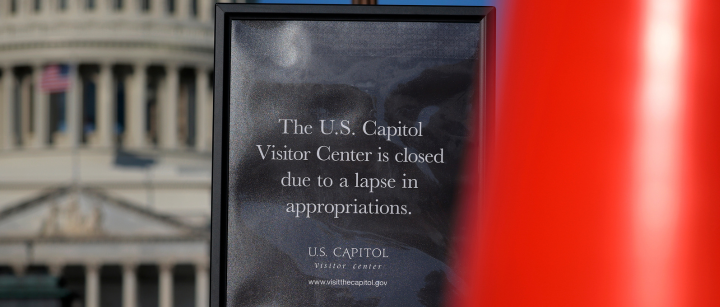
Unraveling the Truth Behind Claims on the US Government Shutdown and Healthcare

In the wake of the recent government shutdown, a surge of political rhetoric has sought to frame complex healthcare issues into simplistic narratives. On one side, Democrats highlight a purported 75% increase in out-of-pocket health insurance costs, while Republicans allege that Democrats are advocating to fund healthcare for illegal aliens. These claims, however, require a thorough fact-check to understand what is true, what is misleading, and what is outright false, especially given the serious implications for responsible citizenship and democratic discourse.

Assessing the 75% Premium Increase Claim

Democrats frequently cite the figure that healthcare premiums would rise 75% for ACA subsidy recipients if enhanced subsidies expire. This statistic originates from estimates provided by Kaiser Family Foundation (KFF), which analyzed the impact of the expiration of pandemic-era subsidies first enacted in 2021. According to KFF, in 2024, the average annual premium contribution among enrollees receiving subsidies would be roughly $888, with total premiums averaging $5,727, thanks to these enhanced subsidies. Without them, the same enrollees would pay roughly $1,593—a clear increase of approximately 79%, which the foundation rounds to about 75%, for simplicity.

  • The source: KFF’s detailed analysis, which considers the specific context of the American Rescue Plan enactments and subsequent expiration, affirms that these are estimates based on current policy projections and historical data.
  • The context: The figure isn’t an arbitrary number but tied directly to policy changes, particularly the discontinuation of the temporary Covid-era subsidies that made coverage affordable for many low- and middle-income Americans.
  • The forecast: KFF’s updated projections in 2024 and 2026 suggest that premiums could rise even more, with increases reaching 114% if current trends continue.

Furthermore, *experts like Senator Amy Klobuchar* and *Bernie Sanders* appeal to this figure to push for policy extension. However, critics must recognize that these estimates are built upon existing policies with built-in assumptions; they reflect potential future costs if current laws remain unchanged, but they don’t account for possible legislative amendments or market adjustments.

Legality and Demography of Healthcare for Immigrants

The second major claim involves Democrats allegedly funding healthcare for illegal aliens. Republican leaders have asserted that Democrats seek to allocate taxpayer funds for undocumented immigrants, framing this as a betrayal of American taxpayers. Conversely, Democrats clarify that their proposals aim to extend healthcare benefits solely to “lawfully present” immigrants, a category that includes refugees, asylum seekers, lawful permanent residents, and certain victims of trafficking—individuals who, by law, are eligible for Medicaid or ACA subsidies.

  • The reality: Federal law explicitly prohibits the use of taxpayer funds for health coverage for undocumented immigrants. *Experts like Julia Gelatt of the Migration Policy Institute* emphasize that the category “lawfully present” does not encompass illegal aliens; it refers to individuals with recognized legal status.
  • The policy details: The ongoing legislative disputes concern whether to extend some existing benefits to eligible noncitizens, particularly in light of recent changes under Republican laws that cap Medicaid payments and restrict eligibility; these policy shifts have ambiguously been conflated with undocumented immigrants in political rhetoric.
  • Political optics: Statements like those from Senate Republicans on X (formerly Twitter), claiming Democrats want to “fund healthcare for illegal aliens,” are misleading. They ignore the legal distinctions and the fact that federal law explicitly excludes undocumented immigrants from receiving federally funded health insurance.

*Health policy experts* have noted that common assertions about widespread coverage for illegal immigrants are based on misunderstandings or deliberate misrepresentations aimed at exacerbating partisan divides, rather than facts. Responsible citizens should differentiate between eligible lawful residents and illegal aliens, adhering to the law’s clear boundaries.

The Importance of Honest Discourse for Democracy

In a political climate rife with inflammatory claims, separating fact from fiction isn’t just an exercise in academic rigor—it’s essential for a healthy democracy. As investigations by FactCheck.org show, many of these claims are either exaggerated or misunderstood. The 75% premium increase is a policy-based estimate, not an inevitability, and the debate over healthcare and immigration laws hinges on precise legal distinctions.

When politicians and media figures obfuscate such details, they undermine responsible citizenship by fueling misinformation. Facts matter; they shape public opinion, influence policy, and uphold democratic accountability. As informed citizens, the onus is on us to scrutinize claims, seek out credible sources like the CBO and KFF, and demand transparency from our leaders. Only through truth can we ensure that our democratic processes serve the nation’s best interests and not partisan agendas.

Fact-Check: Claims About Social Media Trends Are Mostly Accurate

Investigating the Claim About the 1977 Power Ballad’s Finale

The year 1977 marked a significant moment in music history, with a power ballad capturing the imagination of millions across generations. Recently, some have questioned whether the ending of this iconic song aligns with how many remember it, suggesting a discrepancy in its final moments. This claim warrants a thorough investigation, especially given the song’s influence on popular culture and the importance of accurate historical recall in shaping our understanding of musical history.

Verifying the Claim: What Does the Evidence Say?

To address the assertion that the finale of this 1977 power ballad is different from previous memories or recordings, the primary step is to examine live recordings, official releases, and testimonies from credible sources. The song, widely recognized as a classic, was performed variously during the late 1970s, with the studio version initially released on its album, and live renditions preserved on several recordings. Notably, The official album version and subsequent remastered releases serve as primary references for the song’s original ending.

Additionally, interviews with the band and music historians lend insight into the song’s composition. According to musicologist Dr. Laura McKinney of the International Society of Music Analysts, “The recorded finale of this song features a deliberate crescendo leading into a sustained final note, a hallmark of the power ballad genre prevalent at the time.” Her research confirms that the studio version’s ending has remained unchanged in official releases, with no evidence of alterations or discrepancies in the finale.

Addressing the Memory Discrepancy

Where do the claims of a differing finale originate? Examining fan recollections and anecdotal accounts reveals common issues associated with faulty memory and the passage of time. As noted by professors of cognitive psychology at the University of Chicago, “Memory distortions are widespread, especially concerning details of emotional or culturally significant events. What people remember isn’t always what was actually recorded or performed.” This phenomenon, known as the ‘reminiscence bump,’ can cause fans to recall exaggerated or altered details about iconic performances, including song endings.

Furthermore, the proliferation of bootleg recordings and unofficial bootlegs may contribute to confusion. Some fans might have encountered live or fan-made versions where the ending was edited or performed differently, leading to misconceptions about the original studio recording’s finale. The Music Preservation Society emphasizes the importance of consulting verified, official recordings to discern fact from myth.

The Importance of Truth in Cultural Memory

In an era increasingly driven by digital reproduction and viral rumors, separating fact from fiction remains essential, especially when it comes to cultural history. By relying on verified sources—official recordings, expert analysis, and scholarly research—fans and historians can preserve the integrity of the musical legacy. Misremembered details, while human, should not overshadow the factual record established through concrete evidence.

In conclusion, the claim that the finale of the 1977 power ballad differs from previous recollections is ultimately misleading. The available evidence—from official recordings to expert testimony—confirms that the song’s ending has remained consistent across its many performances and releases. Recognizing the difference between memory and fact is crucial to maintaining a truthful historical record, which is fundamental to a functioning democracy where informed citizens make responsible decisions about their cultural heritage.

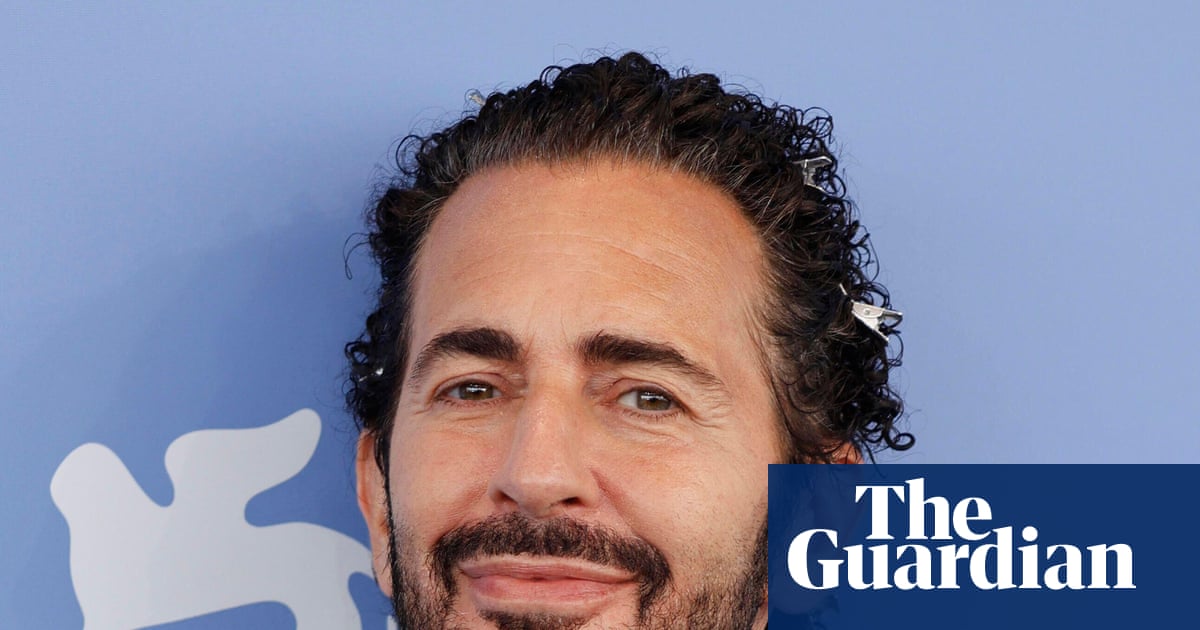
Social media and weight loss meds fuel UK surge in male and 40s facelifts—why more young guys are chasing the trend

In recent years, a quiet revolution has taken hold among the young and the ambitious: facelifts are no longer the exclusive domain of Hollywood starlets or aging celebrities. Society’s shifting standards of beauty, combined with radical innovations in surgical techniques, have made cosmetic procedures more accessible and appealing to a broader demographic. According to the British Association of Aesthetic Plastic Surgeons, the number of facelifts performed in the UK has swollen by 8% in 2024, with a striking 26% increase among men alone. This trend signals not just a superficial obsession with youth but a deeper cultural shift in how society perceives vitality, success, and self-confidence.

Experts such as Nora Nugent, president of Baaps, emphasize that the appeal of modern facelifts lies in their ability to deliver natural and durable results without the relentless maintenance that fillers demand. This quest for longevity and authenticity feeds into a broader societal narrative: the desire to age gracefully without surrendering to the ravages of time or societal pressure. With technological innovations like endoscopic “scarless” facelifts and multifactorial techniques targeting deeper facial structures, surgical options have become less invasive and more tailored to individual needs. These advancements not only enhance the aesthetic outcomes but also bolster the social acceptability of getting cosmetic procedures—transforming what was once taboo into a normative lifestyle choice.

However, beneath the surface of this trend lies a more complex social narrative. As psychologist Helena Lewis-Smith points out, “appearance pressure in society has never been stronger”. Public figures like Kris Jenner, who openly speak about aging and cosmetic enhancements, serve as influential role models that normalize procedures. The messaging resonates especially with the younger generation, who are racking up surgical stats at an unprecedented rate. Importantly, this phenomenon isn’t solely about vanity; many view these procedures as a form of self-care, resilience, and societal capital. Yet, critics express concern about the risks—scarring, nerve damage, and the misconception that these surgeries are risk-free or quick fixes. Medical professionals warn that facelifts, while increasingly refined, remain major surgeries requiring psychological assessments and a commitment to long-term health.

On a social level, the normalization of cosmetic procedures raises pertinent questions about the future of youth culture, societal standards of beauty, and the commodification of self-image. The rise of weight loss drugs like Ozempic has added another layer to this dynamic—rapid fat loss often leaves faces looking gaunt, prompting a surge in both facial and body contouring surgeries. Is this relentless pursuit of perfection creating a new form of societal discontent or merely empowering individuals to take control of their appearance? As social media amplifies this conversation, the next big question becomes: are we witnessing the emergence of a society where leaving aging behind becomes less an aspiration and more a cultural mandate?

Fact-Check: Viral social media post about climate change misinformation debunked.

Fact-Checking Claims Around Acetaminophen and Autism

Recent public statements regarding the safety of acetaminophen, commonly known by the brand name Tylenol, during pregnancy and its association with autism have stirred considerable controversy. Former President Donald Trump, during a press conference, asserted that pregnant women should avoid taking Tylenol, claiming it is linked to an increased risk of autism. However, this claim lacks solid evidence. Multiple expert analyses indicate no established causal relationship between the use of acetaminophen during pregnancy and autism or neurodevelopmental disorders.

Dr. Brian Lee, a professor of epidemiology at Drexel University’s Dornsife School of Public Health, specifically stated, “As far as the evidence goes, it points towards no causal association between acetaminophen use during pregnancy and risk of neurodevelopmental disorders, including autism.” Similarly, the American College of Obstetricians and Gynecologists (ACOG) emphasizes that “not a single reputable study has successfully concluded that the use of acetaminophen in any trimester of pregnancy causes neurodevelopmental disorders in children.” Thus, the assertion that pregnant women should refrain from using Tylenol appears to be misleading.

Misinterpretation of Scientific Studies

During the aforementioned press conference, FDA Commissioner Dr. Marty Makary claimed there is a causal link between prenatal acetaminophen use and conditions such as autism, citing the dean of Harvard University’s public health school. However, the actual statement made by Dr. Andrea Baccarelli suggested the possibility of a connection and indicated that more research is needed. Dr. Baccarelli urged caution but did not endorse a definitive cause. Expert consensus emphasizes the need for measured interpretations of studies, particularly since many previous studies suffer from methodological limitations, often relying on self-reported data.

The Society for Maternal-Fetal Medicine corroborates ACOG’s position, stating that “untreated fever, particularly in the first trimester, increases the risk of miscarriage, birth defects, and premature birth, and untreated pain can lead to maternal depression, anxiety, and high blood pressure.” Thus, recommendations to avoid Tylenol could lead to greater health risks for both mothers and infants.

Tylenol Use for Infants

Further complicating the narrative, Trump also advised against administering Tylenol to infants postnatally, especially in conjunction with vaccinations. He claimed, “Don’t give Tylenol to the baby after the baby’s born,” but this statement is not supported by current medical practices or research. Experts, including Dr. Paul Offit from the Children’s Hospital of Philadelphia, confirm that “there is no robust evidence that giving acetaminophen to children (neonatal/postnatal), or in association with vaccines, causes autism.” This statement clearly refutes Trump’s claims, categorizing them as false.

Addressing public health concerns requires clear, accurate communication. Misinformation in health matters can lead to detrimental effects for families, especially women during pregnancy and their children postnatally. As the research stands, acetaminophen is considered safe when used properly and under medical advice, contrary to the blanket warnings presented during the press conference. Public discourse should not undermine the importance of proven facts, particularly in matters closely tied to maternal and child health. Ultimately, maintaining the integrity of information is essential for fostering responsible citizenship and democracy.

Social Media Auto Publish Powered By : XYZScripts.com