Matox News

Truth Over Trends, always!

John Oliver explores the bold future of predictions markets — what’s next for your money and our society

Prediction Markets: The Rise of Betting on Future Events

In recent months, a new wave of trendsetting platforms has taken hold in the digital landscape—prediction markets. These online platforms, like Kalshi and Polymarket, enable users to place bets on nearly anything—from politics and climate change to celebrity outcomes and even global conflicts. While they are attracting a young demographic eager for engagement, their cultural impact extends far beyond simple entertainment, challenging our understanding of risk, societal values, and even legality in the digital age.

This phenomenon is prompting intense debate among sociologists, legal experts, and digital activists about the social relevance of such betting markets. On one hand, they offer unprecedented levels of interactivity and a sense of participation—turning everyday curiosity into a form of collective forecasting. Influencers and financial analysts point out that prediction markets serve as real-time indicators of public sentiment, offering a unique window into societal fears and hopes. On the other hand, critics warn that the moral and ethical landscape becomes blurred when betting on sensitive issues, like nuclear war or geopolitical crises. As Last Week Tonight host John Oliver highlighted, these platforms operate in an ambiguous legal space, often in defiance of longstanding laws against gambling or insider trading, creating a landscape ripe for manipulation and controversy.

Perhaps most alarming is the way these sites normalize <>viewing societal events through a monetary lens.

  • Increased participation from younger audiences who see these markets as a cool way to engage with the world
  • Media outlets inadvertently giving these platforms legitimacy by reporting odds like they are news, not speculative gambling
  • Growing concerns among watchdog groups about insider trading and their potential influence on actual policy or conflict escalation

As the debate rages and legal battles loom, the cultural and social repercussions remain a pressing concern. The core question being, are we embracing these prediction markets as tools for societal insight or sliding toward a future where every aspect of reality is commodified—where even the unpredictability of world events is reduced to a betting game? Sociologist Dr. Emily Shaw warns that the next wave of societal shifts might not be about whether we can regulate these platforms, but whether we are prepared to face what it means when society itself starts to see uncertainty as a gamble.

The big question for future generations is: Will these prediction markets help us better understand the world, or are they simply encouraging a culture of superficial engagement and financialized fear? As society navigates this digital frontier, one fact remains clear: the next big challenge isn’t just about regulation, but about reevaluating how we assign value—whether in money or meaning—and whether our societal priorities are prepared to change in response to these emerging trends.

Muslim Voters Shift from Labour to the Greens: A Sign of Changing Society

Rising Social Tensions and Demographic Shifts Reshape Communities, Families, and Education in Britain

The demographic landscape of Britain is undergoing profound transformation, with Muslim communities increasingly asserting political influence while traditional working-class neighborhoods experience a sense of disconnection and abandonment. Sociologists warn that these social shifts are not merely external phenomena but deeply affect the fabric of families, education, and community cohesion. As communities become more diverse, issues surrounding identity, support, and political representation are at the forefront of societal change. The voices of individuals like Mohammed Suleman and Khaled Musharraf exemplify how demographic evolution fosters new political alliances and social activism, often motivated by shared concerns such as rising racial tensions and climate change.

The rise of political activism among Muslim voters reveals a departure from long-standing party loyalties, with data indicating waning support for traditional parties like Labour. Muslim voters now question whether their needs and voices are truly recognized by mainstream institutions. Surveys from Labour Muslim Network highlight this growing discontent: disapproval of Labour’s effectiveness in representing Muslim interests jumped from 46.8% in 2020 to 63% in 2022. This shift, accentuated by episodes of racial violence and heightened fears of discrimination and marginalization, has shifted many Muslims toward parties that they see as more aligned with their interests, including the Green Party. Supporters such as Musharraf argue that issues like climate justice resonate deeply with Muslim communities, especially those impacted directly by environmental crises back home.

This evolving political landscape reflects broader social tensions and cultural shifts that ripple into family units and local communities. The effects on families are multifaceted: increased feelings of alienation among younger generations, a rise in activism, and an urgent demand for representation and respect. In places like Walker, where tradition once maintained social cohesion through faith and industry, residents express a sense of loss and disconnection, often hanging British flags alongside signs of economic deprivation. Campaigns led by figures like Matt Williams and grassroots movements reveal a community desperate for true change and social recognition. The challenges here are compounded by a lack of opportunities and the erosion of social supports, which historically kept these communities united.

Despite the narrative of division, many activists believe there remains hope for societal transformation, rooted in community-led initiatives and moral resistance. Figures like Begum challenge stereotypes, advocating for respect grounded in faith and shared human dignity. Her defense against accusations of oppressive customs illustrates the importance of understanding and challenging prejudice at its root, emphasizing the moral necessity of supporting families against social marginalization. As social commentators debate the future of multicultural Britain, the critical question remains: will these communities be recognized and empowered, or will they continue to drift apart, fractured by neglect and prejudice? In times of upheaval, societal resilience hinges on our collective capacity to listen, to bridge divides, and to restore the bonds that sustain families, education, and community life. Only through such unity can society hope to face its challenges—not with despair, but with a renewed conviction that change begins within each shared home and school, shaping a future rooted in justice and compassion.

Time to face the facts: Overpopulation is hitting our society hard

As society grapples with accelerating ecological collapse, the entrenched social and economic behaviors that once seemed normal now reveal their destructive underpinnings. Growth economics, wealth inequality, patriarchy, colonialism, military supremacy, nationalism, and pronatalism—these are not just abstract concepts but patterns of thought and action deeply embedded within our social fabric. Sociologists and social commentators have long argued that these patterns function as a “fluency” response, bypassing rational deliberation and fueling a cycle of harm that only exacerbates our planetary crisis. They are reflexive responses rooted in our limbic system, driven by emotion rather than critical awareness, making it exceedingly difficult for societies to transition toward more sustainable and equitable paradigms.

This prevailing mindset has profound consequences for families, education, and community cohesion. Children grow up in environments where economic and social disparities are normalized, often inheriting the same unwise behaviors that threaten their future. Schools may inadvertently reinforce these paradigms, emphasizing consumerism and competition over sustainability and cooperation. Communities divided by race, class, and ideology find it harder to unite around solutions that prioritize ecological balance and social justice. Experts like sociologists and environmentalists are warning that until societies confront these deeply ingrained narratives, efforts to promote wiser social paradigms—such as eco-aware family planning and economic degrowth—may remain stagnant or be dismissed as radical.

Emerging ideas suggest that overhauling these outdated norms requires honest conversations about population overshoot and our collective responsibility. The conversation cannot be hijacked by racist or xenophobic discourses that often surface when fear of immigration is used to distract from systemic issues. Instead, advocates like Barbara Williams from Yarnton, Oxfordshire, emphasize that refined dialogue around eco-aware reproduction and resource stewardship is vital. Such paradigms challenge societal taboos, urging families and communities to embrace choices aligned with sustainability rather than short-term gains or societal pressures. These shifts, while promising, demand a reimagining of what it means to build healthy social and family units capable of withstanding the relentless strains of ecological decline.

Historically, societies that failed to recognize the link between social equity and ecological health suffered eventual collapse or profound transformation. Today, the stakes are even higher. As we confront these entrenched social issues, the path forward may seem daunting; yet, hope resides in collective action rooted in ethical reflection and community resilience. The challenge lies in fostering a society where these social issues are no longer tolerated as cogs in a destructive machine but are instead addressed with honesty and compassion. Society’s true strength will be demonstrated in its capacity to evolve from old patterns toward a future where families, communities, and institutions work in harmony with ecological boundaries—restoring the balance that human civilization so desperately needs. Only then can we look beyond the horizon of despair and envision a society that embraces both humanity and nature in a mutually sustaining dance of renewal.

Teenage Daughter’s OCD Worsening: How Parents Can Help in Today’s Society | Ask Annalisa Barbieri

The Rising Tide of Mental Health Struggles among Young Americans: A Society in Reckoning

In recent years, mental health issues among youth have moved from whispered concerns to a full-blown societal crisis that impacts families, schools, and communities across the nation. Among these challenges, Obsessive-Compulsive Disorder (OCD) exemplifies the complex tapestry of social, psychological, and institutional factors that shape young lives today. As sociologists and mental health experts warn, these struggles are not isolated incidents but symptomatic of deeper issues rooted in modern life—ranging from digital overstimulation to social alienation—that threaten the fabric of traditional societal bonds.

Take the case of a 15-year-old girl struggling with OCD, facing compulsions like counting, ritualistic actions, and conditional cleanliness routines. Despite undergoing private therapy, her parents report limited progress, as her compulsions—such as flicking light switches a specific number of times or arranging items in precise orders—persist and evolve. This highlights a fundamental challenge in tackling mental health within our community: addressing symptoms without confronting the root causes. Historically, critics argue that contemporary treatments often focus on managing disruptive behaviors rather than understanding the societal pressures contributing to these conditions. The diagnostic focus on individual pathology risks diverting attention from the broader social context—such as societal pressure, academic stress, and social media influences—which sociologists like Christopher Lasch have identified as weakening traditional moral and community bonds necessary for resilient youth development.

The story of this young girl underscores how cultural shifts—such as the relentless pursuit of perfection, constant connectivity, and a life saturated with unrealistic standards—exacerbate mental health issues among the next generation. The conventional healthcare approach, often centered around symptom suppression, must evolve into a societal dialogue that recognizes young people’s needs for authentic community and meaningful connection. It calls for a community-wide effort to rebuild social cohesion—school programs emphasizing moral education, increased support for family resilience, and policies addressing the root causes of anxiety in young minds. The focus should be on fostering strength from within rather than merely medicating symptoms or swiftly dismissing the underlying social stresses.

  • Reevaluating mental health policies to include community-driven interventions rather than solely clinical treatments.
  • Implementing educational reforms that prioritize emotional and moral resilience alongside academics.
  • Building support networks that reconnect youth with tradition, family, and purpose to counteract social isolation.

Ultimately, the story of this girl and countless others is a reflection of a society at a crossroads. As social commentators and educators alike warn, true progress will require more than individual therapy—it demands a societal awakening to the importance of preserving community, culture, and moral integrity. The challenge is monumental, but within this existential crisis lies the hope of renewal. If communities rally to empower our youth and rebuild shared values, society may yet steer through the storm of mental health suffering toward a future where resilience is cultivated at the family table, in the classroom, and across every corner of our interconnected nation. For in the end, society’s strength depends not only on policies and programs but on the unwavering hope that our shared moral fabric can be repaired and strengthened by the resolve of those who care.

Teens Struggling with Brain Fog: The Rising Tide of Antidepressant Prescriptions in Society

In contemporary healthcare systems across many communities, an alarming trend has emerged—extended wait times that hinder prompt access to mental health and social support services. According to General Practitioners (GPs), these delays are contributing to a problematic shift in medical practice, where some doctors are compelled to prescribe medications outside established guidelines. Such developments encapsulate broader social tensions, exposing fundamental cracks in the fabric of community health and well-being.

Scholars and sociologists have long examined how strained healthcare resources disproportionately impact families and vulnerable populations. When consultation times are prolonged or support services are inaccessible, patients facing mental health crises — often young people grappling with transitional challenges — find themselves caught in a system that fails to meet their needs. This gap leaves families vulnerable to the collateral consequences of untreated conditions, including breakdowns in social cohesion and increased strain on social services. In some cases, doctors report feeling pressured to issue medications as a quick fix, circumventing best practices in favor of immediate relief, which raises ethical concerns and risks fostering dependency or adverse side effects.

The cultural shifts within healthcare practice reflect larger societal issues: an erosion of trust in the public health infrastructure and a tendency towards quick solutions over comprehensive care. Historically, sociologists like David Riesman have warned of the dangers of society’s reliance on pharmaceutical quick fixes, which can overlook underlying socio-economic factors exacerbating mental health struggles. Moreover, the emphasis on individual responsibility in a society increasingly driven by technological solutions tends to marginalize community-based approaches rooted in social support networks and preventative care. As these issues persist, families—particularly those in underprivileged or underserved communities—bear the brunt of systemic neglect.

Addressing this crisis calls for a confrontation of multifaceted challenges.

  • Investments in comprehensive mental health support structures
  • Streamlined access to community services
  • Enhanced training for GPs in managing complex cases without over-reliance on medication
  • Community outreach programs that reinforce local support networks

By prioritizing these solutions, society can foster environments where care is rooted in understanding and long-term resilience, rather than reactive measures driven by systemic shortcomings. The future of community health depends on rekindling trust and rebuilding pathways for genuine well-being, ensuring no family remains silenced or abandoned in the face of unseen crises.

As society navigates these turbulent waters of social and healthcare reform, the question remains: will we seize this moment as an opportunity for meaningful transformation, or allow the cracks to deepen into unbridgeable divides? Like a fragile thread woven into the tapestry of community life, hope persists—that through action, empathy, and accountability, we can restore the dignity and strength of our shared social fabric, ensuring that no one is left behind in the shadows of systemic neglect and hurried solutions.

Social media giants urged to crack down on under-13 accounts to protect youth society

Social Media and the Challenge of Protecting Young Minds

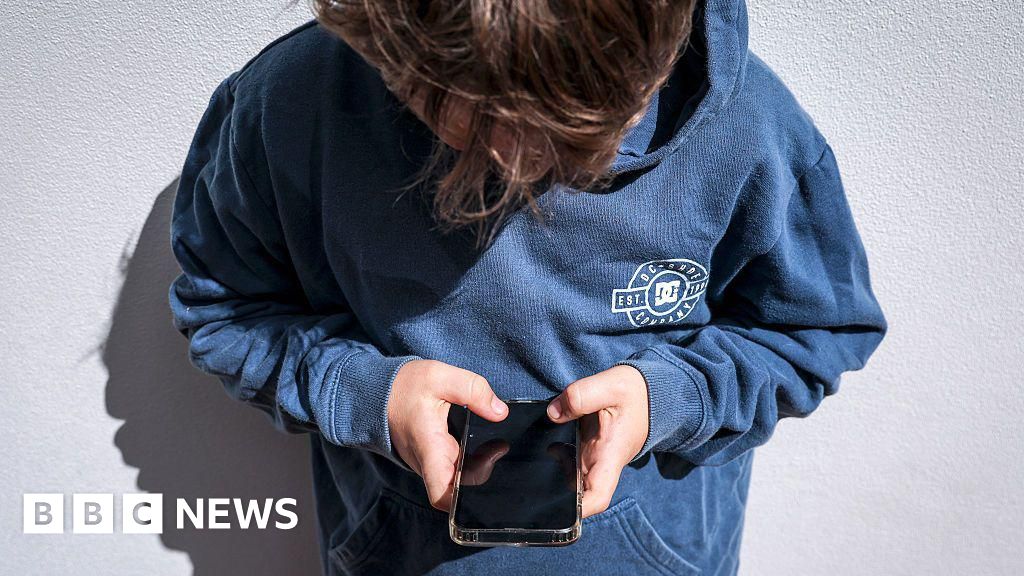
In recent reports, UK regulators have raised urgent concerns about the digital environment surrounding children and young adolescents. Platforms like Instagram, Snapchat, TikTok, YouTube, and Roblox—which are wildly popular among youth—are found to lack adequate measures to prioritize children’s safety and well-being. This situation underscores a growing societal challenge affecting not only individual development but also the fabric of our families and communities.

  • Regulators emphasize that these platforms often fall short in safeguarding minors from harmful content and interactions.
  • Concerns extend to issues such as cyberbullying, inappropriate content exposure, and unregulated social pressures designed to capture fleeting attention spans.
  • Research by social scientists highlights that persistent exposure to such platforms influences social norms, self-esteem, and mental health among youth, often with long-lasting repercussions.

This digital landscape, while providing new opportunities for learning and socialization, presents profound moral and ethical dilemmas. Social commentators and sociologists like Neil Postman and Shoshana Zuboff warn that unregulated technology risks transforming children into passive consumers of information, rather than active participants in society. The result is a generation increasingly susceptible to social isolation, misinformation, and identity confusion—challenges that ripple outward into the core of family life and community bonds. As sociologist Dr. Jane Williams notes, “When children are exposed early and persistently to digital worlds that lack boundaries, their ability to develop healthy social skills and moral frameworks can be severely compromised.”

In response, the debate around regulation and accountability intensifies. Advocates argue that public policies must enforce tighter controls and foster digital literacy, ensuring children navigate these platforms safely. Equally important are efforts to strengthen family structures and community support systems that can guide youth through the complex digital age. These include educational programs teaching responsible online behavior, community-led mentorship initiatives, and parental tools for monitoring digital engagement.

Ultimately, society faces a moral imperative: to protect the most vulnerable among us—the children. Their future is intertwined with the moral fabric of today’s social policies. As history teaches us, neglecting the well-being of youth can lead to societal decline, but concerted efforts rooted in values of responsibility, transparency, and community engagement can help reverse this trend. If society can rally around the principle that every child deserves a safe, nurturing environment—both online and offline—then perhaps the promise of a more resilient and cohesive future remains within reach. Society’s challenge is formidable, but the hope persists that through collective action, we can foster a generation that learns not only to survive the digital age but to thrive within it, forging bonds grounded in truth, integrity, and mutual respect.

Why Society Ignores Female Desire: The Paternalism We Must Overcome | Documentary

Across the United States, a complex tapestry of social issues continues to unfold, revealing how cultural shifts and demographic changes profoundly impact families, education, and communities. From the persistent neglect of female sexual health within medical curricula to the ongoing battle over reproductive rights, these struggles underscore a society grappling with its moral and ethical foundations. At the heart of these issues lies a universal desire for autonomy—whether related to sexuality, reproductive freedom, or the very fabric of cultural identity.

Consider the case of female sexual health, a domain historically marginalized within the medical establishment. As documented in the documentary The Pink Pill, the silence surrounding female libido and orgasm demonstrates a troubling disinterest rooted in paternalistic attitudes. While drugs like Viagra gained approval in the late 1990s, efforts to develop and approve female counterparts faced insurmountable hurdles, primarily due to biases and side effect concerns. The story of Addyi, often dubbed “female Viagra,” exemplifies this dynamic. Despite demonstrating benefits for women suffering from HSDD (Hypoactive Sexual Desire Disorder), the drug was plagued by regulatory obstacles, cultural resistance, and immense financial hurdles, ultimately being shelved despite patient demand.

This narrative reflects a broader societal tension: the conflict between public health progress and social skepticism. Sociologists like Dr. Naomi Wolf have pointed out that the suppression of female desire is intertwined with patriarchal notions about morality and gender roles. As healthcare providers and policymakers waver, many women find their choices constrained, a situation aggravated in the post-Roe era, where reproductive autonomy faces ongoing threats. The debate over sexual health remedies is not merely a medical matter but a fragment of a larger cultural war over whose body belongs to whom. For families and communities, this translates into a sense of disempowerment, fostering mistrust and feelings of exclusion from discussions about their own well-being.

Concurrently, the societal narrative surrounding education and social engagement reveals a youth increasingly aware of the disparities that divide. Movements mobilizing around fear of censorship and attacks on free thought reflect a generation demanding both accountability and respect. These efforts echo in the broader fight for bodily rights and social justice—a fight that many argue must be championed from within local communities, as well as national institutions. Community leaders are calling for a renewed commitment to *fostering environments where young people can explore issues like sexuality, mental health, and societal norms without fear of marginalization.* They recognize that educating future generations about ethics, rights, and personal agency is not a challenge of mere policy but of moral integrity.

In the face of this turbulent landscape, there remains hope—an enduring belief that societal change is possible through community activism, education, and the resilience of families. As social commentators like Christopher Lasch have noted, society’s true strength lies in its moral fabric, woven through generations committed to upholding the dignity and rights of every individual. The journey toward healing and equity requires confronting uncomfortable truths, but it also offers an opportunity—a chance to redefine what cultural progress means. Perhaps, in this ongoing struggle, society will rediscover the essential truth: that true liberty begins with respect for individual choice and the moral courage to protect it. Only then can society look forward, with hope, to a future where the rights of families, communities, and individuals are no longer sacrificed at the altar of outdated biases, but celebrated as the foundation of a truly free society.

‘A New Normal’: Inquiry Reveals How Covid Reshaped British Society for Good

The conclusion of the Covid-19 inquiry signifies more than a formal end to government investigations; it serves as a stark mirror reflecting the profound societal wounds inflicted by a global crisis. For nearly three years, this inquiry has dissected myriad facets of pandemic management, revealing unsettling truths about how social issues have reshaped families, challenged institutions, and strained communities. At the heart of these revelations lies a grim depiction of a nation grappling with the aftermath, where mental health crises, social neglect, and systemic vulnerabilities threaten to fracture the social fabric.

One of the most troubling findings relates to the surge in mental health issues among the young. Experts testified that during lockdowns, the demand for mental health services spiked dramatically, with many previously unaffected individuals seeking help from charities such as Mind. Due to the abrupt shutdown of statutory services, families witnessed loved ones, particularly children and teenagers, descend into distress, marked by increased rates of self-harm, eating disorders, and suicidal ideation. Social commentator Dr. Sarah Hughes emphasized that the relentless media coverage and a pervasive sense of crisis left young minds in a state of constant anxiety, disrupting their ability to grieve and process loss. The trauma of being unable to hold proper funerals during this time has left a legacy of complex grief, one that community and mental health institutions are still ill-equipped to address adequately.

Meanwhile, the public’s attitude towards essential workers deteriorated under the weight of pandemic stress. As the inquiry highlighted, many key workers faced verbal abuse, intimidation, and dehumanization while enforcing social distancing and health regulations. Transport workers, cleaners, and healthcare staff bore the brunt of a society riddled with frustration and fear, often becoming targets of violence and threats, exemplified by the tragic case of Belly Mujinga, a railway worker who succumbed to Covid after being spat at on duty. These incidents underscore a broader social malaise—an erosion of mutual respect and recognition for those who kept society afloat during its darkest hours. Labour union leaders have argued that this normalization of hostility has long-term implications for community cohesion, further alienating those who serve as the backbone of our daily lives.

The crisis also cast light on critical failings within the housing and social support systems. Governments swiftly responded with the Everyone In initiative, temporarily housing rough sleepers in hotels to mitigate health risks. However, the long-term consequences have been troubling: the normalization of temporary accommodations as an acceptable form of housing. As the social housing sector grapples with these new realities, experts warn that this approach undermines stability for vulnerable populations and exacerbates mental health crises. Shelters and charities report an increase in severe psychological distress, with staff untrained to handle such complexities, raising important questions about the structural weaknesses in our social safety net. This calls for an urgent reassessment of emergency planning, emphasizing the need for resilient, humane models of support that prioritize long-term stability over short-term fixes.

Most poignant are the stories of disabled individuals caught in a vacuum of support and safety. Evidence from the inquiry shows that the withdrawal of social care services and ongoing fears of infection have left many disabled persons isolated and vulnerable. Experts have documented cases where high anxiety, compounded by the loss of trusted routines and healthcare, resulted in tragic outcomes—such as young women turning to harmful coping mechanisms like self-harm with bleach. These narratives exemplify how a society’s moral fabric is tested when it leaves its most vulnerable behind, often devaluing their existence with dismissive messaging about “underlying conditions” and mortality statistics. As Professor Nick Watson from Glasgow University pointed out, the erosion of trust and sense of safety is a wound that will take years to heal, demanding a societal reckoning about how we care for those who depend on our collective compassion.

Reflecting on the enduring scars of the pandemic reveals a society at crossroads: one where social cohesion, moral responsibility, and community resilience must be rewoven with intention and care. It is a challenge for communities to confront uncomfortable truths—about neglect, stigma, and systemic fragility—and to forge a future rooted in dignity and respect for all. The hope of renewal lies in recognizing these social lessons not as failures but as catalysts for meaningful transformation—an acknowledgment that society’s true strength resides in its unwavering commitment to nurture and protect its most fragile members.

Survey: Young Brits hesitating to see GPs — a wake-up call for society

Public Distrust in Healthcare System Sparks Social and Community Concerns

Recent surveys across the United Kingdom reveal a profound erosion of trust in the NHS and its ability to serve the populace effectively. Nearly half of the population choose to delay or avoid contact with their family doctors when illness strikes, citing fears of inaccessible appointments. This widespread reluctance underscores a troubling shift in cultural perceptions of the healthcare system, with many believing that seeking medical help may yield little or no immediate benefit. Sociologists have long warned that such demographic and cultural changes threaten the fabric of community health, placing families at increased risk of untreated medical conditions that could have been mitigated with timely intervention.

The moral and human impacts of this crisis are significant. When individuals opt to manage ailments themselves or simply wait for symptoms to subside, it often results in deteriorated health, burdening families with unforeseen emotional and financial strains. The decline in public confidence is compounded by persistent perceptions of long waits and systemic inefficiency. According to health think tanks, approximately 27% of people try to self-manage their ailments, worrying that even if they seek help, the NHS might deny timely access due to overburdened services.

Furthermore, the crisis extends beyond primary care to emergency services. Data reveal that **one-third of Britons** have avoided going to A&E despite urgent needs, driven by expectations of excessive waiting times. Such delays not only compromise individual wellbeing but also burden the entire society, with patients potentially arriving in more critical states or suffering preventable complications. This erosion of trust threatens to fracture the social morale that underpins community resilience, especially as families witness loved ones suffer in silence. Historians like Peter M. Ward have observed that persistent neglect and systemic failure can create societal cynicism, making collective action on health policies increasingly difficult.

The government’s recent initiatives, such as the introduction of a new GP contract aimed at providing same-day urgent care, are intended to reverse these trends. However, public skepticism remains high. Critics warn that policymakers might be overestimating their capacity to meet the urgent needs of the populace, risking further widening the gap between expectations and reality. Meanwhile, health professionals express concerns that these reforms could impose even greater pressures on already overstretched general practitioners, threatening the long-term viability of family medicine as a pillar of community health.

In contemplating the societal repercussions of this crisis, it becomes clear that families, schools, and communities are interconnected in a web of hesitations, fears, and systemic shortcomings. When trust in healthcare wanes, the ramifications ripple outward, affecting everything from educational outcomes as children grapple with untreated illnesses, to the economic stability of families burdened by preventable health emergencies. Yet, amid this bleak landscape, there lies a potent hope: as social commentators and community leaders advocate for renewed investment and reform, society’s resilience and capacity to heal itself remain steadfast. Society stands at a crossroads—its future dependent on whether it can transform systemic failures into a renewed collective trust and a healthier, more hopeful tomorrow.

Students file new Covid compensation claim against 36 universities, standing up for fairness in society

University Settles Legal Claim Over Pandemic-Related Learning Loss, Spotlighting Broader Social Challenges

The recent settlement by University College London (UCL) regarding a legal claim filed by students highlights a pressing issue that extends far beyond the academic sphere. During the COVID-19 pandemic, countless students from diverse backgrounds faced substantial disruptions to their learning environment, exposing vulnerabilities within our education system that are now unfolding into wider societal concerns. This case serves as a mirror, reflecting how disrupted educational pathways threaten not only individual futures but also the fabric of our families and communities.

The pandemic-induced interruptions, including remote learning challenges and mental health strains, have demonstrated how fragile the connection between educational institutions and societal stability truly is. For many young people, especially those from underprivileged or marginalized communities, these disruptions translate into lost opportunities, diminished earning potential, and impacts that ripple through families for generations. As historian and social critic Dr. Samuel Becker emphasizes, “education is the backbone of societal resilience; when it falters, entire communities bear the burden.” The legal claim settlement indicates a recognition of these profound impacts and underscores the moral responsibility of institutions to safeguard the rights of students as citizens and future contributors to society.

Social commentators point out that such events catalyze cultural shifts regarding our collective commitment to educational equity. Recent sociological studies expose how demographic disparities in access to quality learning have widened, with disadvantaged families bearing the brunt. These gaps threaten to entrench existing societal divisions, fostering a cycle where families struggle to provide their children with the skills required to succeed in a rapidly changing world. Experts like Dr. Lisa Grant, a sociologist specializing in social mobility, warn that unless systemic reforms are implemented, the pandemic’s legacy may be one of increased stratification rather than opportunity.

  • Addressing the crisis involves investing in technological infrastructure to ensure equitable access to remote learning tools.
  • Enhancing mental health support within educational settings is essential to navigate the ongoing emotional toll.
  • Implementing flexible curriculum models can help accommodate students still recovering from pandemic-related setbacks.

While the moral imperative to protect the educational rights of the youth is clear, societal transformation requires broad engagement from policymakers, educators, and communities. Only through committed effort can we aspire to mend the societal fabric torn by this crisis and foster a culture that values resilience, opportunity, and human dignity. As our society stands at this crossroads, it becomes imperative to reflect on the fragile yet resilient nature of community bonds. There remains hope that, through renewed dedication and innovative reforms, we can shepherd our young generations toward a future where learning loss does not define their potential — a future where society’s collective strength prevails over adversity, and the promise of renewal becomes a shared reality for all.

Social Media Auto Publish Powered By : XYZScripts.com