Matox News

Truth Over Trends, always!

Private schools lose fight against VAT hikes, fueling debate on society's priorities
Private schools lose fight against VAT hikes, fueling debate on society’s priorities

Private Schools’ Challenge to VAT Removal Sparks Broader Social Debate

In recent developments, a coalition of low-fee private schools has actively contested the government’s decision to eliminate the VAT exemption previously granted to them. This move not only affects the financial sustainability of these institutions but also underscores the larger societal debates surrounding access to quality education and the widening economic divide within communities. As education remains a fundamental pillar of societal progress, the repercussions of policy decisions resonate beyond school walls, impacting families and shaping communities’ futures.

The removal of VAT exemption has ignited protests and legal challenges from private school advocates who argue that it threatens the affordability of education for many families. These schools, often providing an alternative to overstretched public education systems, serve a significant demographic that relies on manageable tuition fees. By imposing VAT, critics contend that the government risks exacerbating inequalities within society, especially for lower-income families who see private schooling as a crucial pathway for social mobility. Sociologist Dr. Laura Higgins emphasizes that such policies directly influence families’ access to education, ultimately affecting children’s prospects and social integration.

Historically, education has been viewed as a cornerstone of social cohesion, yet policy decisions like these *can threaten the fabric of community life if they favor those with more economic privilege*. From a social perspective, the challenge lies in balancing fiscal responsibility with ethical imperatives to foster equity and opportunity. The debate also raises questions about how societal values are reflected in policy. According to social critic Matthew Crowley, an increase in the cost of private education risks creating a divided society where the social mobility of lower-income families is compromised, with long-term ramifications for community stability and cohesion.

As the controversy unfolds, policymakers face the difficult task of considering the broader social consequences of their decisions. Advocates for inclusive education argue that public resources should be directed towards strengthening state institutions, yet they acknowledge that a diverse educational landscape can promote healthy competition and innovation. This dilemma touches on fundamental social issues—how societies value education, how they address inequality, and how they uphold the human dignity of all children. If the current trajectory continues, families may find themselves caught in a cycle of escalating costs and limited opportunities—undermining the very ideals of a fair and just society.

In reflecting on these social tensions, one is reminded of the words of societal reformer George Bernard Shaw, who once said, “Progress is impossible without change, and those who cannot change their minds cannot change anything.” As communities grapple with the challenge of ensuring equitable access to education, there is a vital hope that society can adapt—creating policies rooted in human rights, moral responsibility, and community solidarity. The path forward demands dialogue, compassion, and a relentless commitment to the transformative power of education—not just for individual success, but for the moral fabric of our society. Only then can society truly stand resilient against the forces that threaten to divide us, guiding future generations toward a shared destiny of opportunity and hope.

Teacher stabbed by student: From educators to security, society’s slipping?

In recent discussions surrounding school safety and community well-being, a notable statement from a former Ysgol Dyffryn Aman educator has reignited debates about the appropriate roles of school staff and the overarching approach to maintaining security within educational institutions. The educator emphasized that staff are not security guards, arguing that equipping teachers and administrative personnel with handheld scanners or similar security devices would be ineffective in addressing broader social issues. Rather, the emphasis must rest on understanding the societal challenges that influence school environments, impacting families, education, and entire communities.

Historically, schools have been more than centers for academic learning; they are a mirror and a microcosm of societal health. As Dr. Mary Louise Pratt, a prominent social historian, notes, schools reflect the social fabric of their communities, inclusive or fractured. When societal tensions—such as increasing youth violence, economic disparities, or cultural divides—pervade neighborhoods, they inevitably seep into classrooms, challenging educators’ capacity to foster safe learning spaces. In this context, the idea that simply installing handheld scanners or security measures can resolve the complex web of social issues is both naive and superficial. This approach risks turning dedicated teachers into de facto security personnel, diluting their core role of cultivating knowledge and moral development.

Social commentators warn that overemphasizing security without addressing root causes of social unrest can further alienate communities and undermine the moral authority of educational institutions. Challenges such as

  • rising youth unemployment
  • family breakdowns
  • disenfranchisement

contribute to environments where violence and unrest flourish. These issues are deeply embedded in the demographic shifts experienced over recent decades, changing the fabric of local populations and hampering efforts to create cohesive, supportive school communities. The adoption of security-centric policies, without supportive social programs, risks alienating marginalized youth, who already face systemic obstacles.

In light of these complexities, it becomes clear that the real challenge lies in fostering resilient, inclusive communities. Schools need resources that extend beyond surveillance equipment—investment in mentoring programs, mental health services, and family support initiatives is vital. Sociologists like Michael W. Ross have argued that by empowering communities and creating care-centered environments, society can turn schools from battlegrounds into havens of hope. According to Professor Heather Macdonald, an expert in social dynamics, genuine change requires integrated efforts that recognize educational success is inseparable from societal stability.

As society stands at a crossroads, the dialogue should shift from viewing social issues as problems to be policed, toward recognizing them as challenges to be understood and addressed holistically. Families, educators, and community leaders must unite in confronting the underlying issues that threaten the fabric of our society. Only then can schools reclaim their true purpose: nurturing well-rounded individuals prepared not just to excel academically, but to contribute positively to their communities. Through this lens, the future of society hinges on our collective ability to transform societal struggles into opportunities for renewal, ensuring that every child’s right to a safe, supportive, and enriching educational environment is truly realized.

Peppa Pig’s hearing loss story could help end society’s stigma on disabilities

Social Dynamics in Education: Embracing Diversity and Inclusion

In recent developments within the realm of special education, the leadership at a school serving the deaf community has emphasized initiatives aimed at fostering greater inclusion and social integration. The head teacher highlighted that certain episodes or activities are designed to help deaf children “not feel so different,” underlining a vital societal shift towards recognizing the importance of empathy, acceptance, and community cohesion. This focus underscores the fundamental understanding that social inclusion within educational settings not only benefits students’ individual development but alsoRipples across families and broader communities, impacting perceptions of diversity.

However, the pursuit of genuine inclusion often exposes the persistent challenges that families and communities face in bridging communication gaps and breaking down societal barriers. Social commentators and sociologists such as Dr. Mariana Ruiz suggest that when schools actively work to diminish feelings of marginalization among students with disabilities, they foster environments where every child can thrive. Nonetheless, such efforts often require significant resource investment, comprehensive training, and cultural sensitivity—elements that are not always adequately addressed. Therefore, the journey towards true inclusion demands a societal commitment to re-evaluate how educational institutions and public services recognize and support the diverse needs of their communities.

Moreover, these initiatives impact not only the students but also ripple into familial structures. The parents of deaf children frequently face social stigmas, misunderstandings, and a lack of adequate support systems. As noted by historian Dr. Robert Clarkson, historical narratives often marginalized deaf culture and undervalued the importance of linguistic and cultural identity. Today, however, a growing recognition of the cultural significance of deafness and sign language is fostering a paradigm shift—one that values differences as strengths rather than deficits. This shift is critical for helping families feel more connected and supported, aspiring towards a society where every family’s story is recognized as an integral thread in the social fabric.

In contemplating these social transformations, it becomes clear that the challenge lies in addressing the structural inequalities and cultural biases that still pervade many aspects of society.

  • Implementing inclusive curricula that validate multiple ways of learning and communicating
  • Training educators to be culturally competent and sensitive to diverse needs
  • Expanding community outreach programs to foster understanding and acceptance
  • Developing policies that ensure equitable access to resources for marginalized groups

These initiatives are essential stepping stones toward creating a society where diversity is celebrated and all children can genuinely feel they belong.

As society continues to grapple with complex issues of identity, communication, and belonging, the enduring question remains: how do we build a collective future where social acceptance replaces exclusion? In the quiet resilience of children learning to navigate their worlds and in the dedicated efforts of educators seeking inclusivity, there lies a spark of hope. Society’s capacity to transform itself—embracing cultural shifts and addressing social tensions—might ultimately forge communities where every voice is heard, and every child’s potential is realized. The dawn of such a future beckons, urging us to reflect on our shared responsibility: to craft a society that values not just tolerance, but genuine understanding and unity.

Are We Overdiagnosing Mental Illness? A Doctor Speaks Out on Society’s Labels

Recent reflections from a general practitioner highlight a societal crisis that transcends individual suffering: the expanding epidemic of mental health issues among populations worldwide. The toxic blend of cultural shifts, diagnostic overreach, and an increasingly mechanized healthcare model has woven a complex tapestry that deeply impacts families, education, and communities. Studies reveal that in the UK alone, two-thirds of youth report experiencing some form of mental disorder, a statistic that alarmingly illustrates a demographic in distress. This surge not only strains mental health services but also endangers the fabric of daily life—rupturing familial bonds, destabilizing classrooms, and fostering social alienation.

The core challenge lies in how society conceptualizes mental health. The proliferation of diagnostic tools like the DSM and ICD over recent decades, while useful in clinical contexts, has contributed to a pathologization of everyday human experiences. As sociologists critique, these models often impose rigid “constellations” of symptoms—**labels** that may not capture the fluid, interconnected nature of individual mental states. This tendency toward overdiagnosis and the widespread belief that internal suffering is predestined by biochemical imbalances risk reducing complex human emotions to mere categories, with significant moral and human costs. Instead, insights from cultural anthropologists suggest that different societies interpret mental distress through diverse, often more holistic lenses, emphasizing community, spirituality, and personal resilience rather than solely medicalized diagnoses.

Amidst this landscape, the role of medical practitioners emerges as both vital and challenging. The narrative of the healthcare system shifting towards protocol-driven, depersonalized care draws concern from clinicians and social observers alike. The contrast between compassionate, nuanced engagement—what Dr. M. describes as “the doctor as the drug”—and the cold prescribing practices of clinicians like Dr. Q exemplifies a broader societal drift towards efficiency at the expense of empathy. This approach risks turning mental health treatment into a series of checklist tasks rather than a process of healing rooted in understanding and human connection, which sociologists argue is essential for societies seeking to foster resilience and community cohesion.

Looking ahead, many voices in the medical and social sciences advocate for a shift from rigid labels toward a recognition of human diversity in mental experience. Philosopher and psychoanalyst Clarissa Pinkola Estés vividly describes the richness of human psychological states—“feeling powerless,” “feeling uncreative,” or “feeling stuck”—as part of the authentic human condition. The challenge involves cultivating a culture less fixated on categorization and more attentive to *each person’s unique narrative*. Societies that embrace this perspective—highlighted by figures like Shekhar Saxena—see mental health less as fate and more as a contextual, dynamic flow. Only through compassion, humility, and humility can communities foster environments where individuals can reweave their mental landscapes—transforming suffering from a sentence into an opportunity for growth.

As society stands at this crossroads, the hope is that greater understanding, less rigid classifications, and renewed compassion will empower families and communities to become safe havens of healing. The journey towards a society that recognizes mental health as part of the human tapestry—not a malfunction to be fixed but a natural variation—requires us to listen deeply, act kindly, and believe in the possibility of transformation. For, in the depths of society’s flaws and fractures, lies the enduring truth that even broken threads can be rewoven into something stronger, brighter, and more resilient—if only we dare to see beyond the labels and embrace the human story behind every mind.

House of Lords Approves Phone Ban in Schools, Putting Society’s Discipline First

In recent weeks, the UK Parliament has taken a significant step towards safeguarding the mental and social well-being of its youth by supporting legislation aimed at banning social media usage for under-16s. This legislative move highlights growing concerns among parents, educators, and social commentators regarding the impact of digital platforms on families, education, and broad community cohesion. Critics argue that social media, while a tool for connection, often contributes to increased anxiety, cyberbullying, and distorted perceptions of reality—particularly for impressionable adolescents who are still navigating the complex landscape of identity and self-esteem.

Historically, social critics and sociologists have warned about the destabilizing effects of rapid technological change. Influential figures like Neil Postman emphasized how media shape societal values and moral frameworks, warning that excessive exposure to digital environments could erode traditional community bonds and intergenerational understanding. Today, many argue that the pervasive influence of social media during formative years is undermining the ethical fabric of families and the stability of educational environments. Schools report incidents of cyberbullying, social isolation, and mental health crises that are increasingly linked to online activity, prompting calls for tighter regulation to restore order and safety within the social fabric.

The legislative response reflects a broader recognition of social issues that transcend individual behavior—highlighting how demographic shifts and cultural tensions are reshaping societal norms. Historically, each era of technological innovation has challenged existing social structures. The current digital revolution, however, appears to be accelerating these changes at a pace that leaves many struggling to adapt. Critics voice concerns that unchecked social media use fosters a culture of instant gratification and impairs families’ ability to provide moral guidance. This phenomenon risks creating generations of young people with fragmented social identities, increasingly disconnected from their community roots and shared cultural values.

  • Strengthening family bonds through responsible digital use remains a societal priority.
  • Schools are adopting comprehensive digital literacy programs to equip students with critical skills for navigating online environments.
  • Community organizations are calling for greater parental involvement and oversight in children’s digital lives.

In this landscape of rapid change, social commentators emphasize the importance of restoring balance—recognizing that the social health of a nation depends on empowered, connected communities grounded in shared values and moral integrity. As historian Yuval Noah Harari and others have observed, society’s moral compass is often challenged during times of technological upheaval. It is essential to foster environments where families feel supported and where education reinforces the ethical imperatives necessary for building resilient communities. Efforts to regulate social media for minors reflect an acknowledgment that societal well-being is intertwined with the ethical development of its youngest members.

Ultimately, society stands at a crossroads. The path we choose will determine whether future generations inherit a fractured, digitally-saturated world or a resilient, morally grounded community capable of withstanding the turbulence of the modern age. As communities rally around safeguarding their cultural and social ideals, the hope remains that through thoughtful legislation and renewed family engagement, society can forge a future where technology serves as a tool for connection rather than division—reminding us all that the true strength of any society lies in its capacity to nurture hope, foster responsibility, and uphold shared human dignity.

Experts warn missed diagnoses of treatable male infertility are driving avoidable IVF use, harming society’s future.

The Hidden Crisis of Male Infertility: A Society Overlooking a Critical Social Issue

In recent years, national health initiatives have begun to shine a light on male health issues, but the problem of male infertility remains disturbingly under-researched and misunderstood. Despite men contributing to 50% of all infertility cases, families, educators, and communities alike are failing to recognize the significance of this silent crisis. Societies that neglect this aspect of reproductive health risk losing a pillar of their social fabric—families and the future generations they aspire to nurture. According to experts like Vaibhav Modgil, an honorary clinical professor and consultant urological surgeon, the ignorance surrounding male infertility is not just a medical issue but a social dilemma rooted in inadequate funding, misperceptions, and systemic neglect.

The lack of comprehensive education and public awareness translates into tangible hardships for families. When couples face infertility, women often become the focus of testing and treatment, while men are left without basic diagnostics or knowledge about how lifestyle factors—such as heat exposure, smoking, or poor diet—damage sperm quality. As Dr. Michael Carroll notes, the societal tendency to view fertility as exclusively a woman’s concern perpetuates outdated stereotypes and leaves men’s health issues in the shadows. This imbalance not only hampers effective treatment but also inflicts mental trauma on men who grapple with feelings of inadequacy or societal stigma—wounds that can run deep and affect community cohesion and individual well-being.

Efforts by public health officials to address this issue are emerging, with the recent publication of a Men’s Health Strategy that promises to catalyze change. However, critics argue that policy gaps and insufficient funding keep the problem entrenched. The National Institute for Health and Care Excellence is updating guidelines to recommend more extensive testing for men, but much more is needed. As social commentators have observed, the true challenge lies in shifting cultural perceptions—expecting society to acknowledge that men’s health matters equally and to confront the stereotypes that hinder access to care. Without a comprehensive approach that includes education, medical research, and community awareness, the cycle will persist, and families will continue to bear the emotional and financial costs of infertility.

Recognizing that health disparities affect entire communities, many argue for an urgent cultural transformation. As studies reflect, 80.6% of GPs have received no formal education on male fertility, and 97% cannot accurately examine for varicocele—yet, these are simple, treatable conditions within reach if adequate resources and awareness are in place. Reformative action would not only improve individual outcomes but also serve the broader societal goal of strengthening the family’s foundation. The societal narrative must evolve from viewing fertility solely as a woman’s issue to understanding it as a shared responsibility and societal concern—one that cuts directly into the moral fabric of community life, impacting young families’ hopes and futures. Hope lies in our collective will to understand, educate, and innovate; society’s strength will be measured by how effectively it supports its most vulnerable members both morally and practically, nurturing families rather than neglecting them in silence.

Protecting autonomous midwifery is vital for our society's future
Protecting autonomous midwifery is vital for our society’s future

Amid the ongoing debates on social and healthcare policies, one issue that often remains under-discussed but holds profound significance is the diminishing respect and access to autonomous midwifery. Once a pillar of respectful, individualized care, midwifery has increasingly been marginalized, replaced by a model that, critics argue, erodes the dignity and safety of mothers and families. The shift from experienced, autonomous midwives—who offer emotional support and vigilant care—to obstetric nursing within institutional frameworks reflects a societal move towards bureaucratic control. This change affects families’ trust in maternal care, undermines community bonds, and risks turning childbirth into a mere medical procedure devoid of the human connection essential to human dignity.

The historical role of midwives, rooted in centuries of cultural and community practice, underscores their importance not only in physical health outcomes but also in fostering a supportive environment for women during one of life’s most vulnerable moments. Sociologists, like Dr. Sarah McMillan, have emphasized that the loss of autonomous midwifery signifies more than a professional shift; it symbolizes a societal attitude that undervalues the moral significance of care rooted in respect and autonomy. As medical institutions streamline childbirth—mainly driven by cost-efficiency and regulatory standards—the emotional and cultural dimensions of birth are often sacrificed. This reality manifests in increased obstetric violence, a troubling phenomenon that infringes on women’s rights and dignity, and in the rise of unsafe practices such as ‘free birthing’—a dangerous consequence of limited professional support and accessibility.

For communities, the consequences are tangible: fractured trust in healthcare, increased disparities for marginalized groups, and a growing sense of alienation during a crucial life event. As historian Dr. James Ortega notes, “When societies undercut their own cultural practices and community-based care, they risk losing a vital connection—one that sustains the social fabric for generations to come.” To address these challenges, advocates call for restoring accessible and respectful autonomous midwifery services—an approach that emphasizes experience, human connection, and informed choice. Proposed solutions include policy reforms that recognize midwives as primary caregivers, investments in community-based training, and legal protections that uphold their autonomy. Implementing these changes can ensure that birth remains a sacred, empowering journey rather than a clinical, impersonal ordeal affecting families’ well-being and societal cohesion.

As society faces these escalating social issues, it is vital to reflect on the moral and ethical implications of our collective choices. Childbirth, an event woven into the very fabric of family life and cultural identity, must be approached with the respect and dignity it deserves. When communities embrace the full spectrum of care—grounded in tradition, experience, and human empathy—they sow the seeds for a future where families feel supported, women are empowered, and social bonds are reinforced. The challenge ahead is daunting, yet within it lies the potential for profound social transformation—one that places humans and communities at the heart of healthcare. Ultimately, society’s resilience will be measured by its capacity to honor and sustain the enduring human connection that birth symbolizes, nurturing hope amid social change and guiding future generations with compassion and respect.

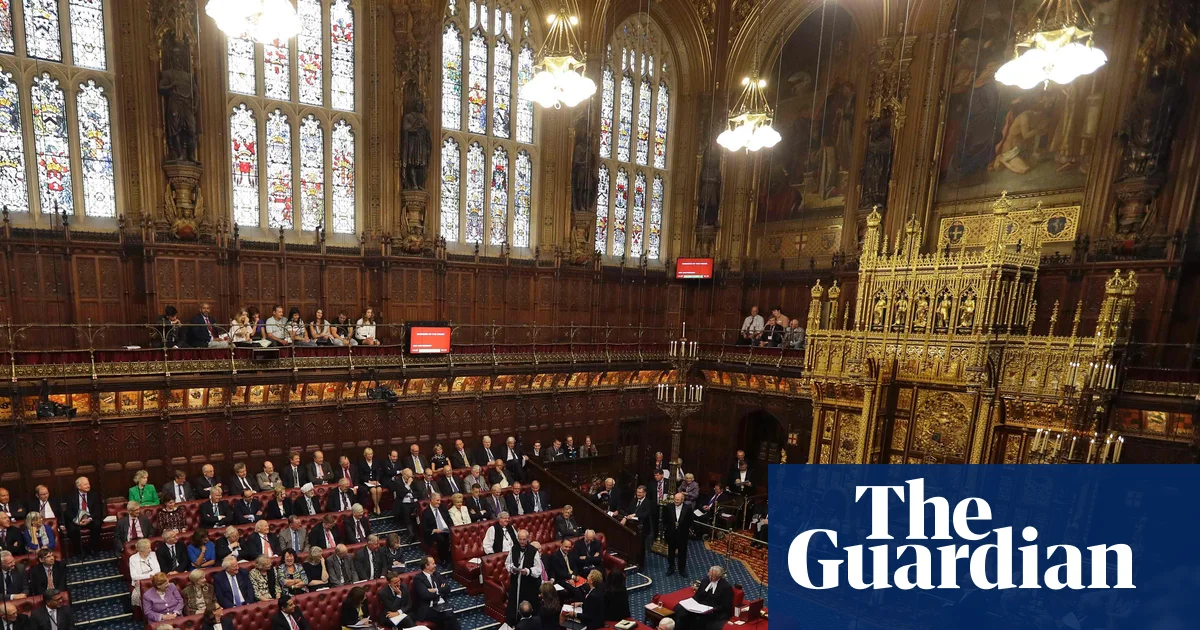
Peers push back again to block assisted dying bill—our society’s values at stake

The ongoing legislative debate over assisted dying in the United Kingdom exemplifies the deep societal divisions that influence families, community cohesion, and how we approach aging and end-of-life care. The House of Lords this week is under intense scrutiny as nearly 1,000 amendments are tabled by a select group of peers, mostly opponents of the bill. This maneuver, described as a form of filibuster, underscores a broader societal conflict—one that pits progressive moral frameworks advocating for individual autonomy against traditional caution rooted in protecting vulnerable populations. The opposition reflects core fears that such legislation could erode the moral fabric built around human dignity, especially for families facing difficult choices about loved ones’ final days.

This debate’s ripple effects resonate strongly within families and communities. Critics, including figures like former Paralympian Tanni Grey-Thompson and ex-health secretary Thérèse Coffey, argue that the bill, as currently drafted, contains loopholes endangering vulnerable populations, notably people with disabilities and the elderly. The amendments they have proposed aim to tighten safeguards, emphasizing the moral responsibility to prevent harm and ensure that choices around death are free from coercion or systemic failure. Sociologists such as Dr. Alice Roberts warn that legislation perceived as hastening death can inadvertently stigmatize disability, foster familial guilt, and diminish community trust—factors that threaten the social fabric and the moral underpinnings of care for the most vulnerable. These fears, rooted in genuine concern, highlight the importance of resilient community structures that support families regardless of the legislation’s outcome.

The controversy also reveals the challenge of cultural shifts within our society—a nation grappling with how to reconcile the rapid pace of moral and technological change with age-old values. Supporters of the bill stress that public opinion favors reform, emphasizing that democratic mandates and the will of the electorate should shape the laws that govern our moral choices. Conversely, opponents argue that such societal change requires cautious, deliberate scrutiny. These prolonged debates reflect a societal tension—one that questions whether legislation that touches on mortality should be subject to political expediency or moral prudence. Leaders like he sociologists and historians warn that when policymaking sidesteps careful moral reflection, the fracture lines within society deepen, leaving vulnerable communities even more exposed to harm.

As the legislative process unfolds amidst accusations of partisanship and procedural delays, the enduring question remains: What kind of society do we want to be? One that places faith in the inherent dignity of each person, safeguarding the vulnerable while allowing individual choice? Or one that adheres to caution, prioritizing the collective moral standards that have long defined our social cohesion? Society’s greatest challenge is to forge a path that balances respect for personal agency with the collective responsibility to protect. The journey ahead demands not only legislative wisdom but a deep, moral reflection—on how we treat our families, nurture our communities, and uphold our shared humanity. As history teaches us, society’s true strength lies in its ability to confront difficult truths with compassion and resolve—nurturing hope that even amid divisions, a more equitable and humane future is within reach.

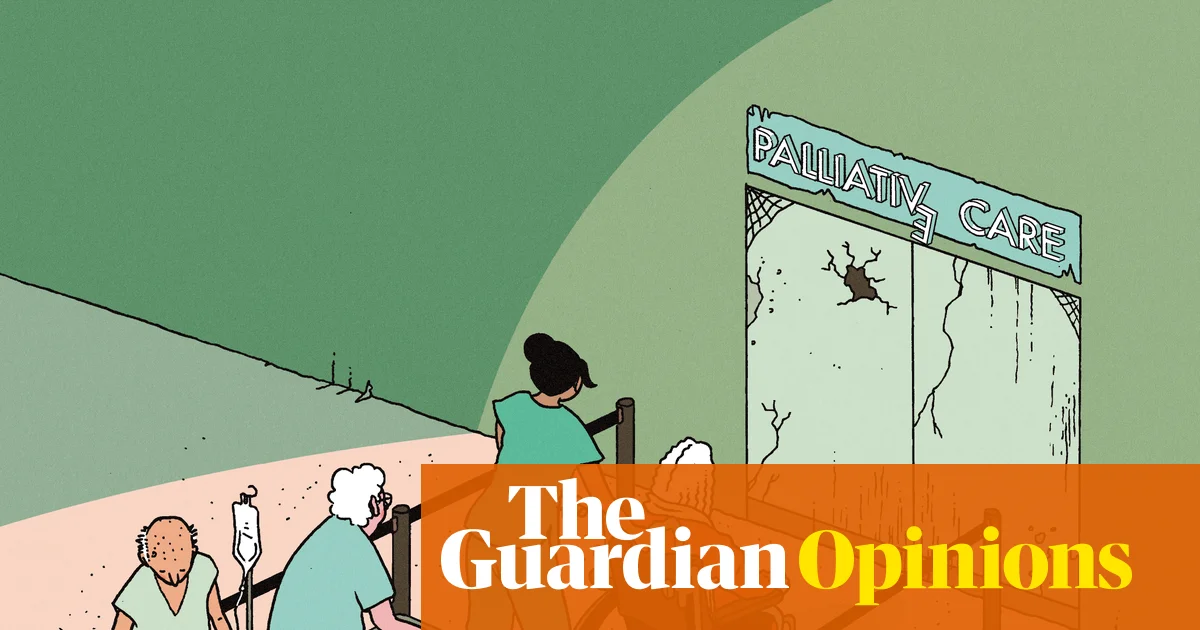
Palliative Care Crisis Reveals Society’s Failure to Protect Our Senior Citizens | Rachel Clarke

Society at a Crossroads: The Silent Crisis in End-of-Life Care

As society progresses, one of its most enduring challenges remains the reality of death—a natural yet often avoided topic that exposes the deep fissures in our social fabric. In Britain today, the state of end-of-life care serves as a stark mirror reflecting how social issues directly threaten families, education, and communities. Despite the nation’s reputation as a caring society, recent reports reveal a distressing decline in the provision of palliative services, exposing vulnerable populations to a grim reality where the quality of care depends heavily on local wealth and charitable goodwill. This systemic neglect not only affects individuals in their final days but also ripples through families, communities, and societal morals, forcing many to confront the uncomfortable truth about how we value human dignity in death.

Historically, death was once a familiar, family-centered affair. During Victorian England, most people died at home, often surrounded by loved ones, with community and familial bonds providing comfort and familiarity. Today, however, less than a third of deaths occur at home, with the majority happening within impersonal hospital or care home settings. The transition from intimate, domestic deaths to highly institutionalized farewells marks a profound cultural shift fueled by economic pressures, institutional constraints, and public discomfort with mortality. Sociologists like Philippe Ariès have pointed out that our societal denial of death results in a paradox: we are reluctant to prepare for or discuss our mortality, yet its inevitability remains a stark and inescapable reality that demands our moral attention and collective responsibility.

The Fundraising Gap: A Society That Outsources Its Humanity

Despite widespread claims of social decency, Britain’s healthcare system increasingly relies on charitable donations to fill gaps that government funding fails to cover. Hospices, which provide critical palliative and end-of-life care, now face a crisis of survival. The latest National Audit Office report reveals that two-thirds of adult hospices in England recorded a deficit in 2023-24, forcing them to slash staff, beds, and community services. This economic squeeze creates a dangerous postcode lottery of care; where you live can determine whether you receive compassionate palliative support or a hurried, institutional farewell. As Sarah Allen, CEO of Arthur Rank Hospice, lamented the closing of nine beds due to funding cuts, it becomes painfully clear that our societal values are at odds with the moral imperative to care for our most vulnerable in their final days.

The Moral Crisis of a Society in Denial

With **demand for palliative services projected to increase by over 25% by 2048**, the current trajectory suggests a society that is unprepared for its own mortality. Political responses tend to be superficial; the recent NHS 10-Year Plan scarcely mentions “palliative care,” signaling a misplaced focus that ignores the growing need. Simultaneously, debates surrounding assisted dying legislation underscore a society grappling with moral dilemmas—should we extend the option of assisted dying when the fundamental care infrastructure is failing? The alarming reality is that hundreds of thousands are unable to access proper pain management or comfort, leaving some to consider suicide as a sad, default solution. The moral failure here lies not only in neglect but in the societal refusal to confront death openly and compassionately, allowing suffering to persist in silence and shadows.

In grappling with these issues, society faces a profound moral question: are we capable of embracing death as a natural part of life, deserving of dignity and care? As social commentators like Robert Putnam suggest, vibrant communities are built on shared values and collective action. If families and communities are to be strengthened, we must challenge the cultural taboo surrounding mortality and foster a renewed ethic of compassion. The final chapter of our societal story is yet unwritten; it is a testament to our moral resolve—whether we will choose to extend our empathy and resources to the most vulnerable at their end, or let them fade silently into the shadows of neglect. Humanity’s greatest hope may lie in our willingness to face death not with fear, but with purpose, kindness, and unyielding dignity.

Gren Gaskell’s Legacy: A Reflection on Society’s Roots

In examining the social fabric of our society, the life story of Gren Gaskell, who recently passed away at the age of 89, exemplifies the profound impact that community, resilience, and personal growth can have on families and social institutions. Born into a working-class coalmining community in Nottinghamshire, Gren’s early life was marked by hardship, with the loss of his father in a pit accident and the struggle to make ends meet during his childhood. His experiences underscore the persistent challenges faced by families in marginalized communities, where economic insecurity and social inequalities often shape life trajectories. Yet, through education and community support, Gren was able to forge a path toward personal achievement and societal contribution.

His journey from miner to company manager illustrates the importance of opportunities for upward mobility, which are often hindered by systemic barriers. Sociologists like Charles Murray and others have highlighted how access to quality education and mentorships can serve as the linchpins for breaking cycles of poverty. Gren’s early encounter with Mrs. Gunn, who introduced him to Shakespeare and encouraged learning, exemplifies how dedicated educators and community figures can foster hope and ambition in disadvantaged youth. Today, the debate over equitable access to education remains a key social issue, directly affecting families and communities striving for a better future.

The social narrative of Gren’s life also speaks to the urgent need for support structures to sustain mental and physical health among aging populations. His later years, marked by engaging in literary pursuits and charitable circles such as the U3A, reflect how lifelong learning and community involvement can enhance well-being. However, the broader societal challenge lies in ensuring adequate healthcare and social services for fragile, older individuals—an issue that disproportionately affects families caring for aging relatives. The struggle faced by many families combating complex health conditions like Lewy body dementia reveals the moral imperative of expanding accessible care and fostering intergenerational solidarity.

Ultimately, Gren Gaskell’s inspiring story challenges us to consider how social institutions can better serve the diverse needs of society. His life demonstrates that resilience, community support, and a commitment to learning foster societal strength. As social commentators remind us, the true measure of cultural progress lies in how we uplift the least privileged among us, ensuring that the pathways to opportunity are open to all. By confronting systemic inequalities and nurturing the human spirit, society can move toward a future where stories like Gren’s are no longer exceptions but the rule—a society where families flourish, education empowers, and communities thrive. The challenge remains, however: will we heed this call for change or be content to watch our social fabric fray? The choice defines not only our present but the inheritance we leave behind for generations to come.

Social Media Auto Publish Powered By : XYZScripts.com