
Gaza Tensions Escalate as International Powers Convene for Critical Peace Talks
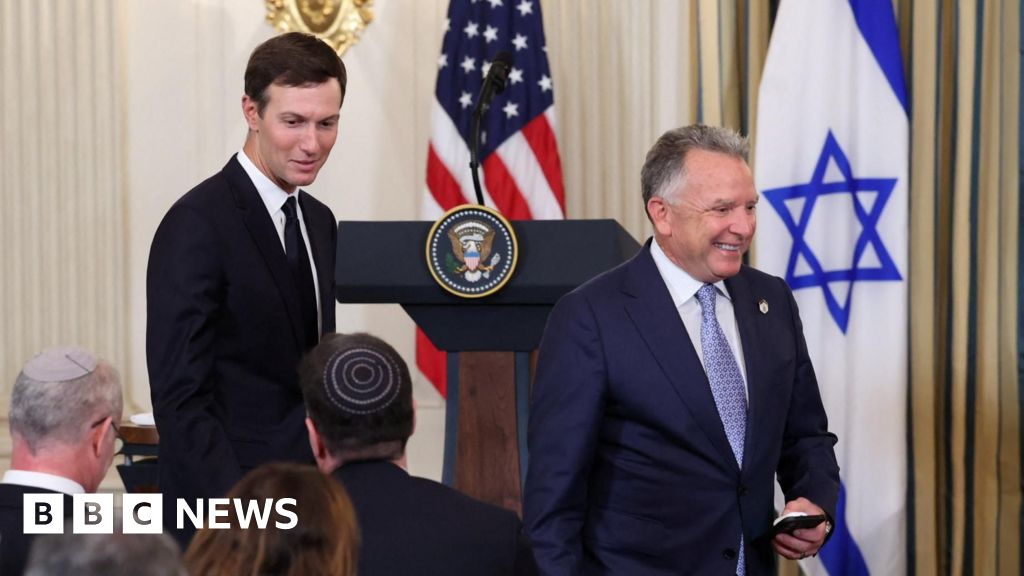
The ongoing conflict in Gaza has once again thrust the Middle East into global spotlight, as intense negotiations unfold amidst mounting casualties and political tensions. High-level diplomatic efforts are underway, with United States special envoy Steve Witkoff and Jared Kushner, President Donald Trump‘s son-in-law, heading to Egypt to join indirect peace talks involving Israeli and Hamas representatives. These talks, which aim to broker a ceasefire and address key issues such as hostage exchanges and humanitarian aid, come at a critical juncture in the region’s volatile history. The presence of mediators from Qatar and Turkey underscores the international recognition of the stakes involved, as regional and global actors seek to influence a resolution that could alter the geopolitical landscape for years to come.
Despite cautious optimism from some leaders, the talks have revealed deep divides. Israeli Prime Minister Benjamin Netanyahu has remained tight-lipped on the details but emphasized that Israel is in “fateful days of decision,” signaling that resolve to achieve war aims remains firm. Israeli objectives focus on the return of hostages, dismantling Hamas, and ensuring Gaza’s long-term security—an agenda that carries profound implications for regional stability. Meanwhile, Hamas negotiator Khalil al-Hayya insists the group is prepared for “serious and responsible negotiations,” demanding “real guarantees” that a sustained peace will follow. Such demands, coupled with Israel’s uncompromising stance, highlight the formidable challenges mediators face as they attempt to narrow gaps and forge a sustainable deal.
Global Reactions and the Broader Impact on International Stability
- UN Secretary General António Guterres has described the situation as a “historic opportunity” to bring an end to decades of conflict, urging all parties to seize on the current diplomatic window.
- Meanwhile, analysts and historians warn that failure in these negotiations could plunge the region into further chaos, possibly escalating into broader regional conflicts or even drawing in external powers.
- Significantly, the international community remains divided: while some leaders see peace as imperative, others—particularly within Iran and radical factions—continue to endorse a more aggressive stance, complicating efforts for reconciliation.
The geopolitical impact of this ongoing crisis extends beyond immediate casualties; it threatens the very fabric of international order. The delicate balance of regional alliances, the role of convening global institutions, and the policies of powerful nations remain locked in a tense standoff. As historians warn, the outcome of these negotiations could define the geopolitical boundaries of the Middle East for generations—keeping a fragile peace as elusive as ever. With casualties mounting, territories destabilized, and the shadows of past conflicts looming large, the question persists: will diplomacy prevail, or will this be the chapter where history’s darkest days are renewed? The world watches as history writes itself, with each decision holding the weight of countless futures yet to be realized.