Matox News

Truth Over Trends, always!

South Africa considers renaming iconic reserve amidst national debate

South Africa’s Cultural Identity and Geopolitical Implications: The Battle Over Names and History

In recent months, South Africa has become the epicenter of a fiery debate over its historical memory and national identity. The proposed renaming of Kruger National Park—arguably the country’s most iconic wildlife sanctuary—serves as a microcosm of a larger struggle that involves not only history and heritage but also economic stability and geopolitical positioning. A local legislative push, driven by the opposition Economic Freedom Fighters (EFF), seeks to erase the name of Paul Kruger, a 19th-century Afrikaner leader revered by certain segments of society, from one of the country’s most treasured landmarks. While some applaud the move as a necessary step toward decolonization and healing, critics warn it risks igniting socio-economic repercussions that could destabilize the nation’s fragile progress.

The name Kruger National Park has been a cornerstone of South Africa’s colonial and apartheid-era history since 1926. For Afrikaners, Kruger symbolizes resilience against British colonialism, a hero of their resistance and cultural legacy. Conversely, mainstream South African society increasingly views him as a symbol of racial exclusion and oppression, responsible for displacing Black communities from their land. This tension mirrors broader debates about how South Africa confronts its apartheid past: most of the country’s infrastructure, including city names and landmarks, has been renamed to reflect indigenous heritage and move away from colonial shadows. Yet, the question arises—does erasing these names genuinely foster unity, or does it risk rewriting history to the detriment of economic stability and international reputation?

International analysts and historians highlight the geopolitical impact of such decisions. According to institutions like UNESCO, a nation’s identity is intertwined with its cultural symbols; however, they also warn that hasty renaming processes—done without comprehensive consultation—can jeopardize tourism and foreign investment. Tourism, which accounts for nearly 9% of South Africa’s economy, relies heavily on the recognition and iconic status of sites like Kruger Park.)—as noted by economic experts—any delusions of erasing history must be carefully weighed against economic realities. Critics argue the proposed name change, though well-intentioned as an act of decolonization, could backfire. The tourism sector, already strained by internal socio-economic challenges—such as youth unemployment soaring above 50%—might suffer irreversible damage. Revenues from millions of international visitors contribute significantly to local livelihoods, and any erosion of the park’s brand risks turning the wilderness into a political battleground that alienates rather than unites.

Moreover, the controversy over the proposed renaming exposes deeper divides within South Africa’s society—what some regard as a necessary step toward indigenous sovereignty, others see as political opportunism. The AfriForum lobby group condemned the EFF’s initiative as “cheap politics,” warning it circumvents the legal processes set by the South African Geographical Names Council. This bureaucratic body is tasked with ensuring that name changes proceed according to law, involving extensive consultations and public participation. Conversely, President Cyril Ramaphosa’s administration, currently navigating its post-pandemic recovery, finds itself caught between honoring indigenous heritage and safeguarding economic interests. As international organizations watch closely, the unfolding debate underscores how internal decisions ripple beyond borders, influencing South Africa’s standing and strategic alliances. Historians such as Dr. Thabo Mbeki have emphasized that confronting history with clarity and responsibility is essential; however, reckless renaming risks overshadowing this intent.

As the nation stands on this precipice, the fight over the Kruger name symbolizes more than just a name; it symbolizes a choice between reconciliation and division, between economic stability and political symbolism. History continues to unfold beneath the weight of these decisions, reminding the world—and the people within—that the ripples of today’s choices will define South Africa’s legacy for generations. At this pivotal moment, the question remains: will the country forge a future where heritage and progress coexist, or will it slip into a cycle of ideological retribution with infeasible costs? This is more than a local debate—it marks a chapter in the ongoing story of nations grappling with their past amidst the pressures of global geopolitics.
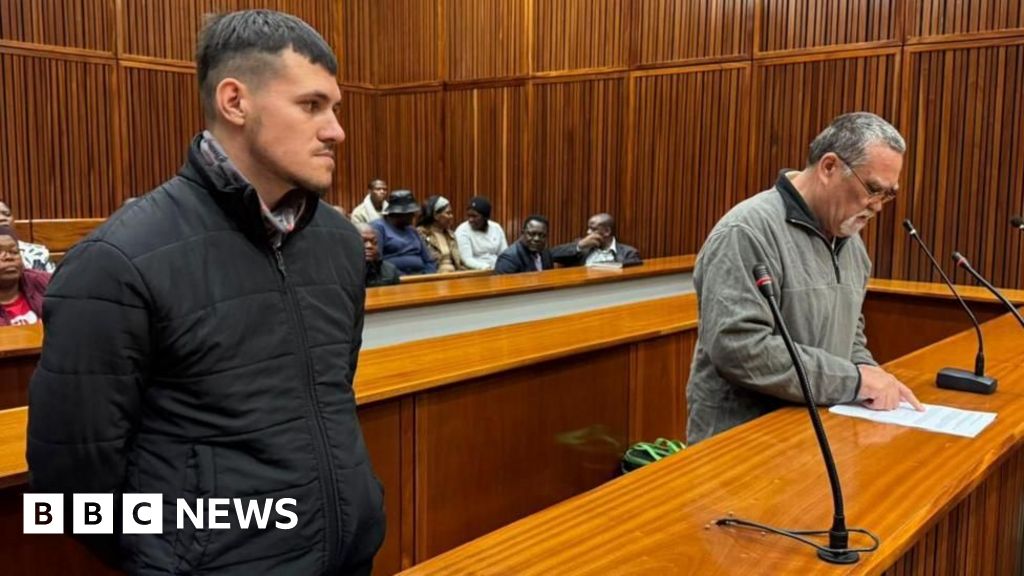
South African farm worker reveals women were fed to pigs to hide evidence, shocking court testimony

South Africa’s Darkest Day: A Case That Exposes Deep-Rooted Tensions

The sordid details emerging from a court case in South Africa have shocked the global community and laid bare the ongoing struggles within this once oppressed nation. A 21-year-old farm worker, Adrian De Wet, has testified to a gruesome series of events involving the murder of two women, Maria Makgato and Lucia Ndlovu, whose deaths have ignited widespread outrage. De Wet, who was coerced into assisting his boss, Zachariah Johannes Olivier, and another man, William Musora, in disposing of the victims’ bodies by tossing them into a pigsty, has provided chilling details that paint a stark picture of brutality rooted in racial and economic tensions still festering beneath South Africa’s surface.

According to De Wet’s court testimony, the incident unfolded during a night when Olivier and himself, armed with hunting rifles, waited for trespassers on the farm near Polokwane. When voices approached, they opened fire, killing the women who were simply seeking food — an act that reveals much about the desperation and social divide in the country. The gruesome aftermath, including pigs frenzied over the remains and the subsequent destruction of evidence, underscores a disturbing attempt to hide the violence. Court exhibits showing mutilated bodies and evidence of the pigs’ attack highlight the far-reaching consequences of such unthinkable acts, and the contamination of justice and morality in this rural landscape.

Geopolitical Impact and Societal Ramifications

This case is not just a tragic criminal story; it’s a flashpoint with deeper implications for South Africa’s geopolitical stability. As noted by international analysts, the incident exemplifies the persistent racial disparity and economic inequity that continue to pervade the country, two decades after the official end of apartheid. Most farmland remains in the hands of a white minority, while a majority of black farmworkers live in poverty and are vulnerable to violence and neglect. This division fuels resentment and undermines societal unity, exacerbating tensions that threaten to destabilize the fragile political landscape. Human rights organizations and historians warn that such tragedies could serve as catalysts for greater unrest unless comprehensive reforms address economic disparity and promote integration.

Moreover, the international community watches with concern as South Africa grapples with its identity and path forward. While the nation aspires to be a leader on the continent, incidents like this expose a failure in governance, rule of law, and social cohesion. The ongoing trial, scheduled to resume next week, is seen by many as a critical test of whether justice can be truly served amid profound societal fractures. As United Nations and African Union officials stay alert, questions about the country’s stability and commitment to progress remain salient. This case underscores the dangerous potential of unresolved racial and economic grievances, with some analysts warning that neglect could lead to further escalation and destabilization across the region.

This tragedy yet echoes the haunting shadows of a nation still grappling with its past and present

As the court proceedings unfold, the weight of history presses down on South Africa’s shoulders, a reminder that the scars of racism, inequality, and violence are far from healed. The vivid images of mutilated bodies and footprints of apathy threaten to become symbols of a society at a crossroads. Will justice rectify this deep wound, or will the pattern of brutality continue to haunt the land? The answers remain uncertain, but one thing is clear: The story of South Africa’s struggle is far from over, and the pages being written today will determine the course of its future in the annals of history.

South African MP with strong views convicted for shooting in public

South Africa’s Controversial Political Actor Faces Legal and International Scrutiny

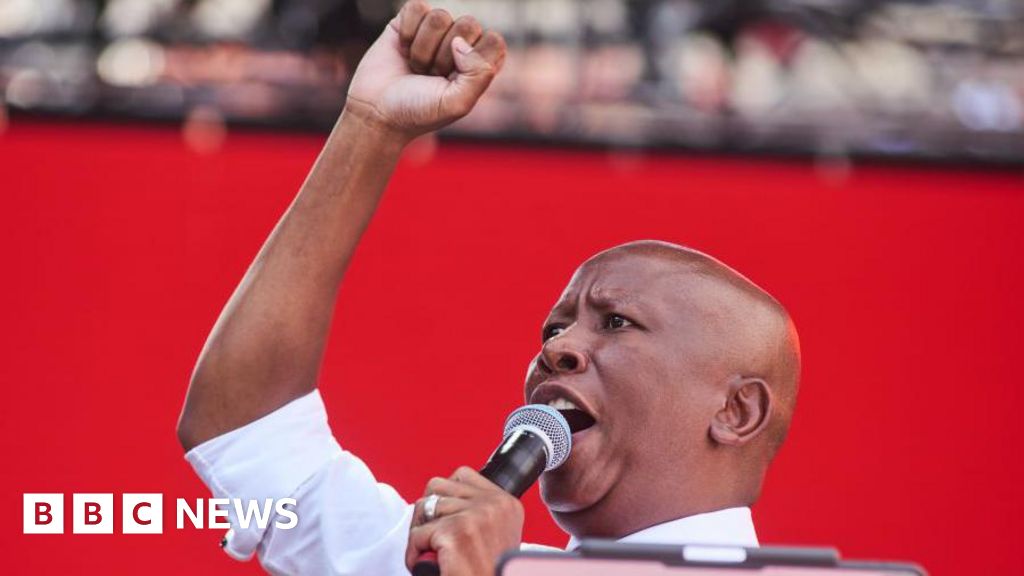
The recent conviction of Julius Malema, leader of the Economic Freedom Fighters (EFF), marks a significant chapter in South Africa’s ongoing struggle with internal divisions rooted in its apartheid past. The magistrate’s decision to find Malema guilty of discharging a firearm in public — an offence carrying a maximum of 15 years in prison — underscores the persistent tensions and volatile political landscape that continue to define post-apartheid society. The 2018 incident in the Eastern Cape, where he fired between 14 and 15 rounds during a party remembrance, was more than a youthful display; it became a symbol of the nation’s deeper struggles with violence, racial identity, and calls for radical economic reform.

Internationally, this incident has reverberated beyond South Africa’s borders, influencing perceptions of the country’s stability and leadership. The controversy surrounding Malema’s fiery rhetoric and actions reached as far as the White House, where then-President Donald Trump used a video of Malema as supposed evidence of genocide against white Afrikaners—a claim that has since been widely discredited by experts and international observers. Such gestures highlight the dangerous intersection of domestic politics and international narratives, where figures like Malema are weaponized to justify external interventions or pressure. Moreover, Malema’s vocal calls for the seizure of white-owned land and wealth redistribution continue to fuel a heated debate about racial justice and economic policies in a nation still wrestling with the legacy of apartheid.

Legal Battles, Rhetoric, and Regional Impact

  • Malema’s conviction for unlawful possession and discharge of a firearm coincides with his broader pattern of provocative speech, including recent hate speech convictions that have drawn sharp criticism from both domestic and international legal bodies.
  • His statements, such as advocating for “killing” during altercations and urging revolution through violence, raise alarms about the potential for social destabilization, especially in a country still suffering from racially charged tensions despite over three decades since the end of apartheid.
  • Foreign governments, notably the UK, have responded by barring him entry, citing support for terrorist organizations and incendiary remarks that are deemed “non-conducive to the public good,” reflecting mounting concern over the impact of figures like Malema on regional security and diplomatic relations.

Analysts and historians emphasize that Malema’s case exemplifies how post-conflict societies often struggle with balancing free speech against the threat of inciting violence and societal division. The international community watches closely as South Africa grapples with political extremism, racial grievances, and economic disparity—elements that threaten to undermine its stability and place it further at the mercy of global powers vying for influence in Africa’s most developed yet divided nation. As Malema prepares to challenge his sentence in the Constitutional Court, the fate of his influence remains uncertain, but the broader geopolitical impact of South Africa’s internal strife is undeniable. Every decision, every verdict, shapes not only the nation’s future but echoes across an increasingly unstable continent where history’s shadows loom large, and the weight of unresolved injustices presses down like an ominous cloud over the unfolding story of Africa’s “rainbow nation.”

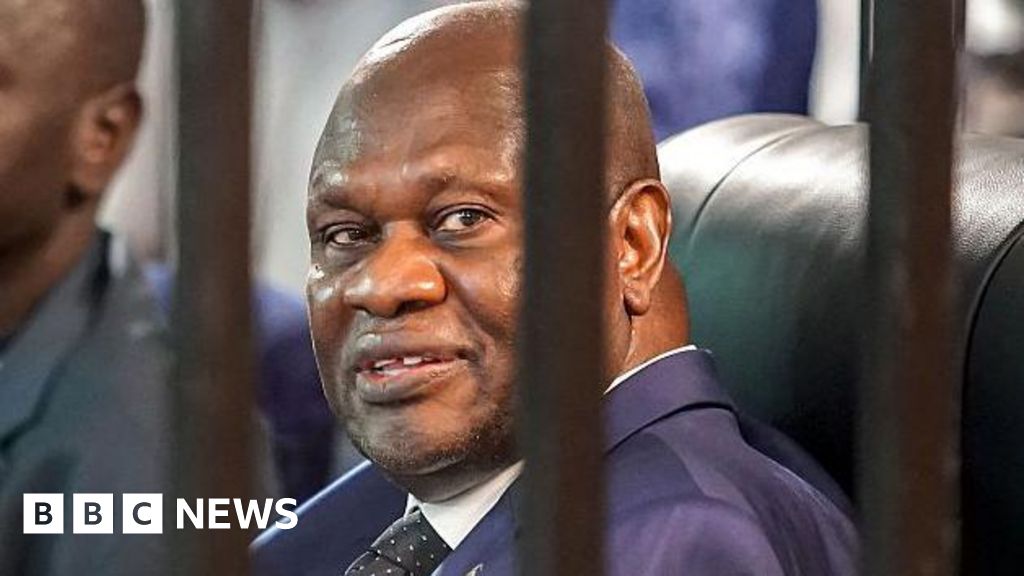
South Sudan Court Dismisses Riek Machar’s Attempt to Block Murder and Treason Trial

The recent decision of a special court in South Sudan to assert its jurisdiction over Vice-President Riek Machar underscores a critical crossroads in the fragile nation’s post-conflict recovery. The court’s dismissal of Machar’s objections—regarding immunity, constitutionality, and jurisdiction—sets a significant legal precedent that could reshape the country’s political landscape. By asserting its authority to prosecute high-ranking officials for serious crimes such as murder, treason, and crimes against humanity, the court signals a firm stance against impunity, even amid the turbulent aftermath of Africa’s newest independent state. This decision, while a step toward justice, has been met with considerable caution from international observers, who warn that it could either bolster accountability or ignite renewed unrest.

  • The charges against Machar originate from an attack in March that resulted in the deaths of 250 soldiers and a high-ranking general, linked to militia forces associated with the Vice-President. These allegations, dismissed by Machar as a political “witch-hunt,” have escalated fears of another outbreak of civil conflict, threatening to undo years of fragile peace efforts initiated by the 2018 Peace Agreement.

Since his house arrest, Machar’s case has become emblematic of the ongoing struggle to cement rule of law in a nation still haunted by the scars of civil war. His legal team’s argument that a hybrid court under the African Union should handle such charges, in line with the 2018 peace accord, reflects wider debates over justice and sovereignty in the region. The court’s ruling—affirming its authority under the 2011 Transitional Constitution—demonstrates a bold assertion of national judicial independence. However, it also raises questions about how justice is balanced against political stability, with critics warning that unpredictable legal proceedings could deepen divisions or trigger cycles of violence.

The geopolitical impact of this legal move extends well beyond South Sudan. Regional stability hinges on how leaders, notably President Salva Kiir, manage these tensions. The African Union and the United Nations have called for calm, fearing that arrests of top officials might derail an already fragile peace process. Analysts in international think tanks emphasize that how South Sudan enforces justice—especially against figures like Machar, a key opposition leader—will influence regional alliances and the future of South Sudanese sovereignty. For countries surrounding South Sudan, any return to conflict could destabilize neighboring economies and complicate efforts to combat terrorism and arms trafficking across the Horn of Africa.

With global powers watching closely, the case offers a sobering reminder of how decisions made in courtrooms can ripple into the wider geopolitical fabric, affecting international peace efforts and the stability of the African continent. As historians and political analysts debate whether this legal move marks a turning point or a potential flashpoint, the weight of history continues to hang over South Sudan’s young democratic experiment. The unfolding of this legal saga will inevitably test whether justice can be truly delivered in a land scarred by conflict—an enduring chapter in a story still being written by history itself.

Social Media Auto Publish Powered By : XYZScripts.com