Matox News

Truth Over Trends, always!

South Africa Orders Zambia to Return Ex-President’s Body

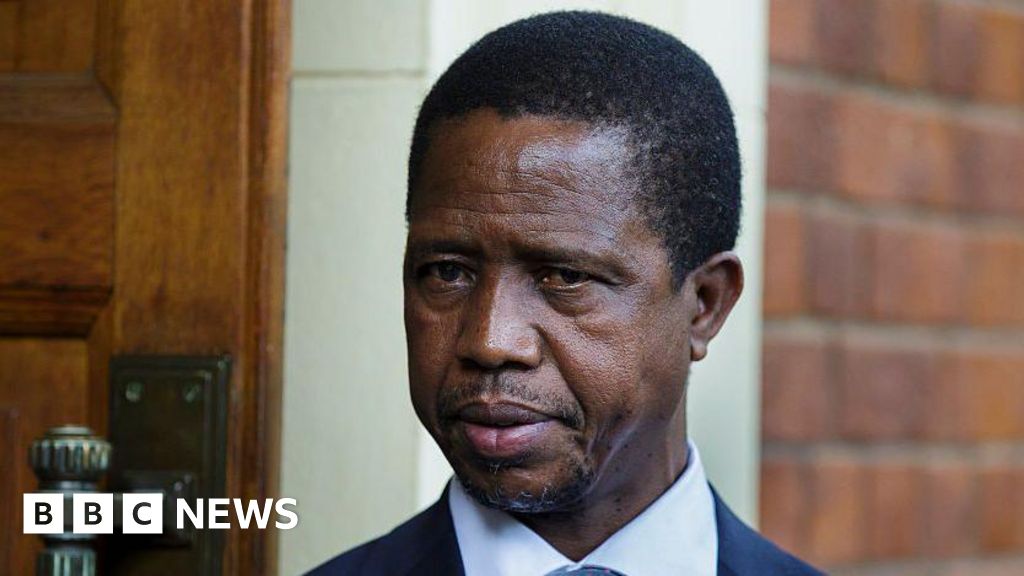
In a sharply unfolding chapter of Zambia’s political saga, authorities are embroiled in a tense dispute with the family of Edgar Lungu regarding the final resting place of the former president. As Zambia navigates this sensitive phase of national mourning, the controversy underscores the broader geopolitical currents and internal divisions that ripple through the country’s leadership and society. The clash over burial arrangements represents more than personal sentiment: it is a reflection of the nation’s struggle to reconcile its past with its future, amidst a shifting regional landscape.

The decision on where Edgar Lungu’s remains should be laid to rest is fraught with symbolic and political implications. Authorities favor a site rooted in government tradition, signaling an attempt to consolidate state authority and forge a unifying narrative that links Lungu’s legacy with the institution of the presidency. Conversely, Lungu’s family advocates for a burial site of personal or ancestral significance, emphasizing the importance of individual legacy and cultural identity. This discord accentuates a broader theme resonating across many nations: how do societies honor their leaders without exacerbating internal divisions?

International observers and analysts have noted that this localized dispute echoes regional patterns. South Africa’s recent debates on historical memorials, or Nigeria’s contentious remembrance of past leaders, serve as cautionary examples. Such disputes often serve as flashpoints for larger societal debates about history, identity, and governance. The United Nations and regional bodies like the SADC Economic Community have called for restraint, emphasizing that national unity must take precedence. However, critics warn that the resolution—or lack thereof—could influence not just sensitive national perceptions but also regional stability, especially with China’s expanding influence in Africa and the strategic importance of Zambia’s mineral resources.

As historians and security analysts dissect these developments, they highlight the potential for such seemingly isolated disputes to escalate into larger conflicts or factions. The geopolitical impact extends beyond presidential memorials; it touches on how leadership legacies are constructed and contested in post-colonial Africa. The choices made in moments like these can shape national identity for decades, with implications for diplomatic relations, internal cohesion, and economic stability. For Zambia, the outcome of this burial debate could serve as a critical juncture—either fostering reconciliation or deepening divides at a time when Africa’s political landscape is rapidly evolving.

In a moment of heightened sensitivity, the decision on where Lungu’s remains will be interred remains unresolved, leaving the country teetering on the edge of yet another chapter in its complex history. History shows that the wounds of leadership and memory extend long beyond the grave, often leaving communities fractured or united. As Zambia faces this pivotal choice, the world watches — aware that history’s pen is seldom silent, and that each generation’s decision writes the next chapter of a nation’s destiny.

South Africa's top cop faces charges over controversial health deal
South Africa’s top cop faces charges over controversial health deal

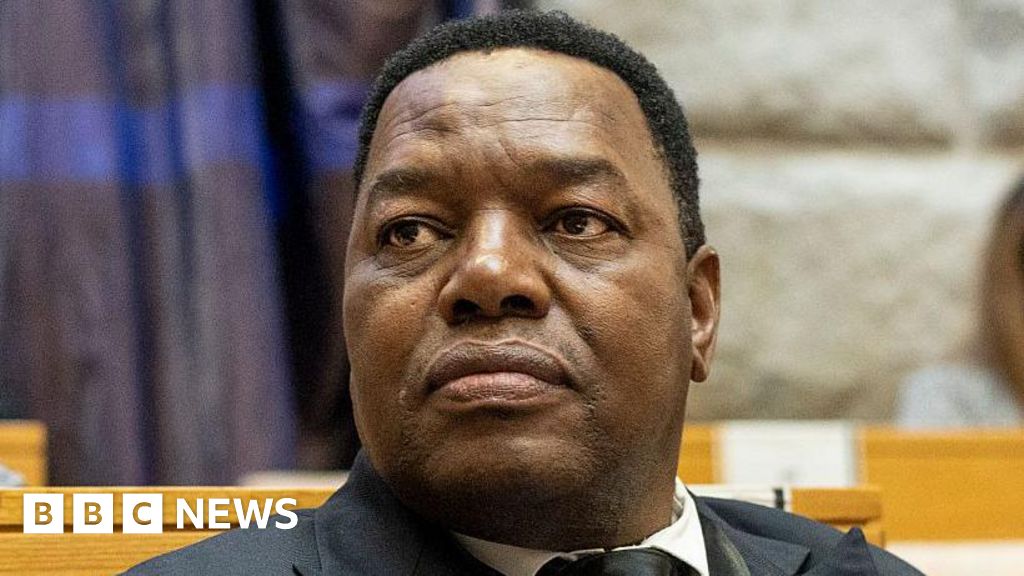
In a moment that could reshape elements of governance and accountability within South Africa, Fannie Masemola, a prominent figure in the country’s law enforcement hierarchy, faces serious allegations of failing in his duties to provide proper oversight. Such accusations come at a time when global stability increasingly hinges on the integrity and effectiveness of national leadership, especially in nations with emerging political landscapes. The outcome of this controversy is poised to exert a profound geopolitical impact, influencing how other nations perceive domestic stability and international commitments.

International analysts widely interpret these developments as emblematic of a broader regional and global trend: the tightening scrutiny of government officials tasked with upholding rule of law amidst growing transnational pressures. Organizations such as the United Nations and regional watchdogs have long emphasized the importance of transparency and accountability in fostering peace and stability. In this context, the allegations against Masemola could serve as a critical litmus test for South Africa‘s commitment to reform and good governance. Such internal struggles are not isolated; they resonate across continents, reminding other nations of the delicate balance between authority and oversight, especially in countries navigating economic challenges and security threats.

Historians and political analysts note that periods of internal crisis frequently precipitate shifts in diplomatic relations and can weaken a nation’s standing in the international arena. The controversy surrounding Masemola underscores how decisions within national institutions can have ripple effects—destabilizing alliances, undermining investor confidence, and inspiring both internal dissent and external skepticism. For South Africa, a country with a strategic position at the crossroads of Africa and the global economy, such internal upheaval threatens to diminish its influence and complicate efforts to address regional conflicts, economic disparity, and shared security concerns.

As the investigation into Masemola continues, the world’s watchful eye remains fixed on how South Africa will navigate this turbulent chapter. Will this crisis be a catalyst for reform, or will it expose deeper fissures within the nation’s governance framework? The decisions made now will undoubtedly echo through history, shaping reputations and alliances for generations to come. With geopolitical currents rapidly evolving and global pressures mounting, this episode underscores a vital truth: the fate of nations is inexorably intertwined with the integrity of their leaders. The unfolding story of Masemola’s controversy embodies more than a single allegory of failure; it is a microcosm of the ongoing struggle for sovereignty, justice, and stability in an uncertain world.

South Africa’s former Miss World star and trailblazer passes at 76

In the midst of the turbulent early 1970s, the 1972 Miss World contest stood as an unintended microcosm of global social upheaval. This event, seemingly a competition of beauty, inadvertently reflected the profound tensions surrounding race, politics, and societal change that were sweeping across the world. Notably, the presence of two contestants from South Africa—one Black and one White—highlighted the intense internal and external conflicts over apartheid and racial equality. Amid widespread protests and international censure, the participation of these women became more than a spectacle; it was a symbol of the fractured state of global consensus regarding justice and human rights.

Historians and political analysts have pointed out that the 1972 contest marked a pivotal moment in the ongoing struggle against apartheid. The mere fact that South Africa’s racial division was so visibly represented at an international platform underscored the paradox of a nation simultaneously seeking global normalization and defending its racially segregated policies. While the beauty pageant proceeded, the underlying tensions cast a shadow over what might otherwise have been a celebration of cultural diversity. Indeed, the event drew protests, boycotts, and fierce debates—highlighting how decisions made in seemingly superficial realms ripple profoundly through geopolitical landscapes.

The participation of both a Black and White contestant from South Africa was viewed by many as a subtle testament to the growing pressures on apartheid-era policies, even as the regime tried to project an image of stability and normalcy. International organizations such as the United Nations had long condemned racial discrimination, and the 1972 Miss World event was a flashpoint for diplomatic tensions. Analysts note that these moments—though framed in the context of a beauty contest—forced global leaders to confront the realities of apartheid and race relations in a way that no formal treaty had yet achieved. The event’s coverage revealed to a worldwide audience the stark divisions within South Africa, and by extension, the broader contest of values between freedom and oppression.

Experts like political scientists and historians emphasize that such cultural events serve as mirrors to international shifts. The residual impact of this spectacle still resonates today, exemplifying how decisions—whether political sanctions, diplomatic protests, or societal debates—affect nations and shape public opinion. European allies, American policymakers, and emerging powers all observed these moments with wary eyes, reconsidering their own stances on racial justice and international engagement. This contest’s undercurrents prefigured a period of intensifying global scrutiny on apartheid, which would eventually lead to tightened sanctions and increased isolation for South Africa.

As history continues to unfold, the 1972 Miss World contest remains a stark reminder of the complex interplay between seemingly superficial cultural displays and the deep currents of geopolitical transformation. Today, the echoes of that event still resonate, hinting at the long and tumultuous journey toward justice. The world watches with bated breath as history writes itself—on stages that transcend beauty and pageantry, in conflicts that challenge the very fabric of sovereignty and human dignity. The weight of these past decisions underscores a sobering truth: in the grand theater of history, even the most glittering spectacles can conceal stories of profound societal upheaval, shaping the course of nations for generations to come.

South Korea sentences 90-year-old woman for helping son’s drug money laundering

Recent judicial action in Cambodia has brought to light the intricate ties between local criminal justice and broader geopolitical currents. A woman has been sentenced to a year in jail for her role in laundering money destined for her imprisoned son, an act that underscores the vulnerability of emerging nations amid international financial flows. This case, while seemingly isolated on the surface, carries profound implications for regional stability, diplomatic relations, and the ongoing struggle against transnational organized crime. As analysts and international watchdogs scrutinize the incident, it becomes apparent that this incident is more than a petty crime—it’s a reflection of the complex interplay of law, sovereignty, and economic influence on the world stage.

Experts in international law and economics have pointed out that Cambodia’s justice system is navigating a delicate balance, often under the watchful eye of powerful external actors. The case spotlights the broader issue of money laundering, which is not just a criminal matter but a vital component of financial security and sovereignty. While local authorities have emphasized the importance of upholding the rule of law, critics argue that such cases also reveal the persistent vulnerabilities within regional banking and financial institutions, often exploited by illicit actors seeking to move capital across borders seamlessly. As noted by institutions like the International Monetary Fund, the capacity of developing economies to resist external financial manipulation remains a core concern, especially in the face of increasing geopolitical tensions.

The geopolitical impact of this case stretches beyond Cambodia’s borders, serving as a reminder of the entwined destinies of nations within the greater Indo-Pacific region. Countries such as Vietnam, Thailand, and Laos find themselves caught in a web of economic and security interests, where criminal networks often operate with impunity, sometimes with indirect support or at least tolerance from distant powers seeking strategic advantages. The incident also echoes broader fears among Western countries and allies that unchecked illicit financial activities could undermine efforts to promote stability and good governance. As international organizations like the United Nations call for increased vigilance, regional leaders are reminded that the fight against crime is inherently political—each case serves as a litmus test for sovereignty and resolve.

Yet, the true significance lies in how such seemingly localized legal proceedings ripple outward. As historians warn and analysts observe, the outcome of today’s crackdowns could shape the future of regional cooperation against organized crime—defining whether Southeast Asia becomes a region of secure stability or a playground for shadow economies. The weight of history presses heavily on the shoulders of nations and their leaders, as each decision echoes through the corridors of power. The story has yet to be written, and the outcome remains uncertain—what is clear is that the unfolding drama of law, influence, and national sovereignty will be closely watched by those determined to shape the new geopolitical order. The pages of history remain blank, waiting for the next move in a game where the stakes could not be higher.

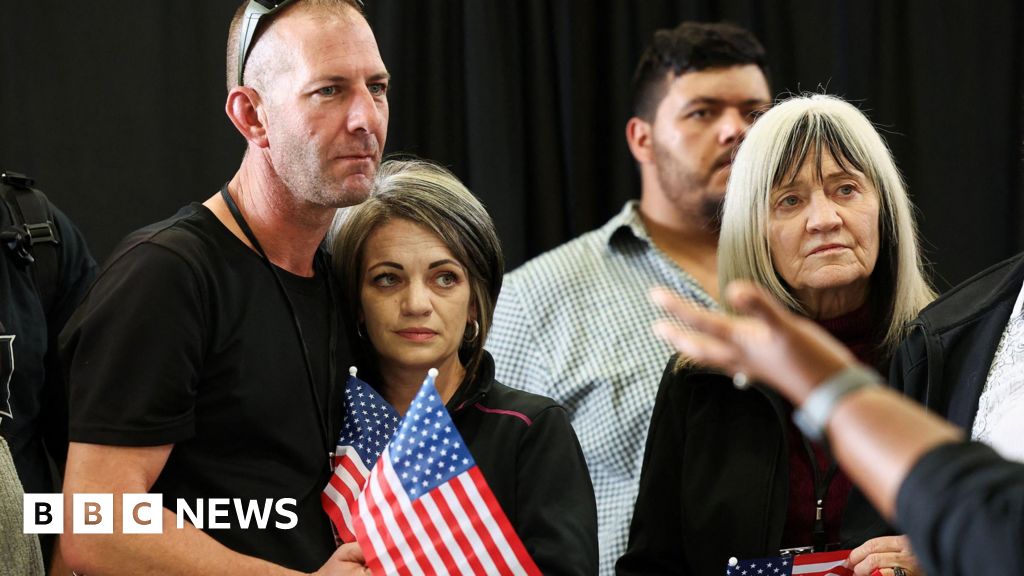
US admits 4,499 refugees since October—overwhelmingly South African youth seeking new beginnings

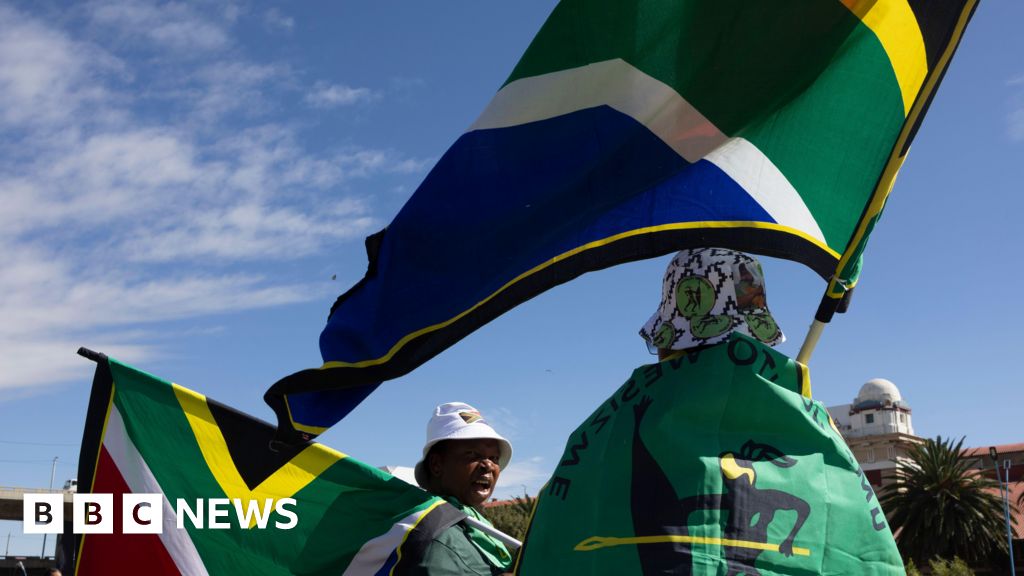
The recent international stance taken by former U.S. President Donald Trump has reignited a fierce debate over the role of Western powers in influencing Africa’s delicate socio-political fabric. During his tenure, Trump has signaled special concern for Afrikaners, a historically white minority group in South Africa, prompting widespread media coverage and diplomatic reactions. His claim that the Afrikaners are suffering persecution echoes a pattern of rhetoric that critics argue oversimplifies complex interethnic relations within the nation, while supporters contend it highlights overlooked grievances. This move signals a shift in the broader geopolitical narrative about Africa, the legacy of apartheid, and the ongoing struggles of minority groups within diverse societies.

South African officials have swiftly rejected Trump’s characterisation, emphasizing that the country has made significant strides toward transformation and equality post-apartheid. The South African government’s stance attributes ongoing social tensions to broader economic disparities, crime, and corruption—challenges that transcend racial lines. Historians and analysts suggest that Trump’s rhetoric risks fueling divisive narratives rooted in racial and cultural identities, potentially destabilizing the fragile social cohesion painstakingly built over decades. The incident underscores how international influence—particularly from Western nations with complex histories of colonialism and intervention—can complicate efforts toward national unity and sovereignty in African countries. The African Union and regional leaders have expressed concern that foreign narratives could undermine sovereignty, emphasizing their commitment to resolving internal issues without external interference.

Analysts argue that how international decisions are shaped will have profound implications for the continent’s future geopolitical landscape. Some experts warn that framing minority groups as persecuted victims might open avenues for external powers to justify meddling under the guise of protecting human rights. Meanwhile, others argue that addressing minority grievances is crucial for fostering inclusive governance. The episode demonstrates the profound geopolitical impact of such rhetoric, where decisions at the highest levels can ripple through economies, diplomatic relations, and societal stability. Institutions like the United Nations and the International Criminal Court are called upon to monitor developments and advocate for balanced approaches that respect both sovereignty and human rights.

As history watches, this episode underscores the enduring complexity of Africa’s post-colonial saga. The decision by a foreign leader to spotlight a minority group, whether out of genuine concern or political calculation, leaves a question hanging in the air: Will these acts of external engagement foster dialogue and understanding, or deepen divisions that could define the next chapter of African history? The weight of this moment is felt not only in the corridors of power but in the hearts of millions seeking stability and justice amid the tumult of a rapidly changing world. In a landscape marked by shifting alliances and unresolved pasts, the story remains unwritten—yet its chapters will undoubtedly shape the future of the continent and the broader international order for generations to come.

Teen Surfer’s Narrow Escape from Shark Attack in South Australia

Teenager Survives Fresh Encounter with South Australian Sharks Amid Rising Global Concerns

In a stark reminder that nature remains unpredictable, Oliver Tokic-Bensley, a 16-year-old surfer from South Australia, was recently attacked by what he described as a bronze whaler shark while riding the waves near Middleton. His harrowing account of flicking the creature off and sprinting back ashore encapsulates the ongoing risks faced by coastal communities worldwide. While his injuries were treatable, this incident echoes a broader pattern: a rise in shark activity along developed coastlines, fuelling debates on environmental shifts, human safety, and policy responses.

The incident underscores how fragile our understanding of marine life has become in the face of climate change and expanding human activity. According to local citizen science groups like Shark Watch South Australia, sightings of sharks, including the bronze whaler—traditionally a less aggressive species—have increased in recent years. Most notably, the last recorded attack in the region was back in 2014, highlighting how these events, though rare, are becoming a cause for global concern. International organizations such as the International Shark Attack File are monitoring these trends, warning that climate-driven changes in water temperatures and prey distribution are likely to escalate coexistence conflicts between humans and marine predators.

The Geopolitical Impact of Rising Marine Risks

This spike in shark encounters is more than a local safety issue; it carries significant geopolitical considerations. Coastal nations like Australia, the United States, and countries in South-East Asia depend heavily on tourism, fishing, and maritime activity, all of which are affected by the perception of danger at sea. Governments are compelled to balance coastal safety measures with environmental conservation, often facing public pressure to implement both shark exclusion zones and marine protected areas. Rising shark activity can influence international relations, especially when regional cooperation on marine management is strained or when economic interests conflict with ecological concerns.

Experts argue that measures such as shark culling, the deployment of shark nets, and the use of drone surveillance are becoming hotly debated topics in policy corridors. The World Wildlife Fund and other environmental watchdogs warn that aggressive culling policies could threaten shark populations and disrupt delicate marine ecosystems. Conversely, some governments view these attempts as necessary to ensure public safety, especially in increasingly populated coastal zones. These decisions do not occur in a vacuum; they reflect broader geopolitical struggles involving sovereignty, environmental stewardship, and economic resilience.

How Decisions Shape Societies and the Future of Marine coexistence

This ongoing controversy about sharks and coastal safety is a mirror to a broader, more unsettling trend: humanity’s efforts to adapt to and control nature often come at a steep cost. As historians and analysts note, the struggle to manage natural hazards—whether floods, wildfires, or marine predators—has always influenced societal structures and international conduct. Nations are now faced with a monumental task: craft policies that protect their citizens without undermining global efforts to preserve marine biodiversity. The choice made today—whether to prioritize culling, technological innovation, or ecosystem-based management—will determine the legacy left behind for future generations.

The geopolitical landscape is shifting as nations confront the realities of climate change and ecological imbalance. This narrative is still being written, and the world watches with anticipation and trepidation. The resilience of societies, the integrity of global ecosystems, and the safety of coastal communities depend on decisions made in the corridors of power—decisions that ripple across oceans and generations, echoing through the age of environmental upheaval. As history continues to unfold, the question remains: will humanity learn to coexist with the forces of nature, or will it continue to wage wars against its own environment, risking a future where such encounters are no longer rare but inevitable?

South Korea car parts plant erupts in deadly blaze, thick smoke fills the sky

In a devastating incident that underscores ongoing safety concerns within South Korea, authorities reported that a tragic fire at a car parts manufacturing plant in Daejeon resulted in at least 10 confirmed fatalities and left four individuals still unaccounted for. The blaze, which raged through the facility, not only caused significant loss of life but also injured 59 others, highlighting vulnerabilities in industrial safety protocols amidst rapid economic growth and technological advancement. Local responders faced immense challenges, with videos revealing towering flames and thick smoke consuming the structure, rendering firefighting efforts arduous and dangerous.

The firefighting team revealed that their initial inability to enter the burning building was primarily due to fears of imminent collapse, a decision that speaks volumes about structural safety standards and emergency preparedness within the country’s industrial sector. Overnight, responders shifted towards a cautious but relentless search for survivors and victims, as authorities confirmed that the fire had spread rapidly and was difficult to contain. While the cause of the fire remains under investigation, preliminary assessments suggest it could be linked to equipment failure or lapses in safety measures—a recurring concern in many of the region’s manufacturing zones. Such tragedies often force international observers, including analysts and safety experts, to question whether South Korea’s rapid industrialization has come at the expense of workers’ safety and working conditions.

  • Globally, this incident illustrates the persistent risks inherent in modern supply chains, which are heavily reliant on factories in nations like Korea.
  • It has reignited debates about the adequacy of safety regulations in countries that are pivotal to global manufacturing, especially as South Korea remains a linchpin in the international electronics and automotive sectors.
  • Furthermore, critics point out that such tragedies could lead to increased calls for stricter regulations, which might impact operational costs and global competitiveness of South Korean firms.

International organizations and industry watchdogs have issued statements warning that this incident exposes the vulnerabilities of globalized manufacturing networks. The International Labour Organization and regional safety agencies emphasize that, amidst economic ambitions, *worker safety and infrastructural integrity must remain a top priority*. Historians like Dr. Han Soo-Young warn that repeated industrial accidents unveil a pattern of superficial compliance and reveal a deeper need for systemic reform. The incident in Daejeon serves as a stark reminder that, in the relentless pursuit of economic growth, societal costs such as lives lost and communities shattered often go unnoticed until tragedy strikes.

As South Korea grapples with this disaster, the international community watches with a mixture of concern and anticipation. Will the government enforce more rigorous safety standards? Or will economic imperatives continue to overshadow the imperative to safeguard lives? This event symbolically echoes the broader geopolitical landscape, where nations are judged not solely on their economic achievements but on their ability to protect the most vulnerable within their borders. The legacy of this fire, like the smoldering remnants of the destroyed plant, is a haunting reminder: in the course of history’s relentless march, human lives are the ultimate measure of progress. And as the ashes settle over Daejeon, the world waits—uncertain of the fateful balance between industrial ambition and human safety, knowing that history’s next chapter is yet to be written.

South Africans warn: Criminal gangs capitalizing on water crisis to sow chaos

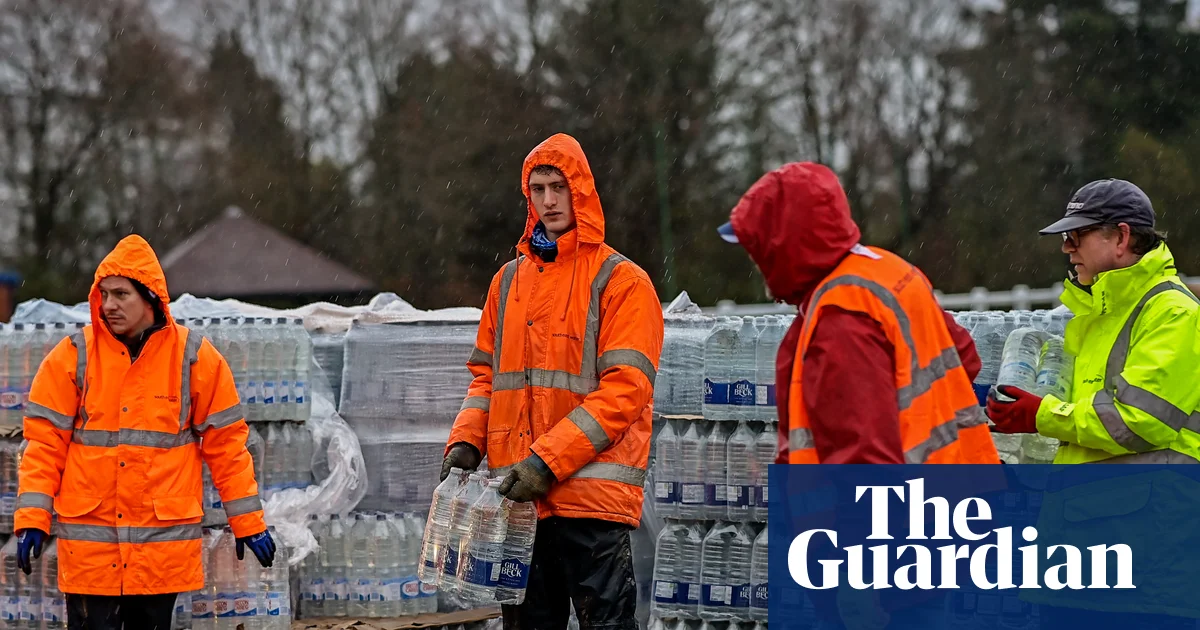
In recent weeks, residents across several regions have endured a persistent water crisis, with many communities subjected to prolonged mains water outages. This crisis, while localized in origin, has broader implications that resonate across international borders, highlighting underlying vulnerabilities in infrastructure, governance, and resource management. As local authorities grapple with mounting challenges, global observers, including analysts from the United Nations and renowned historians, underscore the crisis’s potential to destabilize social cohesion and economic stability in affected nations.

The disruptions have not been isolated incidents but have become symptomatic of deeper systemic issues. Cities and rural communities alike report weeks without access to reliable mains water supplies, forcing residents to depend on costly alternatives or face dire shortages. Experts warn that such deficiencies, especially when prolonged, can lead to public health crises and diminish the quality of life, fueling unrest and skepticism about government capabilities. Some analysts suggest that these shortcomings are symptomatic of a broader neglect of essential infrastructure, compounded by recent political turmoil and inadequate investment.

This unfolding crisis has catalyzed a wider geopolitical impact: nations are increasingly questioning their resilience and strategic independence. The European Union, for example, has issued calls for improved water resource management amidst these crises, emphasizing the need for regional cooperation. Meanwhile, international organizations warn that failure to address infrastructure vulnerabilities could exacerbate existing tensions, especially in areas where water scarcity intersects with disputes over transboundary resources. As China and India face their own water stress challenges, the global watch on such crises intensifies, illustrating how interconnected resource security has become in the 21st century.

Historians and policy analysts observe that this crisis might serve as a wake-up call for the international community. Many argue that the failure to preemptively address infrastructure deficiencies not only threatens public well-being but also emboldens geopolitical rivals. The World Bank and other development agencies have called for urgent reforms, yet the political will remains inconsistent. As communities endure these hardships and governments scramble to find solutions, the narrative remains clear: decisions made today will significantly shape the contours of future international stability. Water scarcity, a fundamental axis of human survival, once again proves its capacity to influence the destiny of nations.

In the face of mounting pressures and incomplete resolutions, the global community stands at a pivotal crossroads. The silent threat of widespread water shortages is no longer a distant worry but a present danger that could redefine geopolitical alliances and societal resilience for generations to come. As this story unfolds, history continues to be written, with each decision carrying the weight to either secure or condemn future generations to turmoil. The question remains: how long will humanity delay confronting this urgent crisis before its consequences become irreversible?

Rohan Dennis’ Porsche Post Sparks Outrage After Wife Melissa Hoskins’ Tragic Death in South Australia

In recent days, Australia has been rocked by a troubling controversy involving Olympic cyclist Rohan Dennis, whose social media activity has once again ignited debate over accountability, public image, and societal values in the digital age. Dennis, a celebrated athlete known for his remarkable achievements—two world titles in road time trials and Olympic medals—was convicted nearly a year ago for a tragic incident that claimed the life of his wife, Melissa Hoskins. Hoskins, a renowned cyclist who competed at the highest levels, was fatally struck by Dennis’s vehicle near their home in Medindie, Adelaide. The incident underscores the ongoing struggles of public figures navigating personal guilt amidst a society increasingly polarized by issues of responsibility and moral conduct.

Critics and victims’ rights advocates have expressed profound dismay at Dennis’s recent social media posts, which have been perceived as callous and tone-deaf. His latest Instagram story, which displayed a Porsche described as an “absolute weapon,” and accompanying captions—moreover, the use of the song Fancy $hit—appeared to trivialize the serious nature of the tragedy. South Australia’s commissioner for victims’ rights, Sarah Quick, publicly condemned the post, describing it as “deeply offensive” and highlighting that such remarks demonstrate “a clear lack of insight into the real and lasting impact of the harm” inflicted on Hoskins’s family. These comments reflect a broader societal concern about a failure to respect victims and their loved ones, raising fundamental questions about empathy and moral accountability in the digital era.

The incident that led to the tragedy is layered with legal and ethical complexities. Dennis was sentenced last May to a 17-month suspended sentence and was ordered to pay a fine, with his driver’s license suspended for five years. During his sentencing, Judge Ian Press acknowledged Dennis’s sense of responsibility but clarified that he was not charged with causing Hoskins’s death—who had jumped onto the car’s bonnet before falling off and being tragically run over as Dennis drove away. The court emphasized the inherent dangers of such reckless acts, reiterating that “driving at any speed when a person was on the bonnet was ‘an inherently risky and dangerous act’.” Critically, this incident illuminates the dangerous complacency that can develop in the minds of those insulated by fame and privilege, often at the cost of societal morality and justice.

From an international perspective, analysts suggest that this case exemplifies how individual actions within a society’s moral fabric can have sweeping geopolitical implications. Critics argue that if the public perceives a disconnect between athletes’ personal conduct and societal expectations, it erodes trust and respect for institutions designed to uphold justice. Historians like Samuel P. Huntington and contemporary think tanks have warned that the erosion of shared moral values can threaten social cohesion and breed cynicism toward authority. Dennis’s case, and the public’s reception of his behavior, are grappling with these issues, as societies worldwide confront the challenge of holding public figures accountable in the age of social media. As Dennis deletes his Instagram account, the incident leaves a stark reminder that, regardless of athletic achievement, moral integrity remains a vital measure of a person’s legacy. How nations respond to such crises will mark their commitment to justice, respect for victims, and societal resilience in a rapidly changing world.

As history continues to unfold, the weight of this tragedy lingers—an indelible reminder that actions, no matter how publicly celebrated or privately concealed, cast long shadows. Whether society’s collective conscience will prioritize justice and empathy or succumb to apathy and cynicism remains to be seen. In a world where individuals like Dennis can momentarily captivate attention, the true test lies in how societies choose to confront their darkest moments—because, in the end, the chapters of history are written not only by the powerful but also by the moral courage of their societies.

Watch South Africa vs. New Zealand 2026 T20 Clash Live — Stream for Free and Catch the Action!

In an era where digital connectivity reigns supreme, the way young audiences consume sports is undergoing a profound transformation that extends beyond traditional broadcasters. The recent surge in free live-streaming options for major tournaments like the T20 Cricket World Cup 2026 exemplifies this shift, emphasizing a broader cultural movement towards accessibility and immediacy. For fans across the globe, watching the intense rivalry between South Africa and New Zealand has become less about cable subscriptions and more about tapping into innovative digital platforms. Platforms such as ICC.TV now enable viewers to catch high-stakes cricket matches from anywhere—free of charge—challenging the traditional gatekeeping of sports media.

This democratization of sports content feeds directly into the emerging cultural impact of digital access—especially among youth, who are often more tech-savvy and skeptical of mainstream outlets. Influencers and social analysts observe that this trend fuels a sense of ownership and participation among younger fans. No longer do they rely solely on traditional broadcasters; instead, they leverage VPNs and streaming hacks to bypass geo-restrictions, turning what once was a privilege into a global right. As cryptic but powerful as it sounds, this behavior signifies a deeper societal shift—young viewers demanding the same ease of access to international sports as they do with their favorite music or social platforms. This is reshaping the social relevance of cricket, transforming it into a truly global phenomenon rooted in digital territory.

Moreover, the influence of young influencers and sociologists underscores that this isn’t merely about convenience but about a cultural movement that redefines how global sports communities engage. These digital fans are not just passive spectators; they are active participants who forge virtual communities around their passion. The trend of free streaming is also catalyzing a new audience demographic, typically younger, more diverse, and more engaged in social media discourse. They are transforming the fan experience from passive viewing into an interactive, community-driven event, which carries significant social relevance. This reframing of sports as communal digital experiences indicates a vital shift—a move away from old hierarchies of media power toward a decentralized, accessible, and highly connected culture.

What remains to be seen, however, is how this torrent of access will evolve. As the next big question, we should wonder: Will this increasing accessibility democratize sports fandom further or threaten traditional broadcasting models altogether? The answer might define the future of not just cricket, but all major sporting events, as the lines between producer and consumer blur. In this new landscape, the real question is whether sports organizations will adapt to this empowered digital audience or cling to old media infrastructures that may no longer serve a growing, globally connected youth. As the digital revolution accelerates, one thing is clear—how we watch sports today is just the tip of the iceberg. The next chapter depends on whether the industry can harness this new culture of access or risk becoming obsolete in a world where the rules are being rewritten around us.

Social Media Auto Publish Powered By : XYZScripts.com