Matox News

Truth Over Trends, always!

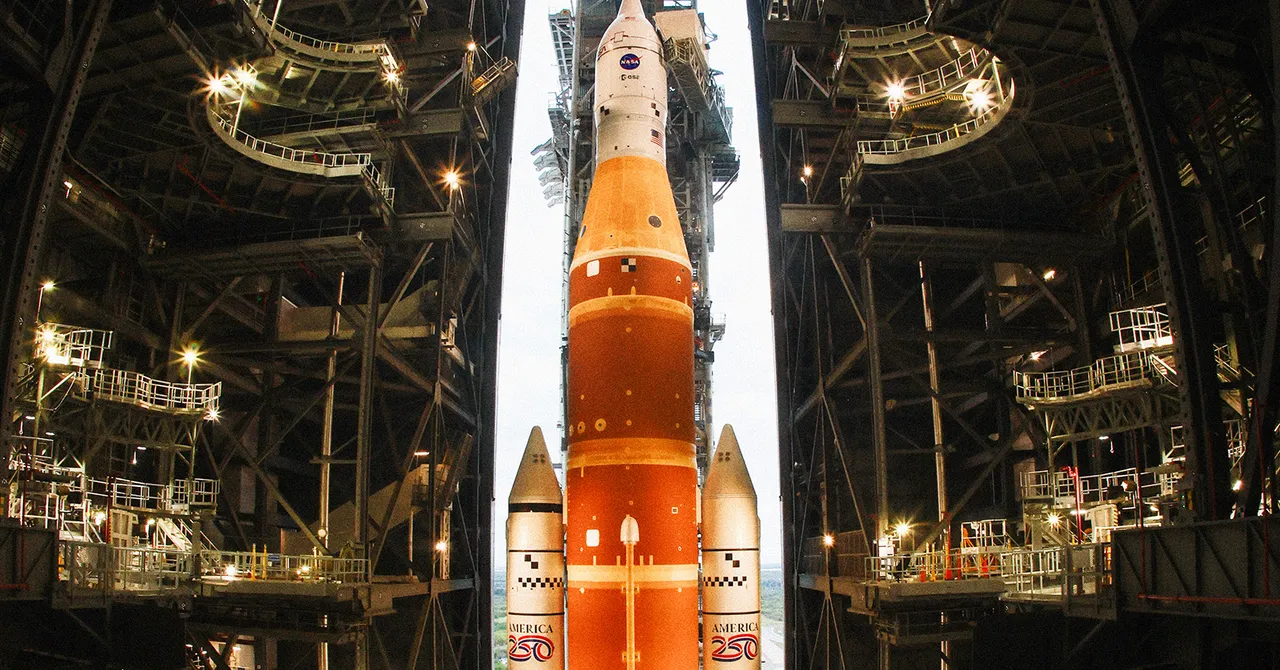
NASA pushes ahead with bold tweaks to turbocharge Artemis launch

In a clear signal that innovation and disruption continue to reshape aerospace ambitions, NASA is recalibrating its Artemis program with a newfound focus on reliability, cost-efficiency, and phased approach. After repeated delays—stemming from persistent hydrogen and helium leaks—as well as the inherent risks of launching advanced hardware infrequently, agency officials are pushing for a transformation that could reset the US’s lunar ambitions. The core strategy now emphasizes standardizing the SLS (Space Launch System) to a single configuration, aiming to launch approximately every 10 months—an aggressive timeline compared with previous iterations.

This move towards regularized, high-frequency launches reflects an underlying industry shift towards more predictable and scalable space operations. Industry insiders, including leading analysts at Gartner and institutions like MIT, recognize that such standardization could be a game-changer—not only enhancing safety and reducing costs but also disrupting the traditional space launch market. By prioritizing reliability over continual configuration tweaks, NASA aims to foster an ecosystem where commercial entities can soon step into the void, launching crews to lunar surfaces with unmatched precision and frequency. As congressional leaders are briefed on these initiatives, major contractors like Boeing remain cautiously supportive, acknowledging the need for an accelerated schedule that will test their supply chains and engineering capabilities.

Significantly, the program’s renewed approach echoes the philosophical lessons of the historic Apollo missions—returning to a phased, step-by-step timeline before achieving a lunar landing. “Skipping intermediate steps,” as some industry veterans warn, introduces a level of risk and complexity that could jeopardize long-term goals. The plan underlines that the jump from Artemis II’s lunar flyby directly to Artemis III’s landing is too ambitious without thorough groundwork. As Elon Musk and Peter Thiel have long advocated, disruptive innovation in space requires robust incremental milestones—precisely what NASA’s new strategy aims to institutionalize.

Looking ahead, the implications are profound. The industry’s future depends on a nimble, resilient launch architecture, where technological innovation is paired with strategic planning. Companies like SpaceX and Blue Origin are exploiting these institutional shifts with groundbreaking developments—ranging from reusable rockets to artificial intelligence-driven mission planning—that could upend NASA’s current trajectory. With the space race intensifying and global powers investing heavily in lunar and Martian ambitions, timing is everything. The coming months will be crucial as NASA’s bold, standardized approach matures into a blueprint that might define the next era of human space exploration—one driven by disruptive innovation, strategic disruption, and a relentless pursuit of expeditionary excellence.

Top 4 Space Heaters Americans Trust for Rapid Warmth — Stay Cozy and Ready This Winter

In an era where wellness and comfort intertwine with our daily routines, the quest for the perfect home environment has taken on new urgency. With the recent surge in extreme weather patterns—ranging from record-breaking cold snaps to unseasonal heat waves—the importance of selecting reliable heating solutions cannot be overstated. As the landscape shifts, so does the way young, dynamic households approach warmth and lifestyle optimization. Today, embracing smart heating technology isn’t just about comfort; it’s about asserting control over one’s environment and, by extension, one’s health and productivity amid unpredictable climates.

Among the most sought-after solutions are innovative space heaters designed to balance efficiency with noise reduction and aesthetic appeal. Industry leaders like Vornado and Honeywell have revolutionized this sector, offering models that cater to the modern youth’s desire for quiet, stylish, and multifunctional appliances. For instance, the Vornado AVH10 stands out as a whisper-quiet marvel, capable of casting air over impressive distances thanks to its ceramic element. Its sleek design, coupled with features like under-the-unit cord storage and fan-only modes, appeals to those who value both form and function. The inclusion of a digital display and safety features demonstrates a commitment to safety-first wellness standards, aligning with advice from wellness experts like Dr. Michael Breus, who emphasizes the connection between physical comfort and mental clarity.

For more targeted heating, portable and wall-mounted units like DeLonghi’s HMP1500 excel with their efficient mica heating elements and customizable mobility options. Young homeowners are increasingly drawn towards home modifications that reflect individual lifestyles—be it turning a garage into a personal gym or creating a cozy nook. The DeLonghi’s space-efficient design and low-energy settings align perfectly with this trend, encouraging users to tailor their spaces while prioritizing sustainable living. Meanwhile, models like the Honeywell HCE840B offer a sleep-friendly operation—recognized particularly by sleep scientists as critical for maintaining restorative health. The quiet operation and automatic shutoff functions make it an excellent choice for young adults who seek uninterrupted rest while safeguarding their wellness.

Ultimately, choosing the right space heater is more than a purchase—it’s a lifestyle statement. It symbolizes a shift toward mindful living, where individual comfort and health are paramount amidst environmental uncertainties. As the modern youth continues to seek ways to optimize their surroundings, the embrace of innovative, safe, and stylish heating options denotes a broader cultural movement: a conscious effort to take control of one’s environment, prioritize wellness, and foster resilience. In this journey, every decision, down to the choice of a space heater, becomes an act of rebellion against the chaos of weather and a testament to the pursuit of a truly **inviting home**. Embrace this shift, and see your environment not just as a shelter, but as a canvas for personal empowerment and lifestyle evolution.

SpaceX Boss Musk Plans to Launch 1 Million Satellites, Boosting Space Infrastructure

In a bold move that signals the next frontier of technological advancement, a leading tech conglomerate has announced plans to establish a network of “orbital data centres” to serve the expanding demands of artificial intelligence. This initiative aims to harness the strategic potential of space-based infrastructure, marking a significant shift in how nations and corporations envisage data management, security, and technological sovereignty. As the world grapples with the rapid growth of AI, this plan raises fundamental questions about geopolitical influence, control over critical infrastructure, and the future of international cooperation.

The concept of orbital data centres is not merely a technological novelty; it represents a new layer in the complex web of global power dynamics. Experts suggest that such infrastructure could drastically reduce latency, enhance cybersecurity measures, and provide a more resilient backbone for AI applications worldwide. However, it also introduces unprecedented challenges for international stability. Analysts from institutions such as the International Telecommunications Union warn that the placement and regulation of orbital facilities could lead to conflicts over space sovereignty or create new battlegrounds for cyberwarfare. The endeavor effectively transforms space from a domain governed largely by national treaties into a contested arena where economic and strategic interests collide.

Historically, the development of space has been profoundly shaped by global treaties and mutual understanding, such as the 1967 Outer Space Treaty. Yet, many experts believe that new technological realities necessitate a reevaluation of these agreements. Countries like the United States, China, and Russia, with their extensive space programs, are carefully observing these developments for clues about future dominance. In this context, the initiative could exacerbate existing tensions, especially if the orbital data centres are seen as strategic assets with military as well as commercial potential. The possibility of space becoming a new battleground for influence and control is a scenario highlighted by numerous geopolitical analysts, emphasizing that decisions made today will echo through the corridors of global power for decades to come.

Influential voices in the international community warn that the drive toward orbital infrastructure coincides with a broader shift toward digital sovereignty and strategic independence. Global institutions such as the United Nations have begun discussions on establishing frameworks for space resource management, but progress remains tentative amidst competing national interests. As historians and geopolitical scholars note, today’s technological innovations often accelerate pre-existing conflicts rather than resolve them. The creation of orbital data centres, therefore, is not just about advancing AI but about how humanity chooses to govern its ascent into a new realm of possibility—one that could redefine the very fabric of international relations.

Ultimately, this development underscores a stark truth: the future of the digital age will no longer be confined solely to terrestrial borders. As nations scramble to stake their claims in space, humanity stands at a crossroads—faced with the opportunity to forge a new era of cooperation or to slip ever closer to an era of renewed conflict and division. The unfolding story of the orbital data centres will undoubtedly be inscribed in the history books, a testament to both human ingenuity and the enduring challenges of global governance in an era of rapid technological transformation. The weight of this moment lingers—a reminder that the decisions made today will shape our collective destiny, echoing through the vast darkness of space and into the corridors of history.”

Quick Boost: Transform Your Space with a 10-Minute Flower Vase Masterpiece

In the relentless tide of modernity, where instant gratification often diminishes the value of dedicated craftsmanship, the art of still life painting emerges as a profound symbol of human endurance and aesthetic pursuit. Consider the exquisite work by Margareta Haverman, a Dutch artist from the early 18th century, whose mastery transcends the superficiality of fleeting trends. Her meticulous layering of up to seven coats of paint on a canvas—crafted in a time when mechanical reproduction was nonexistent—mirrors a philosophical ideal championed by thinkers like Ortega y Gasset, who emphasized that culture is the expression of a “vocation” towards excellence. Haverman’s painstaking effort reminds us that true beauty is not accidental but an achievement of disciplined vision, vital to the fabric of national identity and artistic tradition.

The composition, a vibrant bouquet teeming with thirty different species of flowers, fruits, and insects, encapsulates a microcosm of natural order—each element carefully studied and rendered with painstaking detail. It is as if Haverman, inspired by her teacher Jan van Huysum, engaged in a silent dialogue with nature itself, striving to preserve its transient beauty. This act of preservation aligns with the insights of T.S. Eliot, who observed that great art is a form of memory and prophecy, anchoring us in the present while gesturing towards eternity. The intricate layers and textures serve as metaphors for society’s enduring quest to domesticate chaos through culture, forging an identity that is both rooted in tradition and poised to confront the unknown future.

Cultural critic G.K. Chesterton remarked that modern society often forgets that art’s highest calling is to serve as a “great reminder,” not merely decoration. Haverman’s work resonates with this idea, acting as a tangible link between historic mastery and contemporary purpose. The inclusion of everyday symbols—flowers fading into decay—reminds us of life’s impermanence, yet even these elegies serve to elevate the mundane into a moral and aesthetic statement. Much like the Dutch tulip frenzy of the early 1600s, which exemplified the human obsession with beauty and wealth, this painting underscores that our cultural pursuits are rooted in an innate desire to impose order and meaning upon the chaos of existence. The flowers, once the symbol of fleeting luxury, now serve as evocations of enduring values that transcend the temporal realm.

As humanity stands at crossroads of technological change and cultural upheaval, the significance of these artistic endeavors becomes ever more evident. They forge an identity that is not solely materialist but rooted in a collective memory that aspires to the divine. Such works whisper of a future where art remains an act of heroism—an affirmation that our spirits can be refined amid the shadows of decay. Like Chesterton’s view of the childlike wonder that sustains society, true artistry embodies the hope that through diligent effort and reverence for tradition, humanity can craft a legacy resilient to time’s erasure. In this silent language of colors and forms, we find the prophecy of a legacy—where memory sustains us, and hope guides us towards horizons yet unseen, for the culture that endures is both the echo of the past and the seed of what is to come.

Virgin’s Bold New Flight: Boeing 747 Prepares to Launch Rockets into Space

In recent years, space exploration has shifted from the realm of government-initiated missions to becoming an accessible frontier for innovative private companies. The United Kingdom, historically not a major player in space endeavors, is now making notable strides with the development of its first orbital spaceport at Newquay. This evolving landscape signals a day when space launches are not solely conducted from remote, government-controlled sites but can happen closer to home, transforming our perspective on leisure, economic growth, and personal impact.

Central to this movement is Virgin Orbit, a company founded by Sir Richard Branson, which has pioneered the use of modified aircraft—most notably its aircraft Cosmic Girl—to launch small satellites into orbit. Reimagining the traditional ground-based launch system, Virgin Orbit employs a unique horizontal launch method, where the 747 aircraft carries the rocket to high altitude before release. This approach broadens the potential orbits and access points, offering a more flexible and cost-effective path into space. For young people inspired by the stars and technology, this sequence represents a monumental shift: space is now within reach, not just for scientists and astronauts but for entrepreneurs and everyday explorers alike.

Witnessing this revolution firsthand, locals near Newquay have had the chance to watch the spectacle of Cosmic Girl take off and return, marking a milestone for European space endeavors. As Virgin Orbit prepares to launch its first UK mission next month, the event stands as the first international launch from Europe in decades. The mission involves launching seven satellites, compact payloads that will orbit Earth, facilitating everything from weather monitoring to global communications. This development elevates the UK’s position in the future of global connectivity and _technology-driven innovation_, inspiring a new generation of engineers, scientists, and entrepreneurs to think beyond terrestrial limits.

Moreover, the infrastructural and technological groundwork laid at Spaceport Cornwall demonstrates that the future of space exploration is shaping right here on Earth, in vibrant communities eager to participate in the @newspace. Virgin Orbit’s recent rehearsal flights and ground operations showcase how public-private partnerships are revolutionizing access to space, making it more than just science fiction. Looking ahead, Virgin Orbit has plans to extend this horizontal launch model to countries such as Australia, Japan, Brazil, Poland, and the Republic of Korea. For the ambitious youth of today, this signals an expanding horizon—where borders become less relevant and innovative spirits define the new age of exploration and discovery.

As the journey into space accelerates, it’s vital to reflect on how these advancements impact personal health, leisure, and vision. Space technology fuels communications, weather forecasting, and even environmental monitoring—areas that directly influence our daily lives. For young explorers fueled by curiosity, the emerging space industry is not only about reaching new frontiers but also about learning how to shape a sustainable, connected future. The story of Cosmic Girl taking flight from Cornwall encapsulates this spirit—a testament to human ingenuity, resilience, and the unwavering desire to reach upward.

In the grand narrative of progress, the ongoing development of UK-based space launch capabilities invites each of us to embrace the possibilities. The narrative is no longer confined to distant stars or government agencies; it is happening here, in communities and workplaces, sparking a sense of pride and purpose. Like the seasoned pilot Matthew Stannard remarked, “It feels amazing to bring Cosmic Girl home to the UK”—a sentiment echoing across the industry. As we look to the sky, this evolving story reminds us that exploration is a personal journey—an adventure in innovation and hope, urging every young mind to dream beyond the horizon and realize that the future is waiting to be shaped by those brave enough to pursue it.

Social Media Auto Publish Powered By : XYZScripts.com