Matox News

Truth Over Trends, always!

Three evacuated as Spain clears ship linked to hantavirus outbreak—public safety prioritized

Recent developments involving the MV Hondius, a Dutch-flagged cruise ship stranded off the coast of West Africa, have spotlighted the broader societal issues of public health crises, governmental authority, and social cohesion. As nearly 150 passengers from diverse communities find themselves caught in a complex web of international health protocols and local political disputes, the ripple effects extend far beyond individual health concerns, deeply affecting families, local communities, and the societal fabric. The evacuation of suspected hantavirus patients to the Netherlands, confirmed by the WHO, underscores the intersections of health security, humanitarian responsibilities, and geopolitical considerations.

Such incidents expose the intertwined nature of demographic shifts and cultural tensions. The ship, which was en route to the Canary Islands—an often-overlooked hub for European-tourism-dependent economies—becomes a microcosm of societal fragility. The fact that the Spanish authorities refused docking initially, and that local leaders like Fernando Clavijo vehemently oppose the vessel’s arrival, illustrates how public health emergencies are increasingly politicized, threatening the social cohesion vital for community resilience.

  • The outbreak is linked to hantavirus, typically transmitted via contact with rodents, complicating quarantine strategies in high-density environments.
  • With passengers from multiple nations—Britain, Germany, Australia, and beyond—the crisis highlights the globalized nature of social issues.
  • Local governments face balancing public safety with economic and diplomatic pressures, often leaving families and communities uncertain and anxious about their loved ones’ fates.

Nevertheless, the societal ramifications extend into the realm of education and moral responsibility. As sociologists like Dr. Emily Nguyen argue, societal responses to crises influence the moral fabric of communities—shaping how future generations perceive authority, altruism, and collective security. The ongoing debate over whether to permit docking, coupled with the decisions about health monitoring and quarantine, underscores society’s moral dilemma: uphold individual rights or prioritize collective safety. The situation heightens the importance of ethical leadership in maintaining societal trust. Families—particularly those with loved ones aboard—are left navigating a landscape fraught with uncertainty, exemplifying how societal stressors inevitably translate into intergenerational anxieties and social fractures.

As the world watches with concern, the unfolding crisis serves as a stark reminder of the urgent need for community-based solutions and stronger social safety nets. The hope lies in fostering a society where public health is not merely a bureaucratic mandate but a shared moral mission—one that respects human dignity while safeguarding collective well-being. History teaches us, as sociologist David H. Smith notes, that resilient societies are built not solely on infrastructure but on trust, moral clarity, and the unity of purpose. Society’s challenge is to transform this harrowing event into an opportunity for growth, for reimagining community bonds, and for cultivating hope amid adversity. In the end, society’s greatest strength remains its capacity for renewal—an enduring testament to the human spirit’s relentless quest for harmony in a fractured world.
Spain intercepts historic cocaine haul in Atlantic, authorities announce

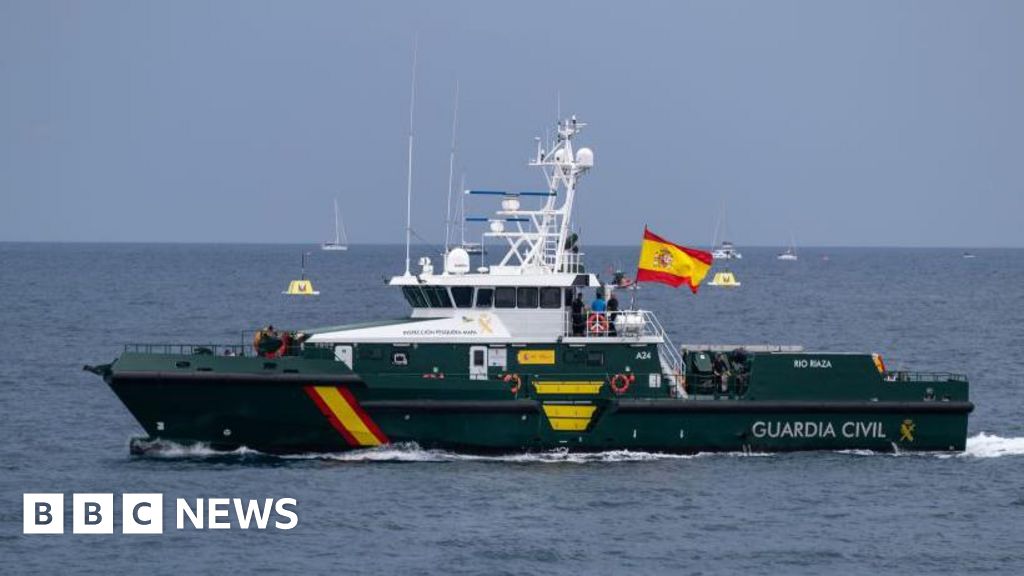
In a remarkable display of law enforcement prowess, the Civil Guard recently intercepted a massive illicit shipment of narcotics en route to Libya. Authorities uncovered between 30,000 and 45,000 kilograms of the drug on a freight vessel, marking one of the largest seizures in recent history. This operation not only highlights the ongoing challenge of transnational organized crime but also underscores the shifting dynamics within regional geopolitics that allow such trafficking to flourish.

The intercepted shipment, believed to be part of a well-coordinated network, signals a troubling escalation in the scope and scale of drug trafficking across Mediterranean routes. Analysts suggest this large consignment could significantly bolster the illicit markets within North Africa and Southern Europe, fueling instability and fostering environments where extremism and corruption thrive. “This seizure demonstrates the increasing complexity of international drug networks,” stated a senior officer within the Civil Guard, emphasizing the critical need for enhanced surveillance and international cooperation. The magnitude of this find also raises questions about the effectiveness of existing maritime border controls and the sophistication of traffickers who are continually adapting to enforcement tactics.

From a geopolitical impact perspective, this incident reverberates across multiple nations and interests. Libya’s ongoing destabilization, marked by civil strife and civilian displacement, facilitates the free passage of illicit cargos. Meanwhile, European nations pressure their counterparts and international organizations to strengthen counter-narcotics operations, aware of the social and economic toll these drugs inflict on societies. Global institutions like the United Nations Office on Drugs and Crime (UNODC) have long warned about the destabilizing effects of drug commerce—effects that stretch beyond borders and threaten regional security frameworks.

Historically, crises such as this also serve as a stark warning about the broader erosion of state sovereignty. As traffickers exploit weak governance and porous borders, the influence of non-state actors expands—an alarming trend confirmed by security experts and historians alike. With the international community’s gaze fixated on other global priorities, these challenges risk growing unchecked. The recent drug seizure thus highlights a moment where decisive action is required to preserve stability and uphold the rule of law amid a shifting global landscape, where alliances are tested, and the fabric of order itself is challenged.

As history continues to unfold, one cannot ignore the weight of this moment. The corridors of power, the battlefield of diplomacy, and the shadows where criminals operate are all converging in a narrative that will define the future of Mediterranean security and beyond. The outcome of these efforts—whether they lead to sustained stability or further chaos—remains a pivotal chapter in the ongoing story of nations striving to defend their sovereignty against those who seek to undermine it. The question persists—how will the world respond in the face of this audacious threat, and what new conflicts or alliances will emerge in the smoke of this massive seizures? Only time will reveal the next chapter in this unfolding saga of power, peril, and resilience.

NATO firm on unity amid report US considering Spain suspension

Pentagon Internal Memo Sparks International Tensions Over Iran War Support

Recently leaked internal communications from the Pentagon have revealed a controversial planning document that outlines possible strategies to punish allied nations perceived as insufficiently supportive in the escalating conflict involving Iran. This development signals a significant shift in U.S. military and diplomatic posture, prompting global concern about the implications for alliances and regional stability. The document, reportedly authored by senior defense officials, suggests a range of punitive actions aimed at recalibrating allied nations’ commitments amid heightened tensions in the Middle East.

Analysts assert that this move represents a profound departure from traditional alliance management, where diplomatic persuasion and shared strategic interests typically guide coalition dynamics. Instead, the Pentagon’s internal messaging indicates a readiness to employ more coercive tactics, potentially including military, economic, or diplomatic penalties targeting countries deemed reluctant or slow to follow U.S. lead. This approach risks fracturing longstanding alliances, as European and Middle Eastern partners question whether their support could be coerced rather than earned through shared values and mutual interests.

From a geopolitical impact, these internal debates reflect a broader shift in U.S. foreign policy—one increasingly characterized by assertive unilaterism and a willingness to leverage its military dominance as a means to influence global allies. Such tactics threaten to undermine international norms fostering cooperation and diplomacy, especially as nations weigh the costs of remaining aligned with an America that may now prioritize transactional gains over multilateral consensus. Furthermore, critics argue that the move could destabilize the region further, as Iran remains poised to capitalize on perceived divisions among its foes. Historical scholars and international organizations, including the United Nations, have long cautioned against the dangers of escalating proxy conflicts, warning that they often spiral beyond initial intentions and ignite broader regional upheaval.

The ripple effects extend beyond the Middle East, reaching global markets and transforming the balance of power. European nations, Russia, and China watch with growing concern as the United States signals a readiness to deploy coercive strategies that could recalibrate their diplomatic calculations. Such moves pose serious questions for the future of international institutions designed to foster multilateral dialogue and peace. Countries like Germany and France, traditionally advocates for diplomatic solutions, now find themselves at a crossroads—should they continue aligning with an unpredictable U.S. stance or pursue independent strategies to safeguard their interests? Analysts warn that these internal Pentagon strategies could lead to a fragmentation of global alliances, thereby emboldening Russia and China to push their own agendas unchecked, exploiting the fractures for strategic gain.

As the world observes these unfolding developments, the shadow of history looms large. Will this internal struggle for dominance usher in a new era of unilateralism that risks global chaos or serve as a catalyst for a sturdier, more resilient order built on diplomacy? The answer hangs in the balance, as nations brace for the uncertain fallout of decisions made behind closed doors—decisions that may reshape the course of history, perhaps forever changing the landscape of international security and cooperation.

Mexico's Sheinbaum rejects 'diplomatic crisis' claims over Spain conquest spat
Mexico’s Sheinbaum rejects ‘diplomatic crisis’ claims over Spain conquest spat

In a surprising development, Mexico’s current president has publicly stated that there were never tensions over Spanish colonization, a stark departure from historical narratives that often position the colonial past as a source of lingering conflict. This statement challenges long-held perceptions in the international community and signals a possible shift in Latin America’s diplomatic discourse. Historically, the colonial era remains a touchstone for debates surrounding identity, sovereignty, and historical grievances. However, the recent comments suggest a move toward reconciliation or, at least, a reframing of the narrative by Mexico’s leadership.

Amid the backdrop of regional geopolitics and evolving relationships within North and Central America, experts and international organizations have taken close note. Some analysts interpret the statement as a strategic diplomatic act aimed at fostering stronger ties with European nations, particularly Spain. While many historians and international observers recognize the enduring importance of colonization’s legacy—highlighted in studies by organizations such as the United Nations Department of Economic and Social Affairs—the Mexican president’s remarks may be an effort to build bridges rather than deepen historical wounds. This narrative shift could redefine regional power dynamics, especially as Latin American countries grapple with how their colonial past shapes present-day policies and societal identities.

The geopolitical impact of this narrative change is significant. Universities, think tanks, and political analysts suggest that Mexico’s stance might be aimed at aligning itself more closely with European nations, seeking economic and diplomatic benefits in an increasingly interconnected world. Such statements could influence international dialogues on reparations or historical accountability, which remain tense and divisive in many other parts of the region. Furthermore, Mexico’s move may serve to distance itself from the compromises and conflicts of the past, signaling a desire to focus forward on issues like economic development, national sovereignty, and regional stability. These decisions affect not only diplomatic relations but also how societies within Latin America confront and debate their colonial histories, often intertwined with present-day social and economic inequalities.

Experts such as political scientists and historians caution that this moment—a seemingly simple presidential statement—carries the weight of history’s ongoing narrative. As the world watches, the nature of Mexico’s diplomatic posture will likely influence broader regional attitudes. Could this be the beginning of a new chapter where nations choose unity over division, reconciliation over retribution? Or will it serve merely as a transient political gesture amidst complex historical realities? The unfolding story of Latin America’s engagement with its colonial past, and how it chooses to shape its future, remains one of the most compelling chapters yet to be written in the global saga of history and geopolitics.

Trump warns Spain: No trade without military base access

The recent decision by Spain to prevent United States military forces from utilizing its bases for strikes against Iran marks a significant turning point in international geopolitics. This move, announced amid escalating tensions in the Middle East, underscores a broader realignment of global alliances and sovereignty issues that are shaping the modern era of international security. It signals a departure from the longstanding implicit cooperation that has characterized U.S. military strategies in Europe, and highlights the growing assertiveness of nations seeking to carve out independent foreign policy paths.

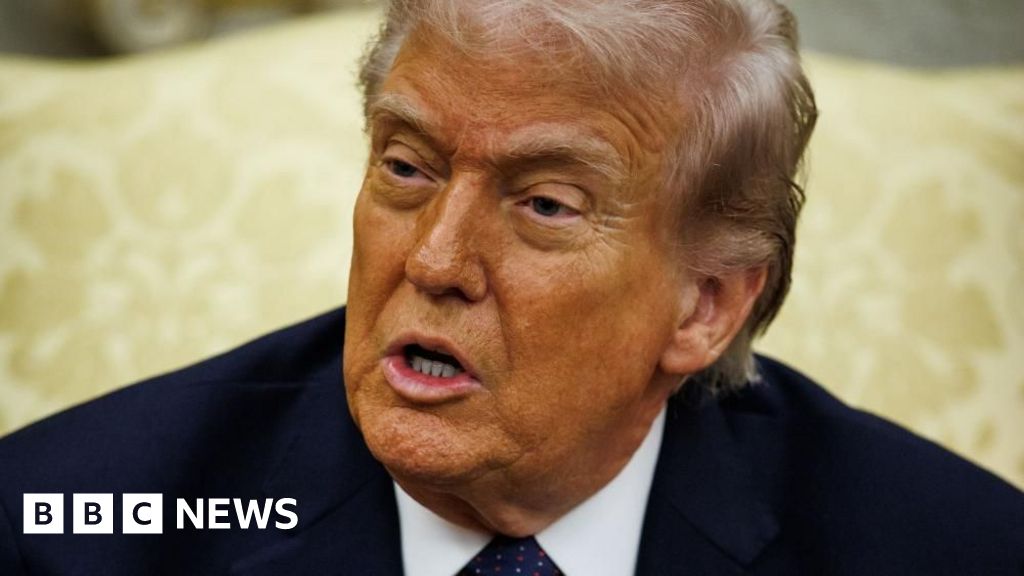
Following Spain’s decision, former U.S. President Donald Trump sharply condemned the move, arguing that it jeopardizes American national security interests and undermines the necessary, swift military responses to regional threats. His rhetoric reflected a broader concern among U.S. policymakers who view bases across Europe and the Mediterranean as critical assets in maintaining strategic dominance. The implications extend far beyond Spain itself; analysts suggest this could embolden other host nations to scrutinize or restrict U.S. military operations, thereby complicating America’s ability to respond effectively in a volatile Middle East. According to international security analysts, maintaining unimpeded access to bases is often seen as vital to U.S. strategic flexibility, especially in a region where rapid action can determine outcomes in conflict or diplomatic stalemates.

This development comes against the backdrop of a shifting geopolitical landscape where global influence is increasingly contested. Spain, which historically maintained a policy of strategic neutrality, appears to be asserting a more independent foreign stance amidst rising nationalistic sentiments and economic pressures. Meanwhile, Iran continues to challenge Western influence, with mounting concerns over nuclear proliferation and regional influence. The decision by Spain is being viewed by many experts as a reflection of a broader desire among Western nations to reassert sovereignty and diversify their security partnerships. American and European diplomats are now faced with the daunting task of recalibrating their military and diplomatic strategies to adapt to this new reality.

International organizations such as the North Atlantic Treaty Organization (NATO) have historically provided a framework for collective defense, but recent events underscore fundamental shifts. As historian Dr. Peter Roberts notes, “The era of unquestioned U.S. military supremacy in Europe is receding. States are increasingly willing to challenge the old order, asserting their independence in the face of global uncertainty.” The consequences of Spain’s move could intensify regional instability, change the balance of power in the Mediterranean, and influence future treaties related to military cooperation and sovereignty. This rising assertiveness not only reshapes alliances but also profoundly impacts societies that depend on stability, security, and the delicate balance of diplomacy and deterrence.

As history continues to unfold in the shadows of historic conflicts and Cold War rivalries, the question remains: how will global powers adapt to a world where the old paradigms of dominance are challenged from within and beyond? The weight of this moment is a stark reminder of the fragility of peace and the relentless push for national sovereignty. In the theater of international relations, where decisions are often made in quiet backrooms, the risk of miscalculation looms large. And so, the trajectory of this new chapter in the geopolitics of the 21st century hangs in delicate balance, its outcome capable of reshaping the world order itself—destined to be remembered as a defining moment in the ongoing saga of history’s fierce conflicts and fragile alliances.

Spain cuts speed limit on key train line following safety flaw

Spain Faces a Rail Crisis as Safety Concerns Shake the Nation

The recent crises plaguing the Spanish rail system have thrust the country into a state of heightened alert and uncertainty, highlighting deep-seated questions about infrastructure integrity, government accountability, and the broader implications for European security. In the wake of the tragic accident in Adamuz, which resulted in 45 deaths, authorities have responded with drastic measures—most notably, the speed reductions along key high-speed lines, a move that underscores the fragility of Spain’s once-celebrated rail network.

Transport authorities, led by Minister Óscar Puente, announced the temporary lowering of speeds on the Madrid-Barcelona high-speed corridor—a crucial artery for Spain’s economy and mobility—from 300 km/h to a mere 80 km/h. This decision reflects mounting concerns over technical failures and aging infrastructure, with inspections revealing cracks and weld failures on recently renovated tracks. Such technical lapses not only jeopardize passenger safety but threaten Spain’s image as a leader in high-speed rail technology, which was once heralded as a testament to the country’s modernity and ingenuity.

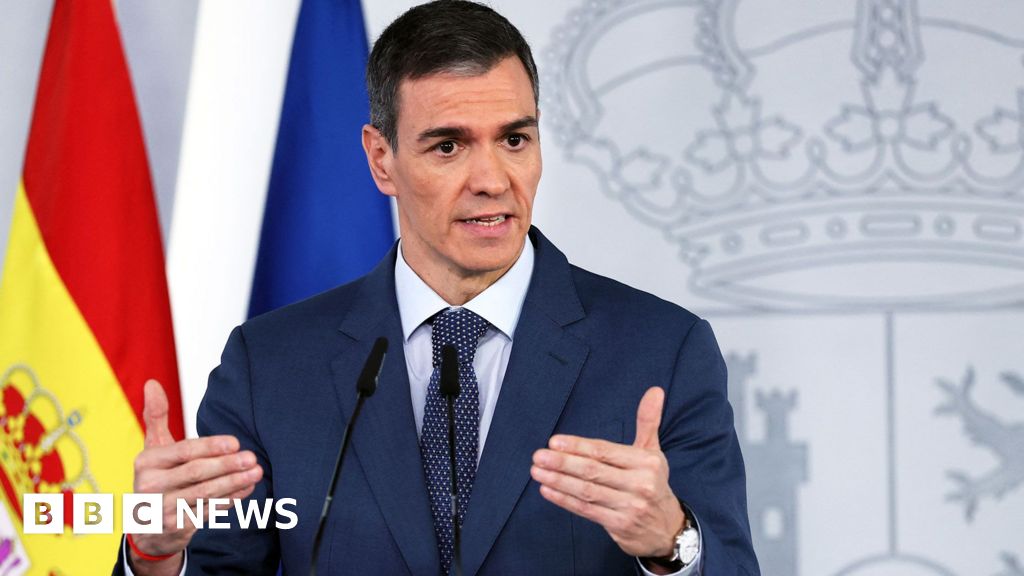
Adding fuel to the fire, the Rodalies regional line in Catalonia has become a battleground of safety protests, service disruptions, and political contention. After the tragic loss of a trainee driver, the service was grounded amid demands for improved safety standards. The Catalan Republican Left (ERC) labeled the decades of neglect and underinvestment as the root cause of the current crisis, emphasizing how political disinvestment and bureaucratic complacency are putting lives at risk. Meanwhile, the Spanish government is under mounting pressure, with Prime Minister Pedro Sánchez scheduled to face Congress on 11 February to address the nation’s mounting concerns—a move seen by many as a deflection and a test of his administration’s resolve.

The investigation into the Adamuz derailment reveals unsettling details: a 40-centimeter section of track, welded together from pieces manufactured decades apart, likely caused the fatal derailment. Despite recent renovations and technical reviews, the weld’s failure exposes systemic flaws in Spain’s infrastructure oversight, raising fears that similar issues may lurk elsewhere in the network. International safety standards, lauded by global organizations like Transport Canada and European Railway Agency, mandate rigorous inspections—yet, the failure to prevent this tragedy indicates a troubling deviation from best practices.

Analysts warn that these failures have *geopolitical implications* extending beyond Spain’s borders. As a member of the European Union, Spain’s technological and safety lapses threaten the continent’s broader transit and security frameworks. Many voice concern over the potential for international confidence erosion, jeopardizing future investments and partnerships. Historians caution that this crisis echoes past errors: the cost of neglecting critical infrastructure in pursuit of innovation. As Spain grapples with its railway woes, the world watches, awaiting a response that will determine whether this once-proud nation can reclaim its reputation—or be remembered as a cautionary tale of hubris and neglect in an era when infrastructure is the backbone of sovereignty and resilience.

Top 50 Bars of 2022: The Hottest Spots Every Young Rebel Should Know

Barcelona’s Paradiso Reigns Supreme: A New Era for Global Cocktail Culture

In a remarkable turn of events that signals a shift in the world’s vibrant nightlife landscape, Barcelona has surged to the forefront of the global cocktail scene, claiming the coveted title of World’s Best Bar in 2022 with its iconic establishment, Paradiso. A Mediterranean-style speakeasy tucked away behind a freezer door in the hip El Born district, Paradiso’s ascent from number three in 2021 to the pinnacle of the industry marks a significant evolution in the cocktail world. This recognition underscores the city’s rising reputation as a cosmopolitan hub where tradition meets cutting-edge innovation, inviting young enthusiasts to indulge in a lifestyle rooted in _wellness_ and experiential leisure.

What makes Paradiso’s victory particularly momentous is its status as the first bar outside of London or New York to claim top honors since the inception of the World’s 50 Best Bars list in 2009. Its founders, Giacomo Giannotti and Margarita Sader, emphasize creating cocktails that push creative boundaries while remaining anchored in _authentic Mediterranean style_. Giannotti shared with the awards organizers that their philosophy blends **hard work**, **passion**, and **innovation**, recognizing that breakthrough success stems from relentless discovery and a dedication to _excellence_. More than a celebration of taste, Paradiso exemplifies how the new cocktail culture is about _inspiring_ and _transforming_ the beverage experience, aligning with what wellness experts like Amanda Feifer highlight as the importance of _mindful indulgence_ in a health-conscious era.

Europe’s Culinary and Mixology Renaissance

The city of Barcelona is no longer just known for its striking architecture or rich cultural heritage—it’s now a key player on the global stage of _lifestyle_ and _culinary_ innovation. The 2022 list features three of the top 10 bars hailing from this vibrant city, including Sips, which catapulted from 37th to 3rd position, exemplifying how _food-inspired_, _creative_ cocktails are reshaping the industry. European cities continue to maintain dominance in this arena, with London and Italy also making powerful showings, underscoring the continent’s _legacy_ of blending _culinary artistry_ with a _luxurious lifestyle_, one that resonates with a youthful desire for _luxury_ and _personal impact_ in everyday pleasures.

  • Engage in _local _tours, exploring Barcelona’s innovative venues, and experiencing _Mediterranean-inspired_ cocktail craftsmanship.
  • Seek out _experiential_ and _food-infused_ drinks that elevate _wellness_ and _mindful_ consumption.
  • Embrace _design_ and _aesthetics_ in drinking experiences, including _custom glassware_ and _science-driven techniques_ like centrifuges, as exemplified at Paradiso and other top-tier venues.

In tandem, the emphasis on _hospitality_ and _customer experience_—a ripple effect of the pandemic’s lessons—continues to prioritize safety, _personalized service_, and creating environments where patrons feel valued and secure. This renewed focus not only elevates _leisure_ but fosters a sense of _community_ and _well-being_, essential elements for forging a _purposeful lifestyle_ rooted in _quality_ and _authenticity_. By drawing from expert voices and the evolving landscape of _gastronomy_ and _mixology_, these bars reflect a cultural shift where _creative_ expression harmonizes with _healthful_ living.

Beyond the Cityscape: A Global Tapestry of Cocktail Creativity

The recognition of Barcelona’s Paradiso as the world’s top bar symbolizes a broader _rebirth_ of _cultural innovation_ across continents. Notable entries from Madrid’s Salmon Guru, Italy’s Florence, and Lisbon exemplify how emerging hotspots further diversify the global _premium lifestyle_ scene. In Asia, Singapore’s Jigger & Pony takes the Best Bar in Asia title, while Middle Eastern hubs like Dubai demonstrate a persistent _luxury_ that appeals to _global_ explorers and _young adventurers_ seeking _meaningful_ _leisure_. Each of these venues offers a unique _story_—a _narrative of _craft, culture_, and _ambition_—that inspires aspiring _independent thinkers_ and _trendsetters_ to view _lifestyle_ as a personal _journey_, a collection of _moments_ that shape _identity_ and _well-being_.

As the industry continues to evolve, tools like science-based _cocktail_ techniques and _artful_ _presentation_ are seamlessly merging _culinary_ arts with beverage innovation. The emphasis on _aesthetic_ and _experience_—whether through _custom glassware_ or _food-inspired_ drinks—encourages a _mindful_ approach to _indulgence_. This reflects a societal desire to _reclaim_ _pleasure_ as _part of a _holistic_ lifestyle_, fitting seamlessly into the _wellness_ paradigm favored by intellectuals like Tim Ferriss and wellness entrepreneurs emphasizing _quality over quantity_. It reminds young audiences that _living well_ does not mean sacrificing excitement for health; instead, it’s about _integrating_ _the best_ into _everyday life_, cultivating _balance_, and _creating_ _lasting impressions_ of _self-awareness_ and _inspiration_.

In conclusion

Today, the _world’s top cocktail bars_ do more than serve drinks—they craft _experiences_ that embody the _spirit_ of _adventure_, _creativity_, and _self-improvement_. They evoke a sense of _possibility_, inspiring a generation to see _lifestyle_ as a _personal _canvas_, where _health, _leisure_, and _self-expression_ intertwine. As you navigate the corridors of this _lyrical_ _world_, remember that your _journey_—like a meticulously crafted _cocktail_—is about _balance, _discovery_, and _embracing_ each moment with _passion_. Because ultimately, _life_ is the grandest _adventure_, waiting to be _poured_ from the _bottle_ of _your_ _potential_ into a _glass_ of _possibility_.

Patronato: My Mom, a Free-Spirited Teen in Franco’s Spain

Uncovering Spain’s Hidden History: Echoes of a Repressive Regime

Nearly fifty years after the death of Francisco Franco, Spain is grappling with a past long concealed beneath the veneer of its modern democracy. Historians and international organizations continue to spotlight the systematic abuses committed within the patronato institutions, where thousands of women and girls deemed “rebellious” or “fallen” were detained, re-educated, or worse, subjected to barbaric treatments. The revelations emerging from testimonies like that of Mariona Roca Tort serve not only as a stark reminder of repression but as a critical juncture in the nation’s pursuit of justice and accountability. The decision to revisit these dark chapters will undoubtedly reshape geopolitical impact—prompting debates over historical memory, reparations, and the ongoing fight against authoritarian legacies.

The atrocities committed under Franco’s regime, especially through institutions managed by religious entities, remain shrouded in silence. The patronato system—a network of residential institutions—embodied state and church collusion, targeting women who deviated from conservative Catholic moral standards. Details from survivor accounts like those of Mariona portray a dystopian world where girls and young women were imprisoned for surreptitious acts of personal independence or political dissent. The turning point came when Mariona, a spirited teenager engaged in anti-Franco activism, was forcefully detained and subjected to violent “treatments” such as electric shock and insulin coma therapy, intense methods now universally condemned for their lethality and cruelty. International observers, including critics from the United Nations, have condemned such practices, emphasizing the importance of truth and reparations to reshape historical consciousness.

The 50th anniversary of Franco’s death now sparks renewed calls for justice, with survivors and their families demanding formal recognition of their suffering. The documentary “Els Buits” (meaning “The Spaces”) by Marina Freixa and her mother, Mariona, is catalyzing international focus on Spain’s continued struggles with its authoritarian past. The film exposes the systematic erasure of memory—blank spaces in history that survivors now aim to fill. According to international analysts, such efforts have the potential to influence geopolitical stability by setting a precedent for other nations grappling with similar legacies, especially in transitioning from authoritarian regimes. The Spanish Minister for Democratic Memory, Ángel Víctor Torres, has publicly expressed openness to re-examining these historical wounds, signaling a shift towards accountability, even if decades late.

How decisions made in these critical moments ripple through societies and nations is profound: they affect international relations, domestic legal frameworks, and societal perceptions of justice. As Spain wrestles with its history, the international community watches closely. Historians warn that forgetting these atrocities could pave the way for the re-emergence of repressive ideologies, especially as current political climates oscillate between progress and regression. The ongoing tour of “Els Buits” exemplifies how truth-telling and remembrance bolster societal resilience and global moral standards. Yet, the fight for full acknowledgment remains fraught with resistance, and the weight of history continues to hang heavily—as a silent judge—reminding us that the crucial lessons of the past are the foundation for any future built on justice.

Spain Apologizes for Past Wrongs Against Mexico’s Indigenous Communities

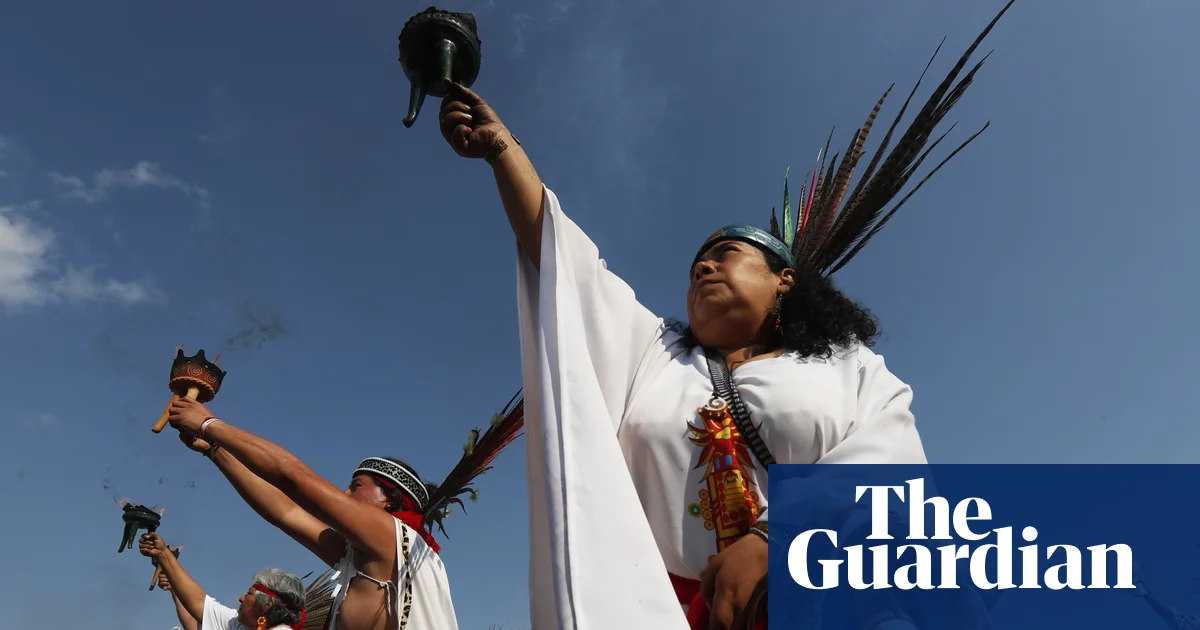
In a significant development that underscores the ongoing recalibration of historical narratives and diplomatic relations, Spain has publicly expressed remorse for the pain and injustice inflicted upon the Indigenous peoples of Mexico during its colonial conquest. This shift in tone marks a departure from years of diplomatic tensions and denotes a broader reconsideration of colonial histories that have long haunted international relations. After years of reluctance, Spain now acknowledges its role in a painful chapter of world history—an acknowledgment that many analysts see as an attempt to soften its global image and reinforce diplomatic ties within Latin America and beyond.

This time, the gesture comes amidst renewed calls from Mexico’s President Claudia Sheinbaum for a formal apology. In March 2019, Mexico’s then-president, Andrés Manuel López Obrador, had urged King Felipe VI and Pope Francis to address the atrocities committed during the conquest, including massacres and systemic oppression. Four years later, the Spanish Foreign Minister, José Manuel Albares, has responded with a more conciliatory tone. During an exhibition inauguration dedicated to Indigenous Mexican women, Albares reflected on “the countries’ joint history”—a statement that political analysts interpret as a strategic recalibration amidst shifting regional dynamics.

Global institutions have started to weigh in on the matter, recognizing the importance of historical memory in shaping contemporary geopolitics. While some see statements of remorse as symbolic gestures, others argue that such apologies serve to build a platform for future collaboration, countering rising anti-colonial sentiments and fostering political stability.

  • Key events include Mexico’s 2019 appeal for an apology, and the recent Spanish acknowledgment that emphasizes “a first step” towards reconciliation.
  • International repercussions involve potential shifts in diplomatic alignments, especially as Spain seeks to bolster its influence within Latin America, where indignation over colonial abuses remains strong among growing youth populations.
  • The consequences for societal perception are profound, as recognition of past wrongs can catalyze debate about justice, reparations, and the legacy of colonialism in shaping modern identities.

Historically, the conquest of Mexico in 1519 marked the beginning of centuries of Spanish dominance, characterized by conquest, cultural upheaval, and the forced conversion of Indigenous populations. Yet, as international organizations like UNESCO and historians worldwide document this era, a new narrative emerges—one that calls for accountability, acknowledgment, and a reevaluation of what it means to belong to a shared history. The recent overtures by Spain, though symbolic, hint at an underlying shift in the geopolitical landscape—where past injustices are no longer hidden beneath diplomatic silence but are brought into the light of contemporary dialogue.

As global powers navigate this fragile terrain, the weight of history presses inexorably forward. Spain’s admission of guilt is not merely a historical footnote; it is a turning point that reverberates across borders, igniting debates about justice and sovereignty. With each diplomatic gesture, the past and present intertwine, shaping the future of international relations. In this unfolding story of reconciliation, history’s pen continues to write, leaving us to ponder: How will this chapter be remembered in the annals of a world still finding its moral compass? The answer remains unwritten, and the shadow of history continues to cast its long, indelible shadow across the pages of history’s ongoing narrative.

Social Media Auto Publish Powered By : XYZScripts.com